
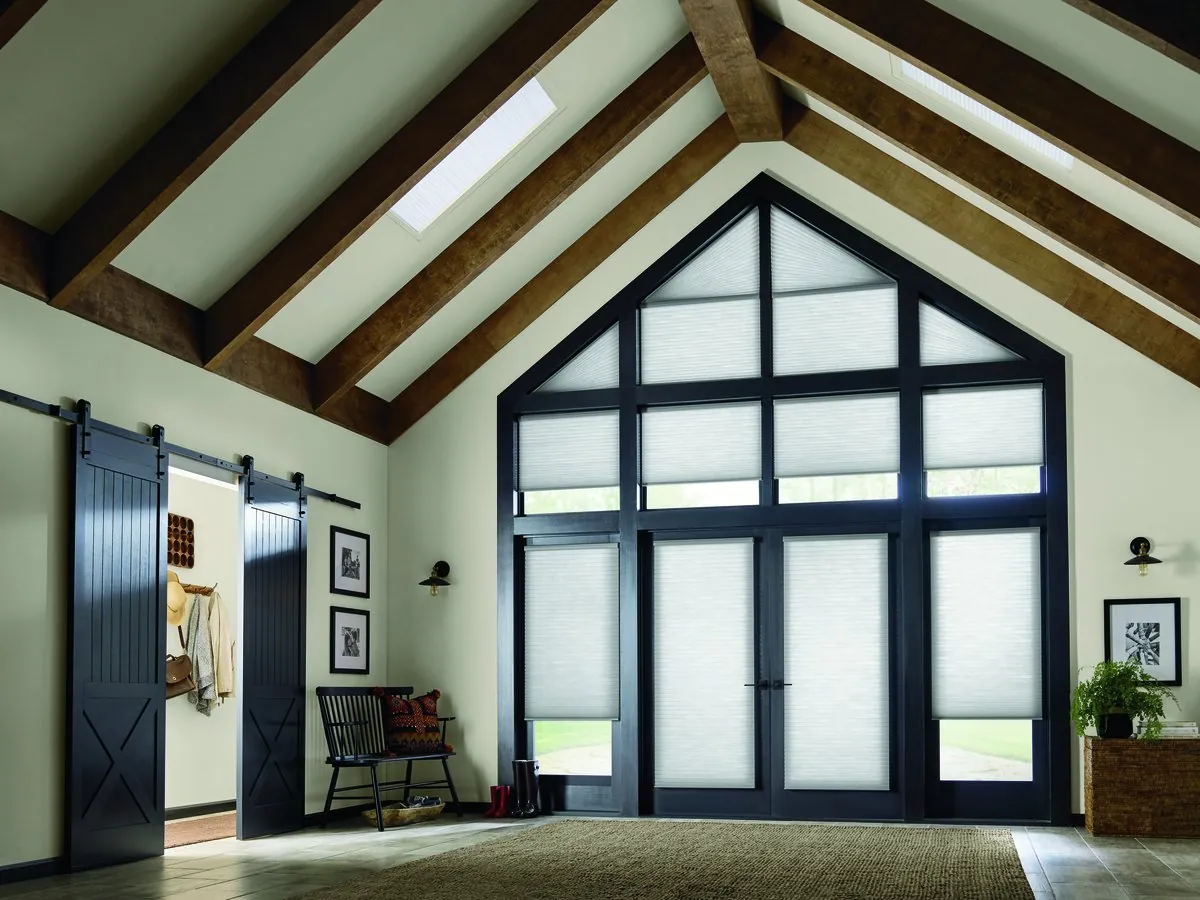
Light from every side, and nothing to soften it
West Bridgewater is about as spread out as towns get in this part of Massachusetts. Farmhouses and capes sit on large lots, newer colonials are scattered between them, and in many places the nearest house is a field or a long yard away. Without neighbors or close trees to block it, the light reaches these houses from almost every direction. A single room can take morning sun through one wall, midday sun through another and the low evening sun through a third.
That is a gift in winter, when every bit of daylight is welcome. It is a challenge the rest of the year. Glare moves across the room as the day goes on, the floor and furniture take direct sun for hours, and a room with glass on three sides can overheat by mid-afternoon even in spring. Nothing outside softens it, so whatever softening there is has to happen at the window.
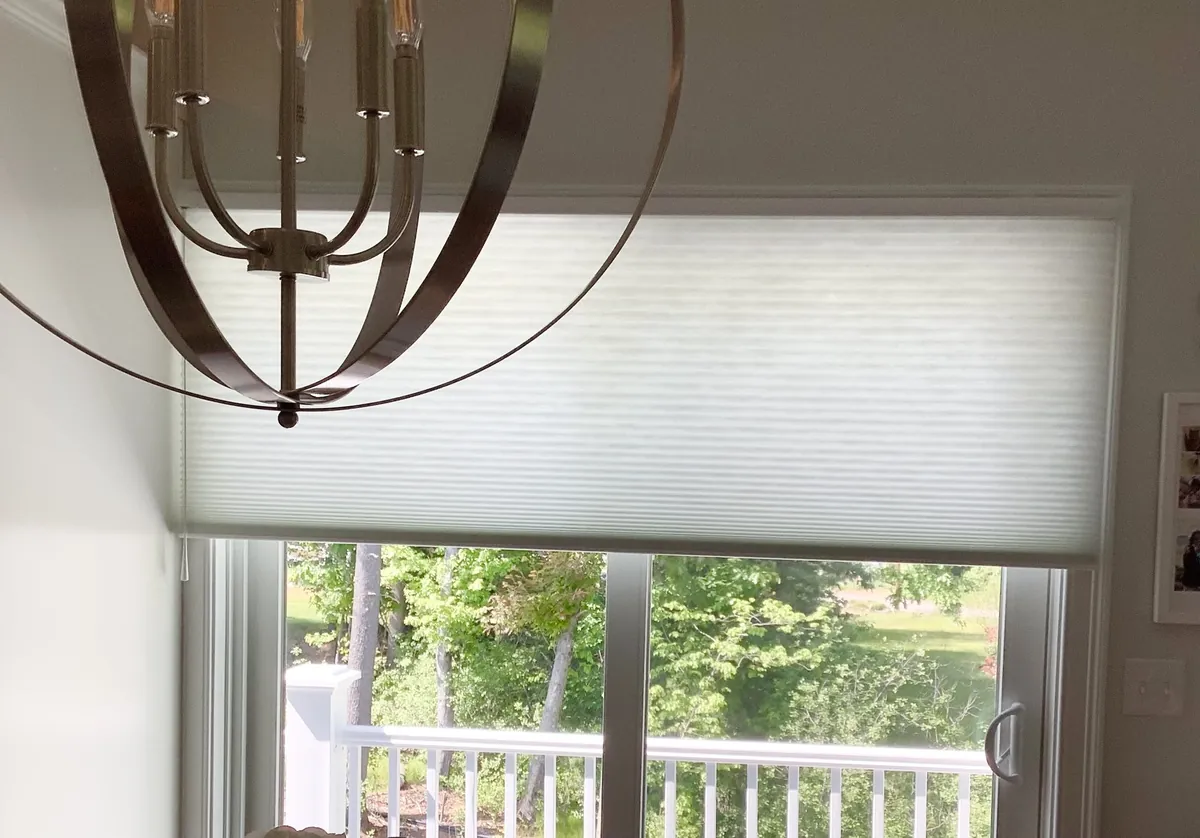
That is the main reason for cellular shades in West Bridgewater, MA. A honeycomb shade controls the light without shutting the room off, and the air it holds in its pockets slows the heat coming through the glass in summer and leaving through it in winter. Duette and Applause are the two Hunter Douglas lines we bring to the house, and our main cellular shades page covers both.
Three answers for open, sunny rooms
Different sides of the house need different things. These three cover most of what a West Bridgewater room asks for.
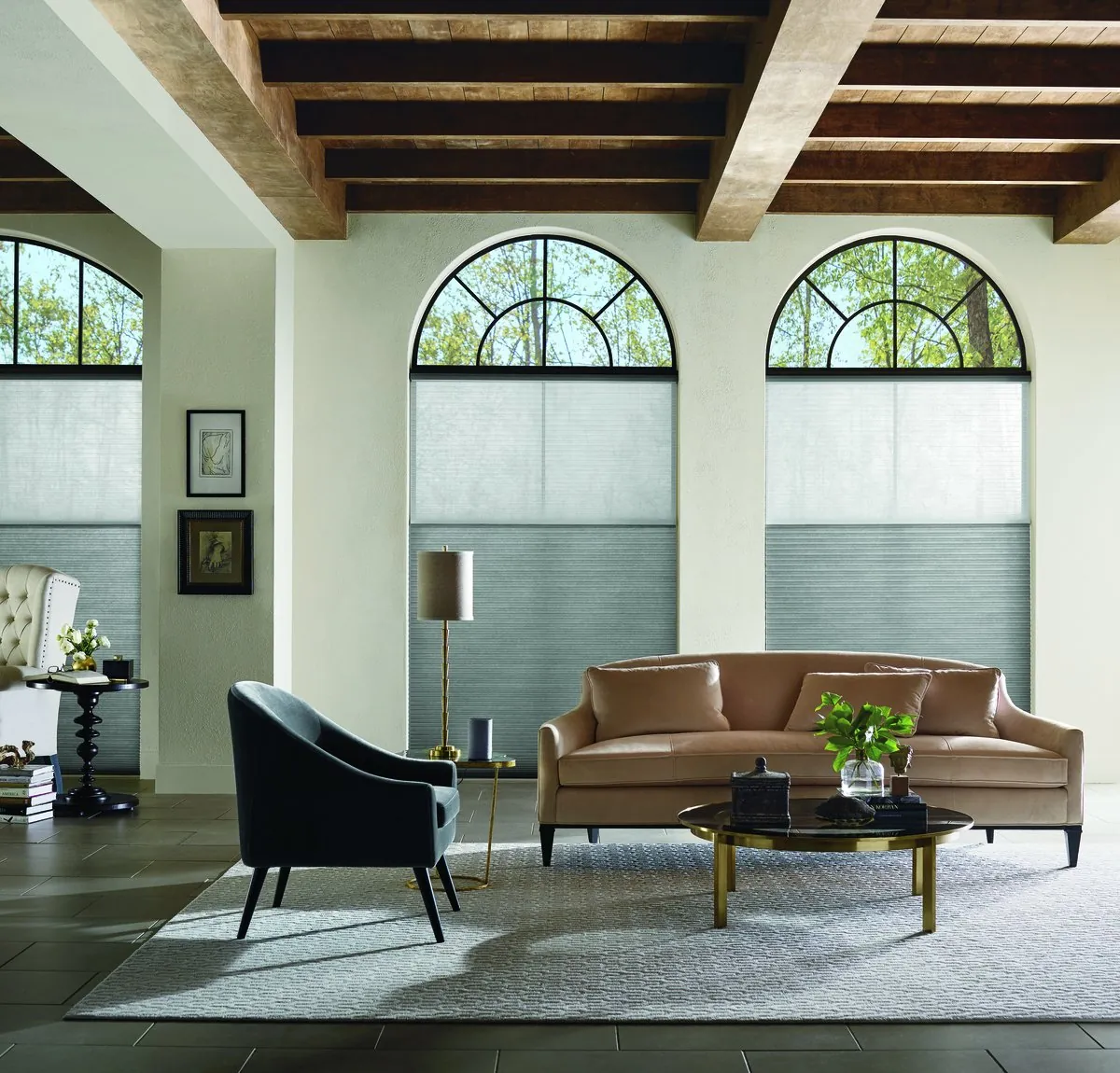
Light-filtering fabric for the bright side
Softens strong sun into an even glow, so a south or west room stays bright without the glare. Applause and Duette both offer these fabrics.
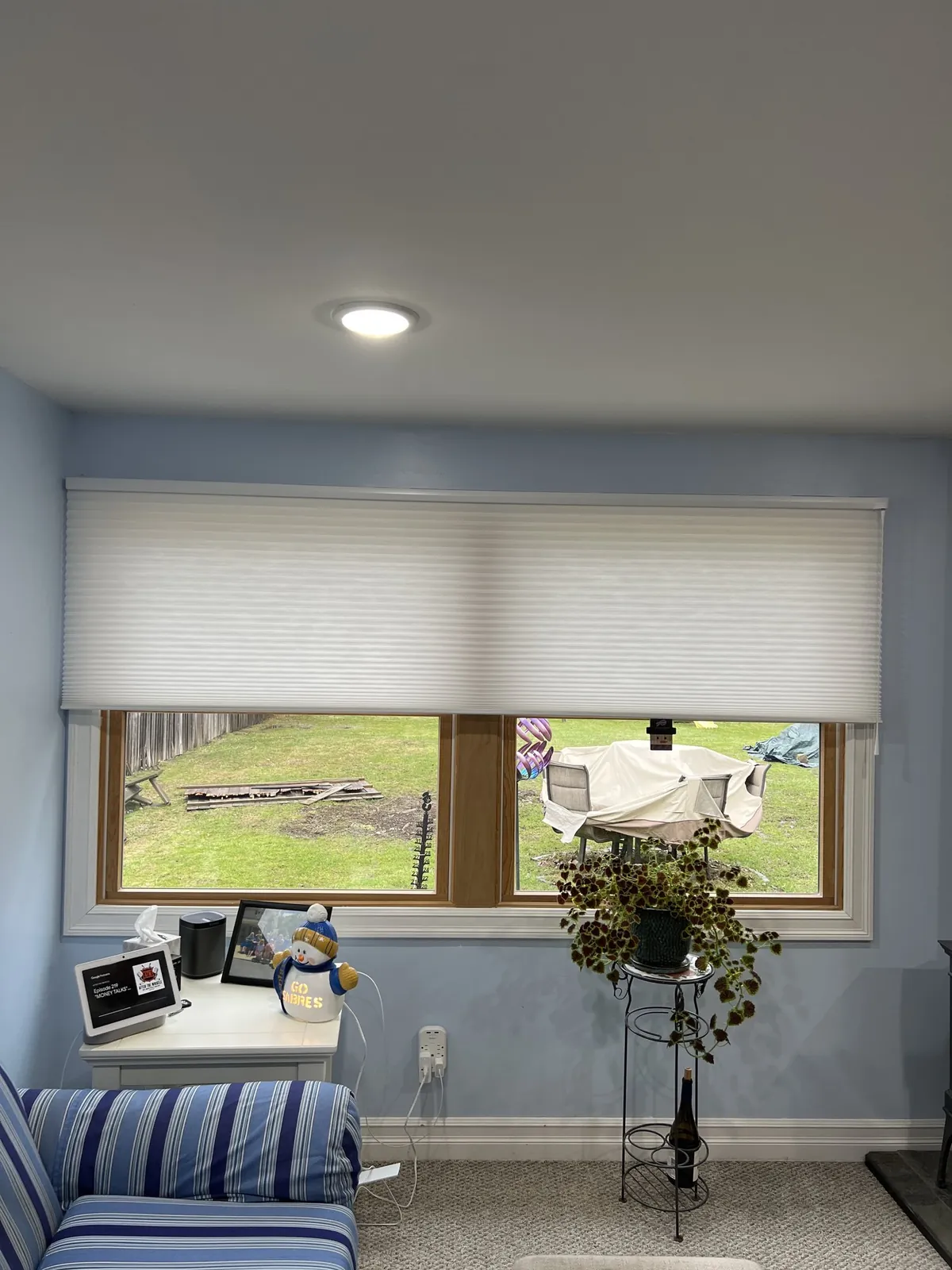
Darker fabric where the sun rises
East bedrooms on an open lot catch the first light with nothing in the way. A denser honeycomb fabric keeps them dim until you are ready.
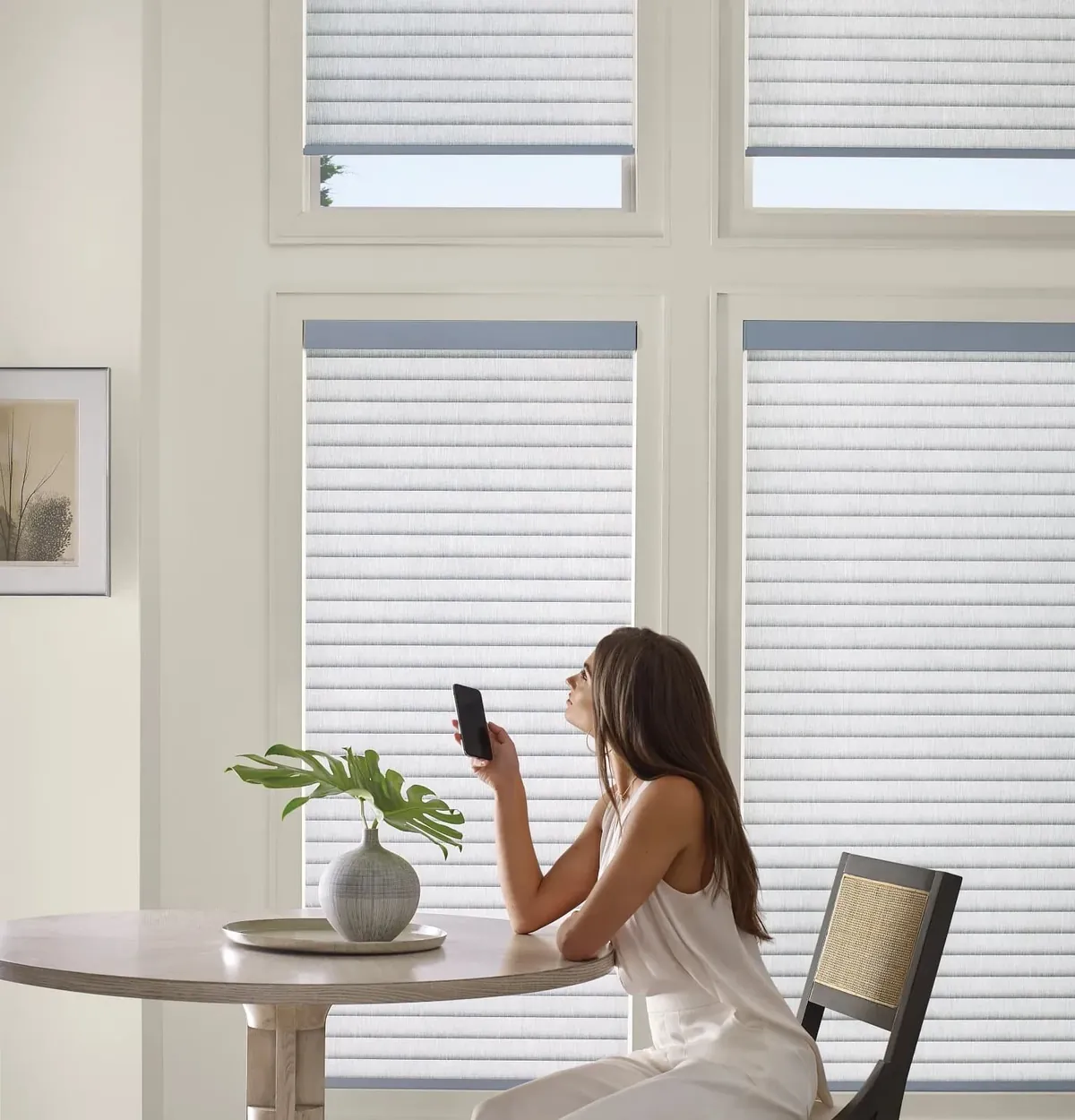
Motorized shades that follow the sun
PowerView shades move on a timetable, from an app or by remote, so each side of the house closes as the sun reaches it.
Morning, midday and evening: a plan for each side
On an open lot the compass tells you a lot about each room. When we walk through a West Bridgewater house, we note which way each window faces, because that decides what the shade on it has to do.
East windows take the sunrise. In a bedroom that means early light straight onto the bed; in a kitchen it means a bright, cheerful breakfast and then a cooler room by lunchtime. Bedrooms on this side usually want a darker fabric. Kitchens are happy with something light.
South windows take sun for most of the day, higher in summer and lower and deeper into the room in winter. These rooms are often the warmest in the house in January, which is welcome, and the hardest to keep comfortable in July. A light-filtering fabric lowered through the middle of a summer day keeps the room bright and slows the heat. In winter you can leave them up through the day to let the sun in, and lower them at dusk to hold the warmth.
West windows catch the low evening sun, the hardest light to deal with because it comes in nearly level and straight into your eyes. Living rooms and kitchens on the west side benefit from a fabric that cuts glare well, lowered for the last few hours of daylight.
North windows rarely need glare control. Their job is holding warmth, and a honeycomb shade lowered on a winter evening does that quietly.
Corner rooms and the farmhouse with four open walls
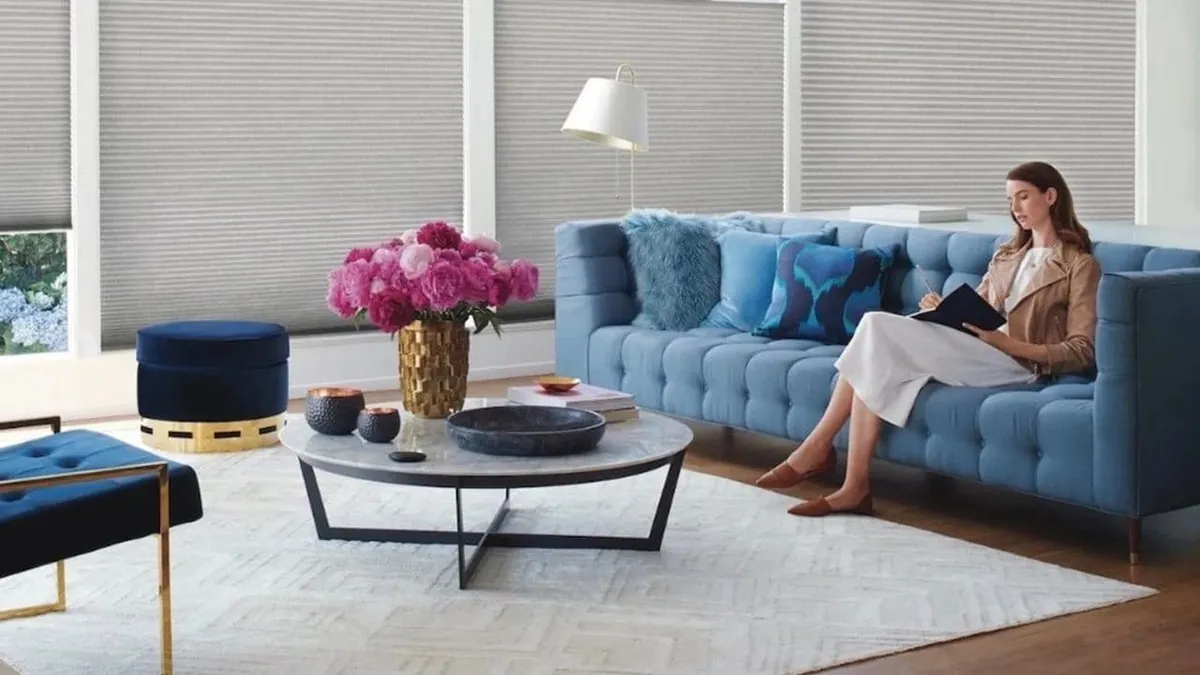
Older farmhouses were often built with windows on every wall of the main rooms, and on a large lot every one of them is exposed. A front parlor might have two windows facing the road, one on the side, and another at the back. A farmhouse kitchen might have light coming in from three directions at once.
These corner rooms are lovely to sit in and tricky to control, because the light changes character as it moves around the walls. A single fabric throughout the room keeps things looking consistent, and that is usually the right call, since honeycomb shades can be raised and lowered window by window to deal with each side in turn. Morning: lower the east shade, leave the rest up. Afternoon: raise the east, lower the south and west.
For many people that daily routine is exactly where motorization earns its place. PowerView shades can follow a schedule, so the east shades close in the early morning, the south ones at midday, the west ones in the late afternoon, and the whole house at dusk, without anyone walking from window to window. They also respond to a remote or a phone app whenever you want to override the plan. How each motor is powered is something we work out at the visit.
Glare on screens, floors and work surfaces
On a lot with nothing to screen it, sunlight does not just brighten a room; it lands on things. It throws a hard patch across the kitchen counter, washes out the television in the family room, and sits on the same spot of floor or sofa for hours.
A light-filtering honeycomb fabric changes the quality of that light. Instead of a sharp beam with hard edges, you get an even, diffused glow that spreads across the room. The room stays bright, but the hot spots and the glare on screens and counters soften. In a home office, which on an open lot often has the best view in the house, that makes the difference between a pleasant room and one where you work with the blinds shut.
Different rooms want different amounts of softening. We bring fabrics across a range of weights, so you can stand in the room at a sunny hour and see which one leaves the room bright enough while taking the edge off the glare.
Capes in the open
The capes scattered across West Bridgewater are the same familiar shape found all over the South Shore, but on a big lot they live differently. With no house next door to shade the side walls, even the gable-end windows take full sun. The upstairs bedrooms, under the roof and lit by dormers, gather heat on a summer afternoon and lose it fast on a winter night.
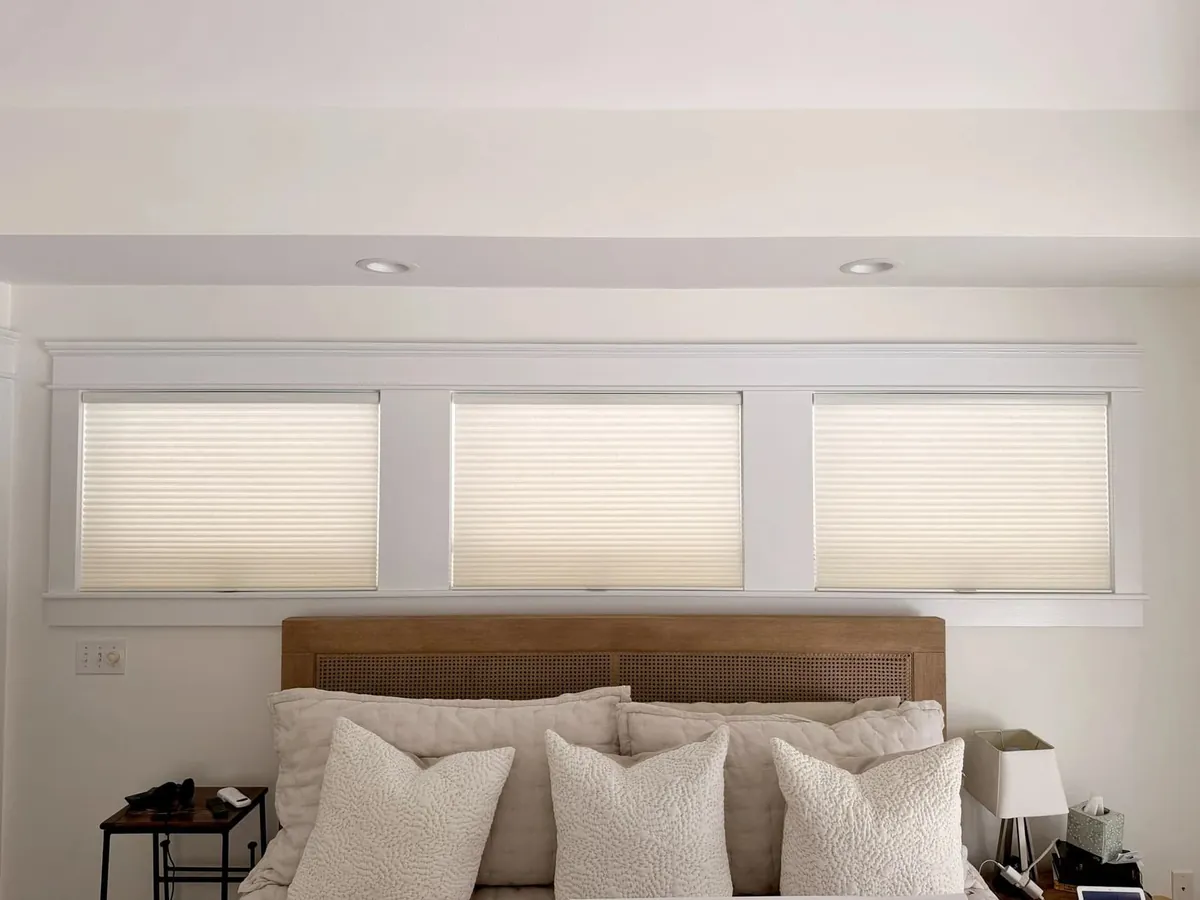
Honeycomb shades are a good fit for these rooms. A shade sized to a dormer window, mounted inside the recess where the depth allows, covers the glass completely when lowered and folds up out of the way when raised. In a darker fabric it keeps an east-facing bedroom dim at dawn. On the ground floor, standard window sizes make it easy to match every room, which keeps the house looking orderly from the road and from across the field.
Many of these capes have had their windows replaced at some point, and newer units can be shallow. Before suggesting an inside mount we look at how much room the sash hardware leaves; if it is too tight, the shade is fixed to the wall just over the frame and made slightly oversize so its edges overlap the opening.
Newer colonials scattered between
The newer colonials dotted through town bring bigger windows and more of them, often a family room at the back with a slider, and two floors of rooms that each face a different direction. On a large open lot, every one of those windows takes sun at some point in the day.
That makes a colonial a natural whole-house project for cellular shades in West Bridgewater, MA. We plan it side by side: lighter fabrics on the south and west where the family spends the day, darker ones in the bedrooms, a covering for the slider planned around how you use the door. A two-floor house with sun on every side is also where PowerView schedules show their value most, closing each side of the house as the sun moves around it.
Still air between you and the weather
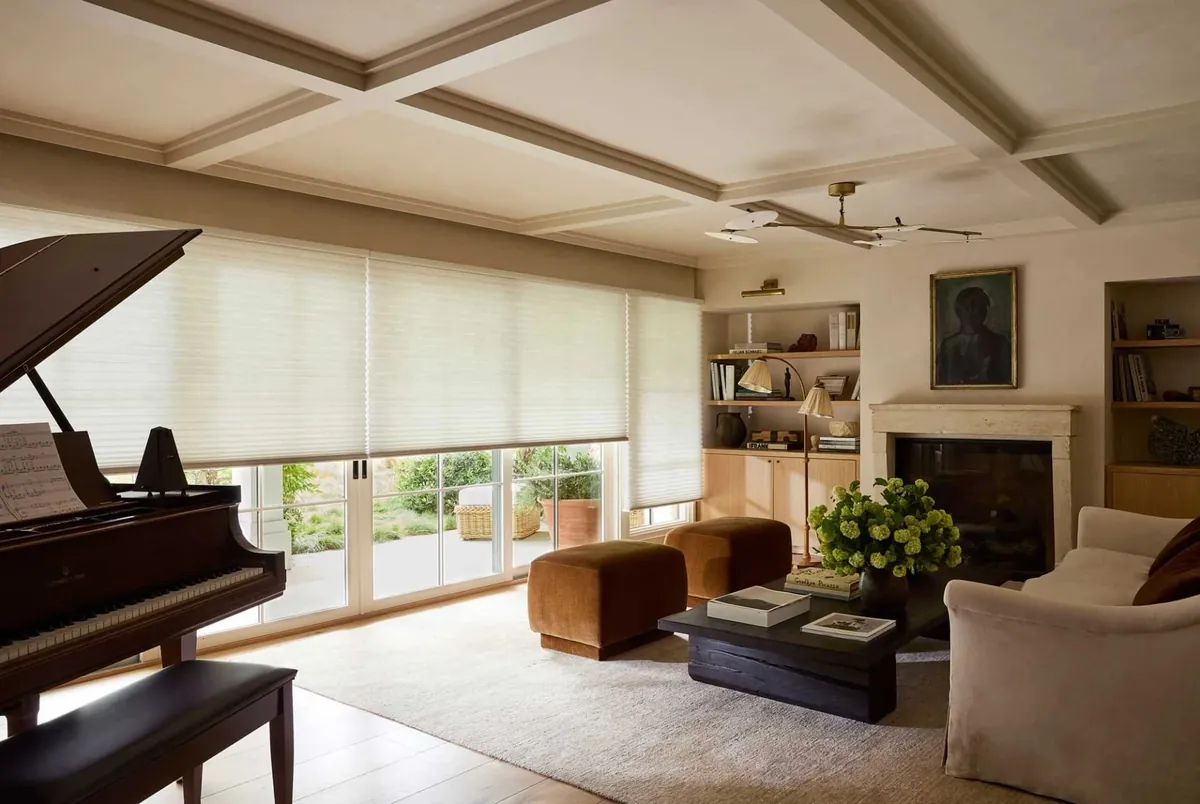
The honeycomb in the name is literal. Look at the edge of the shade and you see a row of six-sided pockets running its full width. When the shade is lowered, each pocket holds air that has nowhere to go.
Air that cannot move is slow to carry heat, so the shade puts a quiet barrier between the glass and the room. On a winter night, with the wind coming across open ground and nothing to break it, that barrier slows the warmth leaving the room. In summer, with the sun on the glass for hours, it slows the heat coming in. On a house with exposure on every side, that two-way help is what makes the shade worth having.
It works best when the shade fits its opening closely, which is why every one is made to the measurement we take at your window.
Sunrooms, porches and three-season rooms
Plenty of farmhouses and capes on big lots have added a sunroom or closed in a porch at some point, and on an open site those rooms take the most sun of all. With glass on three sides and sometimes overhead, they are glorious on a bright March morning and close to unusable on a July afternoon. In winter they can be the coldest room in the house once the sun goes down.
Honeycomb shades suit these rooms better than almost anything else, because they tackle both problems. Lowered through the hottest hours, the pockets of air slow the heat pouring through the glass, while a light-filtering fabric keeps the room bright enough to enjoy. Lowered at dusk in winter, the same pockets slow the heat escaping. A sunroom with every window covered this way can become a room you use for much more of the year.
Sunrooms often have many windows side by side, so matching them matters. One fabric across the whole room, with each shade made to its own opening, keeps the room calm to look at. For a room with a dozen windows, PowerView is worth considering, so the whole room can close with one touch or on a schedule.
Winter: letting the sun work for you
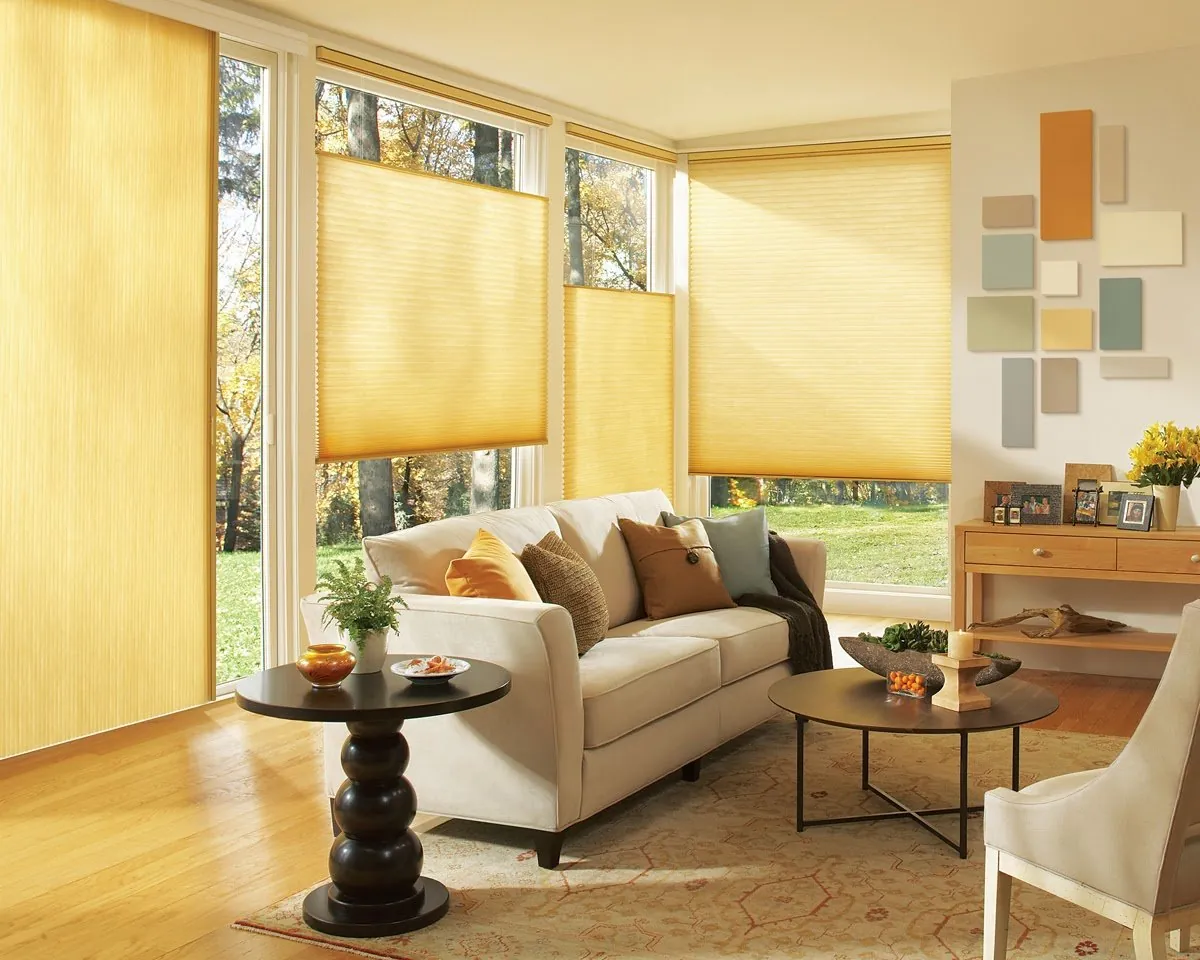
On an open lot, the low winter sun is a real asset. It reaches deep into south-facing rooms and warms the floor and furniture for free. The trick with cellular shades in West Bridgewater, MA, is to let that happen during the day and then keep the warmth once the sun has gone.
That means raising the south and west shades in the morning and leaving them up through the short winter day, then lowering them as the light fades. The air held in the pockets then slows the warmth gathered during the day from slipping back out through the glass overnight. North rooms, which get no direct sun, can stay closed for longer. A schedule makes this effortless, but it works just as well by hand once it becomes habit.
Night on an open lot
Low density changes the daytime privacy question, but not the nighttime one. On a dark road with few houses, a lit window can be seen from a long way off, and a room that feels completely private by day can feel exposed at night with the lamps on.
So even in a house where most rooms go without privacy fabrics during the day, bedrooms and evening rooms usually still take something heavier. A honeycomb shade lowered at dusk, in a fabric that blocks the view in with the lights on, closes the room for the night and holds the warmth in at the same time. Choosing cellular shades in West Bridgewater, MA, is often a balance between those two jobs, wide open by day and closed by night.

Why work with a Hunter Douglas Gallery dealer
As a Hunter Douglas Gallery dealer, Blinds & Designs can offer you the whole of the honeycomb collection. On a house where every side faces the sun differently, having all of Duette and Applause to choose from, plus PowerView for timed, whole-house routines, means each wall gets the fabric that suits it.
Hunter Douglas certifies the people who hang our shades. On fitting day they square up every headrail, run each shade through its travel and walk you through the controls. Down the road, should any shade or blind in the house act up, repairs are something we do as well.
For rooms where a different covering suits better, see roller shades in West Bridgewater for strong sun with a view, plantation shutters in West Bridgewater, or custom blinds in West Bridgewater. Everything we do in town is on our West Bridgewater page.
The visit, step by step
Consultations in West Bridgewater are part of the shop-at-home service we run out of Canton. Rather than you driving to us, a van loaded with swatches comes up your driveway; we like to say we can bring the showroom to you. For a sun-filled house that is the right way round, since a fabric only shows its true character in the light it will live in. The shop-at-home from Canton page has the details.
- Book through Request a Consultation, or use the call button, and pick a time. A sunny part of the day is ideal.
- Our consultant brings a full case of honeycomb swatches, pale to deep, sheer-looking to dense.
- We walk the house together and note which way each room faces.
- You hold fabrics up at the brightest windows to see how each handles the glare.
- We measure every window and check the depth for an inside or outside mount.
- You get a free estimate for the shades you are considering, and you decide in your own time.
For help with color and fabric across the whole room, ask about our interior design consultations when you book.
Seeing the shades in a store
The best place to judge a honeycomb fabric for a sunny West Bridgewater room is in that room, at the time of day the sun is strongest. That is why we start with a visit to your house.
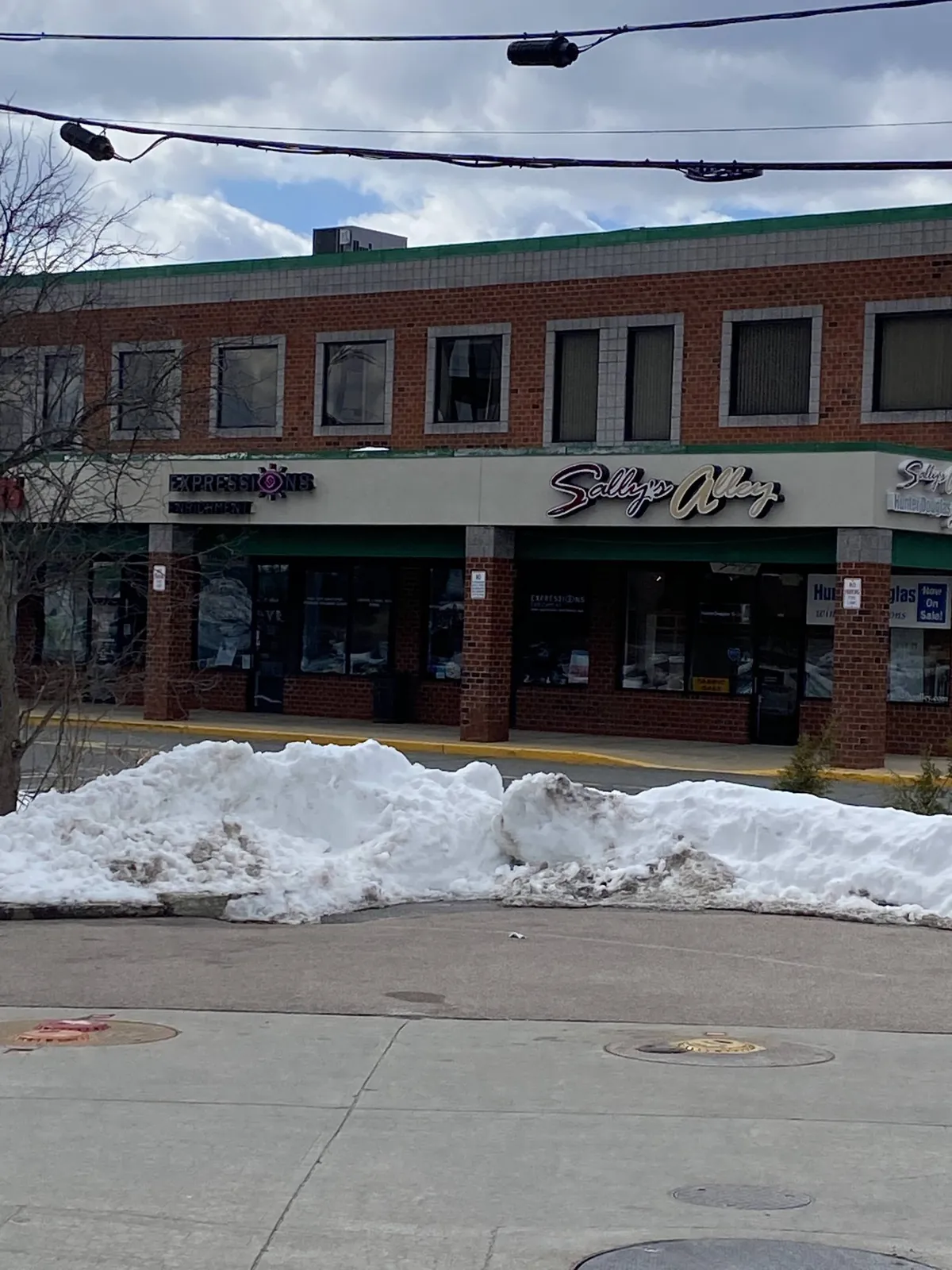
If you would like to see the shades in a store as well, the Franklin showroom is our nearest to West Bridgewater.
Questions from West Bridgewater
My living room takes sun from three sides. What do you suggest?
Usually one light-filtering fabric throughout the room so it looks consistent, with each shade raised and lowered as the sun moves around. PowerView schedules can do that for you automatically.
Will cellular shades cut the glare on my television?
A light-filtering honeycomb fabric turns direct sun into an even glow, which softens glare on screens and counters while keeping the room bright.
We have no neighbors close by. Do bedrooms still need darker fabrics?
For sleep and for privacy at night, usually yes. A lit window can be seen from far away on a dark road, and east bedrooms on an open lot catch the first light.
Can the shades close on their own as the sun moves?
Yes, with PowerView motorization. Shades can follow a schedule, side by side around the house, and still respond to a remote or app whenever you like.
Is the estimate free?
Yes. We measure at the visit and give you a free estimate for the shades you are considering.
Plan your shades around the sun
Pick a bright afternoon and let the sun do the demonstrating. Seen against the glare they are meant to tame, cellular shades in West Bridgewater, MA, are simple to choose. Ask for a consultation, and the swatches, the tape measure and a free estimate all come to you. Rather talk it over first? Use the call button.