
Old sash along the King’s Highway
Drive Route 6A through Barnstable Village and the houses tell their age at once. Antique capes sit low and close to the road with small windows set deep in thick walls. Federal houses stand taller, with fanlights over the door and rows of tall sash. Behind them, on the land running down to the bay and the marsh, the houses are larger and newer, with far more glass. Choosing window treatments in Barnstable, MA, means respecting the first kind of house while making the second kind comfortable.
The town is also unusual in its sheer spread. It reaches from Cape Cod Bay on the north shore right across to Nantucket Sound on the south, so two houses inside the same town line can face completely different weather and light. A bay-side room looks north over open water and marsh; a room a few miles south faces the full sun.
So we start with your own house and its own windows. The samples come to you in the van, and you choose standing at the glass.
Window treatments in Barnstable, MA, service by service
Every service here has a Barnstable page of its own with more on the products and the houses they suit.
Blinds
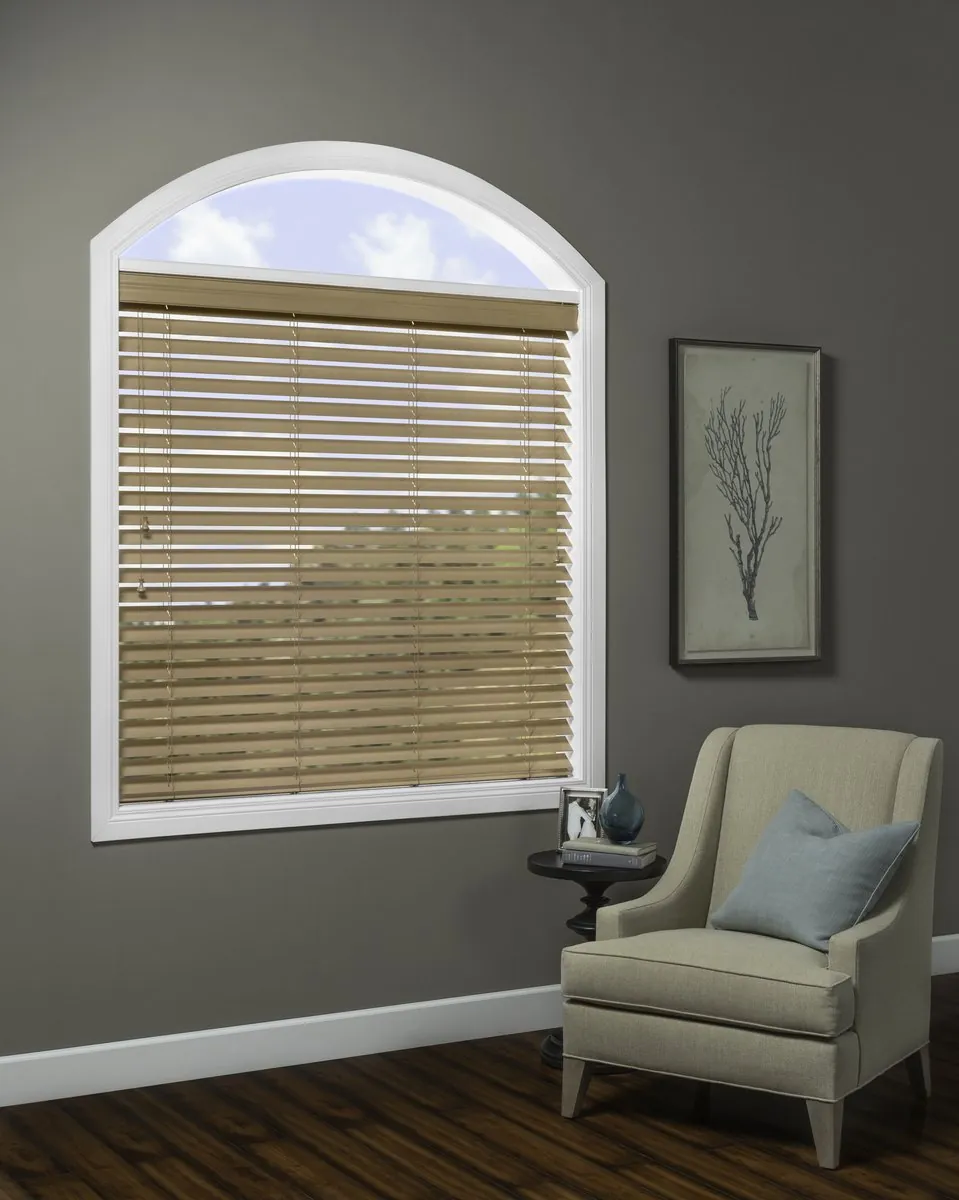
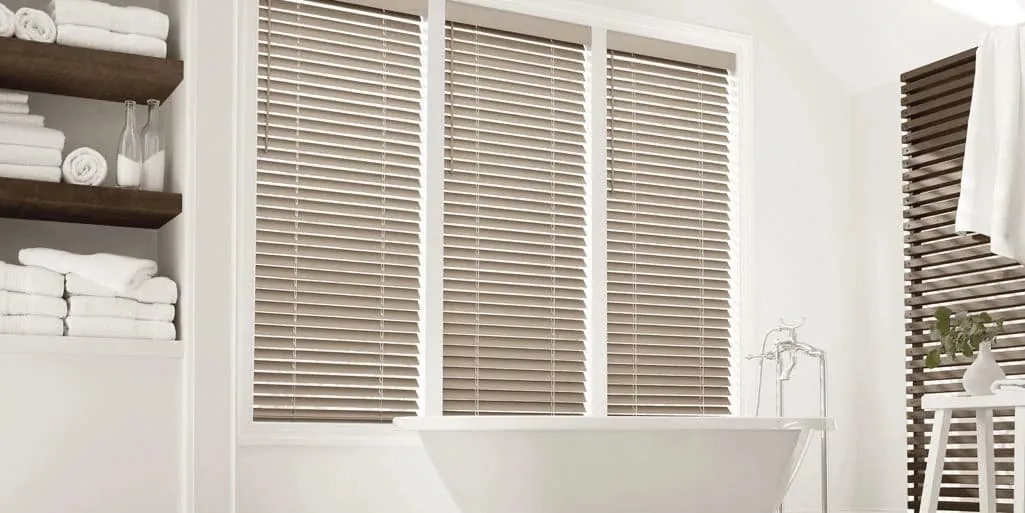
Wood blinds that suit the panelled rooms of a Federal house, faux wood for a cape kitchen, metal and vertical blinds where the glass is wide.
Cellular shades
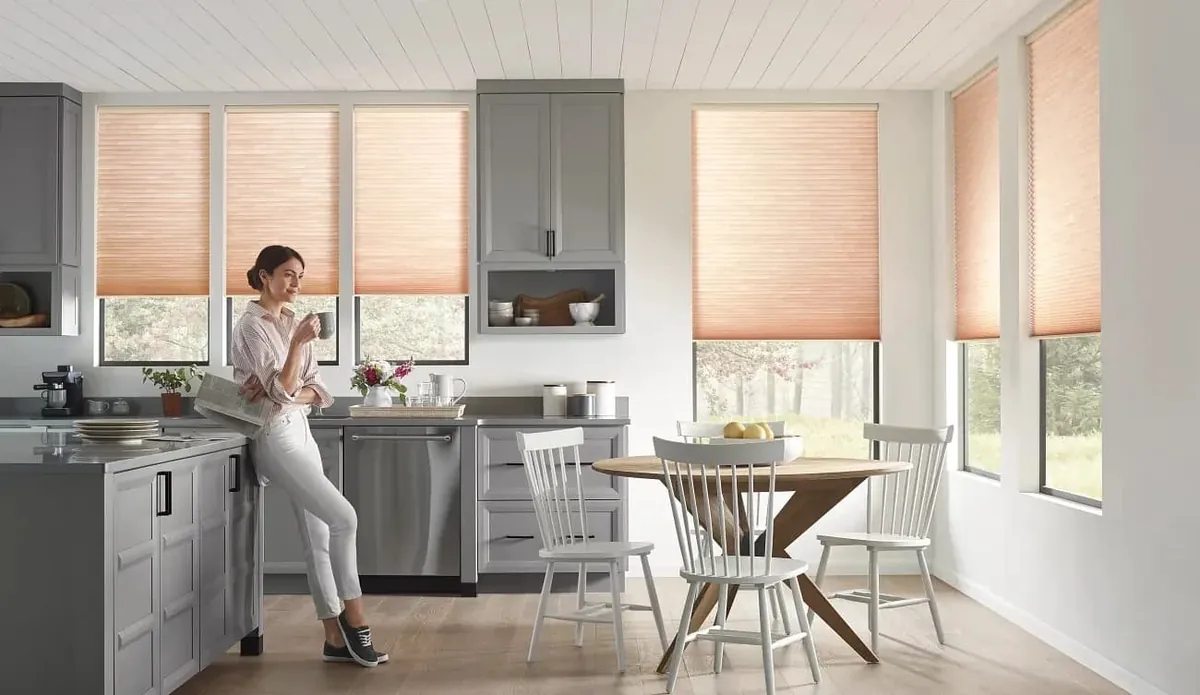
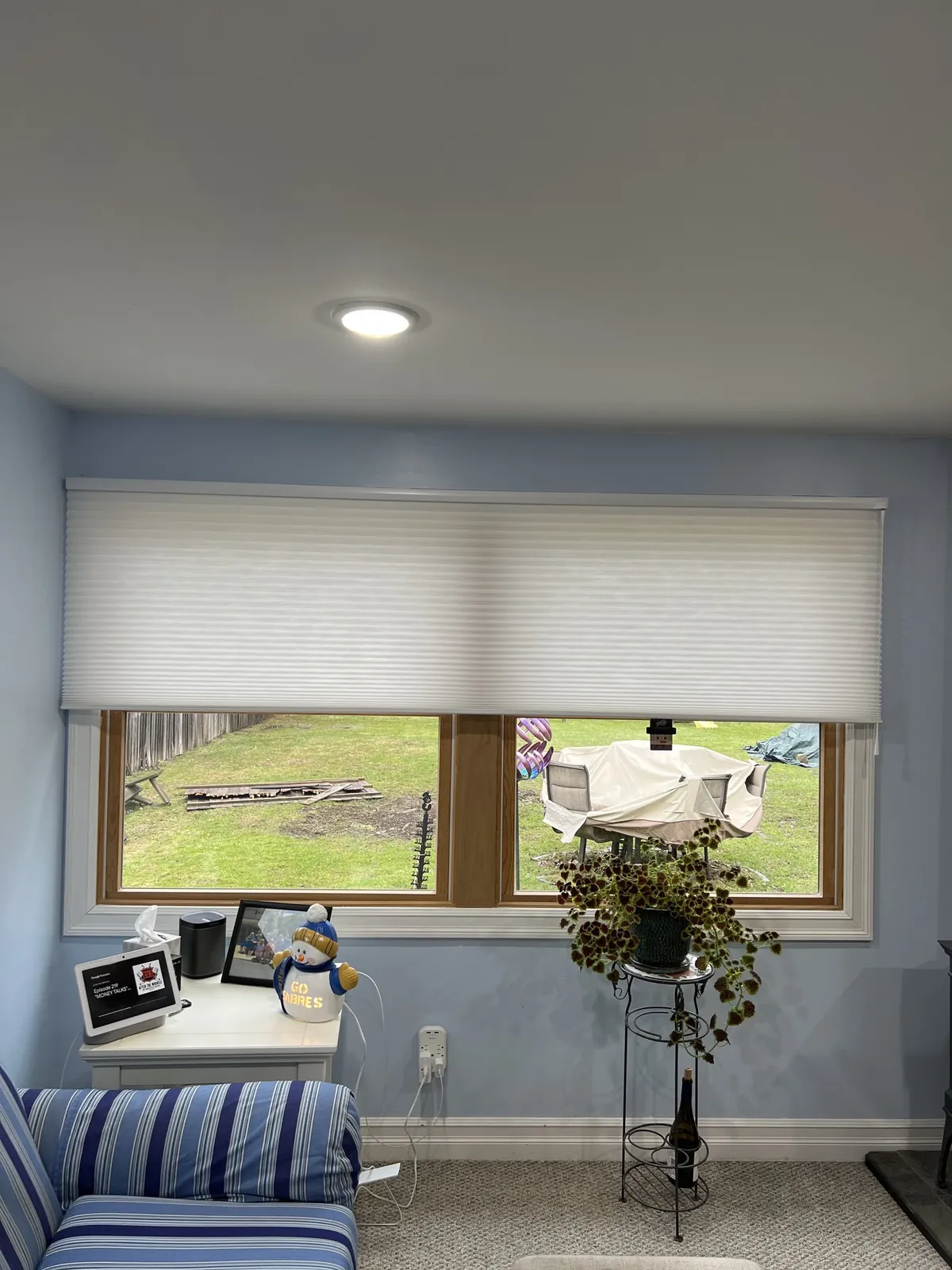
Duette and Applause cells hold a pocket of still air against old glass, a real help in a drafty antique cape in winter.
Roller shades
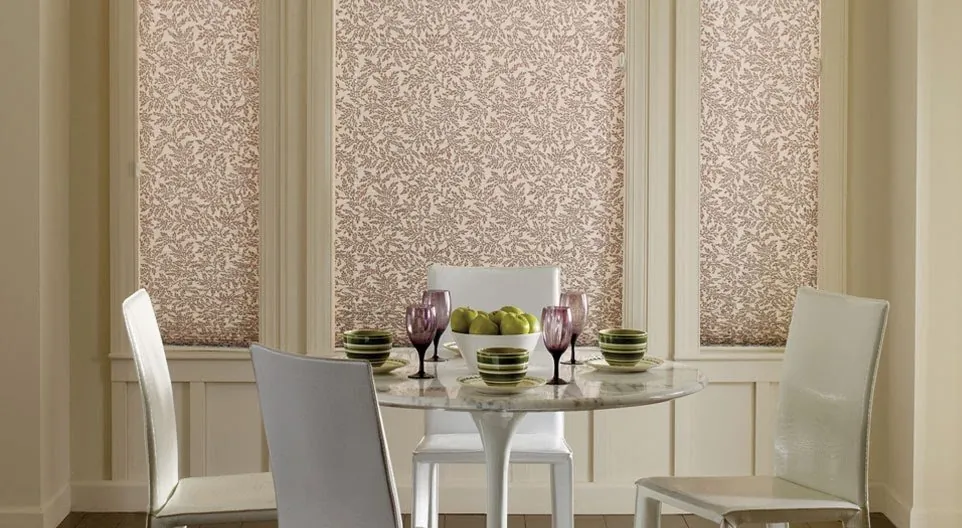
Designer and Alustra rollers and screens in patterns or plain weaves, slim enough to tuck into a deep sash frame.
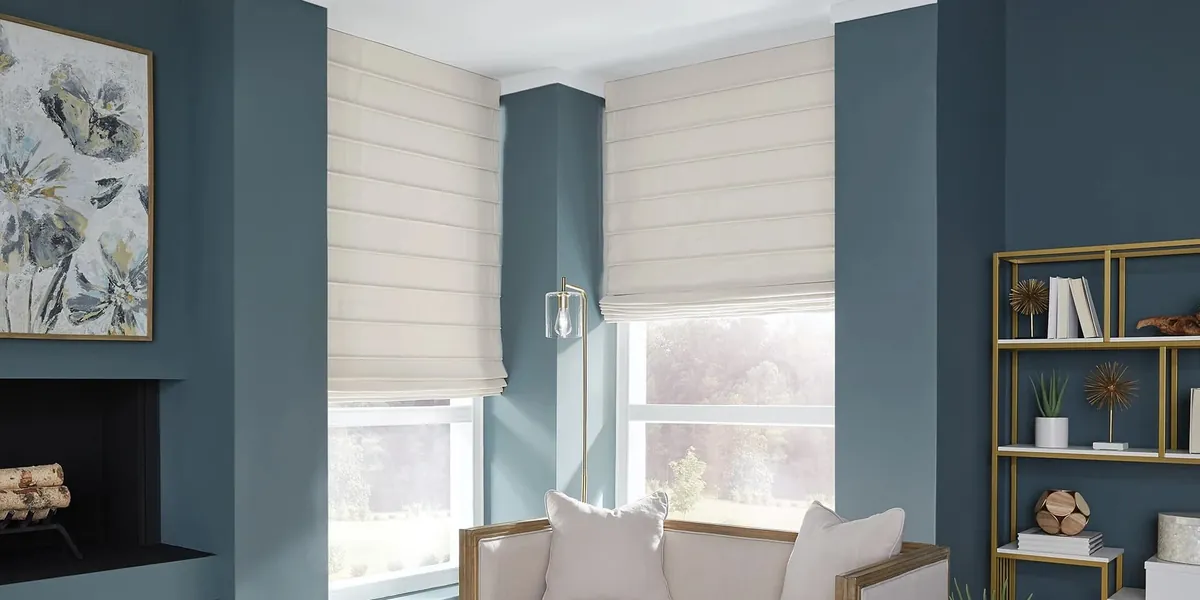
Roman shades
Vignette and Carole Fabrics romans, flat or folded, that suit the proportions of a Federal parlor.
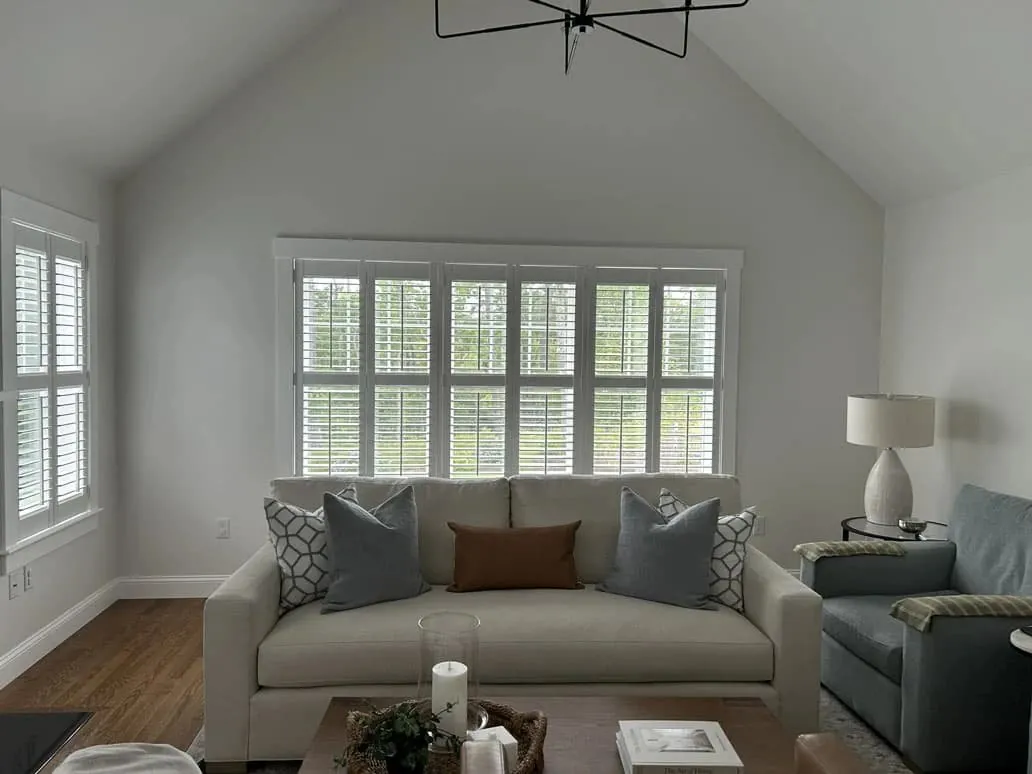
Plantation shutters
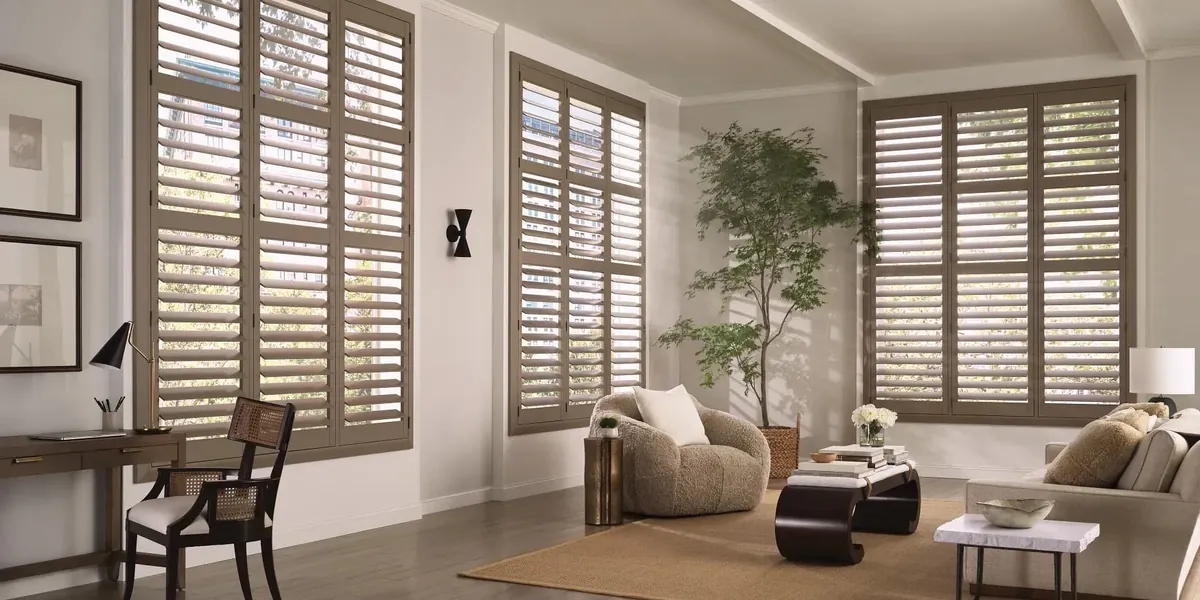
Palm Beach, NewStyle and Heritance, sized to sit within a deep old frame or to span a broad bay-side window.
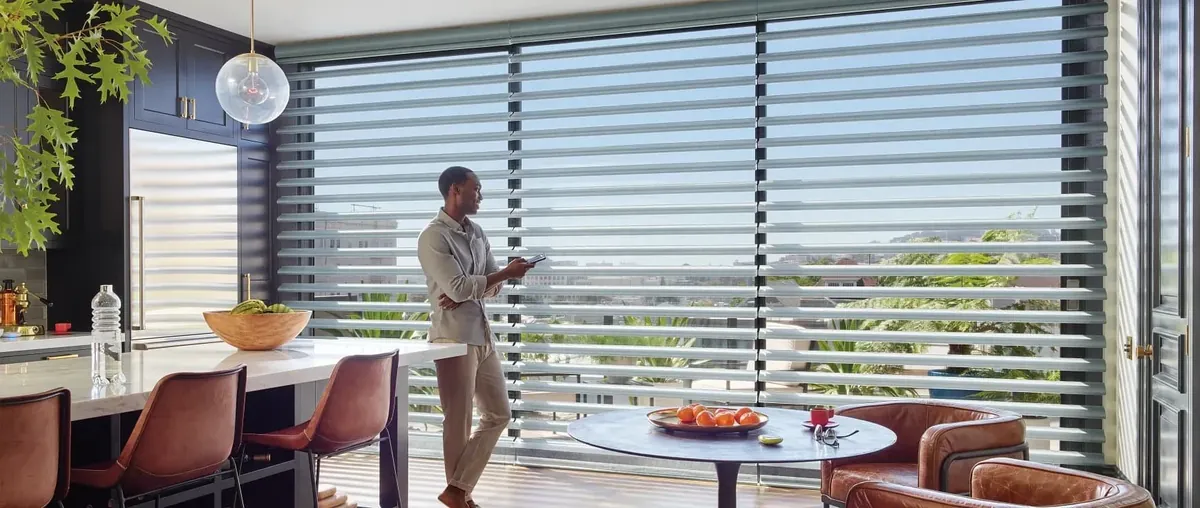
Motorized blinds and shades
PowerView by remote, app or schedule, ideal for the tall glass in a newer bay-side house.
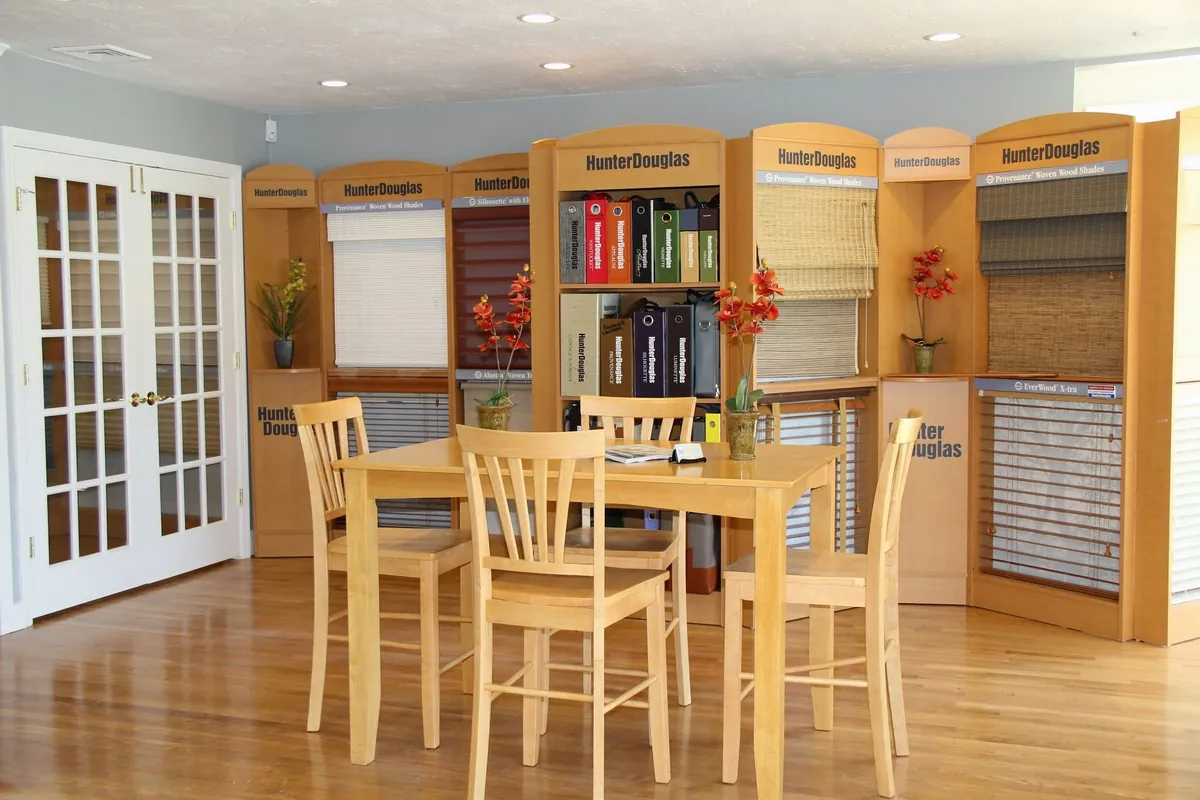
Hunter Douglas dealer
A Gallery dealer offering the whole Hunter Douglas line with certified installation, for a single room or the entire house.
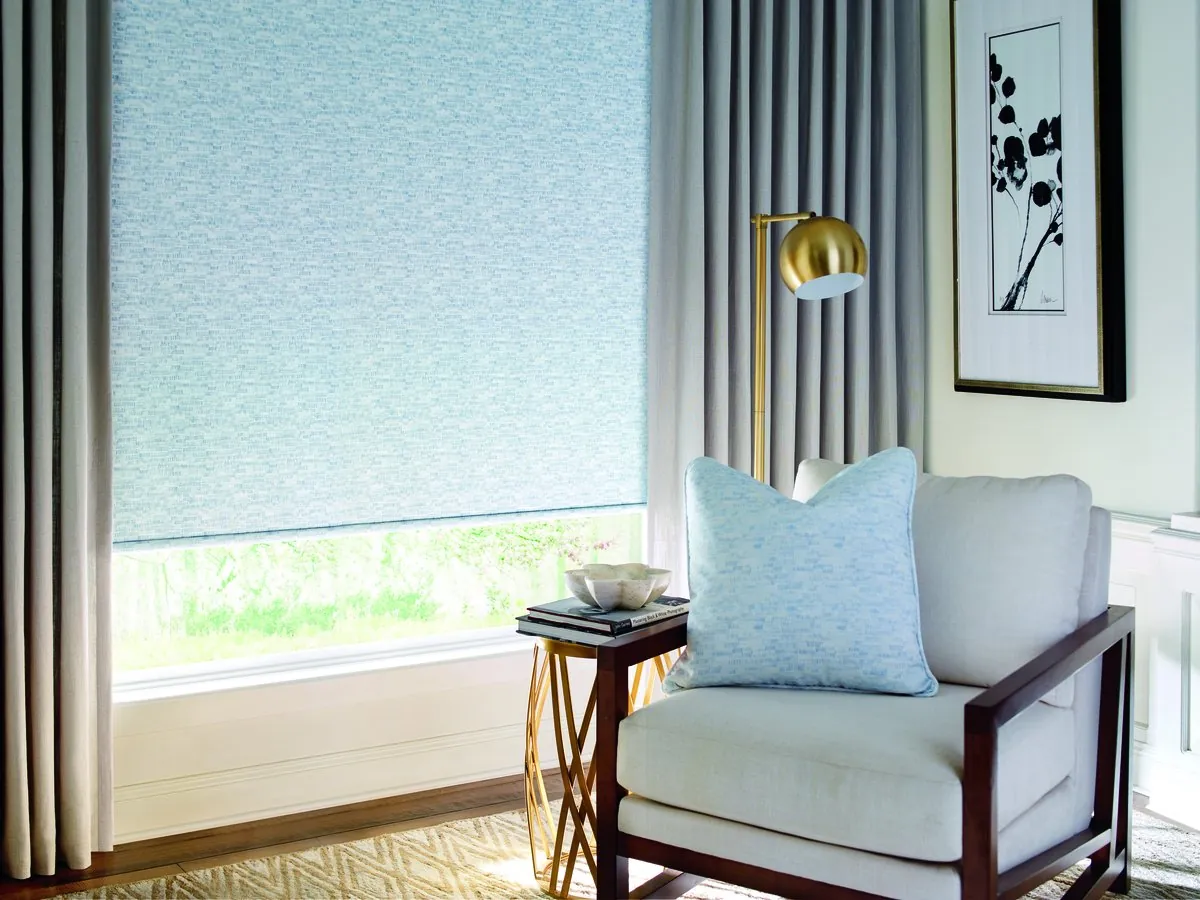
Custom drapery
Hunter Douglas drapery to frame a tall Federal window or soften a large modern one, layered with a shade where you want it.
Small sash in thick walls
The antique capes along 6A were built with small windows on purpose, to keep the heat in, and the walls around them are thick. The sash is set well back, so each window sits at the end of a deep recess, often with a wide sill you could put a plant on. The panes are small, and in many houses some of the original glass is still there, faintly wavy.
That depth is good news for window treatments. It gives plenty of room to mount a shade or shutter inside the opening, where it leaves the casing and the deep reveal in full view. A honeycomb shade stacks so tightly when raised that the whole window stays clear. A roman shade in a plain linen-look fabric folds up neatly at the head of the recess. Shutters built to sit inside the frame can turn a small cape window into one of the best features of the room.
The catch is that old openings are rarely square. A cape that has stood through a great many winters has settled, and the top of a window can be noticeably wider or narrower than the bottom. We measure each opening at several points across and down, and the treatment is made to suit the narrowest point, so it runs freely without catching.
Federal houses and their tall windows
The Federal houses in the village are taller and more formal, with high ceilings, tall sash and fine detail around the windows: moulded casings, panelled shutters inside some of them, and fanlights and side lights at the entrance. These rooms were built to be grand, and the window treatments should not shrink them.
Drapery has a long history in houses like this. Floor-length panels hung near the ceiling make a tall window look taller still, and they draw closed for warmth on a winter evening. Underneath, a shade does the daily work of light and privacy: a roman shade in a matching or complementary fabric, a honeycomb shade inside the frame, or wood blinds for a more tailored look.
Upstairs, Federal bedrooms usually keep the tall windows of the floor below, only a little shorter, and the same thinking carries up the stairs. A honeycomb or roman shade in a room-darkening fabric, mounted inside the casing, keeps a bedroom dark on a summer morning without hiding the moulding, and drapery can be added later if the room feels bare.
Side lights and fanlights are often left bare, and that is usually the right choice for a fanlight. A side light beside the front door is another matter if it looks straight into the hall. A slim sheer or honeycomb shade, or a narrow shutter panel, covers it without hiding the detail around the door.
What shows from the street
Along a road like 6A the outside of the house is part of a historic streetscape, and the view from the road includes what is hanging in the windows. Window treatments sit inside the house, but what shows through the glass still shapes how the house reads from outside.
A few simple choices keep an old house looking right. A white or soft neutral color facing the glass in every window keeps the front even. Shutters mounted inside the frame look as if they have always been there. Head rails tucked inside the recess disappear from outside. If you are unsure, bring any guidance you have to the consultation and we will choose with it in mind.
The color facing the room is entirely up to you, so a dining room can have a rich fabric inside and still look quiet from the street.
The bay side: big glass facing north
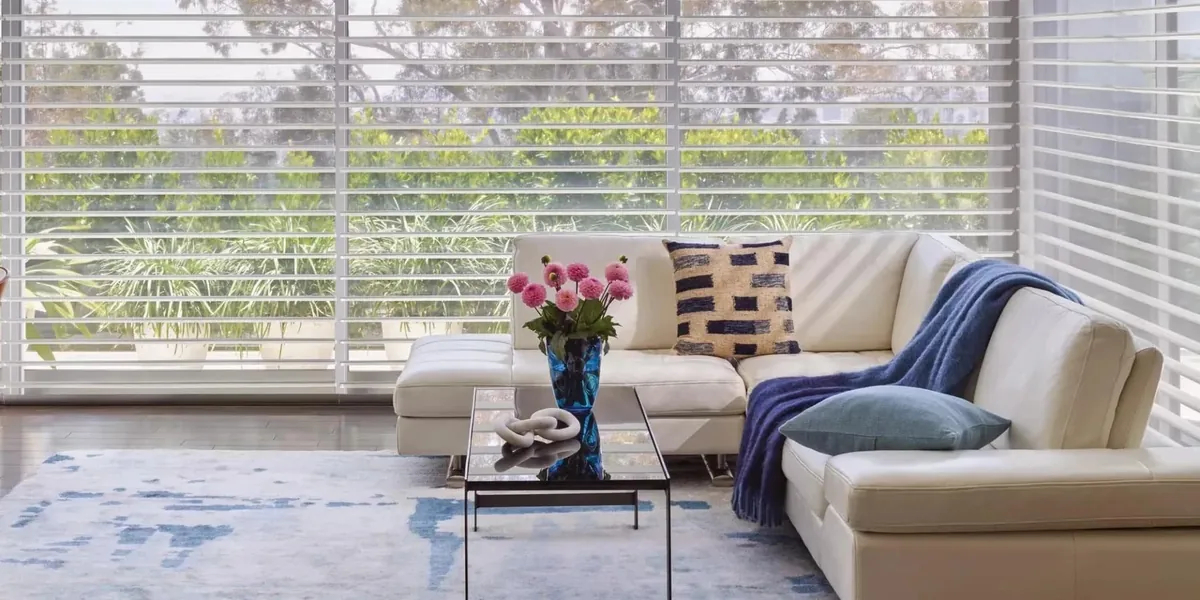
Head down the lanes toward Cape Cod Bay and the marsh, and the houses grow larger and newer, many of them built to take in the view. Long runs of windows, glass doors onto decks and tall great-room walls are common.
North-facing glass behaves differently from south-facing. It gets very little direct sun, so glare is less of a worry, but it takes the winter wind straight off the bay and loses heat steadily through the cold months. For these rooms, honeycomb shades are often the best fit: their cells hold a layer of still air between the glass and the room, which helps a large window feel less cold in January. Light-filtering fabrics keep the soft north light while closing the room off at night.
The east and west ends of these houses are another story. Morning sun across the marsh and evening sun across the bay can both come in low and bright. Screens or top-down, bottom-up shades handle those windows, and many owners choose PowerView so the shades on different walls follow their own schedule.
Kitchens, keeping rooms and the back of the house
In many antique capes the kitchen sits at the back, in what was once the keeping room, or in an ell added on behind the main house. These rooms tend to have a mix of windows: an old sash over the sink, a newer double window looking onto the yard and perhaps a glass door to a patio. They are also the rooms that see steam, splashes and the most daily use.
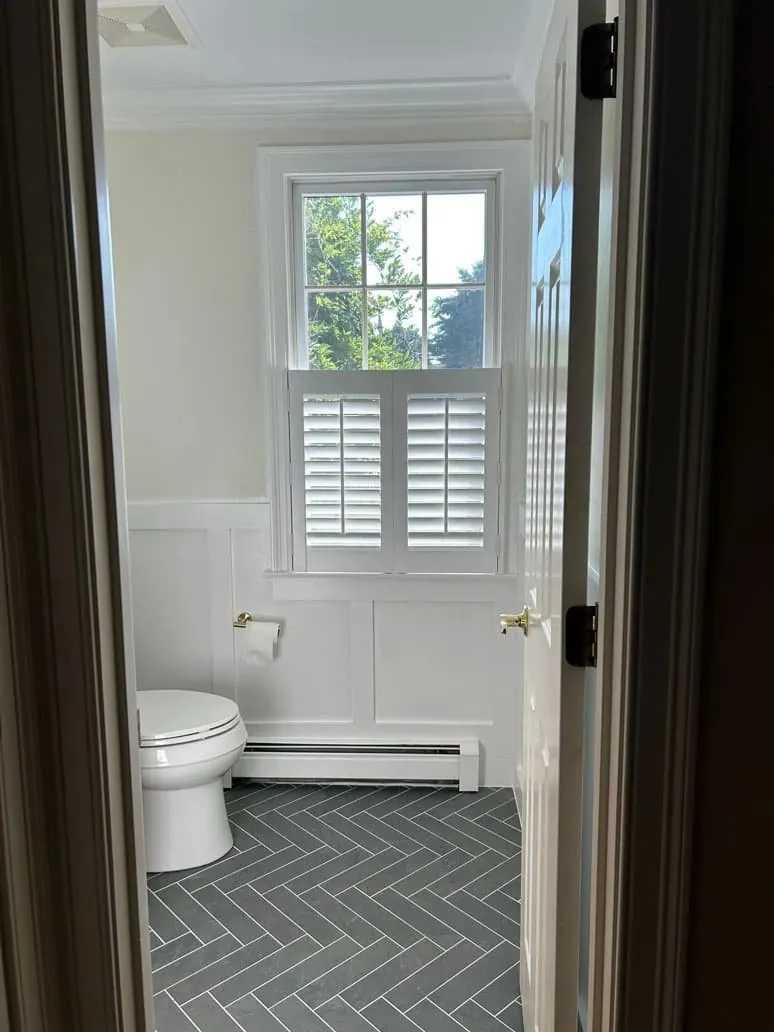
Practical choices pay off here. Faux wood blinds wipe clean and stand up to humidity near the stove and sink. A cafe shutter over the lower sash covers the part of the window nearest the yard or the neighbors while the top stays open to the sky. Roller shades in a wipeable fabric work well where you want a clean, simple look. For the patio door, a vertical honeycomb or a set of gliding panels slides out of the way so the door can be used without lifting anything.
Old bathrooms in these houses often have a single small window right beside the tub. Shutters with the louvers tilted up, or a top-down, bottom-up shade, give privacy while keeping daylight in a room that rarely has much of it.
Porches, sunrooms and rooms added later
Over the years many Barnstable houses have gained a sunroom, a closed-in porch or a family room with a wall of glass, usually on the side that gets the most light. These rooms are a world apart from the old house they are attached to: big windows, sometimes on three sides, and a lot of sun or a lot of view.
Here the job is to make the room usable at every time of day without making it feel boxed in. Solar screens or light-filtering rollers on each pane, all mounted at the same height, keep the room comfortable in the afternoon. Honeycomb shades make the same room warmer on a winter evening. Where the glass reaches up toward a high ceiling, motorized shades save a lot of reaching. Choosing window treatments in Barnstable for a room like this is often where a house’s old and new halves finally come together.
A town with every kind of exposure
Because Barnstable runs from one shore of the Cape to the other, there is no single rule for its windows. A house on the bay side faces wind and cool northern light. A house inland is sheltered by trees and may need privacy more than sun control. A house further south faces the long, hot sun of the sound side. Even within one house, the rooms facing each direction can call for different products.
That is why we plan window treatments in Barnstable room by room. A typical consultation looks at which way each room faces, what time of day you use it, what the view is worth to you and whether the room needs to go dark. A bright south room might get solar screens; a north bedroom a room-darkening honeycomb; a west dining room a roman shade that filters the evening light. The guide to the best shades for sun and glare explains the options for the sunnier rooms.
Shutters in an old frame
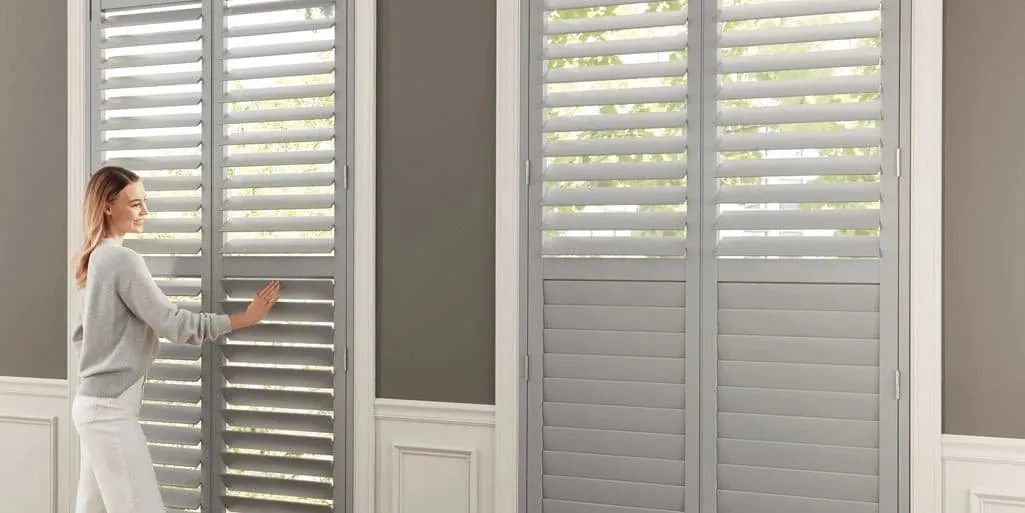
Plantation shutters are one of the most asked-about products for older houses, and with good reason: they look at home in a cape or a Federal house, they give privacy at street level and they let you steer the light with a tilt of the louvers. Fitting them to an antique window takes care, though.
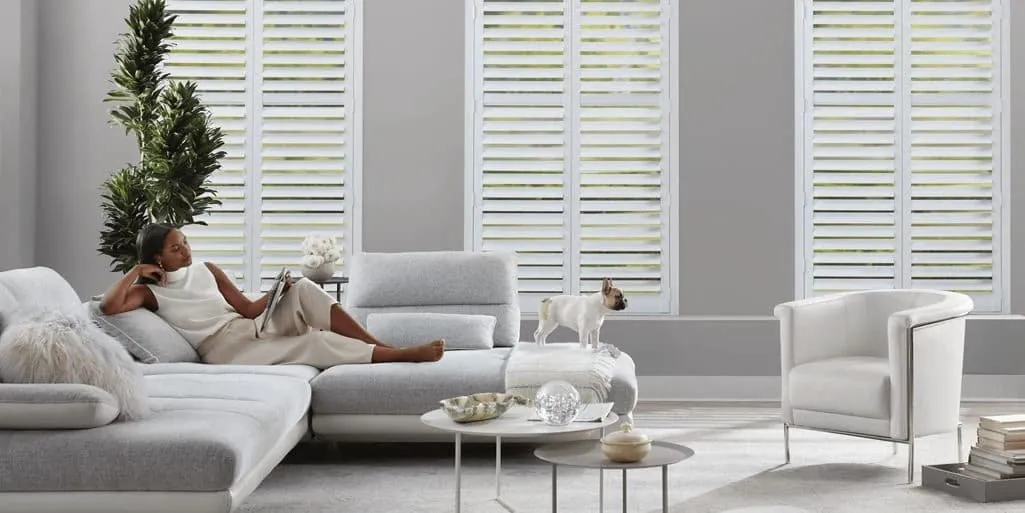
Louver size matters. A small cape window looks best with narrower louvers, which keep the proportions of the panes. A tall Federal window can carry a wider louver. The frame style matters too: some frames sit almost invisibly inside the recess, others add a slim trim that covers any unevenness in an old opening. Palm Beach, NewStyle and Heritance each offer different frames and finishes, and we bring samples so you can see them on your own trim. The guide on shutters for older windows covers the subject more fully.
From first visit to finished windows
The process is the same whether you live in an antique cape or a new house on the bay.
- Request a consultation through the form or the call button, and choose a day.
- A consultant comes to the house with samples of shades, blinds, louvers and drapery fabrics in the van.
- We go through the rooms with you and talk about what each one needs: warmth, glare, privacy or simply the look.
- You see the samples against your own trim, in the rooms facing different directions.
- Every window is measured at several points, along with the depth of the recess and anything that sticks out.
- You receive a free estimate and decide in your own time.
- Our certified Hunter Douglas installers fit, level and test every piece, and show you how it all works.
If color and fabric across a whole house is the hard part, our interior design consultations help. There is more on what happens at an in-home consultation and what happens on installation day.
Mixing old and new
Plenty of Barnstable houses are both old and new at once: an antique cape with a large modern addition at the back, or a Federal house with a sunroom added on. The old rooms want quiet, inside-mounted treatments; the new rooms have big glass and need something that scales up.
The way to make a house like this feel like one place is to keep a few things constant. The same color facing the glass, matching head rails and a consistent mount style on each floor all help. You might put shutters in the old front rooms, honeycomb shades upstairs, and screens or motorized rollers in the addition, and the house will still read as a whole. Planning window treatments in Barnstable this way, all at once, also gives you one free estimate and the option to add PowerView later. Our window treatments overview shows the range.

A Gallery dealer for old houses and new
An antique cape and a glassy bay-side house need very different things, and a Hunter Douglas Gallery dealer can offer both. Inside-mount shades for deep old frames, shutters in three collections, drapery for tall Federal windows and PowerView for a wall of glass all come through one consultation with us.
Fitting is done by our own Hunter Douglas certified installers. We offer interior design consultations for help with color, and repairs on blinds and shades you already own. Read more on our Hunter Douglas page.
Nearest showroom: Sagamore
Most Barnstable projects are chosen at the house, since the samples come to you. If you would like to see products in person first, our Sagamore showroom is the closest, a short drive up the Cape. The people there are the same ones who measure and install.
Questions from Barnstable
Our cape has small, deep-set windows. What fits them best?
The depth helps: honeycomb shades, roman shades and shutters can all mount inside the recess and leave the trim in view. We measure each opening at several points, because old frames are rarely square.
Will new window treatments look right on a house along 6A?
A white or neutral color facing the glass and inside-mounted treatments keep the front of the house quiet and even. If you have guidance from the historic district, bring it to the consultation.
Our bay-side windows face north and feel cold in winter. What helps?
Honeycomb shades are usually the first choice, because their cells hold still air between the glass and the room. Drapery drawn at night adds another layer.
Can you treat an old part of the house and a new addition differently?
Yes, and most houses like that should be. We keep the color toward the glass and the head rails consistent so the whole house still looks planned.
Do you charge for the estimate?
No. After the consultation and measuring, you receive a free estimate for every window on your list.
Getting started
Request a consultation and a consultant will bring the samples to the house, measure every window and leave you with a free estimate. Use the call button if you would like to talk first, or stop by the Sagamore showroom.