
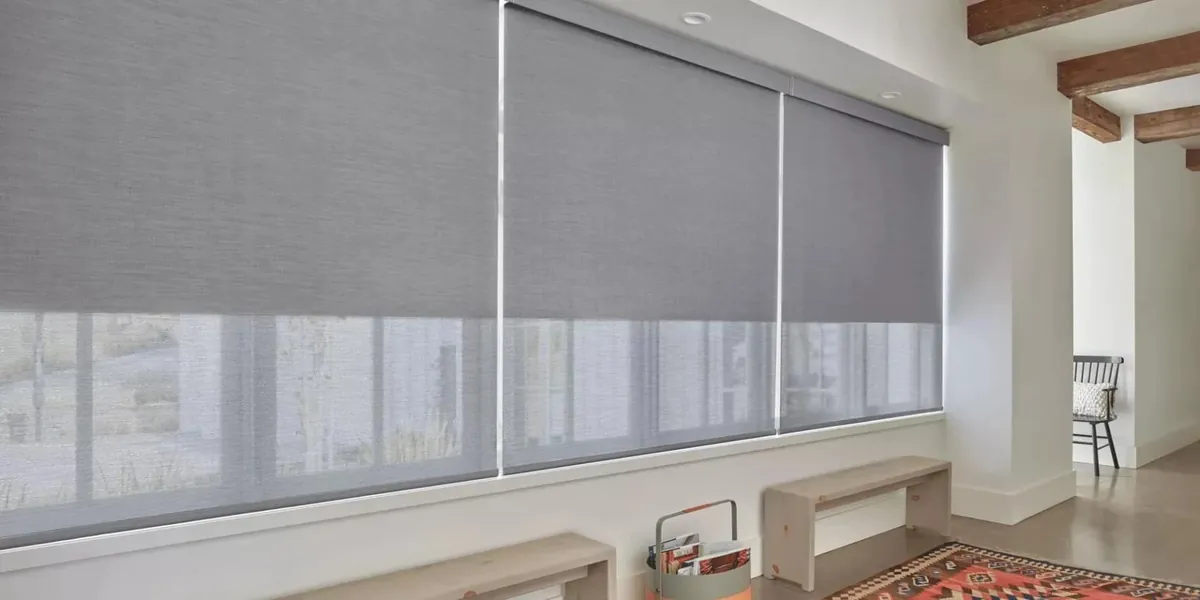
Two kinds of window in one town
Drive from the center of Abington out toward its edges and the windows tell you how the town grew. Around the center, the Victorians still carry their tall older sash, long panes set in deep wood frames that were made long before anyone thought of stock sizes. Farther out, post-war capes and ranches fill the modest lots with the regular modern openings most of the town shares. Planning roller shades in Abington, MA, usually means meeting both kinds, sometimes on the same street.
They call for different thinking. A newer opening is square and predictable, and the same size tends to turn up again in the next bedroom, so the fit takes care of itself and the conversation goes straight to fabric. The older sash near the center is taller and more individual, and each of those frames earns a careful look before a shade is chosen.
A roller is flexible enough for both. One flat sheet of cloth winds onto a slim tube at the head of the window, so it keeps a compact cape room uncluttered and lets a lofty Victorian window keep its long, slender line. Cloth runs from a soft glow to full blackout, with solar screen in between for the brightest walls.
Roller shades for Abington homes, line by line
Each of these Hunter Douglas lines comes in a wide spread of colors and weaves. Our consultants carry every one in the van, so you judge them in your own rooms rather than under store lights.
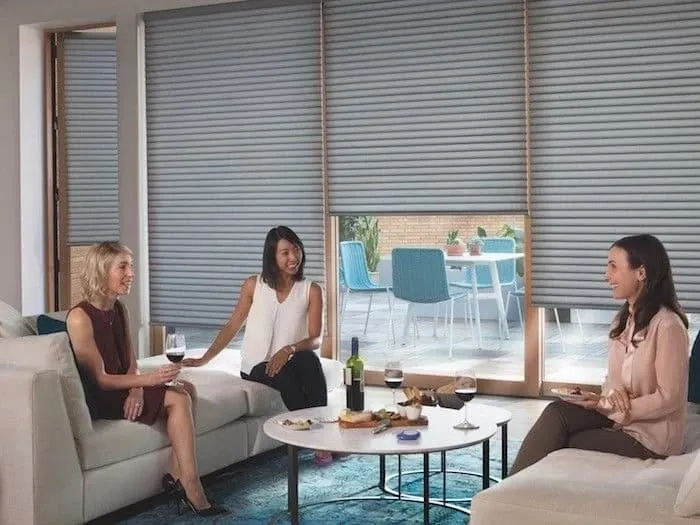
Designer Roller
The broad everyday range, from light filtering to blackout. At home on the regular openings of a cape and on the longer sash near the center alike.
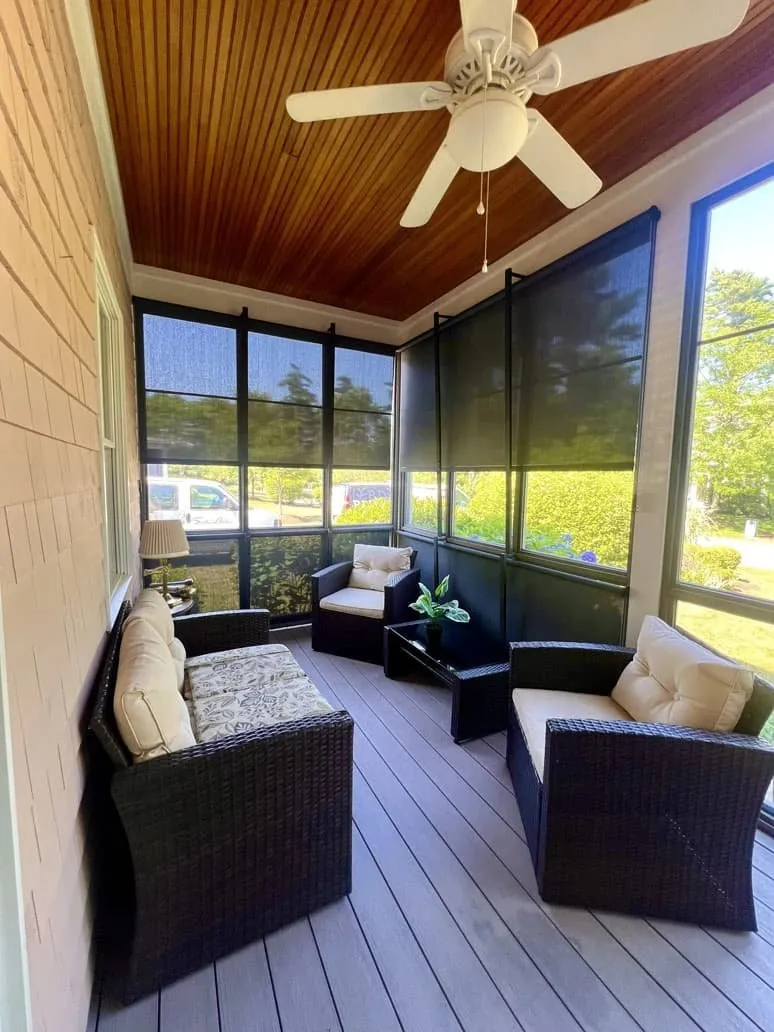
Designer Screen
Solar screen fabric that takes the edge off hard sun while the garden stays visible. A natural fit for a sunroom, a porch or a bright family room.
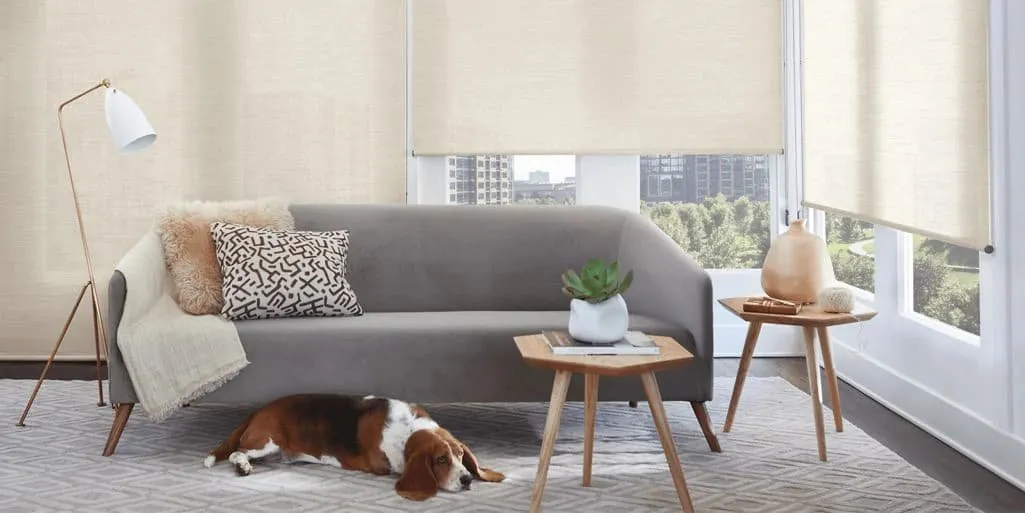
Alustra Woven Textures
Richer, hand-woven looking fabrics from the Alustra collection, often saved for the parlor of an older house where the trim deserves something special.
Tall older sash near the center
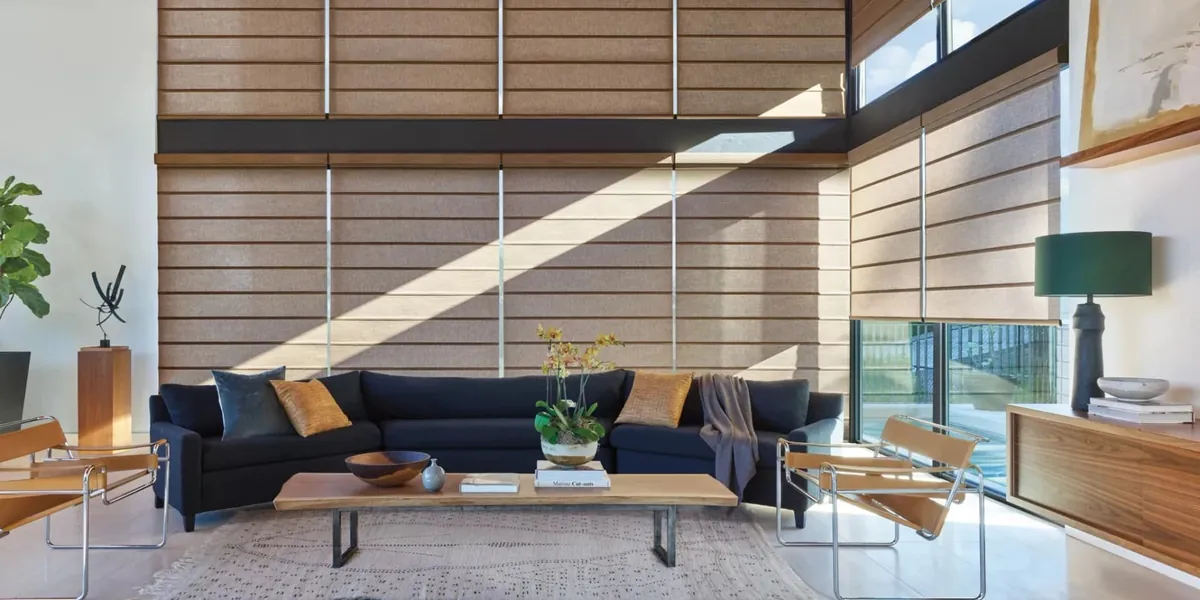
The Victorians close to the center were built with windows that climb high up the wall. Plenty still have their original frames, with deep casings and trim that someone has painted and repainted with care. A roller suits that kind of window because it never competes with the woodwork. Down, it is a calm, plain panel. Up, it all but vanishes beneath the head casing, so the frame and the glass remain the point of the room.
Height is the thing to plan around. A long sash leaves a long stretch of glass, and in a parlor facing the street the privacy question lives almost entirely in the lower half. Bring the roller down to about the meeting rail and the passing traffic sees fabric while the upper panes keep pouring light into a high-ceilinged room. That single setting is how many center households live with their shades most days.
Older frames are seldom perfectly true. A house that has stood this long has shifted, and an opening can be a touch wider at the top than at the sill. Whether a shade goes inside the frame or on the face of the casing depends on that and on the depth available. We look at each center window on its own and agree the mount with you before anything is ordered.
Inside a post-war cape
Capes are everywhere in Abington. The ground floor usually splits around a central front door, with a sitting room on one hand and a kitchen with an eating corner on the other, then a bedroom tucked toward the back. Up the narrow stair, rooms sit under the pitch of the roof and take their light through dormers.
The sitting room looks at the road from not very far away. A light filtering cloth keeps it bright through the day while the glass becomes a plain, even face to anyone walking by. Picking a single color for the pair of front windows keeps the cape looking symmetrical from the curb.
The kitchen sees steam over the sink, sun across the table and a back door in constant use. A pale, easy cloth keeps it cheerful, and a roller raised to the top stays well away from the tap.
The dormer rooms upstairs are snug spaces with one window set back in a little recess. They often get the first light of the day, which makes room darkening or blackout the common choice. The recess itself shades the edges of the window, which helps a dark fabric do its job.
Ranches on the outer streets
On the outer streets the ranches put the whole household on one floor: living room facing the road, bedrooms strung along a hallway and the kitchen looking out the back. Because every room sits at grade, privacy comes up in nearly every room, yet the openings are as easy to work with as windows get.
That sameness is useful. When standard openings repeat through the house, every shade can be brought down to one consistent line, and the outside of the ranch looks orderly from the road. Inside, each room is still free to have its own cloth.
The front window of a ranch is often broad, and if it faces south or west the late sun can make the living room hard to enjoy and wash out a television. That is the window where a solar screen earns a side-by-side comparison with a plain light filtering roller. The bedrooms along the hall mostly want room darkening cloth, and a kitchen overlooking the garden is happy with something pale and simple.
When the next house is close
Modest lots put houses fairly near one another, and a side window often looks over a driveway straight at the neighbor’s siding and glass. Those openings get more thought than any other in the house.
By day the usual goal is to let light in while keeping eyes out. A light filtering roller handles that, since daylight comes through and the room beyond turns into vague shapes from outside. Once the lamps go on in the evening, though, a light cloth starts to reveal silhouettes, which is why side bedrooms and bathrooms are usually given a denser fabric.
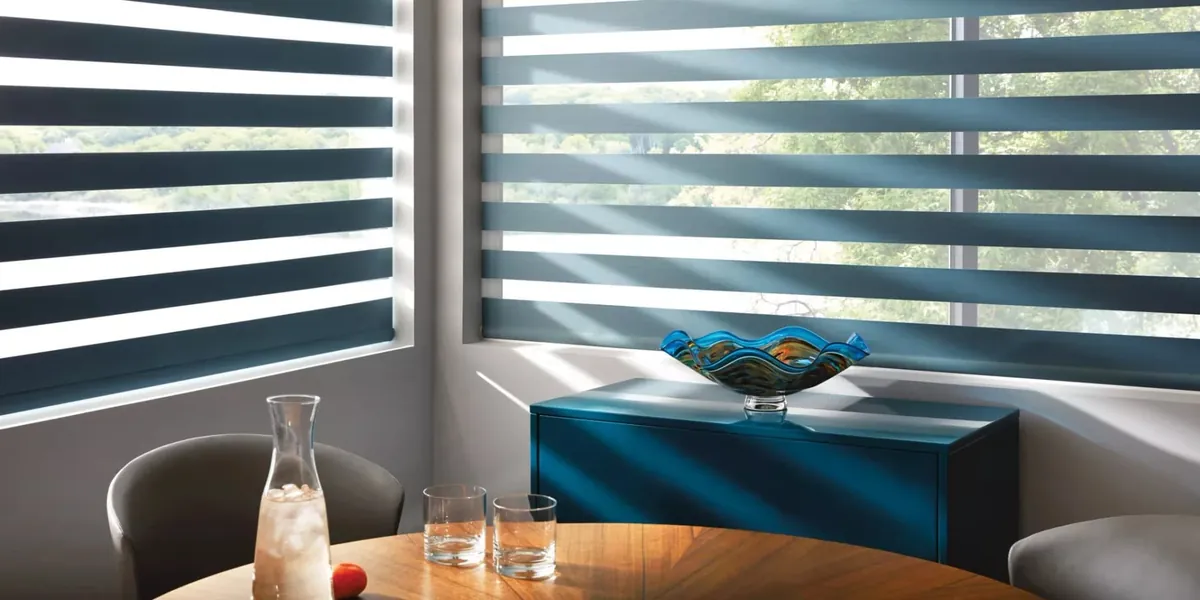
Banded fabric sits between the two. Its sheer and solid stripes are carried on two layers that shift against one another, so the window moves from see-through to covered with a small tug. On a kitchen window that faces the house next door, that freedom is often worth having.
Openness, glare and the garden
Many Abington houses have one wall that bakes in the afternoon, either the face of a ranch turned west or the back of a cape looking south over the garden. For that wall, a solar screen is the first fabric worth unrolling.
Screens are compared by openness, a measure of how loose the weave is. A looser weave keeps the garden crisp and the room bright, but more of the sun’s glare and sparkle gets through with it. A tighter weave calms the light right down and adds daytime privacy, at the cost of a softer, misty view. Most family rooms land somewhere between the two.
The screen’s color shifts things again. A charcoal or bronze screen is easy to look through, because the eye passes over it, and it usually suits a room with a television. An ivory screen brightens when the sun hits it and looks more private from the yard during the day.
After sunset the effect turns around. With the room lit and the yard dark, a screen lets the inside show, so a screened family room facing a neighbor usually has a second plan for the evening, whether that is a denser roller on the nearest window or a banded fabric beside it.
Four cloths and where each one goes
Most houses in town finish up with a short list of fabrics, each picked for a reason. Roller cloth comes in four broad types, and roller shades in Abington, MA, are easier to plan once you know what each does:
- Light filtering: brightness without a clear view in. Sitting rooms, kitchens and windows that face the house next door.
- Room darkening: dims a room strongly. Most bedrooms and ground-floor rooms near the road.
- Blackout: keeps the light out at the fabric. Nurseries, east-facing dormers and rooms for sleeping in the daytime.
- Solar screen: cuts glare and keeps the outlook. Porches, sunrooms and whichever wall takes the hardest sun.
A cape might mix light filtering downstairs, blackout in the dormers and a screen on a hot back window. A center Victorian might use room darkening in its tall front bedrooms and an Alustra weave in the parlor. Each room gets what it needs, and the street still sees one tidy house.
Stairs, baths and the back entry
The small windows get forgotten until the big rooms are done, yet they are often the ones that bother people most. A cape’s stair window usually sits at the turn of a steep flight, too high to reach comfortably and right in line with the house next door. A bathroom window on the side of a ranch faces the same short gap. And the back entry, with its glass door and a narrow sidelight, is on show to the gardens behind every evening.
Each of these wants privacy more than anything else, so a room darkening cloth or a dense light filtering weave usually does the job. On the back door, a roller matched to the kitchen window beside it keeps that corner of the house looking finished. When we plan roller shades in Abington, MA, we walk to these small openings as well as the main rooms, because a house only feels complete when every window has been thought about.
What the street sees
From the sidewalk, a roller shows as a block of color in each window. With short setbacks on most Abington roads, that color becomes part of the house’s face, so it pays to think about the outside as well as the room.
The easiest rule is to keep every street-facing shade the same shade of color. Warm whites, ivories and pale grays sit well against almost any siding and make a cape or ranch look calm and considered. The cloth behind that color can still vary from room to room.
The back of the house is where you can play. A child’s room, a den or a kitchen overlooking the garden can carry a pattern or a deeper tone without changing the view from the road. On a center Victorian, where the trim is often painted in strong colors, a quiet neutral roller tends to let the house’s own details lead.
PowerView where reaching is awkward
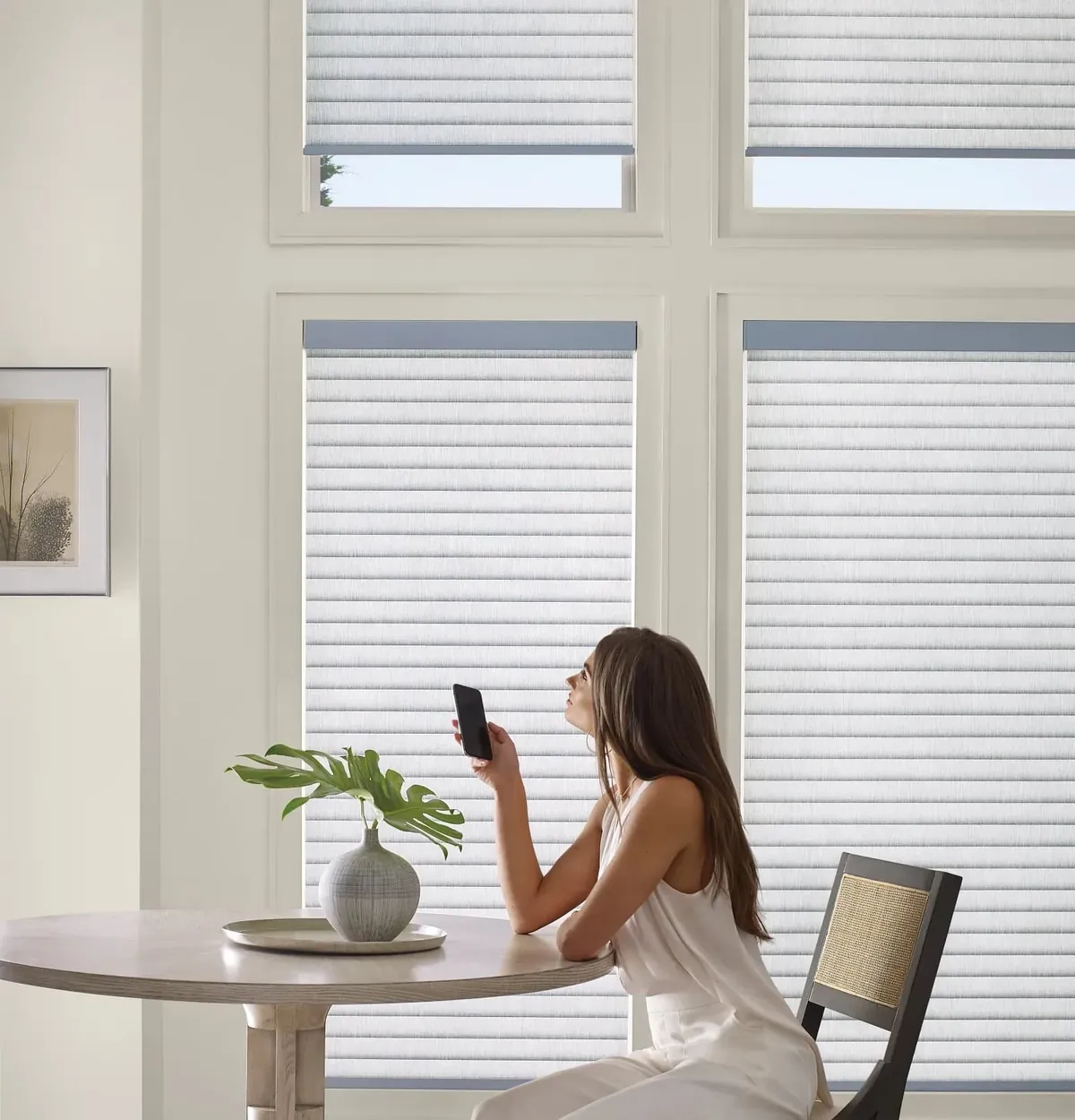
Hunter Douglas PowerView can be built into these rollers so they answer to a phone app, a handheld remote or a timetable you set. In a cape it often starts with the dormer window that means kneeling on the bed to reach. On a center Victorian, the tall front windows are the obvious first choice, since their tops are well out of reach.
Timetables take care of the daily rhythm. Blackout in the bedrooms can open at the hour you wake, side windows can close as it gets dark and a screen on the hot wall can drop in the mid-afternoon. Front windows can be grouped so they always stop at the same height. We plan how each motor is powered at the visit. There is more on our page about motorized blinds in Abington.
Choosing at home in Abington
Abington sits inside our shop-at-home territory, so the choosing happens in your own rooms. A consultant arrives with a vanload of samples, which means we can bring the showroom to you, and every fabric is judged in the light it will actually live with. You can read how the territory runs on the Canton shop-at-home page.
A little preparation helps the visit:
- Ask for a visit with Request a Consultation or the call button, and say that rollers are on your list.
- Walk round and note which windows look at the road and which look at a neighbor.
- Decide which bedrooms truly need to be dark.
- Notice which wall gets the fiercest afternoon sun.
- Point out any original frames near the center, as those get a closer look.
- Plan on a free estimate before you commit to anything.
For a hand with color or a whole room, our interior design consultations can happen at the same appointment.
Designer, Alustra and how they mix
Hunter Douglas splits its rollers into two families. Designer is the practical core, with plain and textured weaves, banded fabric and solar screens, enough to dress every opening in a cape or ranch. Alustra is the more tailored end of the range and is best known for its richer woven cloth.
Lots of Abington orders blend the two. A center Victorian might wear Alustra in the parlor and dining room, where the sash is tallest and the woodwork is on show, and Designer in the bedrooms and kitchen. A cape might keep to Designer throughout and treat the sitting room to one Alustra fabric. Both families ride in the van, and our main roller shades page lays out the whole range.
A Gallery dealer, with Franklin nearby
Most Abington households pick their fabric at home. If you would also like to look round a showroom, the Franklin showroom is the closest of ours to town.
As a Hunter Douglas Gallery dealer, Blinds & Designs can offer you every roller Hunter Douglas makes, and each one is fitted with certified Hunter Douglas installation. If a shade already in the house has stopped working, we take on blind and shade repairs as well.
A chilly bedroom may be better suited to cellular shades in Abington, which you can compare during the same visit. The Abington page shows everything else we do in town.
Questions from Abington
Our Victorian near the center has very tall windows. Will rollers look right?
They suit tall sash well. Down, a roller is a calm, plain panel. Up, it hides beneath the head casing, so the trim stays the feature. We check each original frame before suggesting how to mount it.
Our cape has standard openings. Is that easier?
Yes. Regular sizes keep the fitting simple, so the whole visit can be spent on choosing the right cloth for each room.
Which fabric suits a kitchen window that faces the neighbors?
Light filtering keeps the room bright and blurs the view in. Banded fabric lets you open and close the view with a small tug, which is handy in a busy kitchen.
Is there a showroom in Abington?
No. Abington is part of our shop-at-home territory, so a consultant comes to you with samples. The closest showroom is in Franklin.
Is the estimate free?
Yes. Every estimate is free and carries no obligation.
Begin with one room
You do not need a plan for every window to make a start. Roller shades in Abington, MA, are simplest to choose one room at a time. Pick the room that bothers you most, whether it is a center parlor with tall bare sash, a ranch living room flooded with late sun or a dormer bedroom that wakes you before the alarm. Ask for a consultation and we will drive the Designer and Alustra fabrics to Abington, try them at that window and any others you like, and leave a free estimate for you to think over. If talking first suits you better, the call button above reaches us too.