
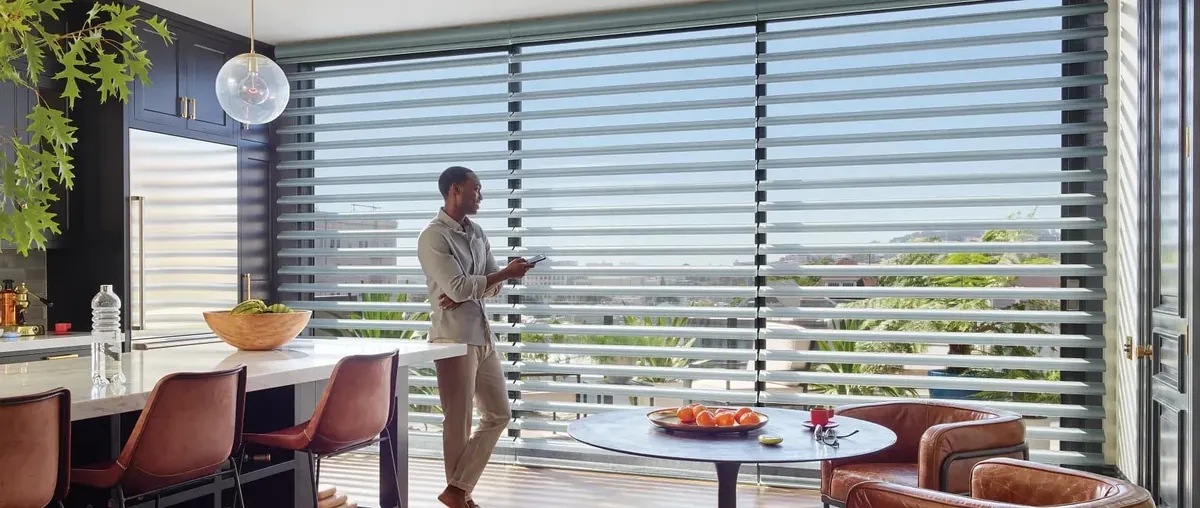
Triple-deckers, Victorians and the street outside
Woonsocket’s housing is dense. Mill-era triple-deckers and Victorians fill street after street, built close to the curb and close to one another, and almost every room has tall, narrow double-hung windows under a high ceiling. On streets like these, the first question any window treatment has to answer is privacy at street level, and that is where planning motorized blinds in Woonsocket, RI begins.
High ceilings make for long windows. The top of the sash is often well above a comfortable reach, a manual shade on it needs a long cord, and on a first floor facing the sidewalk that shade has to move several times a day to keep up with the street. Upstairs, the side windows of a triple-decker look across a narrow gap straight at the neighbors’ windows, floor for floor.
PowerView takes the reaching and the remembering out of it. Every tall shade answers to a handset, the PowerView app or a schedule, so the street side can be bright by day and covered by evening without anyone climbing on a chair.
Shades that suit tall city windows
Much of the Hunter Douglas range can be ordered with a PowerView motor, so we choose for the window and the room first. On Woonsocket’s tall double-hungs, these three are the usual starting point. Each card links to its own page for the city.
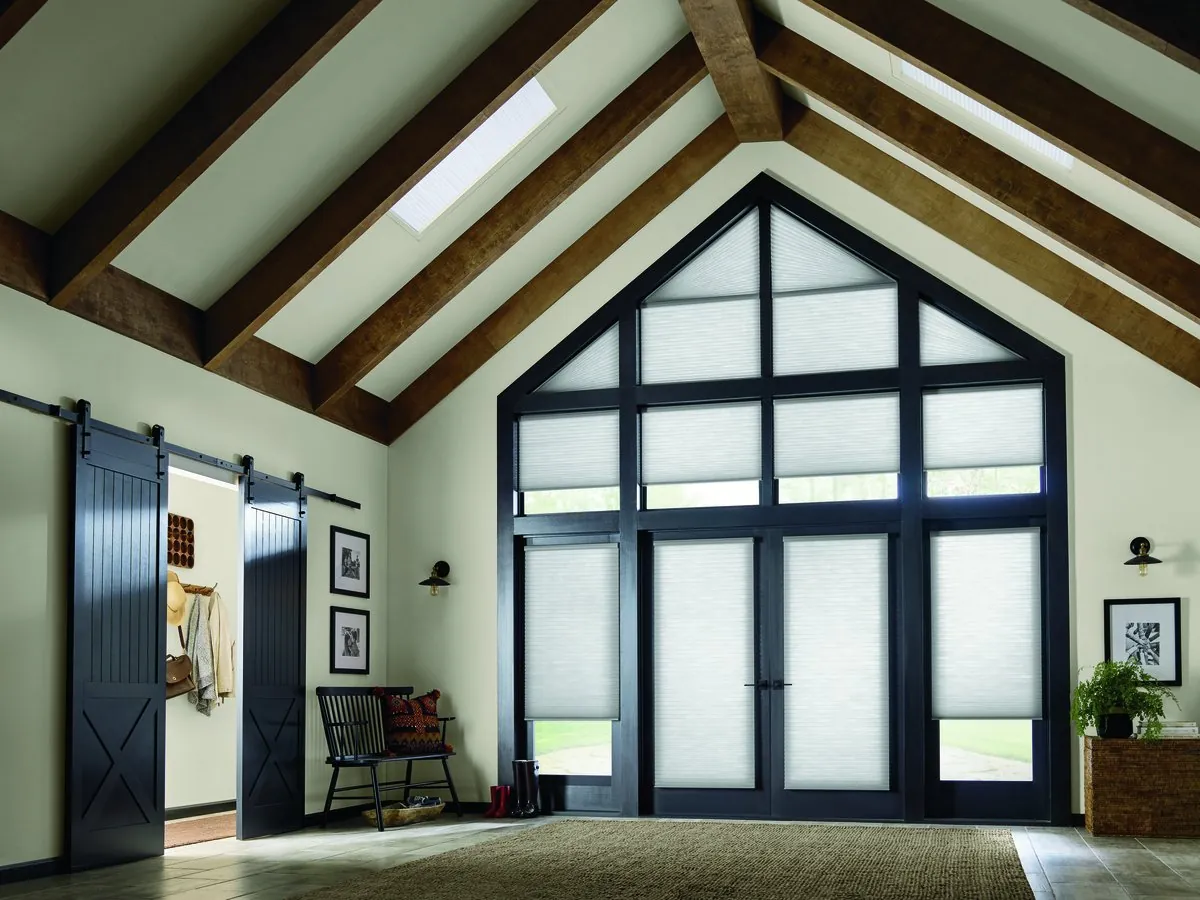
Cellular Shades in Woonsocket
Light-filtering honeycomb glows from the sidewalk side and shows very little of the room, while keeping a high-ceilinged parlor bright.
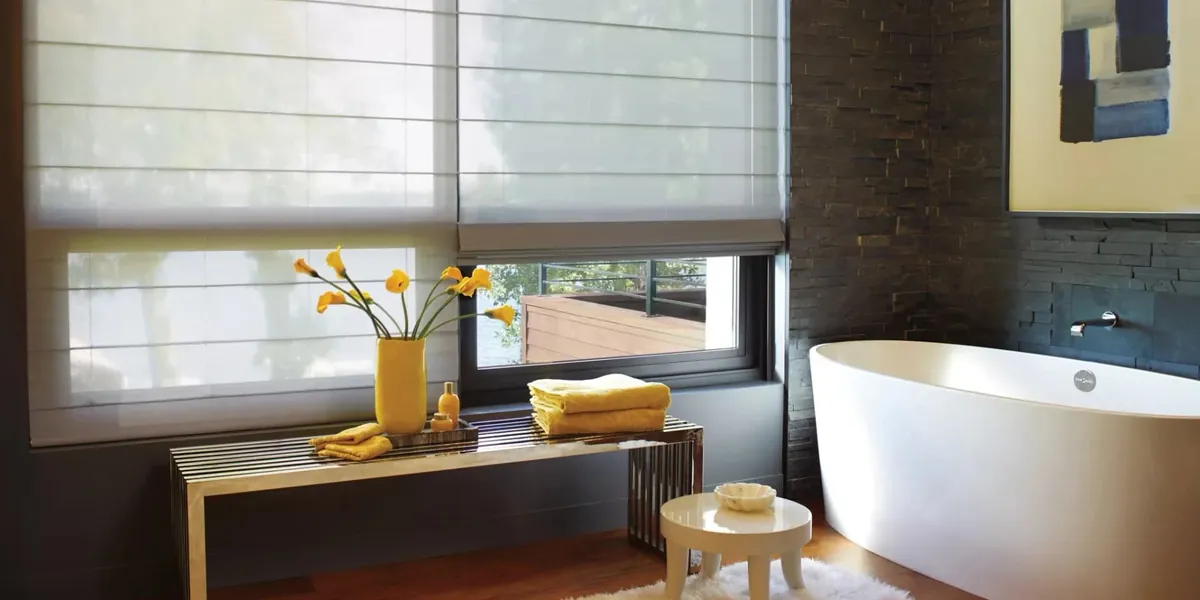
Roman Shades in Woonsocket
Soft folds give a tall Victorian window proportion, and a sheer roman keeps a bathroom bright without exposing it to the house next door.
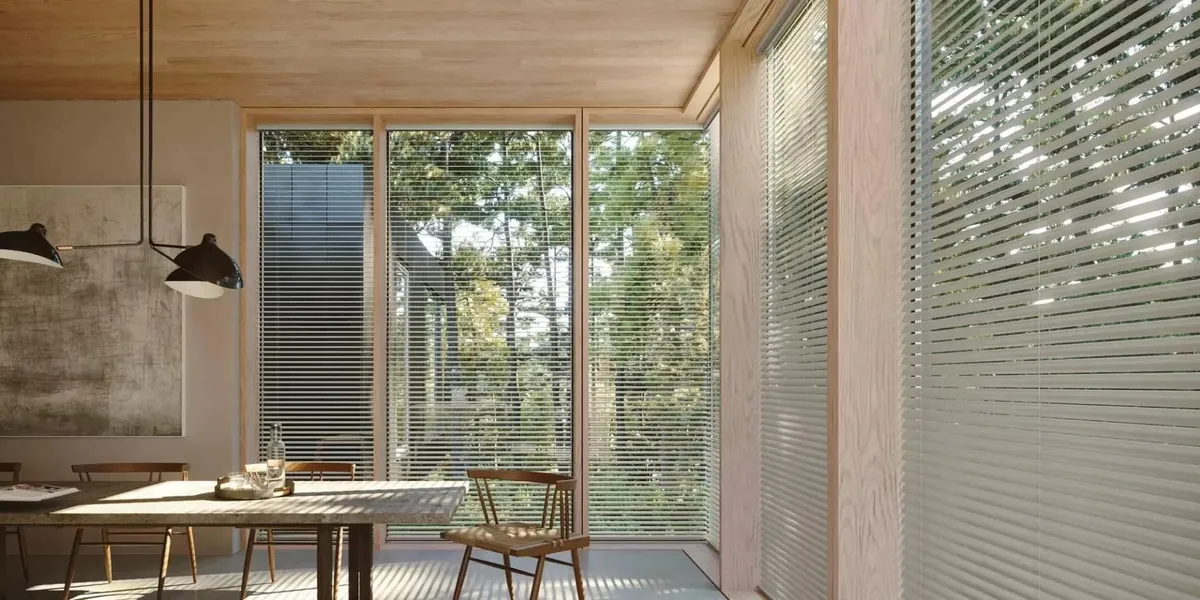
Custom Blinds in Woonsocket
Slim slats angled upward send daylight to a high ceiling while blocking the sight line from the street.
Motorized blinds in Woonsocket, RI start with street-level privacy
In a city of close-set streets, a first-floor window may be only a few strides from the sidewalk and level with the eyes of anyone passing. Daytime privacy and evening privacy are different problems, and a motor handles both.
By day, the trick is to cover the glass without losing the light. Light-filtering fabric does that: from inside the room is bright, from outside the shade reads as a soft glowing panel. Blinds offer another route, with slats tilted so the room borrows light off the ceiling while passers-by see only the slats.
By night, the problem is a lit room behind glass. A closing schedule draws every street-facing shade at the hour you choose, evening after evening, and the time can be nudged in the app as the seasons turn. A handset by the front door lets you close the whole street side early whenever you like.
The point is consistency. By hand, the front shades of a busy house end up either always down, so the room is dim, or forgotten at night. With PowerView they follow a routine you set once.
Tall double-hungs under high ceilings
Woonsocket’s Victorians and triple-deckers share a window type: tall, narrow double-hungs set in rooms with high ceilings, often in pairs or in a bay on the front. They are generous windows, and the height is exactly what makes them awkward. A shade raised fully parks its fabric well above head height, and the cord to bring it back down is long.
A motor removes both problems. The shade travels its full length to the height you saved, so a pair or a bay finishes level every time, and there is no cord at all. That matters particularly where children live, since a long cord on a tall window is the riskiest kind.
These windows have been in place a long time. Frames lean, paint has built up in layers, and widths change between head and sill. Each window is measured individually: across at three heights, top to bottom at three points, and front to back for the frame depth. Deep, square frames take an inside mount that keeps the trim visible; shallow or leaning ones are better served by a mount on the casing that covers the edges.
Three floors, three households
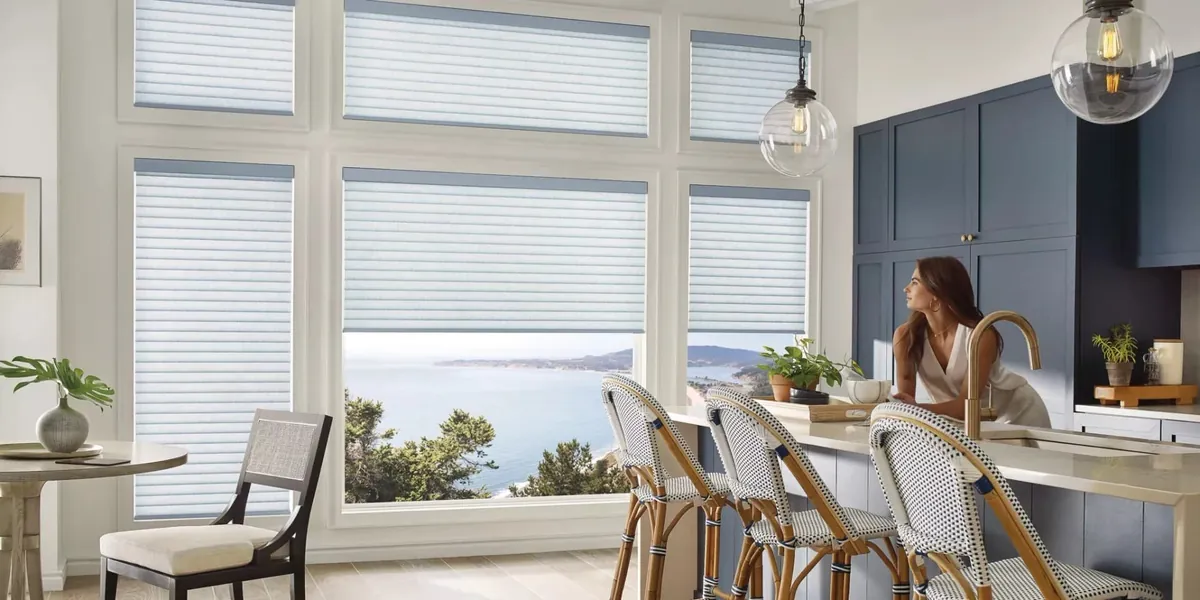
A triple-decker stacks three homes, one per floor, each with its own front rooms on the street and its own side windows facing the next building. That layout suits a motorized system well, because each floor can be set up as its own system with its own handsets, app access and schedules.
If you own the building and live on one floor, you can motorize your own flat first and decide about the others later. If you are planning shades for the whole building, matching fabric on the street-facing windows of all three floors keeps the front of the house uniform from outside, while each household runs its own windows on its own routine inside.
Side windows deserve particular thought in a triple-decker. Across a narrow gap, the windows of the next building often line up floor for floor with yours. A light-filtering shade on those windows, lowered through the day, softens that direct view while leaving the room bright. At night, a schedule closes them with the street side.
Victorians and their bays
Woonsocket’s Victorians often have a front bay or a pair of tall windows in the parlor, high ceilings throughout, and windows on the stair that are well out of reach. The bay is usually the most visible window in the house, and on a manual system its shades rarely sit at matching heights.
Grouped on a motor, every shade in the bay moves together and stops level, which tidies the room inside and the house front outside. Want sun at one end of the parlor only? Nudge that shade on its own in the app, then tap the group to square everything up again. The stair window, too high to touch from the landing, can join the downstairs group so it opens and closes with the rest of the floor.
In a Victorian, motorized blinds in Woonsocket, RI are as much about the look of the house from the street as about convenience inside, because a bay of shades at matching heights is the first thing passers-by see.
How the controls divide up
PowerView offers three ways to move a shade, and in a city house each finds its place quickly.
- The handset. A small remote in the room for raising, lowering and stopping a shade or group. Ideal for guests and for a household member who does not want an app.
- The PowerView app. On a phone or tablet, with every shade in your home, exact heights and the tools for groups and schedules.
- Schedules. Set once, then left. They move the shades you choose at the times you choose, on the days you choose.
In a triple-decker, each floor’s household can keep its own app set-up and handsets. Our guide to how motorized shades are controlled goes through the controls step by step, and the window covering automation page explains schedules more fully.
Your consultation, step by step
On a close-set street, the view in from the sidewalk is as important as the view out, so a Woonsocket project starts with a visit to the house. Our vans carry samples, bringing the choices to your windows.
- Book through Request a Consultation or the call button, and say whether the home is a whole Victorian or one flat in a triple-decker.
- First we look at the rooms on the sidewalk and at any side windows lined up with the building next door.
- Fabrics and slats are tried in your windows, and we step out to the sidewalk with you so you can see what each one shows from outside.
- Groups and controls are agreed: what moves together, and whether you prefer handsets, the app, schedules or all three.
- Every tall window is measured separately, with frame depth and any lean noted.
- We decide how each motor is powered while we are there, one window at a time.
- A free estimate follows for the shades and installation.
- A certified Hunter Douglas installer fits the shades, sets their stops, pairs them with handsets and the app, and sets up the first schedules with you.
Our page on what happens at an in-home consultation covers that first visit more fully.
Bedrooms on a city street
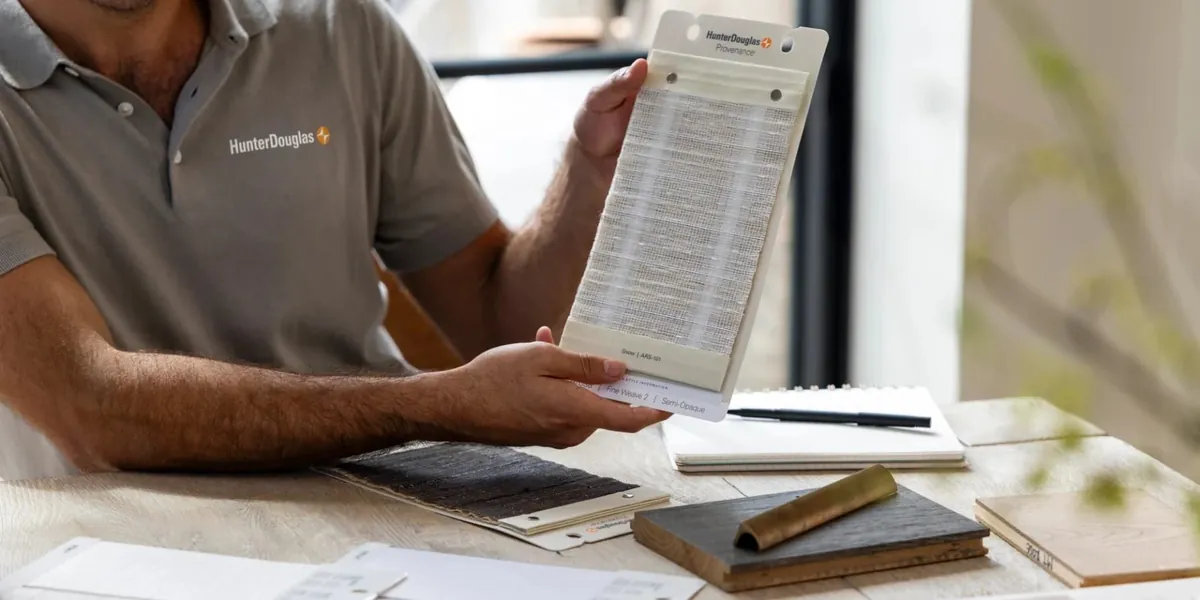
Bedrooms in a Woonsocket house face street lamps, passing headlights, a neighbor’s lit window across the gap and, in summer, early morning light. Tall windows mean more glass to cover, and high ceilings put the top of the shade far above the bed.
Room-darkening cloth cut precisely for every long sash keeps out as much as any shade can, and an inside mount, where the frame is deep enough, keeps the edges close. Motorized, the bedroom shades drop as a set at night and lift at your chosen hour, later on weekends if you like. A handset on the nightstand means nobody gets up to reach a cord in the dark.
Parlors, home offices and the daytime street
Many front parlors in the Victorians and the street-facing rooms of a triple-decker floor double as a home office. That room needs daylight on the desk, no glare on the screen, and no view in from the sidewalk, all at once.
Honeycomb or roller cloth in a light-filtering weave, drawn right down, lets the desk work by daylight while the sidewalk sees nothing but a pale panel. Blinds go a step further, because the slat angle decides where the sun lands: up on the ceiling, never across the monitor. A saved “desk” position can come on at the start of the working day, with the room shutting fully when the laptop closes. A parlor that must be public and private at the same time is the room where motorized blinds in Woonsocket, RI pay their way fastest.
Kitchens at the back
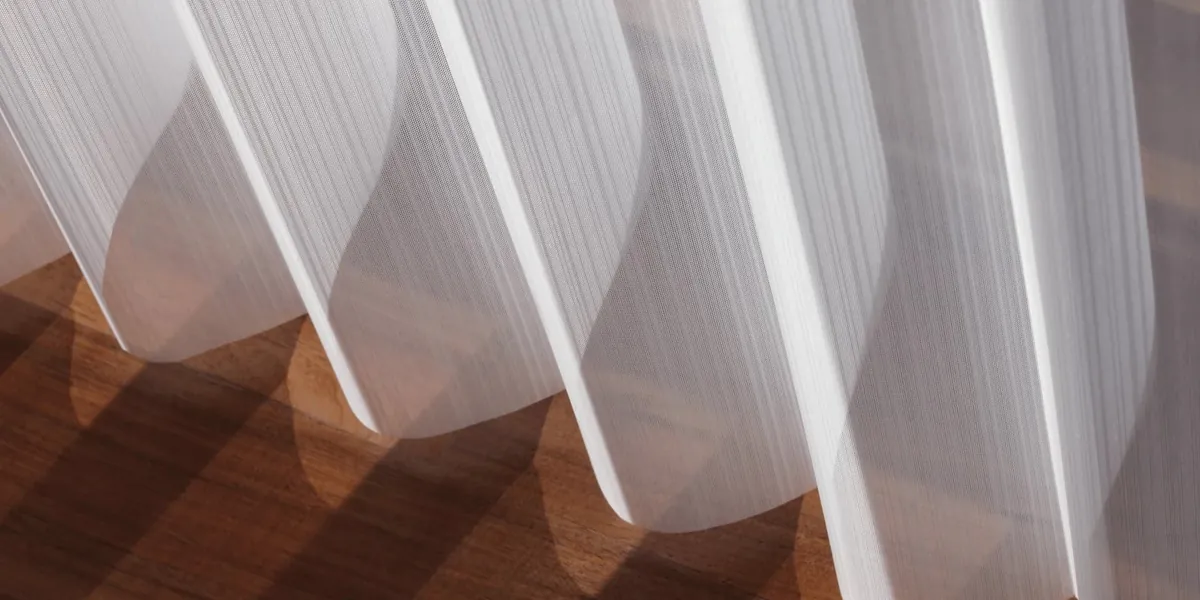
The kitchen in a triple-decker flat or a Victorian is usually at the back, often with a back porch or a stair outside and the next building close behind. The window over the sink is hard to reach across a counter, and it may face a neighbor’s porch only a short distance away.
Put that window on a motor and it rises with breakfast and drops after dinner along with the rest of the flat, and nobody leans over the taps to do it. A light-filtering cloth there lets plenty of daylight onto the counter but blurs the neighbor’s porch into an outline. A glazed porch door can share a group with the sink window, so the rear of the flat behaves as a unit.
Porches, hallways and front doors
Many triple-deckers have stacked front porches, with a glazed door to each flat and a hallway or stair window beside it. Victorians often have a front door with glass panels, sidelights, and a tall stair window lighting the hall. All of that glass faces the street, and because a hall is somewhere you pass through rather than sit, its shades tend to stay wherever they were last left.
Grouped with the front rooms, a hall or stair shade opens and closes alongside the rest of the street side without a separate trip. A blind suits a stair window well, since a slight tilt lets light fall down the stairs while blocking the view in from the porch. Narrow sidelights and transoms are measured at the visit, and we will tell you plainly which take a motor and which are better with a fixed treatment.
Choosing fabric for a tall window
Lowered on a tall double-hung, a shade becomes a long stripe of color that the street notices as much as the room does. Pale, light-filtering cloth makes a house front look calm and even from the curb, and lets a high-ceilinged room stay airy inside. Blackout-style room-darkening cloth looks weightier, so we mostly suggest it upstairs where people sleep. Sheers and woven textures land in the middle, which is often just right for a Victorian parlor.
In a triple-decker, agreeing one color for the street elevation keeps all three floors looking like one house, and each flat can please itself at the back. Color also changes with the hour, so the samples go up in your own windows at the time the room sees most use.
Starting with one room or one floor
A front room on the sidewalk, or the floor of the triple-decker you live on, is a typical first step, with more to follow when it suits. Anything ordered later links into the same handsets, app and timetables, so the early work stays exactly as it is. Living with the first shades through a summer and a winter is also the surest way to judge a fabric on tall city glass.
For the other products we offer in the city, see our Woonsocket window treatments page, and for rolling styles read roller shades in Woonsocket.
Franklin is our nearest showroom
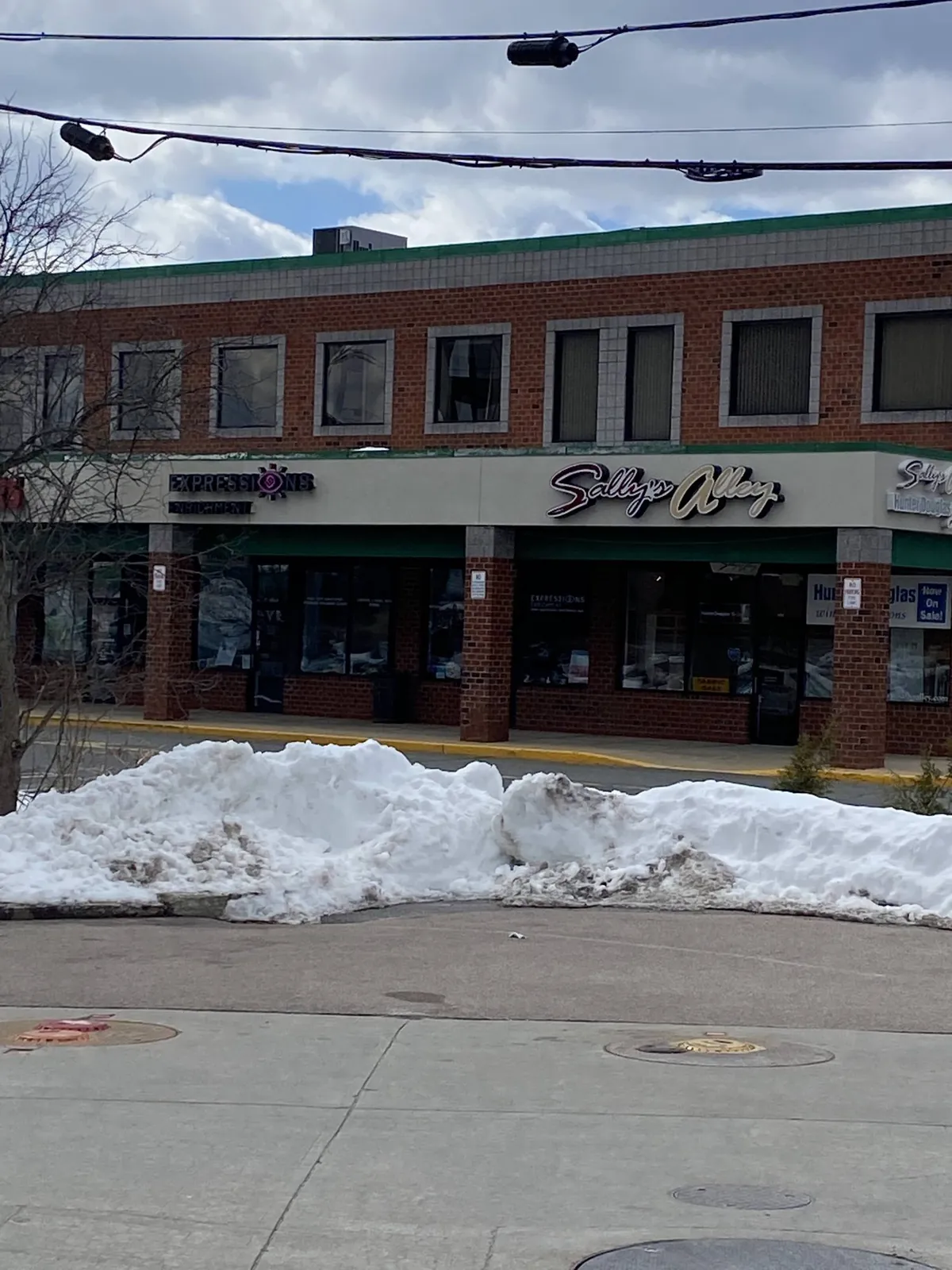
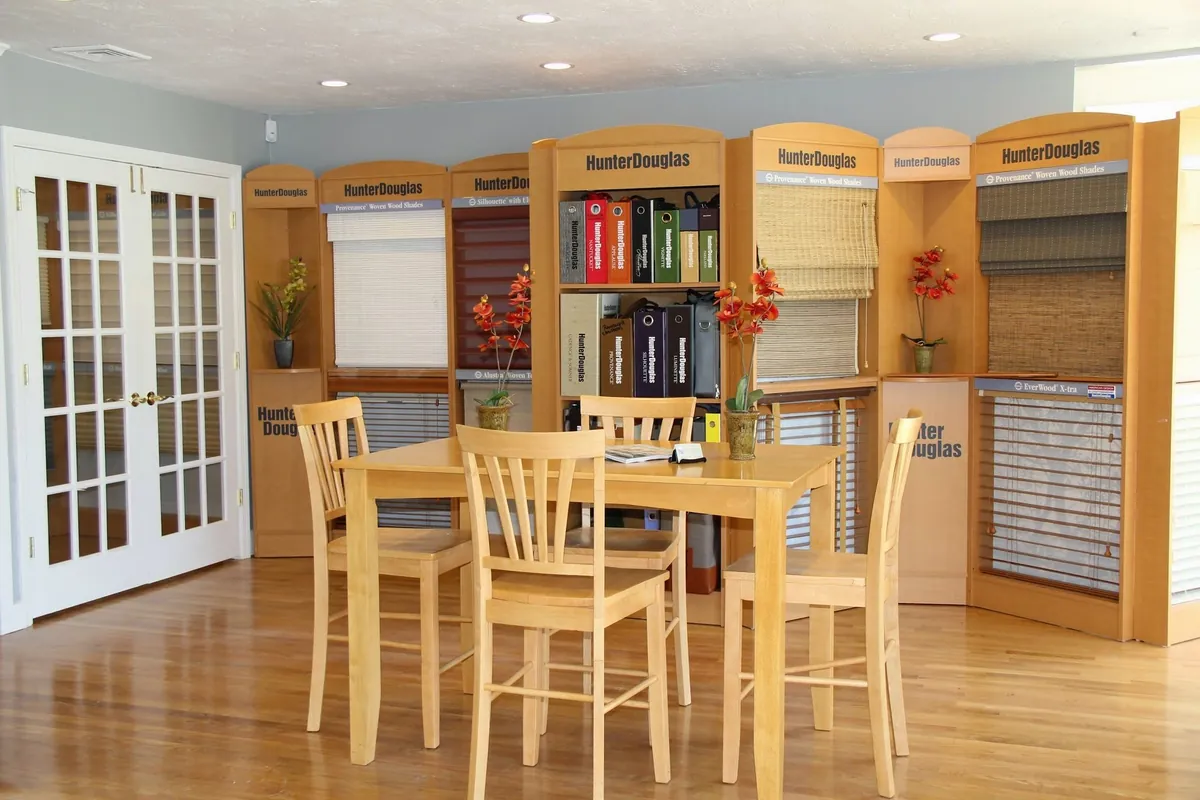
Franklin, Massachusetts is home to the showroom closest to Woonsocket. Head there if you enjoy browsing, or let the van bring the samples to your stoop.
Sizing is done in your rooms regardless: old double-hungs under high ceilings, and the sight lines from a crowded sidewalk, cannot be judged from a catalog.
A Gallery dealer for a city house
Gallery is the dealer standing Hunter Douglas has given Blinds & Designs, and Hunter Douglas also certifies our installers. Whether the job is one Victorian parlor, one floor of a triple-decker or the full building, every style comes from the same dealer, and each can be fitted with a PowerView motor and run from one app.
No estimate carries a charge. An interior design consultation can help a landlord or a household settle colors floor by floor, and tired blinds or shades you already have can be repaired. Read on at Hunter Douglas dealer in Woonsocket, or browse the wider motorized blinds and shades collection.
Questions from Woonsocket
Our first floor is right on the sidewalk. What does a motor change?
The shades follow a routine you set: light-filtering fabric or tilted blinds by day, fully closed in the evening at the time you choose, without anyone having to remember.
Our windows are very tall, under high ceilings. Is that a problem?
No. A motor moves a tall shade its full length and stops it exactly where you saved, and there is no long cord.
We own a triple-decker. Can each floor control its own shades?
Yes. Each floor can have its own handsets, app set-up and schedules, and you can motorize one floor now and others later.
Can a bay of windows move together?
Yes. Grouped shades move as one and stop level, and any one can still be moved alone from the app.
What will the estimate cost us?
Nothing. Once the windows are measured you get a free estimate for both the shades and the fitting.
Start with the street side
On a close-set city street, the sidewalk room is nearly always where motorized blinds in Woonsocket, RI change daily life soonest. Flag that room on the booking form; the van will be loaded with fabrics for tall double-hungs, every window gets measured, and the handset is yours to try on your own glass. Got a question before you book? The call button rings the Franklin team.