
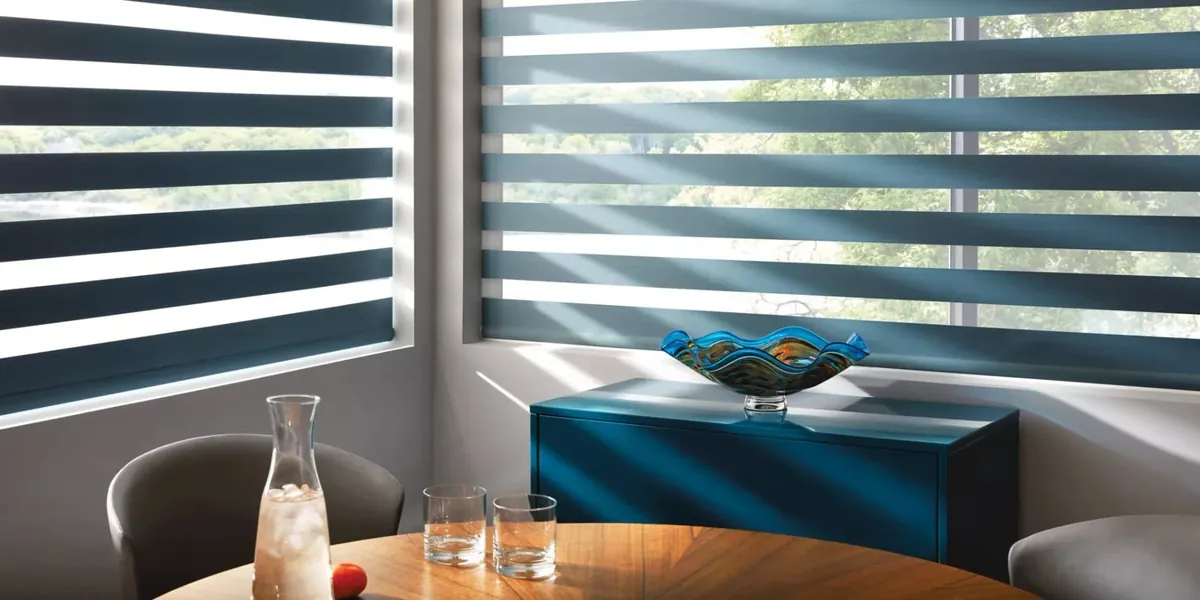
Deep reveals in the historic center
Stand inside one of the antique colonials or Victorians around the center and look at a window side on. The glass sits well back in the wall, behind a deep reveal, the boxed-in depth of the opening between the face of the trim and the sash itself. Combined with tall, narrow sash, that depth gives the old rooms their shadowed, solid feel, and it is one of the things owners of these houses value most.
It also makes them some of the best windows anywhere for roller shades in Holliston, MA. A deep reveal leaves room to set a shade right inside the opening, out of the room and out of the way, with the casing and its mouldings left completely clear. When the shade is raised, it rolls up into the top of the reveal and is almost impossible to see.
Away from the center, the newer colonials on wooded lots off Washington Street and the modern subdivisions have standard window sizes and shallower frames. They are simpler to fit and ask different questions, mostly about light, glare and big rooms. We handle both kinds here.
Roller shades in Holliston, MA: where we usually start
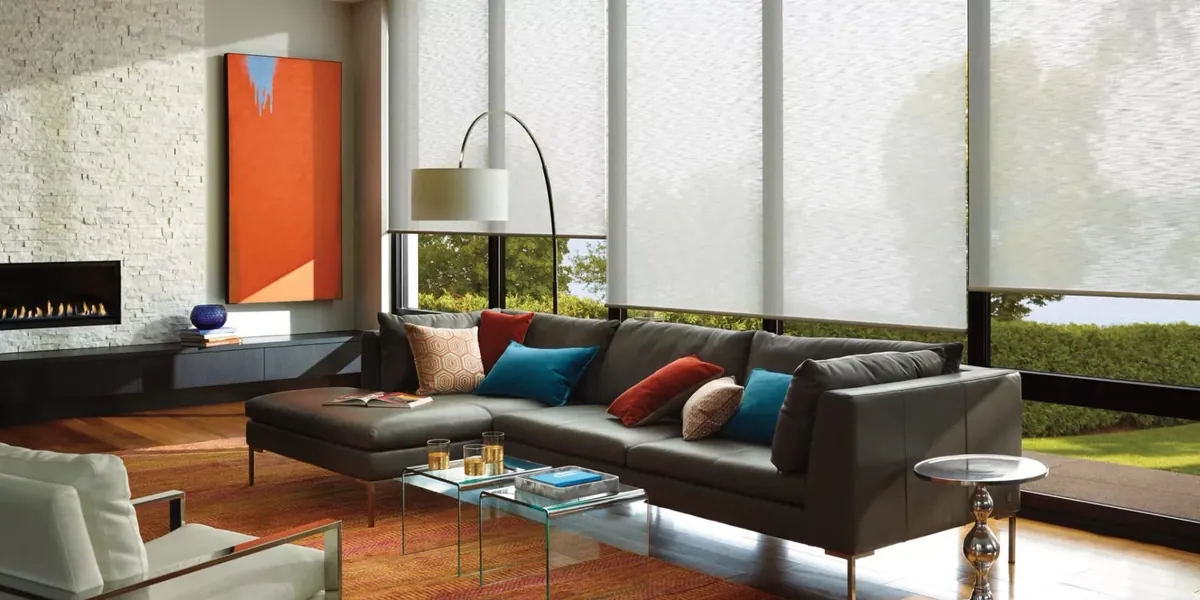
Our vans carry the whole Hunter Douglas roller range to your door. These three are where most Holliston conversations start.
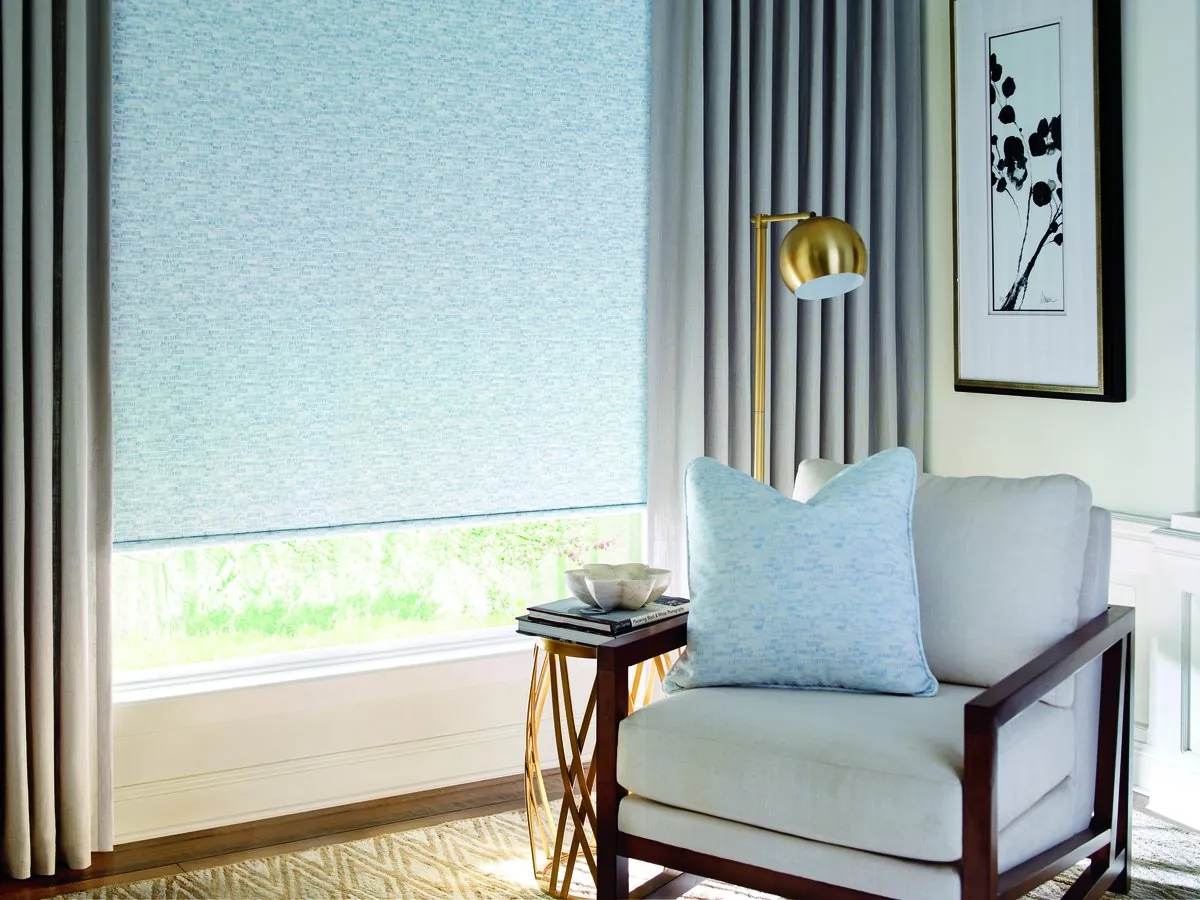
Designer Roller
A wide library of plain, textured and patterned cloths, light filtering through blackout. Narrow widths sit neatly in a tall old sash.
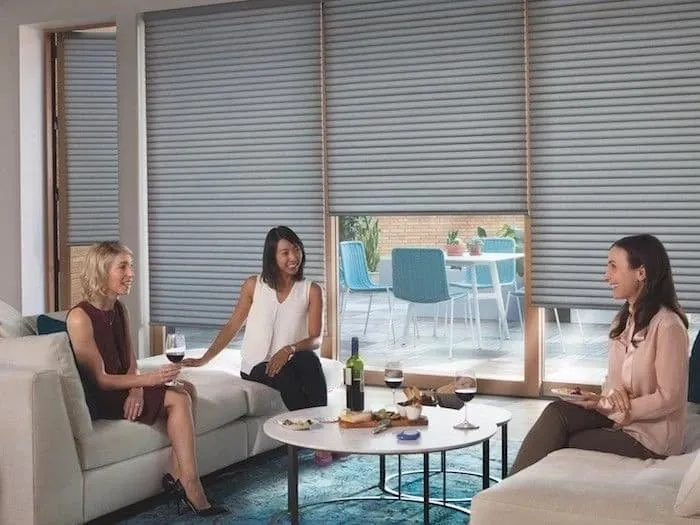
Sonnette Cellular
A roller whose cloth is a honeycomb, for a room where you want the slim roller profile with a softer, layered fabric.
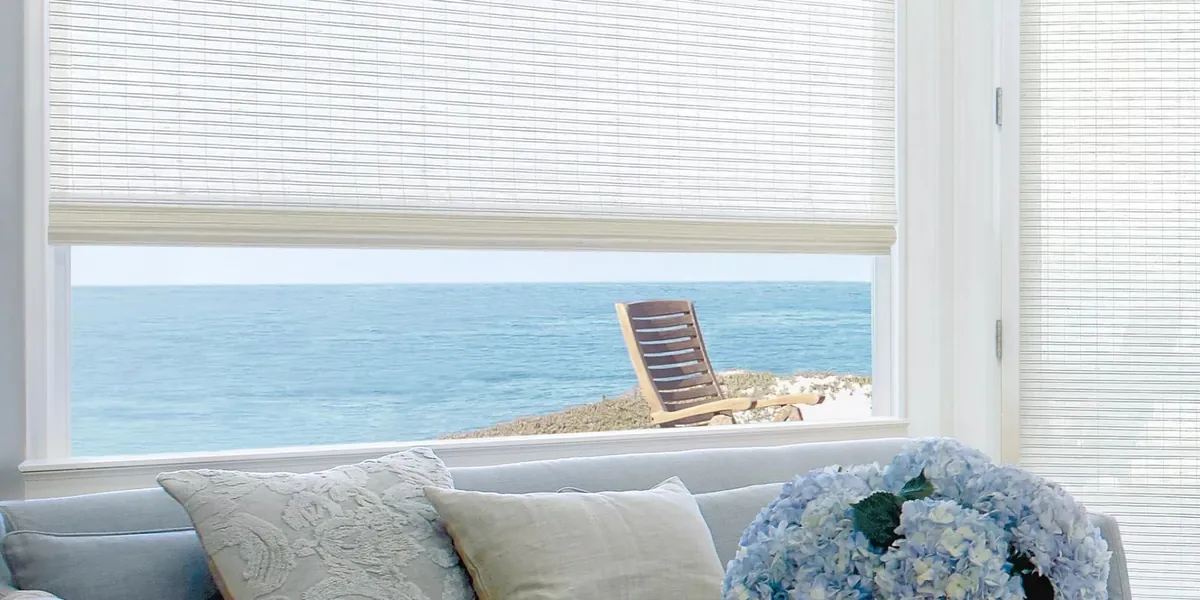
Alustra Woven Textures Roller
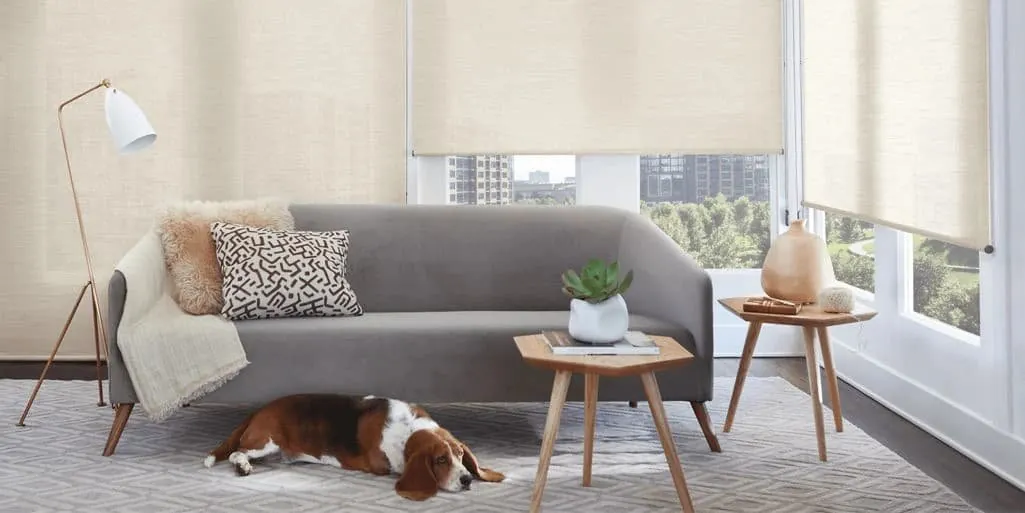
Woven-look fabrics with real texture, which suit the painted panelling and wide floorboards of an antique room.
Where the shade sits in a deep reveal
A deep reveal gives you a choice that a shallow modern frame does not: how far back the shade sits. Set close to the glass, the shade disappears into the wall and leaves the whole depth of the reveal open to the room, so the sill can still hold a plant or a lamp. Set nearer the front, it shows more of the fabric and covers the inside of the reveal as well.
Most owners of the old houses like the shade tucked back towards the sash, where it reads as part of the window rather than something added. That position also keeps the shade clear of interior shutters, window seats and the deep sills that many of these houses have.
There is one thing to check first. Old reveals are rarely perfectly square, and the depth can vary from top to bottom or side to side as walls have settled. Sash weights, pulleys, old catches and stops all live in that space too. We measure the depth at several points and look closely at the top of the opening, because that is where the shade mounts. If the frame is too uneven or too crowded to take a shade cleanly inside, we will say so and suggest mounting on the face of the trim.
Window seats and interior shutters
Some of the antique houses near the center keep features that a window covering has to work around: a built-in window seat beneath a deep sill, or original interior shutters that fold back into panelled boxes beside the window. These are part of the house’s history, and nobody wants a shade that blocks them or rubs against them.
A roller is one of the few coverings that suits both. Set back near the sash, it stays clear of interior shutters folded into their boxes, and the shutters can still be closed in front of it on a winter night if you like. Over a window seat, a shade inside the reveal leaves the seat and its cushion free, and when you want to sit in the light, the shade simply rolls away. We check the clearances on the day we measure, opening and closing any shutters to be sure nothing catches.
Tall, narrow sash and their proportions
The tall narrow sash of the center’s houses are often grouped, two or three in a row with slim mullions or strips of wall between them. Each one gets its own shade, sized to its own opening, so the proportions of the window are not lost under a single wide panel. Lowered together, a set of shades reads as a row of matched panels; raised, they vanish into the reveals.
Height is the other quality of these windows. A tall sash brings light deep into the room, and many owners use the shade only on the lower part of the glass for much of the day, keeping the room private from the street while the upper panes stay clear. A roller can be stopped anywhere, so that is simply a matter of leaving it where you want it.
For rooms near the road, a light-filtering fabric is the usual choice. It lets soft light through and hides the room in daylight. In the evening, with lamps on, room-darkening cloth gives full privacy.
Parlors and dining rooms in the antique houses
The formal rooms of an antique colonial or a Victorian are often furnished with care, and the window coverings need to sit comfortably with old woodwork, period colors and sometimes original glass. A flat roller in the right cloth does that better than you might expect. Textured and woven-look fabrics bring a natural, linen-like feel; a quiet pattern from the Designer Roller range can suit a dining room; plain creams and soft whites disappear against painted trim.
Where an old dining room has windows on two walls, we often give each wall its own consideration: the side that takes the afternoon sun may want a slightly heavier cloth than the side facing a shaded garden, in the same color so the room still looks matched. These rooms rarely need full darkness. What they need is light control without losing the daylight the tall windows bring. Light-filtering cloth is the starting point, and we bring a spread of colors so you can see which one sits best against your own walls and wood.
Bedrooms tucked under old rooflines
Upstairs in an antique colonial, bedrooms are often smaller, with lower ceilings and windows close to the floor. In a Victorian, the bedrooms may be taller with the same narrow sash as downstairs. Either way, summer mornings come early, and a dark bedroom is the most common request we hear.
Room-darkening cloth makes a bedroom dim. Blackout cloth stops light through the fabric entirely. In a deep reveal, a shade set well back towards the glass leaves the reveal itself in shadow, which helps, but any shade needs a slim clearance at the sides to move and a little light will show there. Many owners accept that small edge to keep the inside mount and the woodwork; others prefer a mount on the trim face for a darker room. We show you both.
Newer colonials off Washington Street
Out on the wooded lots off Washington Street, the newer colonials are built around bigger rooms and bigger glass: a family room across the back, a kitchen with a slider to the deck, often a two-story entry, and a primary bedroom with windows on two walls. The windows are standard sizes in shallower frames, simple to measure and quick to fit.
Here the conversation shifts from mounting to light. Trees around the house shade the glass in summer and let the low sun straight in once the leaves drop. A solar screen in the family room and kitchen is often the answer. Screens are graded by openness, the amount of the weave left open, which sets the balance between how clearly you see the woods and how much glare is taken off the glass. An open weave keeps the view sharp; a tighter one handles winter glare better.
For a long row of family room windows, one fabric repeated across them all keeps the room calm. The window facing a television can take a tighter screen than the others without any visible difference from across the room.
Subdivisions with standard openings
The modern subdivisions in town have the most straightforward windows of all: standard double-hung units and sliders, generally square, in predictable sizes. That makes roller shades in Holliston subdivisions easy to plan and quick to install, and an inside mount works on most of them.
Standard does not mean identical, though. Two windows of the same nominal size can differ slightly, and a shade made even a fraction too wide will not sit inside the frame. So we still measure every one. With fitting simple, more of the visit goes to fabric, color and whether motorization makes sense.
Kitchens, old and new
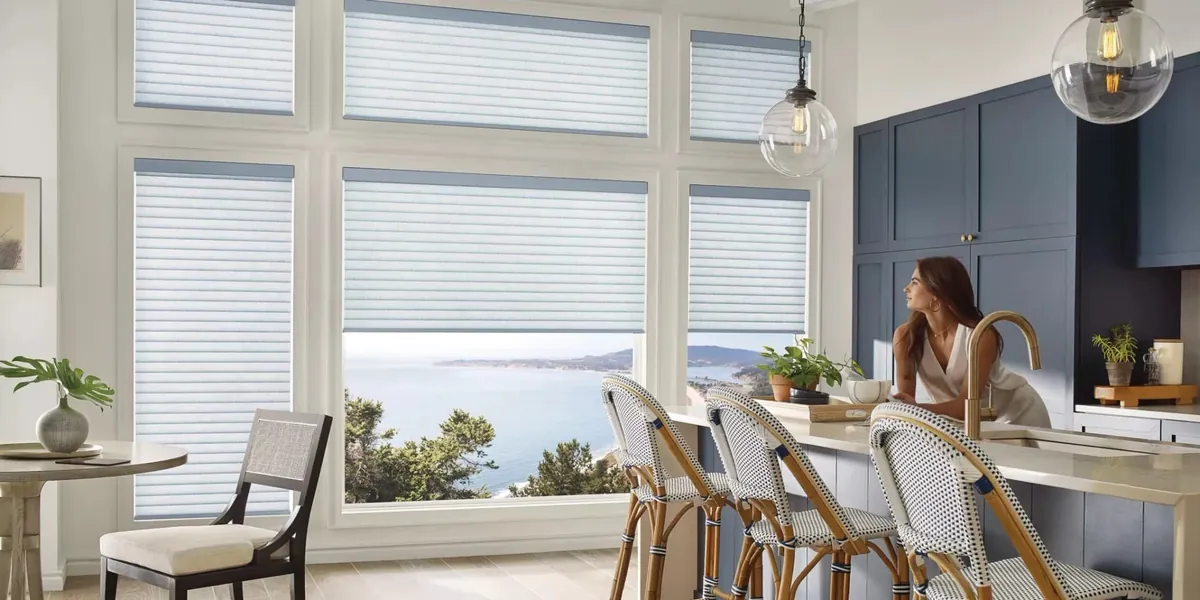
The kitchen is where Holliston’s two kinds of house differ most. In an antique colonial it is often in a later wing or an updated back room, with a mix of old and newer windows, sometimes a small window over the sink set in a thick wall. In a newer colonial off Washington Street, it is usually a large open room with a slider to the deck and a run of windows over the counters.
Both suit roller shades in Holliston for the same reason: a roller over a sink is easy to work from across the counter, and the flat fabric stays well clear of taps and splashes. In the old kitchen, light filtering keeps a room with modest windows as bright as possible. In the new one, a solar screen keeps the yard in view and calms the glare off the counters when the sun is low. A slider takes one shade across the full door, so it can be raised all the way when you step out.
Color behind old glass
The original glass in some antique sash is slightly wavy, and it changes how a shade’s color reads from the street. Pale fabrics look soft and even behind it; strong colors can look patchy. That is one more reason the front windows of an old house usually take a white, cream or soft natural cloth, with bolder colors kept for the rooms at the back where the street does not see them. For roller shades in Holliston on an antique front, we often lower a sample in a front window so you can step outside and see it through the old glass yourself.
Two-story entries and high glass
Several of the newer houses open with a tall entry, with glass high above the front door that brightens the stairs and throws strong light across the hall at certain times of day. A rectangular high window takes a roller well, usually in a light-filtering cloth that softens the sun without darkening the hall. Because nobody wants to climb up to it, the shade is either set at a fixed height or motorized. If the entry also has sidelights beside the door, a slim shade in the same cloth on each one gives the hall privacy after dark, and matching the high window and the sidelights makes the whole entrance read as one piece of design rather than three separate fixes.
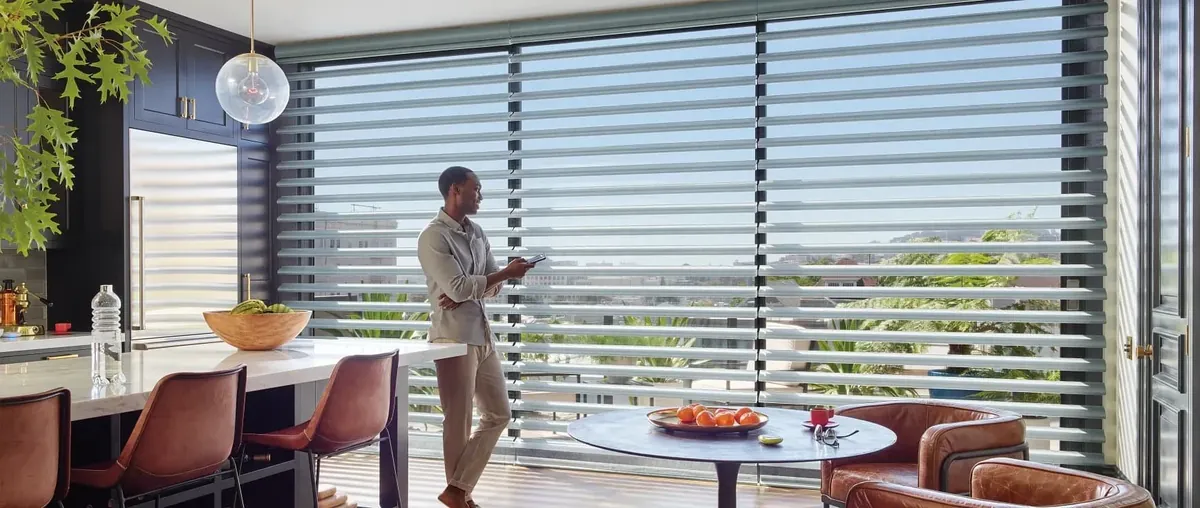
Motorized rollers with PowerView
PowerView lets you raise and lower roller shades from a remote or an app, in groups or one at a time, and set them to a schedule. In a newer colonial, that often means the family room screens lowering themselves when the winter sun drops below the trees, and the entry shade closing at dusk. In an antique house, a single motorized shade on a high stair window can save a lot of awkward reaching. We work out how each motor is powered at the visit. See motorized blinds in Holliston for more.
Your visit, step by step
Holding a cloth against your own reveal, in your own light, is the only reliable way to choose it. Our vans carry the samples, so we can bring the showroom to you.
- Set up a time online with Request a Consultation, or reach us through the call button.
- We look first at the rooms that matter most to you, whether that is an old front parlor or a bright new family room.
- You see light-filtering, room-darkening and blackout cloths at your windows, plus screen weaves at several openness levels.
- We measure each opening, recording the reveal depth at several points in the older houses.
- You get a free estimate for the shades you are thinking about, and take whatever time you need.
We also offer interior design consultations if you would like help with colors and fabrics across the house, and they can be part of the same appointment. Our page on what happens at an in-home consultation explains more.

What being a Gallery dealer means for a Holliston house
Blinds & Designs holds Hunter Douglas Gallery status, the brand’s mark for dealers who meet its standards. In a town where one street has antique reveals and the next has standard modern frames, that gives you the full roller catalog, from Designer Roller and Designer Screen to Banded, Sonnette and both Alustra collections, together with PowerView.
Each shade is installed by our Hunter Douglas certified installers, who take particular care with old trim and uneven frames. We repair blinds and shades you already own and supply commercial blinds and shades.
If some rooms call for something other than a roller, our cellular shades in Holliston, plantation shutters in Holliston and roman shades in Holliston pages may help, and the Holliston page lists everything we do in town. The whole range is on the main roller shades page.
Looking first in Franklin
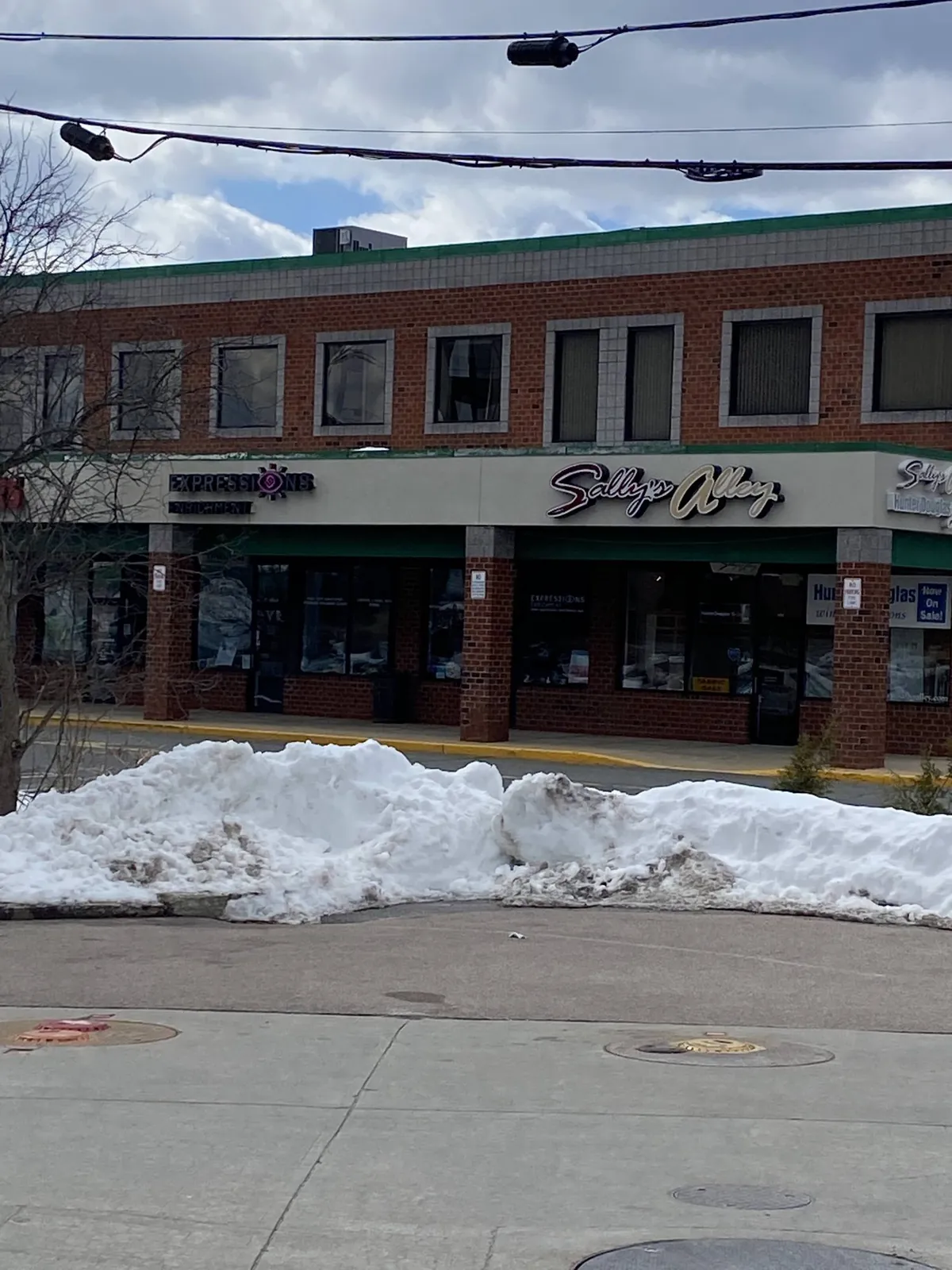
Some customers like to see the roller family before anyone measures. The Franklin showroom is our nearest to Holliston, and anything you liked there can come to your house on the day we visit so you can judge it at your own windows.
Questions from Holliston
How far back in a deep reveal can the shade sit?
Usually close to the sash, which leaves the reveal and sill open to the room. We check the depth at several points first, because old reveals vary and sash hardware can be in the way.
Will a roller suit a formal antique dining room?
Yes, with the right cloth. Textured and woven-look fabrics, quiet patterns or plain creams all sit comfortably with old woodwork, and a shade inside the reveal leaves the trim untouched.
What fabric works for a family room facing the woods?
A solar screen, chosen for the brighter winter months when the leaves are down. A tighter weave handles low sun; a more open weave keeps the trees in clearer view.
Do I need a different shade for every window in a row?
Each window gets its own shade sized to its own opening, but they share one fabric so the row looks matched.
Is the estimate free of charge?
It is. After measuring we give you a free estimate for the shades you are considering.
A good place to start
Roller shades in Holliston are best chosen with the cloth in your hand at the window it is meant for, deep reveal or standard frame. Request a consultation and we will bring samples to the house, measure each opening and follow up with a free estimate. The call button and our Franklin showroom are there too, whichever suits you.