
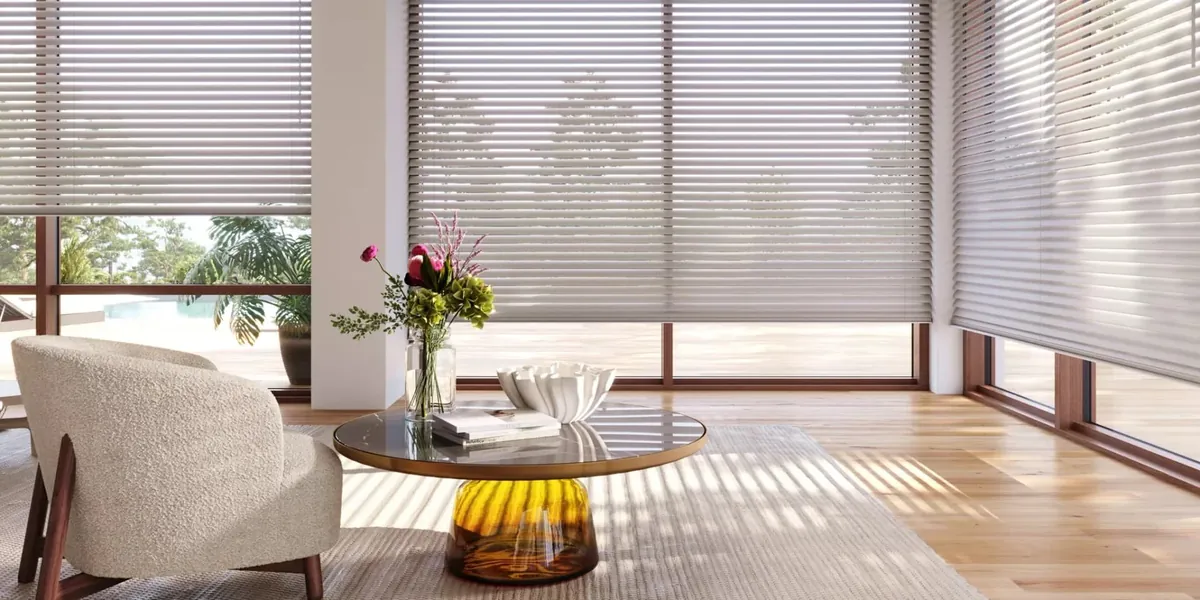
Open land, and sun on every wall
West Bridgewater spreads out. Farmhouses and capes sit on large lots with newer colonials scattered between them, and the gaps between houses are measured in fields and long driveways rather than side yards. In a town laid out like that, most rooms take light from more than one side, and there is often nothing outside, no neighbor’s wall and no row of close trees, to soften it.
That is the main reason people look at custom blinds in West Bridgewater, MA. A blind gives each window its own control. The slats can be angled against the sun on one wall while the window on the next wall stays open to the view, and the setting can change as the light moves round the house through the day. On open land, that flexibility matters more than screening from neighbors.
Each blind is made to its own frame, whether that frame belongs to an old farmhouse sash or a modern colonial’s replacement window. We plan every house room by room, at the glass, with Hunter Douglas samples in hand.
Custom blinds in West Bridgewater, MA, by family
These four Hunter Douglas families cover nearly every window we see in town. All are made to measure, and most houses mix two or three.
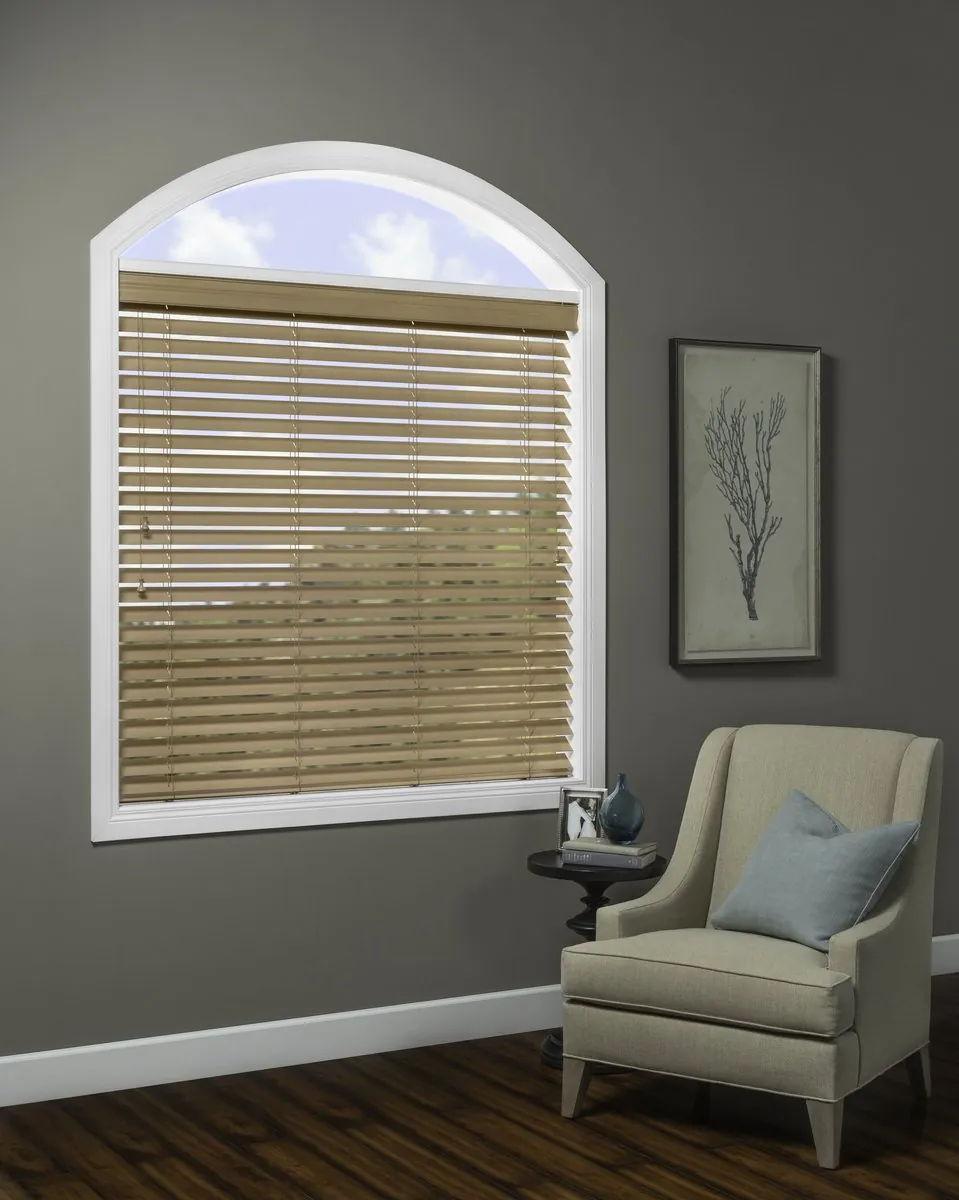
Wood Blinds
Wood slats for a farmhouse front room, a dining room or a colonial’s formal living room.
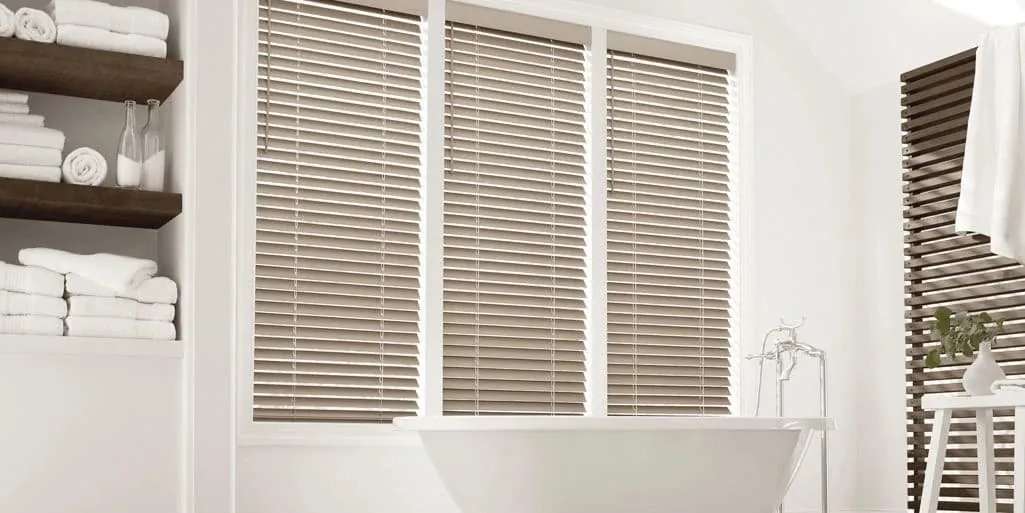
EverWood Alternative Wood Blinds
Faux wood slats in the colors of the wood range, for baths, kitchens and a house where every window should match.
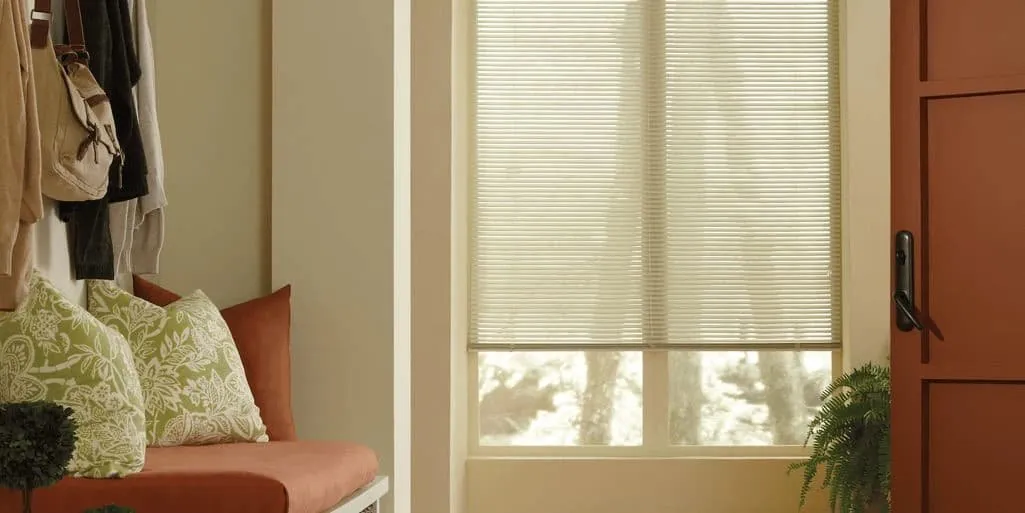
Custom Metal Blinds
Slim aluminum slats for a back door, a mudroom or any frame too shallow for a deeper headrail.
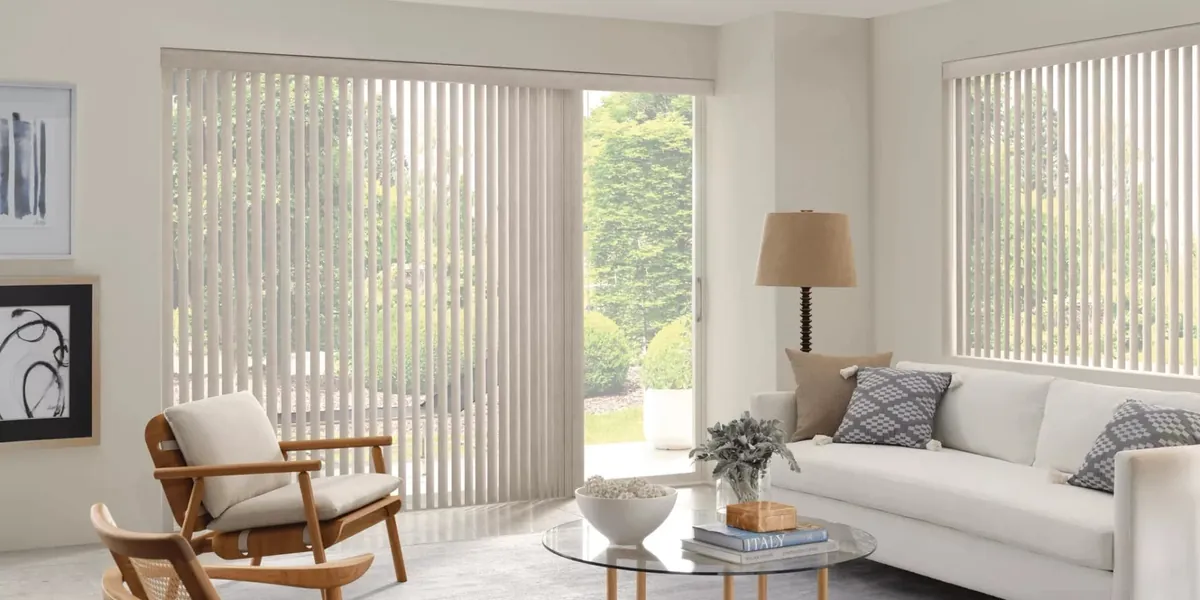
Custom Vertical Blinds
Vanes that turn and draw aside, for a slider facing open ground and the afternoon sun.
Following the sun around the house
On a crowded street, the house next door decides a lot about the light in your rooms. In West Bridgewater, on an open lot, the sun decides almost all of it. Each side of the house gets its turn, and each turn asks something different of the blinds.
East windows catch low, bright sun first thing, often straight into a bedroom or a kitchen. Slats tilted upward send that light onto the ceiling instead of into your eyes. South windows take sun through the middle of the day, high in summer and low across the floor in winter, and a partial tilt keeps the room bright without the glare. West windows take the late, low sun that reaches deep into a room in the hours before supper, and that is usually where people want the most control. North windows give soft, even light and often need little more than privacy at night.
A blind on each window, set to suit its own wall, is the simplest way to live with all four. Nothing about the setting is fixed: you can change the tilt as the day goes on, or let a schedule change it for you.
Summer light and winter light
The same window behaves differently across the year. In summer the sun climbs high, and a south window takes it at a steep angle, mostly onto the sill and the floor just inside. In winter the sun stays low and comes straight across the room, reaching walls, sofas and screens that never see it in July. On an open lot with no trees or houses to block it, that low winter sun can be the brightest light of the year.
Slats handle both seasons with the same blind. A steep tilt suits the high summer sun; a flatter, more closed angle suits the low winter one. Nothing has to be swapped or replaced as the seasons turn, which is one of the quiet strengths of custom blinds in West Bridgewater, MA, on a house with long, open views. If a few windows are motorized, their schedules can be adjusted as the days lengthen and shorten, so the blinds keep pace with the light without anyone needing to think about it.
Corner rooms with two exposures
A room on the corner of an open house has windows on two walls, often facing two different directions. A living room with a south window and a west window, for instance, takes sun on one wall at midday and on the other in the late afternoon, and needs both handled at different times.
Separate blinds on each wall make that easy. The south blind can be tilted against the midday sun while the west one stays open; later the roles swap. For the room to look calm, the blinds on both walls should share one color and one slat width, with headrails at the same height, even though they spend much of the day set differently. We plan corner rooms as a pair rather than window by window, so they look like one design.
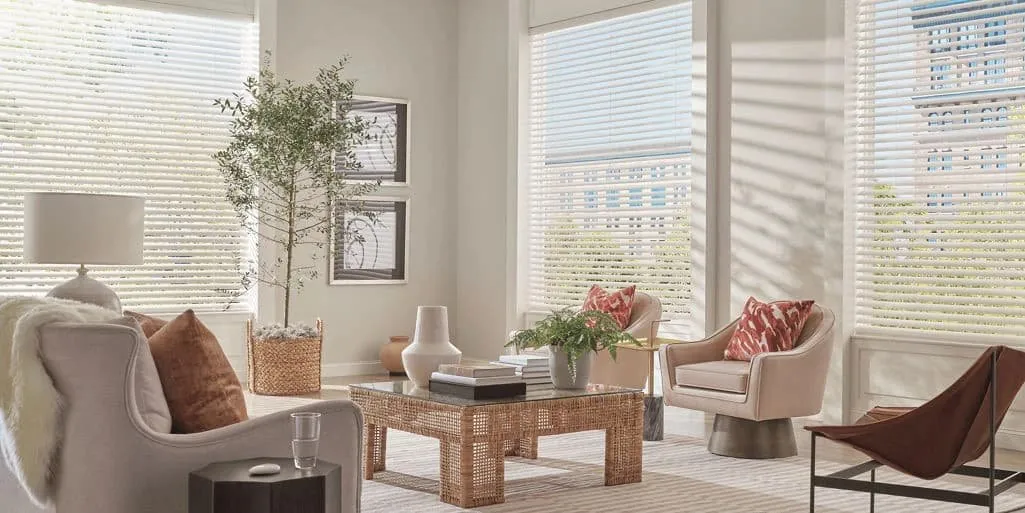
Farmhouses: rooms facing several ways
The farmhouses in town tend to be long rather than deep, with rooms strung out along the house and windows on both long sides. A front room may have windows facing the road and the yard behind, and a kitchen at the end of the house may have windows on three walls. Rooms like that get sun from morning to evening, from one side and then the other.
Blinds made to each opening keep a farmhouse’s mixed window sizes looking orderly. Older sash may be smaller and set into deeper frames than later additions, and each one gets a blind built to fit it. Matching one color through every room keeps the house feeling joined up, even though the windows themselves vary.
In the older front rooms, wood blinds suit the trim and the floors. In the kitchen, faux wood takes the look of the wood blinds into the busiest room in the house in a slat that is not real wood.
Capes on big lots
A cape on a large lot behaves differently from the same house on a tight street. The front windows face the road across a long lawn, the back windows face open ground, and the gable ends get full sun with nothing to shade them. Upstairs, the dormers and gable windows take strong light into small rooms under the roof.
For a cape, the job is mostly about matching a house of repeated window sizes and handling sun from all sides. Downstairs, the living room usually sets the color for the whole house. Upstairs, a deeper slat color in a bedroom closes darker against the early sun on an exposed gable. Because each opening is measured individually, even windows that look identical end up properly fitted.

Planning the visit
West Bridgewater falls within our shop-at-home territory from Canton. In a house where the light changes from wall to wall, standing at each window with the samples is the only way to judge them properly.
- Book a visit through Request a Consultation, or call first with the call button.
- We drive out with a van full of Hunter Douglas samples.
- We go round the house with you, noting which way each window faces and when it gets sun.
- You compare slat colors and widths against each wall’s light and trim.
- We agree on mounts and controls, including which windows might run on a schedule.
- Every frame is measured, and you are left with a free estimate to consider.
If you would like help with the room as a whole, an interior design consultation can be added to the visit.
Newer colonials between the older houses
The colonials scattered between the farmhouses and capes are larger, with bigger rooms, more windows and, at the back, a family room or kitchen with a slider to a deck or patio. On an open lot, those back rooms often face straight into the afternoon sun with nothing between them and the horizon.
A slider takes a vertical blind, which draws aside to clear the door and turns its vanes against the low sun when the door is shut. The windows beside it take horizontal blinds in a matching color. In the front rooms, wood blinds suit a formal living or dining room, and faux wood carries the same look into the kitchen and baths. Upstairs, bedrooms with windows on two walls want one slat and one headrail height throughout.
For custom blinds in West Bridgewater, MA, on a newer colonial, the most useful decision is often which windows face west. Those are the ones that need the most control, and sometimes the ones worth motorizing.
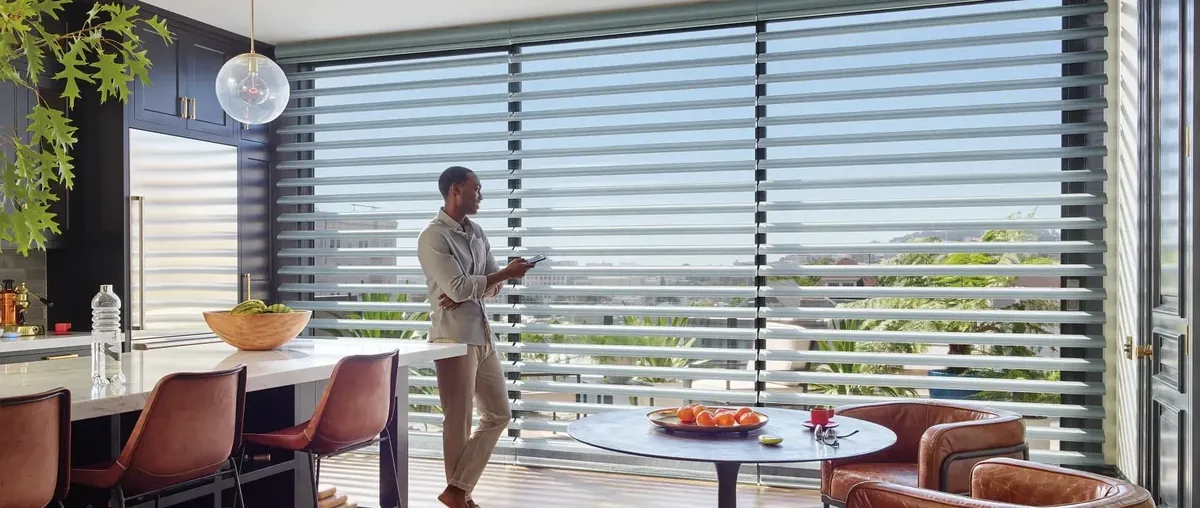
Schedules for each side of the house
When sun reaches every wall in turn, a schedule can follow it. With Hunter Douglas PowerView motorization, a blind can be raised, lowered and tilted from a remote or a phone app, and blinds can be grouped by side of the house. The east group can tilt open for morning light, the south group can angle against the midday sun, and the west group can close down against late glare, each at its own time, whether you are home or not.
At night, a lit window in open country shows from a long way off, so a dusk schedule that closes the road-facing blinds is useful too. You can motorize only the windows where it helps most, usually the west-facing ones and anything hard to reach, and keep the rest by hand. We work out how each motor is powered during the visit. There is more on remotes, apps and schedules in our guide on how motorized shades are controlled.
Keeping the view across open land
Many houses in town look out over fields, woods or long lawns, and nobody wants to lose that view to a closed blind. The slat is what makes it possible to keep. Tilted just enough to cut the glare, a blind leaves the view through the gaps between the slats. Raised fully, it stacks at the top of the window and leaves the glass almost entirely clear.
On a window where the view matters most, a narrower slat stacks shorter at the head, leaving more glass open. Where a blind is mounted above the frame rather than inside it, the raised stack can sit above the glass altogether. We show you both at the window, so you can see how much of the view each option keeps.
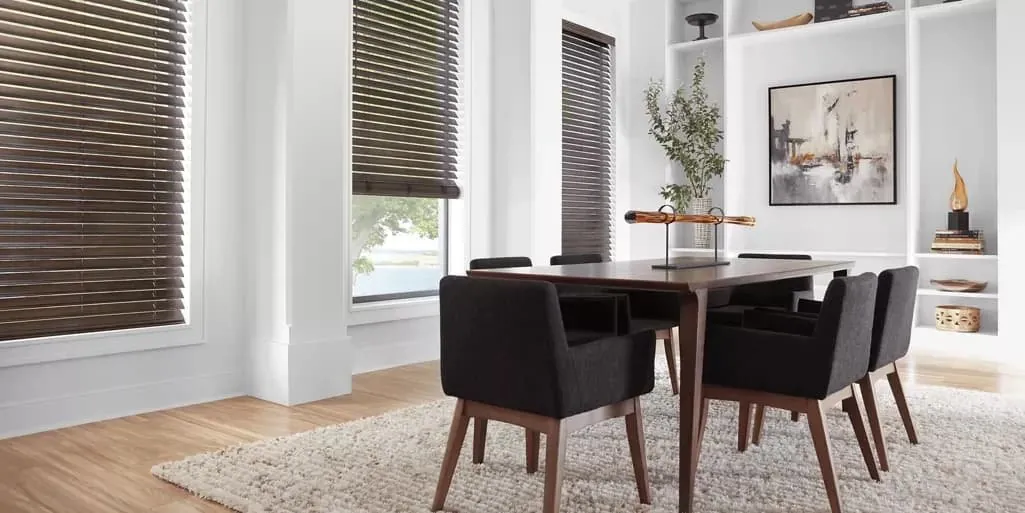
Dining rooms and the late sun
A dining room is often used most in the evening, which on a west-facing wall is exactly when the low sun comes straight across the table. Plates, glasses and faces all catch it. Slats tilted against the sun stop the glare while leaving the room bright, and as the sun drops, they can close for privacy once the lamps go on.
In a farmhouse or colonial dining room, wood blinds suit the table and the floor. A darker wood can feel right in a formal room; a white or cream slat matched to the trim keeps a lighter room fresh. Where the dining room also has a north or east window, that one can usually stay open through supper while only the west-facing blind does the work, which keeps the room from feeling closed in.
A house seen from all four sides
On a tight street, the front of a house is the side that matters. On an open lot, people see every side: from the road, from the drive, from the fields behind. A house where the blinds match only at the front can look patchy from the side or back.
That makes color consistency more important in West Bridgewater than in many towns. One color across every window on the outside, all the way round, keeps the house looking settled from any angle. White and cream are the usual choice behind white trim. A wood tone can suit a farmhouse with darker trim. Inside, each room can still have its own feel, with a wood tone in the dining room and white in the kitchen, as long as the color facing outward stays consistent, or close enough that nobody notices from the yard.
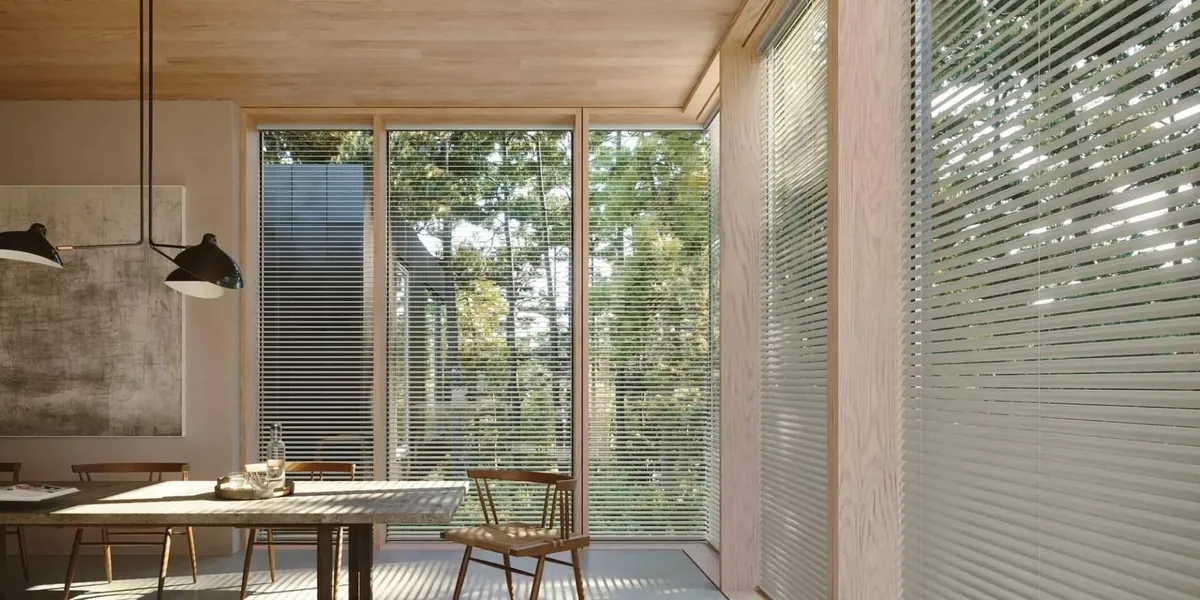
Kitchens, mudrooms and the back door
In many houses on large lots, the everyday door is at the back or the side, often into a mudroom or straight into the kitchen. These rooms tend to have windows on more than one wall and a door with glass in it.
Faux wood suits the kitchen windows, carrying the look of the wood elsewhere in the house. A metal blind fits the door glass, where the frame is shallow and the blind has to clear the handle as the door swings. A mudroom window, small and often close to a coat rack or a bench, takes a slim blind in the house color. Planning custom blinds in West Bridgewater, MA, for these rooms is mostly about matching: they are seen from the drive every day.
Which material for which window
- Wood: front rooms, dining rooms and formal living rooms in farmhouses and colonials.
- Faux wood: kitchens, baths and any house where one look should run throughout.
- Metal: door glass, shallow frames and small mudroom windows.
- Vertical: sliders, especially those facing west across open ground.
Wood and faux wood come in matching colors, so the outside of the house reads as one set. If you are wondering whether a room would be better with shades, our guide on shades or blinds may help.
A Gallery dealer, and a showroom when you want one
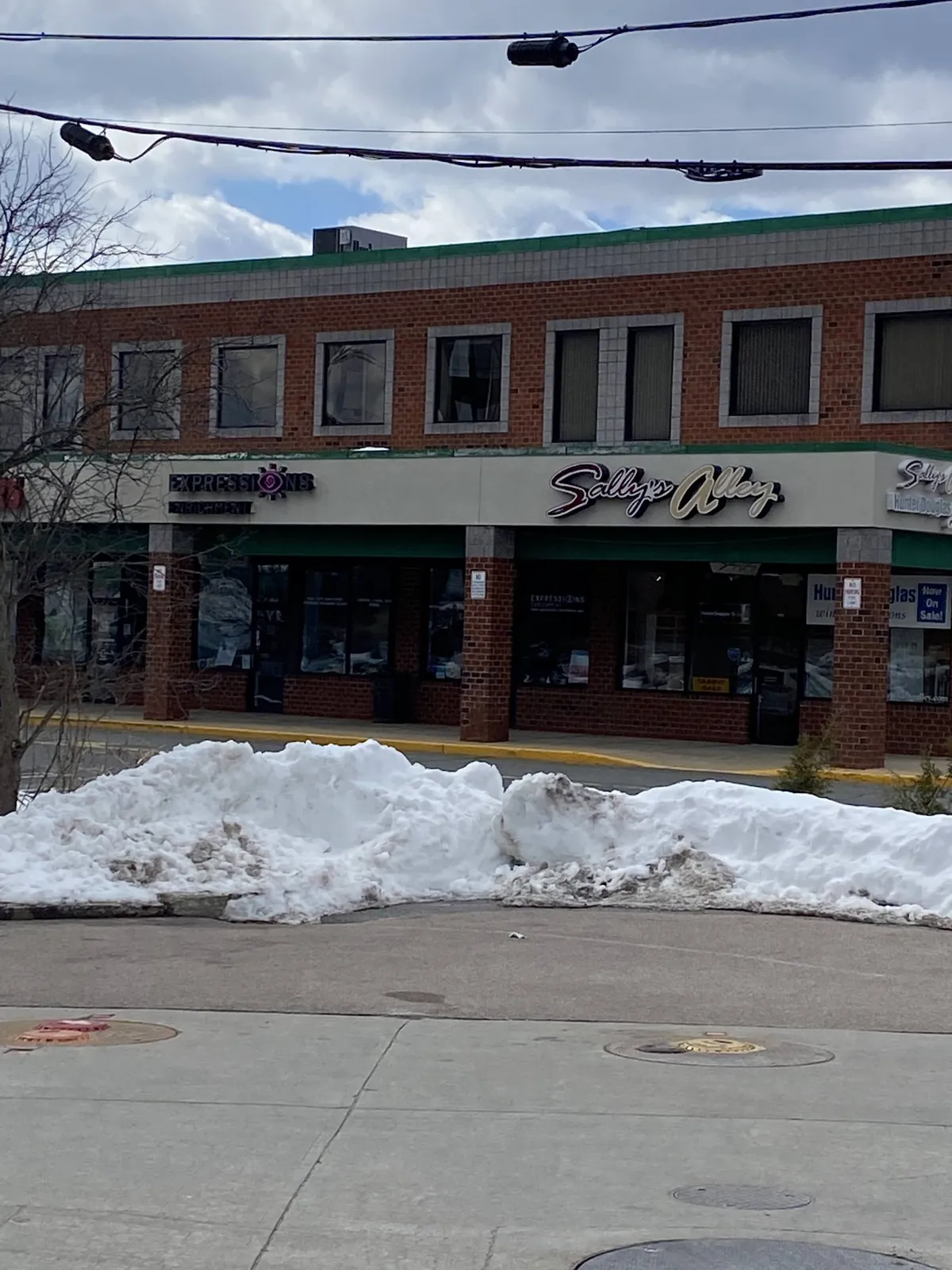
We plan West Bridgewater houses at home first. If you would also like to look at Hunter Douglas products in a store, our closest showroom is in Franklin.
Blinds & Designs is a Hunter Douglas Gallery dealer, and Hunter Douglas certifies our installers. The estimate costs nothing. Interior design consultations, window covering automation and repairs to existing blinds and shades are all part of what we do. Browse every blind family on our custom blinds page, and every service in town on our West Bridgewater page, including cellular shades in West Bridgewater and plantation shutters in West Bridgewater.
Questions from West Bridgewater
My rooms get sun from several sides. How do blinds help?
Each window gets its own blind, so you can tilt the slats against the sun on one wall while leaving another open. The settings can change as the sun moves round the house.
Will blinds block the view across the fields?
Not if you do not want them to. A slight tilt cuts glare and keeps the view between the slats, and a raised blind stacks at the top and leaves the glass almost clear.
Should the blinds match on every side of the house?
On an open lot, people see every side, so one outward color all the way round keeps the house looking settled. Inside, rooms can differ.
Can blinds follow the sun automatically?
With PowerView, blinds can be grouped by side of the house and set on schedules, so each group tilts at its own time. We plan how each motor is powered at the visit.
Is the estimate free?
Yes. Once we have measured, the estimate costs nothing.
Start with the window that gets the late sun
On an open lot, there is usually one window, often facing west, that makes a room hard to use for part of the day. That is a good place to begin. Request a consultation and we will bring the samples out to you, measure every frame and leave a free estimate. For a quick question first, the call button reaches us.