
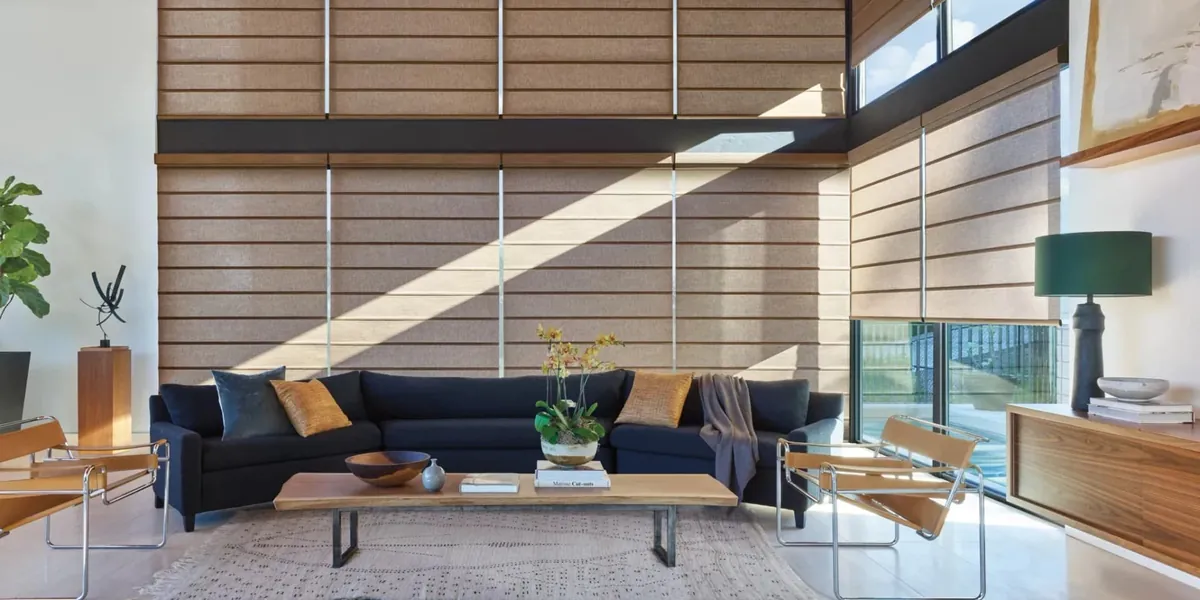
From tiny antique sash to two-story foyers
Medway’s houses sit at two ends of the scale. Near the village, the antique colonials have some of the smallest windows you will find anywhere around here: little sash set deep into thick walls, with wide sills you could sit a plant on. A short drive away, the large newer colonials across the subdivisions off Holliston Street open up behind the front door into a two-story foyer, with a tall window or a stack of windows rising from the floor to the ceiling of the second floor.
We fit roller shades in Medway, MA, at both ends. The same simple shade, a length of fabric on a tube, works on each, but the way we size it, mount it and run it changes completely. On the antique sash, the question is how small and how neat. On the foyer glass, it is how tall and how you reach it.
The fabric comes after that, and it runs from soft light filtering through solar screen to full blackout, so every room in the house can have what it needs.
A roller for every room in a Medway house
Six rooms come up again and again. Here is the fabric each one tends to want.
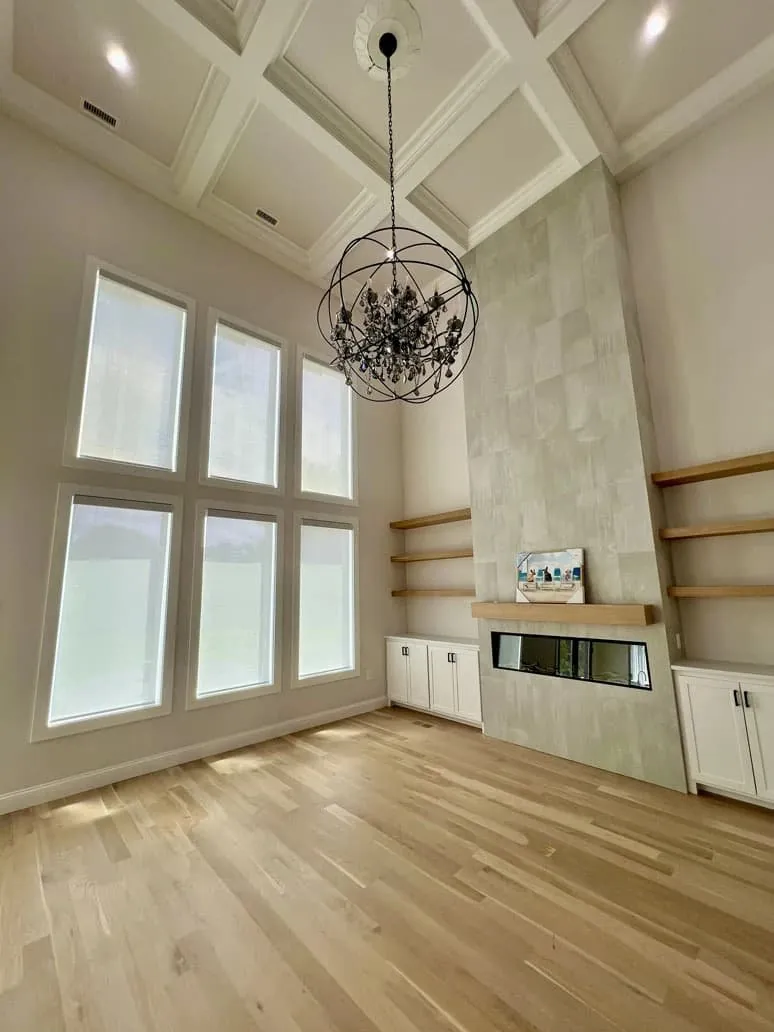
The two-story foyer
Screen or light filtering cloth for a tall hall, very often motorized.
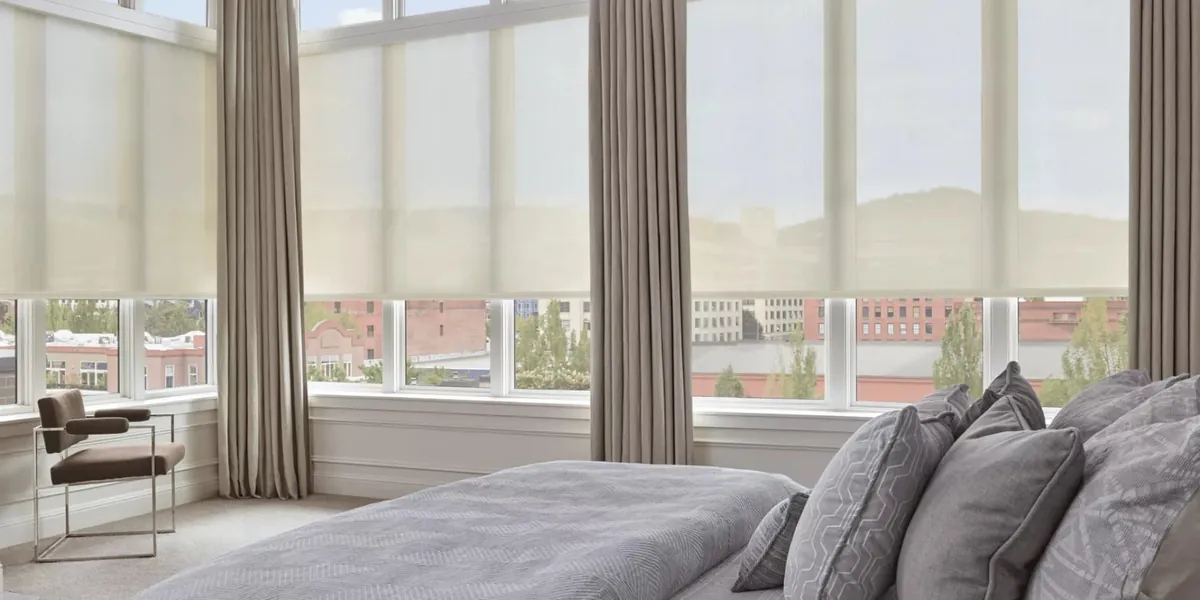
Bedrooms
Dense cloth for sleeping in, at whatever darkness each bedroom needs.
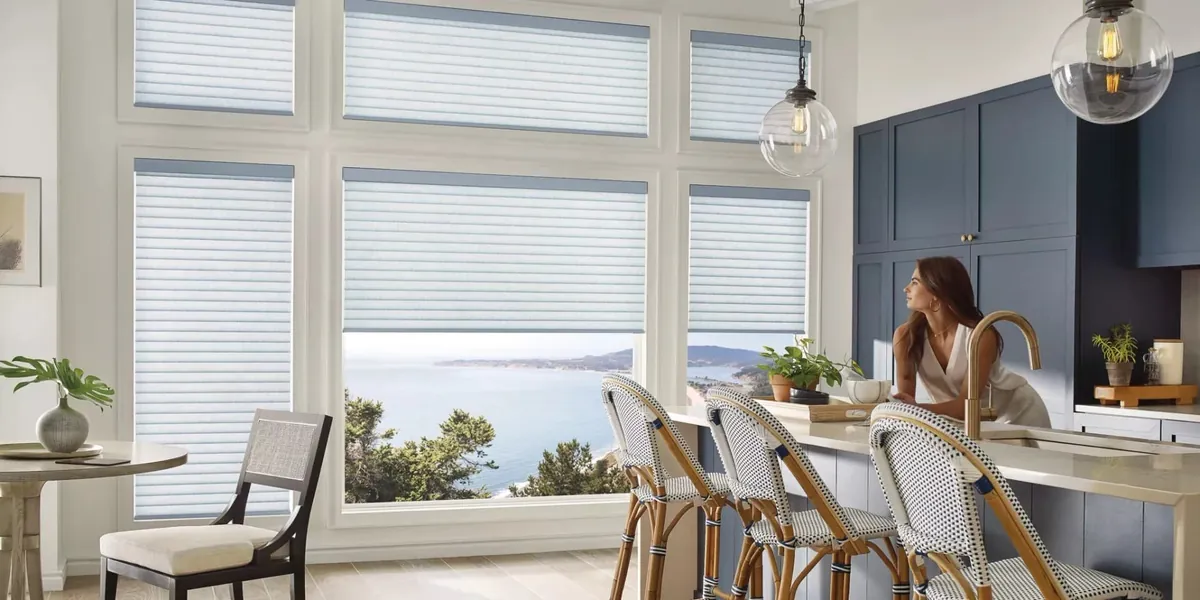
The kitchen
Easy-care light filtering cloth sized to miss the tap and the crank handle.
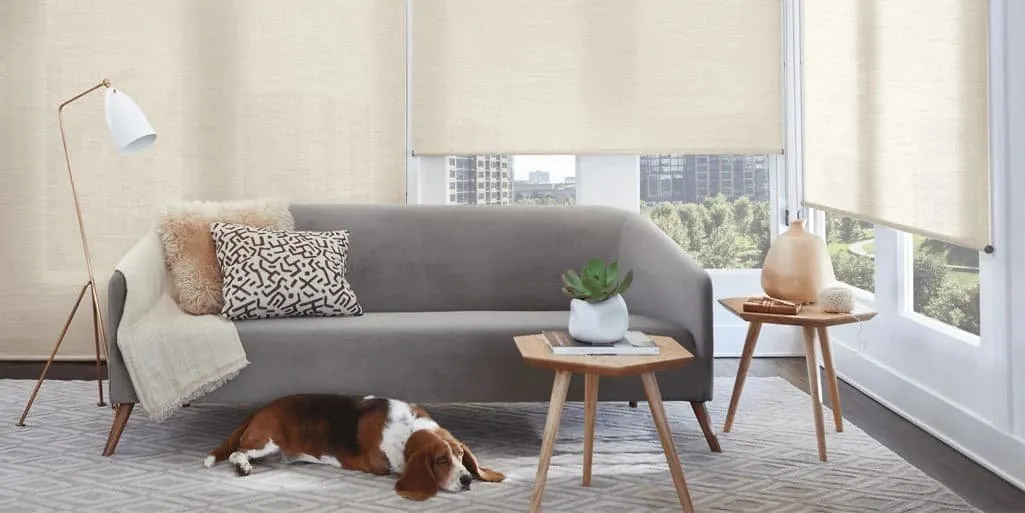
Family and media rooms
Tight-weave screen or room darkening fabric to keep glare off the television.
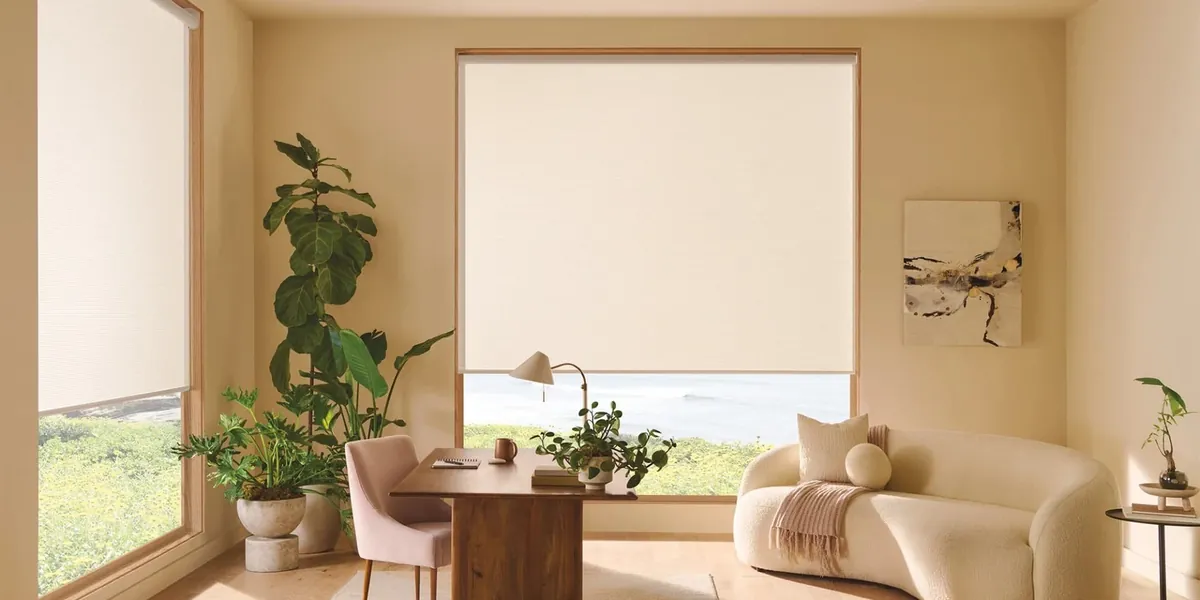
The home office
A solar screen that cuts glare on a monitor and keeps the daylight.
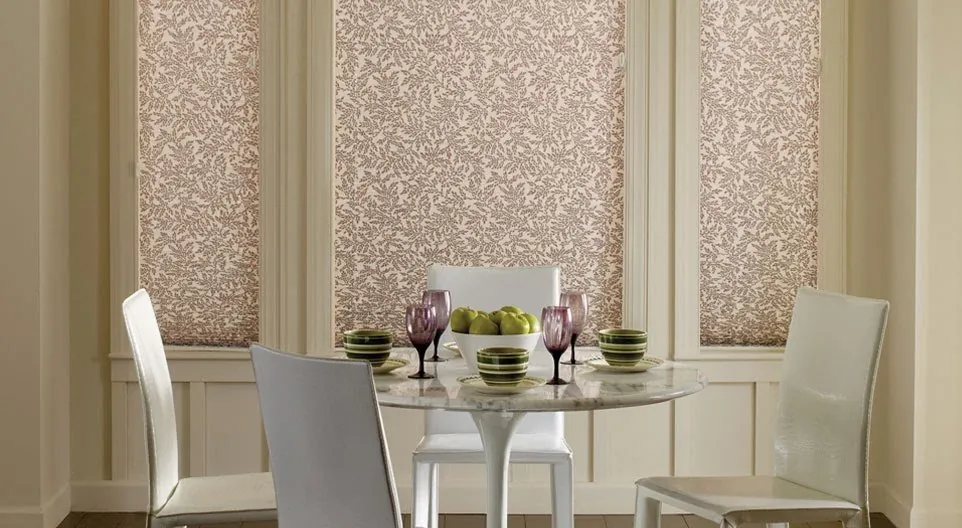
The dining room
A patterned or textured roller that adds color, or a plain one behind drapery panels.
The small, deep-set sash near the village
The oldest houses in Medway have walls thick enough that a window sits well back from the room, with a deep reveal on all four sides. That depth is a gift for a roller shade. The headrail, and the fabric as it rolls up, can disappear completely inside the opening, leaving the sill and the trim untouched.
The challenge is the size. Very small windows are near the narrowest a roller can be made, and the fabric always stops a little short of each end of the tube. On a wide window that gap is a sliver. On a tiny one it is a bigger share of the glass, so a little light shows at each side. A light filtering fabric makes that hardly noticeable. Blackout makes it obvious, so for a small bedroom window we talk about whether an outside mount is worth it, or whether a little light at the edges is fine.
These old frames are also rarely square. We take the width at the top, the middle and the bottom, the height at each side, and check the depth in several places, because a wall that has moved over the years can pinch a shade that fits at the top and binds at the sill.
Controls need thought on small windows. A cordless lift is the cleanest, with nothing hanging, and on a window you reach across a deep sill it is easy to use. On a window behind a radiator or a built-in, a motor saves stretching.
Foyer glass off Holliston Street
The newer colonials across the subdivisions off Holliston Street often greet you with a two-story foyer. The front wall may have a tall window beside the door, a second window directly above it at the upper landing, and sometimes a half-round or arched window at the very top. On a sunny afternoon, all of that glass throws light down the staircase and over the entry tiles.
Each of those windows usually gets its own roller. The lower one can be reached by hand. The upper one cannot, and a roller up there with a cord or a chain is a shade that gets set once and then forgotten. PowerView motorization solves it: the upper shade, or both, answer to an app, a remote kept on the hall table or a daily timer.
Arched and half-round windows are the exception. A roller rolls straight up and down, so it cannot follow a curve. The usual answer is to fit rollers to the rectangular windows below and leave the arch open as a feature, which most people like anyway.
For the fabric, most foyers suit light filtering or screen. The aim is a bright entry with the front lawn still in sight, minus the hot glare that bleaches wood treads over time.
Upstairs in the newer colonials
The bedrooms in a big newer colonial are usually generous rooms with two or three windows each, often a pair on one wall and a single on another. The primary bedroom may have a sitting area with its own window, and there is often a bonus room over the garage with windows at both ends.
For sleep, the question is how dark the room needs to be. A room darkening roller handles most bedrooms. Blackout is the choice for a nursery, a room that faces east, or anyone who sleeps into the morning. Mounted outside the frame, overlapping the casing a little, a blackout roller closes the thin line of light that an inside mount leaves at each edge.
The bonus room over the garage is its own case. It is often a playroom, a gym or a media room, and the windows at each end can catch both morning and afternoon sun. A tight screen at both ends keeps it usable all day, or a room darkening cloth if it is mostly for watching films. Roller shades in Medway, MA, for a room like that are often the next ones customers motorize after the foyer.
Decks, sliders and the back wall
Most of the newer houses open onto a deck at the back through a slider or a pair of French doors, with the kitchen windows beside it. A roller on a slider is simple, but it needs to clear the door handle and leave the door free to open. On French doors, each door can carry its own slim roller mounted on the door itself, so the shade swings with it.
On a back wall that faces south or west, summer sun is the main issue. A solar screen across the slider and windows keeps the yard in view and cuts the glare off the kitchen counters. Choosing one screen for every opening on that wall makes the back of the house look calm and finished, inside and out.
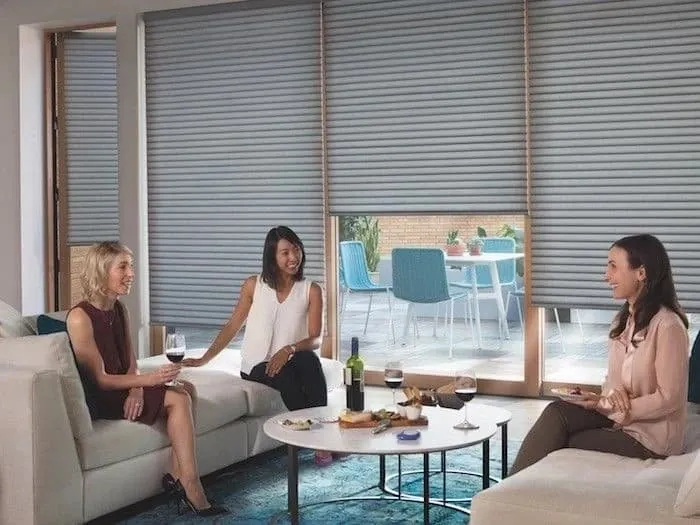
A banded shade is worth a look for a slider that faces a neighbor. With the sheer stripes aligned you can see the yard; a small tug lines the solid stripes up and the glass is covered, with no need to raise the whole shade every time someone steps out.
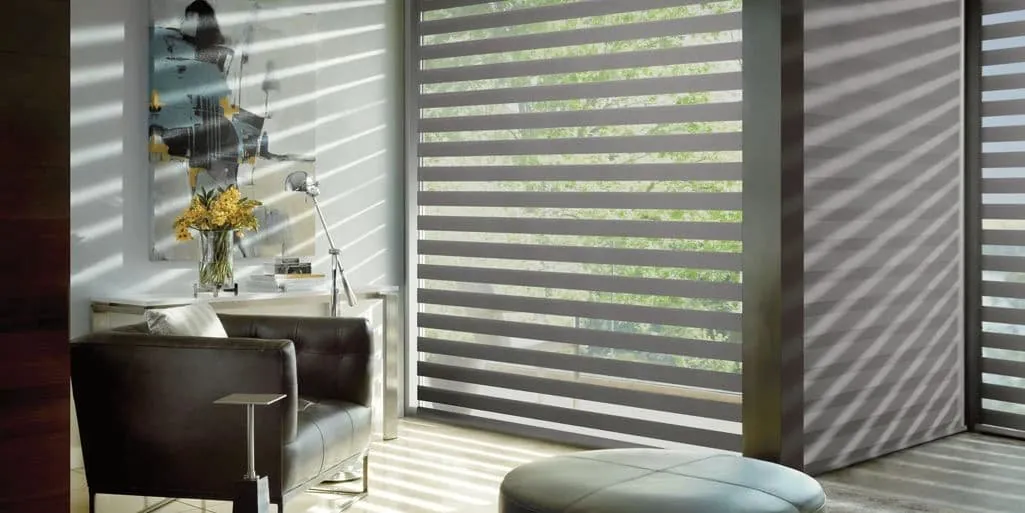
Light filtering through blackout, room by room
Each roller fabric does something different with daylight. A quick way to think about it:
- Light filtering: the room stays bright, the view blurs, and you get daytime privacy. Kitchens, living rooms, a foyer.
- Solar screen: a woven fabric that keeps the view and cuts glare and some heat. Family rooms, offices, sunny back walls.
- Room darkening: most of the light is blocked. Bedrooms that do not need full darkness, media rooms.
- Blackout: the cloth itself passes no light at all. Nurseries, east bedrooms, rooms for daytime sleep.
Many Medway customers use three or four of these in one house. The village colonial might take light filtering downstairs and blackout in the small upstairs bedrooms. The newer house might put screen across the back and room darkening in the bedrooms, with a motorized light filtering shade in the foyer. Roller shades in Medway, MA, rarely need to be one fabric throughout.
Getting the screen openness right
Screen fabric is a mesh with an even scatter of tiny holes. The openness, how much of the fabric is open, sets the balance between seeing out and stopping glare. Open it up and the garden comes into focus, along with more daylight. Close it down and glare drops and privacy improves, at the cost of a blurrier outlook.
Color shifts the balance again. Dark screens are easiest to see through, because they absorb light rather than reflecting it toward your eyes. Light screens fill the room with brightness and read more like a solid panel.
Bring the question to the window and it answers itself. Our sample kit holds a spread of weaves in a handful of colors, and you try each where the glare bothers you most. Remember that a screen shows the room at night when the lamps are on, so for a front room it is often paired with another shade.
Questions we ask before we measure
A few minutes of talk at the start of a visit saves a lot of second-guessing later. These are the things we want to know for each room.
- Which way it faces, and what time of day the sun comes in.
- Whether seeing out matters once the shade is lowered.
- Who uses the room, and when: an office by day, a bedroom for a late sleeper.
- What is near the window that could get in the way, such as a radiator, a crank or a built-in.
- Whether you want to reach the shade by hand or control it from a distance.
The answers point us to a fabric, a mount and a control for each window, which we then put in front of you as samples.
How a home visit works in Medway
The light inside your own rooms is the only light that counts, so Medway visits happen at the house. Sample vans make that possible: we can bring the showroom to you.
- Ask for a time through Request a Consultation, online or by the call button.
- A consultant tours the house with you, working through the questions above.
- Fabric swatches go up against each window so you judge them in daylight.
- Every opening is measured and every frame’s depth noted.
- A free estimate follows, and there is no rush to say yes.
There is more detail on what happens at an in-home consultation if you want to read ahead.
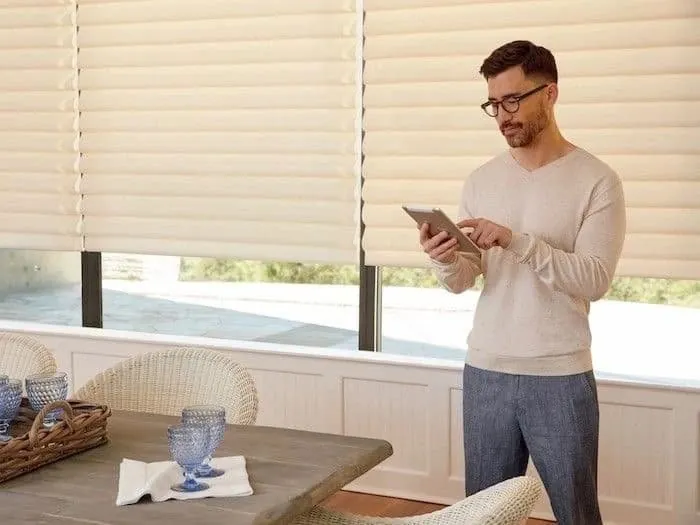
Motorizing the tall and awkward windows
PowerView is Hunter Douglas’s motorization system, and in Medway it is usually the foyer that makes the case for it. Once one shade is motorized, though, many customers add others: the stair landing, the window over the tub, the shades in a two-story family room.
Control comes three ways: the PowerView app on a phone or tablet, a handheld remote, or timed scenes that move the shades at the hours you pick. A morning schedule can open the east side of the house as you get up, and an evening one can close the street-facing windows at dusk.
Power for each motor gets planned at the visit, with any connection tucked where nobody sees it. For more, see how motorized shades are controlled.

Fabric for a period room
A roller can look very modern, and in a new house that is often the point. In an antique colonial, many customers want something with more character. Hunter Douglas has textured and woven roller fabrics, including the Alustra Woven Textures line, which bring a natural, linen-like feel to a plain shade.
Patterned rollers are another option for a dining room or a child’s room. And in a front parlor, a roller can work quietly behind side curtains, controlling light while the drapery gives the room its look.
The top of the shade matters in a period room too. A fascia or cassette hides the roll when the shade is up, and in a deep antique reveal, the roll is often hidden by the wall itself.
Installation day
Fitting is done by installers certified by Hunter Douglas, who return once the order is in. They fix each bracket firmly, set every headrail level even where the old frame is not, and run each shade through its full travel to check it stops where it should. On motorized shades they pair the motors with your remote and app and show you how to use them.
You can read more about what happens on installation day. Should something stop working years from now, there is blind and shade repair in Medway.
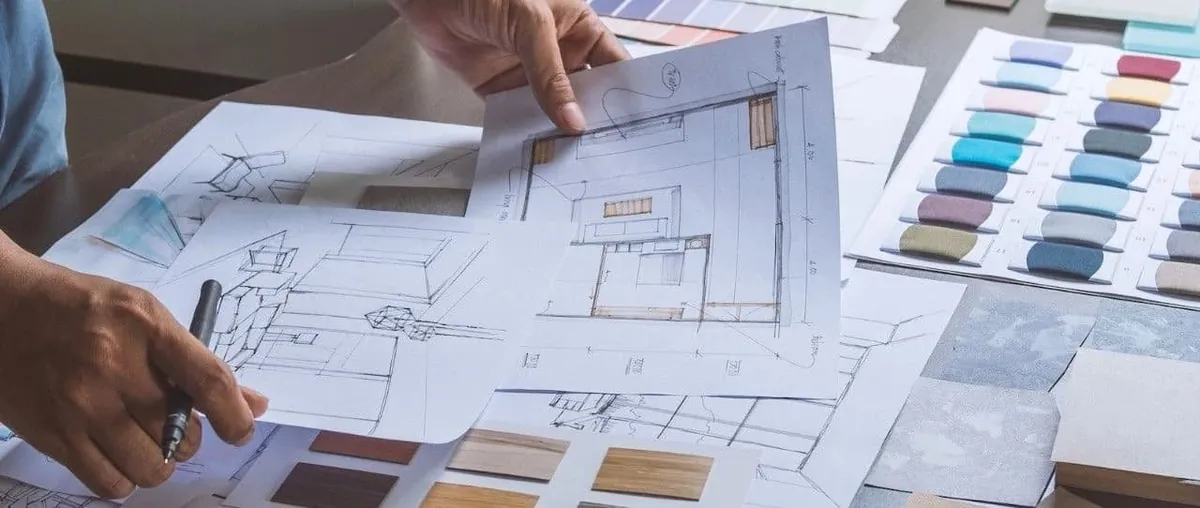
Design help from a Gallery dealer
Hunter Douglas reserves the Gallery title for dealers who meet its standards, and Blinds & Designs holds it. For roller shades in Medway, MA, that means the whole range under one roof: the plain and textured Designer fabrics, the screens and banded styles, Sonnette’s cellular roller and the Alustra collections, all of which can be motorized.
We also offer interior design consultations, so we can look at your rollers alongside color, fabric and the rest of the room. If you are treating other windows too, see cellular shades in Medway or roman shades in Medway, and our Medway page for every service in town.
The main roller shades page covers each Hunter Douglas line.
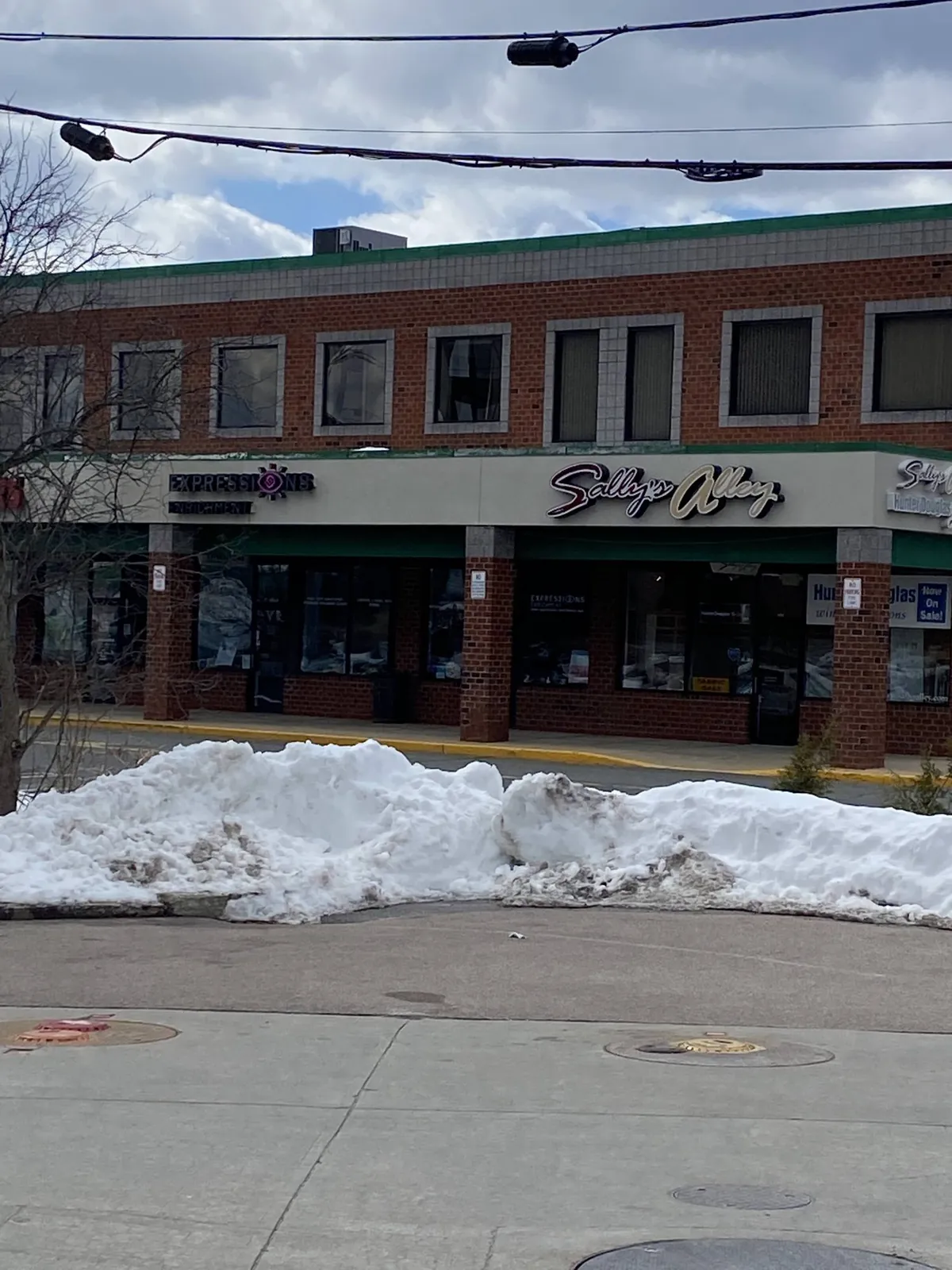
The nearest showroom to Medway
The Franklin showroom is our closest location to Medway, just over the town line. If you would like to see shades before we visit, stop in.
Either way, the final choice is best made at home, with the samples at your own windows. A fabric that looks right under shop lighting can read quite differently against a north-facing antique sash or a sunny foyer, which is why we bring the swatches to the house before anything is ordered.
Questions from Medway
Can a roller shade fit my tiny antique windows?
Usually. The deep reveal in an old wall gives plenty of room for an inside mount. On very small windows, a little light shows at the sides, so we talk about whether light filtering fabric or an outside mount is the better choice.
What about the half-round window at the top of my foyer?
A roller cannot follow a curve, so we fit the rectangular windows below and usually leave the arch open. Most people like the arch as a feature.
How do I reach the shade on the upper foyer window?
With PowerView motorization. You control it from a phone, a remote or a schedule, so no ladder is needed.
Do I need a different fabric in every room?
Not necessarily, but most houses mix two or three: light filtering in living spaces, blackout or room darkening in bedrooms and a screen where you want the view.
What does the estimate cost?
Nothing. Estimates are free, written up after the measuring, and carry no obligation.
Book a visit
Whether it is one tiny bedroom window near the village or a whole foyer of glass, roller shades in Medway, MA, start with a visit. Ask for a consultation online and a consultant arrives with the fabric range, takes the measurements and leaves a free estimate behind. If talking it over first suits you better, the call button reaches us, and Franklin is the closest showroom.