
Cottages that became year-round homes
A lot of Wareham’s housing started life as something else. In Onset and around Swifts Beach, streets of summer cottages have been winterised, extended and turned into homes people live in all year, and their windows still show where they came from: small original openings, often in odd sizes, set into walls that were never built for January. Along Main Street the village houses are older and more formal, and inland the newer colonials have the regular windows of a modern build. Planning custom blinds in Wareham, MA means dealing with all three.
On the shore streets, salt is the constant. Houses a short walk from the water live with it on the glass, on the sills and in the air that comes through every open window. Anything metal that is left exposed, and anything that soaks up moisture, feels it over time.
The converted cottages bring the other challenge: small openings that rarely match a standard size, so a blind has to be made for each one.
Custom blinds in Wareham, MA, for three kinds of house
We work from the Hunter Douglas range, and every blind is made to fit its own opening. These three materials do most of the work across Wareham’s cottages, village houses and colonials, and we bring samples of each to your door.
Faux wood on the shore streets
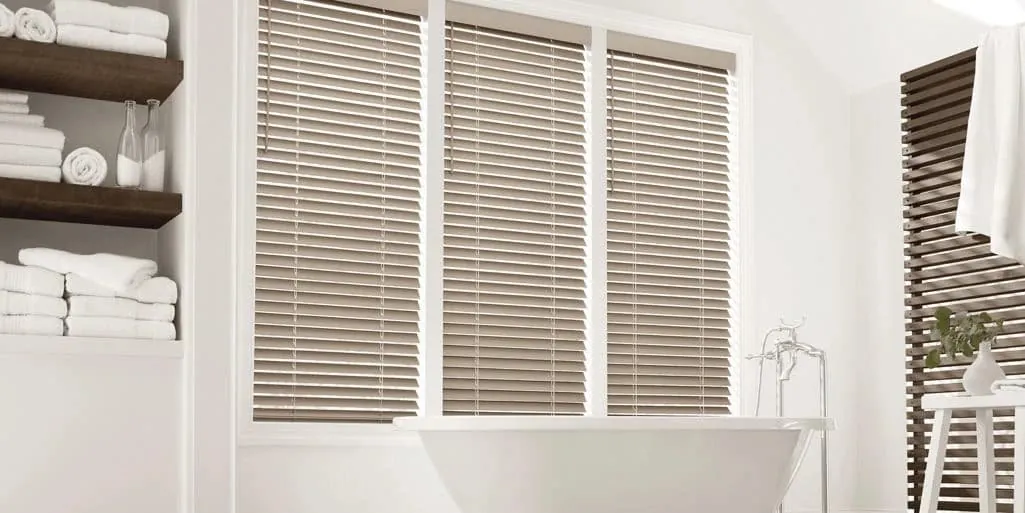
The painted-wood look in a material that does not swell in salty, damp air and cleans with a cloth. Our usual choice for a converted cottage near the beach.
Aluminum for small openings
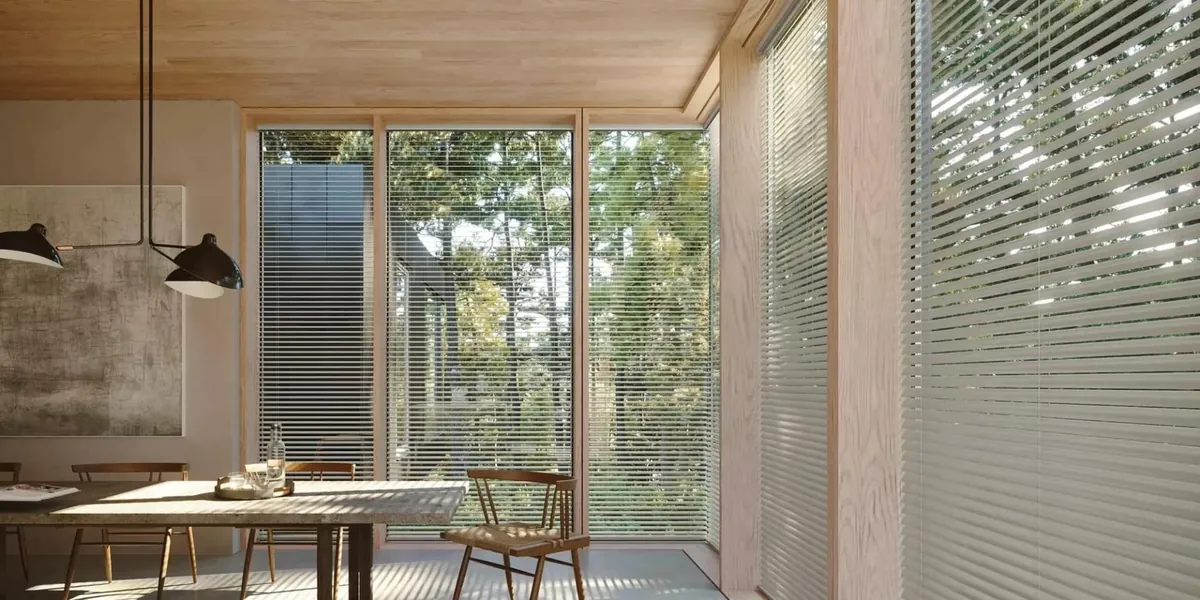
Slim slats, a compact headrail and a small stack, so a little cottage window keeps as much of its glass as possible when the blind is raised.
Wood for the village houses
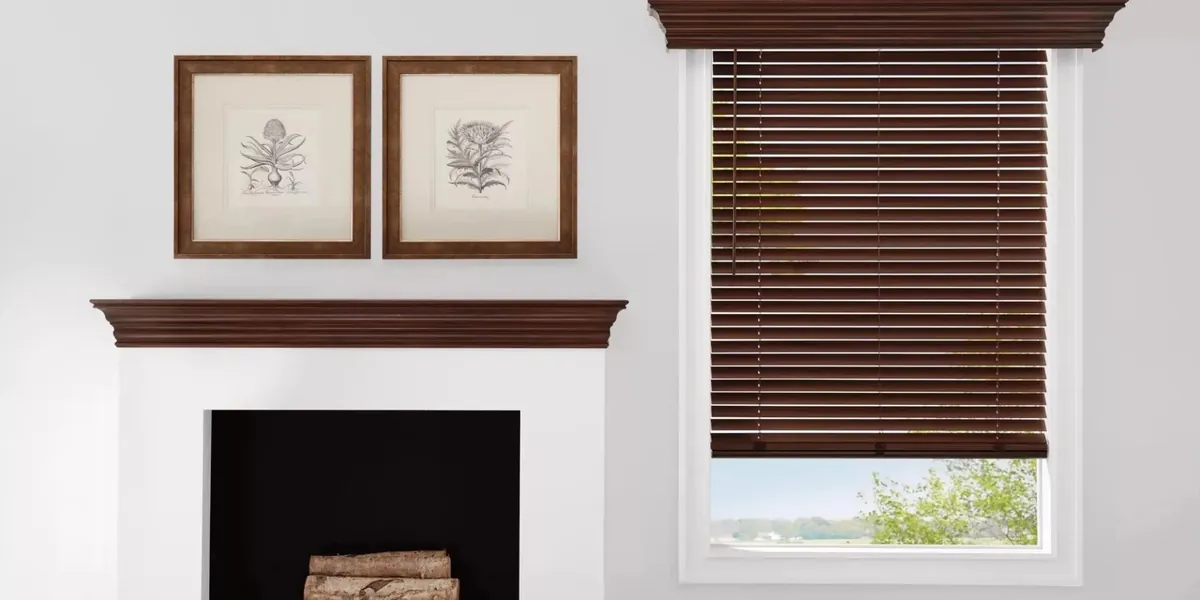
Stained or painted wood for the older houses along Main Street, where the trim, doors and floors are wood and a blind should match their weight.
Onset’s converted cottages
The cottages around Onset were built for summer: light frames, simple trim and windows sized for a breeze rather than a winter. Converting them to year-round use has usually meant insulating walls, replacing some windows and keeping others, adding a room or two, and finishing the space under the roof. The result is a house with real charm and very little uniformity.
Walk through one and the windows tell the story. A front window might be an original small double-hung; the one beside it a replacement of a slightly different size; the kitchen window a newer casement; the bedroom under the roof a short window set low in a knee wall. No two openings are quite the same, and few match a standard blind size.
That is where made-to-measure blinds earn their place. Each blind is built to its own opening, so every window gets a proper fit rather than the nearest stock size with a gap at the sides. We measure each one separately, check how deep the frame is, and note anything that might be in the way, from a crank handle to a storm panel.
Swifts Beach and the salt on the shore streets
On the streets nearest the water, around Swifts Beach and the shore roads, salt exposure is heavy. Windows stand open for much of the summer, and the breeze carries salt in with it. Over time it leaves a film on glass and sills, and it is hard on anything that corrodes or absorbs moisture.
Choosing the right slat is the first step. Faux wood is a solid, non-porous material, so damp sea air cannot get into it, and a quick wipe takes the salt off. Aluminum is light and easy to rinse, and it suits rooms on the sheltered side of the house. Real wood looks lovely but prefers a heated room with the windows mostly shut, so on these streets we keep it to the inner rooms.
How the blind operates is the second step. Today’s Hunter Douglas blinds keep their lift and tilt workings tucked within the headrail, so the salty breeze has little to reach. Choose cordless lifting and there is no cord hanging at the side and no cord lock to seize. Through a summer of open windows by the beach, that matters.
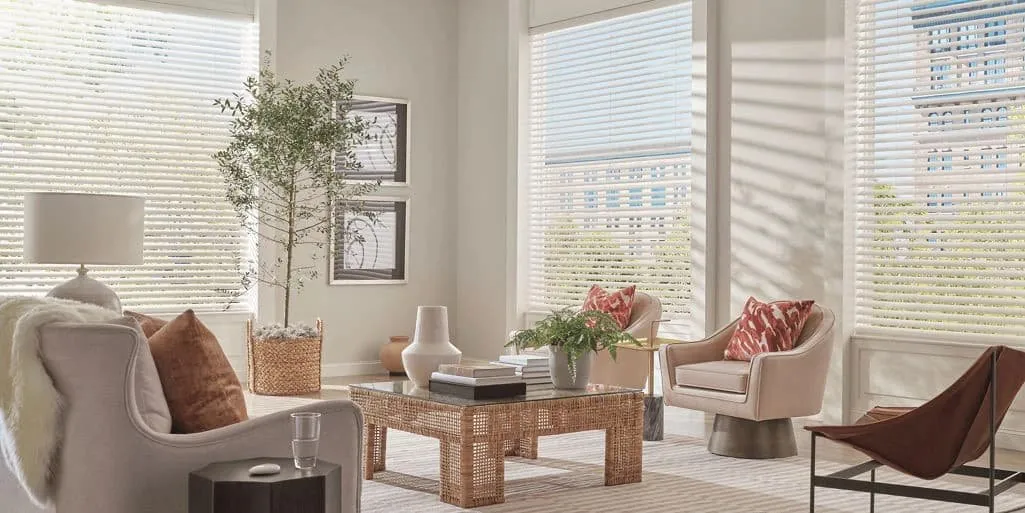
Small openings, made to measure
A small window shows every flaw in a blind. A headrail that would go unnoticed on a big window can take up a real share of a little one. The stack of raised slats can cover the top panes. A blind made to a stock size can leave a gap at one side where the light comes straight through.
Made-to-measure blinds solve each of those. A low-profile headrail keeps more glass clear. A narrower slat makes a smaller stack, and it looks in proportion on a little window. And because the blind is built to the measurements we take, it fills the opening edge to edge.
Sometimes the best answer on a tiny window is to mount the blind just above the opening, on the wall or the casing, so it clears the glass completely when raised. That also makes a small window look a touch larger. We show you both options at the window so you can see the difference. For a cottage full of small openings, it is often the detail that decides how the custom blinds in Wareham rooms look day to day.
Village houses along Main Street
Along Main Street and the streets around it, the village houses are older and more formal than the cottages: two stories, a front close to the sidewalk, double-hung windows with painted trim, and often a bay or a porch. Their windows are bigger and more regular than a cottage’s, but the frames have settled with age and are rarely square.
Privacy is the main concern in a house that sits close to a busy street. A blind tilted with the curved side of the slats facing into the room hides the interior while still sending daylight onto the ceiling, so front rooms stay bright without being on show. In the evening, closing the slats fully gives complete privacy.
For the street-facing windows, one color and one slat size, with each blind raised to the same height, gives the front a calm, cared-for look. Wood in a painted white or a soft stain suits these houses well. We measure each frame at several points and order an inside-mounted blind to the narrowest width so it moves freely in an old opening; where a frame is too far out, we mount the blind on the casing instead.
Newer colonials inland
Away from the shore and the village, Wareham’s inland neighborhoods are full of newer colonials. Their windows are regular, the frames are square and deep, and the rooms are a familiar layout: living room, family room, kitchen with a slider to the deck, bedrooms upstairs.
Houses like this are straightforward to fit and often take blinds throughout in one order. One color and slat size across the front looks tidy from the road. Faux wood suits the kitchen and baths; wood or faux wood suits the living spaces; darker slats suit bedrooms that face the morning sun. The deck slider takes vertical blinds or gliding panels, which move aside so the door is easy to use.
A two-story foyer or a family room with tall windows is the one place an inland colonial can get awkward, because the upper glass is out of reach. Those windows are a natural fit for motorization, covered further down. Everywhere else, a colonial is the simplest house in town to fit, and the one where a single consistent color does the most for how the house looks from the road.
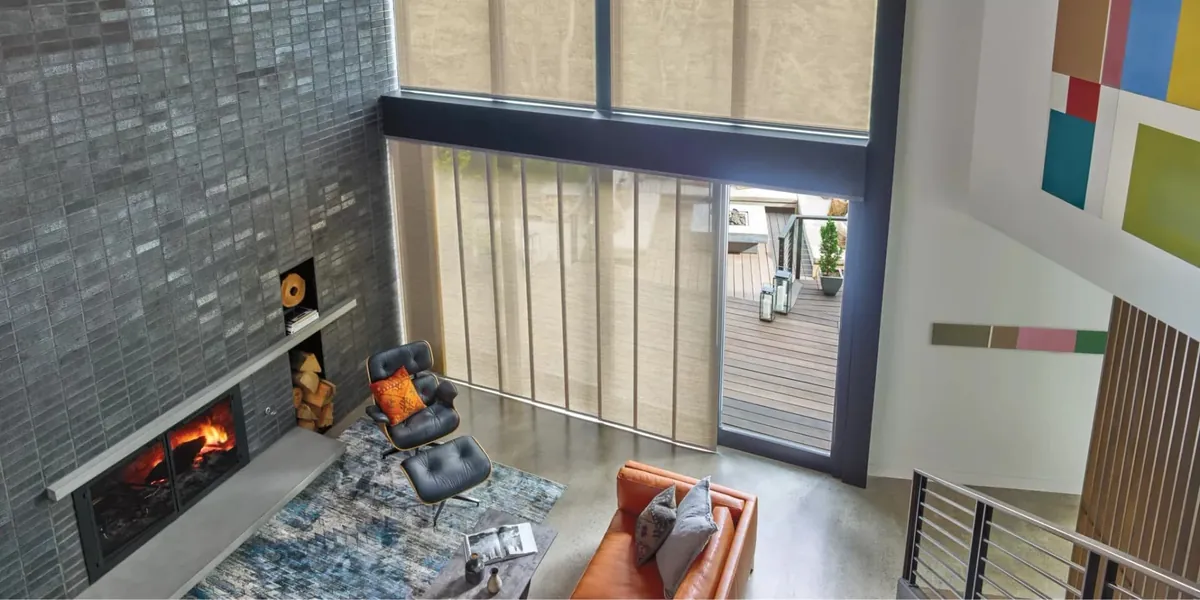
Enclosed porches and sunrooms
Many cottages near the water gained an enclosed porch or a sunroom somewhere along the way, often the brightest room in the house and the one that faces the bay or the street. These rooms are usually lined with windows on two or three sides, sometimes in a long continuous run, and they get hot and glary in the afternoon.
A run of windows like that is best handled with one blind per window, each made to its own width and all hung at the same height, so the room looks orderly whether the blinds are up or down. Tilting lets you keep the view and the breeze while turning the glare aside. Faux wood is a good choice for a porch room that is not heated in winter, because it takes the swings in temperature and damp without warping. Planned well, custom blinds in Wareham porches turn a room that is too bright to use at midday into one you can sit in all afternoon.
A cottage lived in all year
When a summer cottage becomes a winter home, its windows have to work much harder. Small original windows lose heat on a cold night, and condensation forms on the glass when the house is warm and the outside air is not. A window by the sea in February is a very different thing from the same window in July.
Blinds help in a modest way. Closed at night, they add a layer between the room and the cold glass, which takes the chill off a seat near the window. Faux wood copes well with the condensation that can run down the glass on a cold morning, because it does not swell or stain when it gets wet.
If warmth is the main concern in a particular room, ask us about cellular shades as well. Their honeycomb cells hold air against the glass, and we can show you a sample next to a blind so you can compare. See cellular shades in Wareham for more.
Bedrooms under the roof
Finishing the space under a cottage roof has given many Wareham houses their extra bedrooms. The windows up there are usually small and set low in the knee walls, or in the gable ends, and the ceilings slope down to meet them.
A slim aluminum blind fits the tight space well, with a small stack that clears the low window when raised. For a room that needs to be dark for sleeping, a deeper-colored wood or faux wood slat closes tighter. Cordless lifting keeps a low window free of hanging cords, which is tidier in a small room. We check the space around each window, because a sloped ceiling or a short knee wall can limit where a headrail sits.
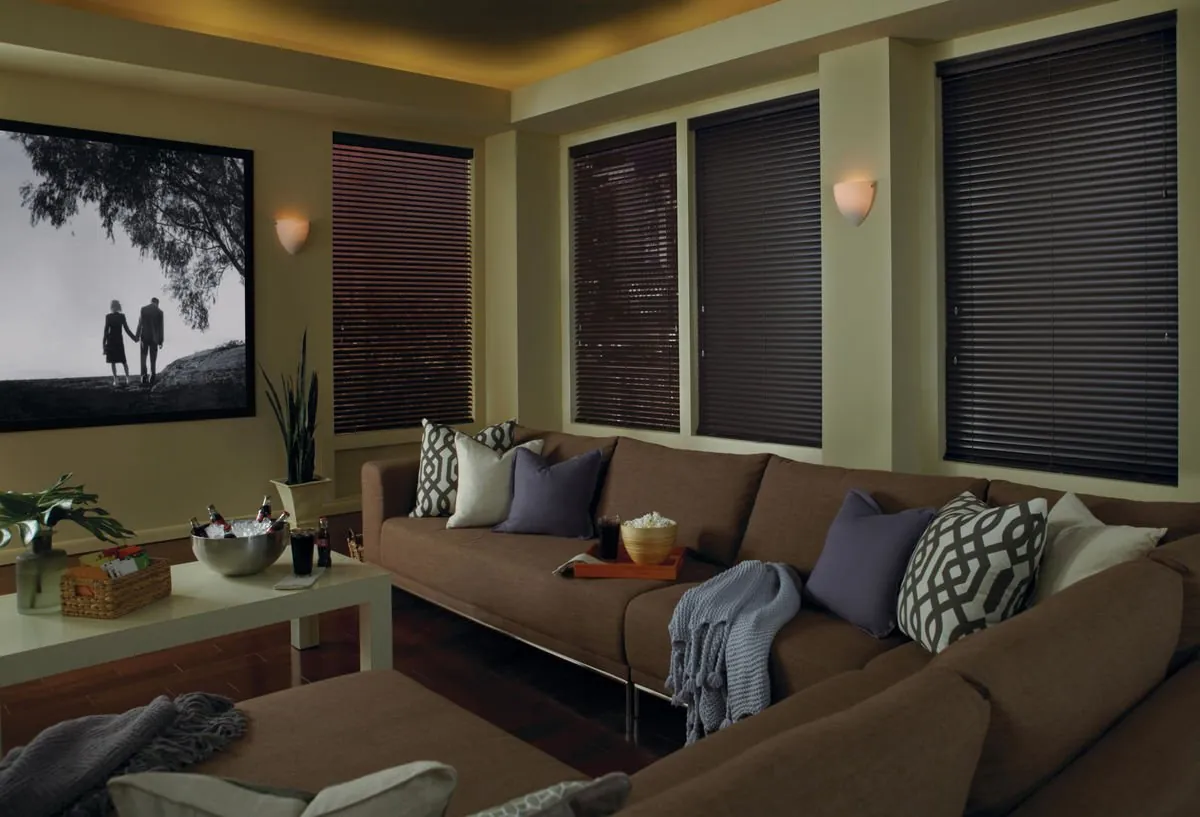
Tilting, lifting and going motorized
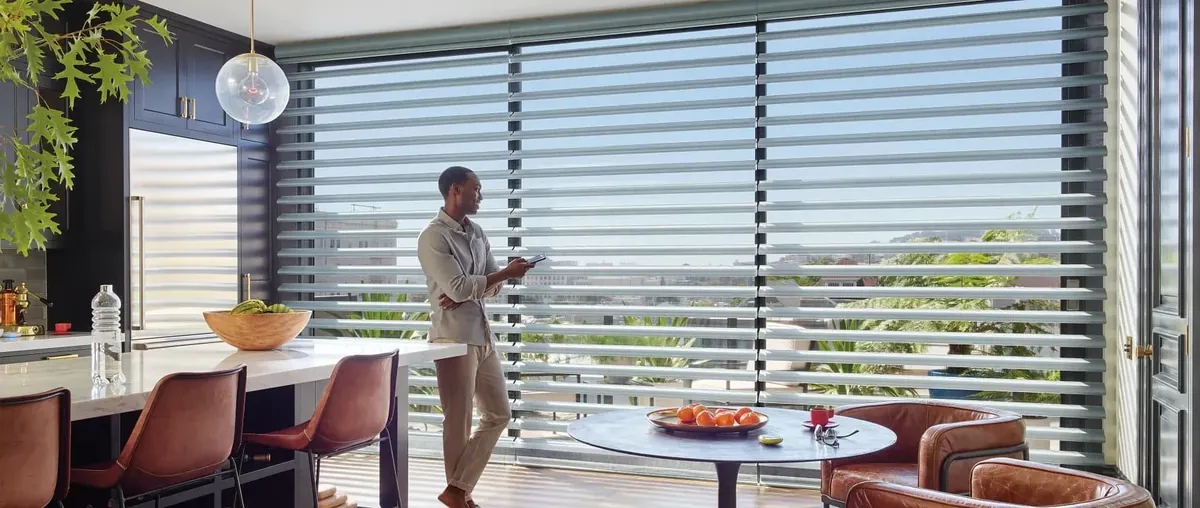
Most blinds are tilted with a wand at the side and lifted cordlessly by the bottom rail. That keeps the window tidy and the controls simple. For the windows that are hard to reach, such as one behind a deep counter in a converted kitchen, a high gable window, or a window over a stair, Hunter Douglas PowerView motorization lets you tilt and lift from a remote or an app.
PowerView blinds can also follow a schedule. On a shore-street house, they can close against the strong midday sun and open again in the evening. At the visit we plan how every motor will get its power and where you will want the controls. Our motorized blinds in Wareham page has the detail.
What a home visit looks like
Our vans carry samples of every material, so we can bring the showroom to you. That makes particular sense in a converted cottage, where no two windows match and every opening needs to be seen in person.
- Ask for a visit through Request a Consultation, or through the call button, and choose a time.
- We tour the house with you and listen to what each room needs: privacy on the street, shade from the sun, or simply something tidy on an odd-sized window.
- You hold faux wood, wood, aluminum and vertical samples up at your own windows.
- We measure every opening individually and check the depth and anything in the frame.
- You receive a free estimate for the blinds you are considering, and take whatever time you need to decide.
Interior design consultations can be part of the same visit if you would like help with color or with how blinds sit beside other treatments. Our page on what happens at an in-home consultation explains more.

Fitting the blinds in an older house
When the order comes in, our certified Hunter Douglas installers fit each blind. In a converted cottage or a village house, they fix the brackets into solid framing rather than old plaster, level the headrails even where a frame has settled, and check that every blind tilts and lifts without catching on a lock or a crank. They show you how each control works before they go. On a house near the shore, they set each headrail far enough back that it clears any window you open for the breeze, and on a run of porch windows they line the blinds up so they read as one.
Blinds you already own
If some of the blinds in your house are worth keeping but no longer work as they should, we also offer blind and shade repair. It is a sensible option when you have just bought a house with blinds already in place, or when one blind in a matching set has stopped tilting. Bring it up at the consultation and we will look at it while we are there.
For the materials in more detail, see our wood blinds, Parkland, metal blinds and vertical blinds pages, or our main custom blinds page.
A short drive to Sagamore
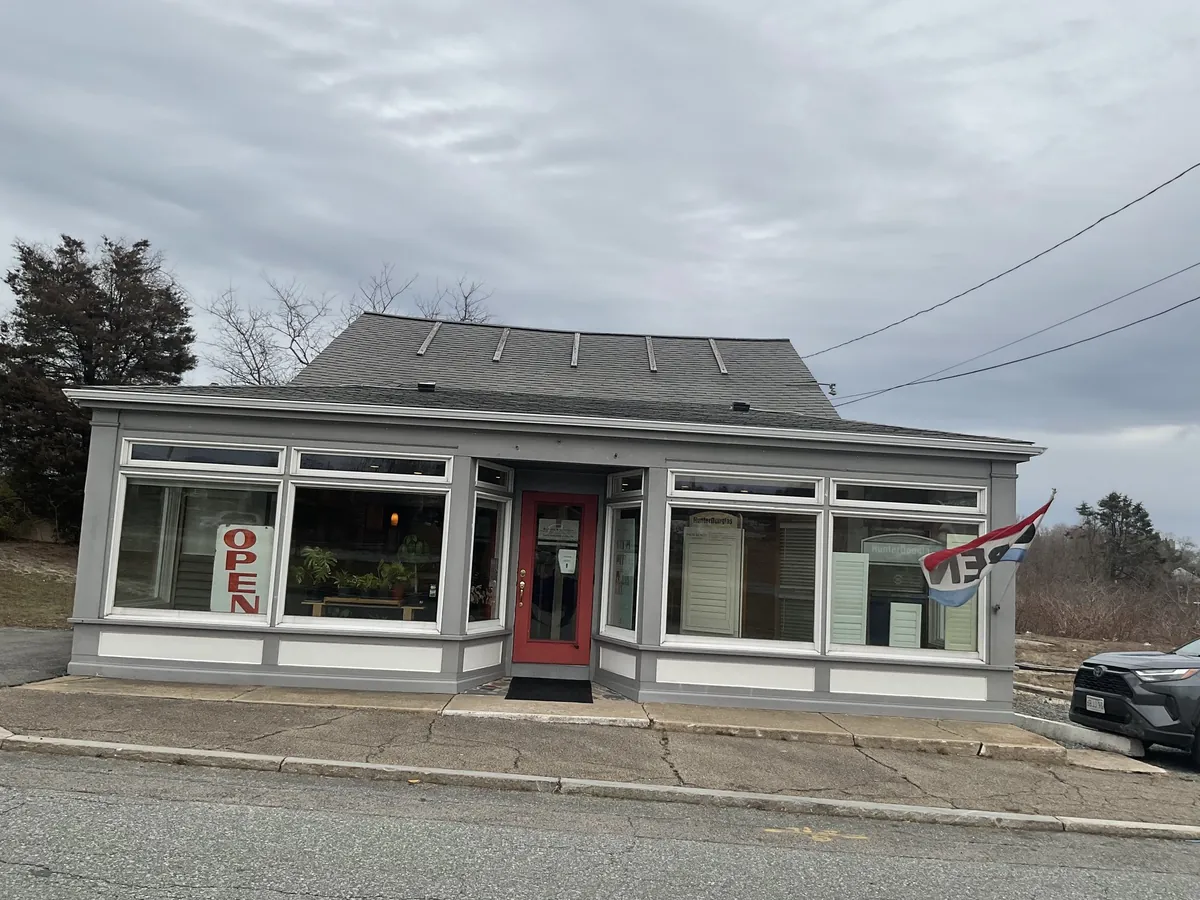
Our Sagamore showroom, just over the canal, is the nearest to Wareham if you would like to see the blinds in person.
Blinds & Designs is a Hunter Douglas Gallery dealer, the brand’s own designation for dealers who meet its standards. That opens the complete Hunter Douglas range of blinds to you, along with shades, shutters and drapery, and our installers are certified by Hunter Douglas.
For other rooms, see plantation shutters in Wareham or roman shades in Wareham, or everything we offer in town on our Wareham page.
Questions from Wareham
My converted cottage has windows of all different sizes. Can you fit them all?
Yes. Every blind is made to the measurements of its own opening, so odd sizes are no problem. We measure each window separately during the visit.
What holds up best near the beach?
Faux wood keeps its shape in salty, damp air and wipes clean. Aluminum also cleans easily. A cordless lift means no exposed cord lock.
Will a blind take up too much of a small window?
Not if it is chosen for it. A low-profile headrail and a narrow slat keep the stack small, and on some windows mounting above the opening lets the raised blind clear the glass completely.
How do I get privacy on a house close to Main Street?
Tilt the slats with the curved side facing into the room. The view in is blocked while daylight still reaches the ceiling.
Is your estimate free?
It is. After we have measured, you get a free estimate for the blinds you are considering.
Getting started
A house with windows of every size is easier to sort out in person. Request a consultation and we will bring samples, measure every opening and leave you a free estimate for custom blinds in Wareham, MA. Or use the call button to reach our Sagamore showroom.