
Bays, transoms and tall sash around the common
The Victorians and colonials around Foxborough’s common were built with windows that do not come in standard sizes. Tall sash fills the front rooms, bay windows push out from the parlor, and a transom often sits above the front door or over a pair of windows. Off-the-shelf shades simply do not fit openings like that. When we make roman shades in Foxborough, MA, for the older houses near the center, every shade is built to the measurements of its own window.
Head out from the common toward Route 1 and the houses change. Post-war ranches give way to newer subdivisions with standard modern openings, where fitting is simpler and the questions are mostly about style, light and how the shades are lifted.
Both ends of town suit roman shades well. In a period room, a tailored fabric shade looks right with tall sash and old trim. In a newer house, it softens big, plain rooms without hiding the windows. The difference lies in how much measuring and planning each window needs.
Made-to-measure roman shades
Every one of these is made to order for your windows, and we bring samples of each to the house.
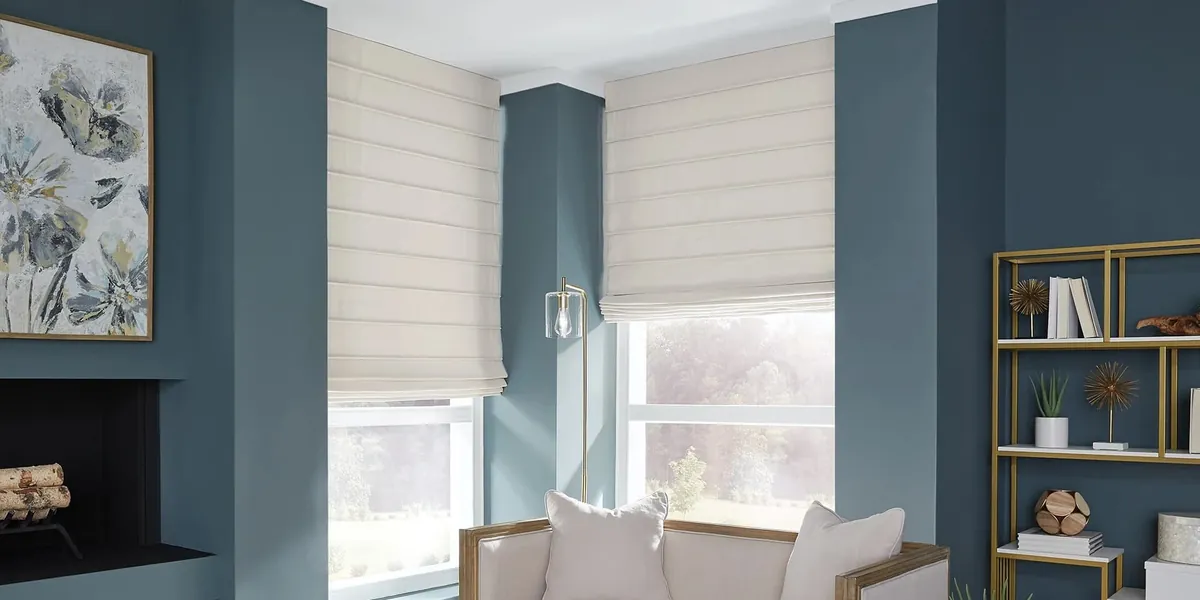
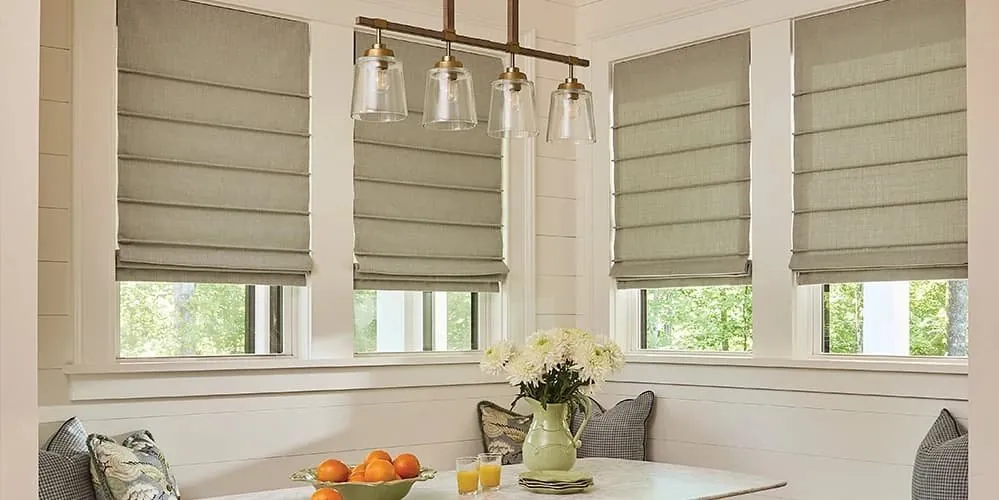
Carole Fabrics Roman Shades
Sewn to the exact size of each opening from a large selection of decorator fabrics, flat or softly folded. The usual choice for a Victorian bay.
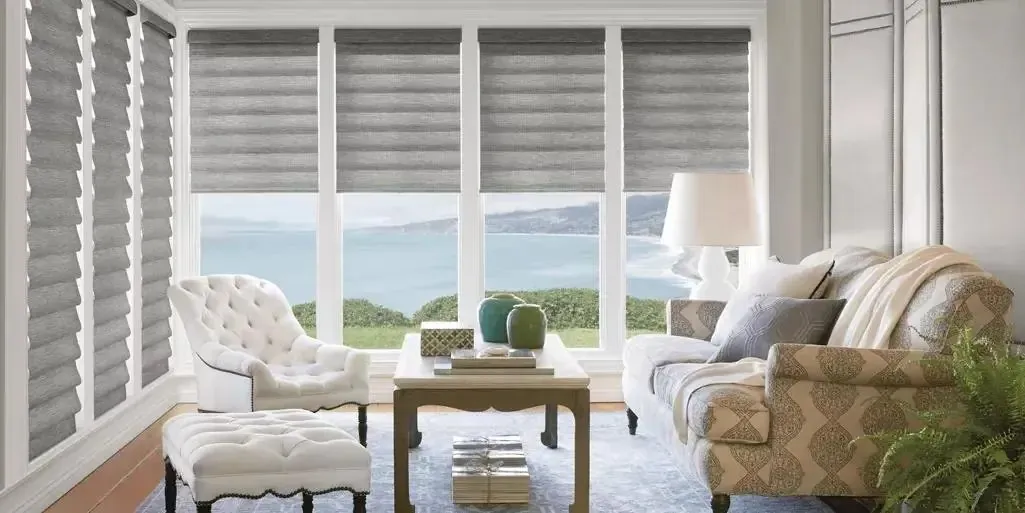
Vignette Modern Roman Shades
Regular folds on both faces that wind up into the headrail, leaving tall sash almost clear when raised. At home in a newer kitchen or family room.
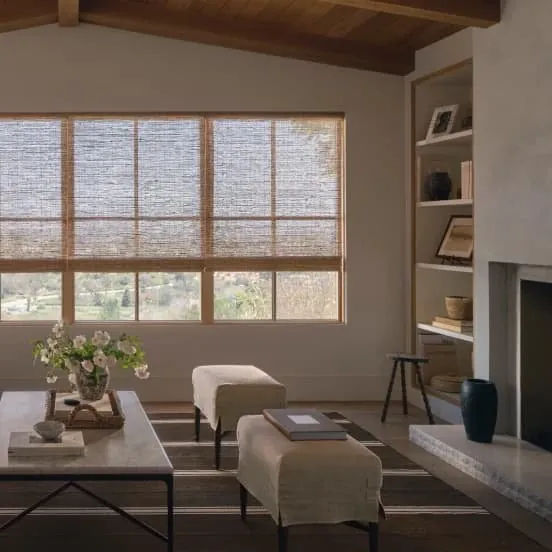
Alustra Woven Textures Roman
A woven natural material in a roman form, for a family room or a den where texture suits the room better than a printed fabric.
Why bays and transoms need treatments made, not bought
Shop-bought shades come in a handful of widths and drops, cut for modern windows. The older houses near the common were built long before those sizes existed, and their windows vary from room to room and sometimes from one side of a bay to the other. A shade that is even slightly too narrow leaves a strip of light down each side; one that is too wide will not fit inside the frame at all.
A made-to-measure roman shade solves that by starting from your window, not from a catalog size. Each shade is ordered to the width and height we measure, with the mount and fold chosen for that opening. In a bay, each panel gets its own shade sized to its own glass. Over a transom, the shade, if there is one, is made to the arch or rectangle that is actually there.
The result is worth the extra care. The shades fill their openings edge to edge, line up with each other, and look as if they were always part of the house.
Dressing a bay window
A bay is three or more windows set at angles to each other, usually a wide center window with narrower ones on each side. It is often the best feature of a Victorian parlor, and it is also the window people find hardest to dress.
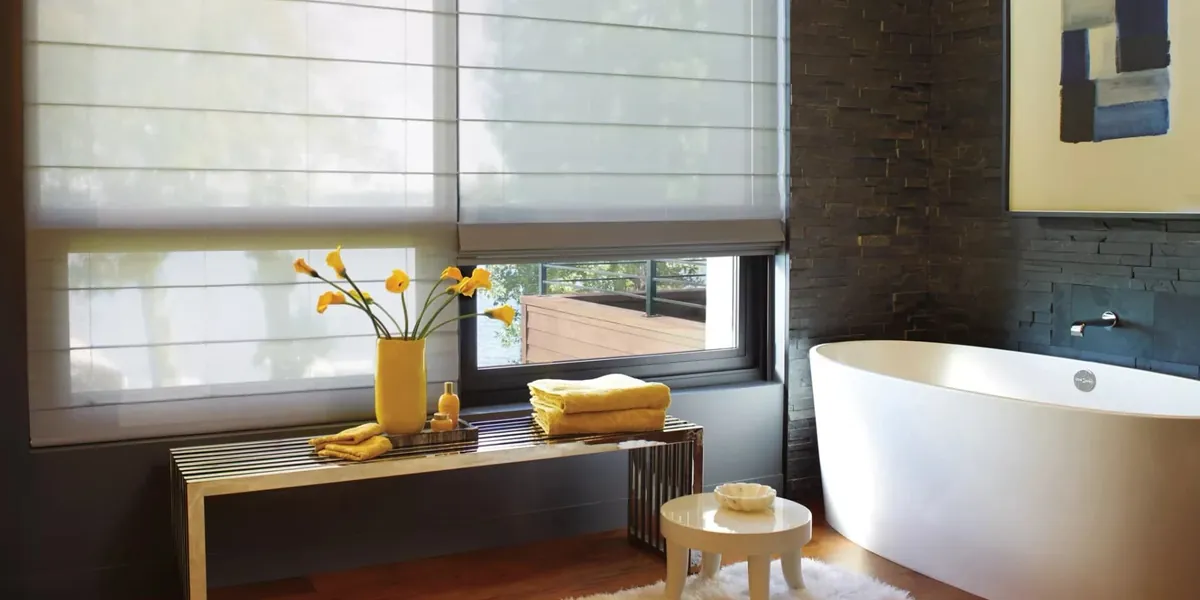
Roman shades are one of the best answers. Each window in the bay gets its own shade, inside mounted, so the angled corners between the windows stay clear and the trim stays visible. The shades are made to match: one fabric, one fold, headrails at the same height and bottom rails that stop at the same line when half raised. Raised together, they leave the whole bay open to the light; lowered together, they read as one curve of fabric.
The corners need care. Where two windows meet at an angle, the headrails must clear each other and the shades must not rub as they move. We measure the angles and depths at each corner, not just the widths of the glass. If the frames are too shallow for an inside mount, the shades can be mounted on the face of the casing instead, still made to line up across the bay.
A flat fold suits a formal bay best, especially with a patterned fabric, because the smooth face reads cleanly across all the panels. A folded style gives a softer, more relaxed bay in a bedroom or a sitting room.
Transoms over doors and windows
A transom is a fixed window above a door or another window. Many of the older houses around the common have one over the front door, and some have them over the main windows in the front rooms. They let light deep into a hall or a parlor, and that is often reason enough to leave them uncovered.
Sometimes a transom needs a covering. A bedroom transom lets in the early morning light. A transom on a sunny wall can throw glare into the room for part of the afternoon. Over a pair of windows that already have roman shades, a bare transom can look unfinished.
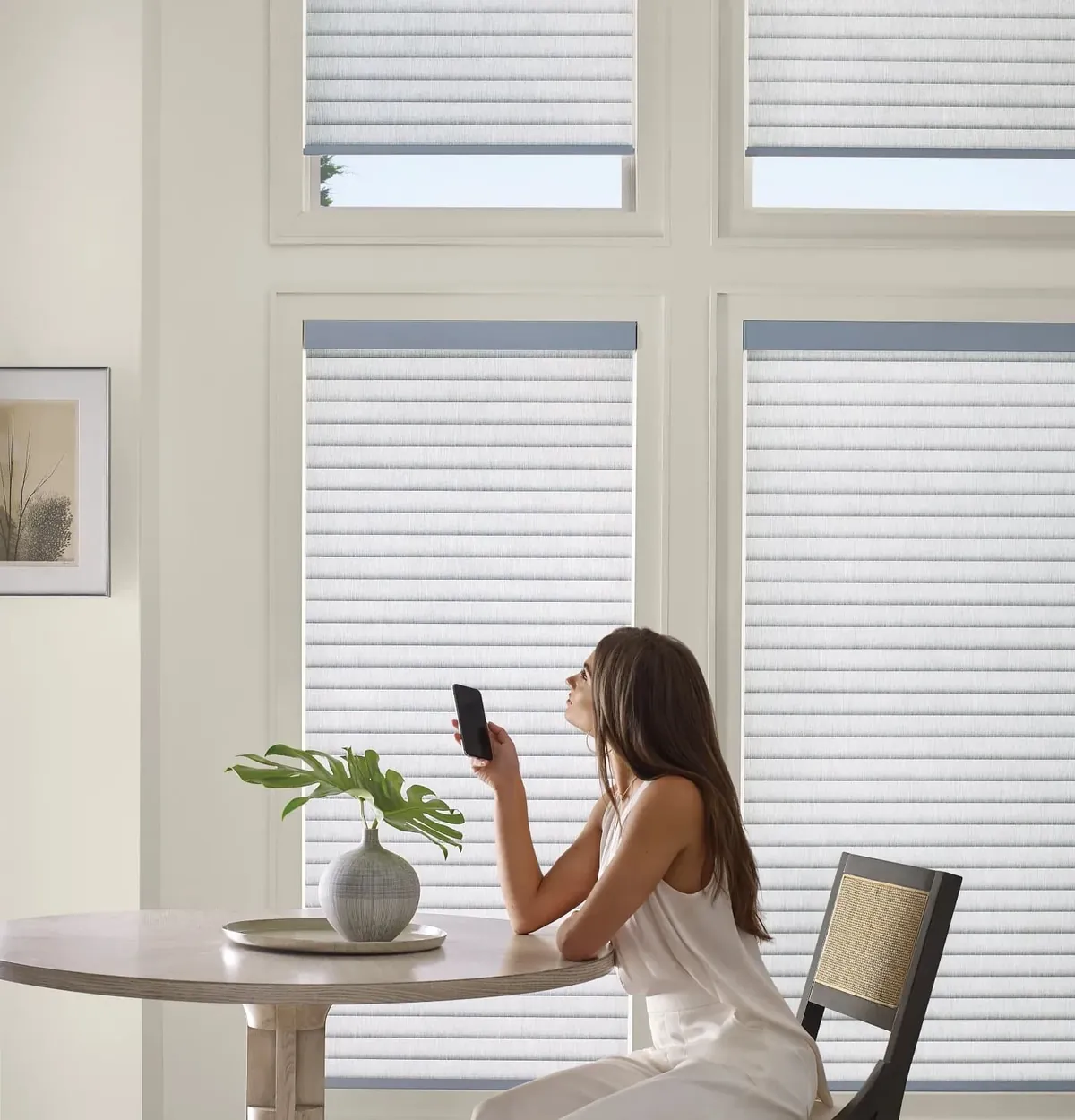
In those cases we make a shade for the transom itself, sized exactly to it, in the same fabric as the shades below so the window reads as one design. Because a transom is usually too high to reach, PowerView motorization is the practical way to raise and lower it, from a remote, the app or a schedule. It can also be linked with the shades beneath it so they move together. How each motor gets its power is something we sort out when we visit.
Tall sash in the older houses
Beyond the bays and transoms, the Victorians and colonials around the common have tall double-hung windows in most rooms, often two or three to a wall under high ceilings. Roman shades follow their slim, vertical lines: each one made to the exact width of its window, hanging as a single clean panel when lowered.
Where three tall windows share one wall, the shades are made as a set, with matching fold spacing so the pleats line up across the wall when the shades are half raised. It is a small detail that makes a big difference in a formal room.
On a tall window, the stack at the top of a raised shade is deeper, because there is more fabric to gather. That is rarely a problem on a window with plenty of height, and mounting the headrail just above the frame lets the stack sit over the wall instead of the glass, which also makes the window look taller. Vignette, which rolls its fold into the headrail, keeps the raised shade compact if you want every inch of glass clear.
Old frames settle and are rarely perfectly square. We measure each window on its own, top, middle and bottom, and check the depth at several points. Where an inside mount will not hang cleanly, an outside mount on the casing is the honest answer, and in a period room it often looks deliberate, especially beneath drapery.
Ranches and subdivisions toward Route 1
Further out, the post-war ranches and newer subdivisions toward Route 1 have standard modern openings. Inside mounts are easy, sizes are regular, and a whole house of roman shades can share one mount height and lining color, which keeps the outside of the house looking tidy.
In a ranch, the living room picture window is the biggest piece of glass. On a wide window, two or three matching shades side by side are easier to lift than one big shade and keep the folds even. The bedrooms along the side, often with shorter windows set higher in the wall, suit cordless shades.
In the newer subdivision houses, rooms are larger and open plan. Vignette tends to suit kitchens and family rooms, where its even folds look clean and modern, while a Carole flat fold dresses a dining room or a study. A two-story entry or a window over the stairs can be motorized with PowerView so it is easy to control. If a wall of glass would suit a softer, see-through look, Hunter Douglas sheer shades are another option we can bring along. For roman shades in Foxborough subdivisions, the order is often part of a whole-house plan, and our cellular shades in Foxborough page covers a shade often chosen for bedrooms.
Shades and drapery in the formal rooms
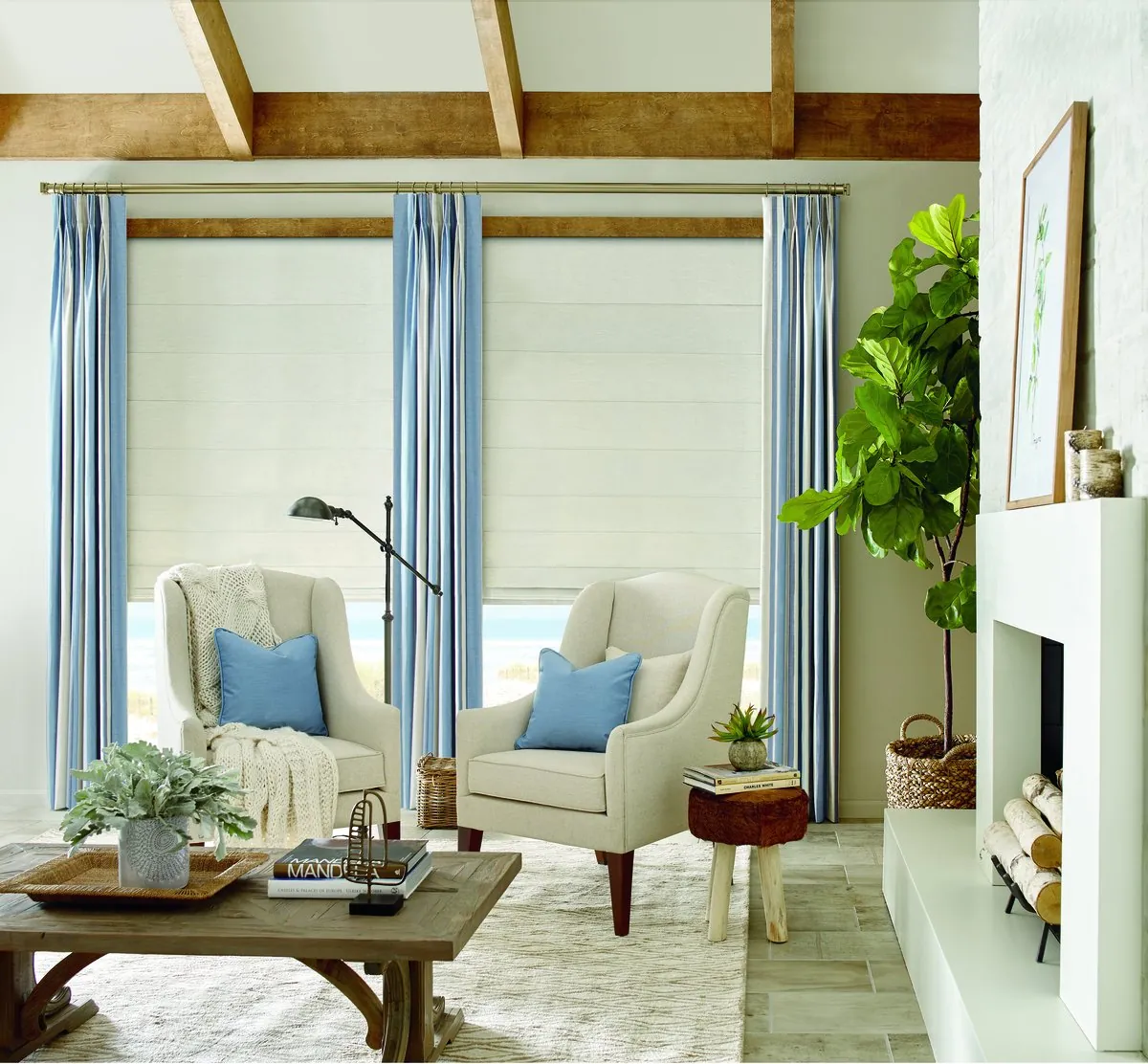
The front rooms of a Victorian near the common were designed to be dressed in layers, and many still look best that way. A roman shade mounted inside the tall sash handles light and privacy day to day, while drapery panels hung from a rod above the frame frame the window and add height to the room. In a bay, the shades sit in each window and the drapery hangs at the outer ends, leaving the bay itself clear.
Because the two layers do different jobs, they can be chosen together. A plain linen shade under a patterned drapery keeps the room calm; a striped shade under a solid panel brings the pattern to the glass. We bring drapery samples to the same visit, so roman shades in Foxborough parlors can be planned alongside the panels around them rather than guessed at afterwards.
Fabric and pattern for a period room
A Victorian or colonial room near the common can carry more color and pattern than a modern room, and a roman shade is a good place to use it.
- Flat fold with pattern: a stripe, a small floral or a damask reads clearly on the smooth face of a flat fold, and it looks right in a formal parlor or a dining room.
- Folded style in a solid: the soft loops of a folded style suit a plain linen or a textured weave, ideal in a bedroom.
- Under drapery: a plain shade lets patterned drapery lead; a patterned shade pairs with plain panels.
- Across a bay: keep the pattern centered on each panel so it lines up as the shades rise together.
Light matters too. A south or west-facing bay takes strong sun, and lighter or lined fabrics hold their color best there. Our guide to choosing fabric for a sunny room has more.
The home visit
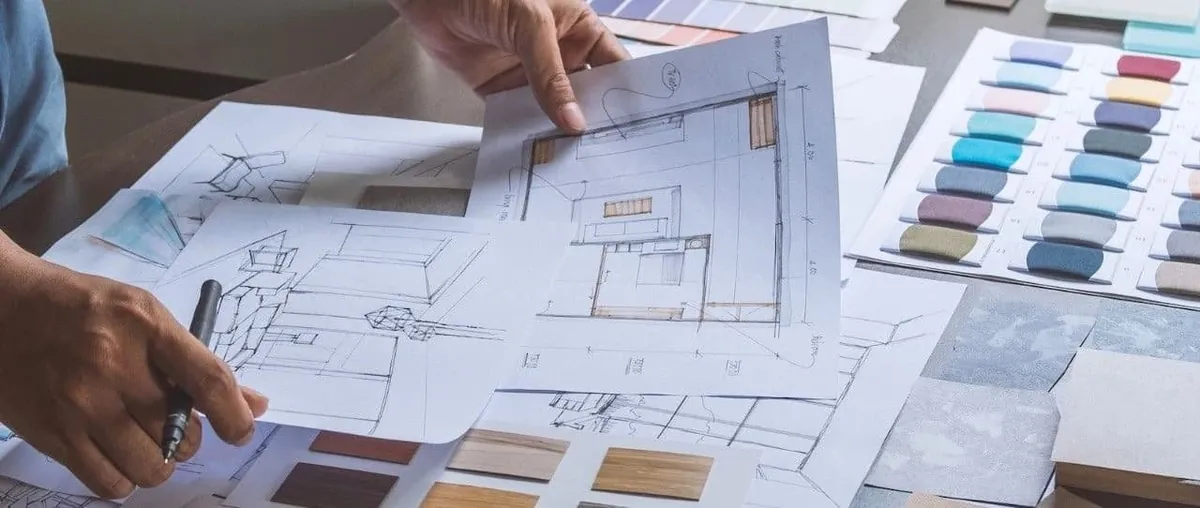
Bays and transoms are hard to describe over the phone and easy to plan in person, so most Foxborough customers begin with a home visit. The vans carry the samples, so a showroom’s worth of fabric arrives at your front door.
- Pick a time through Request a Consultation, or use the call button.
- We bring Vignette, Carole Fabrics and woven roman samples, along with linings and lift options.
- We look first at the hard windows: bays, transoms and the tallest sash.
- You try fabrics against your trim and walls, and see how patterns line up across a bay.
- We measure every opening, including the angles in a bay, and confirm each mount.
- You get a free estimate and can take all the time you need.
An interior design consultation can be part of the same appointment if you would like help with color and pattern. More on the visit is in what happens at an in-home consultation.
Privacy around the common
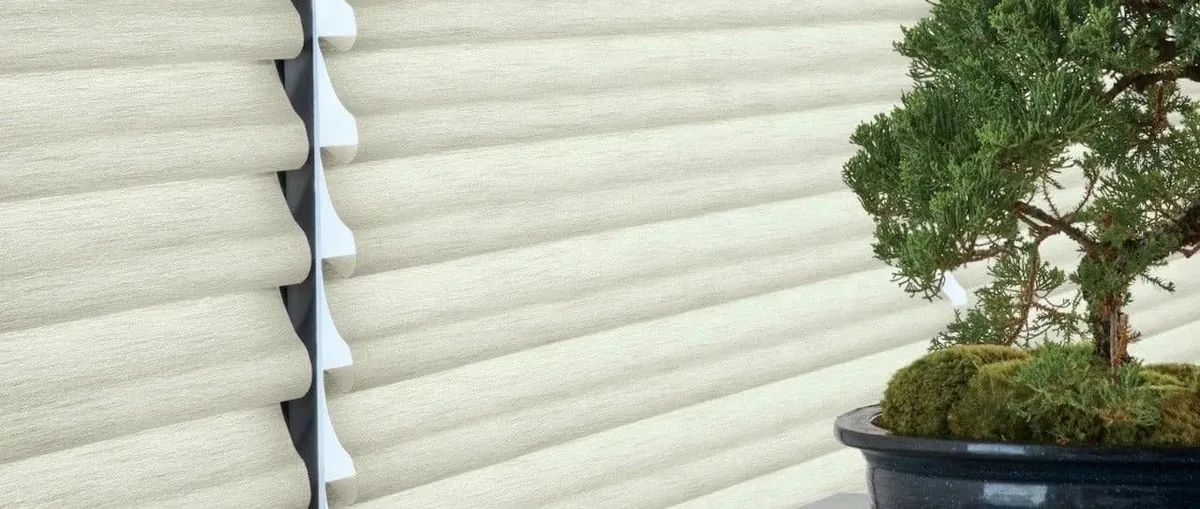
The front rooms of the older houses around the common look out over the street and the common itself. Tall sash brings a lot of light into those rooms, but after dark it also shows a great deal of the room to anyone walking by.
A privacy lining behind the face fabric solves that without darkening the room by day. From inside, the shade still looks soft and light; from outside, it reads as an even, plain panel. On a bay that faces the street, the side panels can be lowered for privacy while the center shade stays raised for the view. Bedrooms upstairs usually take a room-darkening lining instead, especially where a transom above lets in early light. Thoughtful linings are what make roman shades in Foxborough, MA, comfortable to live with on a street-facing room, morning and evening alike.
Lifting, reaching and safety
Each window gets the lift that suits it. A cordless shade, raised and lowered by the bottom rail, has nothing hanging at the side, which makes it our usual suggestion for bedrooms and any window within a child’s reach. A continuous cord loop, kept taut by a tensioner on the wall, makes a large, lined shade easier to lift on a wide window.
PowerView motorization takes care of the windows that are hard or impossible to reach: transoms, the tops of very tall sash, and windows over stairs. In a bay, motorized shades can move together at the touch of a button. Our guide on how motorized shades are controlled explains remotes, the app and schedules.
When the shades are ready, our certified Hunter Douglas installers fit them, line up every headrail across a bay, and test each lift with you. You can read about what happens on installation day beforehand. If a lift ever needs attention down the line, we repair blinds and shades too.
Why work with a Gallery dealer
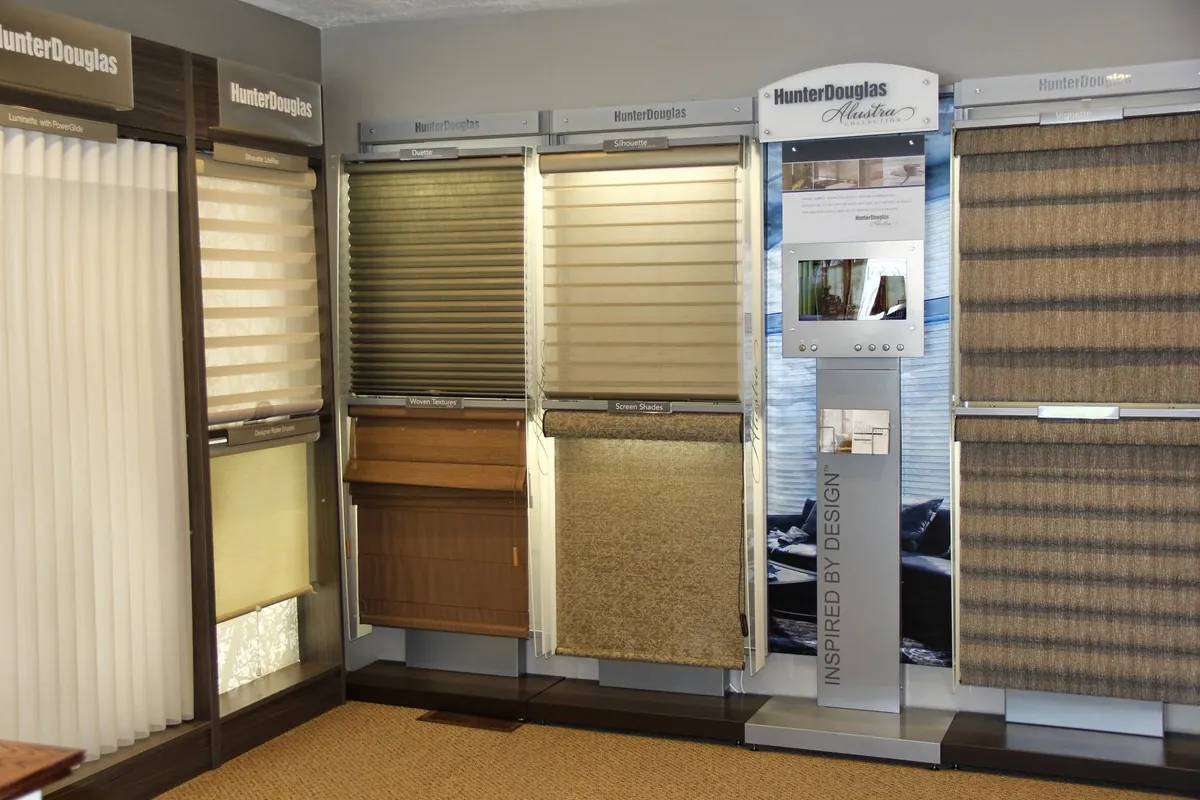
Blinds & Designs is a Hunter Douglas Gallery dealer, the title Hunter Douglas gives dealers who meet its standards. For an older house with bays and transoms, it means every Hunter Douglas option is on the table: Vignette, Carole Fabrics and Alustra Woven Textures romans, plus sheers, honeycomb shades, shutters and drapery.
Our installers are certified by Hunter Douglas, so made-to-measure shades go up the way they are meant to. For everything we offer in town, see our Foxborough page, or explore the full roman shades range.
Nearest showroom: Franklin
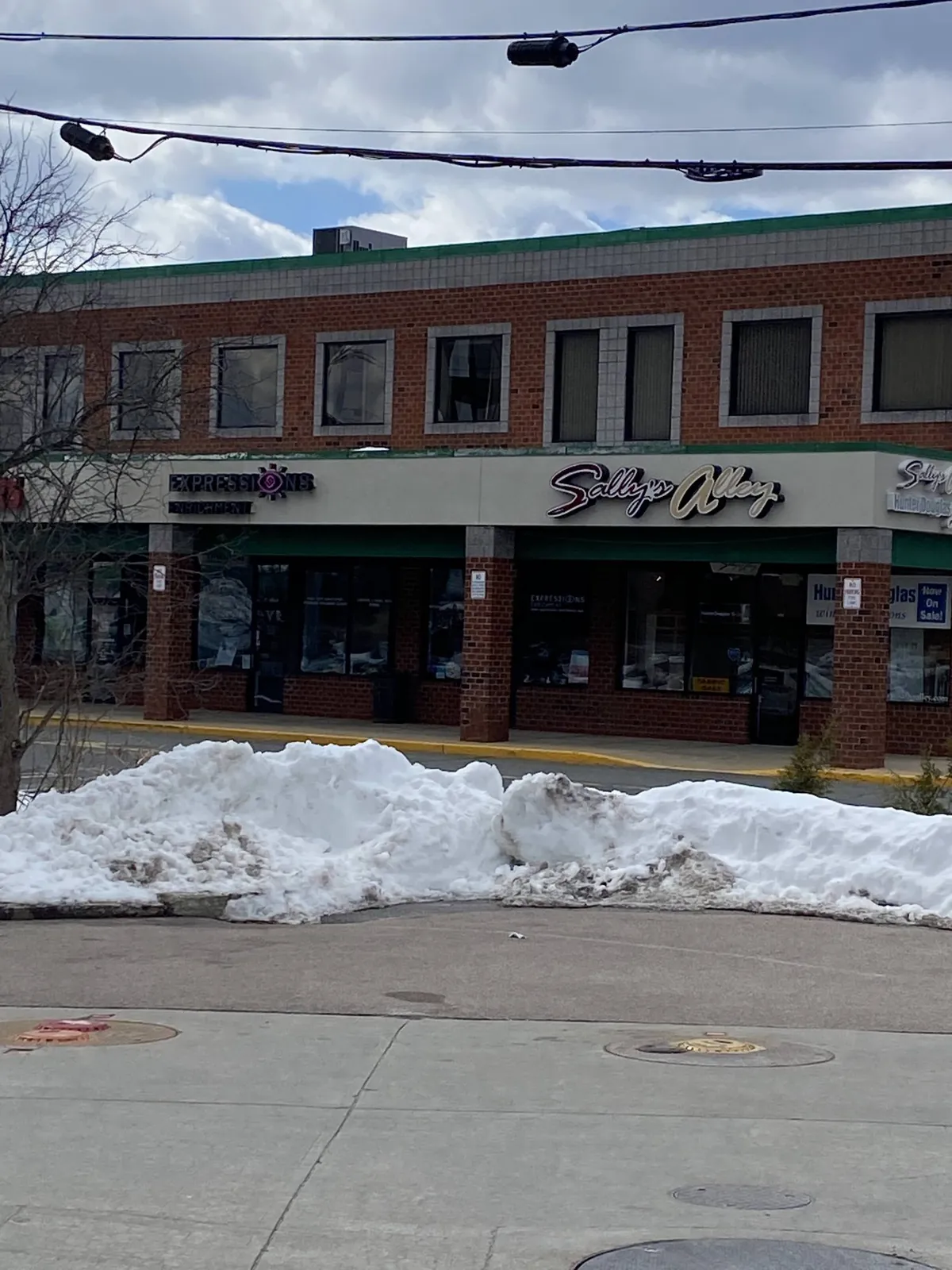
Franklin is our closest showroom to Foxborough. You are welcome to visit while it is open if you would like to talk through ideas first. For a bay or a transom, though, the measurements are what matter most, and those are taken at your house.
Questions from Foxborough
Can you make roman shades for a bay window?
Yes. Each window in the bay gets its own shade, made to its own size, with matching fabric, headrail heights and stopping points. We measure the angles at each corner so the shades clear each other as they move.
What can be done with the transom over our front door?
Often it is left clear for the light. If it needs covering, we make a shade to its exact size in the same fabric as the shades below, usually motorized with PowerView because it is out of reach.
Our old windows are not square. Will a made-to-measure shade still fit?
Yes. We measure each window at several points and order to the tightest figure. Where an inside mount would not hang cleanly, we recommend an outside mount on the casing.
Do we need different shades in a newer house toward Route 1?
The same lines work, but the fitting is simpler. Standard openings take inside mounts easily, and Vignette often suits the open kitchens and family rooms.
Is there a cost for the estimate?
No, the estimate is free. We measure every window at the consultation, bays and transoms included, and give you a free estimate.
The next step
The best way to plan roman shades in Foxborough, MA, is to stand in the room with the samples and the tape measure. Request a consultation and we will come to you, measure every window and give you a free estimate. To ask a question first, use the call button, or visit the Franklin showroom.