
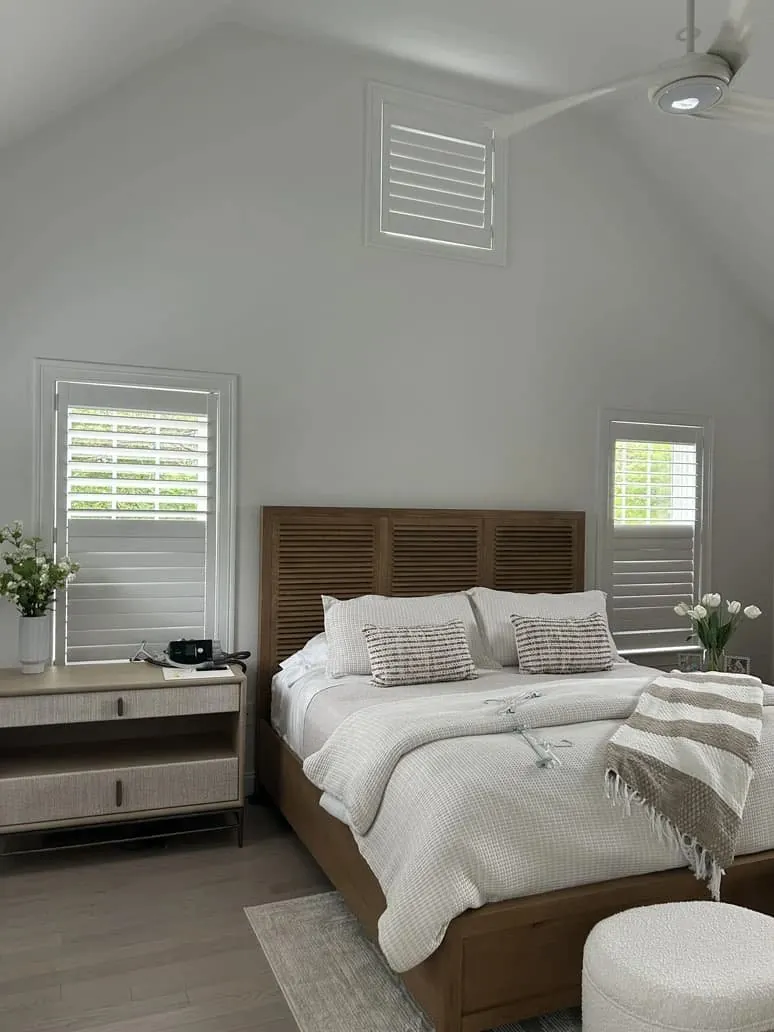
Small sash, deep reveals and wooded lots
Drive the length of Route 6A through Brewster and the houses come in a steady line: antique capes set low under their roofs, and square Federal houses with a door in the middle and windows lined up on either side. Most sit back on deep, wooded lots, so the trees do some of the shading and the windows do the rest. Toward the bay flats the houses are newer, with bigger glass and fewer trees between them and the water. Fitting plantation shutters in Brewster, MA, means working with both.
The older houses share two features that matter for a shutter. The sash is small, often with many little panes, and the walls are thick, so the window sits well back in a deep reveal. That depth is good news. It gives a shutter frame room to sit inside the opening, where it looks built in rather than added.
There is also the question of the empty season. A good number of houses here are second homes, closed for months at a time. A window covering that can be left shut all winter without fading, sagging or growing mildew is worth a lot in a house nobody is heating.
Plantation shutters in Brewster, MA, for every part of the house
These are the choices that come up most often in Brewster. Each one comes to your house as a real sample, so you can see it in your own windows.
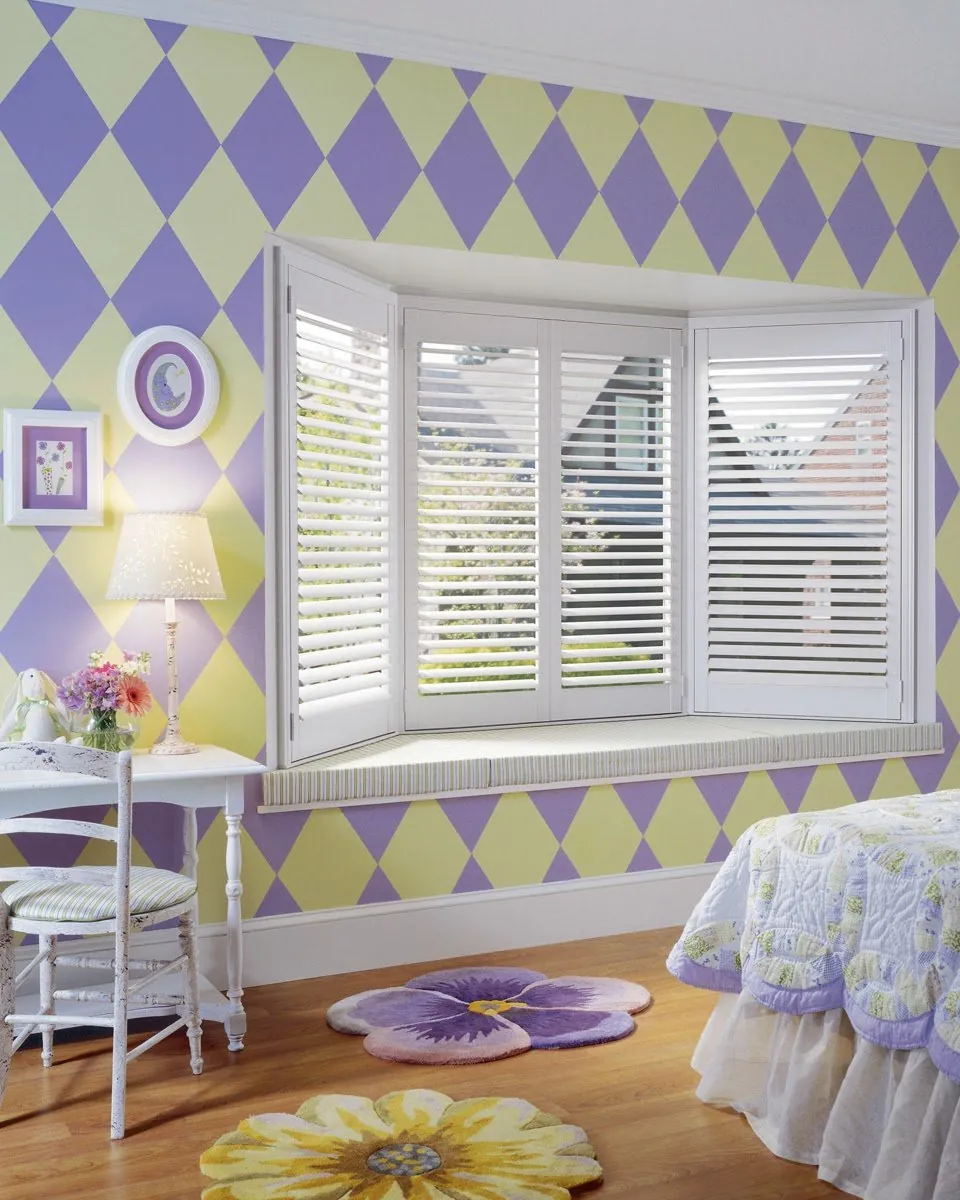
Narrow louvers for small panes
On an antique cape window with many lights, a slim louver keeps the shutter in scale with the glass behind it.
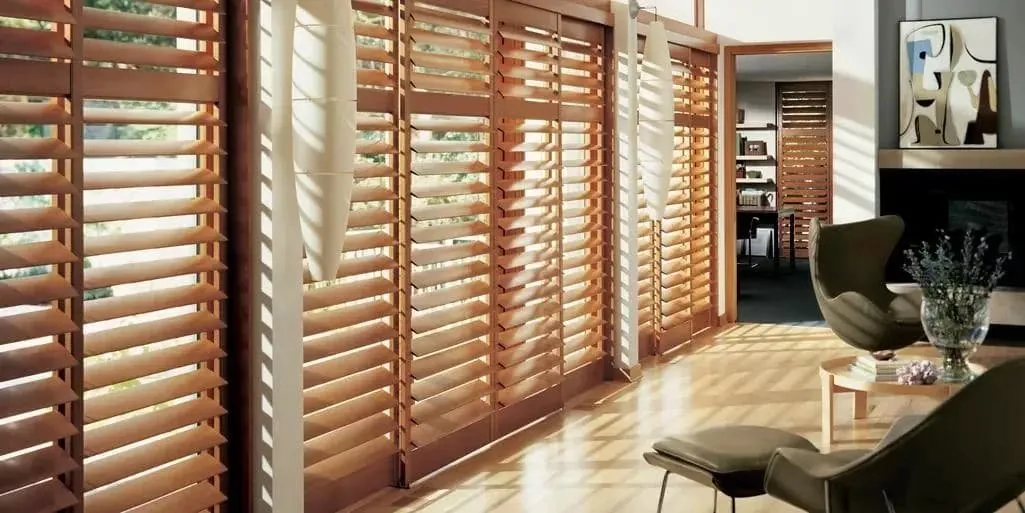
Heritance in stained wood
Hardwood that can take a stain, for a Federal house whose rooms still have their original wood trim.
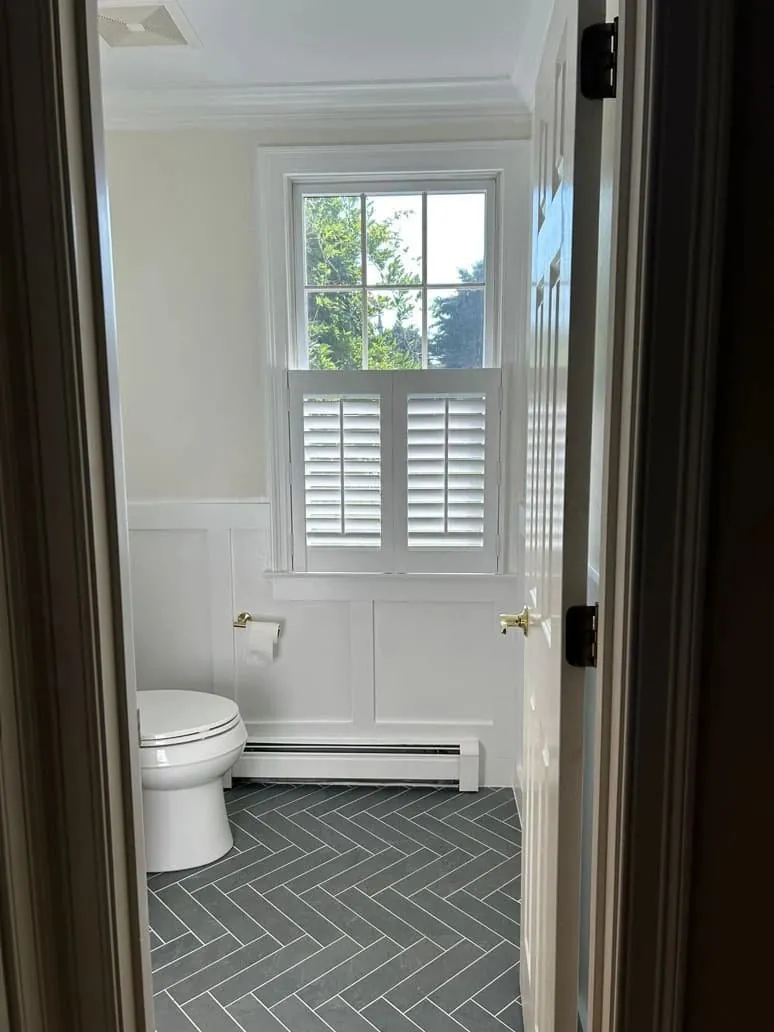
Cafe style for the powder room
Lower-half panels give privacy where you need it and leave the old upper sash open to the trees.
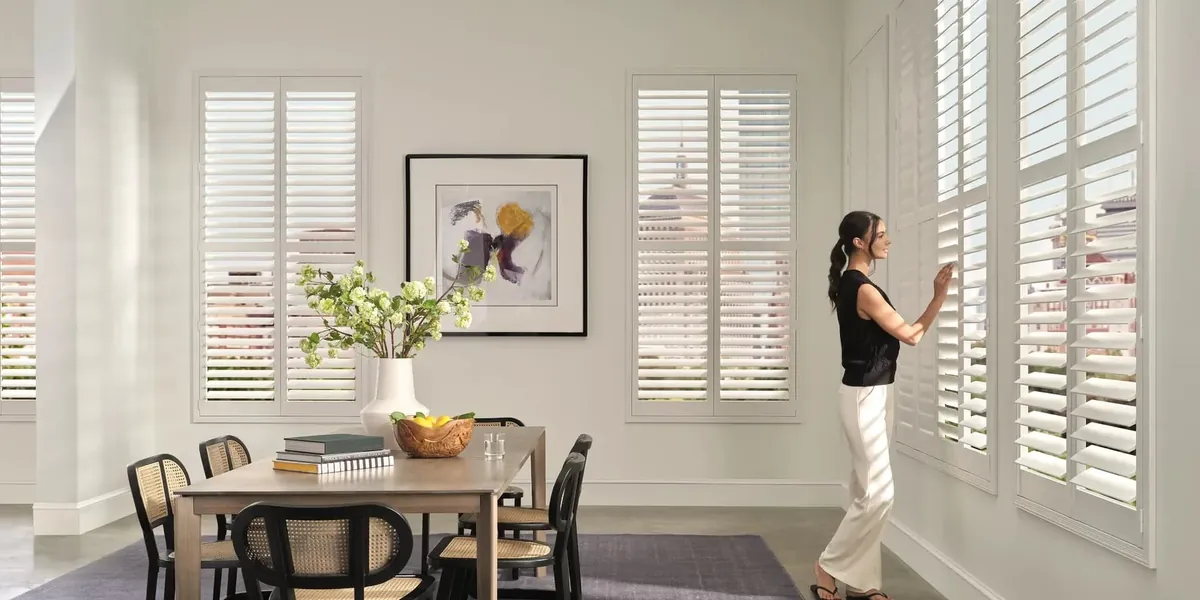
Palm Beach for damp corners
Polysatin with no wood, suited to an unheated house where the air stays damp through the winter.
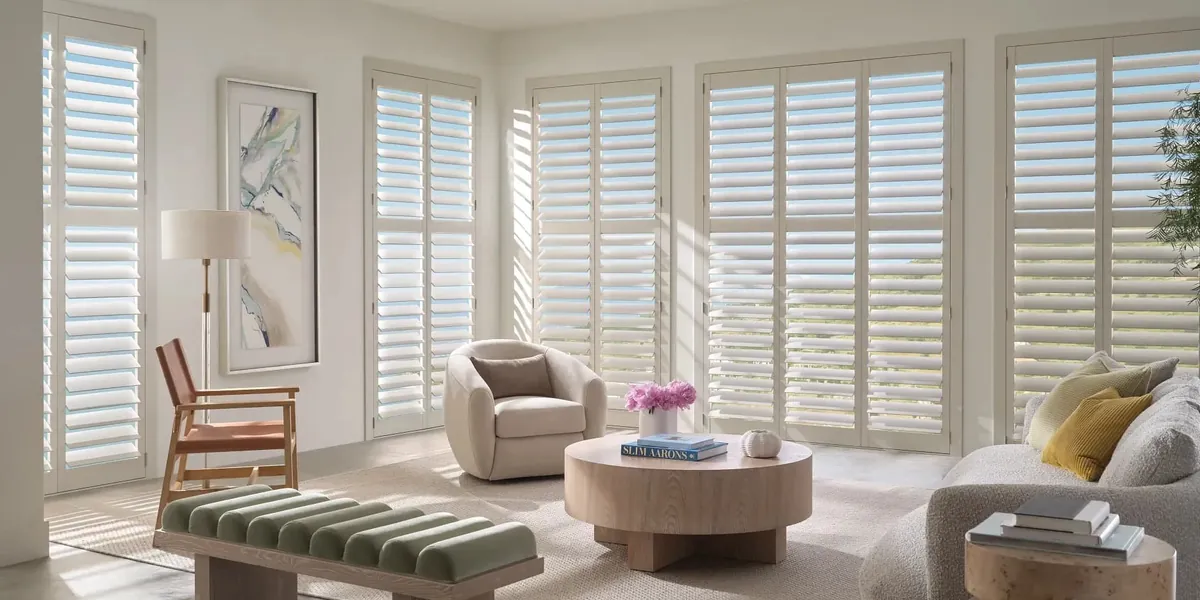
NewStyle for the newer houses
The look of painted wood in a hybrid material, for the larger, regular windows of a house built nearer the bay.
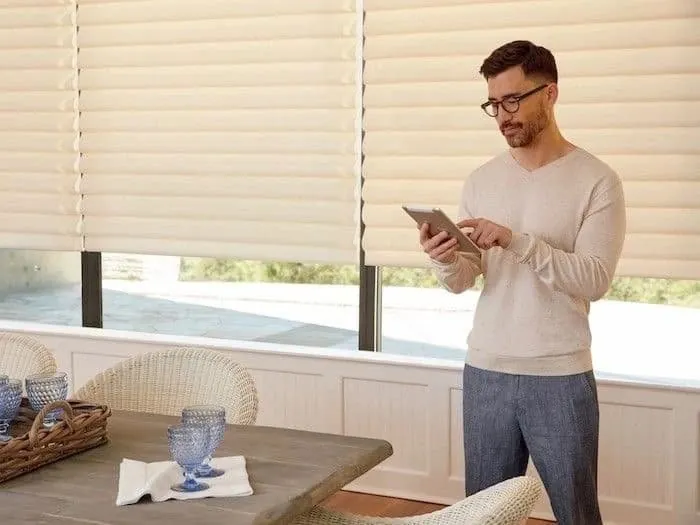
Motorized shades beside them
Shutters do not suit every opening. For a skylight or a high gable, a PowerView shade can sit alongside them.
Why a deep reveal is a gift
In a newer house the window frame is often nearly flush with the wall, which leaves little room to mount anything inside it. In an old Brewster cape the opposite is true. The walls were built thick, the window sits well back, and there is a broad, deep sill. That pocket of space is exactly what a shutter frame wants.
When the frame sits inside the reveal, the panels close flat within the opening, the casing stays fully on view, and from the street the window looks the way it always has. Open the panels and they fold back against the inside of the reveal instead of swinging out into the room, which matters in a small cape bedroom where the bed is a few steps from the window.
The deep sill brings one thing to plan for. Many older sills slope outward and are worn in the middle, so the bottom of the frame has to be set to sit level on an uneven surface. We check the sill at the visit and allow for it in the measurements, so the panels close true.
Light that comes through the trees
On a deep wooded lot the light at a window is never simple. In the morning it may come through the pines in moving patches. At midday the canopy filters most of it, and the room can feel dim. Late in the day, where the trees open toward a clearing or the road, a low sun can suddenly fall straight across the room for an hour.
Louvers suit that kind of light better than most coverings. On a dim day you open them fully and let every bit of daylight in. When the sun breaks through low under the branches, a small tilt is enough to turn it away from your eyes without darkening the room. A shade has to be raised or lowered to do the same thing, and it takes the view with it.
Leaf litter and pollen also find their way onto window coverings in a house among trees, particularly in spring when the windows are open. A shutter louver wipes clean with a damp cloth in a moment. That is one less chore in a house you may only be opening for the season.
The capes and their little windows
Antique capes in Brewster usually have small windows by modern standards, and they are rarely all the same size. A front room might have two windows that look matched from outside but differ in width once you measure inside the frame. Upstairs, the windows under the eaves are smaller again, and the gable ends may have one tiny window high on the wall.
Shutters are made to the measurements of each opening, so none of that is a problem. What matters more is proportion. A wide louver in a small window can look heavy, with only a few slats crossing a frame full of little panes. A narrow louver keeps the rhythm of the glass. For most antique rooms we suggest narrow or medium louvers, and we hold both up so you can see the difference for yourself.
Under the eaves, a shutter may be the only window covering that suits at all. There is often no room above the window for a headrail, and a shutter mounts within the frame, so it fits neatly where a shade would not.
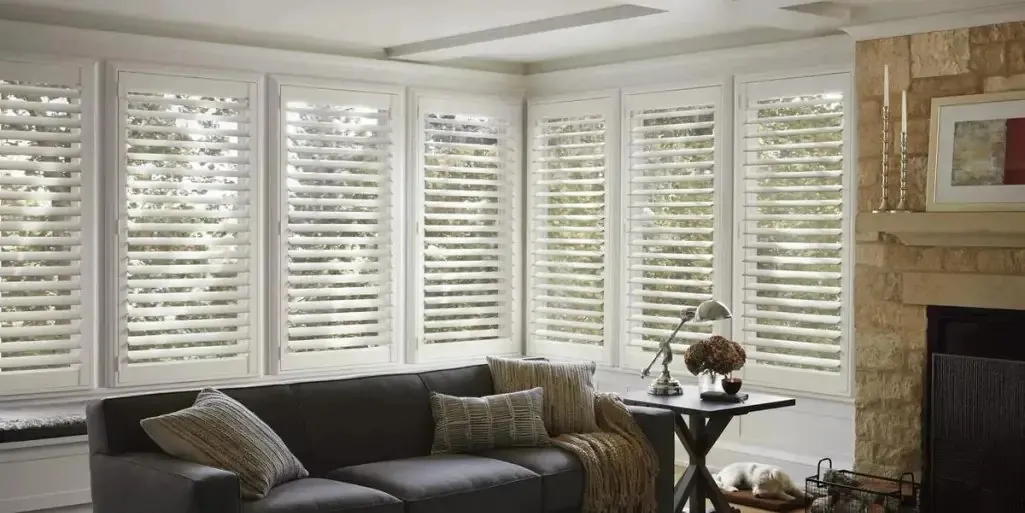
Federal houses along 6A
The Federal houses on the old road have taller windows than the capes, set in a formal row across the front. Their rooms have higher ceilings and, often, wide casings with simple, handsome trim. Many still have wood floors and stained woodwork in at least one room.
This is where Heritance hardwood earns its keep. It can be stained to sit beside original wood, or painted to match the trim, and it has the weight and finish that suit a formal room. A divider rail set at the height of the meeting rail on the sash lets the top and bottom louvers move on their own, and from outside it lines up with the window behind it.
In the front rooms we often suggest a frame that sits just over the inner edge of the casing. It covers the small gaps that open up in an old frame without hiding the moulding, and it gives the shutter a finished outline from inside the room.
Newer houses toward the bay flats
North of 6A, as the land drops toward the bay, the houses are more recent. Windows are larger and more regular, the rooms are brighter, and there are often sliders or French doors onto a deck. The trees thin out here, so more of the shading has to come from the window covering itself.
For these houses NewStyle is the usual starting point. It looks like painted wood, holds its shape well in a room that changes temperature through the day, and comes in wider louvers that give a clear view out to the flats when they are open. Sliders can take bifold or sliding panels on a track, so you can open the door without lifting anything.
In a bright room facing the water, tilting the louvers upward is the trick to remember. The sun hits the slats and bounces toward the ceiling, so the room stays light without glare on the floor or the screen.
When the house is closed for the winter
If your Brewster house sits empty from autumn to spring, the window coverings are left to look after themselves for months. That is a hard test for fabric. Curtains fade in the sun through the glass, and in a cold, damp house they can pick up mildew and a musty smell that lingers into summer.
Shutters cope with an empty season much better. Close the louvers when you leave and the floors and furniture stay out of the sun all winter. There is no fabric to absorb damp, no cord to perish, nothing to rehang. When you open the house again, wipe the louvers down and the room is ready.
For the rooms that get dampest when the heat is off, such as a ground-floor bathroom, a room over a crawl space or a kitchen near the back door, we suggest Palm Beach polysatin. It contains no wood, so changes in humidity do not trouble it. For the main living rooms, NewStyle or Heritance both handle a seasonal house well.
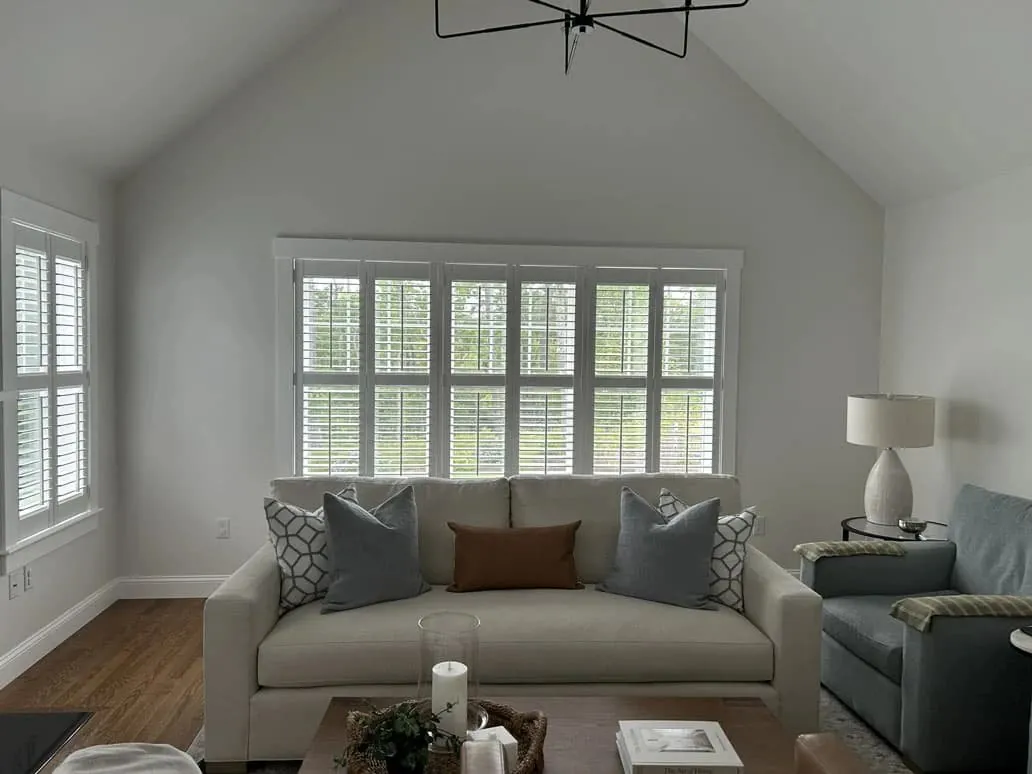
How we measure an antique opening
Old windows look regular from a distance and rarely are up close. Getting the measurement right is what makes plantation shutters in Brewster look as if they came with the house.
- We measure the width of each opening at the top, middle and bottom.
- We measure the height on the left, in the center and on the right.
- We check the depth of the reveal and note anything that stands proud, such as old sash locks or window stops.
- We check the sill for slope and wear, and decide how the frame will sit on it.
- We look at whether the opening is square, and choose a frame that will hide any difference.
- We confirm every louver width, frame and color with you before anything is ordered.
When the shutters arrive, our certified Hunter Douglas installers fit each frame, set the panels so they close evenly, and show you how the louvers and hinges work. If you would like to read more first, our guide to shutters for older windows covers the common problems with antique frames.
Hinges, tilt and how the panels open
Small details decide how a shutter feels to live with, and in an old house a few of them matter more than usual.
The first is how the panels open. In a cape bedroom with the bed close to the wall, panels that fold back neatly inside a deep reveal are a real advantage. On a wider Federal window, two or four panels hinged in pairs open out like a set of doors, and we plan the hinge side so they clear any furniture or radiator below.
The second is the tilt control. A rod on the front of the panel is the traditional look and suits an antique room well. A hidden tilt, where the control sits along the back edge of the louvers, gives a cleaner face and a slightly clearer view, which many people prefer in a newer house near the bay. You can choose differently room by room.
The third is the divider rail. Set at the meeting rail of the sash, it lets you open the top louvers for light while keeping the bottom closed, and from the road it lines up with the window behind it. In a house with a strong historic face along 6A, that small alignment is part of why plantation shutters in Brewster look right from outside as well as in.
Choosing a color for an old house
Most shutters in older houses are white or off-white, and there is good reason for it. A light shutter reflects daylight back into the room, which helps in a small cape room with modest windows. It also sits quietly behind old glass, so from the street the house keeps its traditional look.
That said, white comes in many shades, and an antique house rarely has pure white trim. We bring a range of whites and off-whites so you can match the paint already on your casings. If your woodwork is stained, Heritance can be stained to match, and we bring stain samples to hold against the trim.

A Gallery dealer in your own rooms
Blinds & Designs is a Hunter Douglas Gallery dealer, which is the brand’s own title for dealers who meet its standards. In practice it means all three shutter collections, every louver width and every frame are on the table at your consultation.
Our vans carry samples, so we can bring the showroom to you. That matters on a wooded lot, where the light at the window is nothing like the light in a store. You see the shutters against your own trim, with your own trees outside, and you get a free estimate before you decide anything.
The same certified Hunter Douglas installers who fit your shutters can help with the rest of the house too. See cellular shades in Brewster or custom blinds in Brewster, everything we offer in town on our Brewster page, or the full range on our plantation shutters page. If you would like help with color and fabric across a room, ask about an interior design consultation at the same visit.
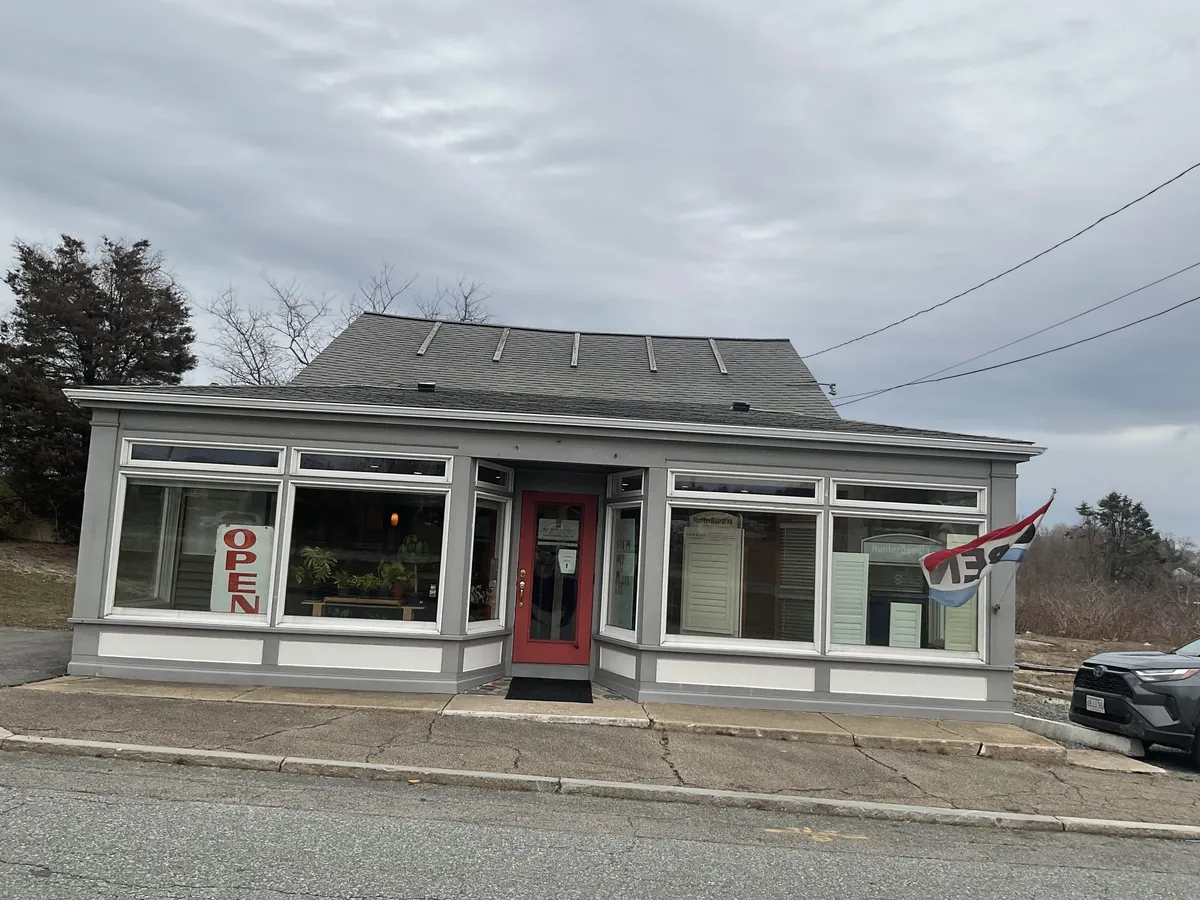
Sagamore, our nearest showroom
The Sagamore showroom is our nearest location to Brewster, at the Cape end of the bridge and straight down Route 6 from town.
Most Brewster customers prefer the consultation at home, because the light under the trees and the depth of an old reveal are things you can only judge in the house. If you want to see us first, you are welcome to start in Sagamore and book the visit to measure from there.
Questions from Brewster
My cape has very small windows that are all slightly different sizes. Is that a problem?
Not at all. Every panel is made to the measurements of its own opening, so small and uneven windows are routine. We usually suggest a narrow louver for small antique sash, because it stays in proportion with the panes.
Can I leave shutters closed all winter while the house is empty?
Yes, and it is one of the best reasons to choose them for a second home. Closed louvers keep the sun off floors and furniture, and there is no fabric to fade or pick up damp. For the dampest rooms, Palm Beach polysatin contains no wood at all.
Will the shutter fit inside my deep window reveal?
A deep reveal is ideal. The frame sits inside the opening, the panels close flat within it, and the casing stays on view. We check the sill for slope at the visit so the frame sits level.
Which collection suits a newer house near the bay flats?
NewStyle is the usual starting point for larger, regular windows. It gives the look of painted wood and comes in wider louvers for a clearer view out when they are open.
Is there a charge for the estimate?
No. After we measure, you receive a free estimate for the shutters you are considering. Request a consultation and we will arrange a time to come to the house with samples.
Start with a visit to the house
The simplest way to choose plantation shutters in Brewster, MA, is to see the samples in your own deep reveals, against your own trim, with your own trees outside. Request a consultation and we will bring all three collections, measure every window and leave you with a free estimate. If you would rather talk first, use the call button, or start at our Sagamore showroom.