
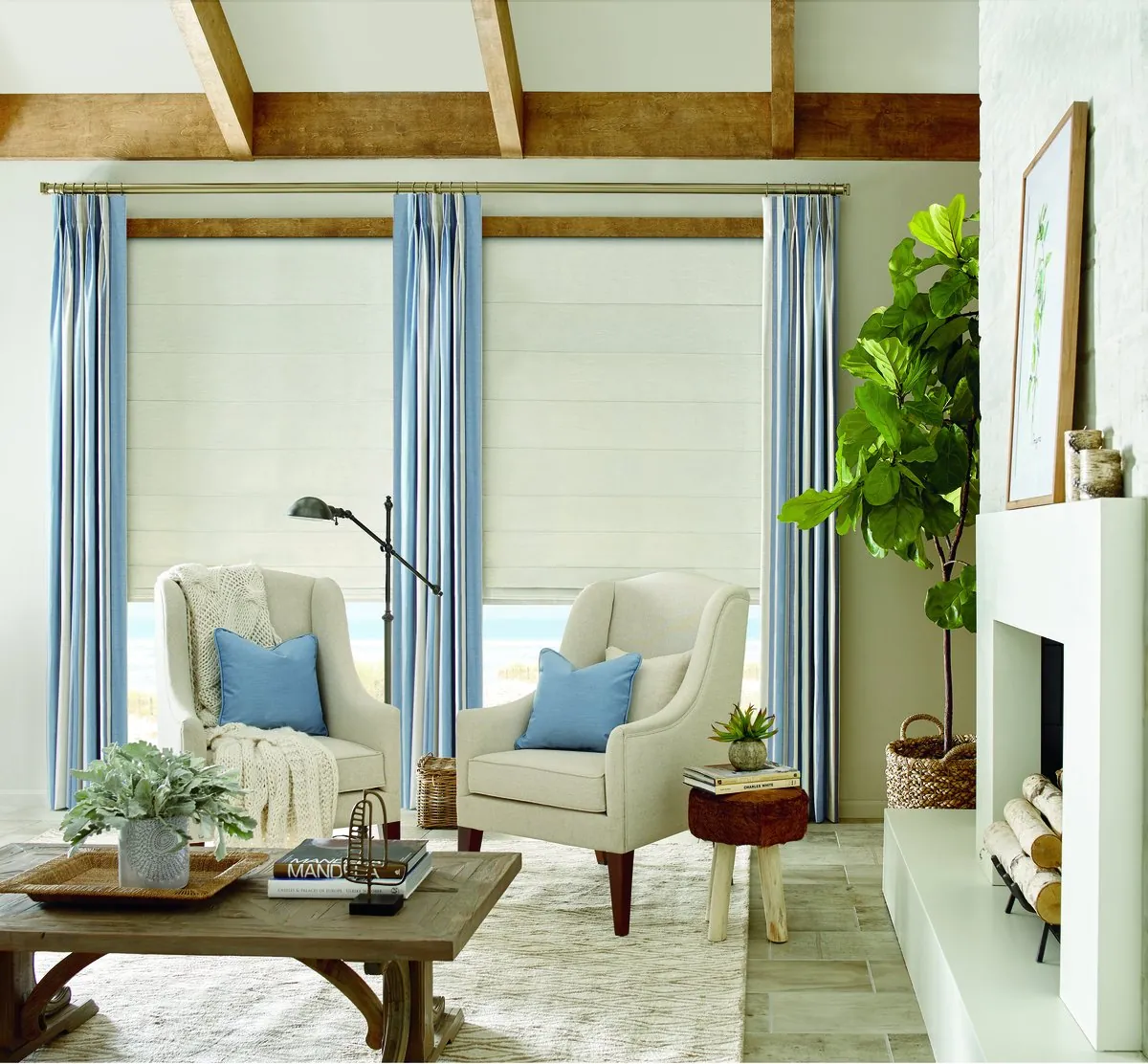
Tall sash at the center, standard sizes further out
Norwood’s housing changes as you move out from the common. Close in, Victorians and two-families stand shoulder to shoulder, their tall sash looking across narrow side yards at the house next door. Further out, the post-war capes and ranches on the newer streets have standard-sized windows and a little more room around them. Most decisions about window treatments in Norwood, MA, depend on which of those two parts of town the house is in.
Near the center, the questions are about tall, narrow windows in older frames and about privacy where houses are close-set. On the newer streets, the windows are easy to fit, so the questions turn to light, comfort and how each room is used.
We start most Norwood projects at home, with a consultant and a van full of samples, so you see every option at your own glass. Below are the services we offer in town, each with its own page.
What we offer in Norwood
Each card stands for one of our window treatments in Norwood, MA, and links to its own page. Start with the room that troubles you, or arrange a visit and weigh everything side by side.
Custom Blinds in Norwood
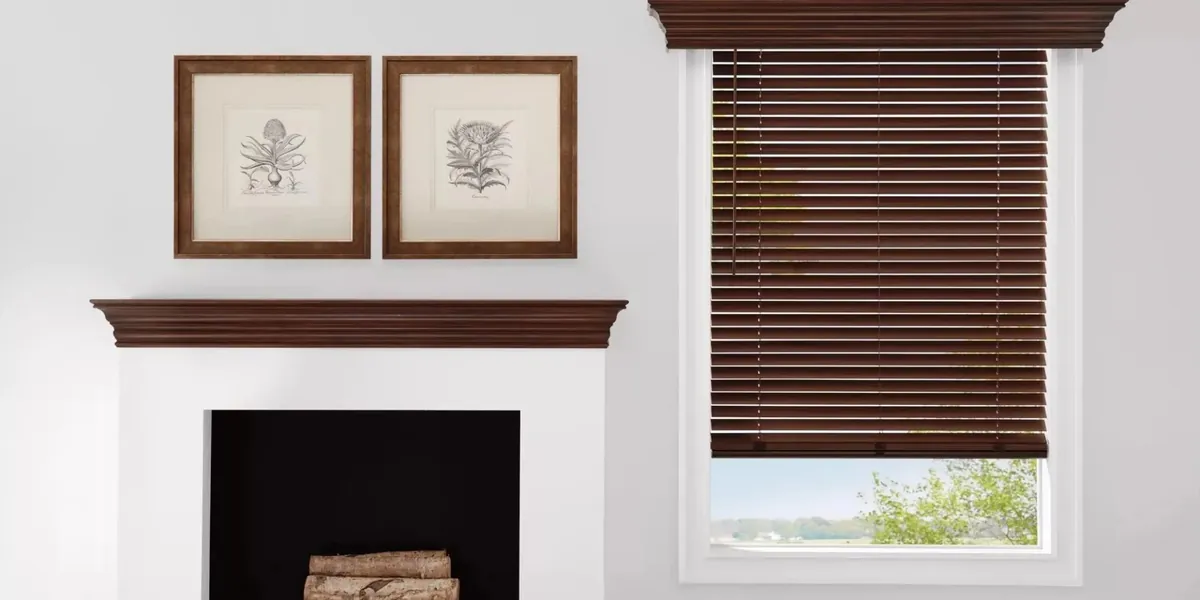
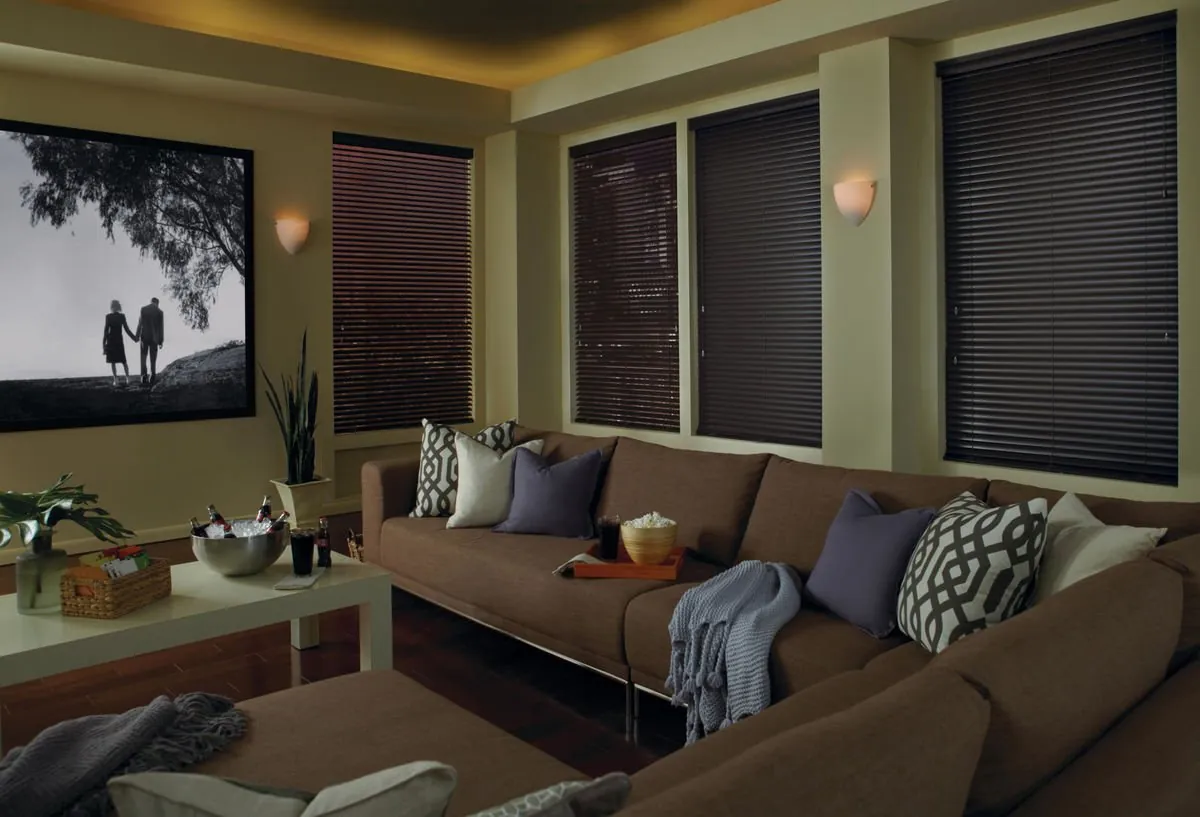
Real wood, faux wood, metal and vertical blinds. Wood with a matching cornice suits a Victorian parlor; faux wood suits a ranch kitchen.
Cellular Shades in Norwood
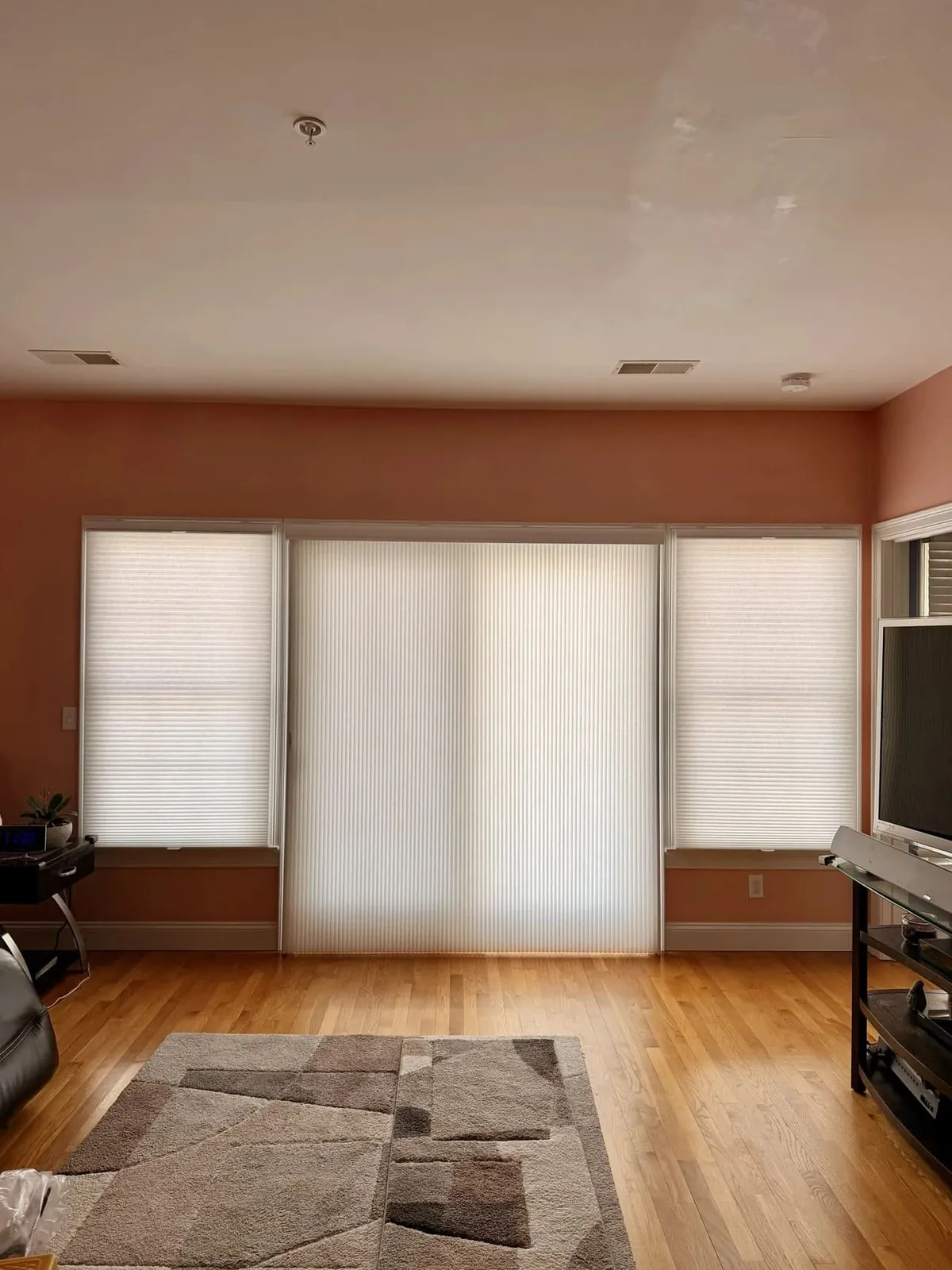
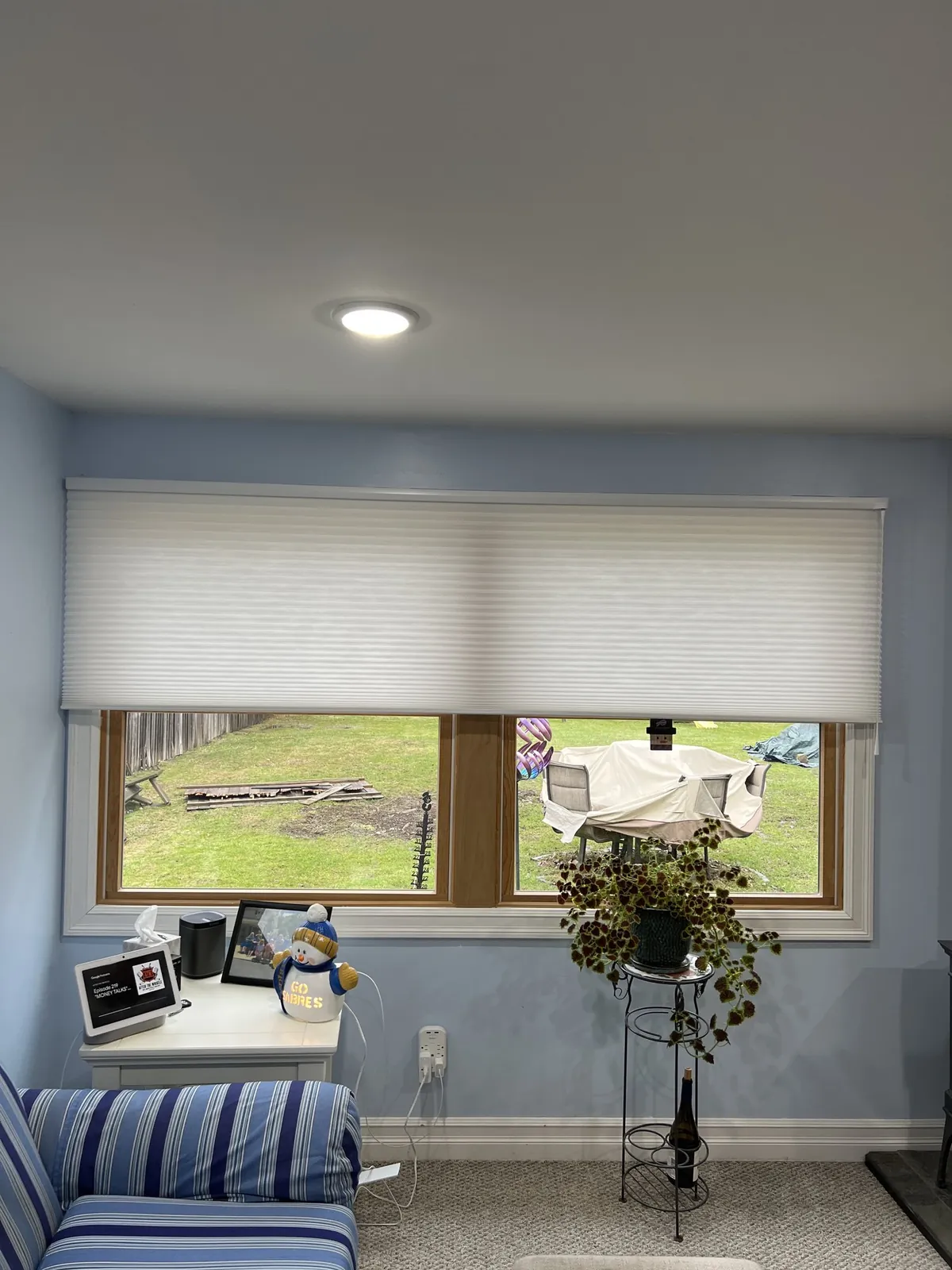
Honeycomb shades in the Duette and Applause ranges. The cells hold air against tall old glass, and a vertical version covers a slider.
Roller Shades in Norwood
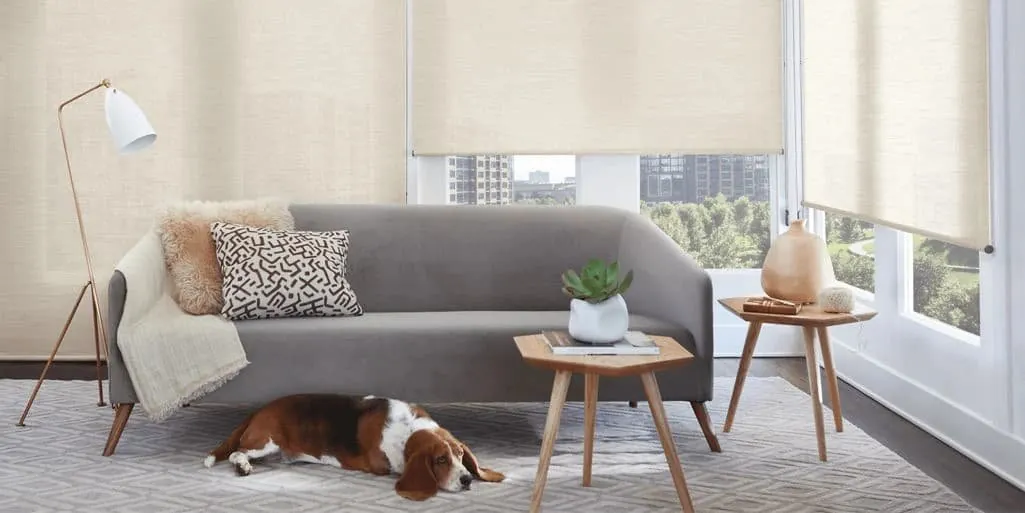
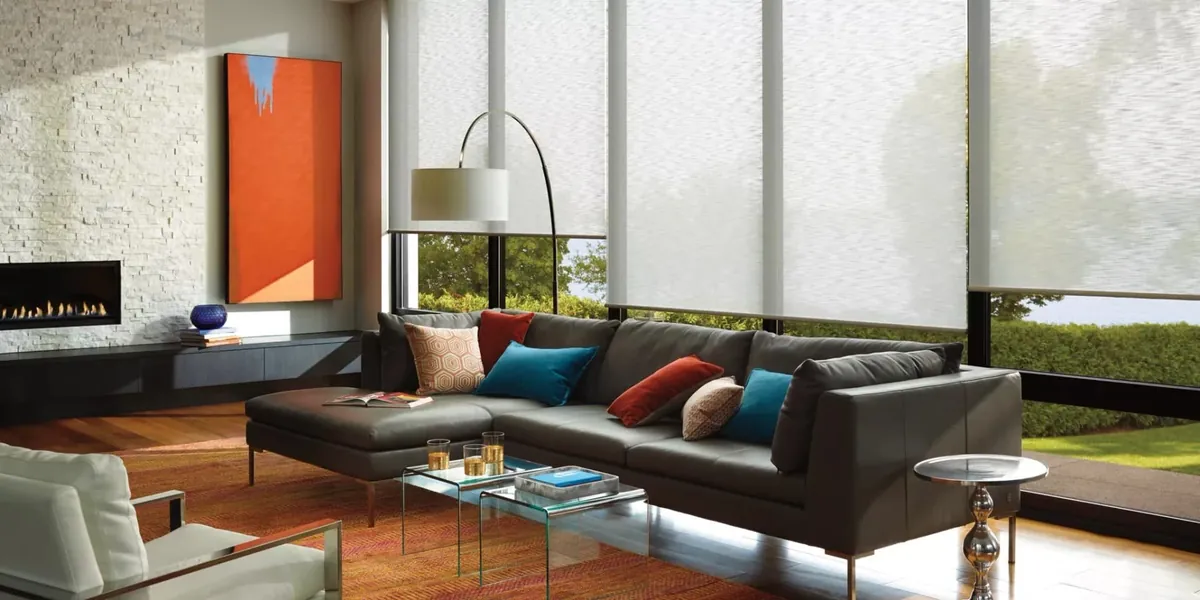
Designer Roller and Alustra shades and screens, slim enough for a tall sash and simple enough for every window in a ranch.
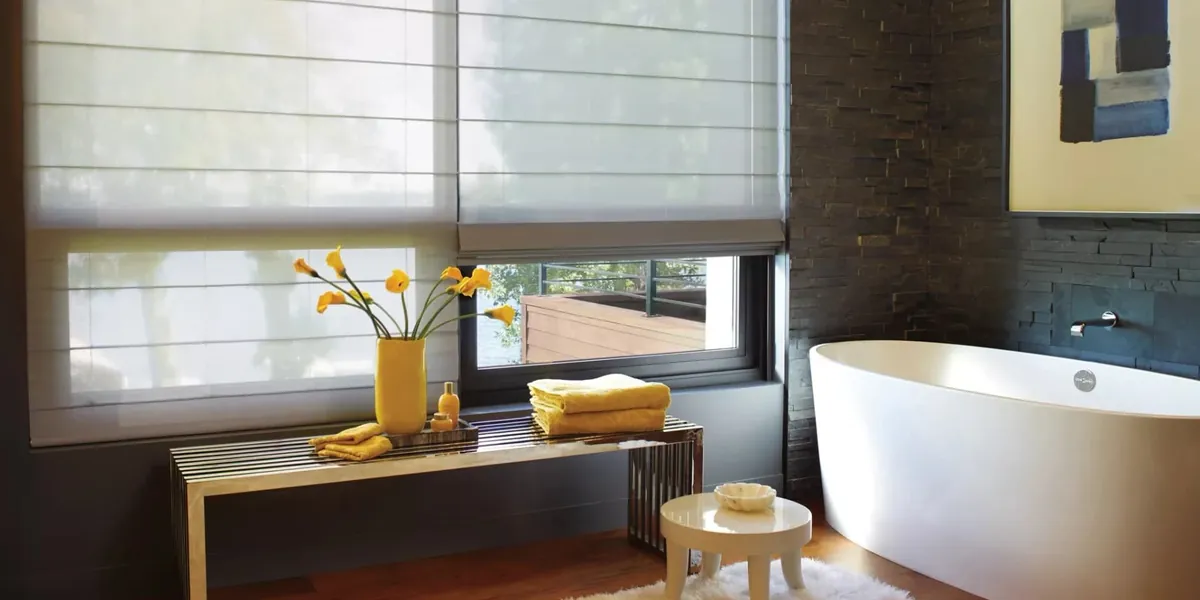
Roman Shades in Norwood
Folded and flat styles from Carole Fabrics and Vignette, sheer or lined, for anything from a bathroom to a formal front room.
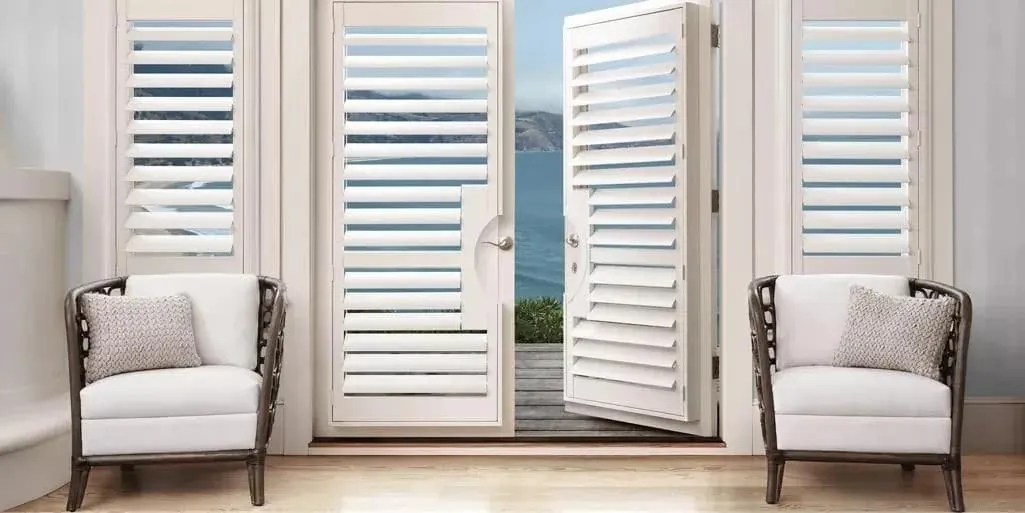
Plantation Shutters in Norwood
Shutters from Palm Beach, Heritance and NewStyle, with a divider rail on tall sash so top and bottom open on their own.
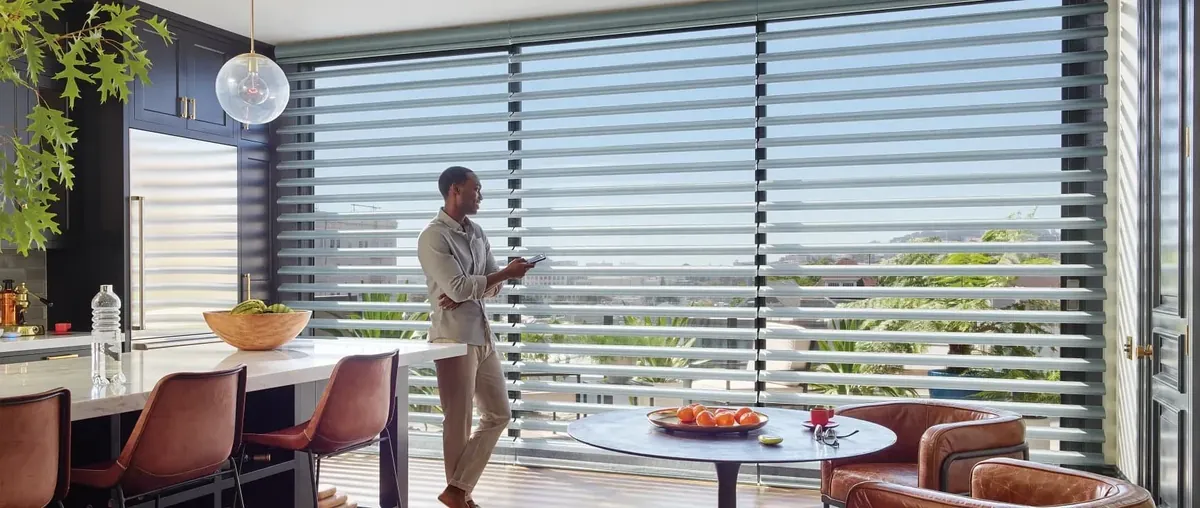
Motorized Blinds and Shades in Norwood
PowerView puts the top of a tall sash within reach, with remote, app and scheduled control.
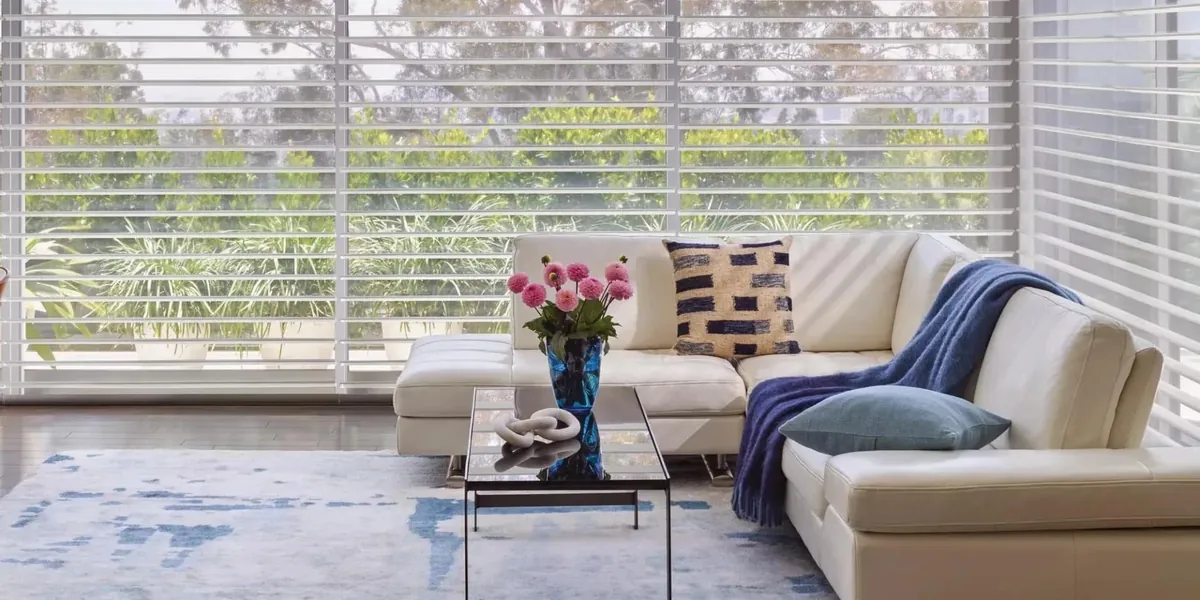
Hunter Douglas Dealer in Norwood
A Gallery dealer offers the full Hunter Douglas line and fits it with certified installation.
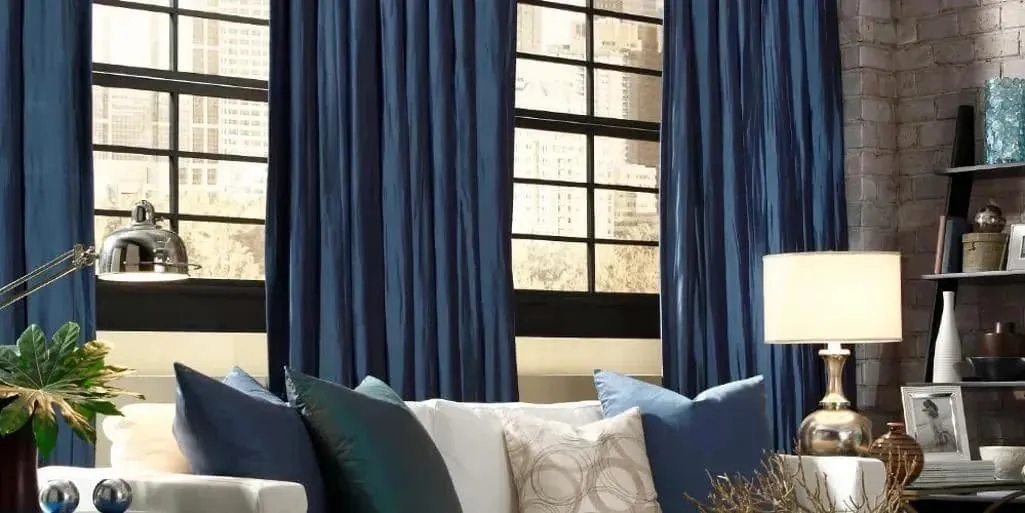
Custom Drapery in Norwood
Panels made to your measurements, hung high to emphasise tall windows or layered over a shade for night-time privacy.
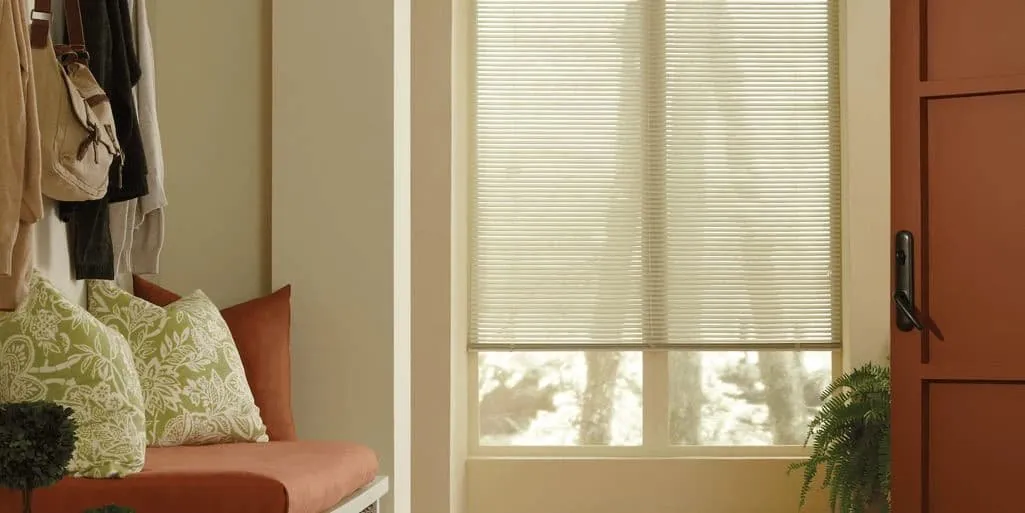
Blind and Shade Repair in Norwood
Help with blinds and shades already hanging in your house, from a tired cord to a lift that slips.
Close-set houses around the common
Around the common the older houses sit tightly together, often with only a narrow strip of yard or a driveway between them. The tall sash on the sides of these houses can look almost straight into a neighbor’s rooms, which makes privacy on the side windows as important as on the front.
The trick is to keep the light while blocking the view. With tall windows there is a lot of glass above eye level, and that upper part can stay open without anyone seeing in. That is why top-down, bottom-up shades and shutters with a divider rail are so popular in this part of town: the top lets in sky, and the bottom stays covered.
Light-filtering fabric helps as well, since daylight makes it luminous and the room behind it stays out of sight. Once lamps go on, though, it turns translucent from outside, so a close-set room needs either a denser fabric or drapery to pull across at night.
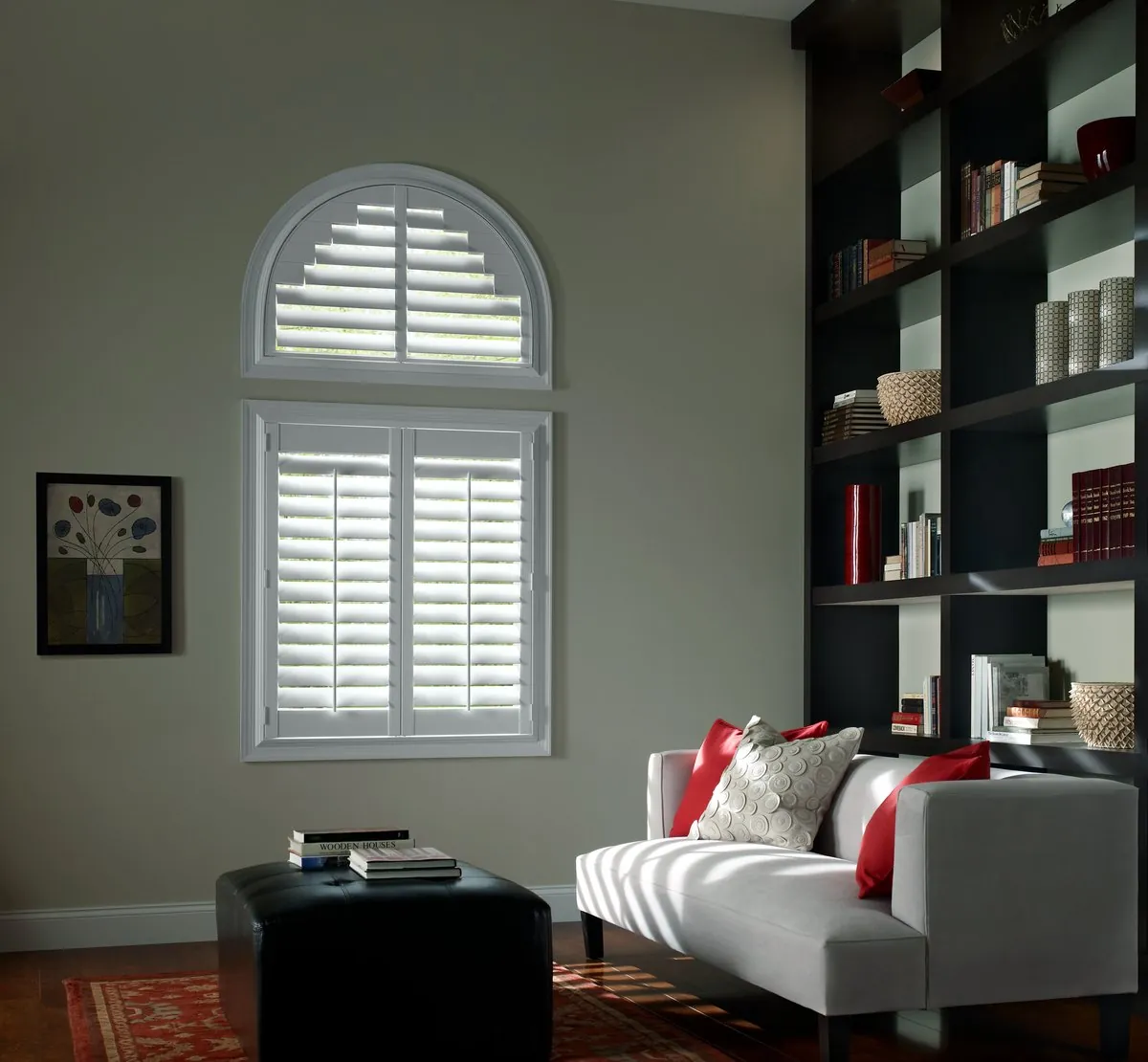
Two-families near the center
A good share of the two-families close to the common were built with the same tall sash as the Victorians around them, upstairs and down. That makes them some of the most window-heavy homes in town for their size, and the two floors behave quite differently.
The ground-floor flat looks out under a porch roof, so its front parlor lives in soft, indirect light for much of the day. Covering those windows with anything heavy makes the room dim, so a light-filtering honeycomb, a sheer shading or a roller in a pale, open weave is usually the better call. The upper flat has no porch overhead, and its tall sash catch the afternoon full on. Up there, a honeycomb fabric that slows heat, or a screen that cuts glare while leaving the view of the street, does more good.
Seen from the sidewalk, the building reads as one facade. A shared outward color across both floors keeps it looking orderly, whether one household is changing its windows or both are. Where both flats are being done together, settling on a single main product for the bulk of the openings shortens the decisions and the paperwork.
Four ways to cover a tall sash
Tall, narrow windows are the defining feature of the older housing here, and they come up at almost every visit near the center. These are the four approaches we use most.
- An inside-mounted honeycomb shade. It fits within the frame, keeps the trim on view and holds air against old glass for warmth. A top-down, bottom-up version opens the upper glass while covering the lower.
- A slim roller shade. It rolls tight onto a small tube at the top and clears the glass completely when raised. A screen fabric keeps the view while cutting glare.
- Shutters with a divider rail. The top and bottom sections tilt or open separately, giving light above and privacy below, and the frame can square up an older opening.
- A roman shade with drapery. The softest look for a formal front room, with panels hung near the ceiling to make the most of the window’s height.
Whichever you choose, depth decides the mount. Older frames can be shallower than they look because of the sash stops and weights, and they are rarely square, so we measure each window at several points and suggest a slim outside mount where an inside one would be too tight.
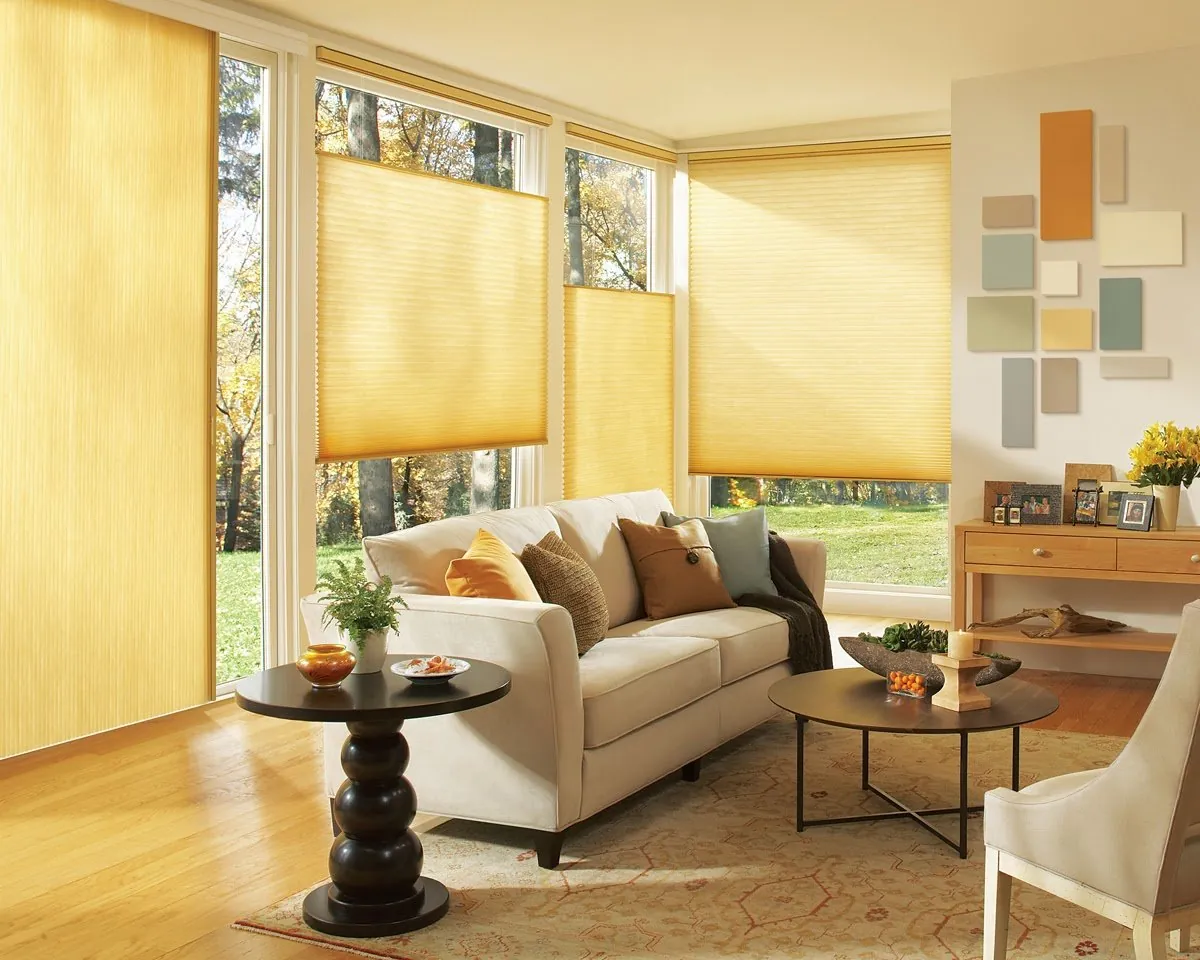
Radiators, sills and old interiors
Older houses near the center often still have radiators set under the windows, wide interior sills and deep window stools, and those details matter when choosing a covering. A shade that hangs past the sill can sit on a radiator, collect dust and block warm air rising into the room, so an inside mount that stops neatly at the sill is usually the better plan. Shutters set into the opening clear the radiator altogether and let you open the panels for cleaning.
Interior trim in these houses may be original stained wood or many coats of paint, and either way it is worth keeping on show. Stained wood blinds or shutters can be matched to original woodwork, and painted shutters can be finished to the trim color so they look as if they came with the house. We bring finish samples so you can hold them against the casing before deciding.
Entry halls and stairs in the older houses
The Victorians and two-families near the common often have a narrow front hall with a tall window beside or above the door and a window on the stair landing. Those windows are hard to reach and easy to forget, yet they face the street and are seen every time someone walks past.
A slim roller or a honeycomb shade on the landing window keeps the stair bright by day and private at night. For a transom or a sidelight beside the door, a narrow honeycomb shade or a fixed sheer fabric gives privacy without darkening the hall. Where the landing window is out of reach from the stair, a PowerView motor saves balancing on the treads every evening.
Bays and corner windows on the Victorians
Many Victorians near the common have a bay at the front or a pair of windows meeting at a corner, and those shapes need a plan of their own. A bay usually has a wide center window flanked by two narrower ones set at an angle, all tall sash, and the aim is for every covering to stop at the same height when lowered and to stack evenly when raised.
Measuring the bay as a set, rather than three separate windows, is what makes that work. Honeycomb shades, rollers and roman shades can each be made so their rails line up across the angles, and the headrails are cut so they meet neatly in the corners without touching. Shutters suit a bay especially well: each panel is built to its own opening, and with the louvers open the whole bay glows. For a corner pair, a light-filtering fabric that wraps both windows in the same color keeps the corner from looking patchy from inside or from the street.
Reaching the top of the window
The taller the sash, the harder the top is to reach. Lifting a heavy shade or stretching for a cord on a window that runs nearly floor to ceiling gets old quickly, especially behind a sofa or a radiator. PowerView motorization takes that away: a remote, the app or a schedule raises and lowers the shade for you.
Schedules are especially handy in close-set houses, where you might want the side windows closed every evening when the lights go on. Our motorized blinds and shades in Norwood page explains the options for control and power.
Out toward the post-war streets
Away from the common, the streets were laid out later and filled with post-war capes and ranches. The lots open up a little, the windows are standard sizes, and the fitting becomes simple: almost anything in the Hunter Douglas catalog goes inside the frame without fuss.
Capes on these streets put their bedrooms under the roof, lit by dormers recessed into short nooks. A shade mounted within the dormer frame keeps the nook usable, and with beds and dressers tight to the glass, a cordless lift saves tangles. Ranches stretch out on one floor instead, with the bedrooms in a row and the living room built around a broad front window. That window can carry one wide roller, a sheer shading across its full width, or a honeycomb shade divided into panels that share a headrail and move together or apart.
Planning a whole ranch or cape with matching products is easy when every opening is a standard size, and the front of the house ends up looking neat from the street without any special effort.
What standard sizes make easy
When the windows are square and true, the choice is about what you want rather than what will fit. That makes it easier to think room by room.
- Kitchens. Faux wood blinds or polysatin shutters that handle steam and wipe clean, with cordless operation over the sink.
- Living rooms. Light-filtering honeycomb or sheer shadings that brighten the room by day and give privacy at night.
- Bedrooms. Room-darkening honeycomb or roller fabrics, perhaps with drapery for the darkest result.
- Bathrooms. Shutters, faux wood or a moisture-friendly roman shade, top-down if privacy at street level is a concern.
- Home offices. Screen fabrics or light-filtering shades to take the glare off a monitor.
Different products in different rooms are perfectly normal, provided the colors are picked as a family. Thinking this way about window treatments in Norwood keeps the whole house calm.
Bedrooms on the street side
In both parts of town, many bedrooms face the street. Close to the center, they may be only a short distance from the sidewalk; further out, a ranch’s bedrooms often line the front. Either way, they need privacy at night and, for most people, darkness in the morning.
Room-darkening honeycomb shades are a strong choice: dark inside, neutral-colored on the street side so the front of the house still looks consistent. A roller in a blackout fabric behind drapery gives the deepest darkness for a shift worker or a light sleeper. For a child’s room, a cordless lift keeps things safe and simple.
A home visit in Norwood
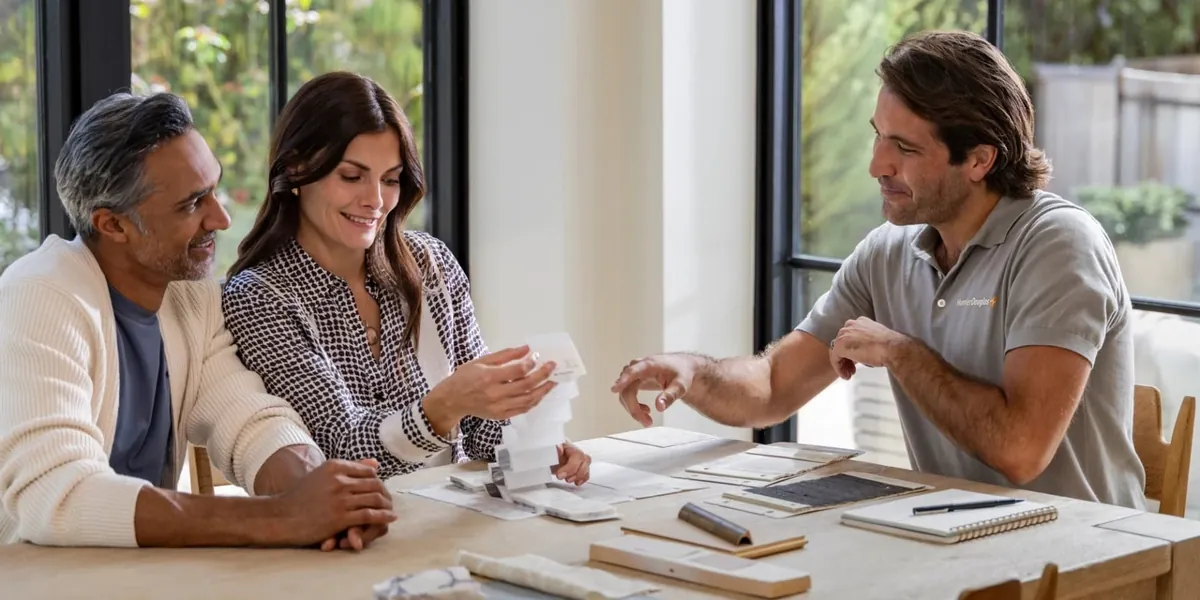
The shop-at-home service is run from neighboring Canton, and because the vans travel stocked with samples, we can bring the showroom to you. On a close-set street, that matters: the only honest test of a privacy fabric is to hang it at your own side window, with the house next door right there.
- Ask for a visit through Request a Consultation, or reach us with the call button.
- The consultant brings shade fabrics, blind and shutter samples, drapery swatches and a PowerView remote to try.
- You choose where to begin, often the tall side sash that faces a neighbor’s kitchen.
- Each swatch is pressed to the glass, once with the lights off and once with a lamp on, to show day and night privacy.
- Every opening is taped, and tall old frames are checked for square and depth.
- A free estimate is written up afterwards, with no deadline attached.
Pulling color and fabric together across a room is what our interior design consultations are for. To read how the home service is organized, visit the Canton shop-at-home page.
Drapery on tall windows
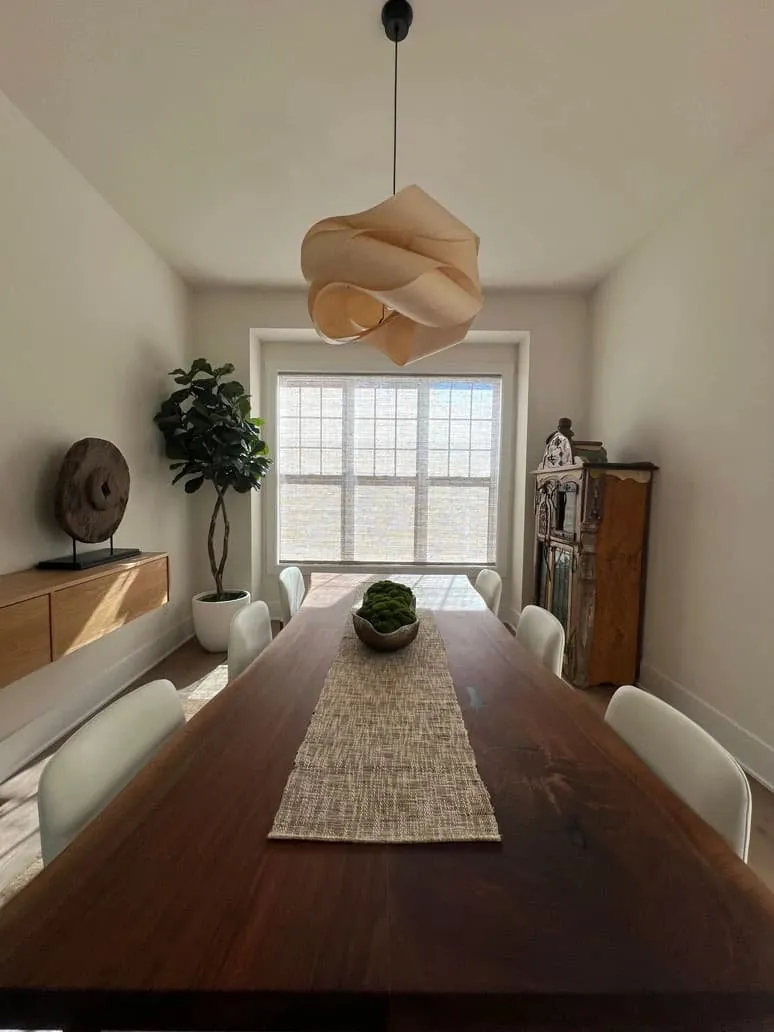
Tall windows are made for drapery. Rods fixed just under the ceiling, rather than tight above the frame, lift the eye and stretch the room. Drawn over a honeycomb or roller at night, the panels add the extra privacy and warmth that close-set rooms near the center so often lack. Our custom drapery in Norwood page covers styles and fabrics.
Repairing what you already have
Blinds and shades wear out in particular ways: cords fray, lifts slip, tilts stop turning and motors stop answering. Many of those faults can be fixed. We welcome repair work on window coverings you already own and will be straight with you when replacing would be wiser. See blind and shade repair in Norwood for details.
Why we come to you
So much of a Norwood decision comes down to how a window looks from the driveway or the porch next door that it makes sense to choose on the spot. Our consultants carry the cases through your front door and set each swatch exactly where it would go.
Anyone who wants to handle products in a store first can head to Franklin, where our nearest showroom is; its page has the address, hours and phone. Plenty of Norwood customers simply skip that step.
Gallery status, and what it means here
Hunter Douglas singles out dealers who meet its standards with the Gallery designation, and Blinds & Designs carries it. For a tall sash by the common or a ranch window on a post-war street, nothing is held back: honeycomb, roller, screen, roman, sheer and woven shades, slatted blinds in each material, shutters, drapery and PowerView.
Fitting is done by installers Hunter Douglas has certified. Free estimates, interior design consultations, automation and repairs are part of how we handle window treatments in Norwood.
Questions from Norwood
What is the best way to cover a tall sash window?
It depends on the room. A top-down, bottom-up honeycomb shade gives light above and privacy below with good warmth; a slim roller clears the glass completely; shutters with a divider rail open top and bottom separately; and a roman shade with drapery is the softest look. We bring samples of each.
My side windows look straight into the next house. What helps?
Keep the top of the window open and the bottom covered, with a top-down, bottom-up shade or shutters with a divider rail. Light-filtering fabrics also hide what is inside during the day.
Will a shade fit inside my old window frame?
Often, but older frames can be shallow because of the sash hardware and are rarely square. We measure each one at several points and suggest a slim outside mount where an inside mount would be tight.
Where would I see the products?
In your own rooms. The shop-at-home service brings the cases to you. Anyone keen to visit a store as well can drive to the Franklin showroom.
Do I pay for the estimate?
No. The estimate is free. We measure every window, then write up the options you chose for you to consider in your own time.
Your next step
Tall sash by the common, a ranch window further out, or every opening in a two-family: planning window treatments in Norwood, MA, begins with a visit to your house. Request a consultation, and the cases, the measuring and a free estimate all come to you. For a word beforehand, press the call button.
Every product line we offer is gathered on our window treatments page.