
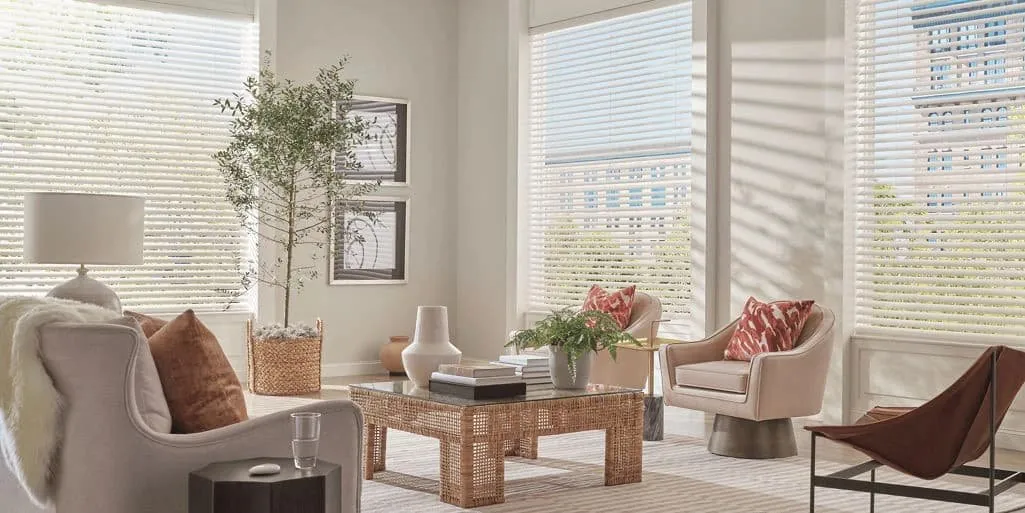
Mill houses and capes along Main Street
Millville is small, and its housing tells a simple story. The older houses are mill housing, put up with original narrow sash that was cut to suit each opening. The newer ones are post-war capes, built once window sizes had become standard and the frame on one house matched the frame on the next. Most of both sit on modest lots along Main Street, near enough to the road and to one another that privacy and daylight both need some thought.
Those two kinds of window lead to two different jobs. A narrow original sash has to be measured and built for exactly, because nothing off the shelf will sit in it well. A standard cape window is easier, yet still looks and works better with a blind made to its own size. Either way, custom blinds in Millville, MA, begin with the window you actually have.
Being on Main Street adds a third thread. Front rooms face passing traffic and the houses opposite, so the street-side blinds have to give privacy while letting the day in.
Picking custom blinds in Millville, MA, room by room
These six cover most of what Millville houses ask for. Each is a Hunter Douglas range that comes to your door as samples, so it can be judged against your own paintwork before you decide anything.
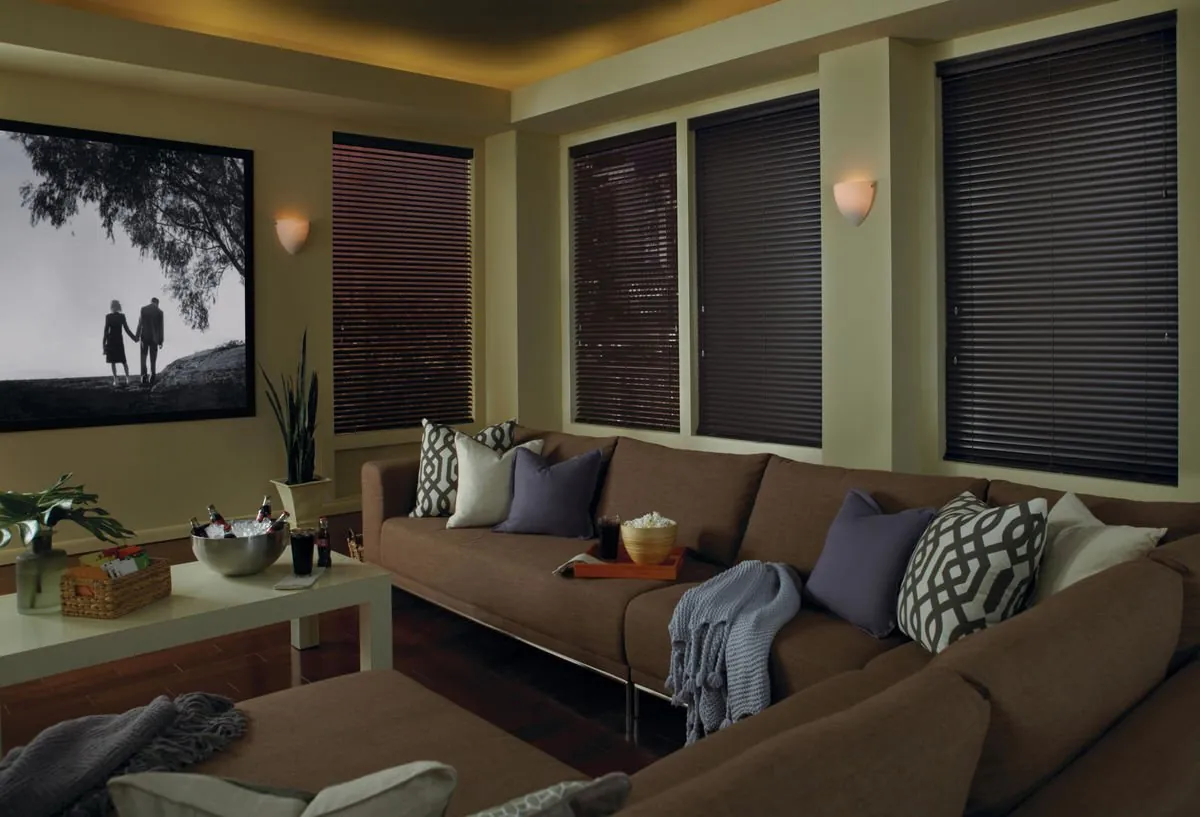
Wood blinds for a darker room
Deep-toned wood slats, shut tight, for a bedroom or a television room that faces the morning sun.
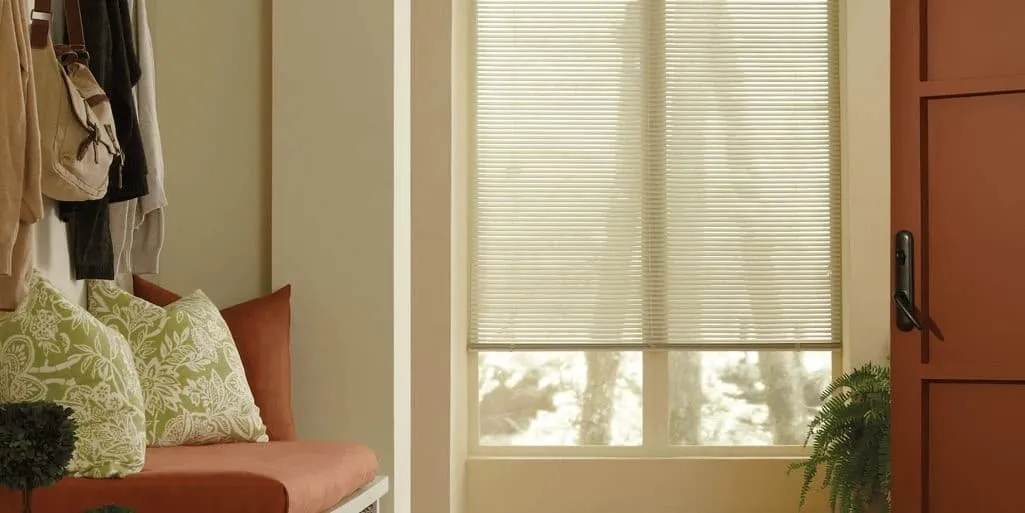
Metal blinds for a back door
A low headrail that sits on door glass and stays clear of the frame as the door swings.
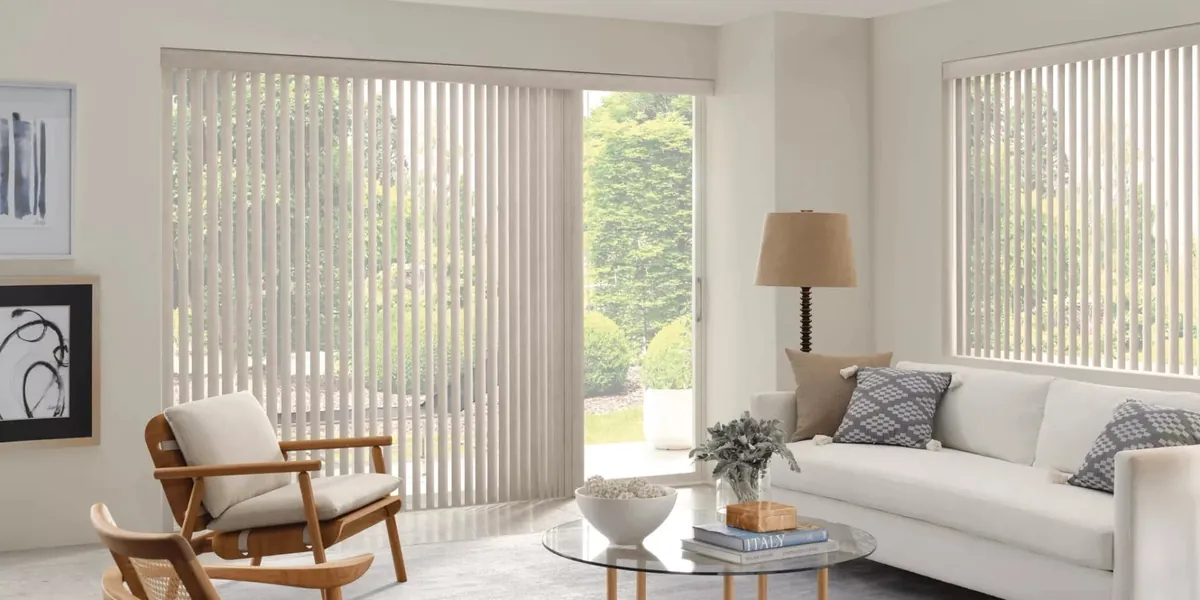
Vertical blinds for a slider
Vanes that bunch at one end when you step out to the yard, and swivel for privacy when drawn across.
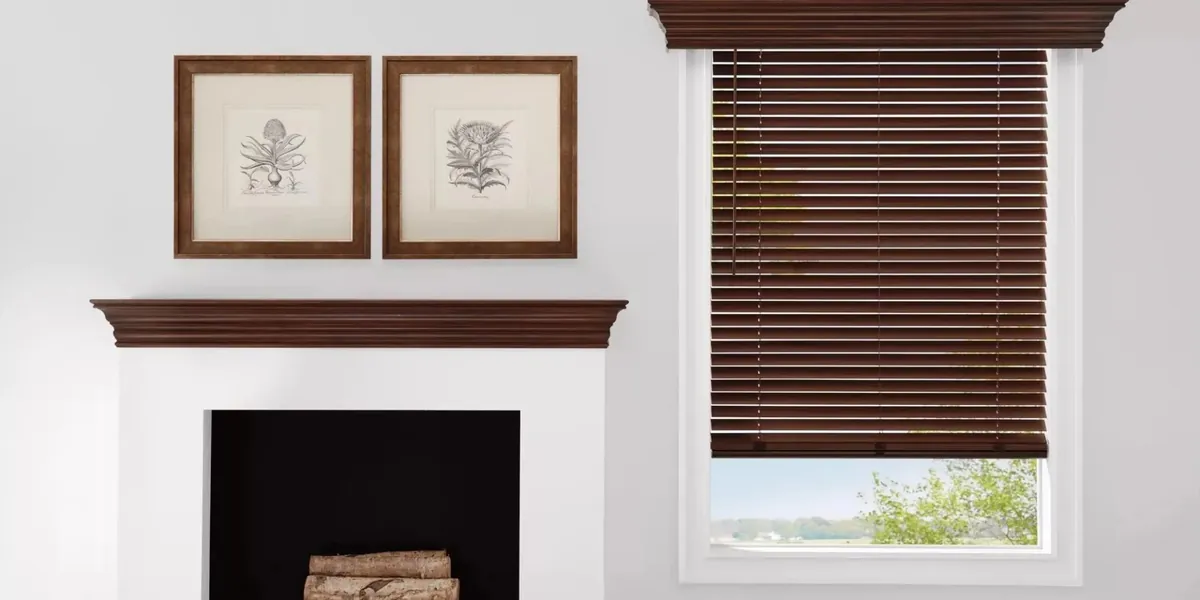
Parkland wood blinds
Real wood in stains and paints, a common pick for the front room that looks onto Main Street.
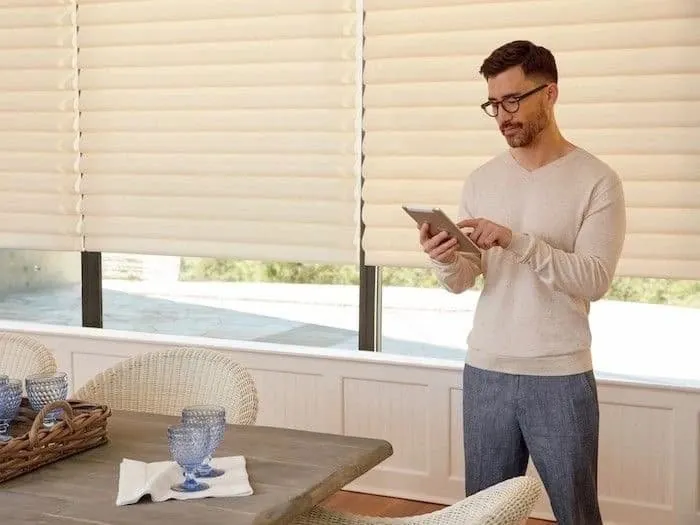
Motorized blinds in Millville
PowerView lets a tablet, phone or remote raise, lower and tilt, or have the blinds move at set times.

Interior design consultations
Help pairing slat colors with walls, floors and everything else in the room.
The narrow sash in the mill houses
Original sash in the older mill housing is slim, often tall for its width, and it was fitted to the building rather than ordered by catalog size. Over a great many winters the frames have shifted. A window can be a touch broader at its head than at its sill. A pair sharing one wall may not agree. A blind made to a stock width would leave daylight showing in one and jam in the other.
So every narrow opening is measured on its own terms. Width is recorded at the head, halfway down and at the sill; height at each jamb and in the center. We order to the tightest figure, which lets the blind drop the full height without snagging, and fills the opening from jamb to jamb. On a slim window a stripe of light down each edge is very noticeable, so that close fit is most of what makes the blind look right.
The mount follows from the frame. Given enough depth, the headrail is fixed up within the opening, the blind hangs inside the window and the original casing stays in plain sight. Older frames are often shallow, with the sash and stops leaving little to work with. A metal blind’s thinner headrail can squeeze in where wood cannot. When neither will go, the blind is fixed to the front of the trim instead, and we talk that through with you before anything is ordered.
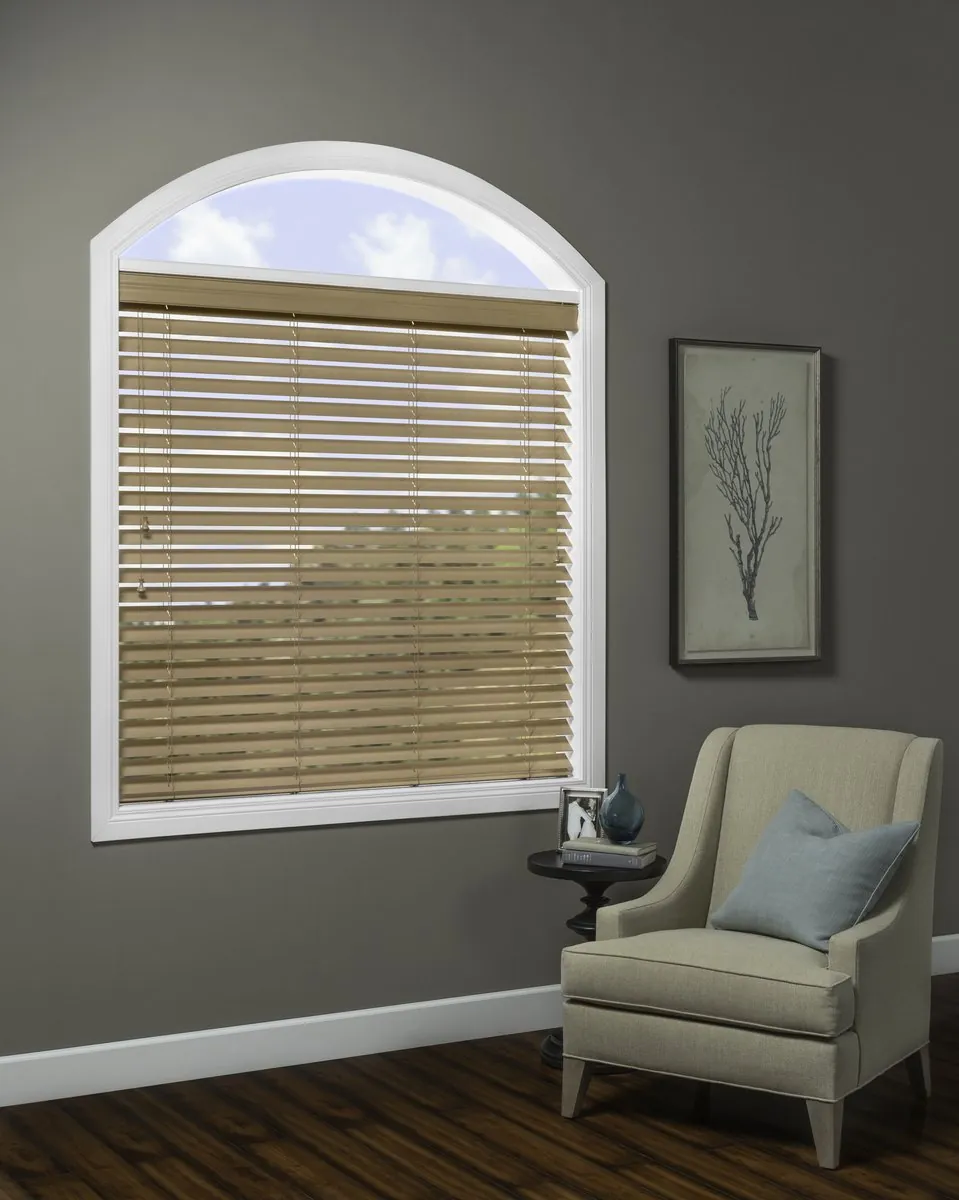
Standard sizes in the post-war capes
The capes are kinder in one way: their windows were built to standard sizes, and the frames usually run square. Fitting is more predictable, and mounting within the opening works more often. Still, standard is not the same as identical. Layers of paint, a replacement window here and there, or a frame that has moved a little can all alter a figure, so every window is still measured rather than guessed.
The usual cape has two windows flanking the front door, a kitchen behind, and bedrooms upstairs lit by dormers set into the roof slope. Downstairs, the front rooms get most of the daylight and most of the attention from Main Street. Upstairs, dormers are small, often right beside the bed, and they take the first sun of the day.
For the rooms at the front, a wood or faux wood blind matched to the trim keeps the house neat from the road. In a dormer bedroom, a deeper slat color keeps things dim at dawn, and going cordless means nothing hangs in the tight space of the dormer. Over the kitchen sink, faux wood is the usual pick.
Privacy on Main Street
Because so many houses here sit on modest lots right along Main Street, their front rooms are in view of drivers, walkers and the houses opposite. By day you want the light without feeling watched; after dark you want the room shut off.
A horizontal blind does both with a single control. Angle the slats so they slope down toward the road, and anyone on the sidewalk sees only the slat faces while you can still look out above them. Late in the day, shut them completely and the room disappears from view. The house across the street sees a row of closed slats and nothing more.
Side windows count as well. On a modest lot the next house is close, and side windows often stare at each other across a driveway. There the slats go the other way, sloping up toward the glass, which cuts off a level look from next door while daylight keeps coming in over the top. Each window gets the setting that suits what it looks at.
Light in the back rooms
At the back of most Millville houses, mill house or cape, you find the kitchen and often a small bath, looking over a back yard toward the houses beyond. These are the rooms where daylight earns its keep and where privacy still matters.
Faux wood over the kitchen sink is the usual answer. Half open, it puts light on the counter and keeps out the view from across the yard. In the bath, faux wood or metal shut tight keeps the room private and can be opened a crack for daylight. A glass back door takes a metal blind, whose thin headrail rides on the door without catching.
On a smaller house, slat color in the back rooms deserves a moment’s thought. A pale slat reflects more light into the room, which lifts a kitchen that only sees direct sun for part of the day.
A tidy face to the street
On a small house, every front window is seen at once from the road. One color across all of them, generally a white or cream picked to suit the trim, gives the front a finished look. Behind that, the rooms can go their own way: stained wood in a living room, pale faux wood by the stove, a deep slat in a bedroom.
That counts for more on Main Street, where houses are seen in a row. A matched set across the front of a cape or a mill house keeps it looking looked-after. We bring a range of whites to try against your trim by daylight, since the right one depends on the paint already on the house.
Which material, which room
Each blind we supply is a Hunter Douglas blind built to order, and in a Millville house the material usually follows the room.
The front room and living room, where the old trim is often at its best, tend to take Parkland wood, stained or painted to suit. The kitchen and bath, in a mill house or a cape alike, usually get EverWood faux wood, the look of painted wood in a different material. Shallow old frames, glass doors and small upstairs windows suit metal blinds, with their slim aluminum slats and low headrail. A slider or any wide back opening takes a vertical blind, its vanes running on a track and gathering to one side.
So a mill house might end up with wood at the front, faux wood in the kitchen and bath, and metal in a shallow upstairs frame, while a cape might run faux wood through every room and finish with a vertical blind at the slider. See the custom blinds page for more, or the pages for EverWood faux wood and metal blinds.

Cords, wands and motors
The way a blind operates is something you notice every day. Going cordless means you lift or lower it by the bottom rail and there is no cord at all to tidy away, which suits a narrow sill and is sensible where young children or pets live. A wand sets the angle of the slats.
With PowerView motorization, the blinds raise, lower and tilt from a phone, a tablet or a remote, and can follow a timetable. On Main Street, a timetable that shuts the front blinds at sundown gives the house its evening privacy without a walk round every window. Powering each motor is something we decide together at the visit.
Upstairs in the older houses
The second floor of a mill house is often where the frames are least forgiving: small windows, shallow stops and sash that has been painted in place more times than anyone can count. These rooms are usually bedrooms, so they need to darken at night and stay private from the house next door, which on a modest lot can be close.
A metal blind is often the practical answer up here, because its slim headrail fits the shallow frames and its slats close tightly. In a deeper frame, a faux wood or wood blind in a darker color does the same job with a warmer look. Either way, a cordless lift keeps a small bedroom window tidy. When we plan custom blinds in Millville for an older upstairs, we check every frame’s depth before suggesting a material, since two bedrooms side by side can differ.
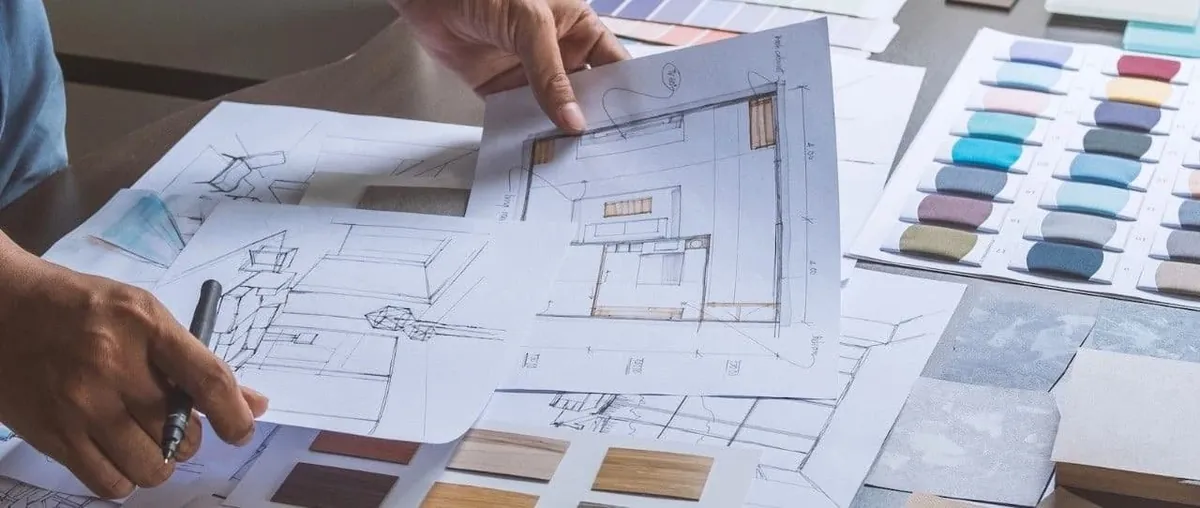
Seeing color in your own light
A slat color can look quite different on a sample card than it does on your window. Morning light on the east side of a house makes whites look cool; the warm evening sun on a west wall makes them look creamy. A room that is shaded by the house next door for part of the day will make any color look a shade darker.
That is the main reason we bring samples to the house rather than asking you to choose from a picture. We hold each color against your trim, at the window it is meant for, at the time of day you are home.
Slat size for small windows
On a narrow mill-house window, slat width changes the whole look. Wide slats on a small window can feel heavy, and when the blind goes up they pile into a deeper bundle across the top of the glass. Narrower slats stay in proportion and leave more glass clear. On a cape’s larger windows, wider slats give a more open outlook when they are angled flat.
Both widths come with us, so each window can be judged by eye. For a window that rarely goes up, the bundle hardly matters, and it is often easiest to leave the blind lowered and simply use the tilt.
Planning a small house in one go
Because Millville houses are modest in size, doing every window at once is a realistic project. It means a single visit, one round of measuring and one fitting day, and a house where every blind looks as if it belongs with the rest.
Most plans start at the front, picking the street-side color first, then move back through the house. A mill house might need extra care upstairs, where the frames tend to be shallowest. A cape might need little more than a choice of slat for each room and a decision on the slider. If you prefer to work a room at a time, we keep a record of the first choices, so the next room can follow them.
How the visit works
Choices are easiest to make in your own house, at your own windows, so that is where we start.
- Ask for a consultation through the form or the call button, and a time is arranged.
- The van arrives carrying wood, faux wood and metal slats in a spread of colors and widths, vertical vanes and the different controls.
- Together we go through each room, looking at what every window faces: road, neighbor or yard.
- Each frame is measured at more than one point, and depth is checked wherever the house is older.
- A free estimate follows, and there is no rush to decide.
- Once the order is in, certified Hunter Douglas installers hang each blind, set it level and try every lift and tilt.
There is more on what happens at an in-home consultation. That careful measuring is what allows custom blinds in Millville to sit right in narrow old sash and standard cape frames alike.

The Hunter Douglas Gallery dealer difference
Blinds & Designs is a Hunter Douglas Gallery dealer, which puts the whole Hunter Douglas blind range in front of you at one consultation: wood, faux wood, metal and vertical, all the colors, all the controls and PowerView motorization. Hunter Douglas certified installers do the fitting. Interior design consultations are offered too, and we take on repairs to blinds and shades.
For other windows in the house, look at cellular shades in Millville, roller shades in Millville, roman shades in Millville, or the Millville page for every service in town.
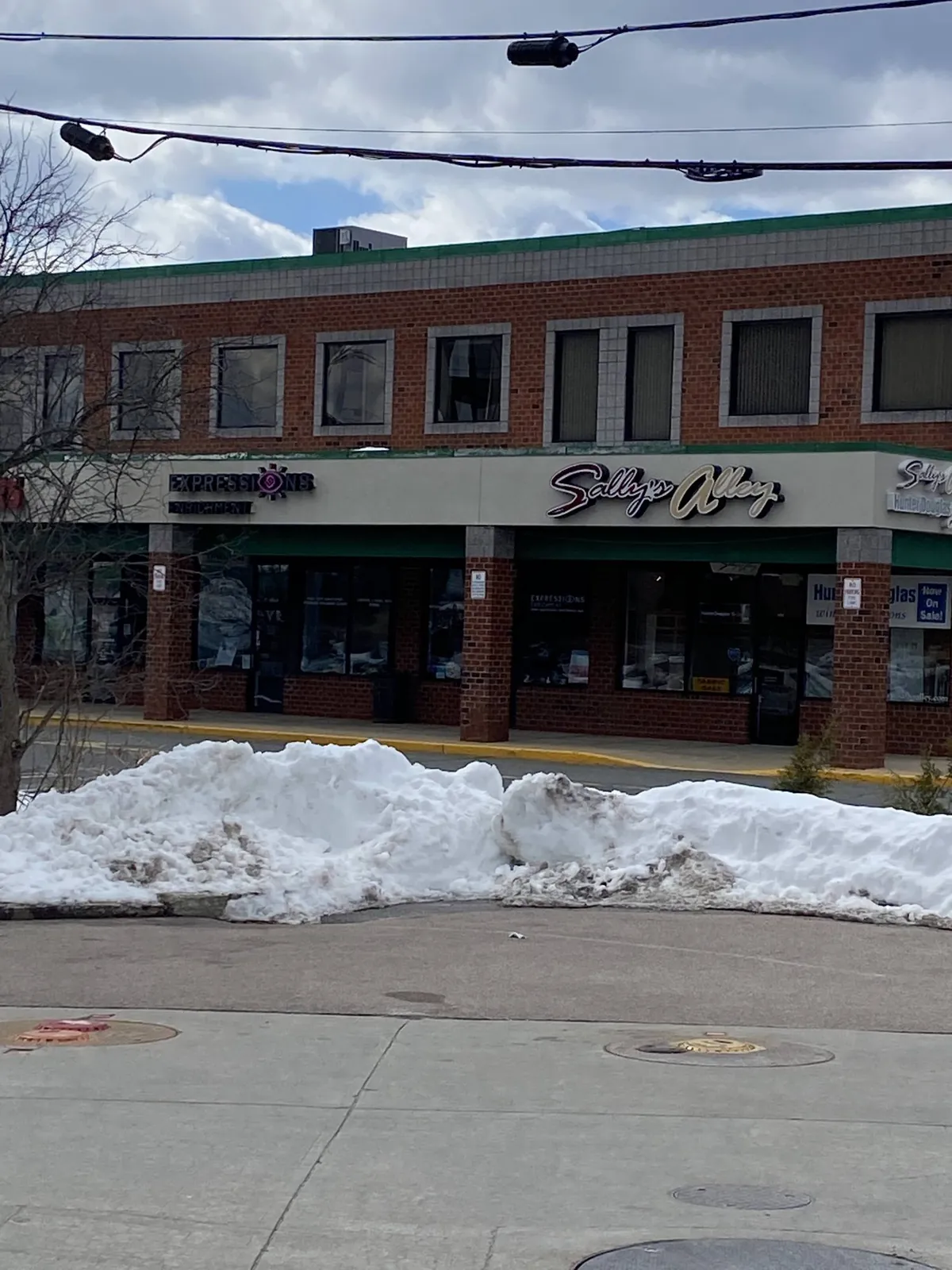
The nearest showroom: Franklin
Franklin is the Blinds & Designs showroom nearest to Millville. Should you want to drop in, the address and hours appear on the Franklin showroom page.
Questions from Millville
Can a blind be made for the original narrow sash in an older mill house?
It can. Every blind is built to the frame it goes in, and older frames are measured at several points since they are seldom square. Where the frame is shallow, a metal blind’s thinner headrail often fits.
My cape has standard windows. Is made to measure still worth it?
Standard frames are simpler, but a blind built to each one’s exact size fills it fully and runs without catching. Every window still gets measured.
How can a front room on Main Street stay private but bright?
Slope the slats down toward the road. Someone on the sidewalk sees the slat faces, you keep a view out above them, and daylight keeps coming in.
What goes best over the kitchen sink?
Faux wood is the usual choice for kitchens. Half open, it lights the counter and keeps out the view from across the yard.
Do you charge for the estimate?
No. Once every window is measured, the estimate is free.
Ready when you are
Real slats in your own windows make the decision simple. Ask for a consultation and we will bring the samples, measure every frame and leave a free estimate for custom blinds in Millville, MA. The call button is there as well, or drop in at the Franklin showroom.