
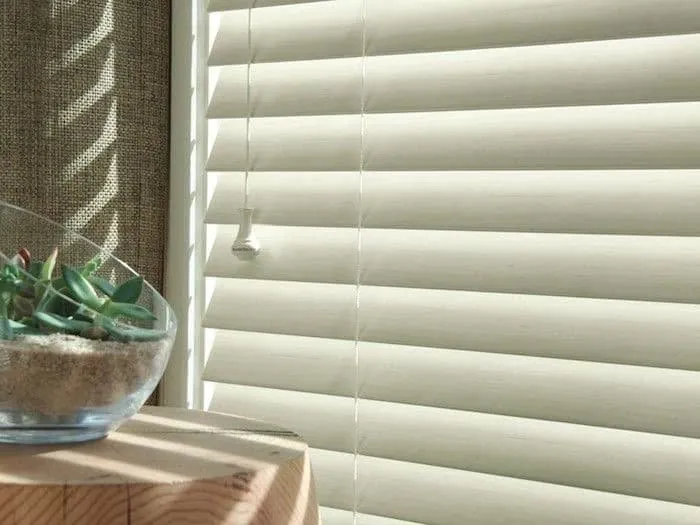
What salt air and morning sun do to Fairhaven window coverings
A blind that hangs crooked or a shade that creeps down on its own is rarely a lost cause. Most of the time one small part has given out while the rest of the product is fine, and that is the kind of job we are glad to take on. Blind and shade repair in Fairhaven, MA, mostly comes down to four things: restringing, replacing a cord or a wand, sorting out a headrail, and getting a tilt mechanism to turn again.
The town gives those parts a harder life than most. Fairhaven sits right on the harbor, and on any warm day the windows in the Poverty Point and Oxford Village streets are open to air that carries salt. Over a few summers that salt finds the small metal pieces near the glass: the cord lock, the tilter gear, the bracket screws. A part that should slide or click starts to grind, then sticks.
The other wear comes from the light. Rooms on the east side catch the sun low and bright off the water first thing in the morning, and those are the blinds that get closed and opened most. Cords that are pulled hard every day, in strong sun, dry out and fray long before the slats or the fabric show any age.
Blind and shade repair in Fairhaven: what we are asked for most
These are the problems that come up again and again in the Victorians, cottages and Sconticut Neck ranches around town. If yours is not on the list, describe it anyway.
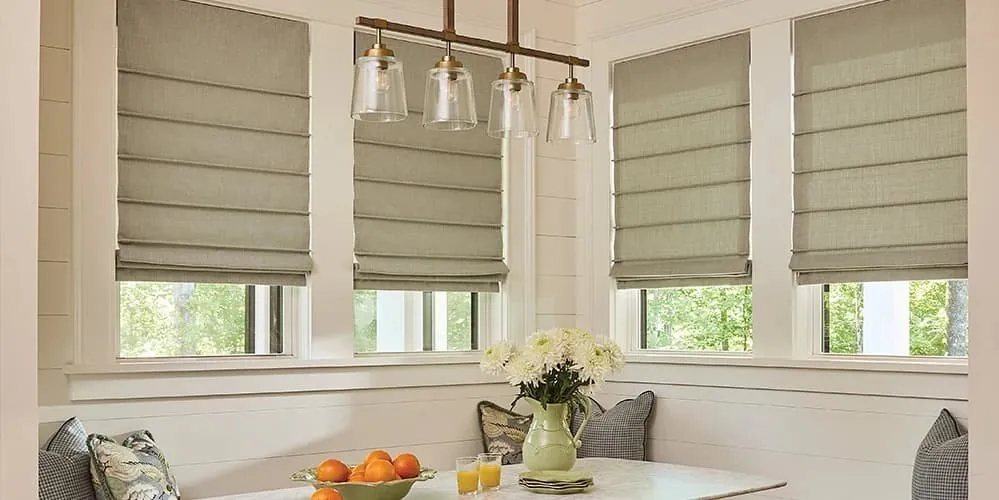
Restringing a lift
When a lift cord snaps or a ladder string rots through, the blind or shade drops unevenly or will not rise at all. New cord, routed the way the product was built.

Cords and cord locks
A cord lock that has stopped gripping lets the bottom rail slide back down. Salt and grit inside the lock are often part of the story.
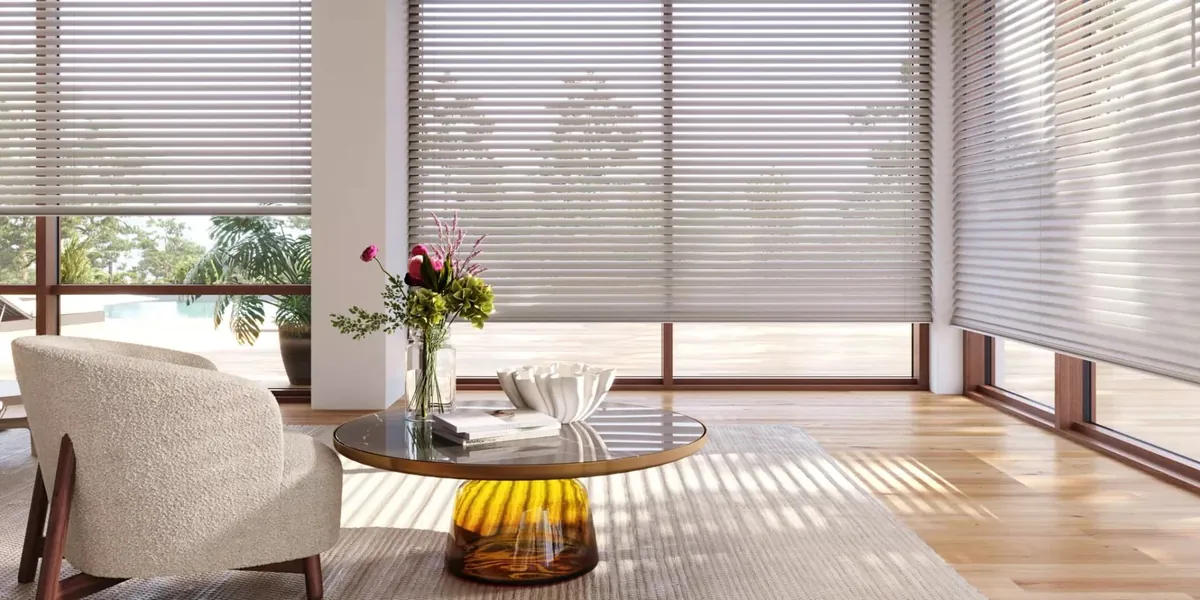
Tilt wands
A wand that has cracked, come off its hook or spins without moving the slats. Usually a small fix, and often the first part to go.
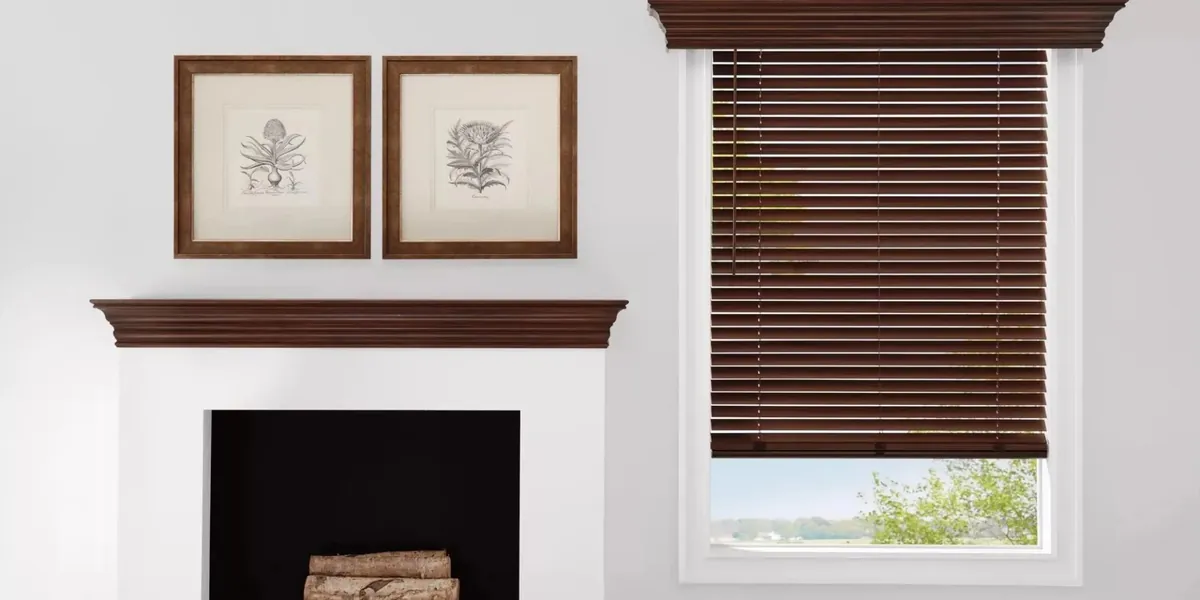
Tilt mechanisms
Inside the headrail a little gearbox turns the slats. When it strips or seizes, the wand turns and nothing happens.
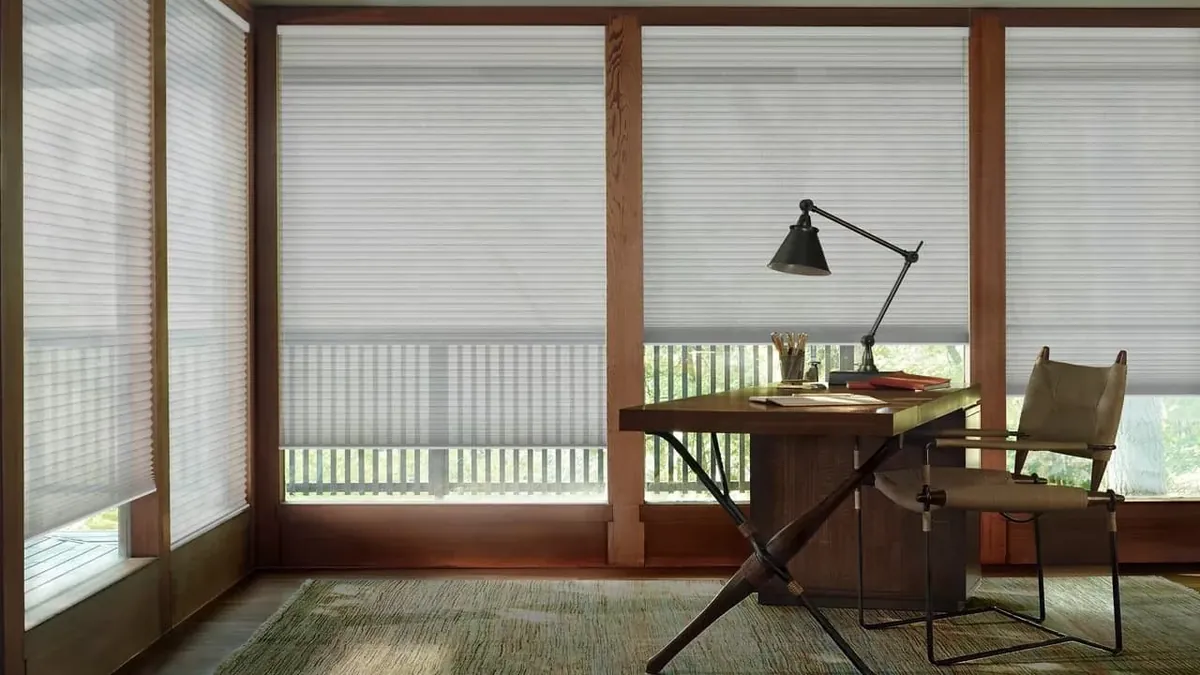
Headrails and brackets
A headrail that has bent, pulled out of a bracket or worked loose from soft old casing wood, so the whole product sits at an angle.
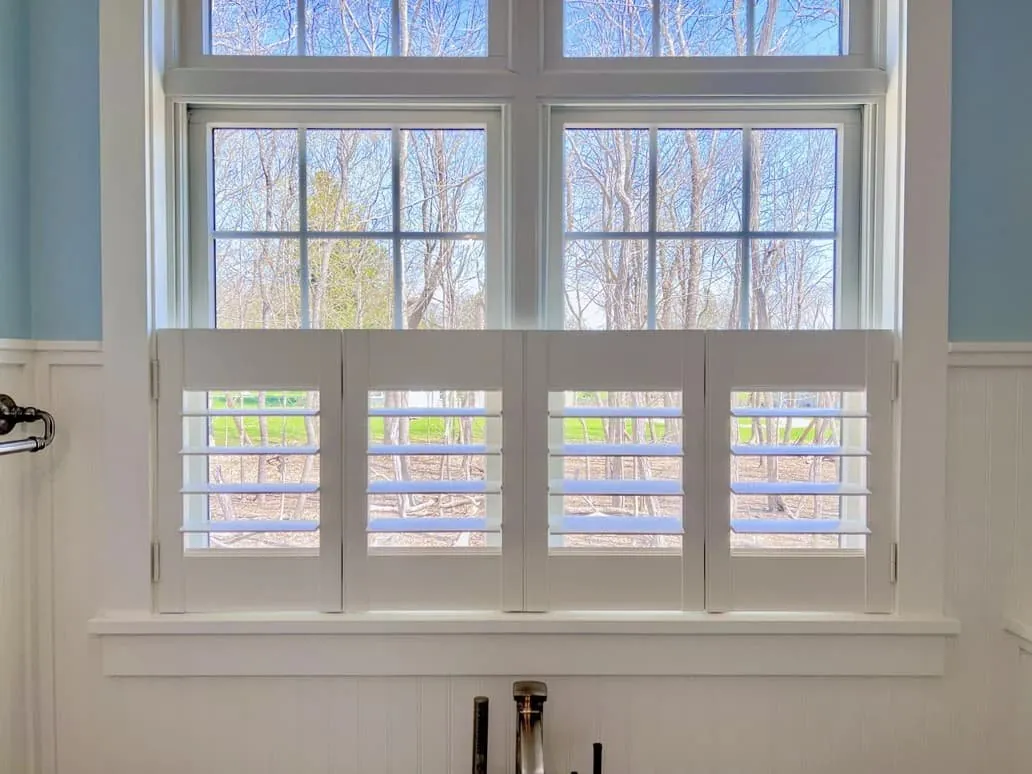
Shutter louvers
Louvers that flop shut, will not hold an angle, or have come loose from the tilt rod on a shutter panel.
Restringing on tall Victorian sash
A good share of the older houses near the village center have tall double-hung windows, and the blinds and shades on them are long. That length matters when a cord fails. A lift cord on a tall blind carries more weight and runs through more holes in more slats, so it wears at every point where it rubs. When one side lets go, the bottom rail tips, the slats bunch on one end, and pulling the cord harder only makes it worse.
Restringing means taking the old cord out and running new cord through the headrail, down through each slat or along the back of the fabric, and tying it off at the bottom rail. On a wood or faux wood blind the ladder strings, the woven tapes that hold each slat in place, sometimes go at the same time. Sun makes them brittle; a slat that has sagged for a year usually has a broken rung behind it.
We look at the whole lift while we are there. If one cord is frayed and the other is close behind, it makes sense to replace both rather than come back for the second one in a few months. And if the reason the cord wore through is a sharp edge in the headrail or a bracket that sits a little out of line, that gets put right too, so the new cord does not go the same way.
Cottages near the water and the hardware that goes first
The shingled cottages closer to the harbor tend to have smaller rooms with windows on two or three sides, and in summer every one of them is open. That is lovely for the breeze and hard on hardware. The metal parts of a blind sit right at the top of the open sash, where damp, salty air passes over them day after day.
What we tend to see in those houses is a cord lock that no longer bites, a tilter that turns stiffly, and bracket screws with a ring of rust around them. None of that means the blind is finished. A cord lock can be replaced. A tilt gear can be swapped. Screws can be changed for new ones set into sound wood. The slats or fabric, which are the part you actually look at, are often in perfectly good order.
It is worth knowing that cordless products have far less exposed metal, because the lift works inside the headrail and the bottom rail. If you have a mix of corded and cordless shades in a cottage, you may notice the corded ones need attention first. That is normal, and it is also something we can talk about if you ever decide to replace a window covering rather than repair it.
Headrails on casings that have moved
A headrail is only as steady as the wood it is screwed into, and that is where older Fairhaven houses make things interesting. Casing and trim that has been painted many times, dried out and been repainted again does not always hold a screw the way it did. A bracket that was perfectly solid when the blind went up can loosen after years of the blind being raised and lowered, and once one end drops a little, the whole product hangs at a slant.
Settling plays a part too. A Victorian window that has moved over a century is rarely square, so a headrail mounted inside the opening may be tight at one end and loose at the other. That uneven fit puts extra load on one bracket, and that is usually the one that lets go.
Fixing it is partly about the headrail and partly about the mounting. A bent or cracked headrail can be replaced. A bracket can be reset into sound wood a little to one side of the old holes, or moved to the face of the casing if the inside of the frame is too soft. Our installers are certified by Hunter Douglas, and they set brackets the same careful way whether the job is a new shade or putting an old one right. When the headrail sits level again, the lift and tilt work as they should and the cords stop wearing on one side.
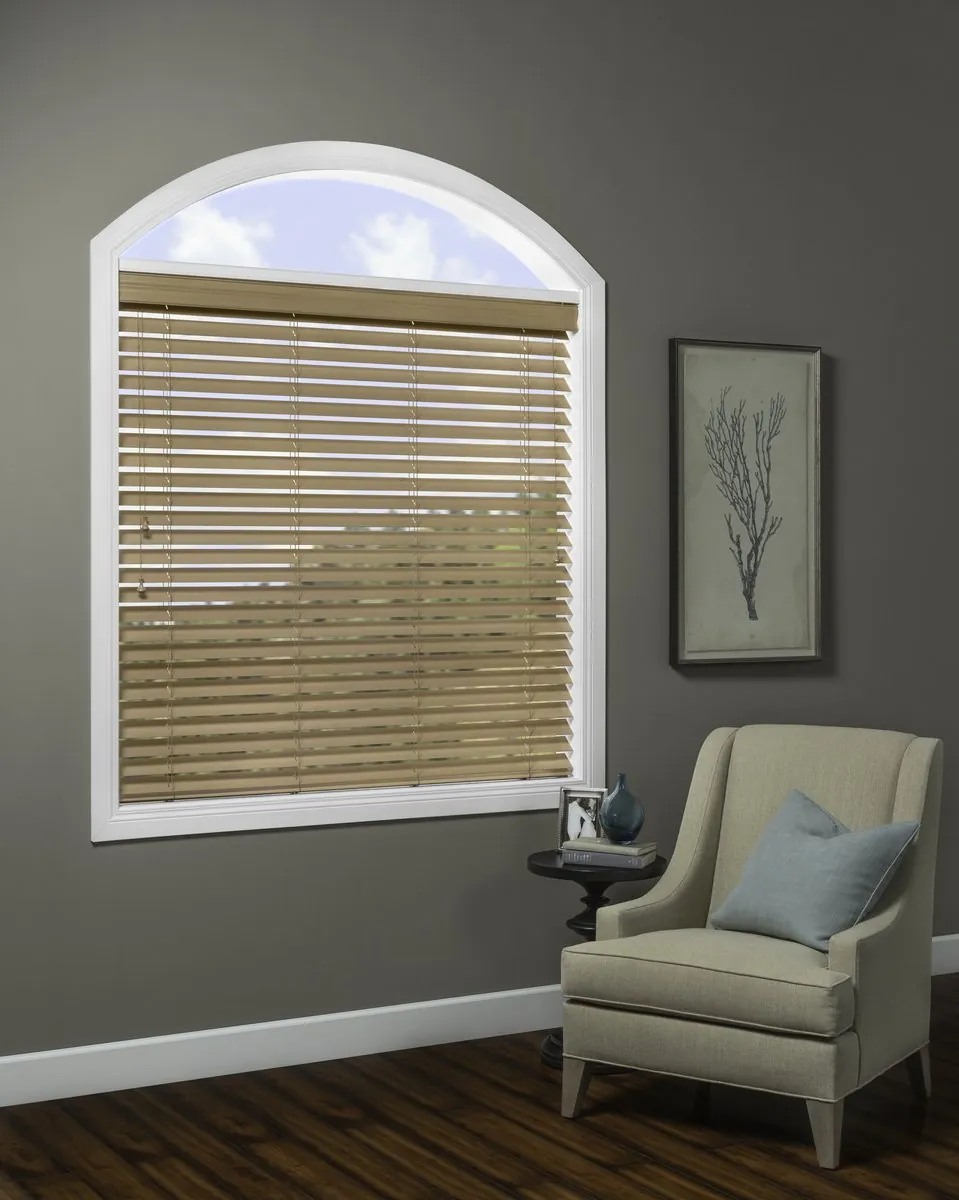
When a wand stops turning the slats
The tilt wand is the long clear rod that hangs at one side of a horizontal blind. It is the part people grab without thinking, and it gets knocked by curtains, furniture and children. It is also simple: it hooks onto a small stem coming out of the headrail, and turning it turns a gear inside.
There are three common failures. The wand itself cracks or breaks. The hook at the top wears or the stem snaps, so the wand falls off. Or the wand turns but the slats do not move, which points to the gearbox inside the headrail. The first two are a matter of replacing the wand or its stem. The third means opening the headrail and replacing the tilt mechanism.
On the east-facing windows that take the harbor light every morning, wands get used more than anywhere else in the house, since the slats are angled down at breakfast and back up by mid-morning. Those are the ones we expect to hear about first.
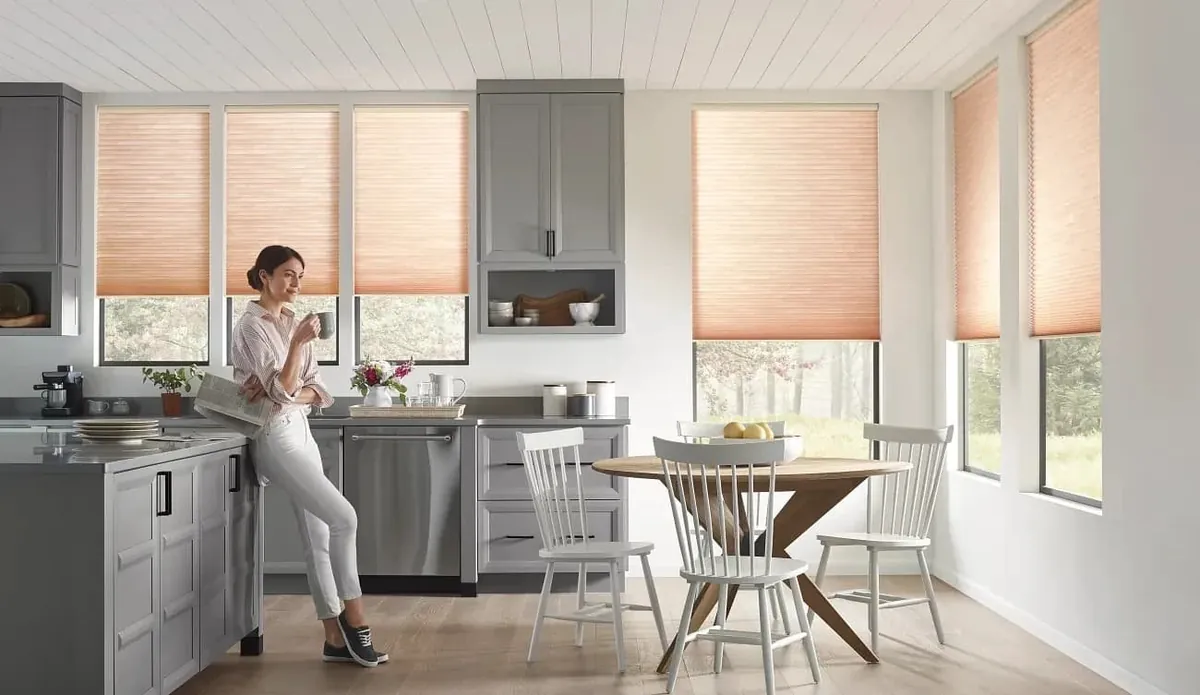
Picture windows and sliders on Sconticut Neck
Down the Neck the houses change shape. The mid-century ranches there usually have a wide living room window, a slider out back, and bedrooms with long horizontal windows. The blinds and shades on those openings are wide, sometimes very wide, and width is what puts a headrail under strain.
A long headrail that is only held at each end can bow in the middle over time, especially if a center support bracket was left out or has come loose. Once it bows, the lift cords pull unevenly and the bottom rail stops sitting level. Straightening or replacing the headrail and adding the right support usually sorts it out. On a slider, a vertical blind or vertical shade takes knocks at the bottom every time someone steps through, and vanes or their carriers break. Those parts can often be replaced one at a time.
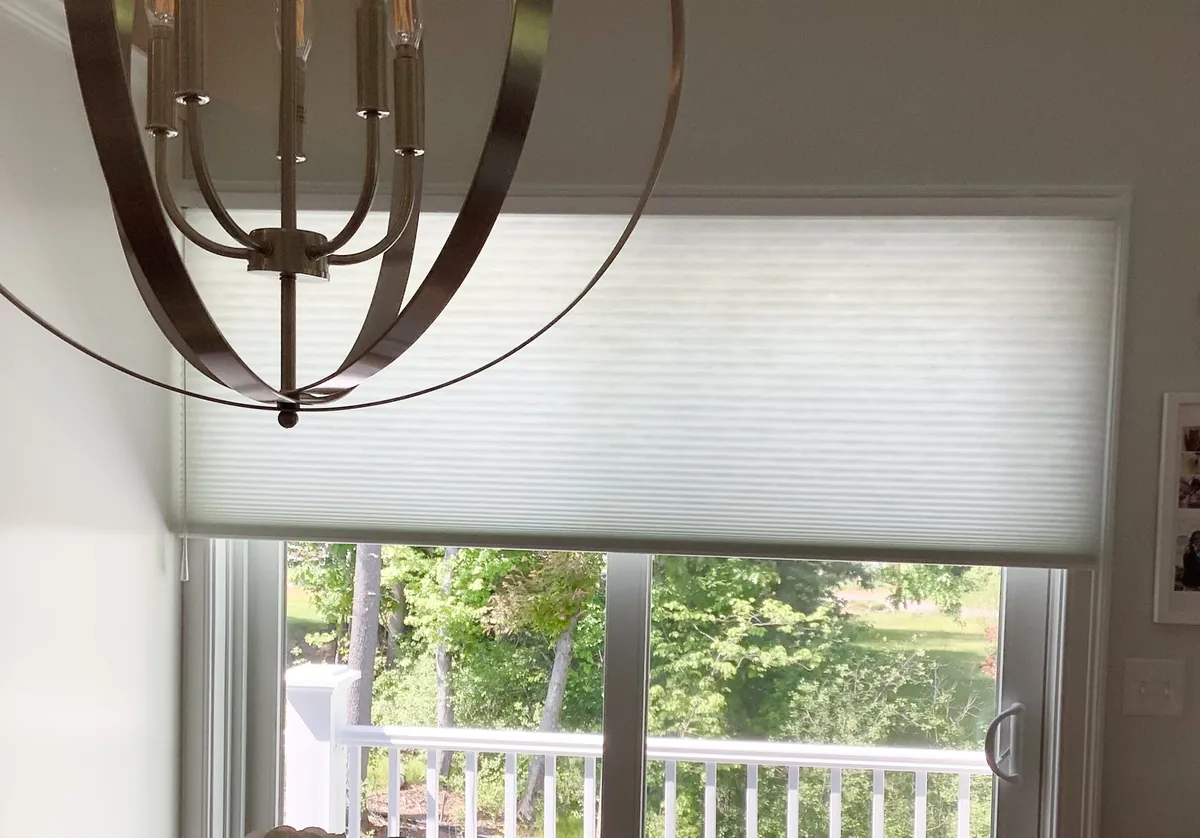
Wide honeycomb shades on those picture windows have their own lift cords inside the fabric. When a cord breaks in a cellular shade, the shade drops on one side and the pleats crush. Restringing a honeycomb shade is fiddly work, but on a shade whose fabric is still clean and unfaded it is usually worth doing.
What to send us before anyone visits
You can save a lot of back and forth by telling us a few things at the start. Here is what helps most, in the order we usually ask.
- What the product is, if you know: a wood blind, a honeycomb shade, a roman shade, shutters, a PowerView shade.
- Which room it is in and roughly how big the window is.
- What it is doing, or not doing: will not go up, will not stay up, slats will not tilt, sits crooked.
- A photo of the whole window, and if you can reach it, a photo of any label on the headrail or the back of the bottom rail.
- Whether there are other window coverings in the house with the same trouble.
With that, we can usually tell you whether it sounds like something we can repair, and what a proper look at it would involve. You can send it through Request a Consultation, or describe it when you use the call button.
Repair or replace: an honest answer
Not every window covering is worth fixing, and we would rather say so than take on a repair that will let you down again. The deciding question is whether the product itself is still sound.
Repair usually makes sense when:
- the fabric or slats are clean, straight and not faded
- the headrail is in good shape, or the fault is in one part of it
- the trouble is a cord, a wand, a lock or a gear that has simply worn out
It usually makes less sense when:
- the fabric has split or bleached from years of morning sun
- several parts are failing at the same time
- the blind no longer suits the room or the way you use it
If it is a borderline case, we tell you what we see and leave the choice with you. Nobody needs to buy anything new to have a repair looked at. If you do decide at some point to replace a blind or shade, our in-home consultations are there for that, and the rest of what we offer in town is on our Fairhaven page.
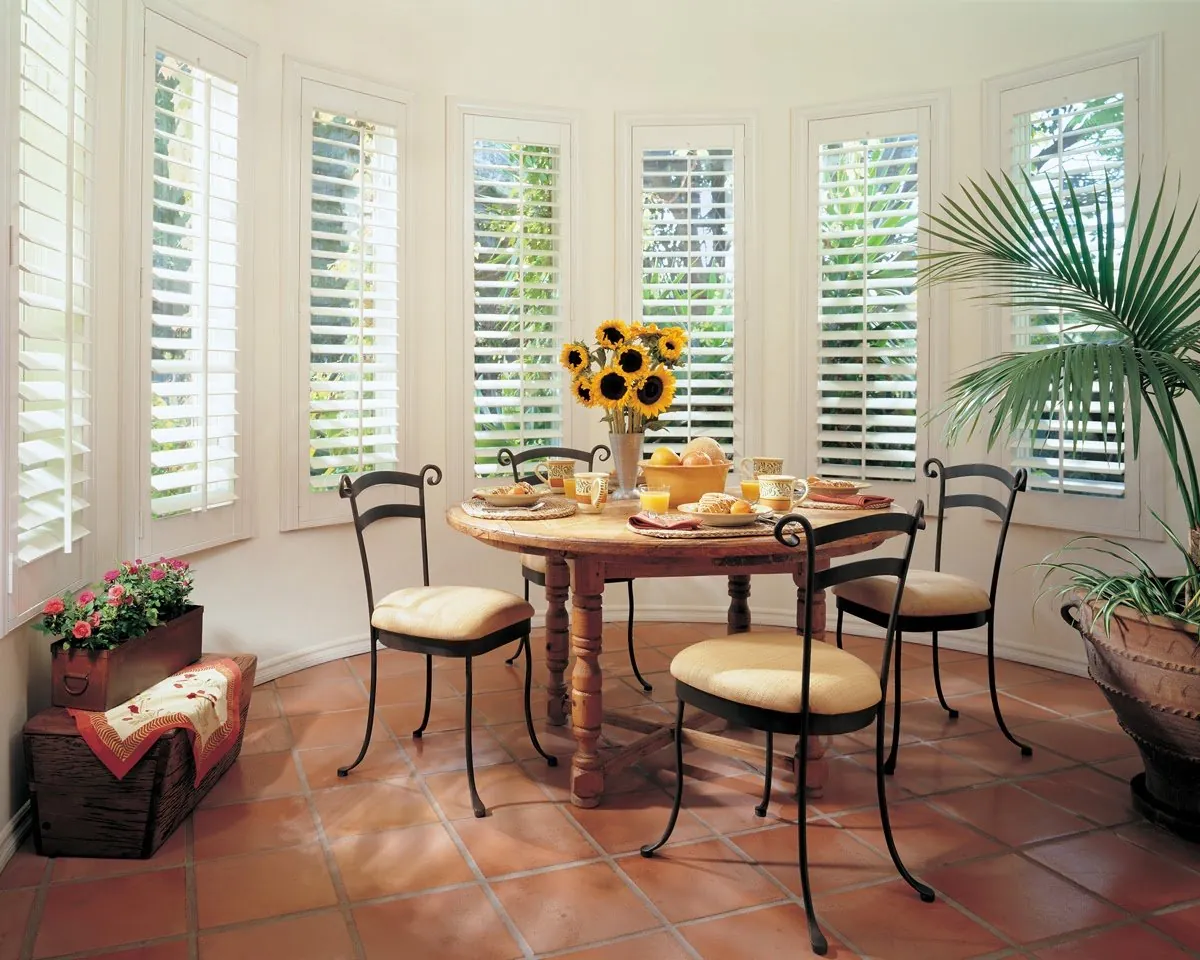
Shutters in the older rooms
Plantation shutters turn up on plenty of Fairhaven windows, from the bay in a Victorian parlor to a cafe-height pair in a cottage kitchen. Shutters do not have cords, but they have their own moving parts. Each panel has a tilt rod or a hidden mechanism that moves the louvers together, and tension in the louver pins that lets them hold an angle.
Over time that tension eases, and louvers start to fall shut on their own. A tilt rod can come away from a louver, or a hinge can sag so the panel rubs the frame. In older houses the frame itself sometimes moves as the casing shifts with the seasons. Many of those problems can be adjusted or repaired without taking the shutters down for good. If you are curious how shutters suit old windows in the first place, our guide to shutters for older windows covers it.
Roman and woven shades in the front rooms
Fabric shades that fold as they rise, roman shades and woven wood among them, are common in the front rooms of the older houses, where they sit neatly inside a deep casing. Their lift works differently from a blind. Cords run up through small rings sewn to the back of the fabric, and as the cord is pulled the fabric gathers into folds.
When one of those cords breaks, or a ring tears free from the fabric, the folds stack crookedly and the shade hangs lower on one side. Restringing a roman shade means replacing the cords through every ring and checking the rings themselves. On a woven shade the same is true, with the added care that natural materials can be dry and brittle after years of strong east light.
For blind and shade repair in Fairhaven, MA, on fabric shades, the deciding factor is the fabric. If it is clean, not faded and not split along the folds, a new set of cords brings it back. If the sun has done its work on the face of the shade, we will tell you honestly that restringing would only buy a little time.
Small habits that keep cords and gears going
A lot of the wear we see comes from everyday use, and a few habits slow it down:
- Raise and lower a blind with the cord held straight down, not pulled off to the side, so it does not saw against the edge of the headrail.
- Tilt the slats open before you raise a blind; lifting with the slats closed strains the ladder strings.
- On a window you open every summer, wipe the visible hardware now and then with a dry cloth to keep salt and grit from building up.
- Turn a wand gently and stop when the slats stop; forcing it past the end is how gears strip.
- Dust fabric shades with a soft brush or a vacuum on low.
Our guide to caring for fabric shades goes further on cleaning and day to day care.
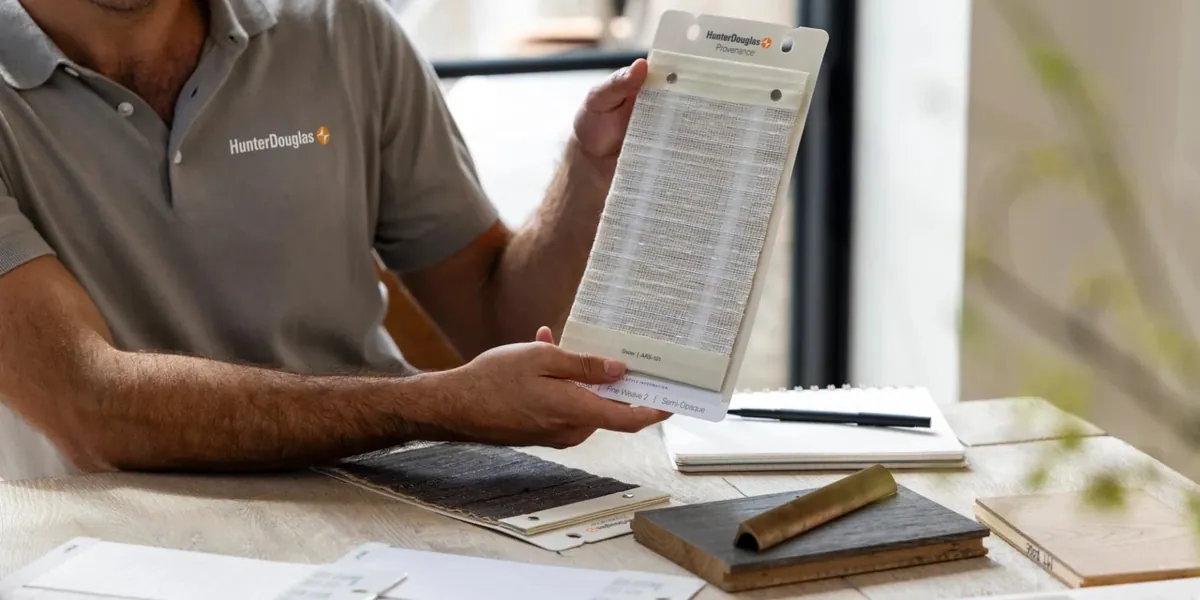
Repairs from a Hunter Douglas Gallery dealer
Blinds & Designs is a Hunter Douglas Gallery dealer, and our installers are certified by Hunter Douglas. That background is what makes a repair worth doing: we know how these products are put together, how the lift and tilt systems are meant to run, and how a headrail should sit on the window.
Blind and shade repair in Fairhaven is part of what we do, not a side line. If a product we sold you, or one that came with the house, needs attention, we are happy to look at it. The aim is simple: put it back the way it was meant to work, so it keeps working.
If you are also thinking about new coverings for another room, the same people can help. See our custom blinds in Fairhaven or cellular shades in Fairhaven, and the full blind and shade repair page for how repairs work across our area.
Questions from Fairhaven
My blind has a rusty cord lock. Is it worth fixing?
Usually, yes, if the slats and headrail are still in good shape. A cord lock is a replaceable part. On harbor-side windows it is often the first thing to go, well before the rest of the blind shows any wear.
Can you restring a honeycomb shade?
Often. A cellular shade’s lift cords run inside the fabric, so it takes care, but when the fabric is clean and unfaded restringing is usually a sensible repair. Send us a photo and we will tell you what we think.
The wand turns but the slats stay put. What is wrong?
That almost always points to the tilt mechanism inside the headrail. The wand is fine; the gear it turns has stripped or seized. The tilt mechanism can be replaced.
Do you repair shutters as well as blinds?
Tell us what the shutter is doing. Loose louvers, a detached tilt rod and sagging panels are common, and many can be adjusted or repaired.
Do I have to buy something new?
No. A repair is a repair. If we think a product is past fixing, we will tell you plainly, and it is your call what happens next.
Tell us what has stopped working
For blind and shade repair in Fairhaven, MA, the first step is easy. Send us a photo and a line or two about the problem through Request a Consultation, and we will let you know whether it sounds like a repair. If you would rather talk it through, use the call button, or bring your question to our North Dartmouth showroom, the closest one to Fairhaven.