
Deep-set sash and open land
Much of the town is spread out, with antique colonials and farmhouses standing on larger lots and plenty of room between neighbors. In those older houses the walls are thick and the sash sits deep in the frame, so each small window is set back in its own recess. Off Route 18 and Central Street, post-war capes and newer colonials bring standard modern openings and a more familiar layout.
That mix asks two different things of window treatments in East Bridgewater, MA. In an antique house, the covering has to suit a deep, small, often uneven opening and respect the character of the room. In a newer house, it is mostly about color, light and keeping every room consistent. In both, low density means privacy is often less pressing than it is in a crowded town, and daylight, glare and the look of the room come first.
We work it out window by window at your house, with the samples in your own light.
Services with their own page here
Each card is one of the window treatments in East Bridgewater, MA, and links to its town page.
Custom Blinds in East Bridgewater
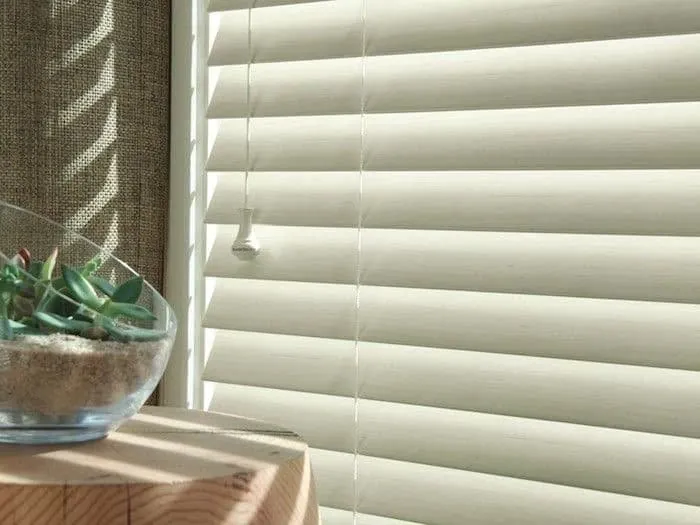
Wood, faux wood and metal blinds, plus vertical blinds. Wood slats sit naturally in a farmhouse room with painted or stained trim.
Cellular Shades in East Bridgewater
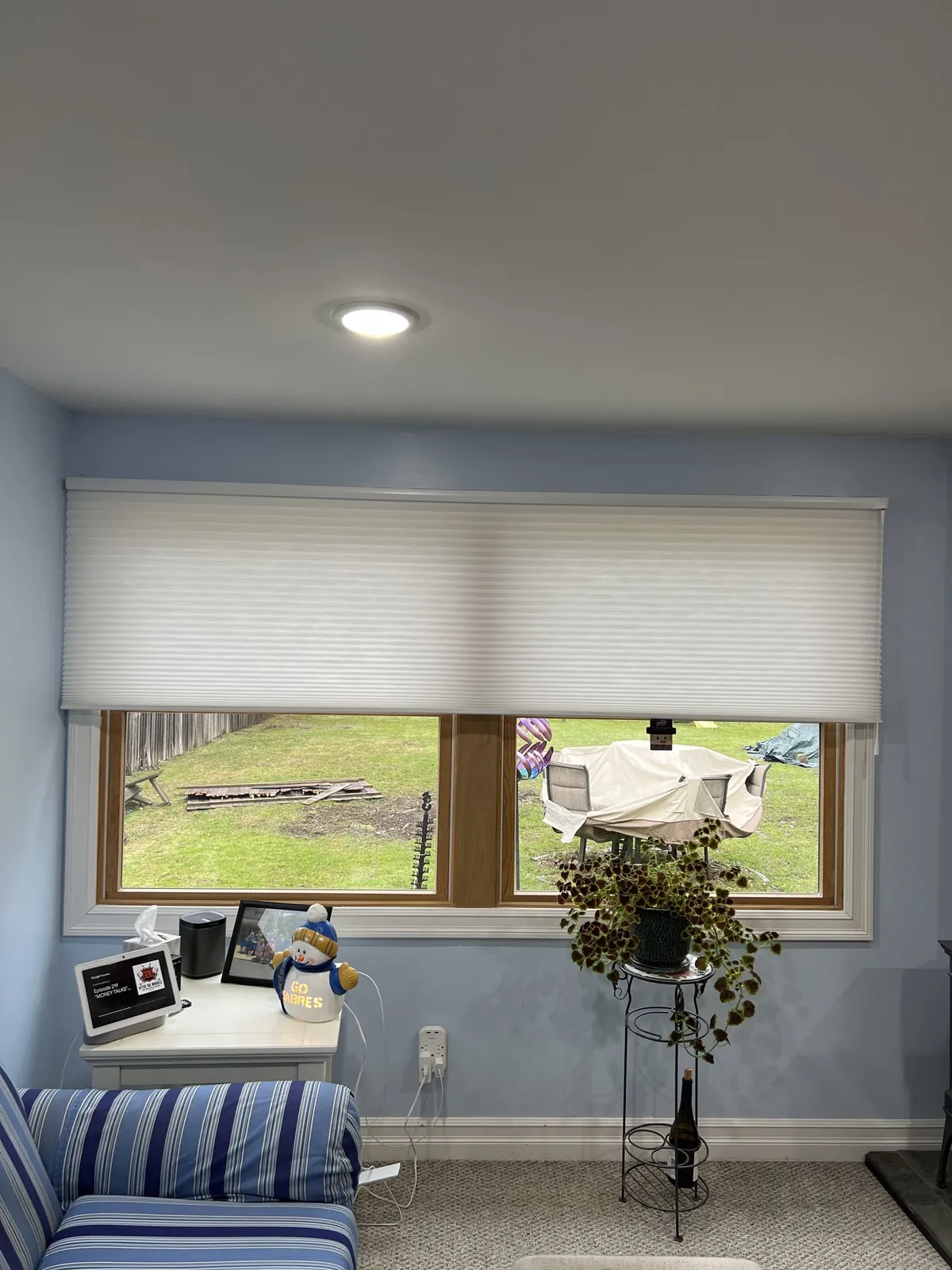
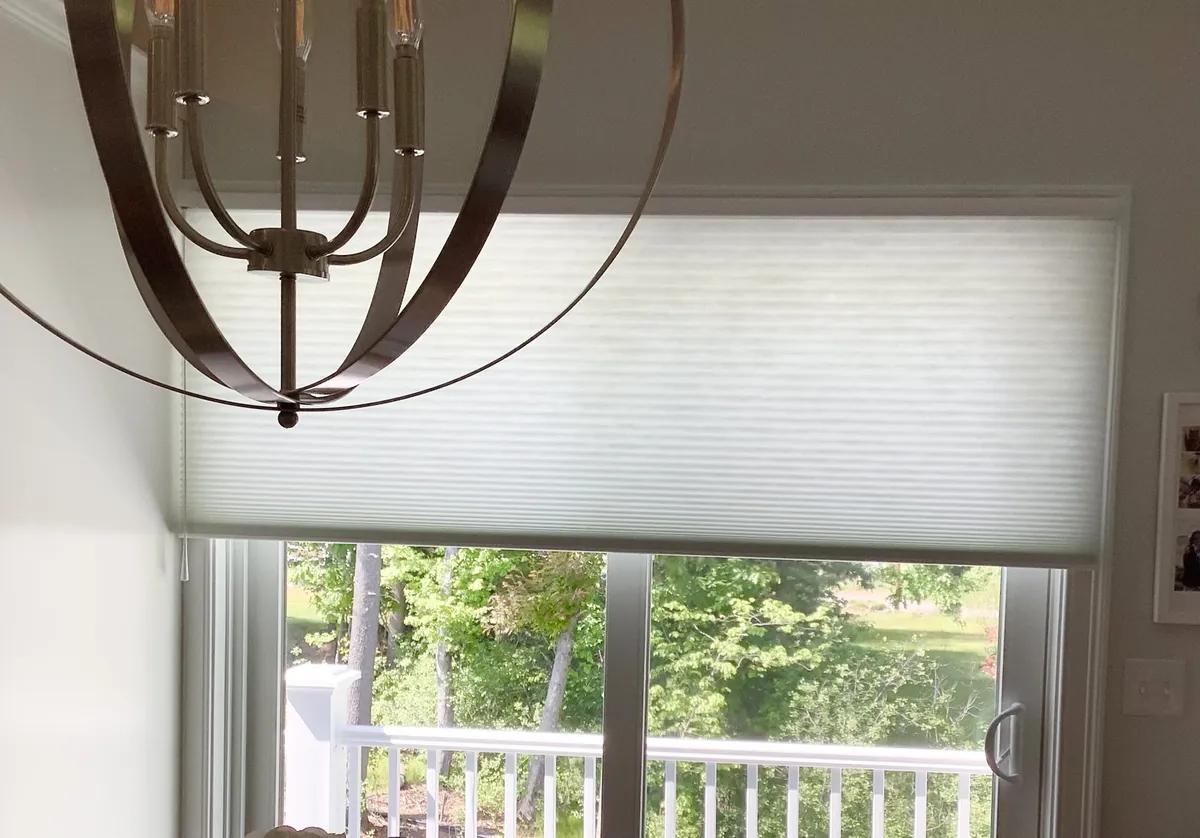
Duette and Applause honeycomb shades. Mounted deep inside an old recess, they almost disappear when raised.
Roller Shades in East Bridgewater
Designer Roller and Alustra rollers and screens, chosen by openness for how much field or yard view you keep.
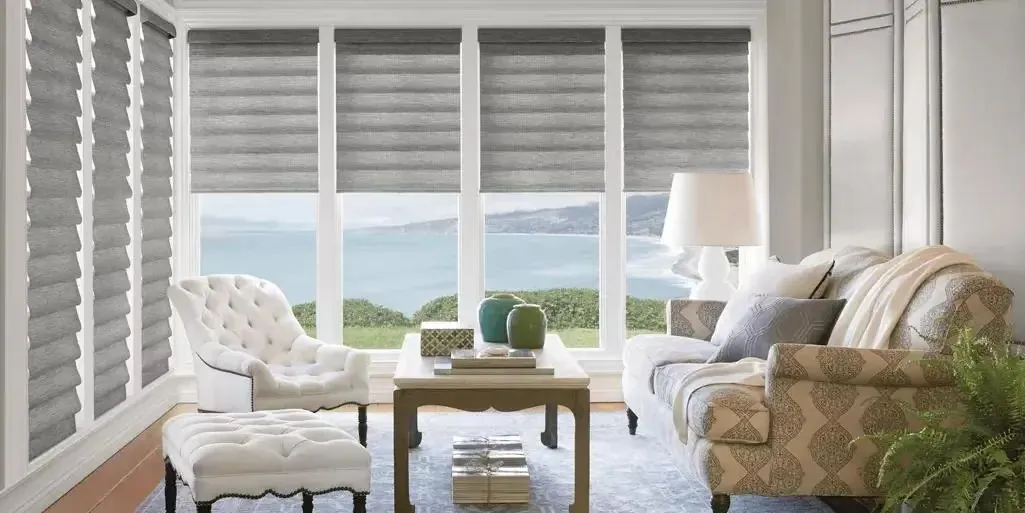
Roman Shades in East Bridgewater
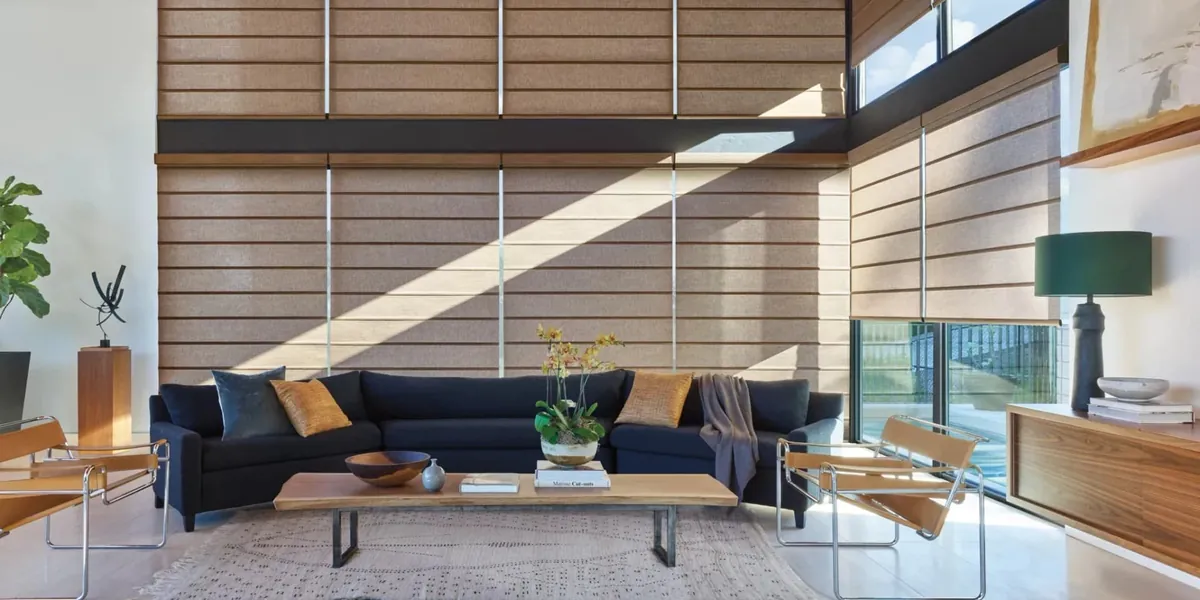
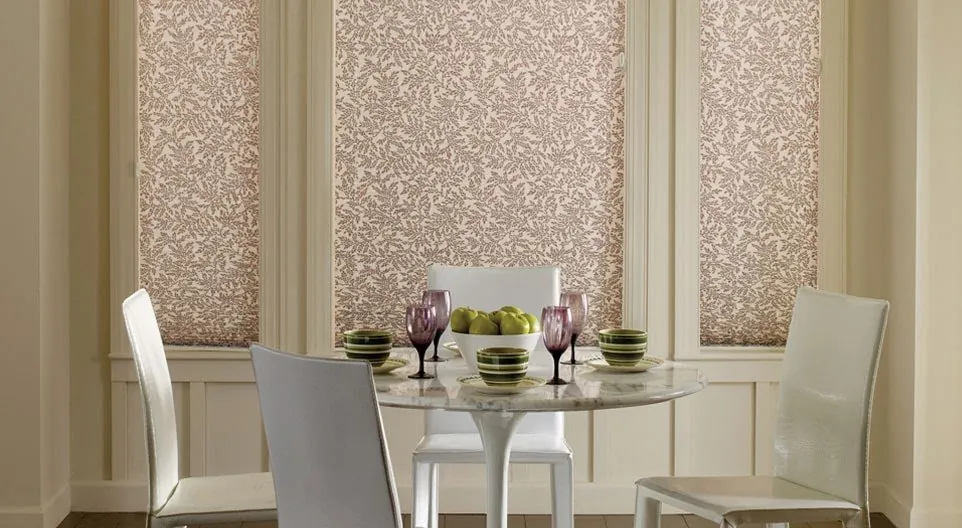
Vignette and Carole romans in flat or folded styles, a soft, traditional finish for an antique parlor or keeping room.
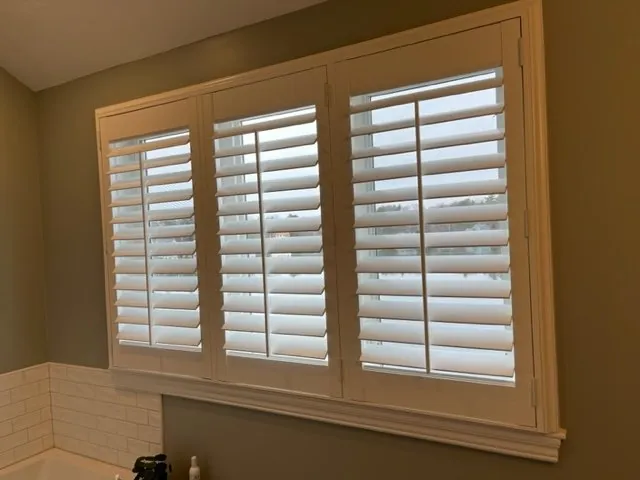
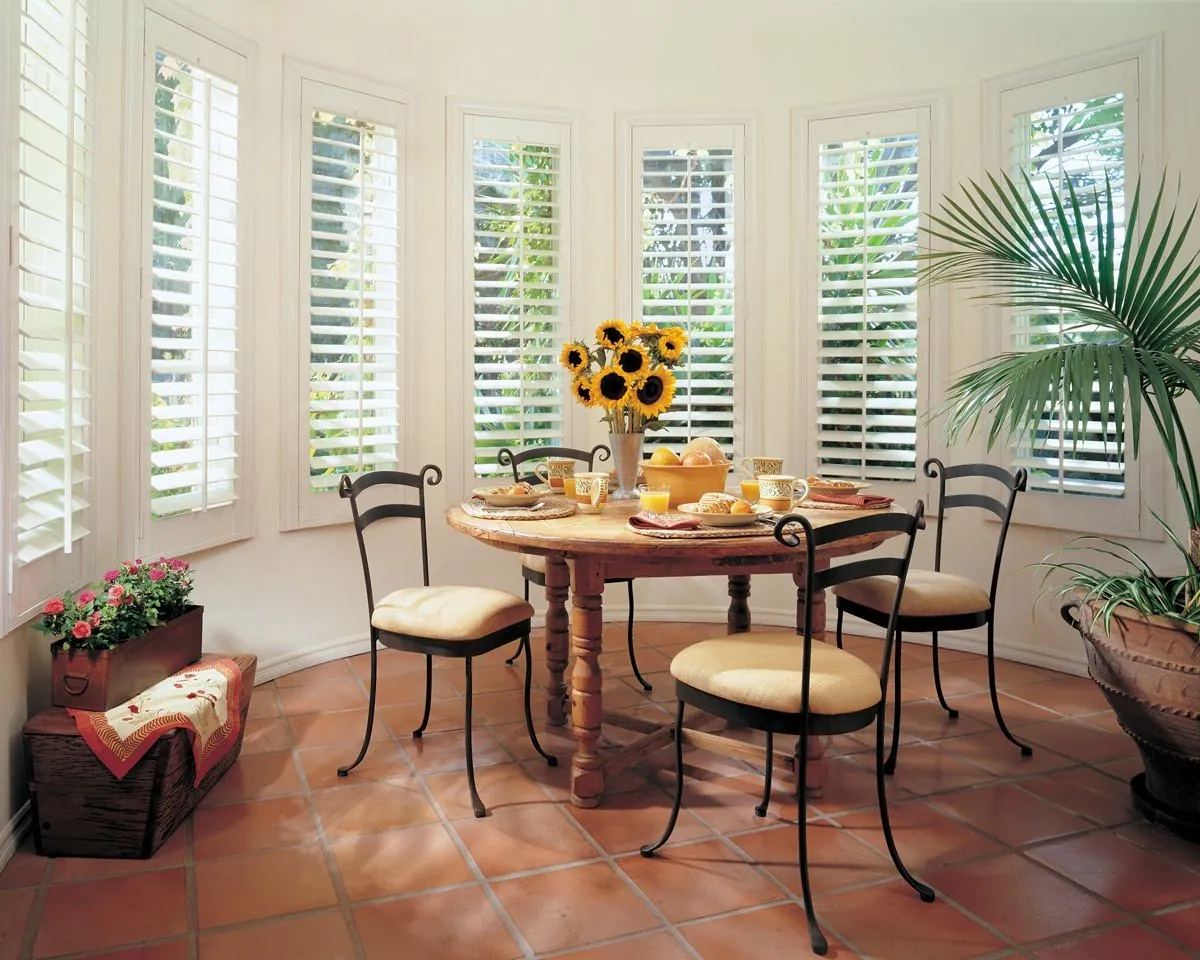
Plantation Shutters in East Bridgewater
Palm Beach, NewStyle and Heritance shutters, with frames that can sit inside a deep old opening.
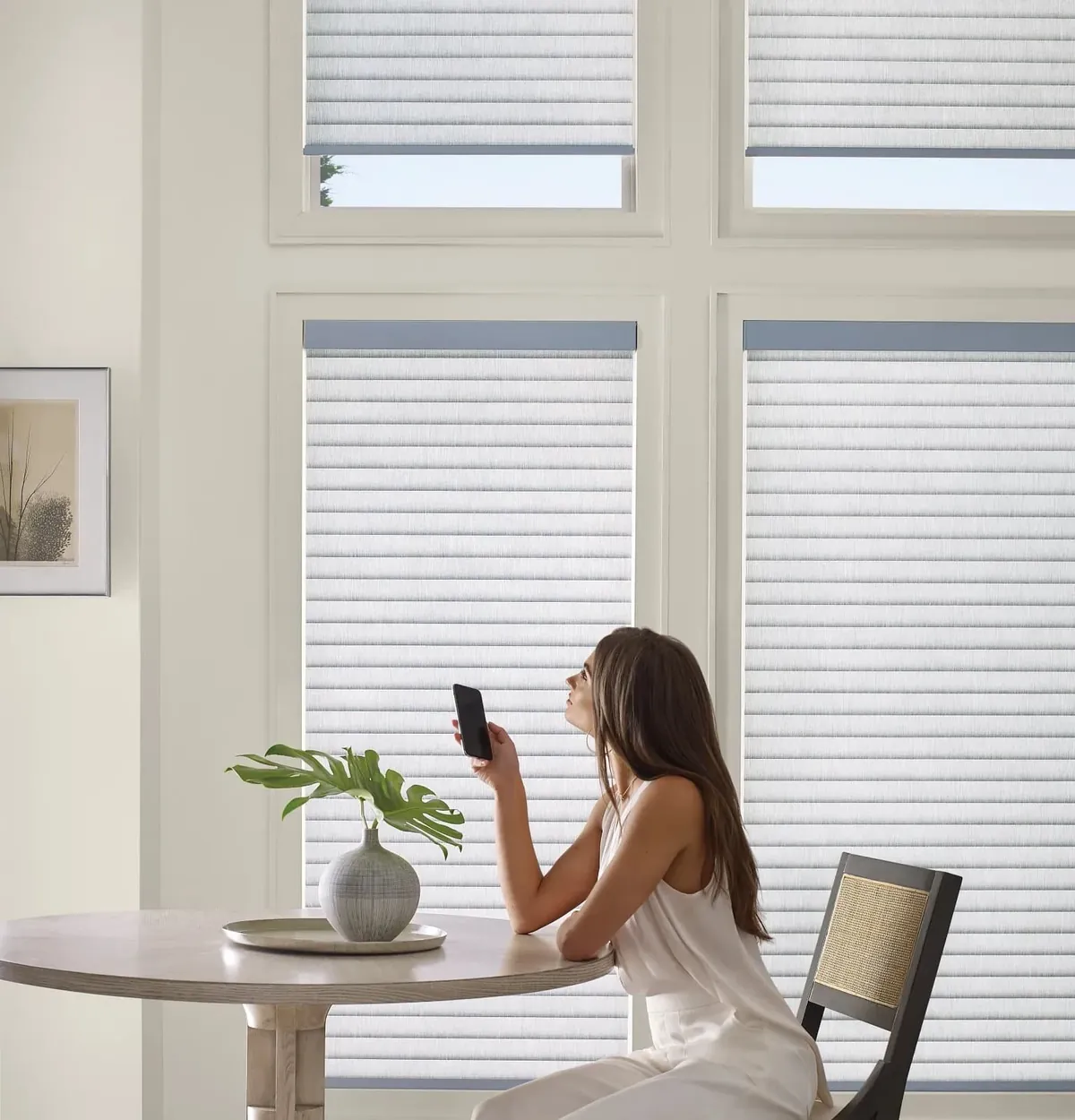
Motorized Blinds and Shades in East Bridgewater
PowerView shades you can open and close by remote, app or schedule, room by room or across a rambling house.
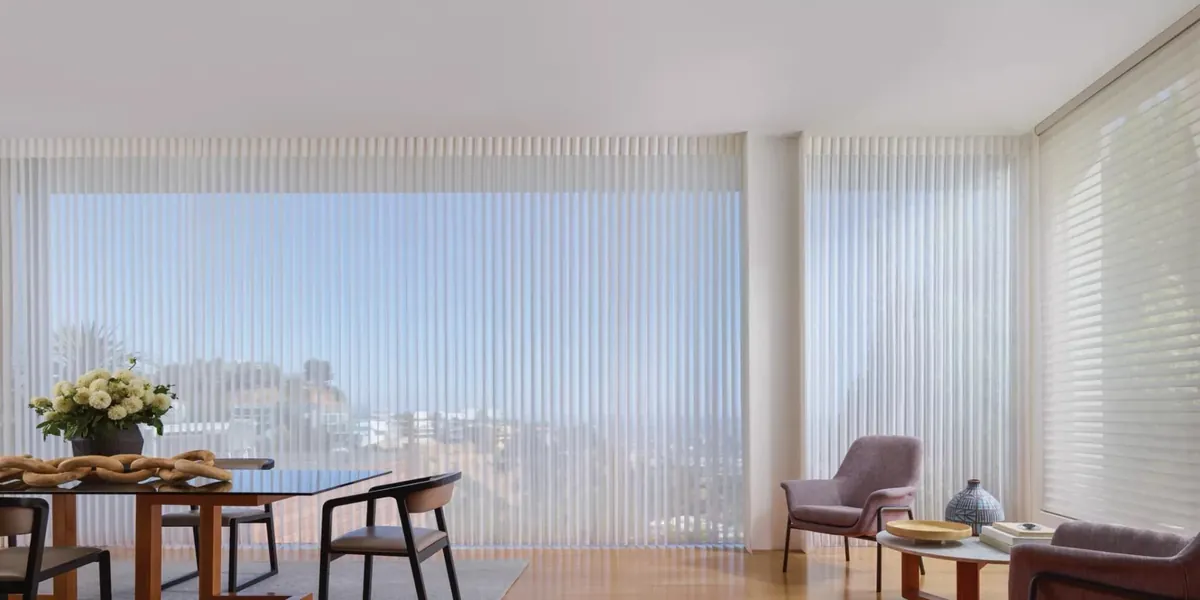
Hunter Douglas Dealer in East Bridgewater
A Hunter Douglas Gallery dealer offering the entire range, installed by certified Hunter Douglas installers.
What a deep recess makes possible
In an antique colonial or an old farmhouse, the distance from the inside face of the wall to the glass can be considerable. That depth is a real advantage. A shade mounted inside the recess sits back from the room, leaves the trim fully on show and, when raised, tucks out of sight in the head of the opening.
Honeycomb and roller shades suit this well, since both stack small. Shutters can also sit inside a deep opening, with the frame set back so the panels open into the recess rather than the room. Blinds work too, though their stack is taller, so on a small window they take more of the glass when up.
The depth also gives room for two layers, such as a shade inside the recess and drapery panels on the wall outside it. That combination suits a formal front room or a bedroom where you want both softness and darkness.
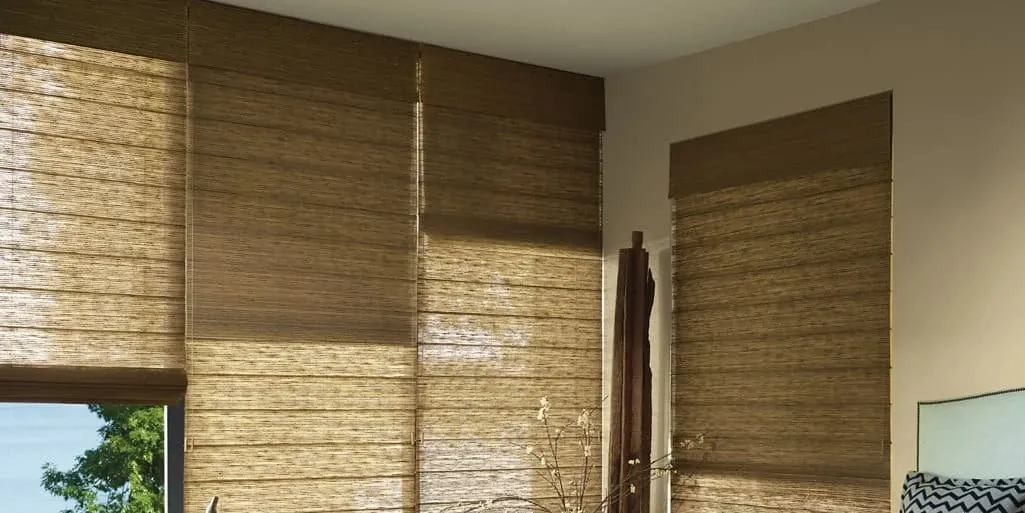
Small, old and not quite square
The older houses were built by hand, and many have settled over a long life. Openings that look square can be slightly out of true, wider at the top than the bottom or a little different from the window next to them. On a small opening, even a modest difference shows.
That is why we measure each old window at several points, top, middle and bottom, and in depth as well as width. An inside-mount covering is sized to fit the tightest point and still look even. Where an opening is noticeably uneven, a covering mounted on the casing hides it.
Small panes and small sash also mean the stack height matters more. A product that takes up a little of a big window can take up a lot of a small one, so we show you how each option looks fully raised before you decide.
Antique colonials and their rooms
An antique colonial usually has formal rooms at the front, a large kitchen or keeping room at the back and bedrooms upstairs, often under a lower ceiling than a modern house. The windows are small, evenly spaced and set deep, with wide trim.
Those rooms suit coverings that respect the period. Shutters are a natural fit, since interior shutters belong to that tradition. Wood blinds and roman shades in quiet colors also look at home. Many owners prefer to keep the trim fully visible and mount everything inside the recess, which the depth of the walls makes easy.
Upstairs, where ceilings may be lower and windows tucked under the eaves, slim honeycomb or roller shades keep the rooms from feeling crowded.
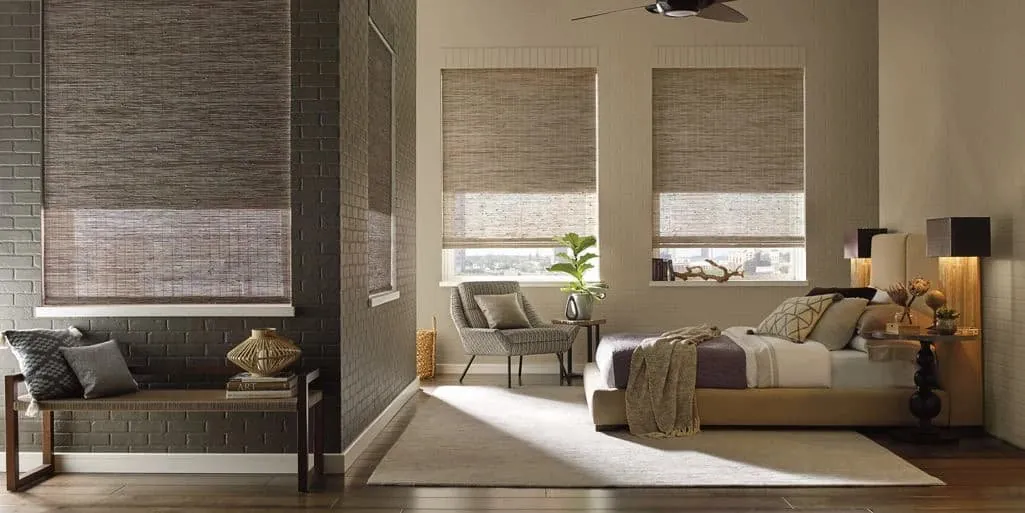
Farmhouses, ells and later additions
Farmhouses in town often grew over the years, with an ell or a wing added to the main house, a mudroom by the back door or a porch closed in. That leaves one house with windows from several eras: deep old sash in the original rooms, larger modern windows in an addition, perhaps a slider or French doors to a deck.
The trick is to make it all feel like one house. Keeping one color across every covering helps, even if the product changes from room to room. Shutters might suit the old front rooms, honeycomb shades the bedrooms, and a wider roller or vertical honeycomb the newer glass at the back. We plan the whole house in one visit, so the old and new parts sit together.
Capes and newer colonials off Route 18 and Central Street
The post-war capes and the newer colonials along and near Route 18 and Central Street have standard modern openings, square frames and shallower recesses than the antique houses. They are straightforward to fit, and one product can usually carry through the whole house.
A colonial’s front windows repeat across two floors, so a consistent product and outward color keep the front tidy. A cape’s dormer bedrooms suit inside-mount honeycomb or roller shades, which stay within the dormer and stack small. A family room or kitchen at the back may want a light-filtering or screen fabric for afternoon glare, with a vertical covering on the slider.
Light and glare on a larger lot
With more distance between houses, many rooms here are not overlooked at all. That changes the brief. Instead of blocking a neighbor’s view, the covering is mostly there to manage daylight: softening glare on a television or a computer screen, keeping the morning sun out of a bedroom and making a room comfortable on a bright afternoon.
- Screen and sheer fabrics cut glare and keep the view of the yard or the fields.
- Light-filtering honeycomb or roller shades turn harsh sun into an even glow.
- Room-darkening fabrics handle bedrooms where early light is the problem.
- Shutters and blinds let you steer the light by angling the louvers or slats through the day.
Where a side of the house does face a road or a neighbor, a light-filtering fabric is usually enough, with something more solid for bedrooms.

Your visit, step by step
Our shop-at-home service runs from Canton, and the vans carry samples, so we can bring the showroom to you. On an older house, that matters: the depth and shape of each recess are best judged in person.
- Choose a time through Request a Consultation, or press the call button.
- A consultant arrives with fabric books, slats, a shutter sample and a PowerView remote to try.
- We look at the old windows and the new, noting depth, trim and how square each opening is.
- Samples go into the recess so you see how each product sits and how much glass it leaves when raised.
- Every opening is measured at several points.
- You receive a free estimate to consider at your own pace.
Read more on the Canton shop-at-home page, and see what happens at an in-home consultation for a fuller description.
Shutters in an old house
Shutters and antique houses have a long history together, and they solve several old-house problems at once. Each panel is made for its own opening. The louvers give fine control of light, which helps in a small window where every bit of daylight counts. And shutters look right against wide, painted trim.
Louver size and frame style are the main choices. Smaller louvers suit small sash and keep the panels in scale; larger louvers give more view when open. A frame set inside a deep recess keeps the trim clear. Our page on shutters for older windows has more.
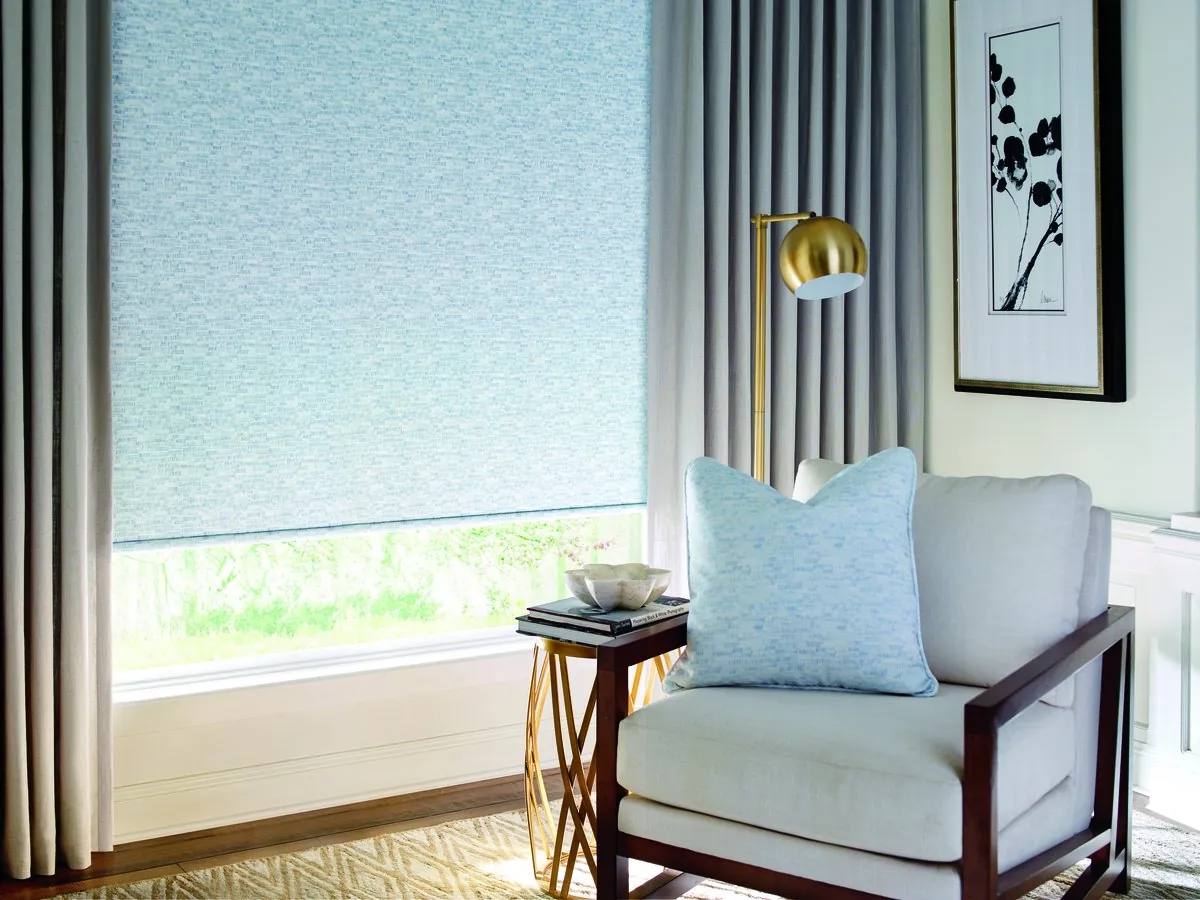
Wide sills and window seats
Thick old walls leave wide sills, and some antique rooms have a window seat built into a deep recess or a bay. These are lovely features, and the covering should not get in their way.
An inside-mount shade or shutter that stops just above the sill keeps the ledge free for plants, books or a cushion. On a window seat, a shade that raises fully out of the way lets the seat feel like part of the room by day, and lowers for privacy once the lamps come on. Shutters suit a window seat especially well, framing it and leaving the sill clear. When we plan window treatments in East Bridgewater, MA, for an old house, we measure the sill depth as well as the opening, so nothing overhangs the ledge.
Sunrooms and closed-in porches
Many older houses in town have a porch that was closed in at some point, or a sunroom added to catch the light. These rooms usually have more glass than anywhere else in the house, often on three sides, and they can get bright and hot in the afternoon.
Screen and light-filtering roller shades suit them well, softening glare while keeping the yard in view. Banded shades let you shift between view and privacy with a small movement. Woven wood shades bring a natural texture that sits comfortably with wicker, wood and plants. Because there are so many windows, PowerView can be a real help here, lowering every shade in the room together when the sun swings round.
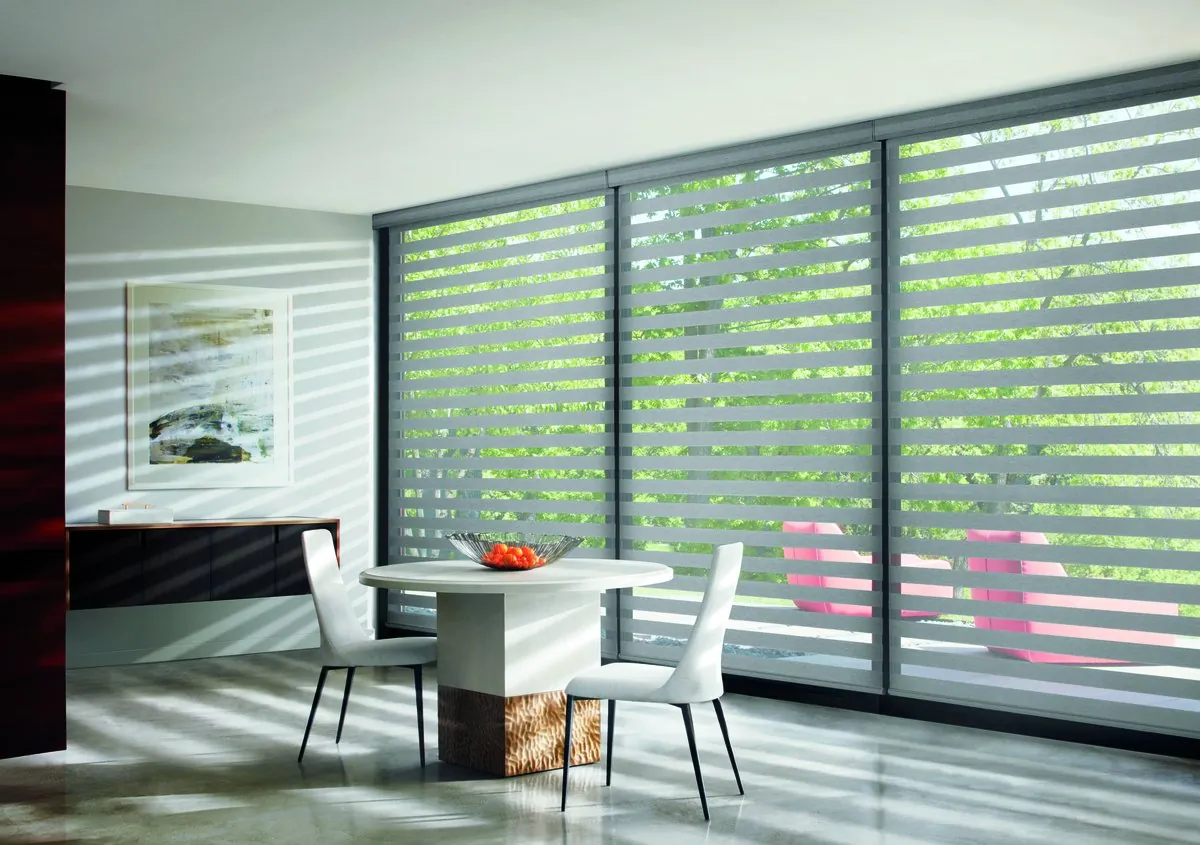
Front halls and the windows around the door
The front door of an antique colonial often opens into a small entry with a steep stair, and the door itself may have narrow sidelights or a row of small panes above it. In a farmhouse, the everyday entrance is more likely to be a side or back door into the kitchen or mudroom, with its own small window beside it.
These openings are small, but they are the first thing anyone sees on arrival. Many owners leave a transom over the door uncovered for daylight in the hall. Sidelights can take a slim honeycomb shade or a narrow shutter panel when privacy at the door matters, for instance where the entry faces the road. A small window beside a back door suits a plain roller or a mini blind that stays out of the way of coats, boots and comings and goings. Planning them along with the main rooms means they match rather than being an afterthought.
Kitchens, keeping rooms and mudrooms
The working rooms at the back of an old house are often the most used. A big kitchen or keeping room may have several small windows on two walls; a mudroom by the back door may have one or two more.
Coverings here need to be simple to work every day. Honeycomb and roller shades rise and fall easily. Shutters on the lower sash keep privacy at the sink and leave the top open for light. Wood or faux wood blinds can be tilted for light without being raised. In a mudroom, a plain roller or blind does the job without fuss.
Color in old rooms
Antique rooms often have painted trim in white or a historic color, wide plank floors and plaster walls. Coverings in quiet, natural colors usually sit best: whites, creams, soft grays and the warm tones of wood. Where the trim is a deep color, a matching or stained shutter or a wood blind can look more at home than bright white.
In the newer houses, you have more freedom, though many owners still choose neutrals for the outward face so the house looks consistent from the road. Window treatments in East Bridgewater, MA, often end up mixing both approaches in one house, with period-friendly choices in the old rooms and more modern colors in a newer family room.
Automation for a house that spreads out
A farmhouse with an ell, or a colonial with rooms on two floors, can mean a long walk to open and close everything. PowerView shades can be grouped by room, by floor or by side of the house and worked from a remote, an app or a schedule, so the bedrooms stay dark until morning and the west-facing rooms close against the late sun on their own. We plan how each motor is powered at the visit. See motorized blinds and shades in East Bridgewater.
Repairs on what you already own
An old house sometimes comes with old coverings. If a blind’s cord has broken, a shade will not stay where you put it or the slats no longer tilt, a repair may be all it needs. We are happy to look at window coverings you already own. Read more on blind and shade repair.
Why it helps to buy from a Gallery dealer
Blinds & Designs is a Hunter Douglas Gallery dealer, so an antique colonial with deep-set sash and a newer colonial with standard openings can both draw on the whole Hunter Douglas range: honeycomb, roller, roman, sheer and woven shades, wood, faux wood and metal blinds, vertical blinds, shutters and PowerView.
Certified Hunter Douglas installers put up every order, from a single small recess to every window of a farmhouse and its ell. Free estimates, interior design consultations and repairs complete the window treatments in East Bridgewater, MA, that we look after.
Questions from East Bridgewater
My antique house has deep window recesses. What fits best?
Honeycomb and roller shades mounted inside the recess, which stack small and tuck out of sight when raised. Shutters with a frame set into the recess are another strong choice.
The old windows are not quite square. Is that a problem?
No. We measure each window at several points and size the covering to fit. Where a frame is clearly uneven, mounting on the casing hides it.
My house has an old part and a newer addition. Should the coverings match?
Keeping one color throughout helps the two parts feel like one house, even if the product changes from room to room.
My rooms are not overlooked. Do I still need window treatments?
Most rooms still benefit from controlling glare and morning light, even without neighbors close by. Screen and light-filtering fabrics handle that while keeping the view.
Are estimates free?
Yes. Estimates are free, with no obligation.
When you are ready
Start with the room that troubles you most, whether it is a deep-set parlor window or a glare-filled family room, and we will work outward from there. Request a consultation and we will bring samples, measure every opening at several points and leave a free estimate. If you would also like to see the range in person, our nearest showrooms are in Franklin and North Dartmouth; their pages have the addresses and hours. There are pages too for nearby West Bridgewater, Whitman and Brockton.
To compare everything we carry side by side, see our window treatments page.