
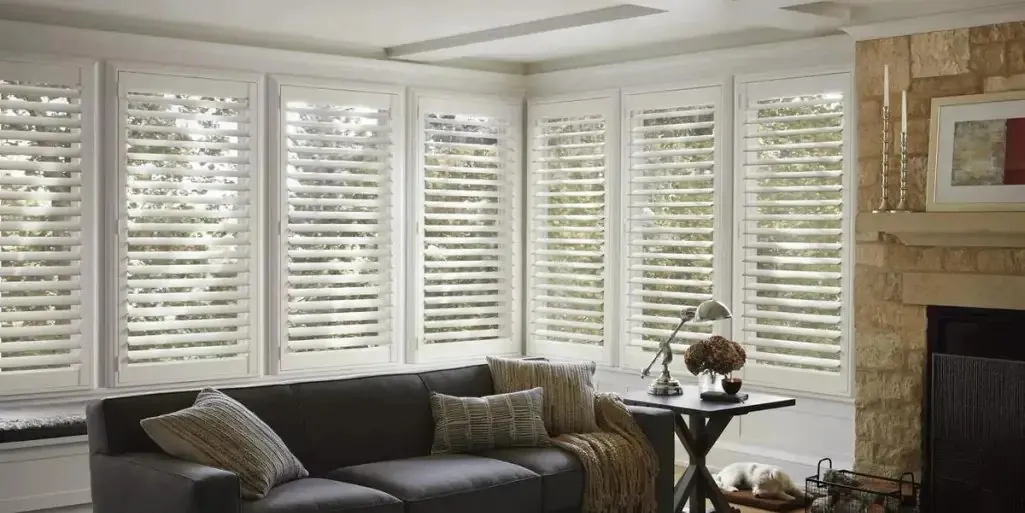
Water on three sides of town
Chatham sits on the elbow of the Cape with open water to the east, the south and much of the north. The shingled captains’ houses through the village, and the cottages strung out along Shore Road and on Morris Island, were placed to make the most of it. In many of them the best room in the house was planned around one view: the harbor, the bars, Pleasant Bay or the open Atlantic. When we fit plantation shutters in Chatham, MA, keeping that view clear is usually the first thing we are asked about.
The second is salt. On an exposed point there is no sheltered side of the house. Wind brings salt air in from one direction or another nearly every day, and it settles on sills, hinges and anything left near an open window. A window covering here has to cope with that for years, not just look good on the day it goes up.
Plantation shutters answer both needs well. Open flat, the louvers leave the glass mostly clear. Closed, they give a room full privacy and shade. And with no fabric and no cords, there is very little for salt and damp to work on.
What we bring to a Chatham house
Six options come up again and again in Chatham. Every one rides along in the sample van, so you judge it at your own glass.

Shutters for French doors
Panels fixed to each door leaf move with the door, so the way out to the deck and the water stays open.
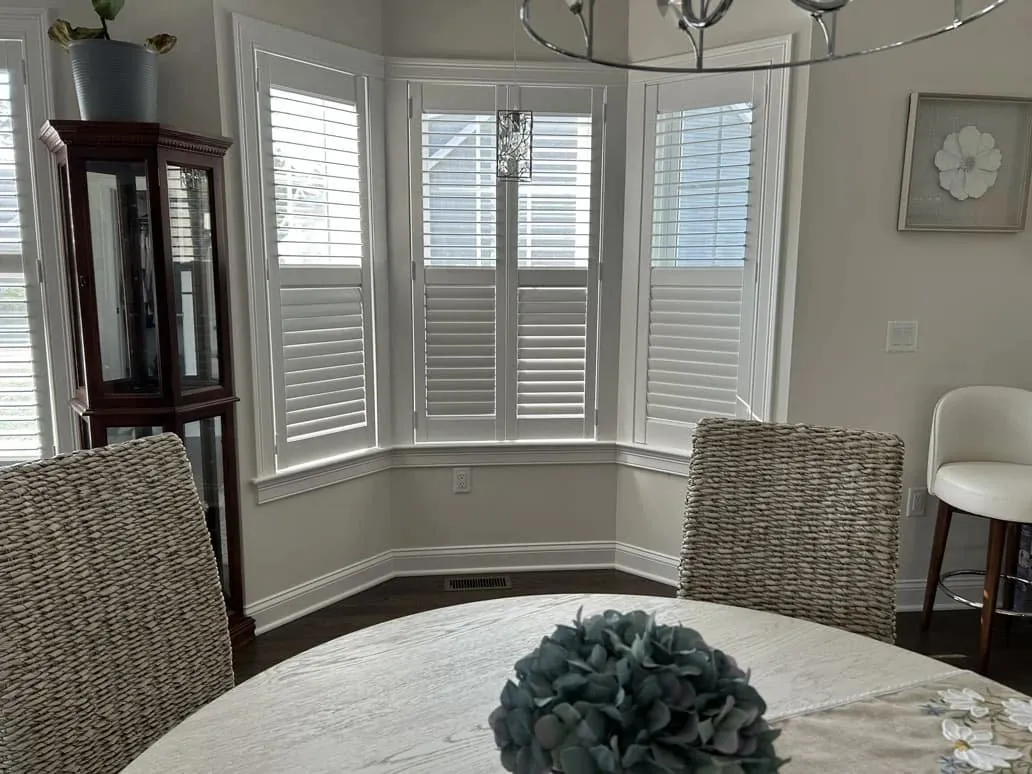
Cafe style for street-side rooms
Lower panels screen a dining room from the lane while the upper sash keeps its sky and its light.
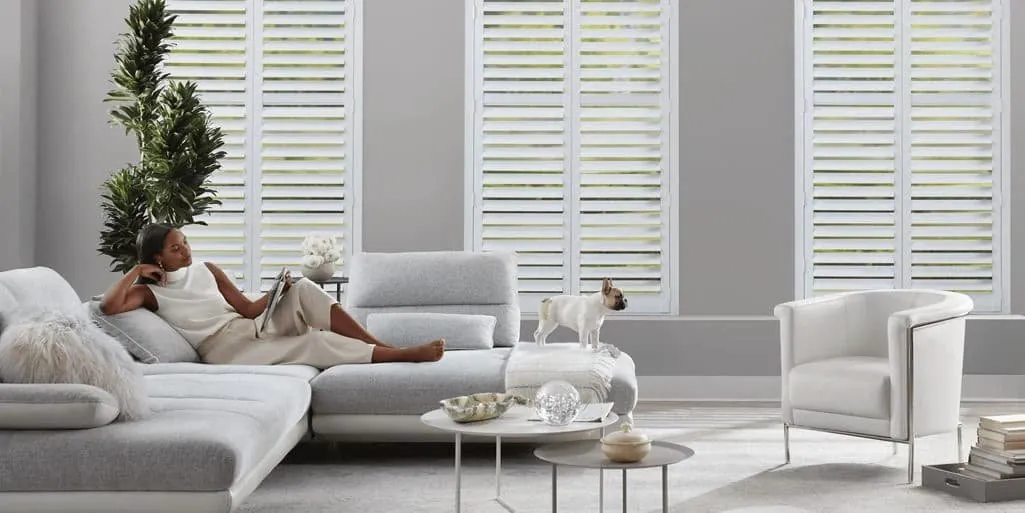
Wide louvers for the view
Fewer, broader slats leave more of the glass open when they are tilted flat toward the water.
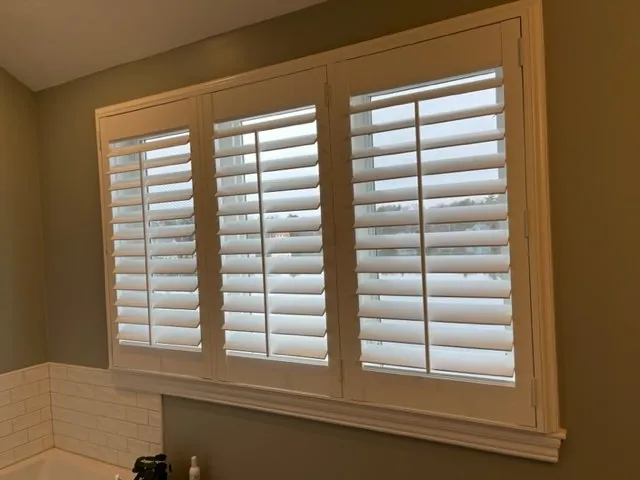
Palm Beach for salt and steam
Solid polysatin, nothing that can swell, for bathrooms and the rooms that take the weather head on.
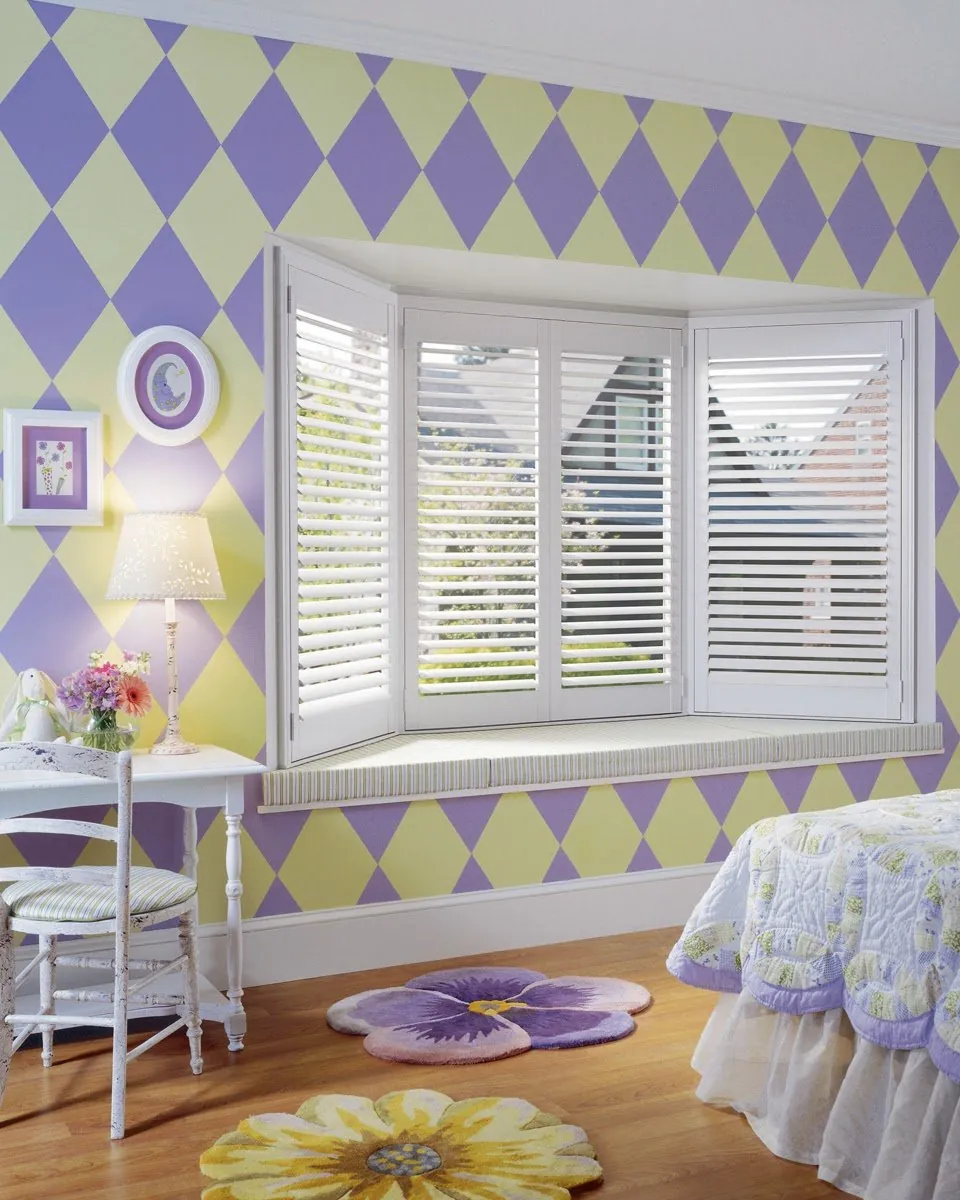
Window seats and bays
Each face of a bay takes its own panels in one frame, so the seat below stays free and the whole bay opens together.
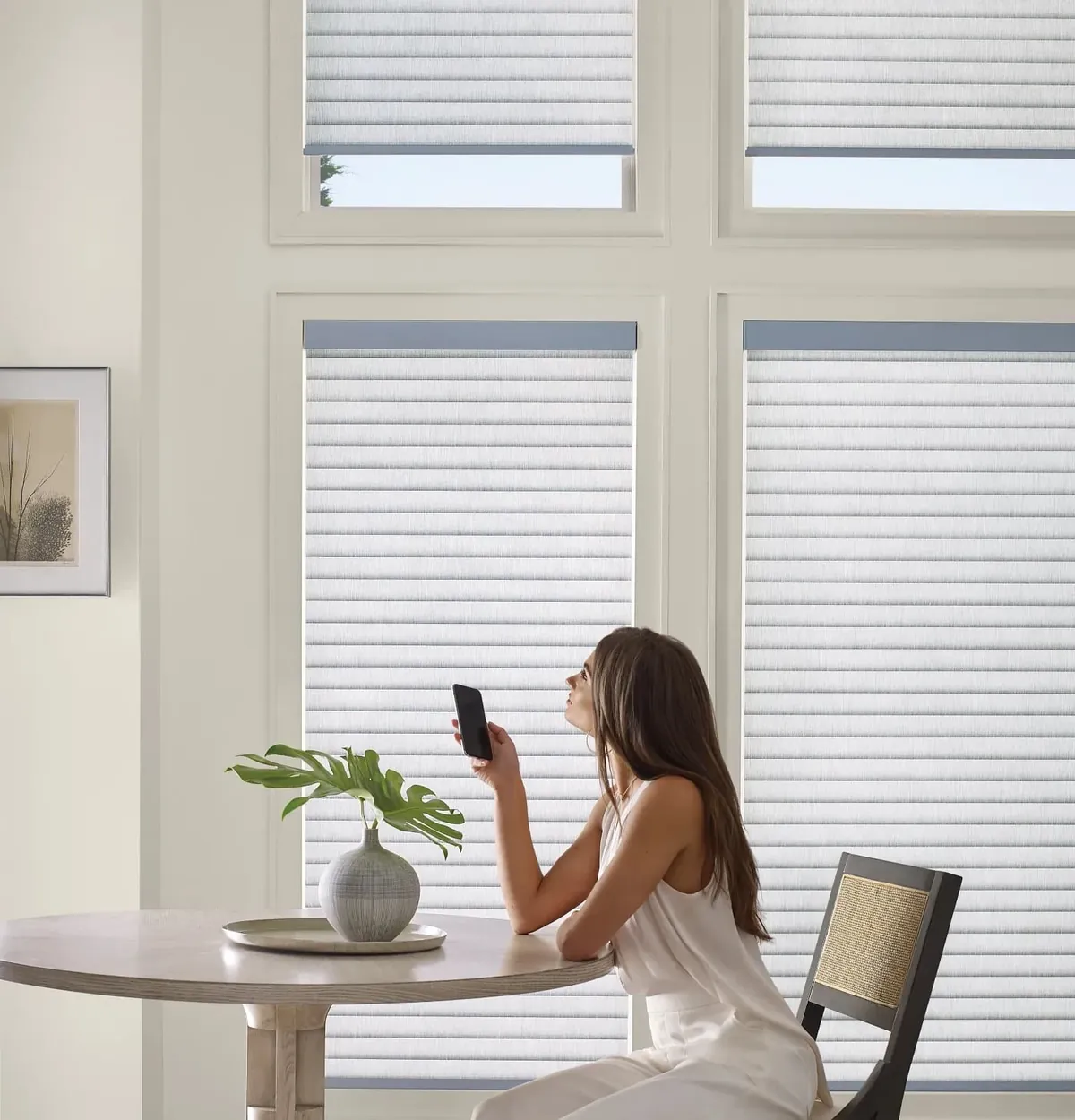
Motorized shades for the high glass
Transoms and clerestory windows above a water view can take PowerView shades you control from a phone, alongside shutters below.
A view you do not want to cover
In a room built around a water view, any window covering is a compromise, and most people put off choosing one for that reason. The worry is always the same: will I lose the view? With shutters, the answer depends on three choices, and we walk through all of them at the visit.
The first is louver width. Wider louvers mean fewer slats across the glass. Tilted flat, they leave broad strips of open window between them, and the view through reads as the view, not as a pattern of lines.
The second is the tilt control. A traditional rod down the front of the panel adds a thin vertical line to every window. A hidden tilt moves that control out of sight behind the slats and removes it, which many people prefer when the window faces the water.
The third is how the panels open. When you want nothing at all between you and the harbor, the panels swing back on their hinges and fold clear of the glass. We plan the hinge side and the panel size so that they rest against the wall or the window return without blocking anything when open.
With those three set well, most Chatham rooms keep the view they were built for, and gain shade and privacy only when you want them.
Salt that never lets up
On an elbow of coast exposed on three sides, salt is simply part of the air. It drifts in on the wind in every season, settles in a fine film on anything near a window, and draws in damp. Over time it is hard on metal, and on materials that swell when they take on moisture.
That is why we often suggest Palm Beach polysatin for Chatham houses, especially in rooms on the most exposed side, in bathrooms, and in any room that is closed up and unheated for part of the year. It contains no wood, so humid air does not move it. For living rooms set a little back from the weather, NewStyle gives a painted wood look in a material that copes well with changing conditions. Where the room is fully heated and you want real wood, Heritance is the hardwood option.
Upkeep is simple. A shutter has hinges, a tilt mechanism and louvers, and nothing hanging down. Wiping the louvers with a damp cloth every so often lifts the salt film before it builds up. Compared with a corded blind or a fabric shade by an open window, there is far less to look after.
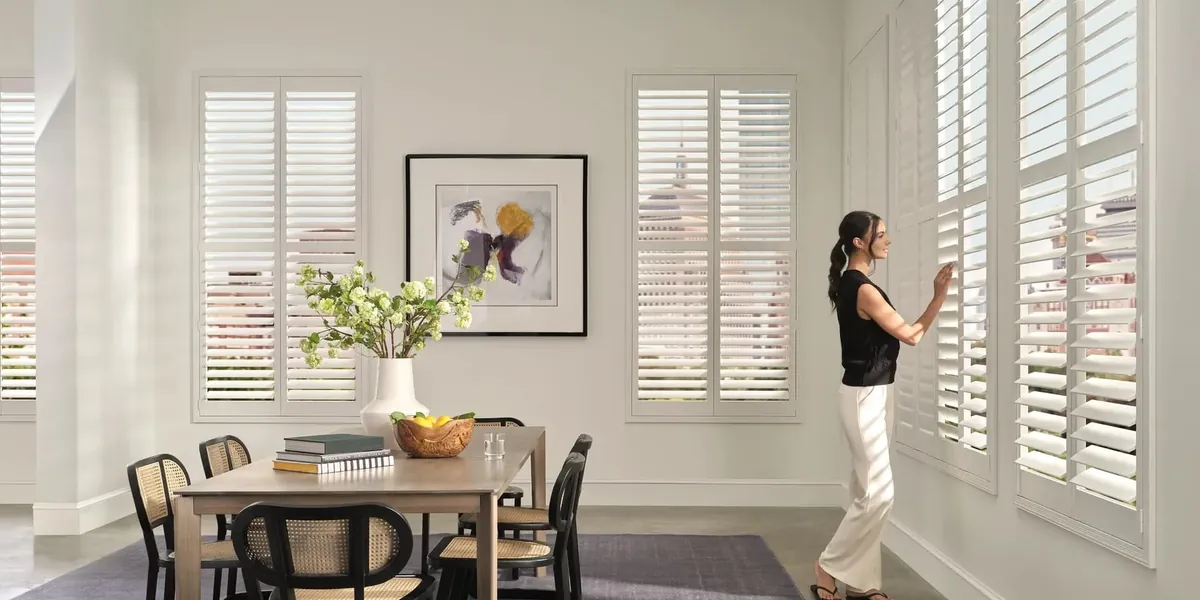
Sunrise over open ocean
Much of Chatham faces east, toward open Atlantic with nothing between the house and the horizon. That makes for remarkable mornings and early wake-ups. In summer the sun clears the water well before most people want to be up, and it comes straight into an east bedroom with no trees or buildings to soften it.
Shutters are a practical answer for those rooms. With the louvers closed, a bedroom stays dim long after sunrise, and the light that does get in comes round the edges in thin lines rather than flooding the room. When you are ready, a single push on the louvers lets the morning in. A tighter-fitting frame inside the opening keeps those light gaps small.
East-facing kitchens and breakfast rooms have the opposite need. There, you want the morning light but not the glare bouncing off the water onto the table. Tilting the louvers slightly upward sends the brightness toward the ceiling, so the room is full of light without the squint.
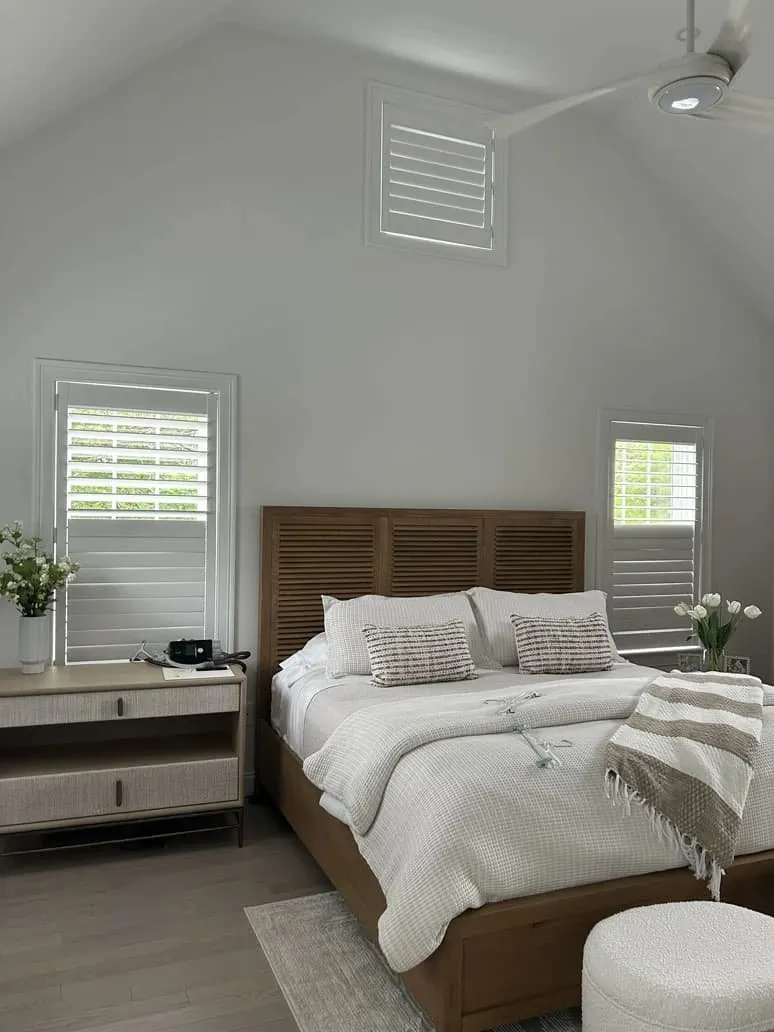
Porches and sunrooms on the seaward side
Many Chatham houses have a porch that was glassed in at some point, or a sunroom added on the side facing the water. These rooms are the most exposed in the house. They take sun from three directions, they heat up fast on a still afternoon, and they cool quickly once the wind turns.
Plantation shutters in Chatham sunrooms usually mean Palm Beach, because it copes with those swings without moving. A run of windows across a sunroom can be fitted as one continuous set, with the louvers lining up from window to window, so the room looks deliberate rather than pieced together. On the hottest days, closing the louvers on the sunniest wall keeps the room usable, and the view stays open on the others. In the shoulder seasons, when the sun is lower and gentler, the same louvers can stay wide open all day so the room collects whatever warmth the afternoon offers.
Captains’ houses through the village
The older houses near Main Street were built by and for seafaring families, and they have the solid, symmetrical look that goes with it: a central door, windows evenly spaced across the front, steep roofs and shingled walls weathered to gray. Inside, the rooms are well proportioned, with wood casings that have often been painted many times over.
In these houses the shutter should look as if it belongs to the period. Where the reveal allows, the frame goes inside the opening and the old casing shows all round; where the opening has racked out of square, a lipped frame laps the edge of the casing and hides the gap. A divider rail set level with the meeting rail of the sash lets the top and bottom louvers move on their own, and seen from the lane it echoes the sash behind it.
Narrow or medium louvers sit well with the smaller panes of an old sash. Heritance hardwood, painted to match the trim, is a natural fit in the front rooms, while Palm Beach handles the kitchen and bath at the back of the house.
Cottages along Shore Road and on Morris Island
Out along Shore Road and across on Morris Island the houses change. Many are shingled cottages and summer houses, some added to over the years, with the main living space turned toward the water and walls of glass on the seaward side. The landward side may face a neighbor across a garden or a narrow lane.
Those two sides want different things. On the water side, the priority is the view and the glare off the sea, so wide louvers and a hidden tilt are common. On the lane side, privacy comes first, and cafe panels or shutters with a divider rail let you screen the lower window while keeping light above.
Cottages that were added to in stages often have windows of several sizes and ages in one room. Because each panel is built to its own opening, the shutters still look like a set, and a consistent louver width and color pulls the room together.
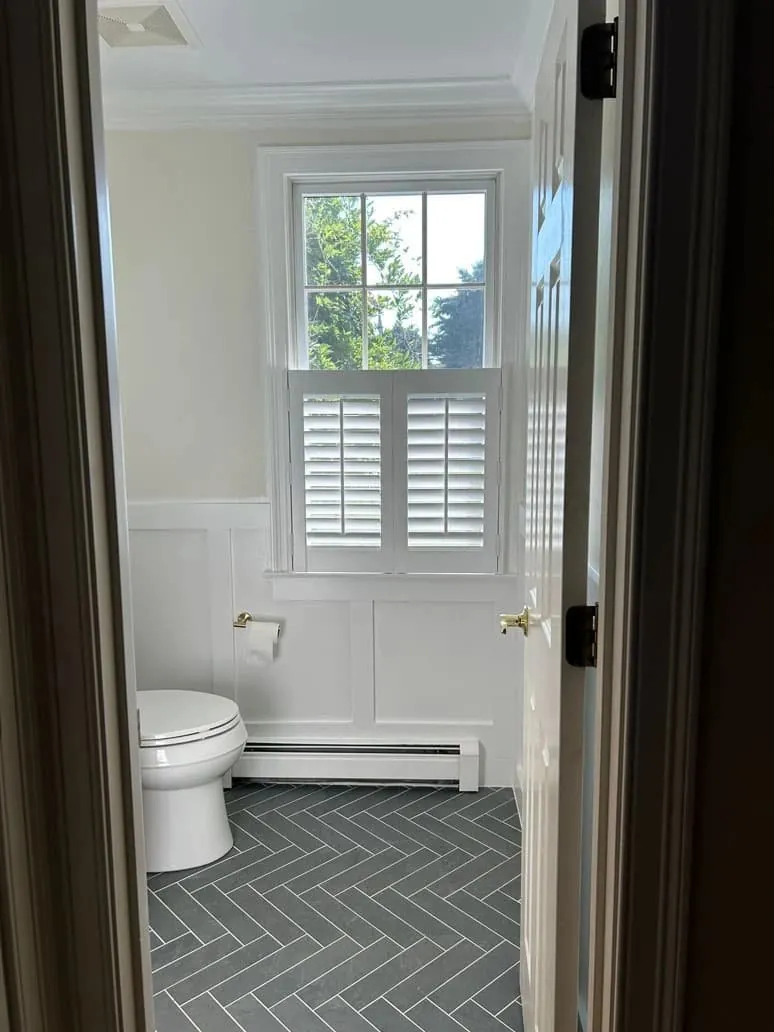
Plantation shutters in Chatham, MA, through a nor’easter
Chatham takes the brunt of winter storms. Wind drives rain and spray against the seaward walls, and even well-sealed windows can feel cold and draughty when a nor’easter is blowing.
Closed shutters add a layer between you and the glass. With the louvers shut and the panels closed in their frame, the cold off the window reaches the room more slowly, and a sitting room on the exposed side feels more comfortable through a long gray day. We do not quote energy figures, but the difference is something you can feel.
The same closed panels help in a house left empty through the winter. They shade the floorboards and the sofa through the bright months, and they give an unoccupied house a lived-in look from outside. When you come back in spring, open the louvers, wipe them down and the room is ready.
How a Chatham consultation goes
The view, the light off the water and the condition of an old frame are all things you can only really judge standing in the room. That is why our vans carry samples: we bring the showroom to your door.
- Book through the Request a Consultation form, or ring through the call button, and pick a day.
- A consultant comes to the house with all three collections, louvers in several widths and sample frames.
- Together we look first at the rooms that face the water, since those are the hardest to get right.
- Each louver width goes up in your own window, tilted open and shut, so you see exactly what stays of the view.
- Every window is measured for width, height, depth and squareness, and we sketch how each set of panels should swing.
- A free estimate follows for whatever you are weighing up, and there is no rush to sign anything.
- On fitting day, our certified Hunter Douglas installers set each frame true, tune the panels so they meet cleanly, and walk you through the louvers and hinges.
You can read more about what happens at an in-home consultation before we come. Interior design consultations are offered as well, so if the room needs a broader plan for color and fabric, it can be part of the same conversation.
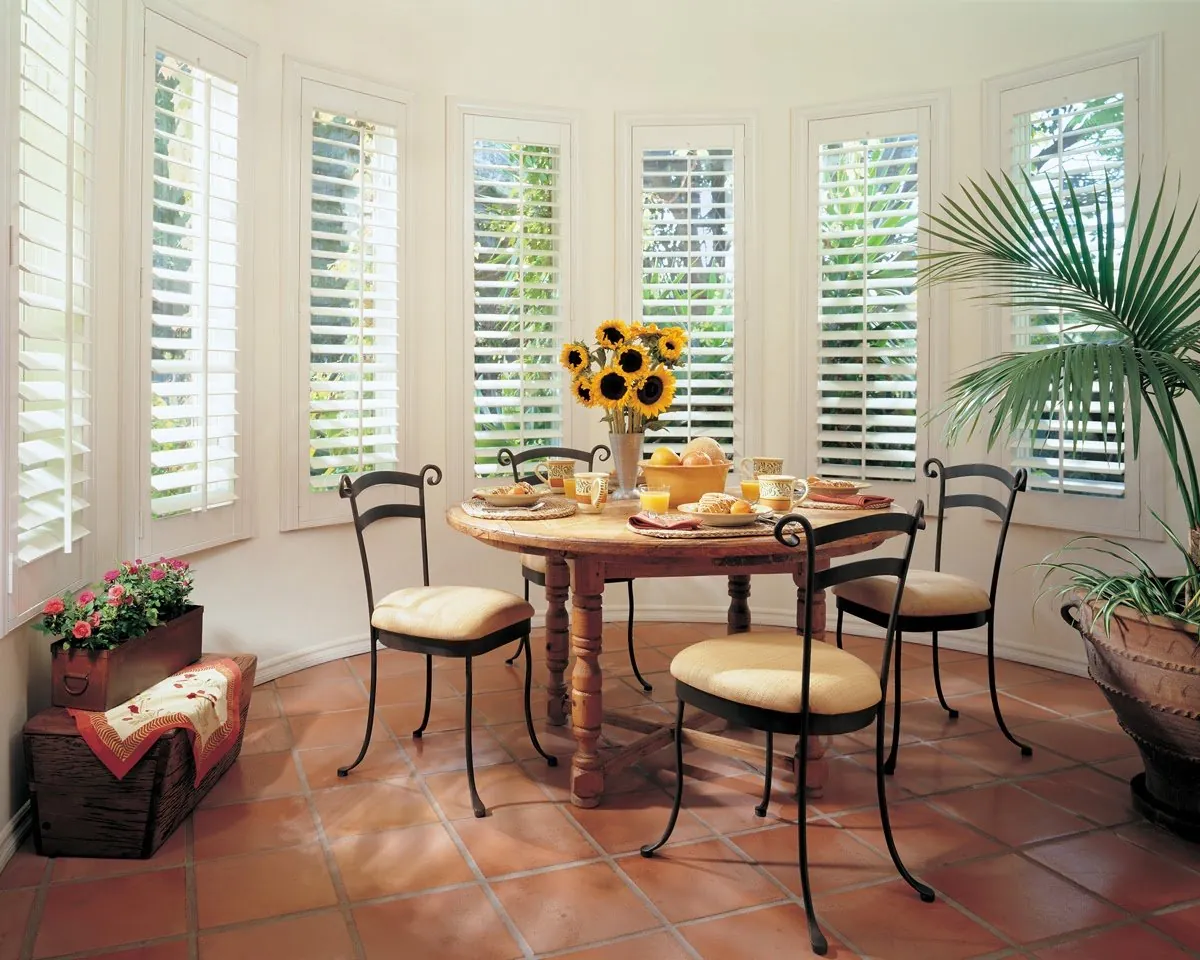
White, off-white or something else
Most Chatham shutters are white or a soft off-white. A light color reflects daylight back into the room, which matters on a gray day by the sea, and it sits quietly behind old glass so the house keeps its traditional face from the lane. It also tends to match the painted trim in a captain’s house.
There are many whites, though, and very few old houses have pure white trim. We bring a range so you can match what is already on your casings. Where a room still has its varnished woodwork, Heritance hardwood can take a matching stain. In a modern addition, a soft gray or a pale natural tone can work well against shingle and sea.
Choosing the right shutter for each room
Mixing collections inside one Chatham house is common and sensible. A typical mix might be Heritance in the front parlor, NewStyle in the bedrooms and the living room, and Palm Beach in every bathroom and on the most exposed sunroom. With the same color and louver width throughout, the house still looks consistent.
We suggest a collection for each room based on how exposed it is, whether it is heated all year, and whether it sits beside original woodwork. When a single collection would serve the whole house, you will hear that from us too. Ordering plantation shutters in Chatham this way puts the right material in the right place instead of one compromise everywhere.

A Gallery dealer for a house by the sea
Hunter Douglas names dealers who meet its standards Gallery dealers, and Blinds & Designs is one. For a Chatham house that means the full shutter range at one consultation, with every louver width, frame, tilt option and color, so you choose what suits each window rather than what happens to be on hand.
Fitting is done by installers that Hunter Douglas has certified. They square every frame, set every panel and check it all before leaving, and should a hinge or louver want attention years on, blind and shade repairs are part of what we do.
For the rest of the house, see cellular shades in Chatham or roller shades in Chatham, everything we do in town on our Chatham page, or every collection on our plantation shutters page. Our nearest showroom to Chatham is in Sagamore, at the Cape end of the bridge, though most people here prefer to choose at home.
Questions from Chatham
Will shutters block my water view?
Not when the louvers are open. Wide louvers leave broad strips of clear glass when tilted flat, a hidden tilt removes the front rod, and the panels swing fully clear of the window when you want nothing in the way.
Which shutter stands up to salt air on an exposed lot?
Palm Beach polysatin is our usual suggestion for the most exposed rooms and every bathroom. It contains no wood, so salt and damp air do not move it. A wipe with a damp cloth now and then keeps the louvers clean.
Can you fit shutters to French doors onto the deck?
Yes. Panels mount on each door leaf and move with it, so you can open the doors without moving the shutters first. Sliders can take bifold or sliding panels on a track.
My house is closed all winter. Are shutters a good choice?
They are one of the best. Shut louvers shade the rugs and wood floors, give the house a lived-in look, and have no fabric to fade or take on damp.
Do I pay for the estimate?
No. Once every window has been measured, the estimate for your shutters is free and carries no obligation.
Bring the samples to your windows
The surest way to choose plantation shutters in Chatham, MA, is to see them in the room you built around the view. Ask for a consultation and a consultant will come with all three collections, take every measurement and leave a free estimate behind. Prefer to talk first? The call button reaches us, or begin at our Sagamore showroom.