
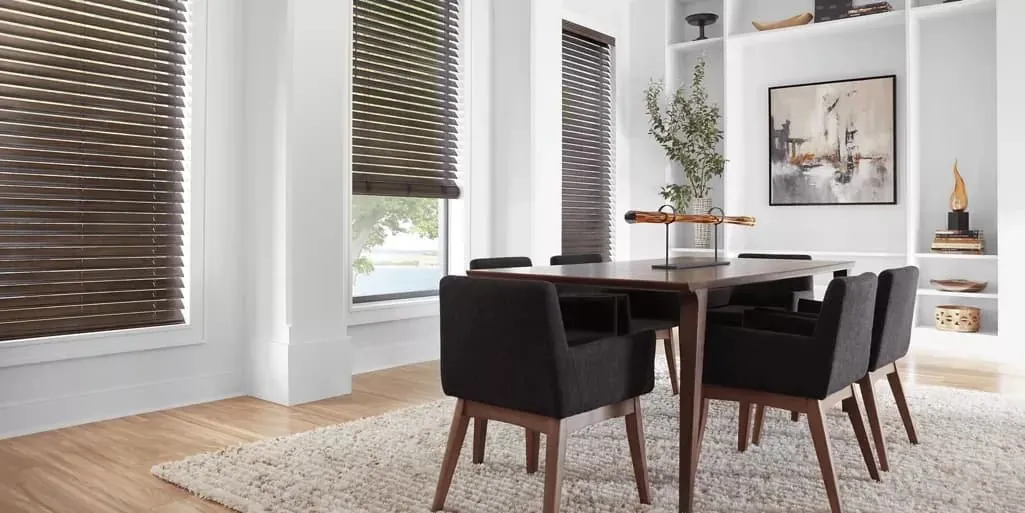
Old sash close to the sidewalk
Walk through Dedham Village or along the streets of Oakdale and the windows tell you how old the houses are. Antique colonials and Victorians line up with tall, narrow sash, often in matched pairs on the front wall, and many of them stand only a few strides back from the sidewalk. Anyone passing on foot sees straight into a front parlor at eye level. Choosing custom blinds in Dedham, MA, for a house like that is partly about privacy and partly about respect for a facade that the street has looked at for a very long time.
Toward Riverdale the picture changes. Post-war capes and ranches sit on their own lots with standard openings, more yard between the house and the road, and fewer surprises in the frames. A blind there has an easier life, and the choices are more about color, slat width and how the room gets used.
So one town gives us two quite different briefs. The village houses ask for a blind that fits a slim, sometimes uneven opening and looks right from the curb. The later houses ask for a tidy, matched set that works every day. We plan both the same way: at your windows, with the Hunter Douglas samples in our hands.
Custom blinds in Dedham, MA, in four families
Every blind we order is made to the size of your own opening. These are the four Hunter Douglas families we fit here, each with its own page if you want to read further.
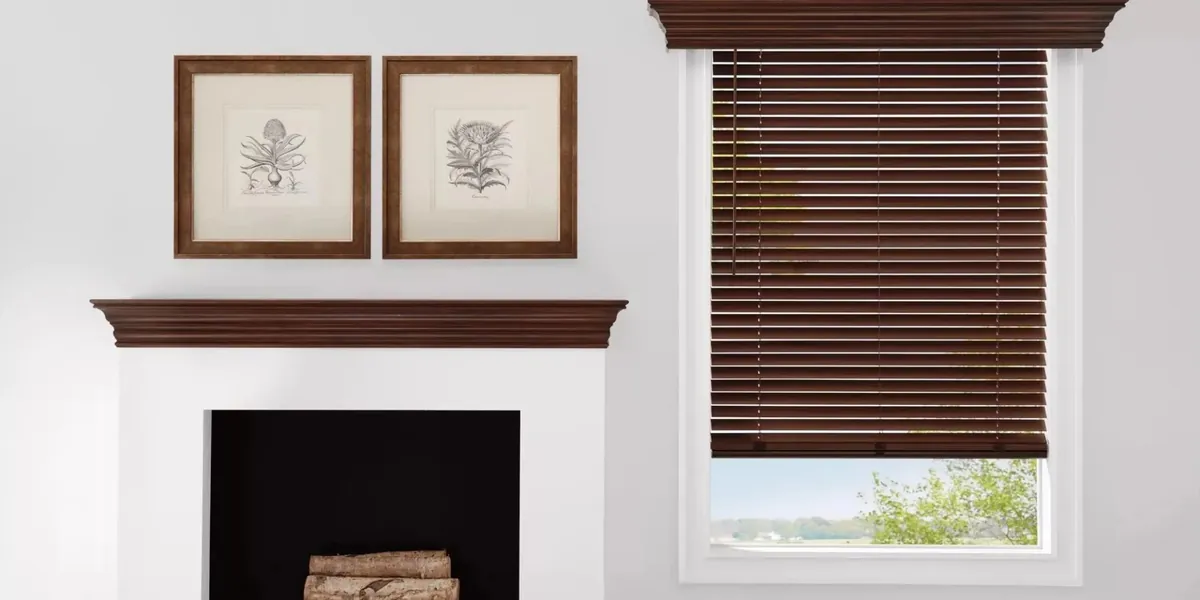
Wood Blinds
Real wood slats, the classic choice for the front rooms of an antique colonial where the trim, floors and mantel are wood as well.
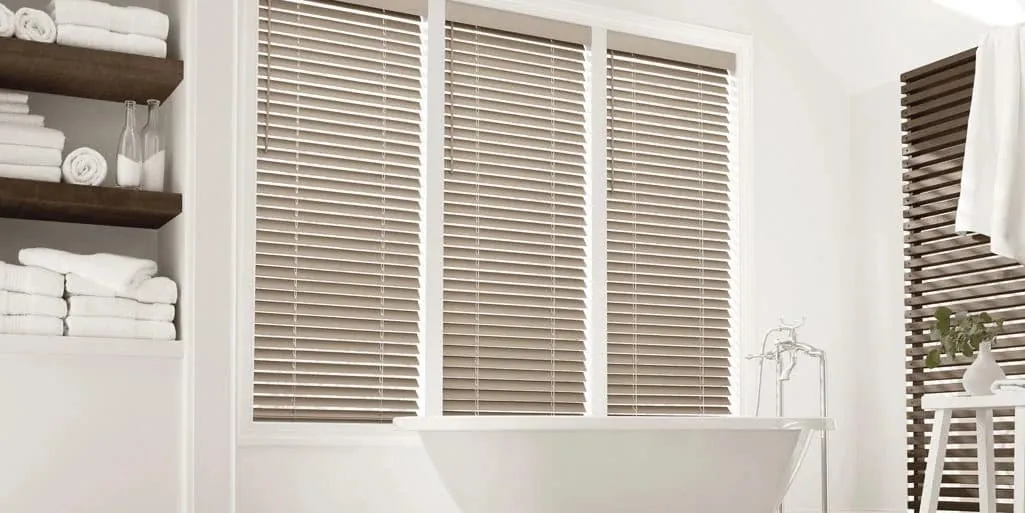
EverWood Faux Wood Blinds
The look of a wood slat made without real wood. Matched in color to wood blinds, so a whole house can read as one set.
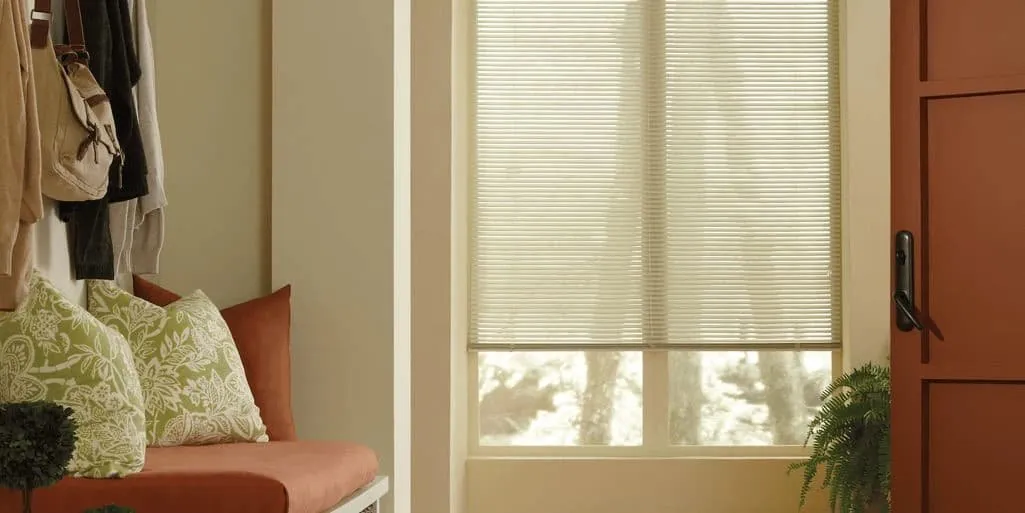
Metal Blinds
Thin aluminum slats and a slim headrail, a neat answer for door glass, side lights by a front entry and shallow frames.
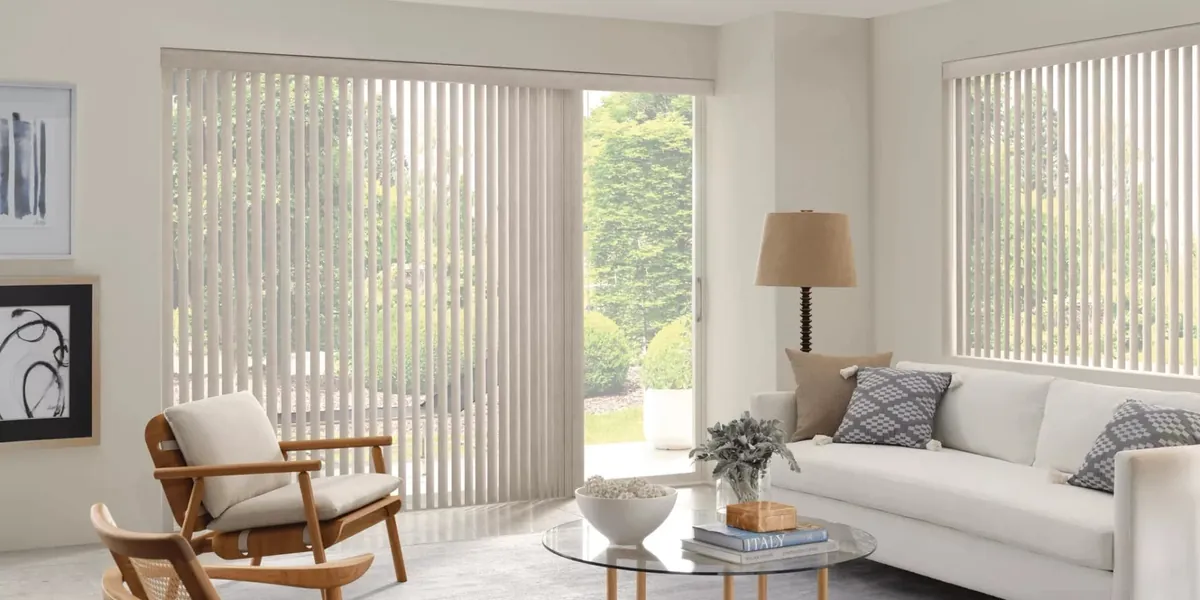
Vertical Blinds
Vanes that hang straight down and draw to one side, made for the slider off a ranch kitchen or a wide run of glass.
The front parlor that faces the walk
In the village, the room that worries owners most is usually the front parlor. It has the best windows in the house, tall and well proportioned, and it also has the least distance between the glass and anyone walking past. Leave the windows bare and the room is on show. Cover them heavily and the house loses the light that made those tall sash worth having.
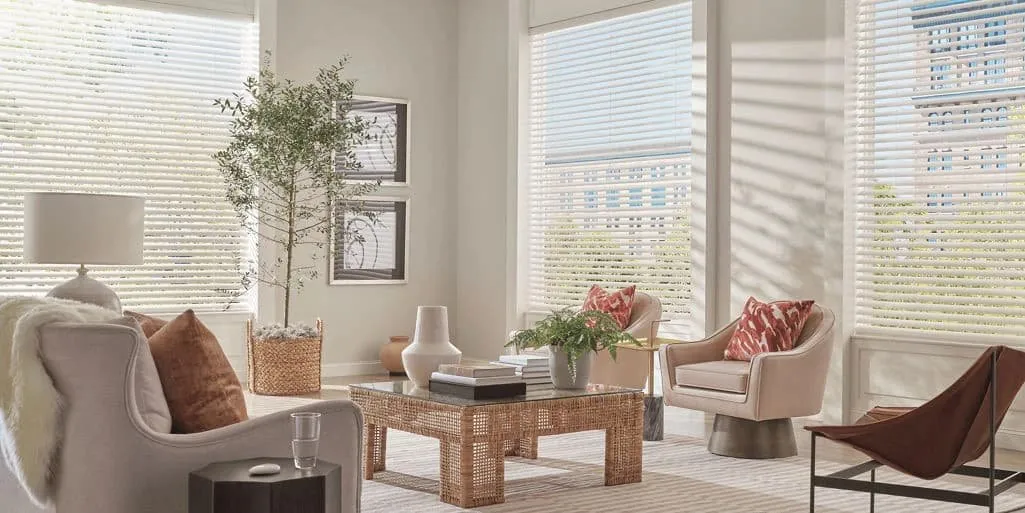
A horizontal blind solves that tension better than most coverings, because it splits the job in two. Lowered and tilted, the slats block the line of sight from the sidewalk while daylight still slips between them. Tilt the slats upward and the light from outside is sent toward the ceiling instead of across the room, which keeps the parlor bright while someone on the walk sees only the slat faces. At night the slats close flat and the room is private.
For these rooms we usually suggest a narrower slat. On a slim sash it keeps the proportions right, and when the blind is raised it gathers into a smaller stack at the head of the window, so less of the upper glass is hidden. That matters on a window much taller than it is wide.
What historic expectations mean for a blind
Many antique houses in Dedham Village carry a certain expectation from the street. The clapboards, the trim and the window pattern have a look the neighborhood knows, and owners often want their window coverings to support it rather than compete with it.
That steers a few choices. Color is the first. A blind matched to the window trim, often white or a soft cream, disappears into the frame from outside, so the eye goes to the sash and the house rather than to the covering. A stained wood slat can work beautifully inside a paneled room, but on the street side some owners prefer to keep every front window the same pale tone.
Consistency is the second. A Victorian with eight front windows looks calm when all eight blinds share one color, one slat width and one headrail height. It looks restless when each window was dressed at a different time. Ordering the front of the house together is the simplest way to avoid that.
The third is the mount. Where the casing is deep enough, an inside mount keeps the blind within the frame and leaves the old trim fully visible, which suits a house with fine moldings. Where it is not, an outside mount on the face of the casing is the fallback. We look at each window and tell you which applies.
Tall, narrow sash and frames that have moved
Old sash windows are rarely the size a drawing says they are. Houses settle, frames shift slightly over the years, and an opening can be a touch wider at the top than at the sill, or a little out of square from one side to the other. On a window this tall, a small difference adds up.
That is the reason a custom blind is worth it in the village. A stock blind is made to a standard width and has to be forced or shimmed to suit a frame it was not made for. A made-to-measure blind is built for that opening, so it hangs straight and clears the sides when it moves. We take our measurements at the visit and write down anything in the frame that could get in the way, such as a sash lock, a pulley cover or a later storm window.
Some antique houses also have windows that were replaced at some point with newer units fitted inside the old openings. Those often leave a much shallower pocket, which changes what will mount inside. A metal blind, with its slim headrail, can often fit where a wood headrail cannot, and matched in color it sits comfortably beside wood blinds in the next room.

Capes and ranches toward Riverdale
The houses toward Riverdale were built later, mostly after the war, and they are straightforward to dress. A cape has its first-floor rooms with regular windows and its dormers tucked under the roof upstairs. A ranch spreads its rooms along one level, often with a wider picture window in the living room and a slider at the back.
The dormers are a pleasure to fit. Each one sits in a small recess, which makes a natural home for an inside-mounted blind that tucks up out of the way when raised. The picture window in a ranch is often best split into two or three blinds side by side, so you can lower one section against the afternoon sun while keeping the rest open to the yard.
For the back slider, a vertical blind is the usual pick. It draws to the side in one movement, so the door opens without anyone needing to raise a long horizontal blind, and the vanes rotate to control light while closed.
Because the openings in these houses repeat from room to room, a whole-house order comes together quickly. The question becomes mostly about taste: wood or faux wood, white or a warmer tone, and which rooms should match. A ranch with a long front facade benefits from the same discipline as a village colonial: settle the street-facing color first, then let the bedrooms, the den and the kitchen each take the slat and finish that suits how the room is used.
Stair windows and side walls in the older houses
Two kinds of window in an antique Dedham house deserve their own thought. The first is the stair window, a tall sash on the landing where the staircase turns. It is often hard to reach, and in some Victorians the upper sash has decorative glass worth keeping on show. A blind mounted to cover only the lower sash, or one run by PowerView so nobody leans over the banister, handles both concerns.
The second is the side wall. Village lots are narrow, so the side windows of one house can look across a driveway at the side windows of the next. Those openings rarely need the full drama of the front parlor, but they do need steady privacy. A blind with its slats angled up gives you daylight without a view into the room, and it can stay that way for weeks without a second thought. Treating every side window as one matched set, rather than one at a time, is what keeps an older house looking cared for from the drive.
Bedrooms under the eaves
Upstairs in a cape toward Riverdale, and on the top floor of many village houses, the bedrooms sit under a sloping roof with small windows set into dormers or gable ends. These rooms tend to want darkness at night and early morning more than anything else. Closed tight, a blind with wider slats overlaps well and cuts a good deal of light, and a darker slat color helps further. For a child’s room or a guest room, ordering custom blinds in Dedham, MA, means each small window gets a blind that fills its recess neatly instead of a stock size that leaves a gap at the sides.
Matching wood and faux wood through one house
Most houses we see in Dedham end up with a mix of materials, and that is normal. Real wood goes where its warmth counts, in a parlor, a dining room, a study lined with books. EverWood faux wood goes where you want the wood look in a material that is not wood, and many owners choose it for the kitchen, the baths and the back entry.
The trick is to make the mix invisible. Both come in matching whites and wood tones, so from across the house, or from the street, the windows look like one set. We bring both to the visit and hold them up side by side at the window, so you can see how close they are in your own light before you decide which rooms get which.
Metal and vertical blinds slot in around them. A front door with glass, a narrow side light, a shallow replaced window: metal. A slider or a wide bank of glass: vertical. Between the four families, nearly every opening in a village colonial or a Riverdale ranch has an answer.
Lifting, tilting and motorized control
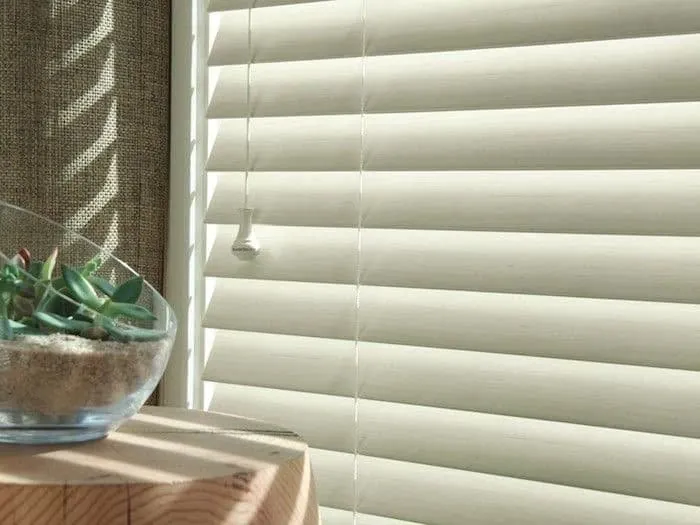
A blind does two things: it goes up and down, and its slats tilt. How you control each movement is part of the order, and it is worth thinking about room by room.
- By hand. The traditional controls, which we can show you on the samples at the window.
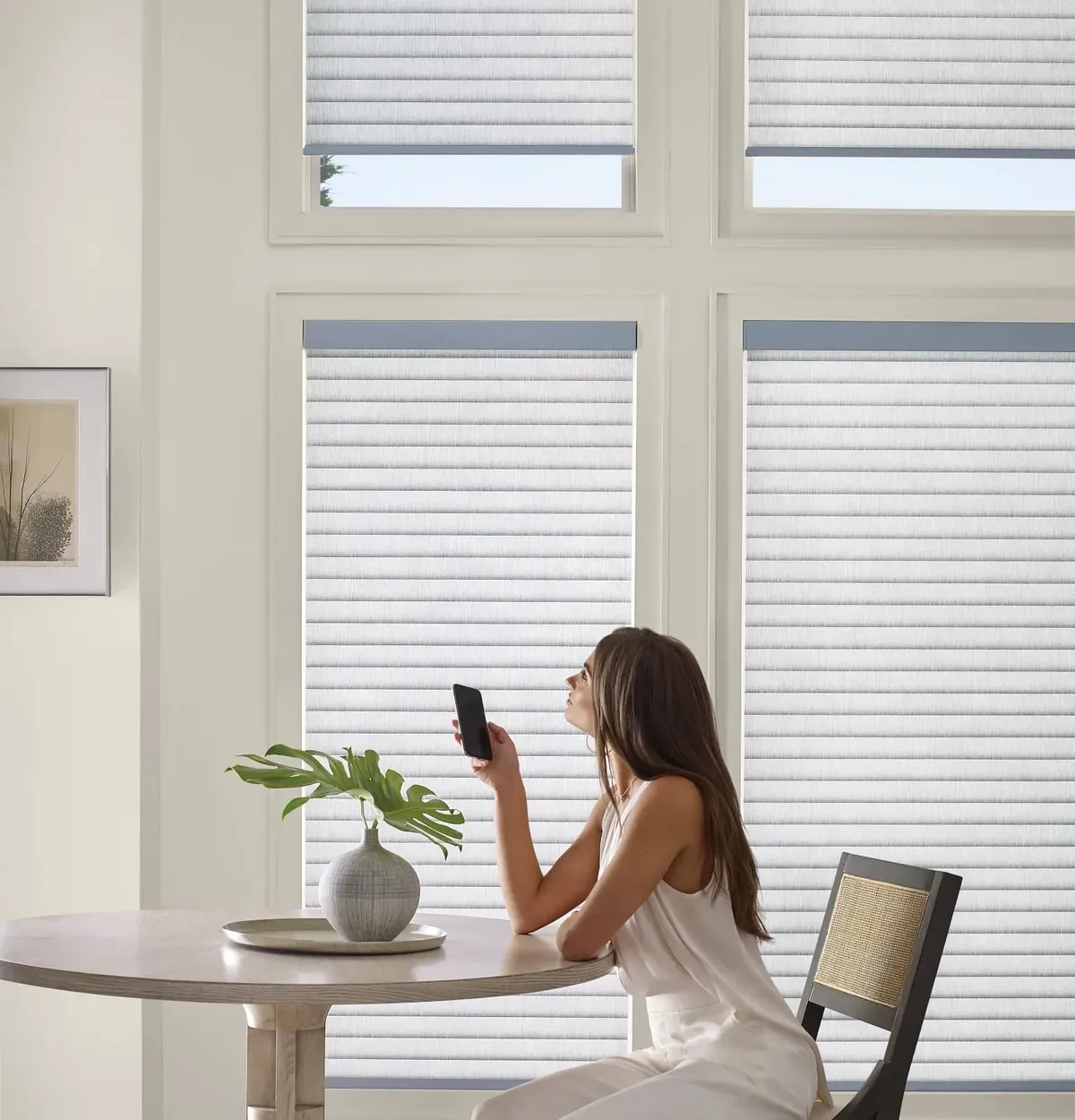
- PowerView motorization. Hunter Douglas motorized control, run from a remote, a phone app or a schedule that tilts or lowers the blinds at set times. On a tall village sash it saves reaching to the top of a long blind, and on the street-facing windows a schedule can close the slats at dusk every evening without anyone remembering to do it. We plan how each motor is powered at the visit.
There is more on motorized options on our page for motorized blinds in Dedham.
How an in-home visit works in Dedham
For Dedham we lead with the in-home consultation. Light on a street-side parlor, a dormer under the eaves or a ranch living room is hard to picture from a sample in a store, so we bring the samples to you instead.
- Book a time through Request a Consultation, or reach us with the call button.
- We arrive with a van of Hunter Douglas samples and ask which rooms you want to start with.
- At each window you try slat colors, widths and materials against the real frame and the real light.
- We talk through mounts, controls and which rooms should match from the street.
- Every opening is measured, with notes on old frames and replacement windows.
- You receive a free estimate to look over in your own time.
If you would like a hand with the whole room, ask about our interior design consultations, which can happen during the same visit. Our guide to what happens at an in-home consultation covers the visit in more detail.
Colors that suit an antique house and a newer one
In the village, trim is often painted white or cream, and occasionally stained in older paneled rooms. A blind that matches the trim lets the tall sash remain the feature. Inside, owners have more freedom: a warm wood tone in a library, a deeper stain in a dining room with dark furniture, a crisp white in a bright kitchen.
Toward Riverdale, white blinds across the front give a cape or ranch an even look from the road, and the rooms behind can vary. A family room might take a honey wood tone, a bedroom something darker for evening privacy, a home office a soft gray. A useful rule anywhere in town is one color on every window that faces the street, and freedom everywhere else.
If you are choosing custom blinds in Dedham alongside other window coverings, see our cellular shades in Dedham, roman shades in Dedham or plantation shutters in Dedham, or every service for the town on our Dedham page.
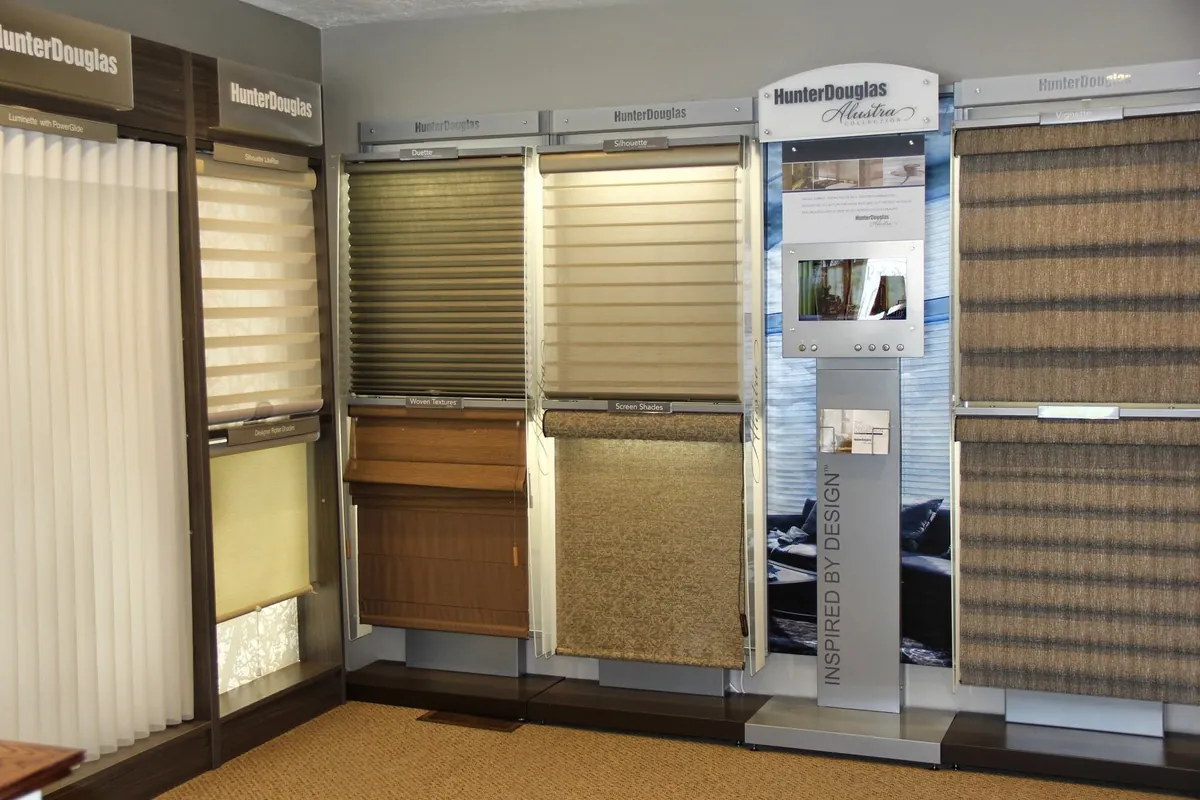
Shop at home, with a Gallery dealer
Blinds & Designs is a Hunter Douglas Gallery dealer, and installation is carried out by certified Hunter Douglas installers. That means the whole blind range is open to you: wood, faux wood, metal and vertical, in the colors and slat sizes Hunter Douglas offers, along with PowerView motorization.
Dedham is served through our shop-at-home service from Canton, so the samples come to your house.
We also repair blinds and shades you already own, and estimates are free. The full range is on our custom blinds page.
Questions from Dedham
My village house sits right on the sidewalk. Can blinds keep the front rooms private without making them dark?
Yes. Tilt the slats upward and daylight is sent toward the ceiling while people on the walk see only the slats. At night the slats close flat for full privacy.
Will a made-to-measure blind fit an old sash that is slightly out of square?
That is the main reason to order custom. Each blind is built for its own opening from the measurements we take at your windows, so it hangs straight in an older frame.
Can the front windows of my Victorian all match from the street?
Yes. We order one color, one slat width and one headrail height for every street-facing window, and the rooms behind can still choose their own material.
Which blind suits the slider in my ranch?
Usually a vertical blind. It draws to the side in one movement so the door opens freely, and the vanes turn to control light when it is closed.
Is there a charge for the estimate?
No. After we measure, your estimate is free.
Your next step in Dedham
Whether it is a row of tall sash on a village street or a set of dormers in a Riverdale cape, the quickest way to a decision is to see the slats at your own windows. Request a consultation and we will bring every option for custom blinds in Dedham, MA, to your door, measure each opening and leave you with a free estimate. If you would rather talk it through first, the call button reaches us. If you would like to see Hunter Douglas products in person as well, our nearest showroom is in Franklin.