
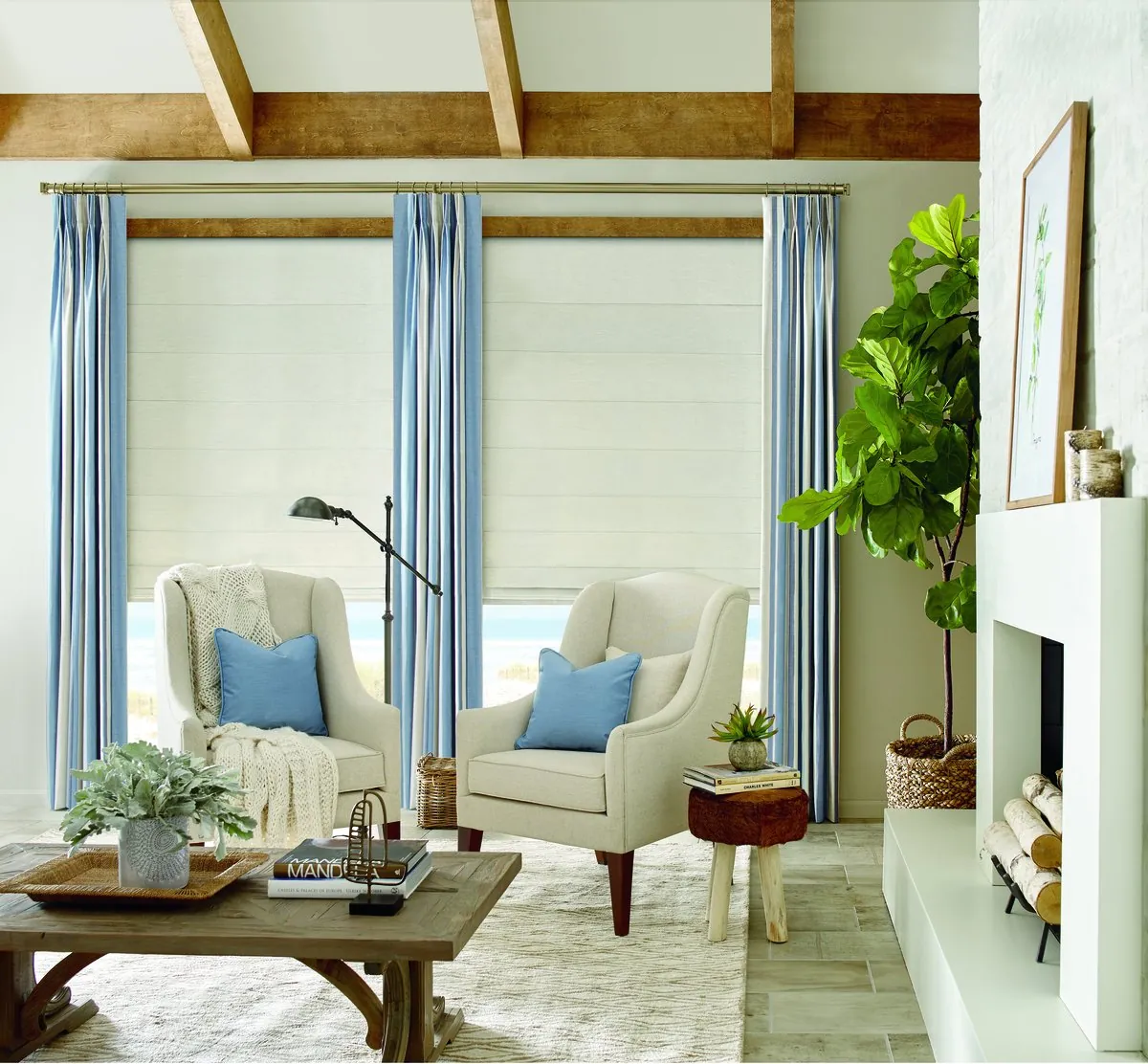
Three kinds of Dartmouth house, one kind of shade
Dartmouth is home ground for us, and its houses ask very different things of a window. In Padanaram, older colonials and shingled capes have formal front rooms, painted casings and windows that were part of the design from the start. Off Faunce Corner and Slocum Road, ranches from the sixties and seventies have broad picture windows and bedrooms with long, low glass. Toward Russells Mills, farmhouses still have deep-set nineteenth-century sash in thick walls. Roman shades in Dartmouth, MA, have to suit all three.
A folded fabric shade is one of the few window coverings that looks at home in each of them. In a colonial it reads as a tailored, decorated window. In a ranch it softens long horizontal lines. In a farmhouse it tucks inside a deep frame and lets the old woodwork show.
Then there is the water. Rooms in South Dartmouth that face Apponagansett Bay take a hard afternoon glare as the sun drops toward the west and bounces off the harbor. Taming that light without losing the view is one of the most common reasons people call us.
What we can make for your windows
Here is the range we offer for roman shades in Dartmouth, MA, from tailored decorator folds to motorized modern styles.
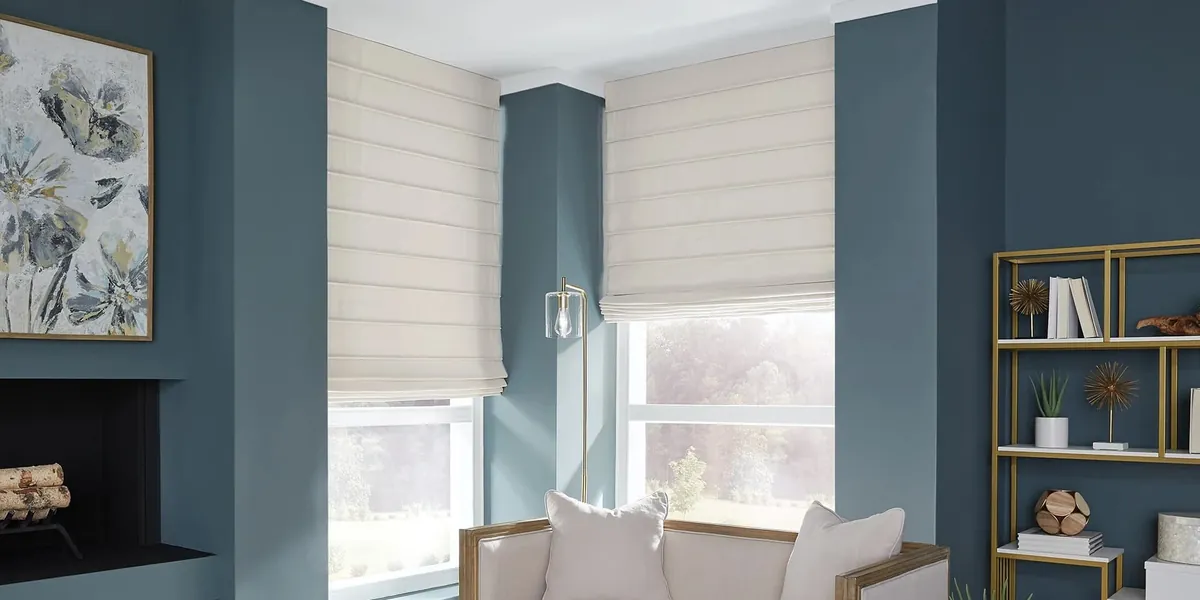
Flat fold
A smooth panel when lowered, crisp pleats when raised. Ideal for a colonial dining room or a pattern you want to read clearly.
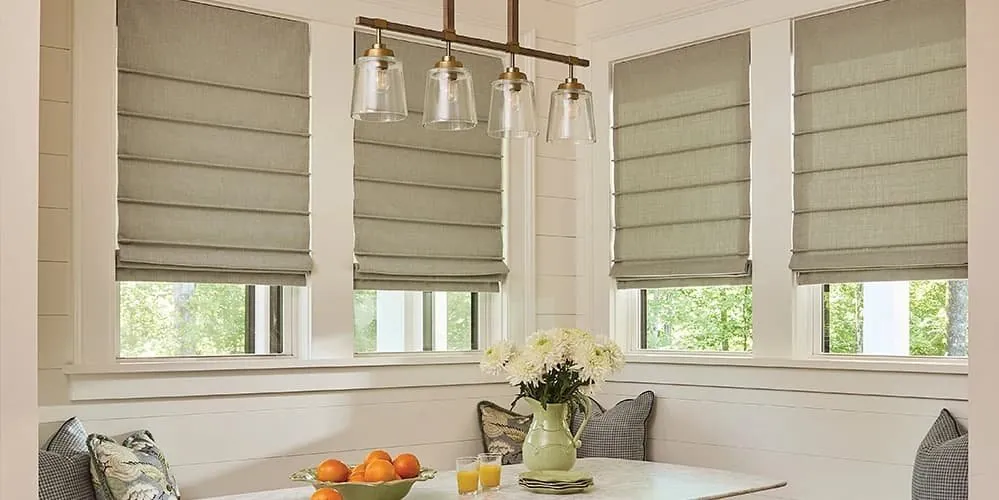
Soft fold
Loops of fabric cascade down the shade even when it is closed. A relaxed look that suits a sunroom or a family room by the water.
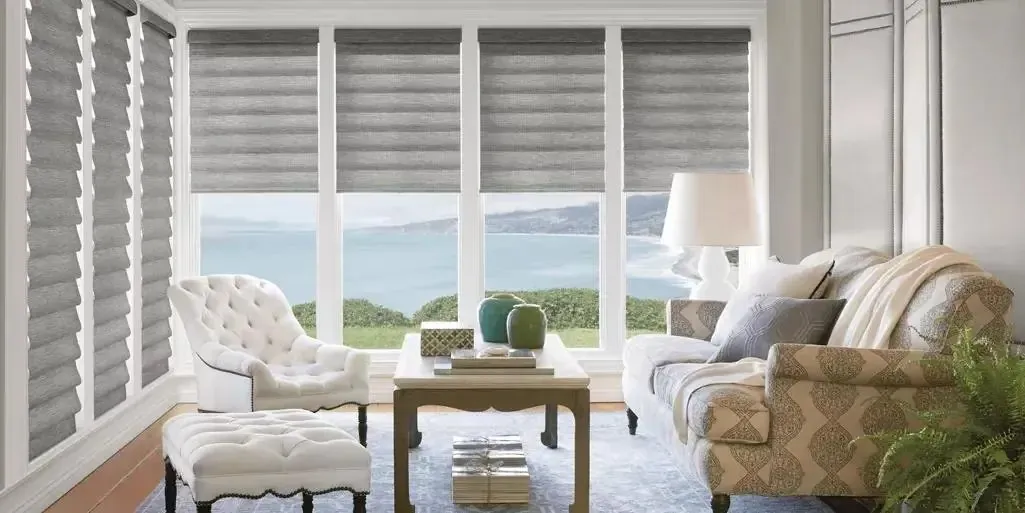
Vignette modern roman
Uniform folds that roll up into the headrail instead of stacking, with no cords on the back. Clean on a wide ranch window.
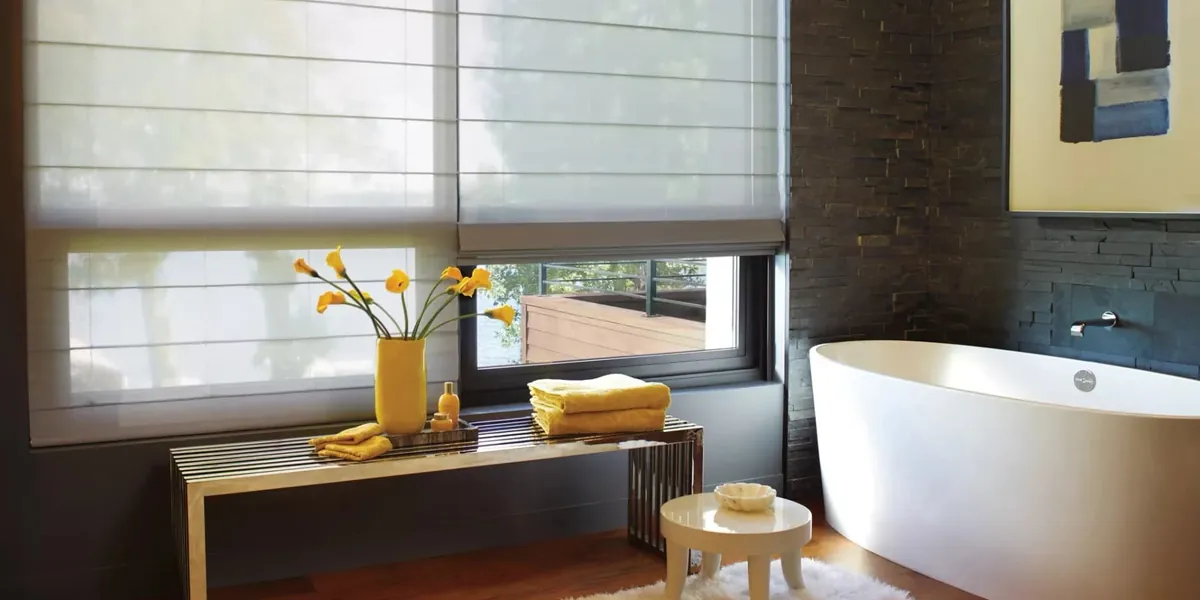
Sheer and light-filtering fabrics
For rooms that need daylight more than darkness, such as a bathroom, a kitchen or a breakfast room.
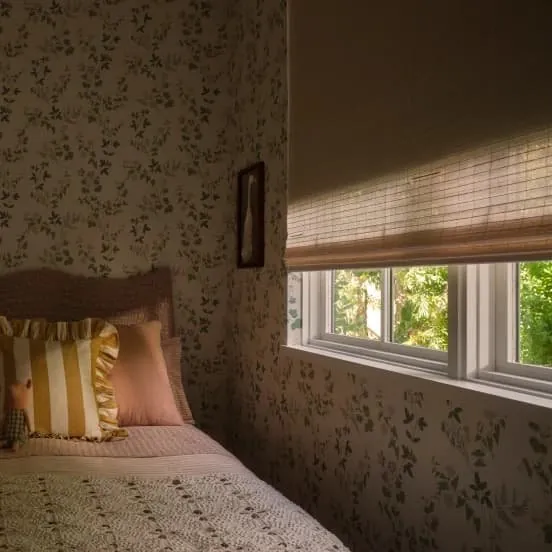
Room-darkening linings
A lining behind the face fabric darkens a bedroom and protects the fabric from sun at the same time.
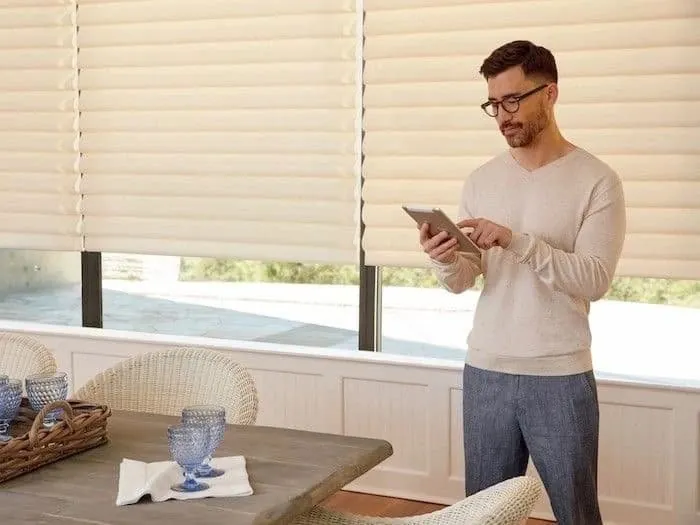
PowerView motorization
Raise and lower shades from a remote, an app or a schedule. Handy for a high window or a run of shades by the water.
Padanaram colonials and shingled capes
The streets around the Padanaram village have some of the oldest houses in town. Colonials there tend to have symmetrical fronts, a center hall and front rooms with tall six-over-six or six-over-nine sash. The capes are lower and tighter, with dormer windows upstairs and small rooms where furniture sits close to the glass.
In a colonial front room, the window is part of the decoration. A Carole Fabrics flat fold made from a stripe, a small print or a woven texture turns the window into a finished feature, and it can be paired with drapery panels in a related fabric when you want a more formal room. An inside mount keeps the painted casing fully visible, which is usually what owners of these houses want after years of looking after the trim.
Cape dormers are a different job. They are narrow, often set into a sloped ceiling, and the window can be very close to the wall on either side. A shallow headrail and a fabric that folds tightly make the most of a small opening. Vignette, which rolls its folds into the headrail, leaves more glass clear when raised, so a dormer bedroom keeps its daylight.
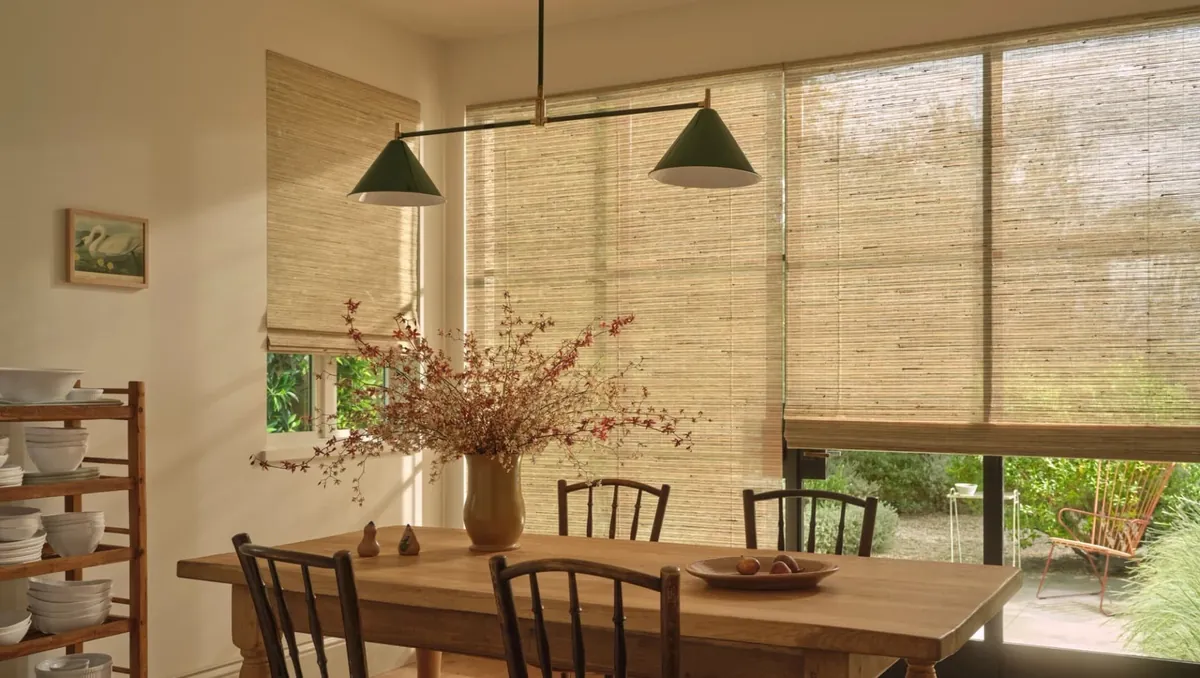
Ranches off Faunce Corner and Slocum Road
The ranches in the neighborhoods around Faunce Corner and Slocum Road were built for open living rooms and big windows. Many still have the original picture window, sometimes with operable casements at each end, plus a long kitchen window over the sink and wide bedroom windows set high on the wall.
Wide glass suits a folded shade well. A single shade can span a good width, and when the window is wider than one shade should be, we split it into two or three shades that line up along the top. That also lets you lower one end and leave the other open, which helps on a window that takes sun at only one corner of the day.
A soft fold works nicely in a ranch living room, because the loops of fabric break up a long horizontal window and add a bit of texture to a room with plain walls. Over a kitchen sink, where you cannot easily reach the shade, a cordless or motorized lift avoids leaning across the counter. We go through which rooms would benefit from each.
Deep sash in the Russells Mills farmhouses
Out toward Russells Mills, the older farm properties have walls thick enough to give the windows a real reveal, often deep enough to set a headrail well back inside the frame. That depth is good news for a roman shade. Mounted inside, the shade sits flush with the casing or even a little behind it, and the window keeps its old proportions.
These houses still have character in their sash: wavy glass, old muntins and frames that have moved a little over a long life. We measure each window at several points across its width and height, because a frame that has settled is rarely square. Where an opening runs out of true, we size the shade to the tightest point and talk with you about whether an outside mount would hide the difference better.
Farmhouse rooms also tend to be cooler and darker than modern ones. A light-filtering fabric keeps a north room bright, and a warm linen or cotton suits the wood floors and beams many of these houses still have.
Afternoon glare off Apponagansett Bay
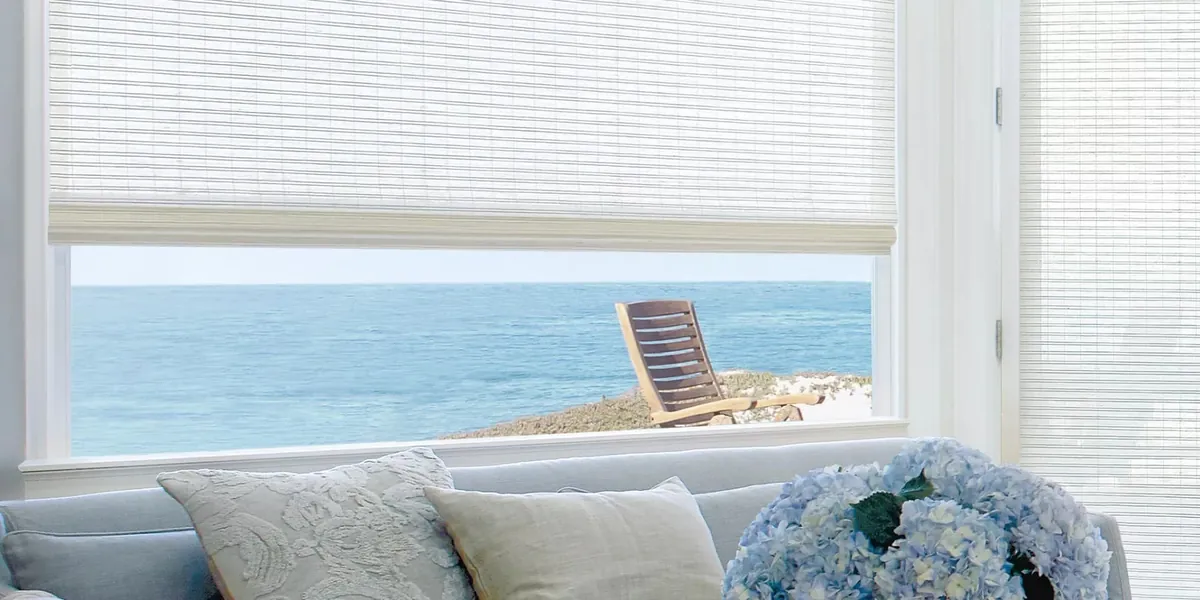
Water-facing rooms in South Dartmouth live with a particular kind of light. In the afternoon the sun moves west, drops lower and reflects off the bay, so the glare comes in at eye level and from below as well as from above. A living room that is lovely at noon can be hard to sit in at four o’clock.
A folded shade gives you several ways to deal with it. A light-filtering fabric lowered partway takes the edge off the glare and keeps the room bright. Lowered further, it can cover the band of reflected light that bounces up off the water while still leaving the sky at the top. A room-darkening lining in a bedroom on the bay side makes an afternoon nap possible.
Sunlight over the water is also hard on fabric. Strong colors fade faster on a window that takes direct afternoon sun every day, so we suggest lighter, neutral fabrics, or a lining that protects the face fabric, for the rooms that face the bay. If you love a bold pattern, it can go in a room on the other side of the house.
A consultation at your kitchen table
Most of our Dartmouth customers choose their shades at home rather than in a store, and there is a good reason for it. A fabric that looks creamy under showroom lights can turn gray on a north-facing farmhouse window, and a pattern that seems quiet on a swatch can feel busy across a wide ranch picture window. Our vans carry samples, so we can bring the showroom to you.
We start by walking through the rooms with you. You tell us what bothers you about each window: the glare in the bay-side living room, the bedroom that gets light too early, the dining room that feels unfinished. Then the samples come out. You hold Vignette and Carole Fabrics swatches up to the glass, see each fold style in your own light and judge the colors against your walls, floors and furniture.
Nothing has to be decided on the day. Once we have measured, you get a free estimate for the shades you are considering, and you can take whatever time you need. You can read more about what happens at an in-home consultation before we visit.
Pattern and scale in a colonial room
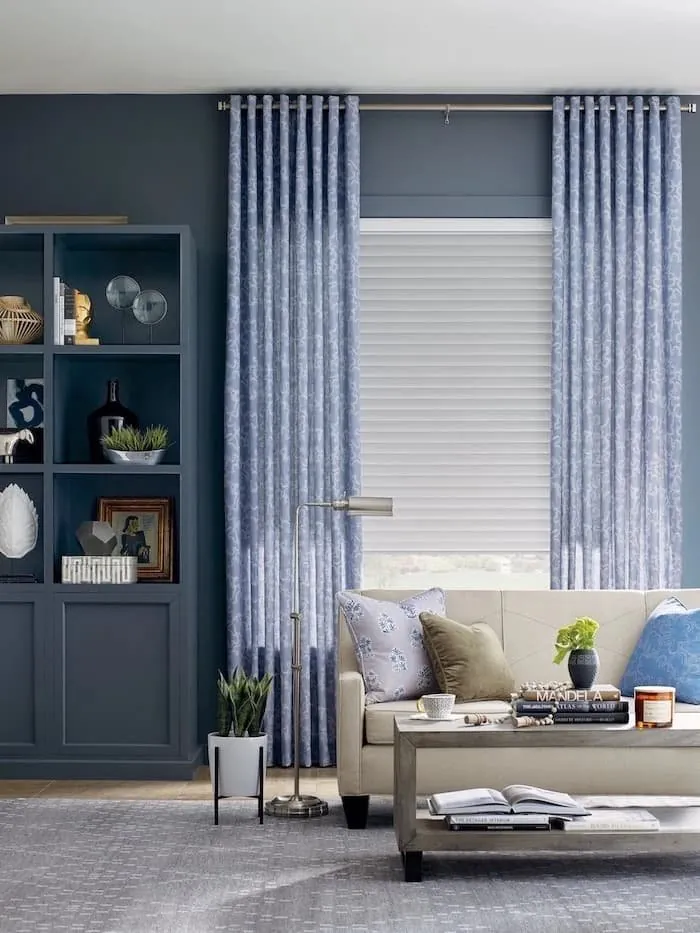
The formal rooms of an older colonial can carry more pattern than most modern rooms, and a roman shade is a good place for it. A flat fold shows a stripe, a check or a small print almost as clearly as a flat panel of fabric would, and the pattern breaks into neat bands when the shade is raised. A soft fold softens a pattern, so it suits a fabric with texture rather than a strong print.
Scale matters. A large print on a narrow six-over-six window can look cut off, while a small repeat reads cleanly at that width. Stripes can run up and down to make a window look taller, which helps in rooms with lower ceilings. We lay sample fabrics against the actual windows so you can see how each pattern sits on the opening. Choosing roman shades for Dartmouth colonials is often about restraint: one patterned room, with the rest in plain fabrics that pick up its colors.
Measuring a Dartmouth window
Whether the house is a Padanaram colonial or a Slocum Road ranch, the measuring follows the same careful order, because a roman shade only looks right when it fits its opening closely.
- We measure the width of the opening at the top, middle and bottom, and use the narrowest figure for an inside mount.
- We measure the height at the left, center and right.
- We check the depth of the frame and look for sash locks, cranks on casement windows or storm frames that could interfere.
- For an outside mount, we decide with you how far above and beyond the opening the shade should sit, so the stack clears the glass.
- We confirm the fold, fabric, lining and lift for each window before anything is ordered.
- When the shades arrive, our certified Hunter Douglas installers fit them, level each one and show you how the lift works.
Vignette, Carole Fabrics and how to choose
The two families on offer for roman shades in Dartmouth come at the job from different directions. Vignette is engineered: the fabric is built with even folds that stay the same depth from top to bottom, and the shade rolls up into its headrail when raised. With no lift cords on the back, the street side of the window looks as tidy as the room side. It is a strong choice for ranches with wide windows and for modern kitchens and family rooms.
Carole Fabrics shades are sewn to order. You choose the fabric from a deep decorator library, then the fold: flat, soft or relaxed. Because each shade is made one at a time, it can match the upholstery or drapery in the room. That makes it the natural pick for the formal rooms of a Padanaram colonial or a farmhouse parlor.
You do not have to choose one for the whole house. A common pattern is Carole Fabrics in the living and dining rooms, where the fabric is on show, and Vignette in the kitchen, the family room and the bedrooms. Our Vignette roman shades and Carole Fabrics roman shades pages describe each family, and the main roman shades page covers the full range.
Lift systems for every room
A cordless lift is the simplest option: you push the bottom rail up or draw it down by hand, and there is no cord hanging at the side. It is a good default for bedrooms, children’s rooms and any window you can reach comfortably.
Motorization makes sense where reaching is awkward or where a schedule would help. With PowerView you can raise and lower shades from a remote or your phone, group the shades in a room so they move together, and set them to close as the afternoon glare arrives on the bay side. Our motorized blinds and shades page explains how it works.
For a cape with dormer bedrooms, think about who uses each room. A child’s room is best with a cordless lift, so nothing dangles within reach. A primary bedroom with a high window, or a sunroom with a long row of shades, is where a remote earns its keep, because one button moves every shade in the room together and they stop at the same height.

Design help for the rest of the room
A roman shade is often the finishing piece in a room that is being redone, and the fabric choice affects everything around it. If you are changing paint, upholstery or flooring at the same time, our interior design consultations can help you pull it together.
We can look at color, pattern and scale with you, suggest fabrics that work with what you already have, and coordinate shades with drapery panels where a room needs both. It is the same visit, at your house, with the same samples in hand.

Right here in town
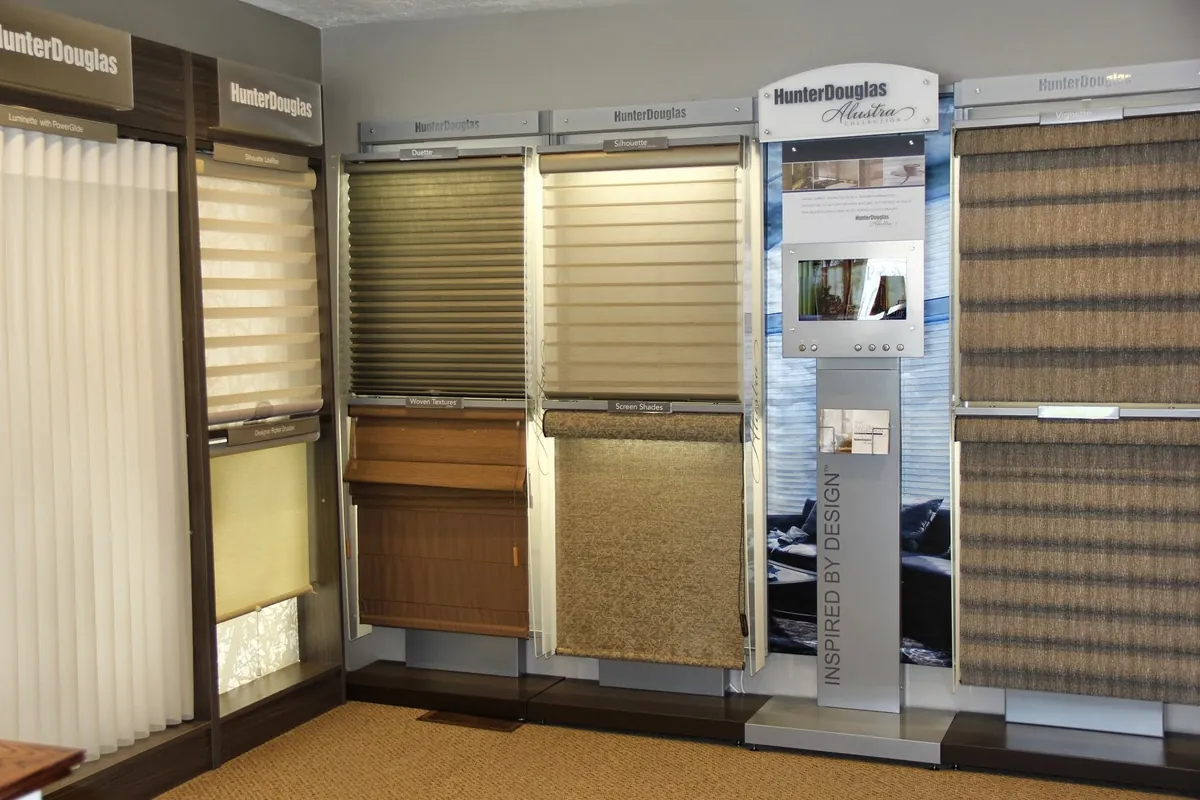
Blinds & Designs is a Hunter Douglas Gallery dealer, and our North Dartmouth showroom is our main location, close to every Dartmouth neighborhood. Come in to see roman shades raised and lowered, or ask us to bring the samples to you.
Most people choose at home, because the light in your own rooms is what the shade will live in. Our vans carry samples, so we can bring the showroom to you, and our installers are certified by Hunter Douglas. We also repair blinds and shades. For the rest of the house, see our cellular shades in Dartmouth, plantation shutters in Dartmouth or the full Dartmouth page.
Questions from Dartmouth
Can a roman shade sit inside the deep frames of an old farmhouse window?
Usually, yes, and those deep frames are ideal for it. The shade sits back within the opening and the casing stays in view. We measure each window at several points, because older frames have often settled, and size the shade to fit the tightest point.
What helps with afternoon glare off the bay?
A light-filtering fabric lowered partway cuts the glare and keeps the room bright. Lowered further, it covers the reflected light coming up off the water while leaving the sky in view. A lining helps protect the fabric from strong afternoon sun.
Which is better for a ranch picture window, Vignette or Carole Fabrics?
Both can work. Vignette rolls its folds away into the headrail, which keeps more of a wide window clear when raised. A Carole Fabrics soft fold adds texture and softness to a long window. We bring both so you can compare them at the glass.
Can roman shades work in a cape dormer?
Yes. Dormers are narrow and close to the walls, so we look at headrail depth and how tightly the fabric folds. Vignette is often a good fit, because it leaves more of a small window clear when raised.
Do you charge for the estimate?
No. The estimate is free. We measure your windows at the consultation and give you a free estimate for the shades you are considering.
Take the next step
Seeing fabric at your own windows is the surest way to choose roman shades in Dartmouth, MA. Request a consultation and we will bring the samples to you, measure each window and give you a free estimate. If you would like to talk first, use the call button, or visit our North Dartmouth showroom.