
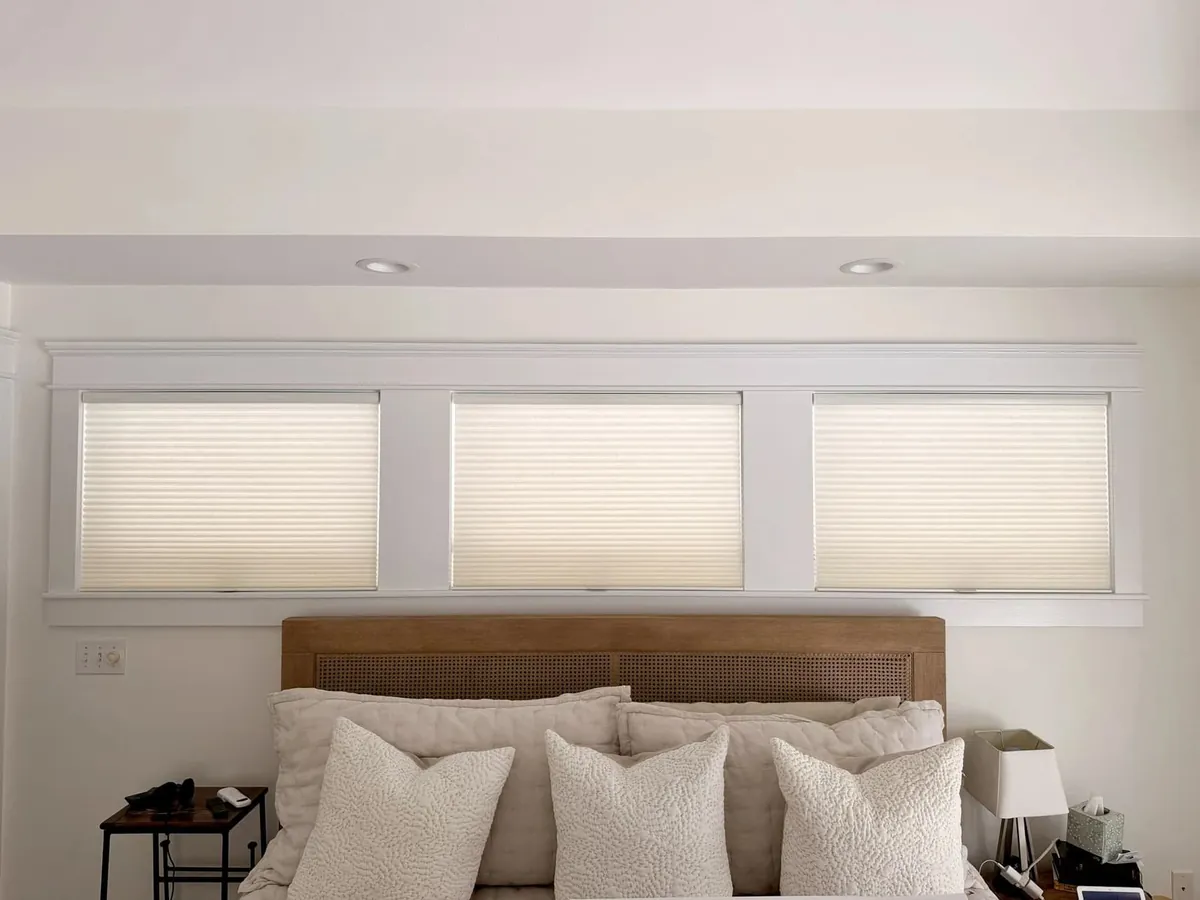
Summer cottages that became year-round homes
A lot of Wareham houses started life as something else. In Onset and along Swifts Beach, rows of summer cottages have been winterised, extended and turned into homes people live in all year. Along Main Street the village houses sit close to the sidewalk, and inland the newer colonials sit on quieter streets with garages and backyards. Window treatments in Wareham, MA, need to fit all three, and the converted cottages ask the most.
A cottage built for July was never meant to keep out a January wind. Its windows are often small and of every size, set wherever the builder needed light, and some have been changed since while others have not. Those openings need shades made to their exact size, and they need to help keep the warmth in.
On the shore streets there is also the salt. It comes in on every breeze off Buzzards Bay and the Onset harbor and settles on anything near an open window.
Every service in Wareham
There is a Wareham page behind each card with the detail. These are the window treatments in Wareham, MA, we plan, supply and install, from one cottage window to a whole colonial.
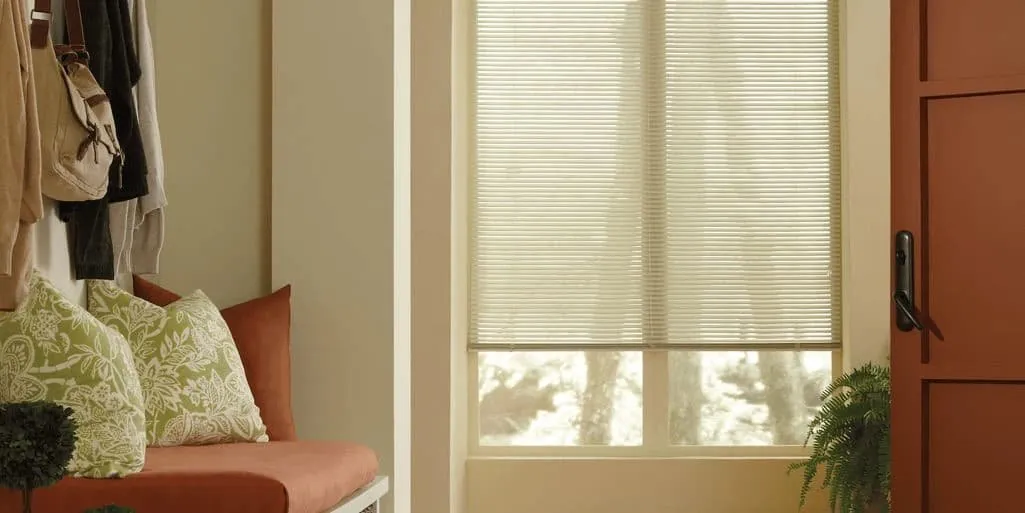
Custom blinds
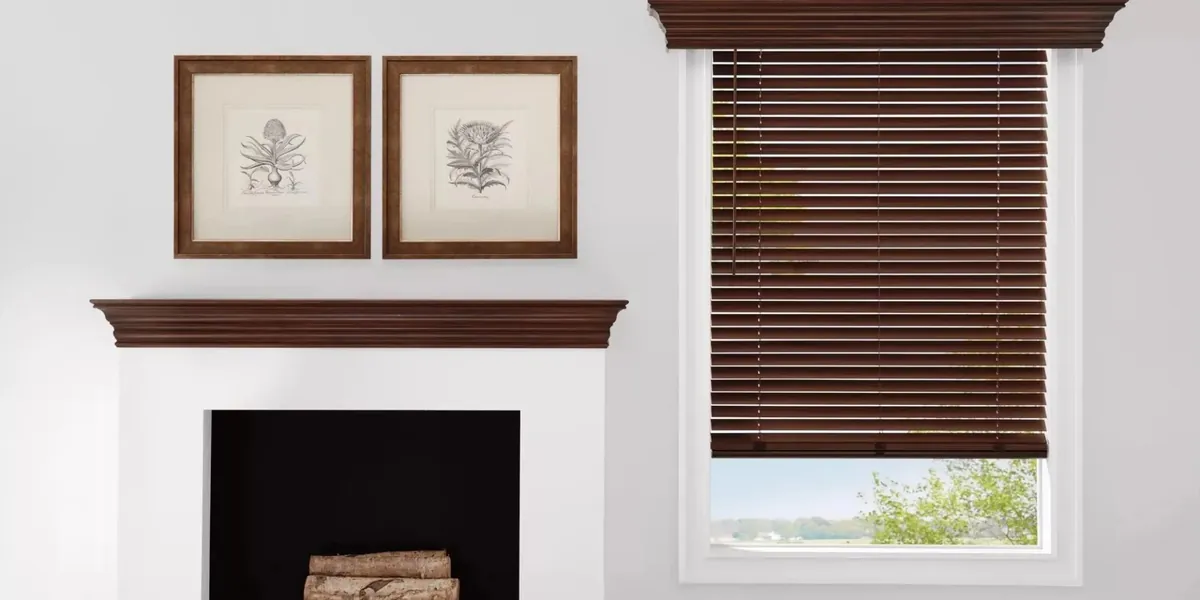
Wood, faux wood and metal blinds cut to the odd sizes of a converted cottage, and matched across a colonial’s front.
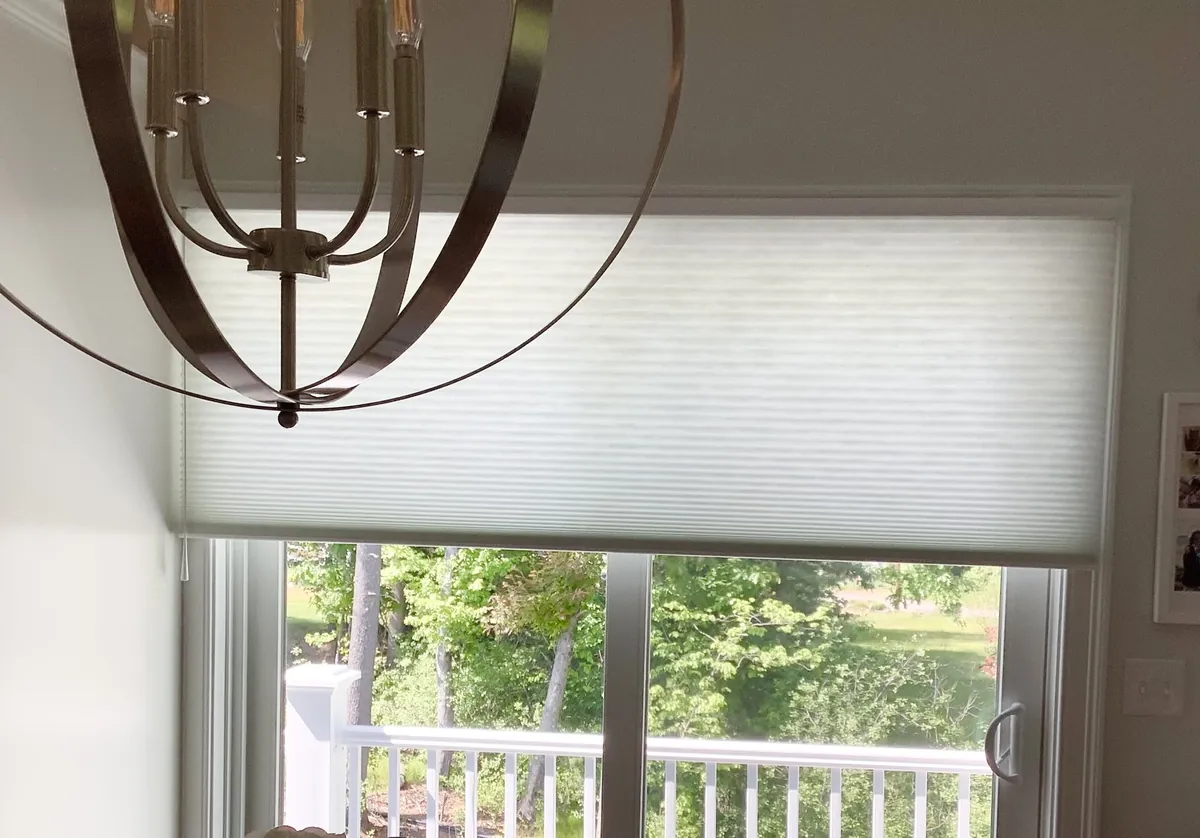
Cellular shades
Duette and Applause honeycombs, the warmest shade for a cottage that now has to get through the winter.
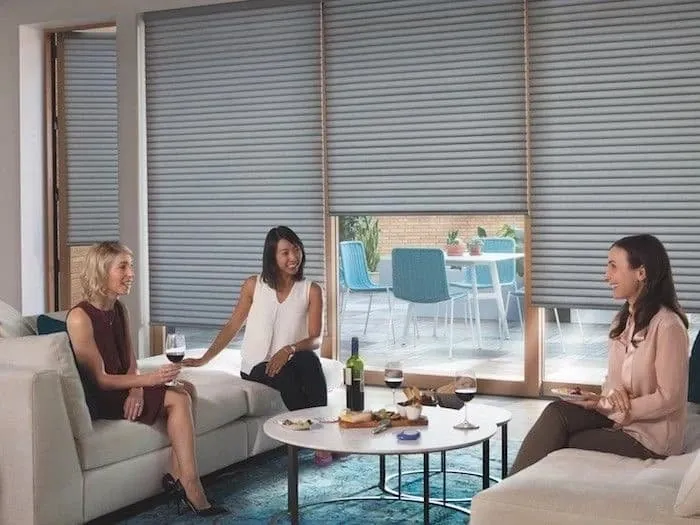
Roller shades
Simple rollers and screens for a sunny room by the water, blackout fabric for a bedroom by a streetlight.
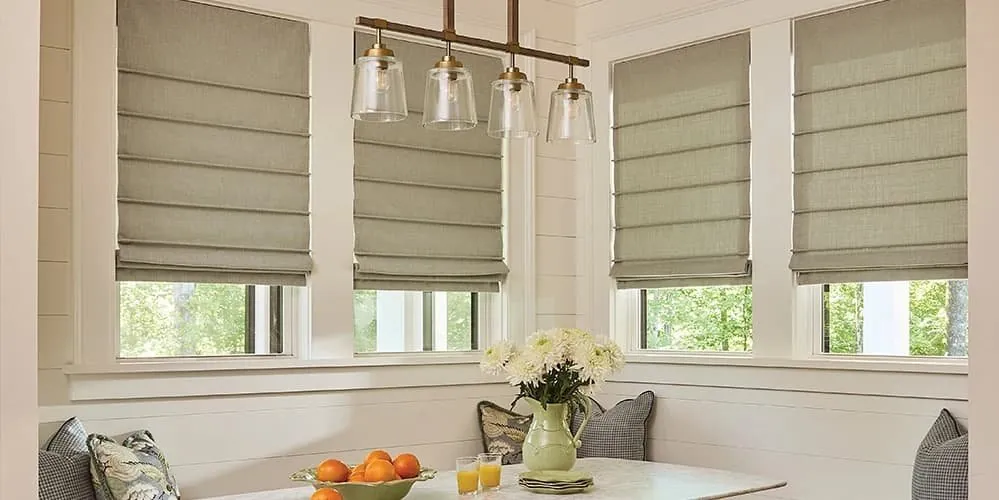
Roman shades
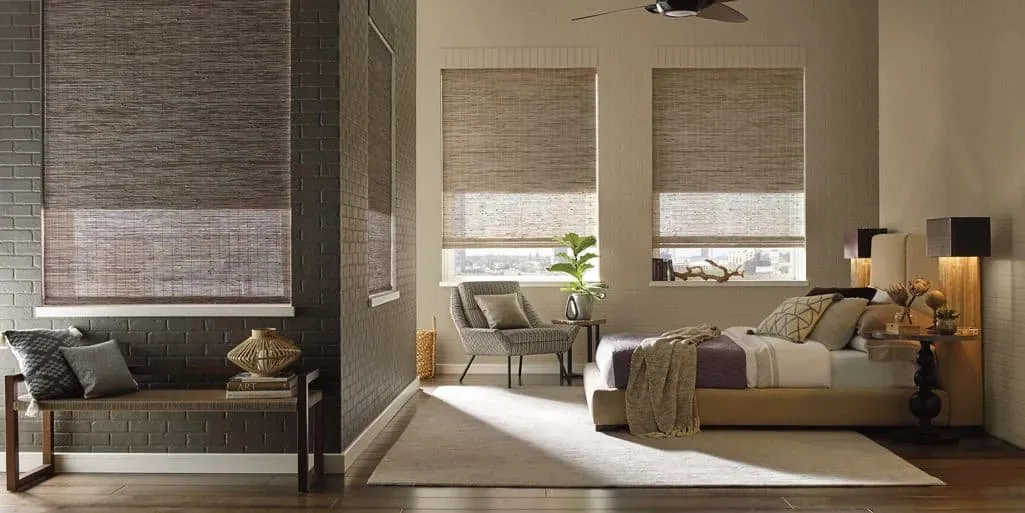
Folded fabric from Vignette and Carole Fabrics, adding softness to a village front room or a cottage kitchen nook.
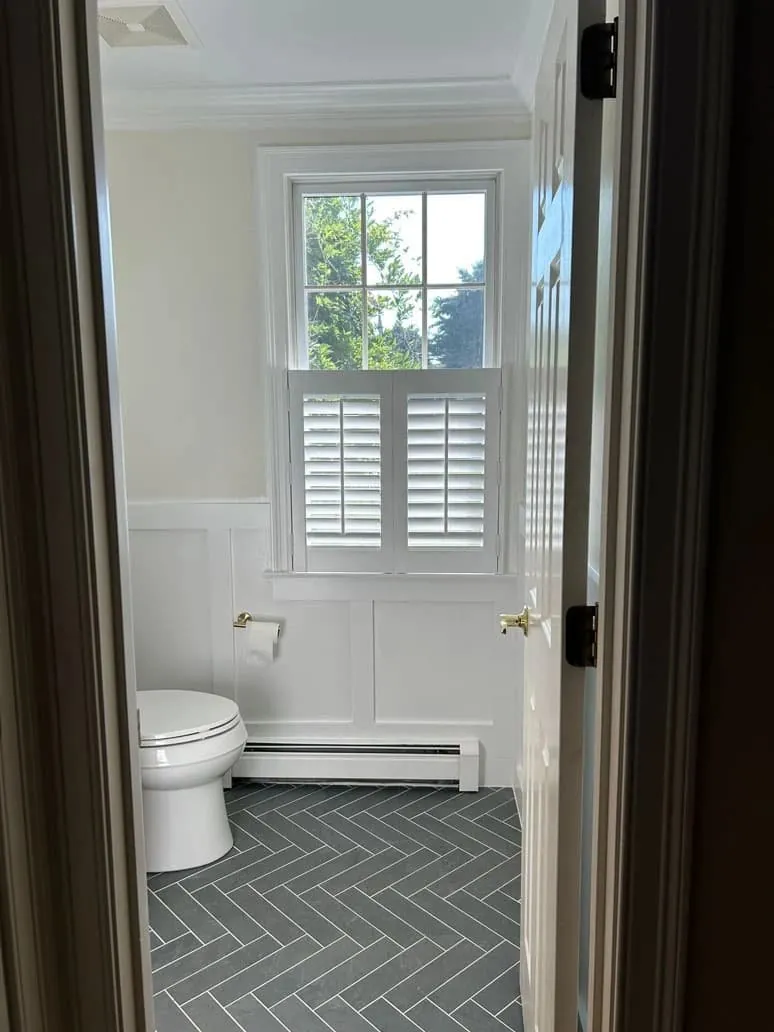
Plantation shutters
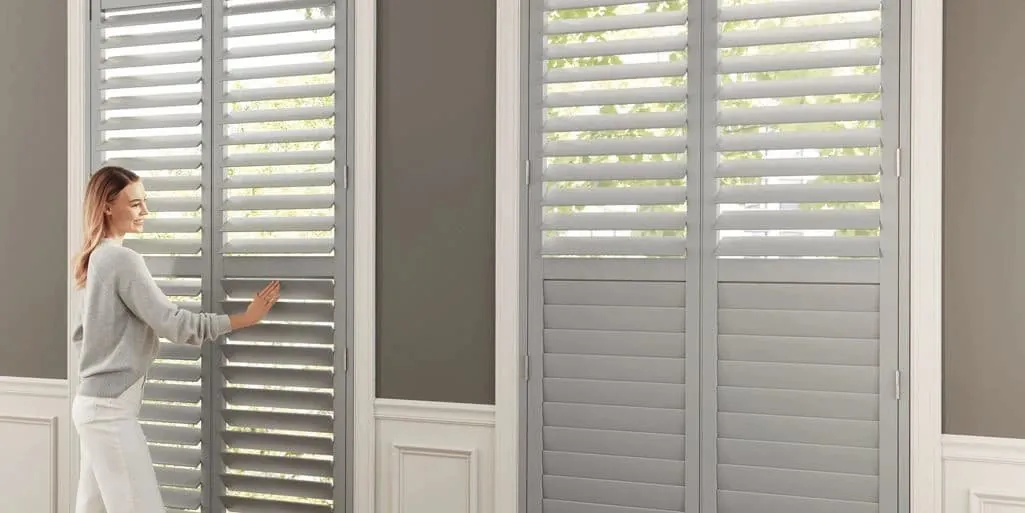
Shutters from Palm Beach, NewStyle and Heritance, with very little exposed metal, a sound choice on the shore streets.
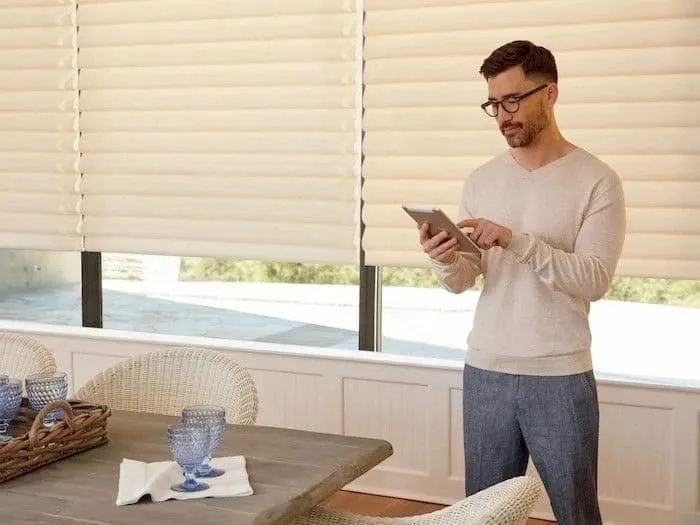
Motorized blinds and shades
PowerView by remote, app or schedule, useful on a colonial’s stair window or a high cottage gable.

Hunter Douglas dealer
All of Hunter Douglas through one Gallery dealer, fitted by our certified Hunter Douglas installers.
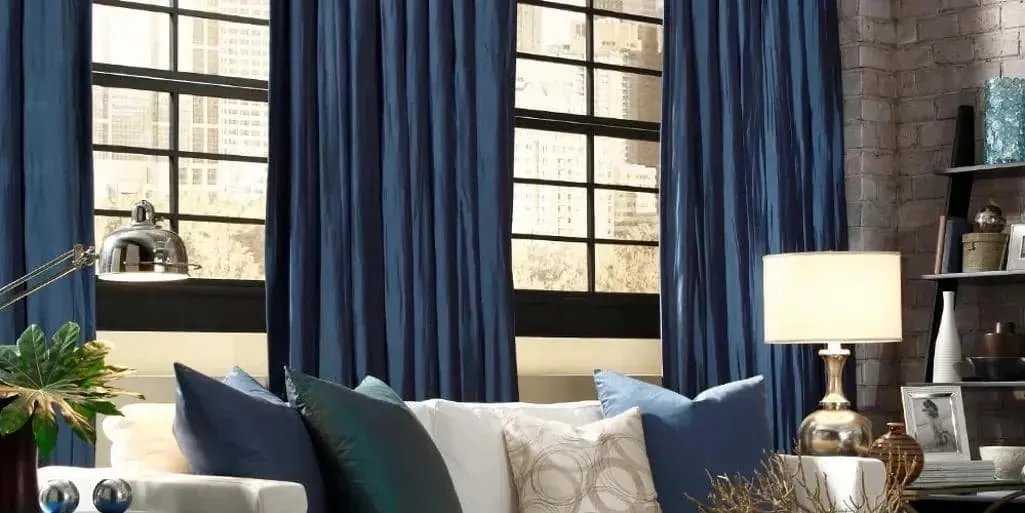
Custom drapery
Drapery from Hunter Douglas, a warm layer on a winter night over the shade that does the daily work.
Small openings in a converted cottage
The windows in an Onset cottage tell the story of the house. Some are the original small sash, put in to catch a breeze on a summer night. Some were added when a porch was closed in. Some were replaced when the house was winterised, and others were left as they were. The result is often a room with three or four windows that look alike and measure differently.
That is exactly where made-to-measure pays off. Every Hunter Douglas shade, blind and shutter is built to the opening it goes into, so a row of mismatched windows still gets shades whose bottom rails sit level when raised. We measure each window across in several places and take the height at both sides, because a cottage that has been moved, raised or added to rarely has square frames.
Small windows also need shades that stay out of the way when raised. Honeycomb and roller shades stack into a slim band at the top and leave most of the glass clear. Shutters swing fully open. On the very smallest openings, a top-down, bottom-up shade lets light in high while covering the lower glass from the street.
Keeping a cottage warm through the winter
A cottage built for summer has thin walls, a low roof and windows that were never meant to face a February night. Even after insulation and new windows, the glass is where much of the cold gets in, and an old single pane is colder still.
Honeycomb shades are the best tool we have for this. Each cell traps air between the glass and the room, which slows the cold coming through on a winter night and the heat in summer. A double-cell or room-darkening fabric does more than a single light-filtering cell. Fitted closely inside the frame, the shade leaves very little gap at the edges for cold air to slip around.
Drapery over a shade adds another layer. Panels drawn closed at night help keep the warmth in a living room, and a lined fabric does more than an unlined one. In a bedroom, a room-darkening honeycomb with drapery over it is about as snug as a cottage window can be.
Sliders and porch doors, which are common in converted cottages, deserve particular attention. A vertical honeycomb shade adds the same layer of air across a big pane of glass and stacks aside when you want to go out.
Salt air on the shore streets
On the streets closest to the water in Onset, Swifts Beach and along the bay, salt is part of daily life. It drifts in through every open window from spring to autumn and settles on sills, brackets and any metal near the glass.
Some choices cope with that better than others. Honeycomb and roller shades keep their mechanisms tucked inside the headrail. A cordless lift has no cord or cord lock for the salt to work on. Shutters have hinges and little else once they are hung, and their louvers tilt on the panel itself. Metal slats by a window that stays open need a little more thought, and we talk through where they suit best.
Every bracket goes into solid wood, never just plaster or thin cottage panelling, so a shade that is pushed by the breeze every day stays level. Wiping fabric shades gently from time to time also helps them last, and our page on caring for fabric shades explains how.
Main Street: houses close to the sidewalk
The village houses along Main Street sit close to the road, often with front windows only a few steps from passers-by. Privacy at the front of the house is usually the first concern, and nobody wants to live behind closed blinds all day.
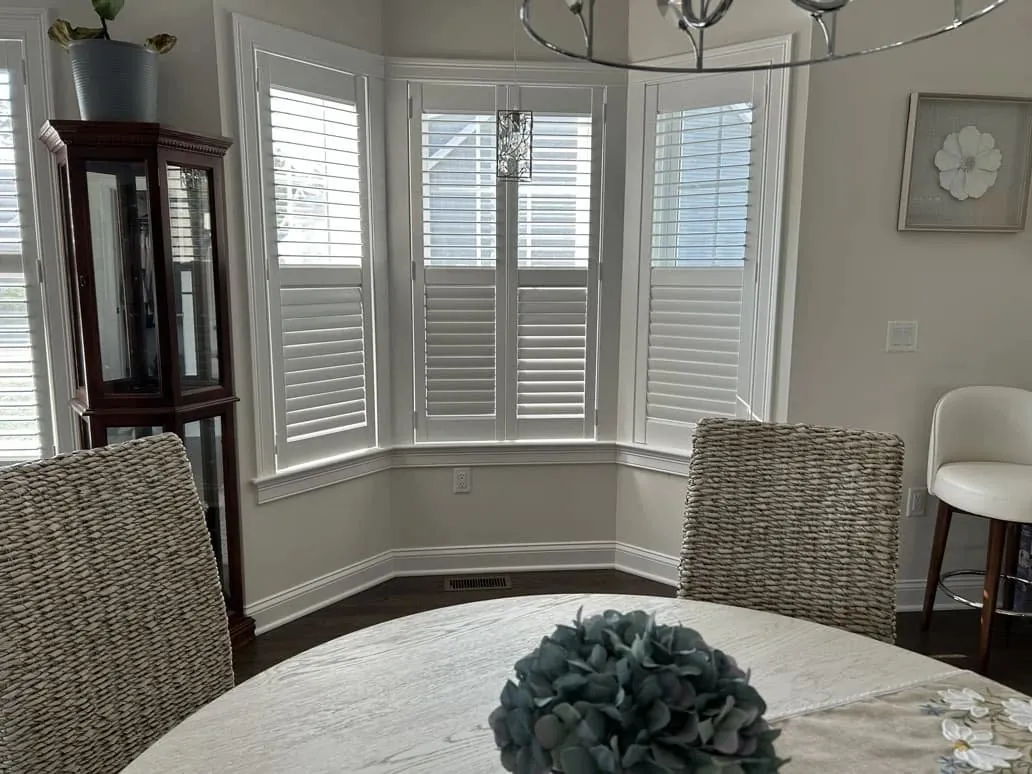
Cafe shutters over the lower half of a front window keep the view from the sidewalk out while the upper glass stays open to the light. Top-down, bottom-up shades do a similar job with fabric. Light-filtering honeycomb and roller fabrics let daylight in while blurring the view from outside. At night, with the lights on inside, a room-darkening or solid fabric gives full privacy.
From the street, a consistent color at every front window makes the house look tidy and calm. Inside, each room can still have whatever suits it.
How a Wareham consultation works
We bring the samples in the van, because fabrics and finishes look different in every house, and a cottage room by the water looks nothing like a showroom.
- Request a visit through the form or the call button, and pick a day.
- Our consultant pulls up with the van full of honeycombs, rollers, romans, blinds, shutter louvers and drapery fabric.
- Room by room, you explain what bothers you: the cold, the streetlight, the neighbors, or just tired old blinds.
- Fabrics and slats are tried right at your glass, on the sunny rooms and the dim ones.
- We take the measurements of every window, frame depth included, and note any crank or lock in the way.
- You get a free estimate to think over, with no pressure to decide on the day.
Our guide to the in-home consultation explains the visit, and cellular shades and winter heat explains why honeycombs matter so much in a cold cottage.
Inland colonials: family rooms and busy households
Away from the shore, the newer colonials are a different job altogether. The windows are mostly standard sizes, the frames are square and the hardware is modern. What these houses need is treatments that suit busy family life.
Cordless lifts are the sensible choice in a house with children or pets, because they take the cord away entirely. Faux wood blinds stand up to sticky fingers and wipe clean. Motorized shades on a stair window or in a two-story family room put a high window within reach of a button. Honeycomb shades in bedrooms keep the rooms darker on summer mornings and warmer in winter.
A colonial’s front windows also benefit from a single look. Shutters across the front, or matching blinds in every front room, make the house look finished from the road.
Doing a converted cottage room by room
A converted cottage rarely has two rooms alike. A practical way to plan window treatments in Wareham, MA, for one of these houses is to take each room in turn and ask what it needs most.
- Living room. Often the old porch, closed in, with windows on three sides. Honeycomb shades for warmth, or a light-filtering roller to keep the room bright.
- Kitchen. Small windows over the sink and counter. Faux wood blinds or a wipeable roller, and a cafe shutter where the next cottage is close.
- Bedrooms. Small, often under the roof. Room-darkening honeycombs fitted tight inside the frame.
- Bathroom. Privacy and steam. Shutters or a top-down, bottom-up shade.
- Slider or porch door. A vertical honeycomb shade or vertical blinds that clear the opening.
Planning it all together keeps the colors and headrails consistent, even when every room gets something different.
Kitchens and baths in a small house
Cottage kitchens in Onset are often tiny, tucked into a corner of the main room or squeezed into a back addition, with a single window over the sink. That window gets steam, splashes and the full gaze of the cottage next door, which may be only an arm’s length away.
Faux wood blinds suit it well: they wipe clean, cope with damp and tilt to let light in while keeping eyes out. A roller in a wipeable fabric is a simple alternative. A cafe shutter on the lower sash keeps the counter private and the upper glass open, and it adds a bit of character to a plain room.
Bathrooms in converted cottages were often added later, sometimes in a space that was once a closet or a corner of the porch. The window may be small, oddly placed or right beside the shower. Shutters tilted upward, a top-down, bottom-up shade or a faux wood blind all give privacy while coping with steam.
Stairs, gables and windows out of reach
When a cottage gains a second floor, it usually gains a stair window and a gable window or two as well. In a colonial, the two-story foyer and the window above the landing are the classic hard-to-reach spots. These are the windows that stay bare longest.
A PowerView shade turns any of them into an easy one: lower it from the hall with a remote, from your phone, or let a schedule handle it. For a gable with an angled top, honeycomb shades and shutters can follow the shape, or the angled glass can be left open while the rectangle below is covered. Treating these windows is often what makes window treatments in Wareham, MA, feel finished, because they are the ones you pass every day.
Bedrooms and a good night’s sleep
Bedrooms on the shore streets can face a streetlight, a neighbor’s porch light or the early sun off the bay. In a converted cottage, the bedroom windows are often small and close to the bed.
Room-darkening honeycomb shades and blackout rollers fitted closely inside the frame block most of the light. If light still creeps past the sides, channels along the frame, or a shade mounted over the trim, shut that last gap. A drapery panel drawn over the shade at night finishes the job and adds warmth.

Sunrooms and enclosed porches
Many converted cottages in Onset and Swifts Beach have an enclosed porch that has become the best room in the house: glass on three sides, a view of the street or the water, and plenty of sun. It is also the room that gets hottest in summer and coldest in winter.
Screen rollers take the edge off summer glare and leave the street or the water visible. Honeycomb shades help hold the warmth in the colder months. Woven shades give a relaxed, natural texture that suits a porch. Because these rooms often have long runs of windows, several shades can share a headrail and rise together, which keeps the line even and saves fiddling with each one.
Drapery for warmth and softness
In a village house on Main Street or a colonial inland, drapery adds a finished look to a living room or dining room. In a converted cottage, it also adds warmth. Panels hung above the frame and drawn closed at night make a small room feel cosy.
Most often the shade lives inside the frame for everyday use and the drapery hangs outside it. In a low-ceilinged cottage room, hanging the rod as close to the ceiling as possible makes the window look taller.
One plan, several houses in one
The same Wareham street might have a converted cottage, a village house and a newer colonial side by side. Each needs its own approach, but the principles are the same: measure carefully, choose fabrics for the light and the weather, and keep the look consistent where it shows. Our window treatments page gives an overview of the full range.

Working with a Hunter Douglas Gallery dealer
A converted cottage, a village house and an inland colonial each lean on different products, and a Hunter Douglas Gallery dealer can supply every one: honeycomb, roller, roman, sheer and woven shades, blinds in wood and metal, shutters, drapery and PowerView motorization.
Fitting is handled by our own certified Hunter Douglas installers. Interior design consultations are on hand when color and fabric choices pile up, and if an old blind or shade you already own stops working, we can repair it.
Our Hunter Douglas page has more on the brand.
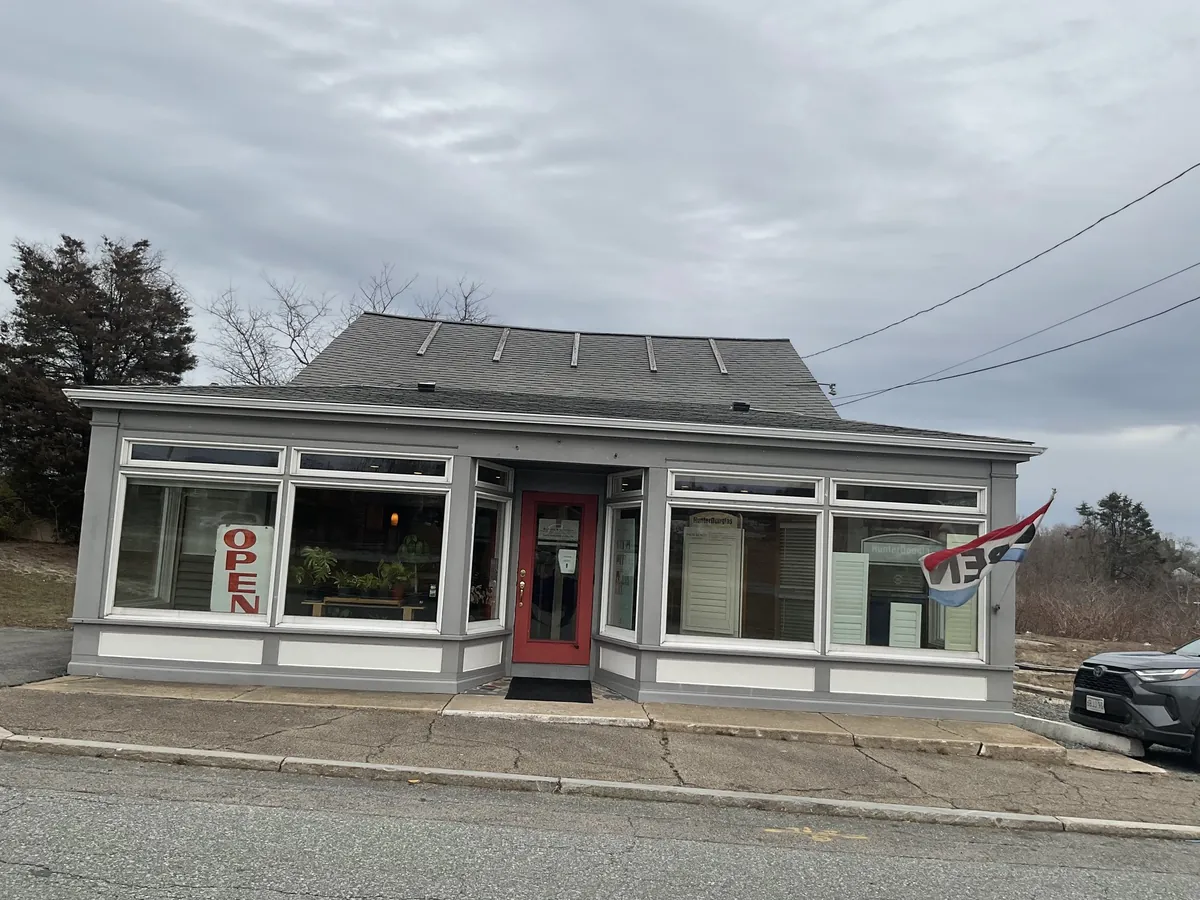
The Sagamore showroom, our nearest
Plenty of Wareham projects are settled at the kitchen table, because the samples come to you. If seeing the range in person first would help, our Sagamore showroom is the closest, a short drive down the road.
There is no charge for the estimate, and the people who measure are the people who install.
Questions from Wareham
My cottage windows are all different sizes. Is that a problem?
Not at all. Every shade, blind and shutter is made to the opening it goes into, so mismatched windows still end up with treatments that line up. Each one is measured at several points before anything is ordered.
What helps keep a converted cottage warm in winter?
Honeycombs do the most, because the cells trap air right at the glass. Fitted closely inside the frame, with drapery drawn over them at night, they make a real difference in a cold room.
Will salt air damage my blinds on a shore street?
Salt is a reason to choose carefully, not to go without. Honeycombs and rollers hide their workings in the headrail, a cordless lift has no cord lock to stiffen, and shutters carry almost no metal. At the visit we flag which options suit a cottage window that stays open from May on.
How do I get privacy on Main Street without closing the blinds all day?
Cafe shutters over the lower glass, top-down, bottom-up shades and light-filtering fabrics all keep the view from the sidewalk out while letting daylight in.
Is the estimate free?
Yes. You get a free estimate after the consultation, covering every window you ask about.
Your next step
Window treatments in Wareham, MA, are best chosen in the rooms they are for, whether that is an Onset cottage or a colonial off the main road. Ask for a consultation and we will bring the samples, measure each opening and leave a free estimate with you. To talk things over first, use the call button, or drop in at the Sagamore showroom.