
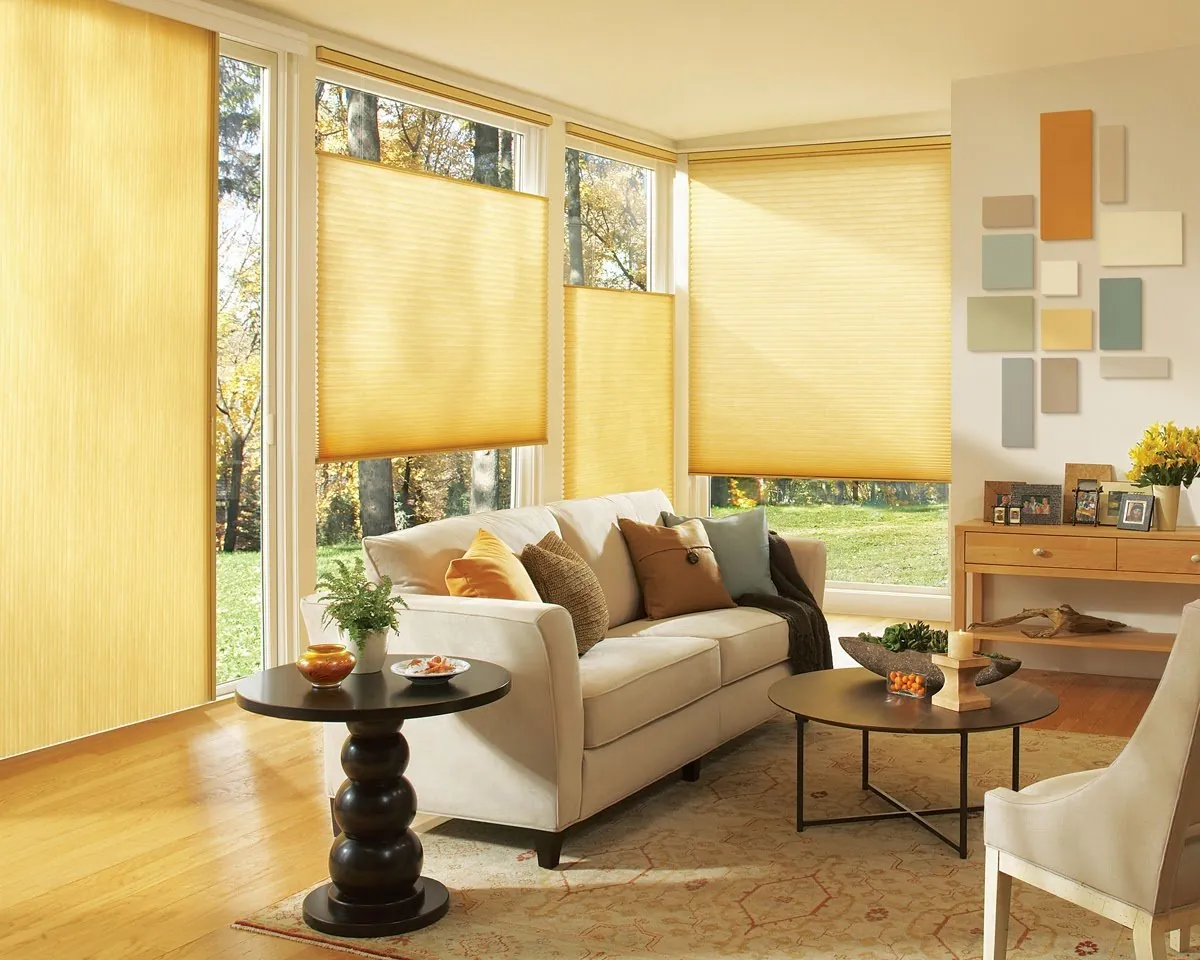
Whitinsville: tall sash a few steps from the sidewalk
The company houses of Whitinsville’s mill village were built close to the street and close to one another, and a great many still have their original tall, narrow sash. Further out, on the edges of town, newer colonials sit on roomier lots with modern windows. Most of our conversations about cellular shades in Northbridge, MA, begin with the village houses, because those tall old windows ask the most of a shade.
A tall sash is a lot of glass in a slim opening. In a front room that faces the street there may be two or three of them side by side, and on a winter night each one is a column of cold air sliding down toward the floor. A honeycomb shade lowered over that glass holds a layer of still air in its cells, and the cold that used to pool by the window is held back at the pane.
Being close to the street brings its own question. People walking by are only a few steps from the front windows, and the house next door is near enough that side windows face each other across a narrow gap. Every plan for the village houses has to give privacy and daylight at the same time.
Six ways to dress a tall, narrow sash
Whether the house is a company house in the village or a newer colonial out of the center, these are the options we bring along most often.
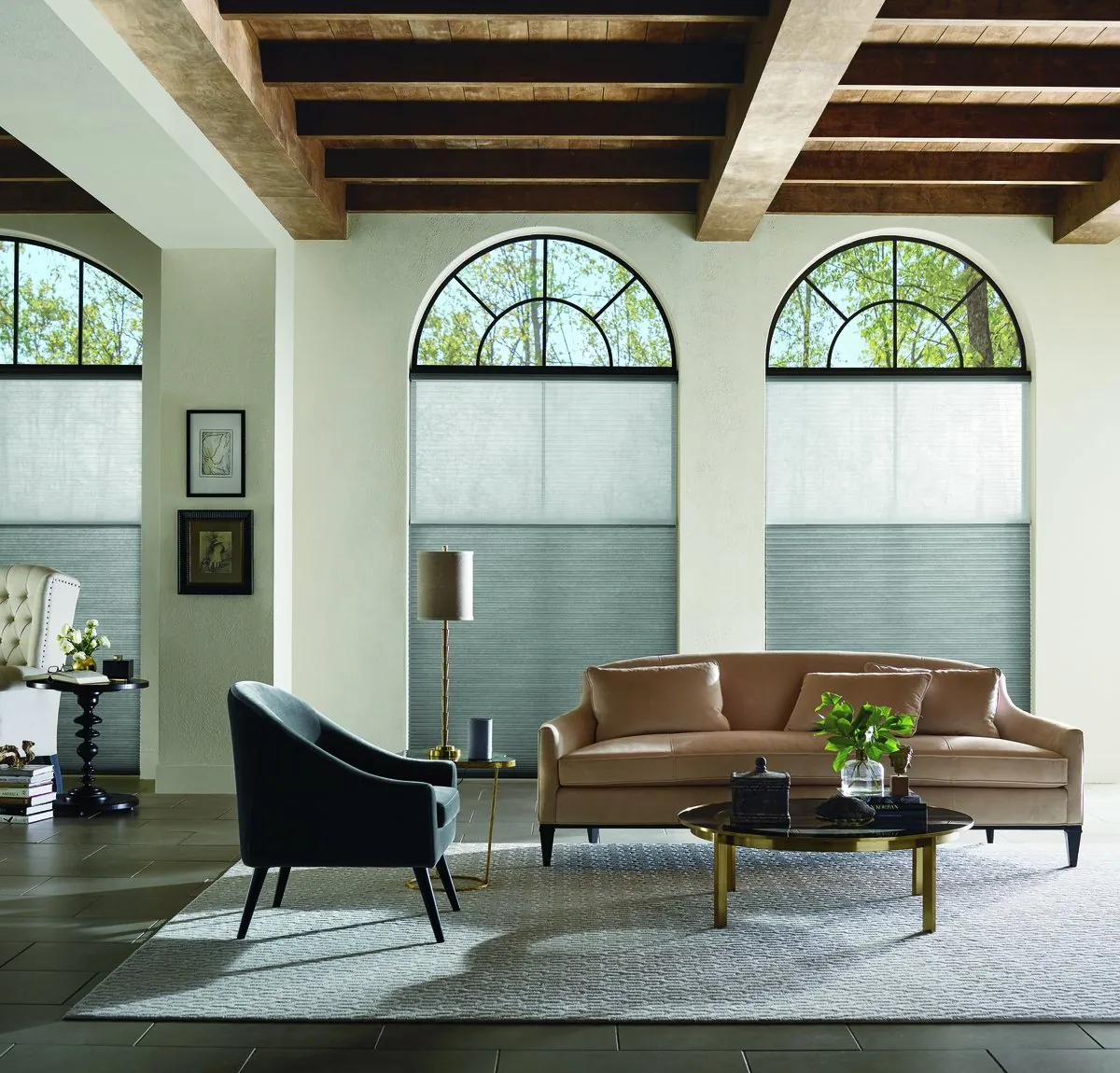
Slim Duette for village sash
Narrow widths and long drops, so the shade suits the proportions of an original opening.
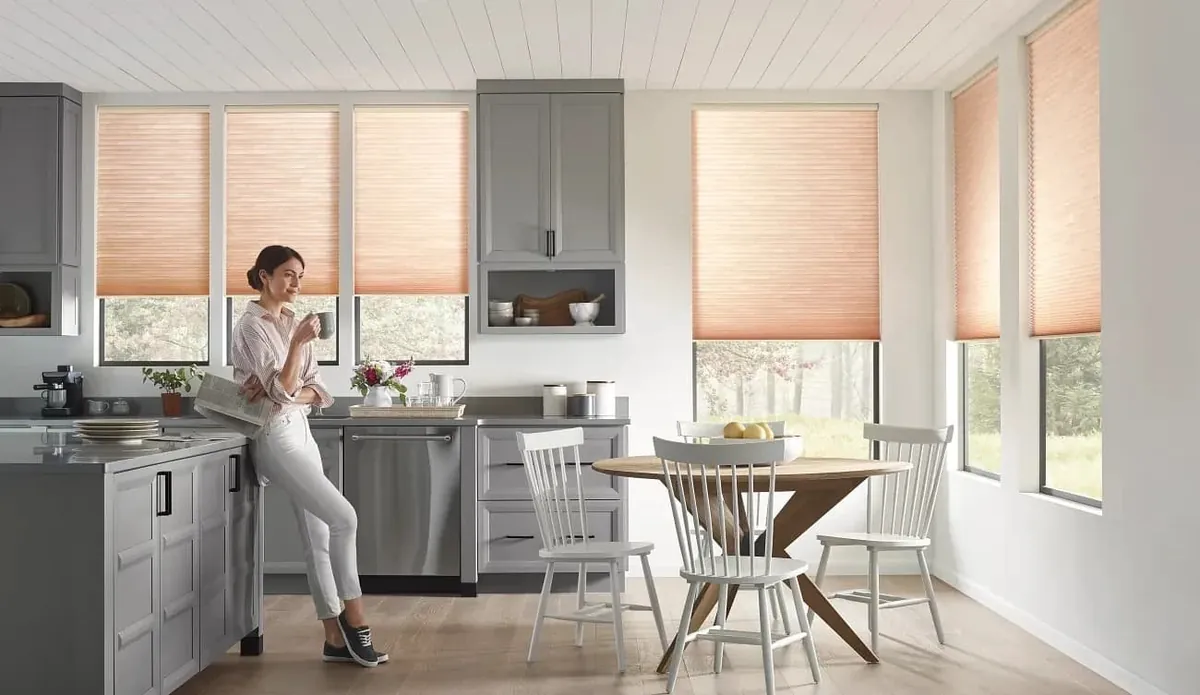
Light-filtering for the street side
The fabric glows with daylight while the room behind it stays out of view from the sidewalk.
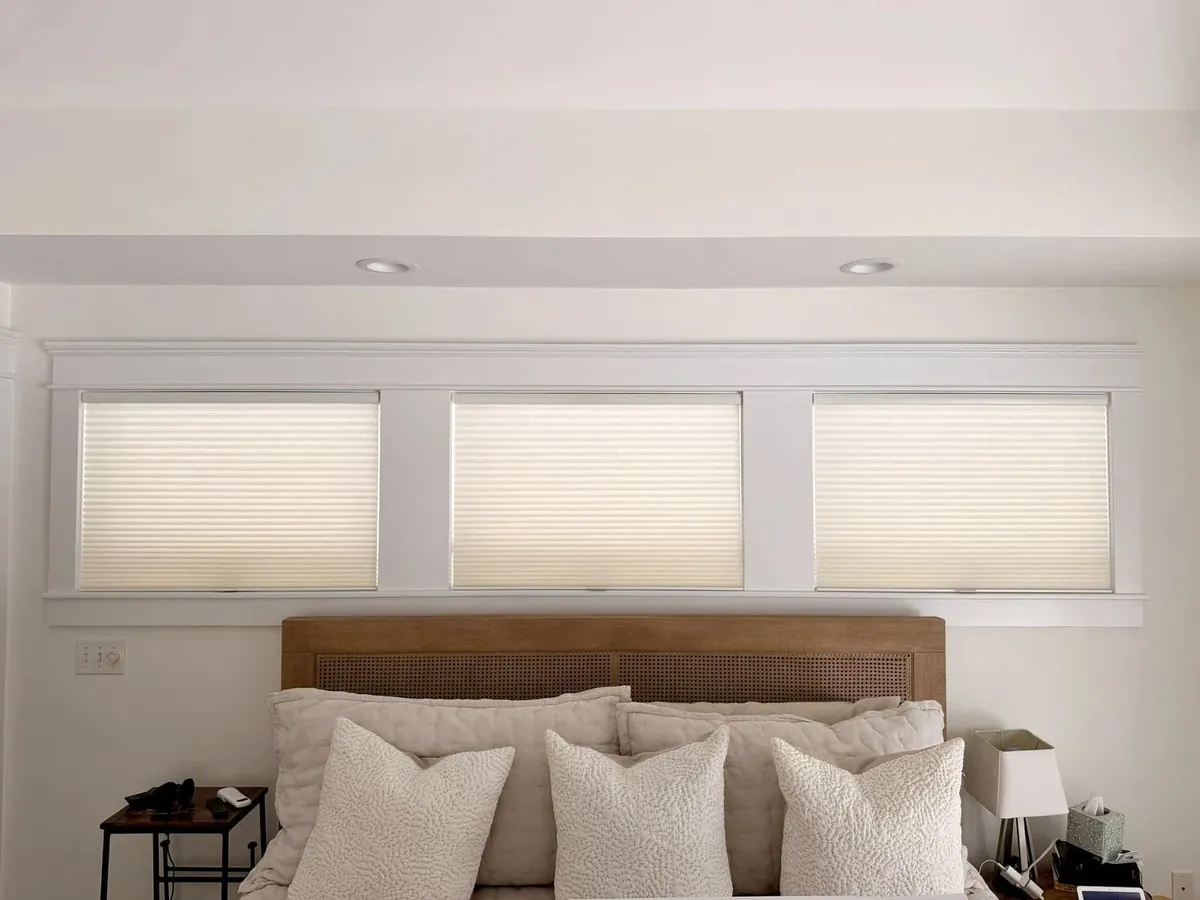
Room-darkening for bedrooms
For an upstairs room that faces a streetlight or a neighbor’s window, or catches the first sun.
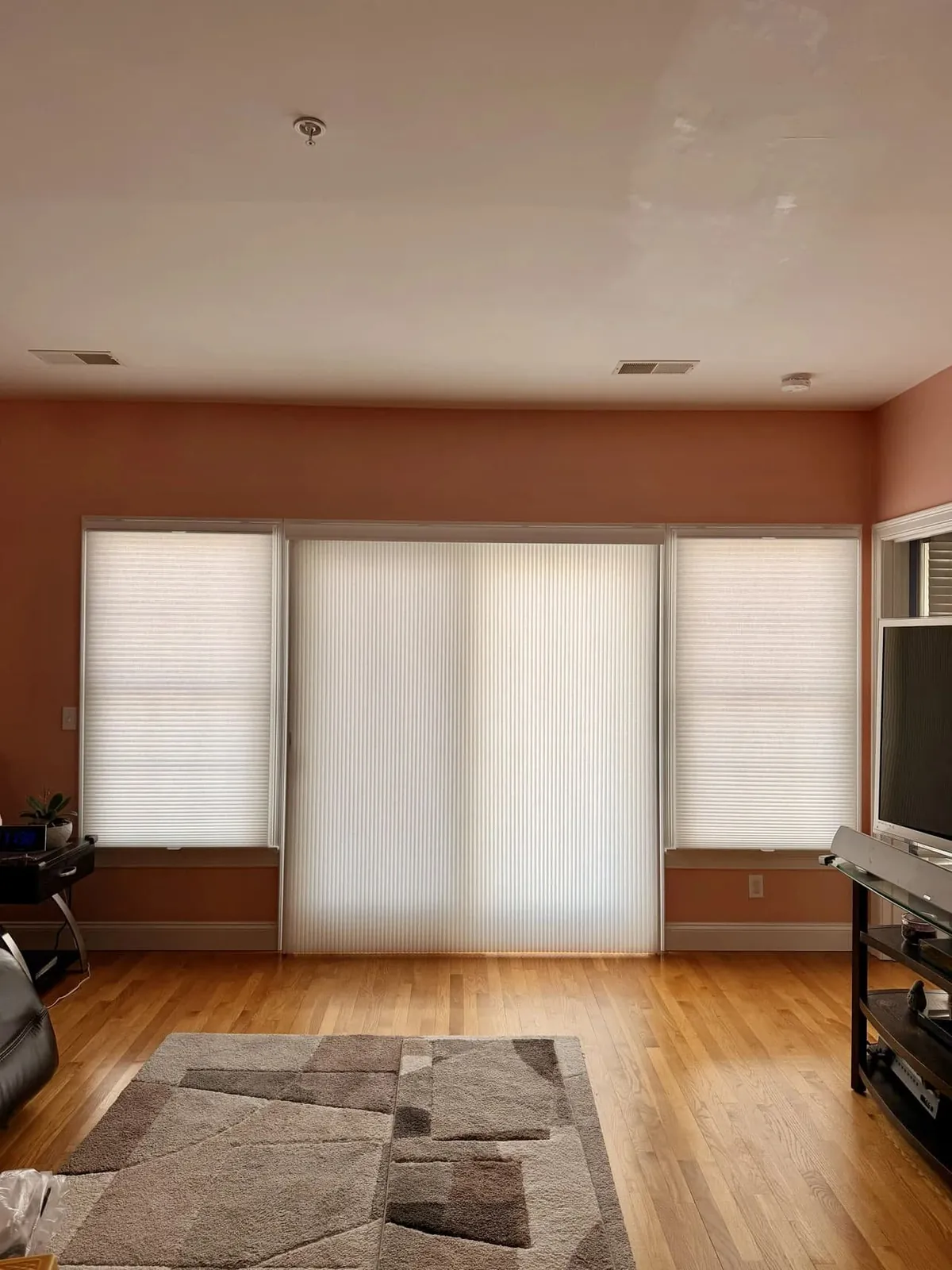
Vertical shades for patio doors
The newer colonials often have a slider; a honeycomb shade that draws sideways covers it and stacks at the edge.
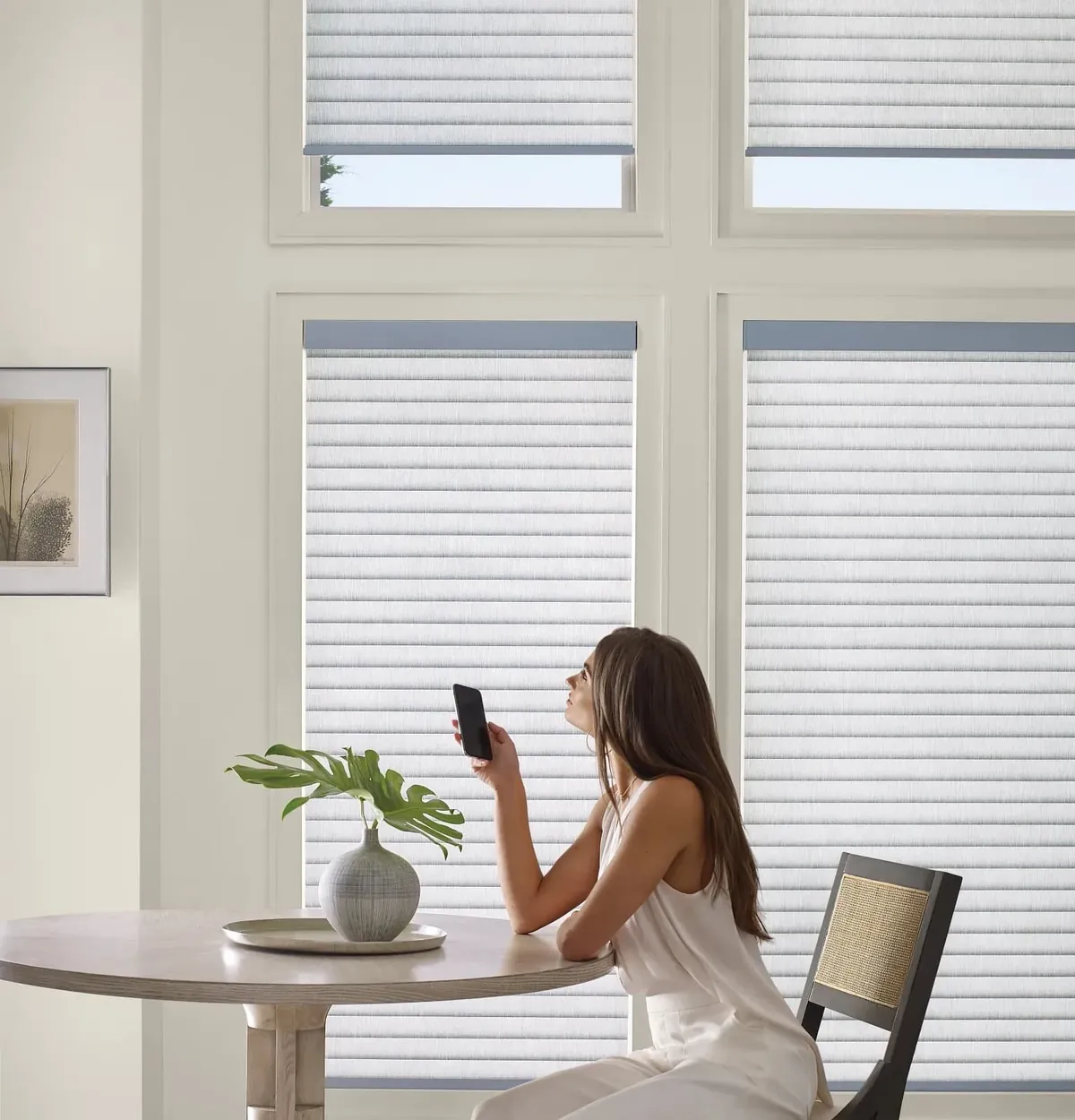
PowerView for the top of a tall window
Move a shade on a tall sash, or a whole room of them, from a phone, a remote or a schedule.
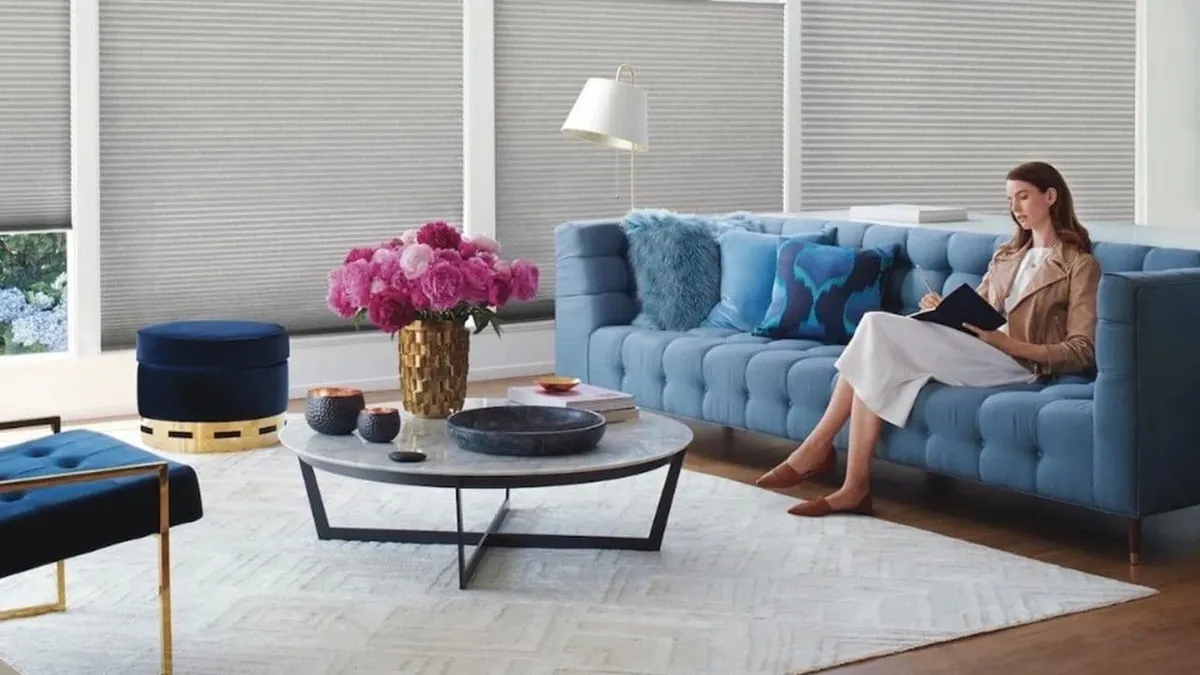
Applause across a newer house
Hunter Douglas’s other honeycomb line, often chosen for the standard windows of a colonial on the outskirts.
Long drops and slim widths
A tall, narrow window changes the way a shade behaves. With a long drop, the fabric has further to travel and the lift system has more weight to manage. A shade that is too wide for the opening looks clumsy, and one that is too narrow leaves strips of cold glass at each side. Getting the proportions right is the main job on a village sash.
Honeycomb shades handle long drops well. The cells are light, so even a tall shade lifts easily, and when it is raised the pleats fold into a short stack at the head of the window, leaving most of the glass clear. On an original opening that is tall for its width, that short stack matters: you get the full height of the window back when the shade is up.
Width is where the care goes. Original openings in a company house were made by hand and have moved over the years, so the frame can be a touch wider at the head than at the sill. We take width readings at the top, center and bottom, and the narrowest decides an inside-mount shade so it never rubs on its way down. Depth is checked too, because original stops and hidden sash weights can leave less room at the head of the frame than the window’s size suggests.
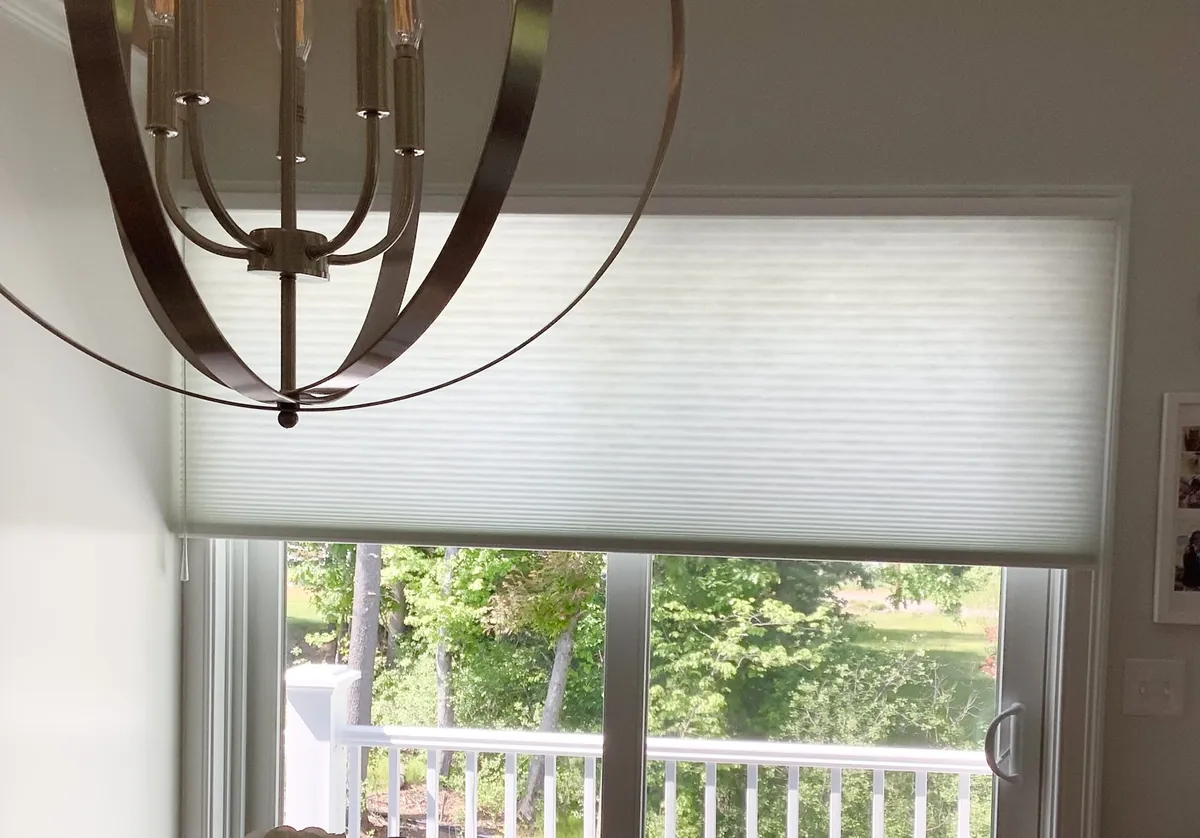
Near the street and near each other
In the village, the front of a house is often only a short step from the sidewalk, and the gap to the next house is narrow. A side window can look directly into the neighbor’s kitchen. A front room at street level is in plain view of anyone passing. For these rooms, privacy is as important as warmth.
Light-filtering honeycomb fabrics are the usual starting point. In daylight, the fabric lets soft light through and stops the view in, so the room stays bright and private. After dark it is different: with lamps on inside, a light-filtering fabric shows more of the room. So for the windows that face a neighbor closely, we often suggest a heavier fabric, and for bedrooms a room-darkening one.
The top-down, bottom-up lift is the most useful tool for a tall sash near the street. The upper rail drops to let daylight in over the eye level of people walking by, while the lower rail keeps the bottom of the window covered. On a tall window the open top section is generous, so the room gets plenty of light even with most of the glass screened. Many of the cellular shades in Northbridge, MA, that we fit in the village are set up exactly this way.
Front rooms in the village
The front room of a Whitinsville company house usually has its tall sash in a pair or a row facing the street, and the furniture has to live with them. A sofa often ends up under one window, a radiator under another, and a lamp table in the corner between. Whatever covers those windows has to clear all of that and still look tidy from the sidewalk.
Honeycomb shades suit a busy front room because they stay within the frame and take up almost no space. Raised, they fold into a short band at the head of each sash; lowered, they hang straight down without billowing over a radiator or catching on a sofa back. Matching bottom rails across a pair of windows keeps the room calm, and with top-down lifts both windows can be opened at the top together for daylight while the street stays out of view. When people ask us where to begin with cellular shades in Northbridge, MA, the front room is usually the answer, because it is the room seen most from outside and used most inside.
Opening the top sash in summer
Tall double-hung windows were built so you could open the top sash as well as the bottom, letting warm air out at the top of the room while cooler air comes in below. Plenty of village houses still use their windows that way in summer.
A honeycomb shade can work with that habit. With a top-down, bottom-up shade, you can lower the top of the shade to open the upper sash for air and keep the lower part covered for privacy. When the sun is on that side of the house, lowering the shade further slows the heat coming through the glass while the open sash keeps air moving. In autumn, the same shade goes fully down in the evening to hold warmth in.
We talk through how you use each window at the visit, because a shade that suits a window you open every day may be set up differently from one on a window that stays shut.

Colonials on the outskirts
Out of the village center, Northbridge has newer colonials on larger lots. They have modern windows in standard sizes, a family room with a bigger window, often a slider to a deck, and bedrooms on the second floor. Frames are square and deep, and inside mounts are straightforward.
Room around the house changes the conversation. Street-level privacy fades as a worry, and sun, glare and a coherent look take its place. A family room aimed south or west soaks up afternoon heat, which a light-filtering honeycomb softens while the room stays bright; upstairs, blackout fabrics are the norm. Keep one color across the front and the house reads as finished from the road, whatever each room’s fabric does inside. For cellular shades in Northbridge, MA, on the outskirts, that one-color rule is usually the first decision we make together.
A two-story colonial with many windows is also where PowerView earns its place. Lowering every shade on the sunny side at once, or setting the bedroom shades to close on a schedule, saves a walk round the house. We plan how each motor is powered at the visit, and how motorized shades are controlled covers the controls.
A consultation, in order
Most Northbridge customers start with a home visit, because the light in your own rooms is the only light that counts. Our vans are stocked with honeycomb samples, so in effect we bring the showroom to you. This is how the visit goes.
- Fix a date online with Request a Consultation, or by phone with the call button.
- The case opens on your table: honeycomb fabrics from airy to blackout, single and double cells, a spread of colors.
- First stop is whichever room troubles you most, be it the parlor on the street, a bedroom eye to eye with next door, or a family room that bakes in the afternoon.
- A sample is raised to several heights on the tall sash, so you see the light at the top of the window as well as the bottom.
- Measurements go down for every opening, along with head depth and any old weights or stops.
- A free estimate stays with you, with no deadline attached.
You can read more about the in-home consultation before we arrive. If you would like help with colors and furnishings at the same time, an interior design consultation can be part of the same visit.
Why the cells keep the cold back
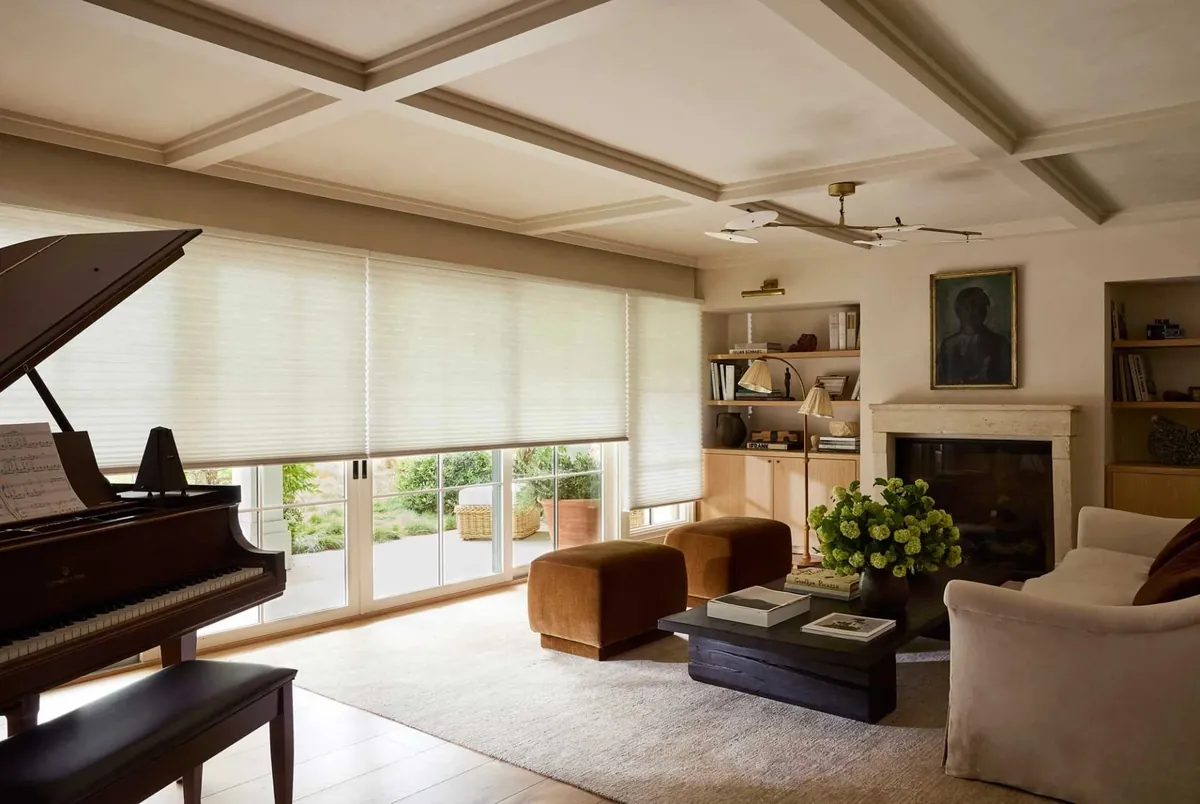
Look along the bottom edge of a honeycomb shade and you see a row of hollow tubes. When the shade is lowered, those tubes open out across the whole window and each one holds air that cannot circulate. Air that stays put passes heat along only slowly, so the shade becomes a soft barrier between the cold glass and the warm room.
On a tall single-glazed sash, that barrier changes how the room feels. The cold air that would slide down the glass and across the floor is held back at the window, and sitting near the window on a winter evening becomes comfortable. In summer the same layer slows the sun’s heat coming in.
Fabrics come with one row of cells, two rows, or in some Duette fabrics a cell tucked inside another. The more layers of air, the stronger the effect. We bring each type so you can hold them up and compare them at your window.
Choosing Duette or Applause
Duette and Applause share a principle and differ in range. Both lines from Hunter Douglas trap air in pleated cells; where they part is the list of fabrics, weaves, cell builds and lifting systems on offer. Duette’s list runs longer: narrow sizes and generous drops for a Whitinsville sash, shaped shades for odd windows, and a sideways-drawing shade for glass doors. Applause offers its own color family and suits a run of standard openings.
Village houses usually start with Duette for the tall original windows; a colonial on the outskirts often takes Applause in most rooms and Duette on the patio door. Many homes split the order, choosing a line per room. Browse the range on our cellular shades page.
Cords, reach and safety
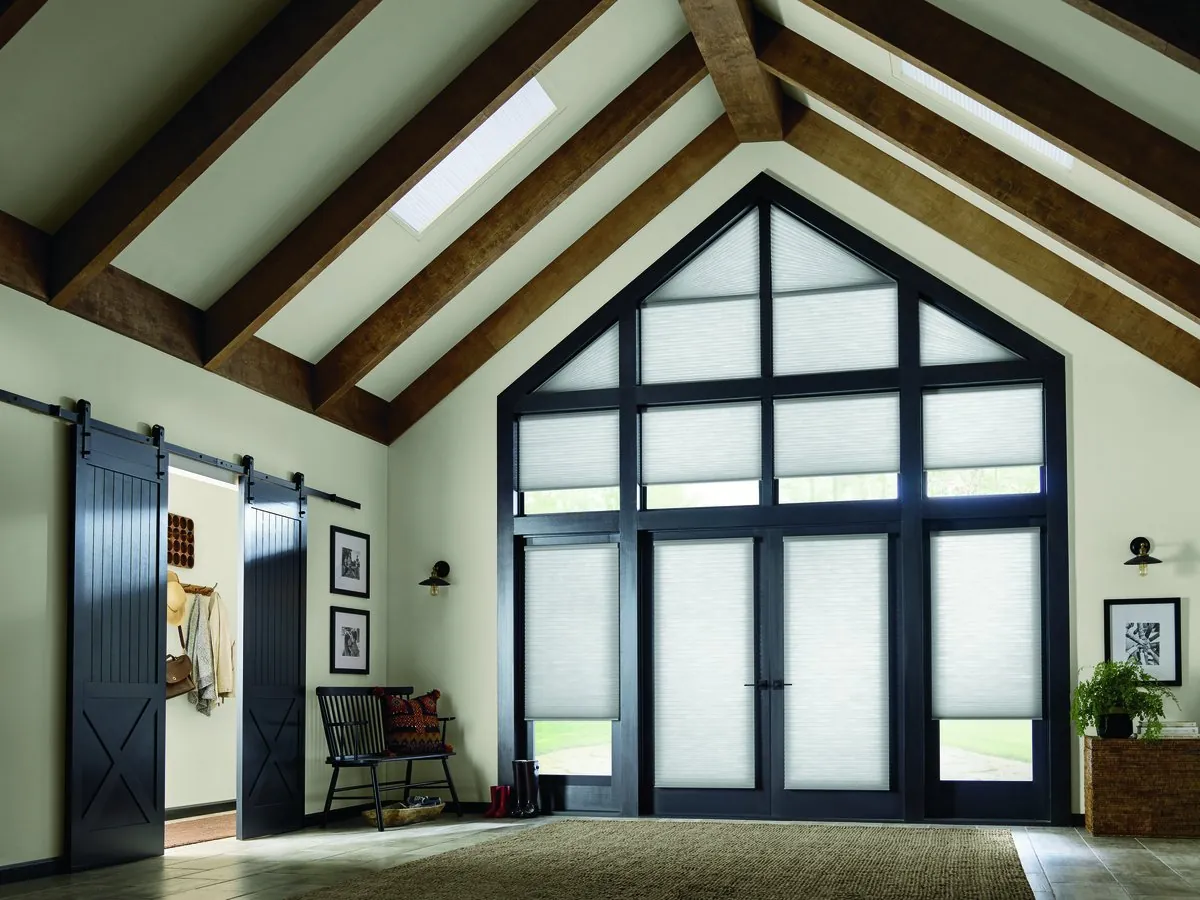
On a tall window, how you lift the shade matters a great deal. Older corded blinds on tall sash left long cords hanging, which looked untidy and were a hazard for children and pets. Cordless honeycomb shades have no cord at all: you raise or lower the bottom rail by hand and the shade stays where you leave it.
On a very tall window, the bottom rail can end up out of easy reach when the shade is raised. There are a few answers. A top-down, bottom-up shade often sits in a convenient middle position most of the day. A wand can help on some lifts. And on the tallest windows, or a whole room of them, PowerView motorization takes the reaching out of it altogether, letting you move the shades from a phone, a remote or a schedule. Choosing the right lift for each window is part of planning cellular shades in Northbridge, MA, for a tall-windowed house.
From order to installation
Shades made to the exact opening look built in. On tall, narrow sash, that comes down to careful measuring and careful fitting.
- We record each window’s width at three heights and its height at three points across, using the tightest width for an inside mount.
- We check frame depth at the head and note stops, beads or weights that intrude.
- You confirm the mount, fabric, color and lift for every window, and only then is the order placed.
- When the shades arrive, our certified Hunter Douglas installers fix the brackets into wood, set each headrail level, and run every shade through its full travel.
- We show you how each lift works, and set up any PowerView shades with you before we leave.
A close fit at each side looks neat and stops cold air sliding round the edges, which on a tall single-glazed window makes a real difference.
A Gallery dealer for every window in the house
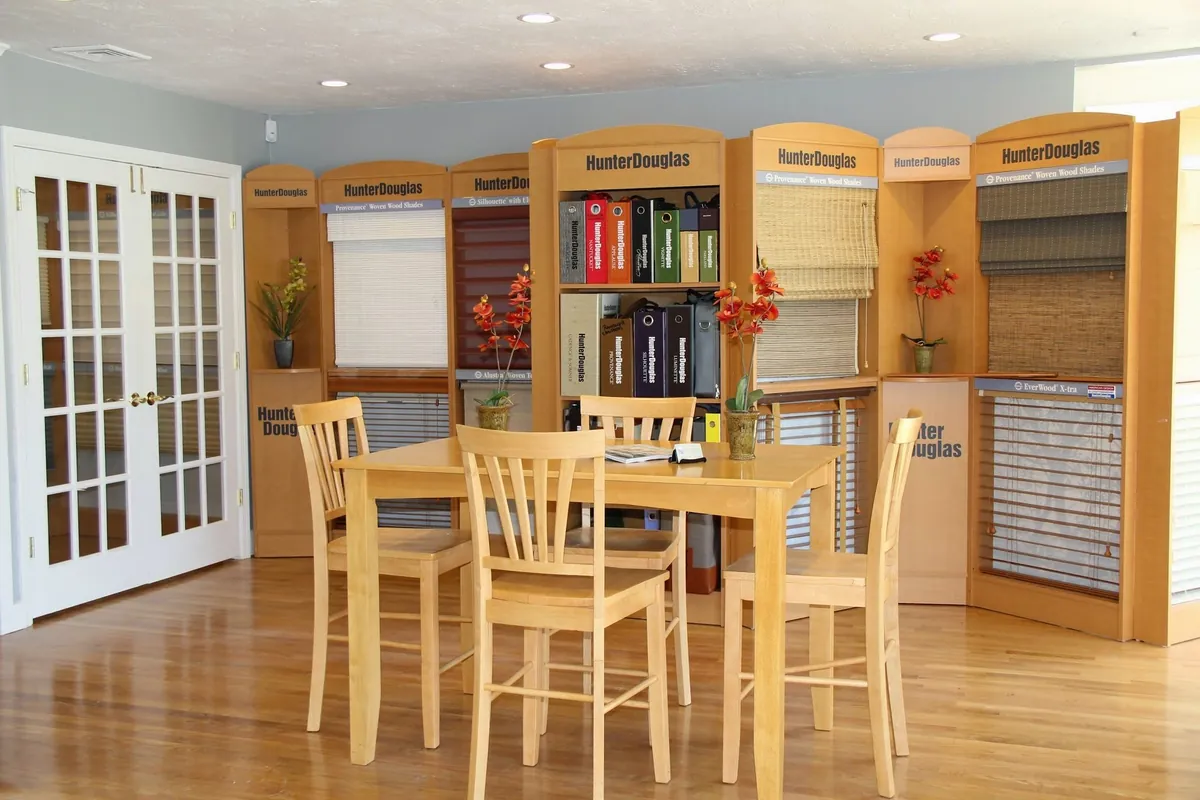
Gallery is a title Hunter Douglas awards to a limited circle of dealers, Blinds & Designs among them. What it buys a Northbridge house is breadth: long, slender Duette shades for the mill village, Applause for a colonial, sideways shades for slider doors and PowerView for glass nobody wants to climb to.
Each shade goes up with installers trained and certified by Hunter Douglas. Blinds or shades you already own that have jammed, frayed or stopped lifting are welcome through blind and shade repair.
Other rooms may call for shutters or a soft roman fold, and those come from us too. See plantation shutters in Northbridge, roman shades in Northbridge, or every service for the town on our Northbridge page.
Franklin is our closest showroom
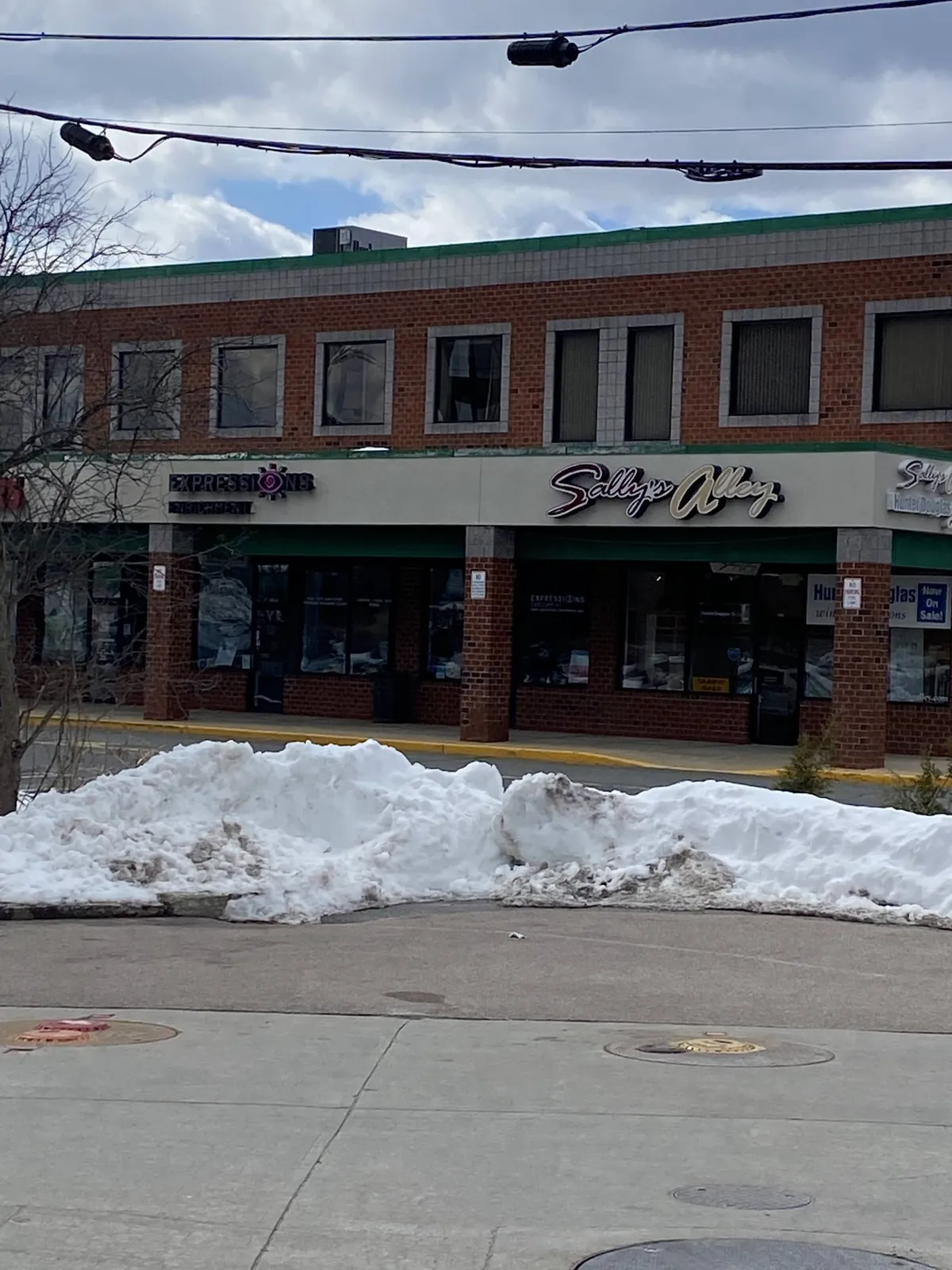
The Franklin showroom is the Blinds & Designs location closest to Northbridge. Call in there to see honeycomb shades before anyone visits; a couple of pictures of your tall sash, inside and out, make the conversation more useful.
For a company house in the village, the decision usually happens at home all the same. How a fabric reads from the sidewalk, and how a long shade sits in an old frame, show up most clearly in your own rooms, and the measuring and free estimate are done on that visit.
Questions from Northbridge
Will a honeycomb shade work on a very tall, narrow sash?
Yes. Duette can be made slim with a long drop, and the light cells lift easily even on a tall shade. When raised, it folds into a short stack, so you get almost the full height of the window back.
How do I keep privacy when my front window is so close to the sidewalk?
A top-down, bottom-up shade lets you open the top of the window for daylight while the lower part stays covered. A light-filtering fabric gives daytime privacy; for evenings, a heavier fabric or room-darkening fabric on the windows facing the street or next door.
Can I still open the top sash in summer?
Yes. A top-down, bottom-up shade can be lowered from the top to uncover the upper sash for air while keeping the lower part of the window screened.
The top of my shade will be out of reach. What are the options?
Top-down, bottom-up shades often sit at a comfortable middle height, some lifts can use a wand, and PowerView motorization lets you move the tallest shades from a phone, a remote or a schedule.
Do you charge for the estimate?
No charge at all. Measuring happens at the consultation and the estimate that comes from it is free. Request a Consultation is the quickest way to book.
Book your visit
Tall village sash look different with a sample held at them and the street right outside. Book through Request a Consultation and the honeycomb fabrics arrive at your door, every opening is measured and the estimate is yours free. Use the call button to talk first, or visit the Franklin showroom, our nearest location.