
Why Franklin window coverings end up needing a fix
Franklin has two very different kinds of house, and each one wears out a blind or shade in its own way. That is the starting point for blind and shade repair in Franklin, MA: knowing the window before we look at the part that failed.
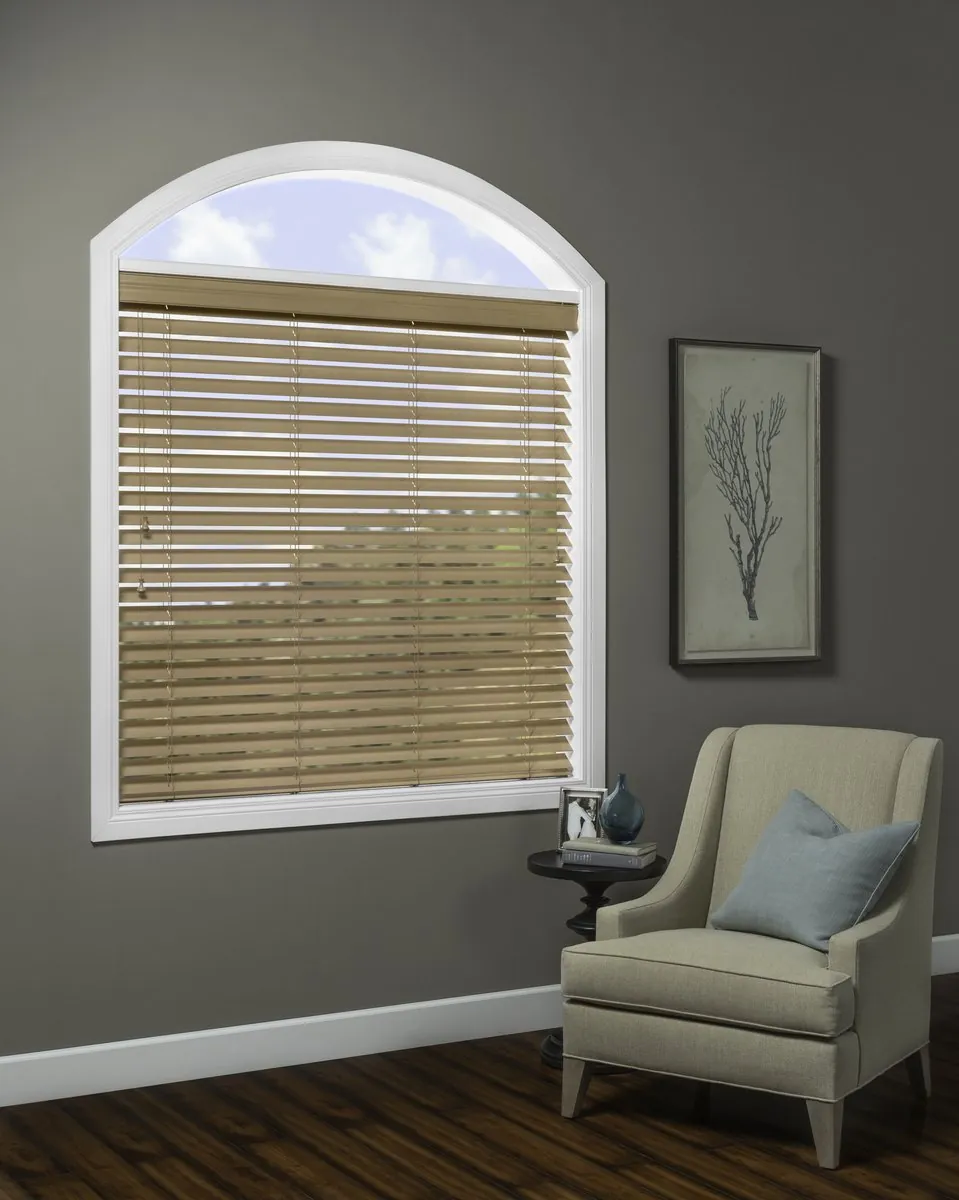
Around the common and along Main Street the houses are old. Antique colonials and Victorians carry tall, narrow sash, the kind of window that is much taller than it is wide. A shade on one of those windows has a long way to travel every time it goes up, so its lift cords run long, rub at the same points and carry the full weight of the fabric over a great height.
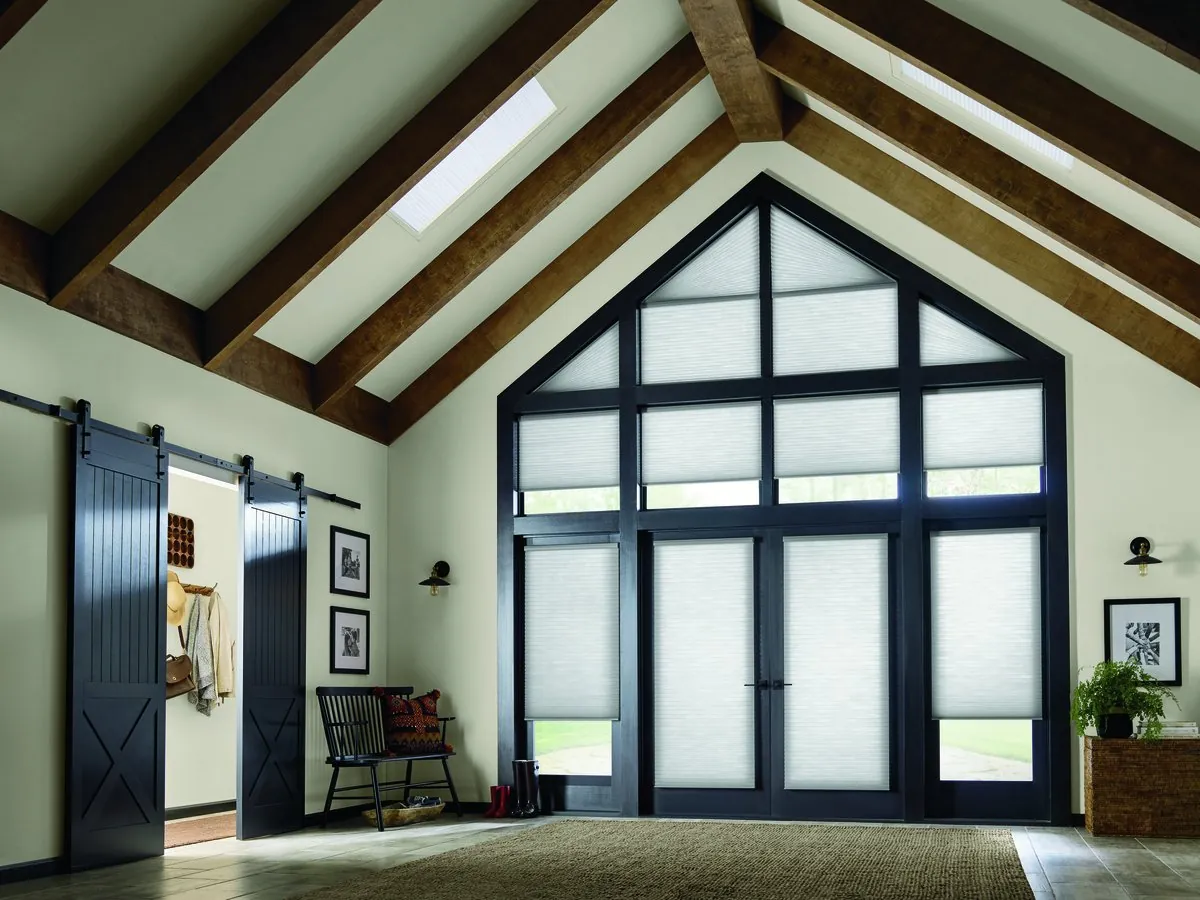
Out in the subdivisions off Route 140 the houses are newer and bigger. Large colonials there often have two-story entry glass over the front door and windows set high above a stairwell. The coverings on that glass are hard to reach, so they tend to be left alone until something goes wrong, and then the fix is awkward for anyone without the right ladder and the patience to work above a staircase.
Both kinds of house end up with the same short list of trouble: cords that fray, wands that loosen, headrails that bind and slats that no longer tilt together.
Repairs we take on in Franklin
Most blind and shade repair in Franklin falls into a handful of jobs. If yours is something else, describe it and we will tell you honestly whether it sounds like something we can put right.
Restringing
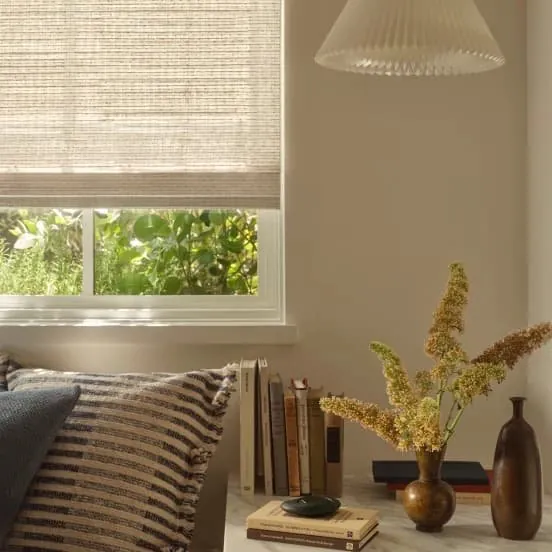
New lift cord threaded through the shade or blind, so it rises evenly again instead of tipping to one side.
Worn or snapped cords
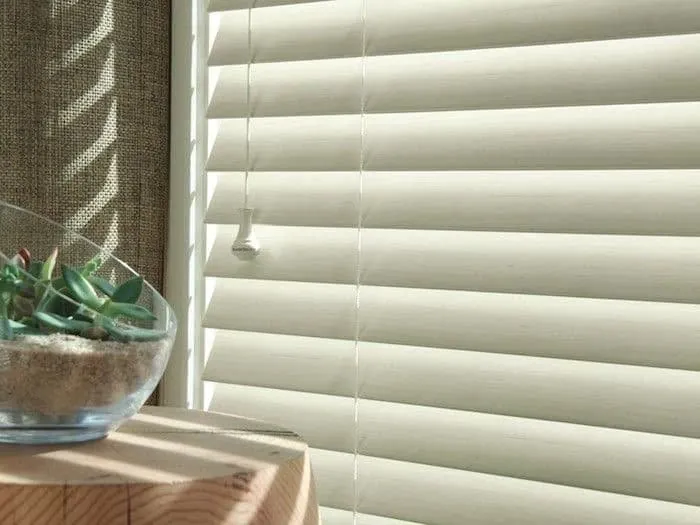
A cord that has frayed at the lock, or broken outright, replaced before the blind becomes unusable.
Wand replacement
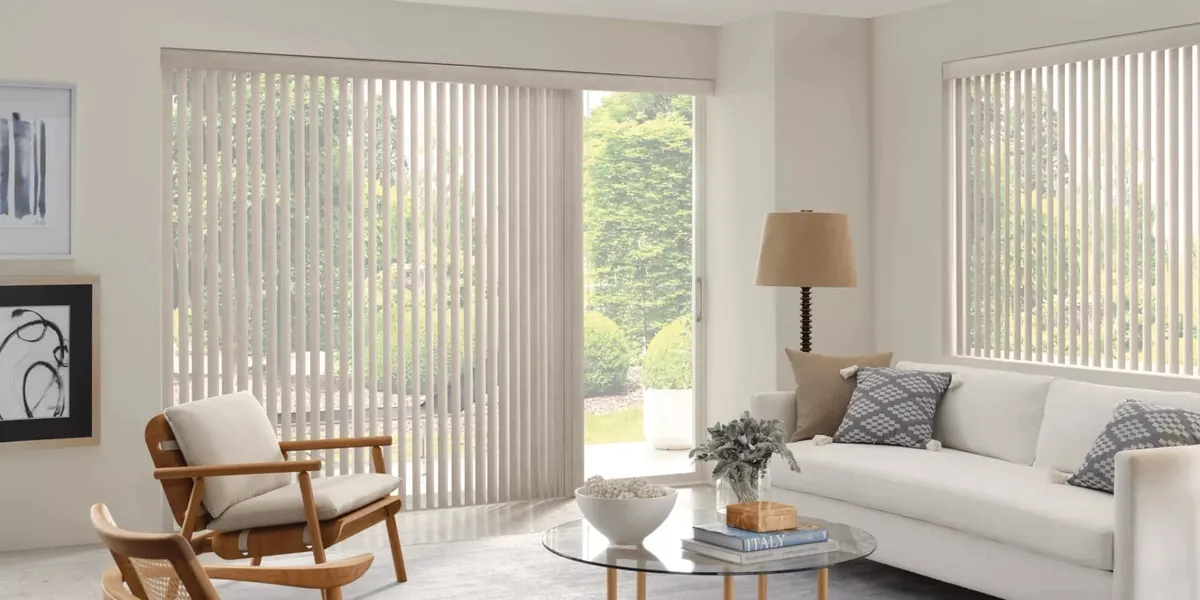
A loose, cracked or missing tilt wand on a blind or a vertical, swapped for one that turns the slats properly.
Headrail trouble
A headrail that has bent, jammed or pulled away from its brackets, often on the high glass that is hardest to get at.
Tilt mechanisms
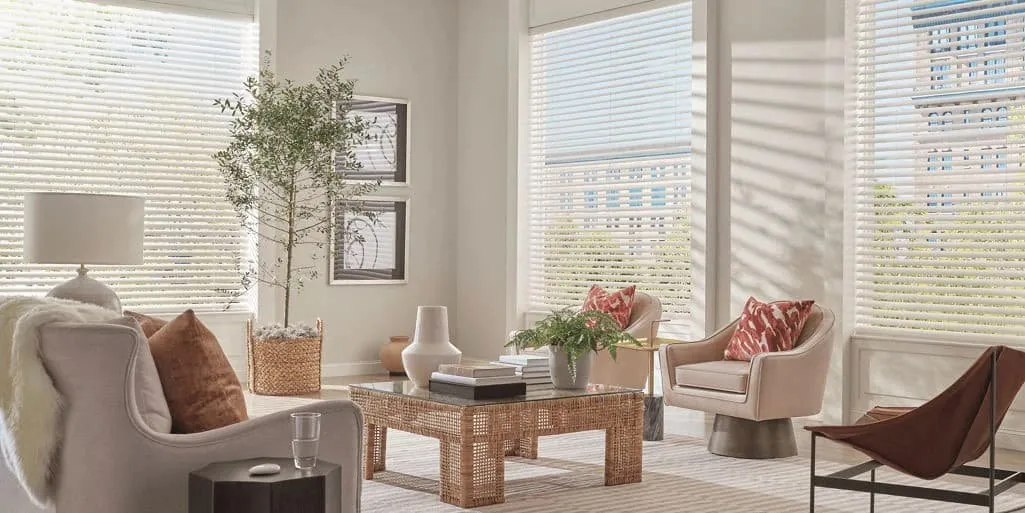
Slats that will not close, close only halfway, or tilt at one end and not the other.

A shade that drifts down
A shade that creeps down after you raise it usually points to a worn part in the lift, which is often a small repair.
Tall sash around the common and Main Street
The antique houses near the center of town were built with tall, narrow windows, and many still have their original frames. A blind or shade hung in one of those openings works harder than the same product in a modern window, simply because of the height. The cords are longer, the stack of slats or fabric at the top is heavier, and every lift puts the strain on the same few inches of cord where it passes through the headrail.
That is why restringing is the repair we talk about most for this part of town. When a cord wears through at one side, the shade lifts crooked, and owners often keep using it that way until it jams. Catching it early keeps the rest of the shade in good order.
Old frames add their own twist. A Victorian that has settled over many years is rarely square, and a headrail mounted inside an out-of-square opening can sit slightly off level. Over time that tilt sends the slats or fabric to one side and wears the lift unevenly. Part of a good repair on these windows is checking how the product hangs, not just swapping the part that failed.
Two-story entry glass off Route 140
The newer colonials across the Route 140 subdivisions were built with a grand front entry: tall glass over the door, sometimes a half-round window above that, and a long run of glass up the stairwell. It looks wonderful from the street. From the inside, the window coverings up there are among the hardest in any Franklin house to look after.
Shades on tall entry glass are usually raised and lowered with long cords or a long wand, and the extra length means extra wear. A wand that has to reach that high can work loose at the hook. A shade that is rarely touched can stick when it finally is. And when a headrail on high glass bends or slips out of a bracket, the shade hangs crooked in the most visible window in the house.
Blind and shade repair in Franklin often means exactly this kind of job: a product that is still in good shape, sitting on a window that is simply hard to get to. We come prepared to work at that height.
Stairwell windows, the hardest reach in town
The stairwell window in a newer Franklin colonial deserves its own mention. It sits above the stairs, so there is no flat floor beneath it, and the person who wants to fix a stuck shade there has to balance a ladder on the treads. Most sensible people do not try.
The common problems on those windows are the ones you would expect from a shade that is hard to touch: a cord that has slipped off its pulley, a tilt that has frozen in one position, a shade left half-down for months because nobody could reach it. Most of those are ordinary repairs once someone is up there with the right equipment.
If a stairwell shade is beyond repair, or you are tired of reaching for it, it may be worth knowing that a PowerView shade can be raised and lowered from a phone or remote. That is a separate conversation for another day, covered on our motorized blinds in Franklin page, and only if you want it.
How a restringing job goes
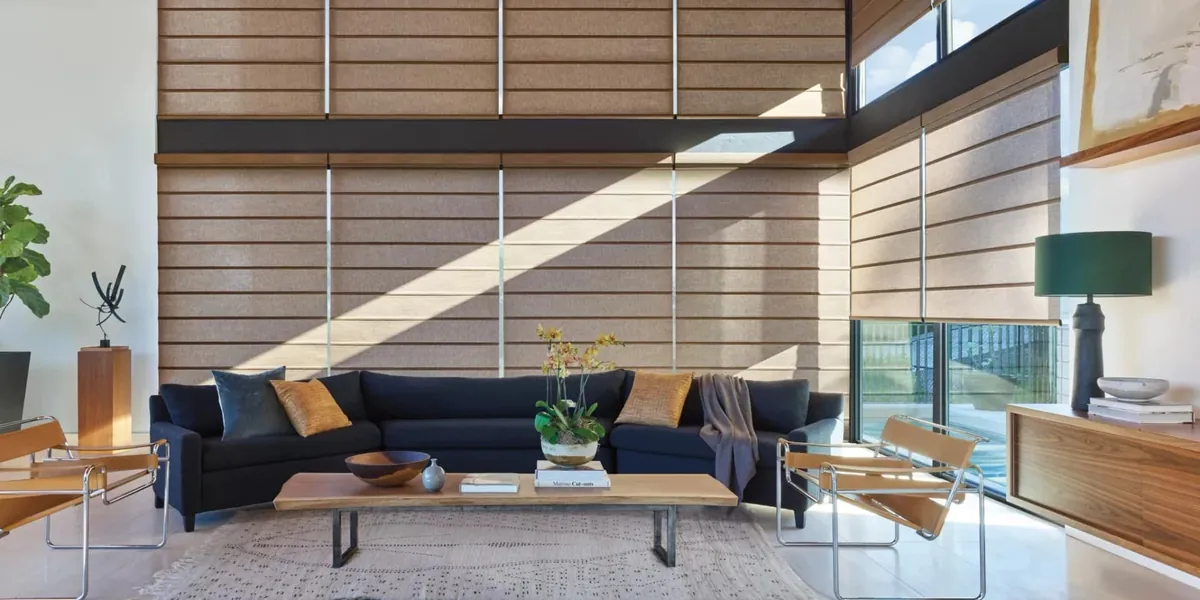
Restringing sounds technical, but the process is straightforward. Here is how it usually runs.
- You tell us what the product is, which window it is on and what it is doing. A photo of the shade and any label on the headrail helps.
- We tell you whether it sounds like something worth repairing.
- If it is, we arrange a time to look at it properly.
- The shade or blind is taken down and the old cord is removed along its whole path, not just where it broke.
- New cord is threaded through the headrail, the slats or fabric and the bottom rail.
- The lift is adjusted so both sides rise together and the shade stops where you leave it.
- The product goes back up, level, and we test it with you before we finish.
If at any point it turns out that a repair is not the right answer, we say so before anything more is done.
Cords and wands: the parts hands touch most
Every time someone opens or closes a blind, a hand goes to the cord or the wand. Those parts take more handling than anything else on the window, so they are usually the first to show wear. A cord fades and frays where it runs through the lock. A wand loosens where it hooks onto the tilt, or cracks after being knocked by a door or a vacuum cleaner.
On the tall sash near the common, lift cords are long and often tied off on a cleat, which puts extra wear on one spot. On the newer houses, a long wand for the high glass gets bumped and twisted. In either case replacing the worn part is a modest job, and it can bring a tired blind back to everyday use.
Replacing a cord also gives us a chance to look at the rest of the lift. If the cord lock is worn, or a pulley inside the headrail is cracked, a new cord alone will not hold for long. We would rather tell you that up front.
Headrails and what goes wrong inside them
The headrail is the box across the top of a blind or shade. Inside it are the parts that make the whole thing work: the tilt gear, the lift drums or pulleys, the cord lock and the brackets that hold it to the frame. When something inside fails, the symptoms show up lower down. The slats stop tilting, the shade jams halfway or one side drops.
Some headrail problems are simple: a bracket has worked loose, or the headrail has slipped off its clip. Others need a part inside to be replaced. And sometimes the headrail itself has bent, often on a wide window where it has carried a heavy load for years. Each of those calls for a different fix, which is why we like to see the product before giving a view.
On out-of-square antique frames we also check whether the brackets themselves were set level. A headrail that has always sat slightly crooked wears its parts unevenly, and resetting the brackets can stop the same fault coming straight back.

Tilt mechanisms on wood and faux wood blinds
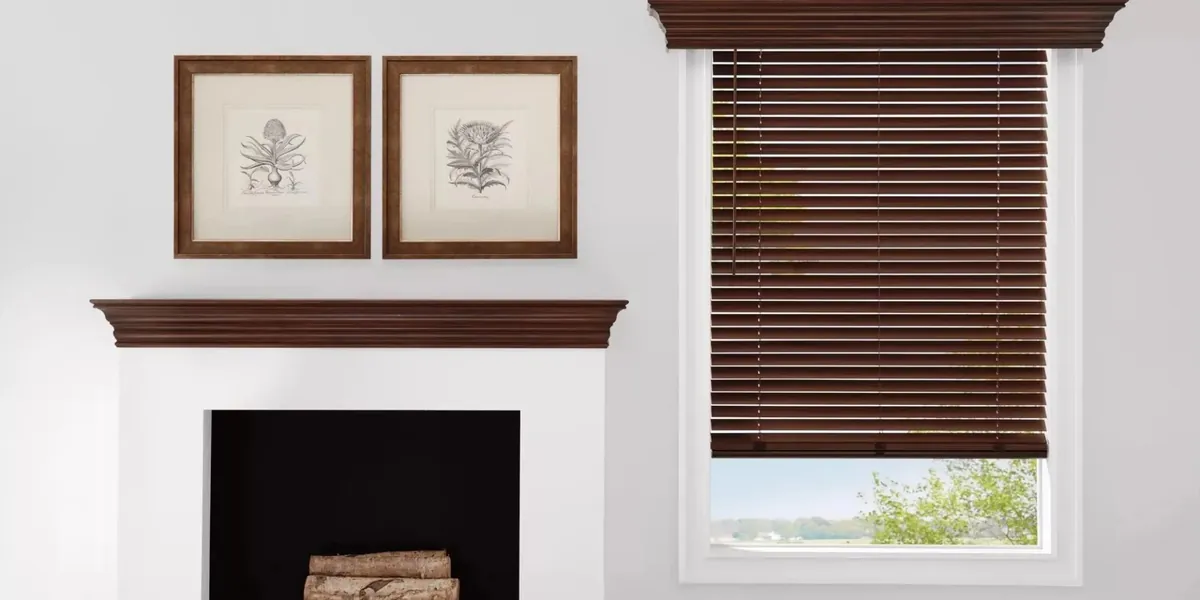
Horizontal blinds tilt their slats with a small gear in the headrail, turned by the wand or a tilt cord. When that gear wears, the slats stop responding, tilt only partway or move at one end of the blind and not the other. On a wide blind with heavy wood slats, the strain on the tilt is greater, so it tends to fail first there.
Tilt problems are common on blinds that are opened and closed many times a day, such as the kitchen window or the front room. They are also common on blinds that have been forced: if the wand is turned past the point where the slats are fully closed, the gear takes the punishment. Replacing a worn tilt mechanism is usually a contained job, and the blind looks and works as it did before.
Tall, narrow blinds on the old Main Street sash add one more wrinkle. The tilt has to turn a long column of slats, and if the ladder tapes that hold the slats have stretched over the years, the bottom of the blind can lag behind the top. We look at the tapes as well as the gear, because a new tilt on tired tapes still leaves the slats out of step.

What to tell us before we look
A little information up front saves a wasted trip and helps us tell you whether a repair is likely to work. These are the things worth mentioning when you get in touch.
- What the product is. A wood blind, a faux wood blind, a vertical, a honeycomb shade, a roman shade or a roller. If you are not sure, a photo answers it.
- Where it hangs. The front room on a Main Street Victorian and the entry glass over a Route 140 front door are very different jobs, mostly because of height and access.
- What it is doing. Lifting crooked, refusing to tilt, dropping on its own, jammed halfway, or a wand or cord that has come off.
- Any label. Many headrails carry a small label on the top or the end. A photo of it can tell us a good deal about the product.
- How long it has been like this. A cord that has just started to fray is a simpler job than one that has been used broken for months.
None of this needs to be exact. A quick description and a phone photo are usually enough for a first view.
Keeping a blind working after the repair
Most wear on a blind or shade comes from small daily habits, and a few changes make a repair last. On the tall sash near the common, raise and lower the shade straight down from the center of the cord rather than pulling at an angle; an angled pull wears one side of the lift faster than the other. Let the cord lock catch gently instead of letting the shade drop onto it.
On horizontal blinds, turn the wand only until the slats close and no further. The tilt gear is built to stop there, and forcing it past that point is the commonest reason it fails. On a vertical, open the vanes before drawing them across, so they travel without catching.
High shades over entry glass and stairwells are a different matter: the best care is to use them. A shade that sits untouched for a long stretch can stiffen, and running it up and down now and again keeps the lift moving freely. Dust comes off most fabrics with a soft brush or a vacuum on a low setting, and our guide to caring for fabric shades has more on looking after them between visits.

Fix it, or replace it
A repair makes the most sense when the product itself is still sound: the fabric has not faded or split, the slats are straight and the headrail is in good shape. In that case a new cord, wand or tilt is a far smaller step than a new blind.
Sometimes, though, a repair is not the best use of your money. Fabric that has gone brittle from sun, a headrail that has failed in several places or a blind that never suited the window are better replaced. We will tell you plainly when that is the case. If you then want to look at something new, our pages on custom blinds in Franklin and cellular shades in Franklin are a good place to start, and you can see every service we offer in town on our Franklin page.
Repairs from your own town’s showroom
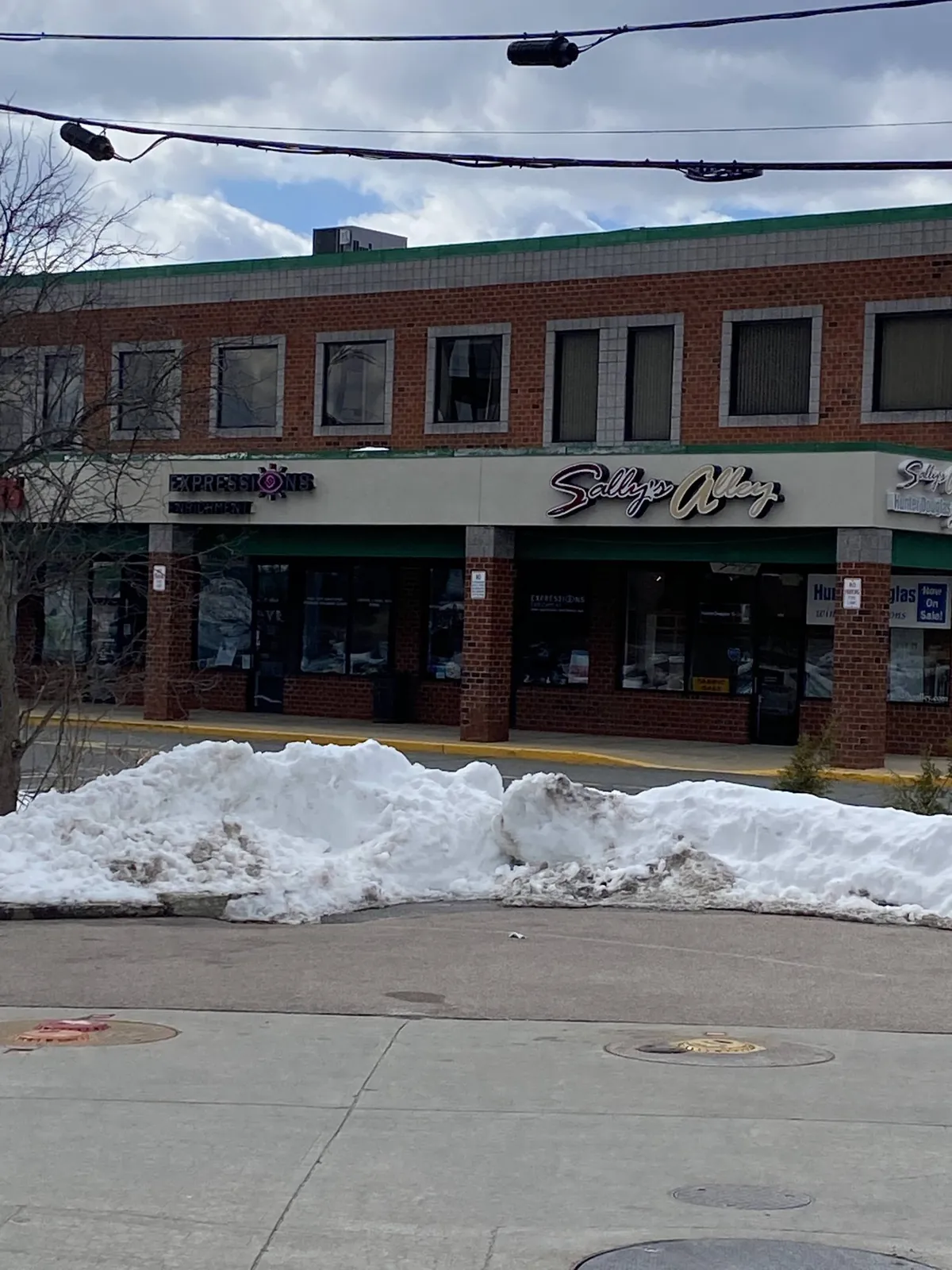
Franklin is home to one of our showrooms, so blind and shade repair in Franklin, MA, is work right on our own doorstep.
If you would rather talk the problem through face to face, bring a photo of the window covering, or the label from its headrail, to the Franklin showroom. Otherwise, describe it when you request a consultation and we will take it from there.
Why a Gallery dealer is worth calling for a repair
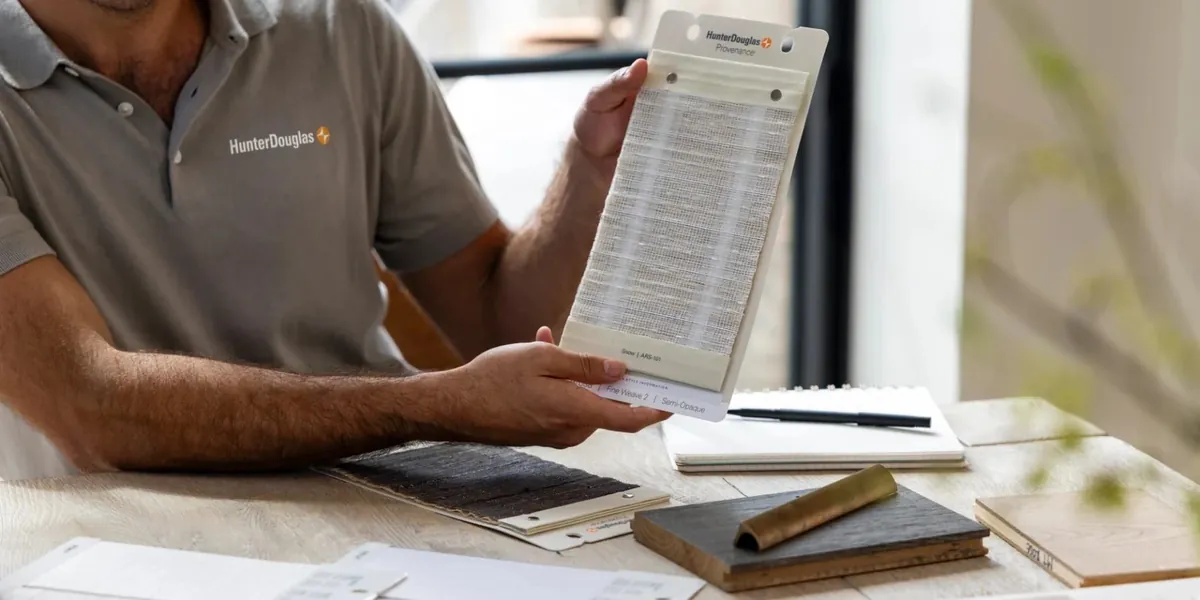
Blinds & Designs is a Hunter Douglas Gallery dealer, and our installers are certified by Hunter Douglas. We know how these products are built, how they are meant to hang and what usually wears out first.
That matters on a repair. Putting a new cord into a shade is one thing; putting it back so the shade lifts evenly, the headrail sits level and the fault does not return is another. When the job is done, the product should work the way it did when it was new.
See how our repair service works across all our areas on the main blind and shade repair page.
Questions from Franklin
The shade on my tall Main Street window lifts crooked. Can that be fixed?
Very often, yes. A shade that lifts unevenly usually has a worn or stretched cord on one side, and restringing it brings both sides back into line. On an older frame we also check that the headrail is sitting level, because an off-level mount can cause the same symptom.
Can you reach the shade over my stairwell?
That is a common request in the newer colonials. Tell us roughly how high the window is and what the shade is doing, and we will come prepared for the height.
My blind will not tilt any more. Is it worth repairing?
If the slats and headrail are in good shape, a worn tilt mechanism is usually a contained repair. If the blind has other problems too, we will give you an honest view of whether a repair makes sense.
Do I need to know the brand of my blind?
It helps but it is not essential. A photo of the product and of any label on the headrail is enough for us to tell you whether it sounds repairable.
Do I have to buy anything new?
No. A repair is a repair. If you later decide you want new window coverings, our in-home consultations are there for that, with a free estimate.
Bring us the problem
Start with a short description and a photo if you have one. Request a consultation and tell us what the window covering is doing, use the call button to talk to the Franklin showroom, or stop by the showroom with your photo. Blind and shade repair in Franklin, MA, begins with that first conversation.