
One town, from the bay to the sound
Barnstable runs the full width of the Cape, from Cape Cod Bay on the north shore to Nantucket Sound on the south. Few towns hold so much variety inside one boundary line. Along Route 6A the old village keeps its antique capes and Federal houses, with small sash set deep into thick walls. Out on the bay side, larger newer houses look north over the marsh and the harbor. And the light changes completely depending on which way a house faces and which shore it is near. That variety is why custom blinds in Barnstable, MA are worth planning window by window.
The old houses ask for care: frames that have moved, sash that is small and precious, and a historic district where the view from the road matters. The newer houses ask for scale: openings wide enough that an off-the-shelf blind would look lost. A blind made to measure suits both, because it starts from the window rather than from a stock size.
What every Barnstable house shares is a need for control. Blinds give you that in a single movement. Tilt the slats and you choose how much light comes in, where it lands and how much of the room can be seen from outside, without raising anything at all.
Custom blinds in Barnstable, MA, for old sash and new glass
All of our blinds come from the Hunter Douglas range and are built to the sizes we take at your windows. Our vans carry samples of each.
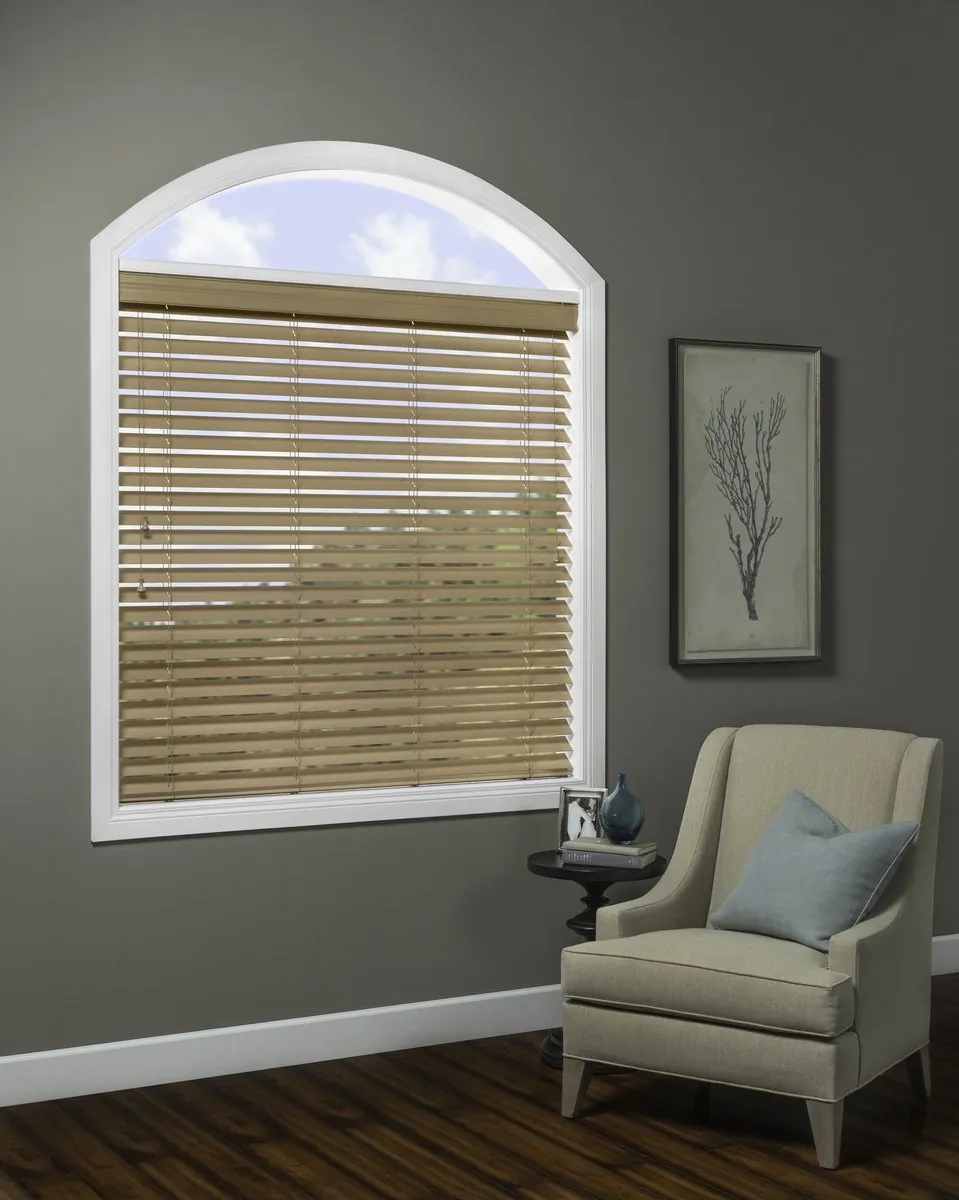
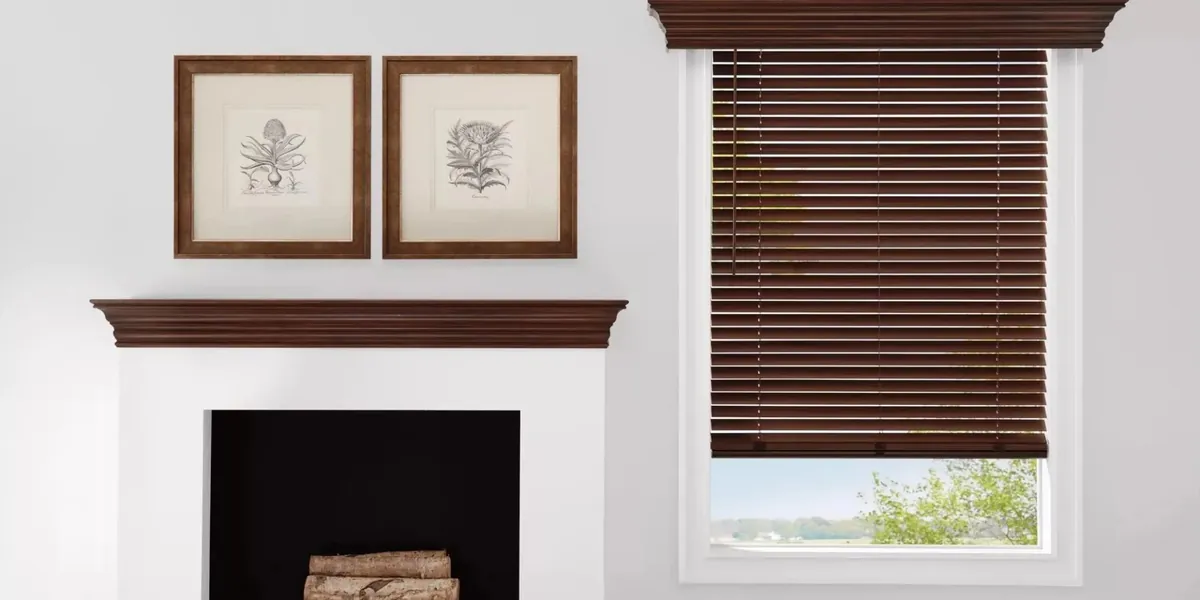
Hardwood slats
Stained or painted wood has the depth and warmth an antique room calls for, and it can even be shaped around an arch-topped window.
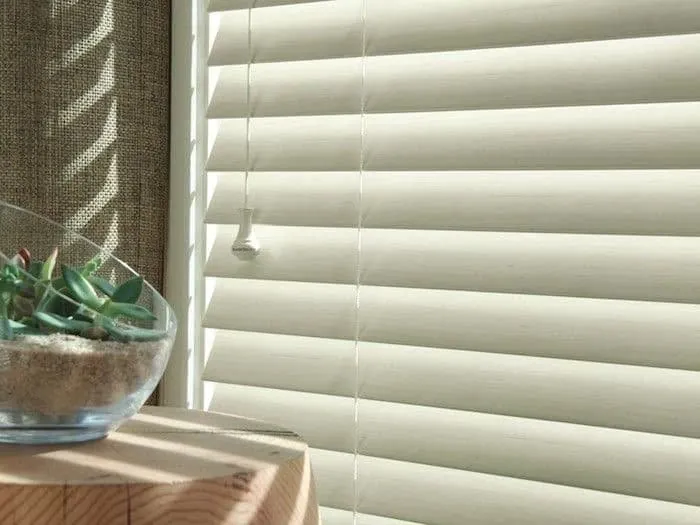
Faux wood slats
A painted-wood look that stays straight and clean in a damp old kitchen, a bath tucked under the eaves or a room near the water.
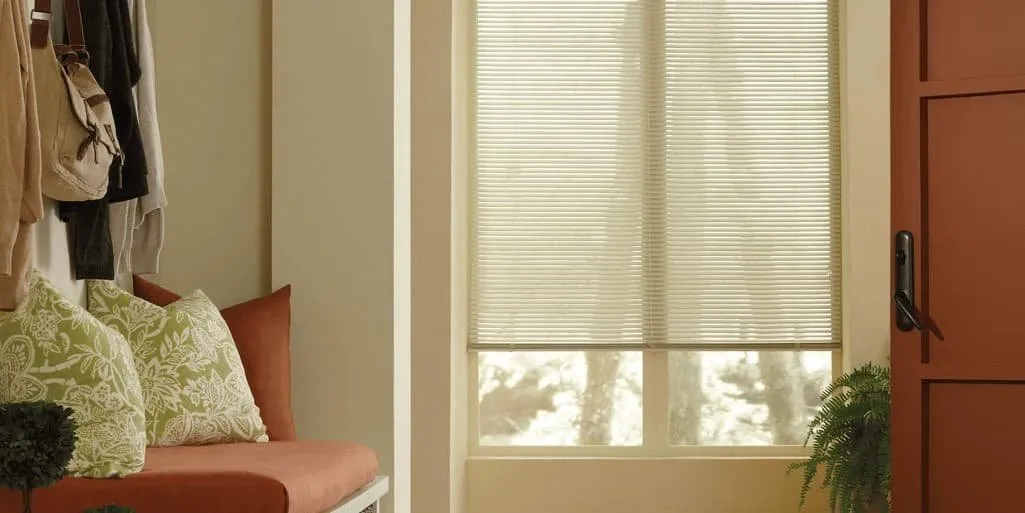
Aluminum slats
The slimmest profile we sell, so a raised blind takes up very little of a small sash. Crisp and modern on newer glass too.
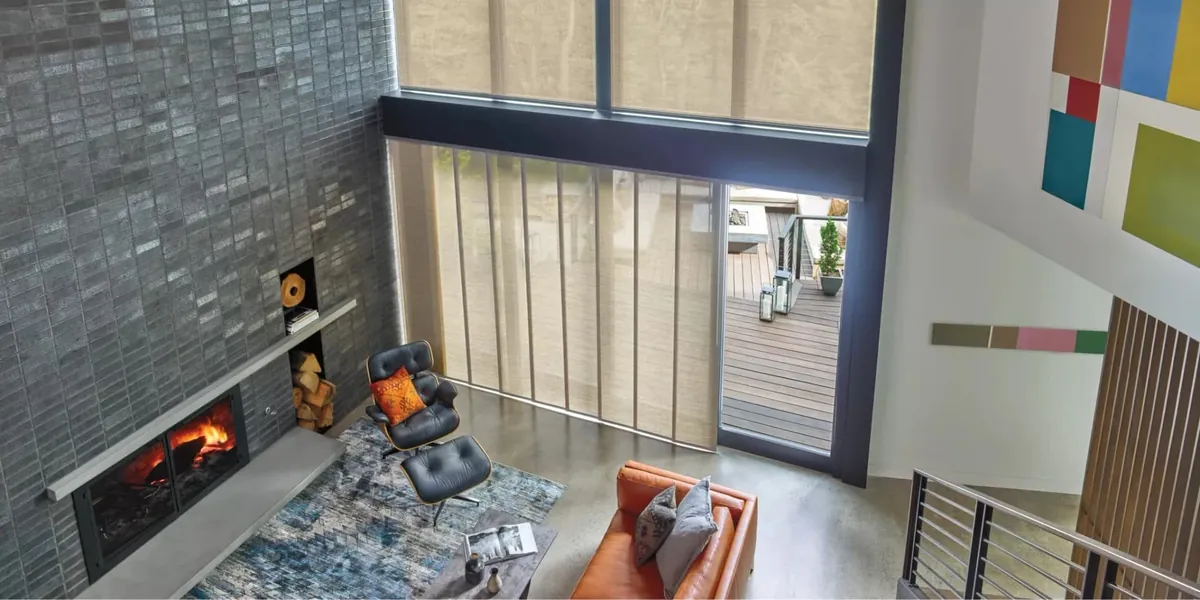
Vertical blinds and panels
For sliding doors to a deck or a patio, with vanes or panels that draw aside on a track and turn to manage the light.
Deep-set sash in the 6A village
Walk along 6A through the old village and you notice how thick the walls are. Many antique houses here have windows set well back from the face of the wall, so the frame has a deep reveal on the inside. That depth is good news for a blind. Where a shallower window might only take a blind mounted outside the frame, a deep reveal often has room for the whole headrail and slat stack to sit inside, flush with the casing, leaving the old trim fully visible.
The sash itself is usually small, divided into many little panes. On a window like that, the size of the raised stack matters. A low-profile headrail and slats sized to the opening keep the bundle compact, so the top panes are not hidden when the blind is up. We bring more than one slat width to compare, because what looks right on a big modern window can look heavy on a small antique one.
Old frames are rarely square. Centuries of settling leave openings a little wider at one end than the other, or with a sill that slopes. We measure every frame in several places and make an inside-mounted blind to the narrowest point, so it moves freely without binding and without leaving a wedge of light down one side.
The view from Route 6A
The historic district along 6A has expectations for what the street sees. Window coverings are part of that picture, and a row of mismatched colors behind antique glass can look out of place. The simplest approach is quiet consistency on the street side: one slat color, usually a soft white, cream or natural wood tone, at one slat width, with every blind hung at the same height when raised.
Behind the front rooms, where the windows face a garden or a field, you have much more freedom. A den might take a deep stained wood that matches the floors, a kitchen a white faux wood, and a back bedroom a darker slat that keeps the morning light out. Inside, the house can be as personal as you like while the façade stays calm.
If your house sits within the district and you are unsure what is expected for anything visible from outside, it is worth checking before you order. We are glad to leave samples with you so that conversation is easy.
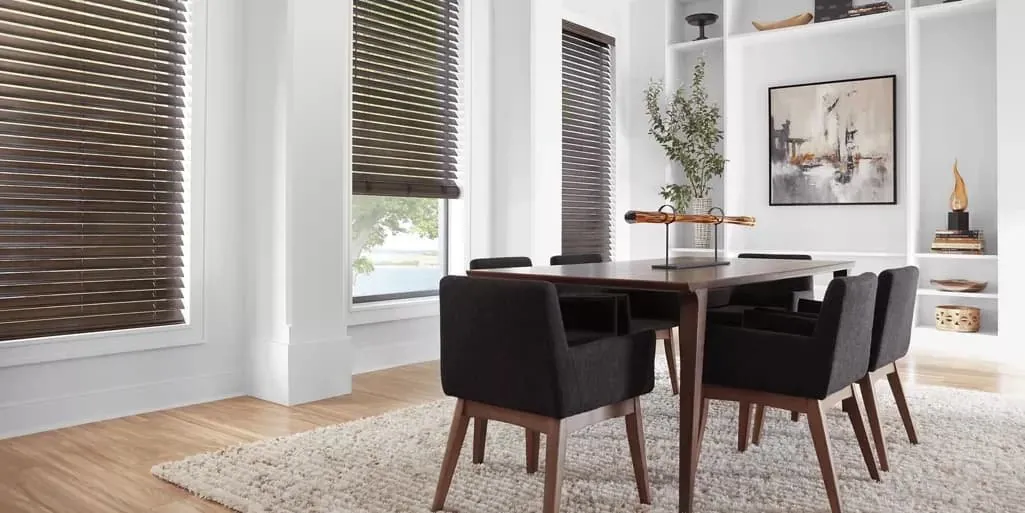
North light on the bay side
The houses along the bay side face north, across the marsh toward the barrier beach and the open bay. North light is steady and cool. It does not blaze into a room the way south light does, but it comes in all day, and on the water side it can be bright with reflection off the marsh and the harbor on a clear morning.
In a north-facing room the goal is usually to keep as much of that light as possible while managing privacy and the occasional glare. A lighter slat color helps by reflecting light back into the room. Wider slats, tilted flat, leave more open space between them, so the view across the marsh stays clear. At night, with lamps on, closed slats give complete privacy in a house that might otherwise glow toward the harbor.
North walls also run colder in winter. Closing the blinds on a January evening adds a layer between the room and the glass, which takes the chill off a seat by the window.
Larger newer houses overlooking the marsh
The newer houses on the bay side are built to make the most of the view, with tall windows, open plans, corner glass and sliders onto decks facing the water. They are square, well built and straightforward to fit, and their size calls for blinds that are in proportion.
Wide wood or faux wood slats suit the scale of these rooms. On a run of windows, we usually make one blind per opening so you can raise them in sections, keeping the view open in the center and shading the ends. Where a single window is very wide, two or three blinds on one headrail line up neatly and still operate separately. Sliders to the deck take vertical blinds or gliding panels in a matching color, so the whole wall looks planned.
Tall windows and transoms are best motorized. With Hunter Douglas PowerView, the slats turn and the blinds rise from a handheld remote, a switch on the wall or your phone, and each room can run to its own timetable. Motor placement and power are worked out with you on site. See motorized blinds in Barnstable for more.
When the house faces south
Not every Barnstable house looks at the bay. Inland and toward the south of town, many houses have their main rooms facing south to catch the sun, and in summer that sun is strong from late morning until evening. A south-facing living room can get very warm, and rugs and fabrics in the path of the light fade over time.
Here the blind’s tilt does most of the work. Angle the slats upward and direct sun is thrown to the ceiling, spreading light across the room without hot patches on the floor or glare on a screen. Close them through the hottest hours and the room stays shaded and cooler. A white or light neutral slat facing the glass reflects more heat than a dark one and holds its color longer in strong sun.
The same house might have a north-facing study where you want every bit of light, and a west-facing bedroom that needs to be dark early on a summer evening. Choosing custom blinds in Barnstable room by room means each one gets the slat color and material that suits its own light.
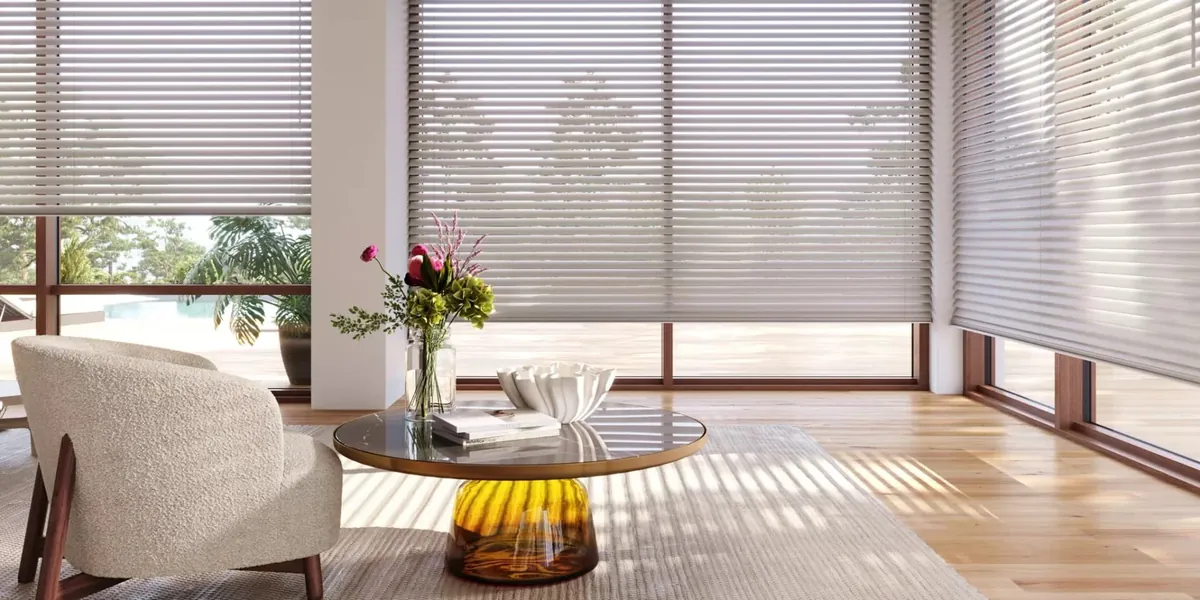
Upstairs in a full or half cape
Climb the narrow stair in an antique cape and you reach rooms tucked under the roof: knee walls on either side, a sloping ceiling, and light coming from small windows in the gable ends or from dormers added later. These rooms are often bedrooms or a study, and their windows are some of the hardest in the house to dress well.
Gable windows in an old cape tend to be small and sometimes oddly proportioned, squeezed in under the ridge. A slim aluminum or narrow wood slat keeps the blind in scale, and an inside mount, where the frame allows it, keeps the little window looking tidy from the road. Dormer windows bring a different problem. The sloping ceiling often comes down close to the top of the frame, leaving little room for a headrail above the opening. A low-profile headrail mounted inside the frame solves that in most dormers. Where even that will not fit, we look at the options with you rather than forcing a blind that will not sit properly.
Upstairs rooms in a cape also get hot in summer, because heat rises and the roof takes the sun all day. Closing the slats on the sunny gable through the afternoon keeps a bedroom noticeably more comfortable by bedtime. For a child’s room or a guest room, a darker slat fitted closely in the frame keeps the early morning light out too. Planning custom blinds in Barnstable capes floor by floor like this means the small upstairs windows get as much thought as the formal rooms below.
Many of these houses have been extended over the years, with a newer wing or a family room added behind the original cape. Those additions usually have larger, standard windows. Matching the slat color of the custom blinds in Barnstable additions to the ones in the old rooms keeps the house reading as one from the outside, even though the windows behind the blinds are very different in age and size.
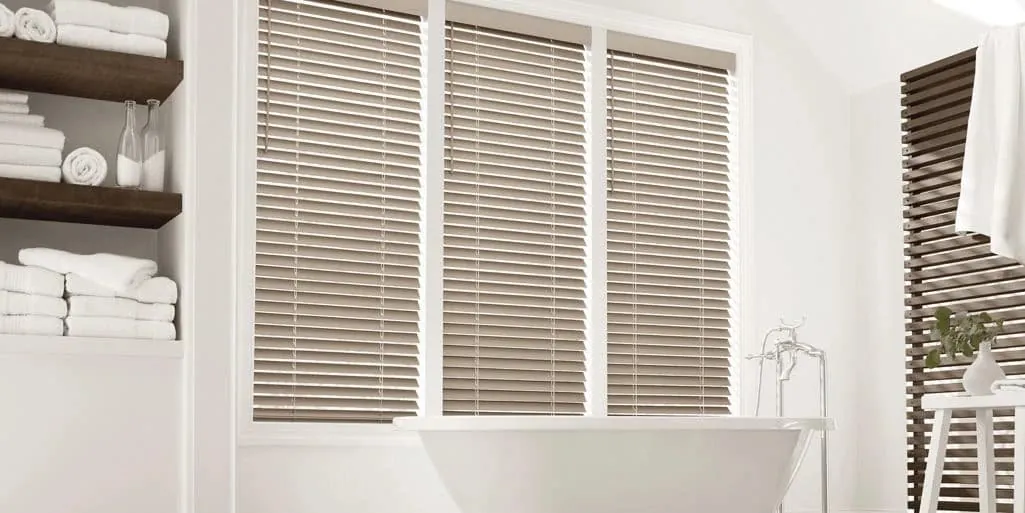
Wood or faux wood in an antique house
People often ask whether faux wood belongs in an old house. The honest answer is that it depends on the room. In the formal front rooms, where the trim is original and the floors are old pine, real wood blinds look right and age gracefully, provided the room stays reasonably dry.
Antique houses, though, often have damp corners: a kitchen in a back ell, a bathroom fitted under the roof, a room over an old fieldstone cellar. In those rooms real wood can warp or mark. Faux wood looks almost identical from a few feet away, keeps its shape in humidity and wipes clean. Using the same color in both materials keeps the house consistent from room to room and from the street, so nobody notices which is which.
Aluminum has its place too, especially in the tiniest windows, where its slim slats and headrail take up the least space.
Measuring a window set deep in an old wall
A good fit in an antique house comes down to careful measuring. Here is what we do at every opening.
- Measure the width at the top, the middle and the bottom, and use the narrowest for an inside mount.
- Measure the height at the left, center and right, so a sloping sill is caught before anything is ordered.
- Check the depth of the reveal and look for sash weights, pulley wheels, interior storms and painted-over stops that could get in the way.
- Agree the mount, slat width, color, material and control for each window with you.
- When your order comes in, our Hunter Douglas certified installers screw the brackets into solid timber rather than old plaster, set every headrail true and work each blind up, down and through its tilt before handing it over.
Taking those extra readings is how a blind ends up hanging square in a frame that stopped being square a very long time ago.
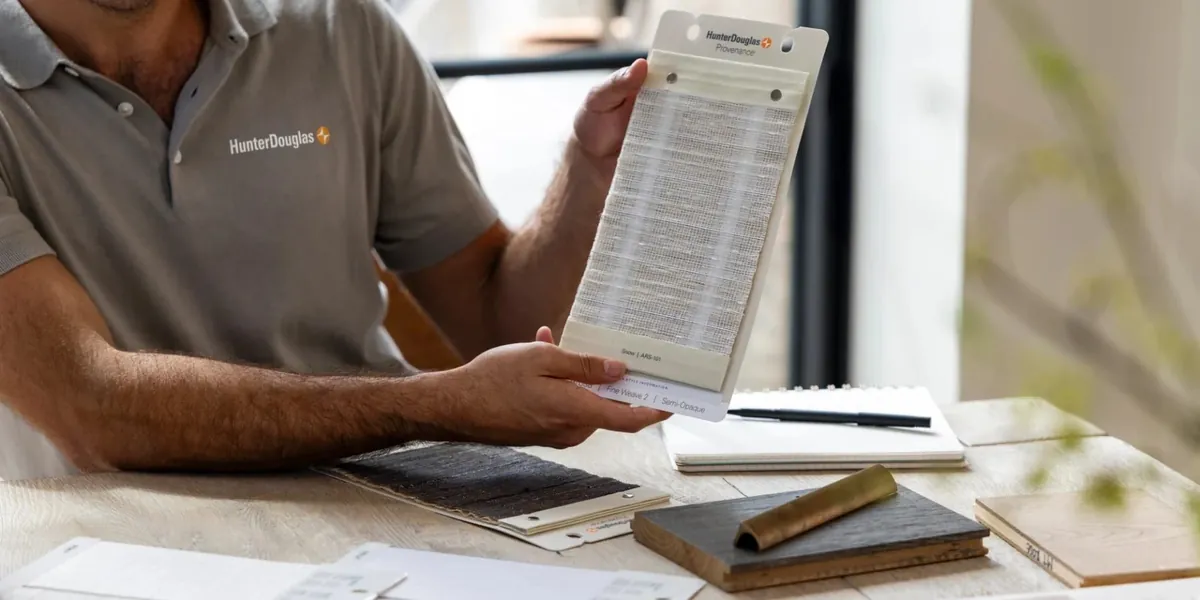
At your house, with every sample
The best place to choose a blind for an antique house is in that house, with the old glass and the original trim right in front of you. The vans come stocked with every slat material and color, which is how we can bring the showroom to you.
Starting in the front rooms, we look at each window together and talk about the street, the light and what happens in that room day to day. Hold a slat against the old casing, tilt it, and you will know straight away whether it belongs. We measure every window and, before we leave, you have a free estimate to consider at your own pace.
Interior design consultations can be added to the same appointment for help with color, or with how blinds will look next to curtains or shutters. Read what happens at an in-home consultation for the details, then book through the form or the call button.
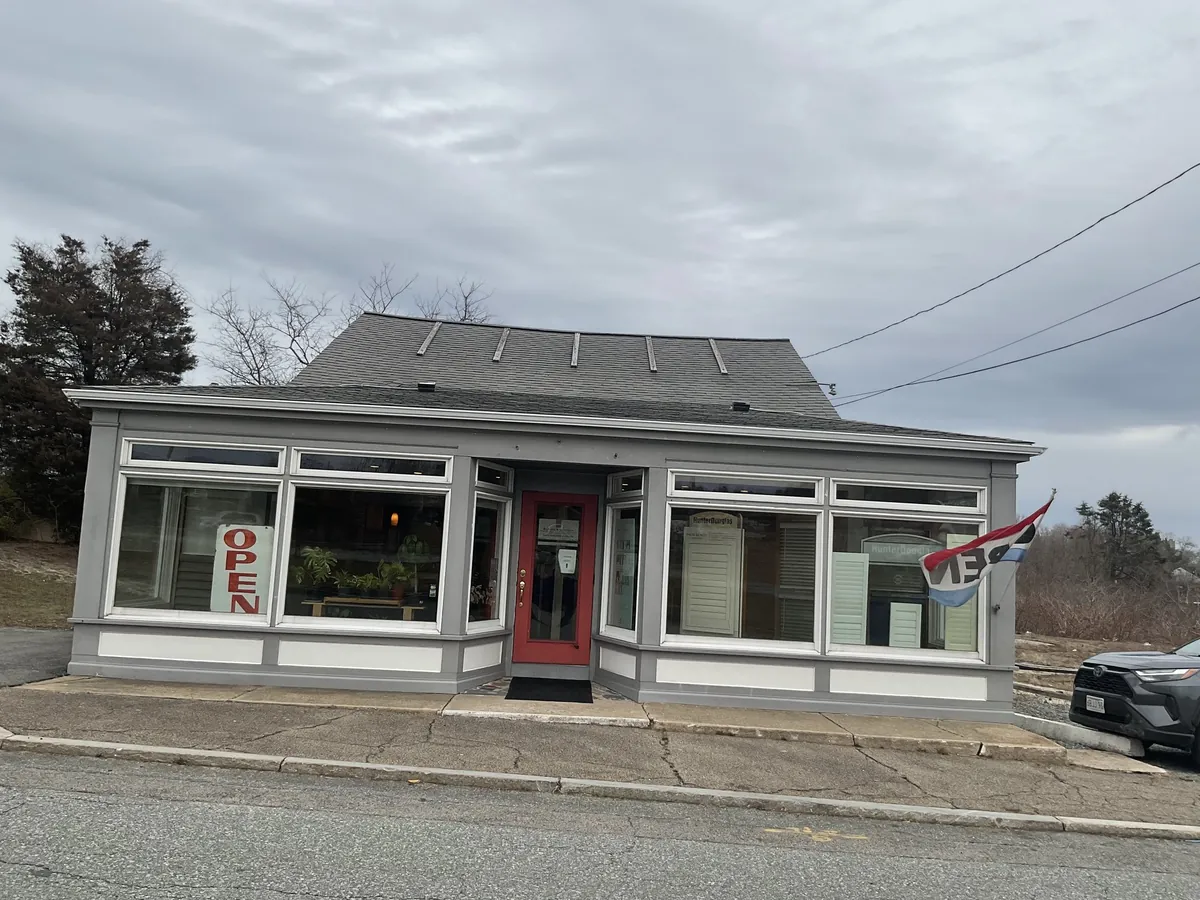
Gallery dealer, with a showroom at Sagamore
Blinds & Designs holds Hunter Douglas Gallery dealer status, the brand’s designation for dealers who meet its standards. That gives you the entire blind range from one place, every slat width, color and lift option, along with PowerView motorization, and installers certified by Hunter Douglas. For blinds you already own, we also offer blind and shade repairs.
Our nearest showroom to Barnstable is in Sagamore, at the Cape end of the Sagamore Bridge, if you would like to see blinds before we visit.
For other rooms, see plantation shutters in Barnstable or roman shades in Barnstable, or all of our services in town on our Barnstable page. Each blind type has its own page as well: wood blinds, metal blinds, vertical blinds, and the main custom blinds page.
Questions from Barnstable
Will a blind fit inside the deep frames of my antique house?
Often, yes. A deep reveal usually has room for the whole headrail and stack. We measure each frame in several places, because old openings are rarely square, and make the blind to the narrowest point.
What colors look right from 6A?
Soft whites, creams and natural wood tones sit quietly behind old glass. Keeping one color and slat width on every street-facing window gives the front of the house a calm, even look.
How do I keep the marsh view and still have privacy at night?
Wide slats tilted flat leave the view open during the day. At night, close them for full privacy. A lighter slat color also keeps a north-facing room bright.
Is faux wood acceptable in an old house?
In the damp rooms, such as a back kitchen or a bath under the eaves, it is often the better choice. It looks like painted wood, keeps its shape in humidity and can match the color of the real wood blinds in your front rooms.
What does the estimate cost?
Nothing. Once we have measured, you receive a free estimate for the blinds you are considering. Take it away, compare it, talk it over at home; there is no obligation and nobody will press you for an answer at the door.
Start with a visit
Whether your house stands on 6A or looks out over the bay, the right blind is easiest to choose at your own windows. Request a consultation and we will bring the samples, measure every opening and leave you with a free estimate. Prefer to see the range first? Call the Sagamore showroom with the call button and arrange a time.