
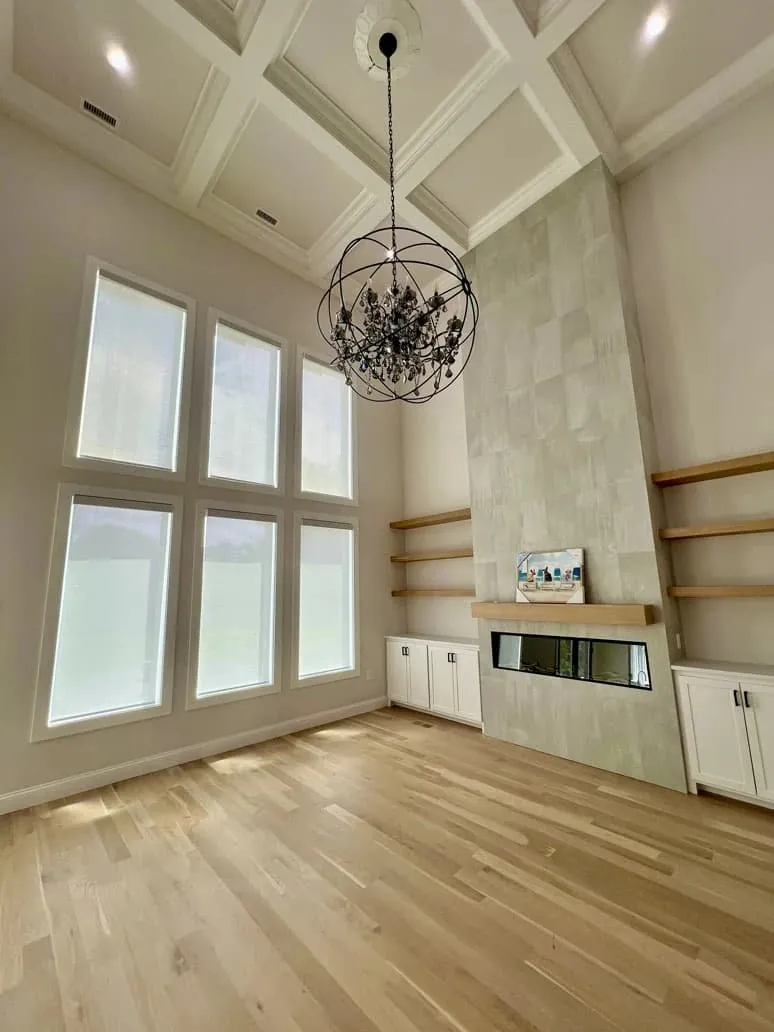
Old sash, close sidewalks and a lot of reaching
Walk through Dedham Village or Oakdale and the houses tell you what the windows will need. Antique colonials and Victorians stand close to the street, their front rooms lit by tall, narrow sash that rises well past shoulder height. Motorized blinds in Dedham, MA, answer two problems those houses share: the top of the window is hard to reach, and the front parlor sits only a few steps from the sidewalk.
With a motor tucked in the headrail, a shade made to the exact opening goes up or down from a handheld remote, from the PowerView app on your phone, or by itself on a schedule you set. Nobody climbs on a chair, and nobody tugs a cord at the side of a tall casing and watches the bottom rail tilt.
Further toward Riverdale the picture changes. Post-war capes and ranches have smaller, squarer windows, often with a sofa, a bed or a sink right in front of them. The motor solves a different nuisance there, the daily lean across furniture, but the system is the same, so one house can mix both kinds of window under one remote.
Where a motor earns its keep
PowerView can be added to much of the Hunter Douglas range, so the choice starts with the right shade for each room and the motor follows.
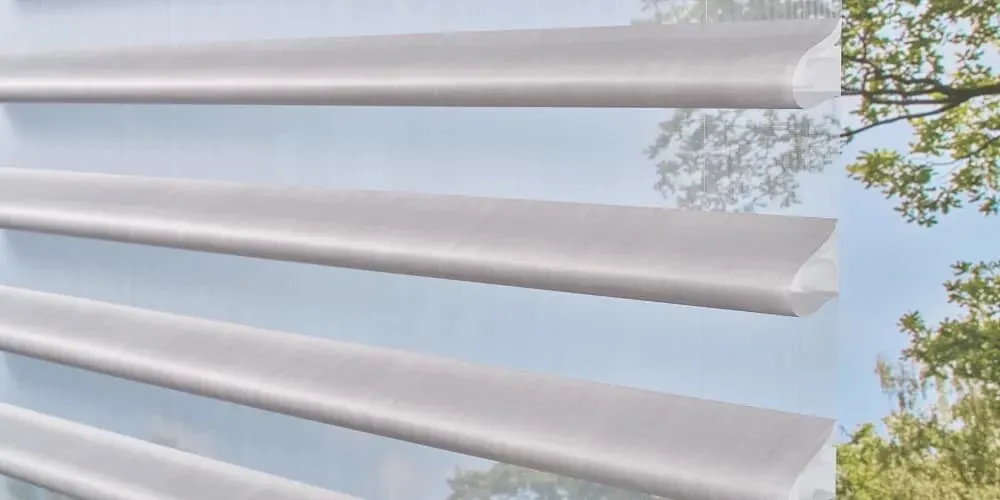
Sheer shades for the street side
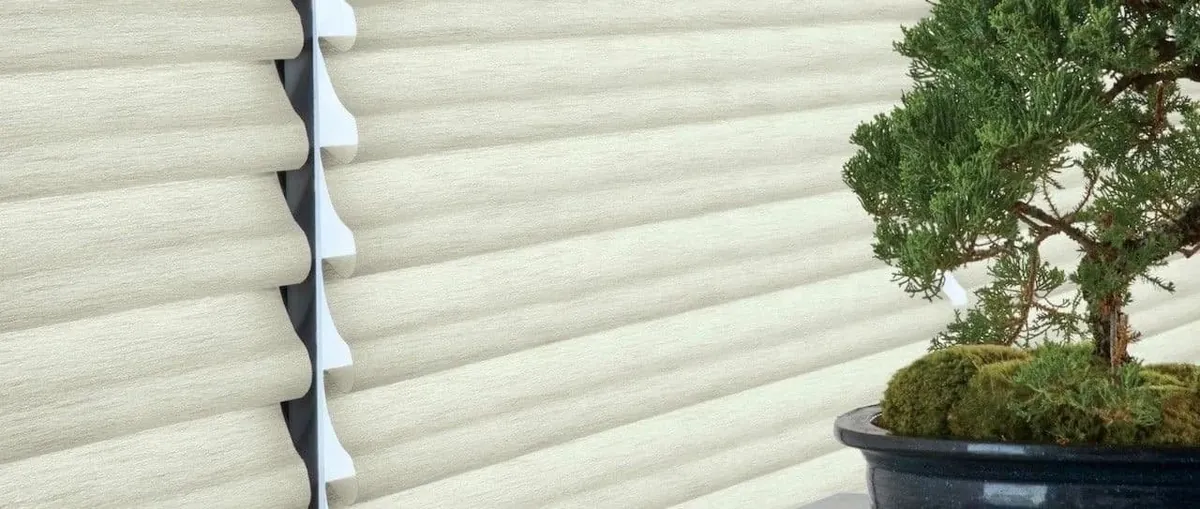
Fabric vanes soften the view in from the sidewalk while daylight still reaches the room. On a motor, the vanes tilt from the remote.
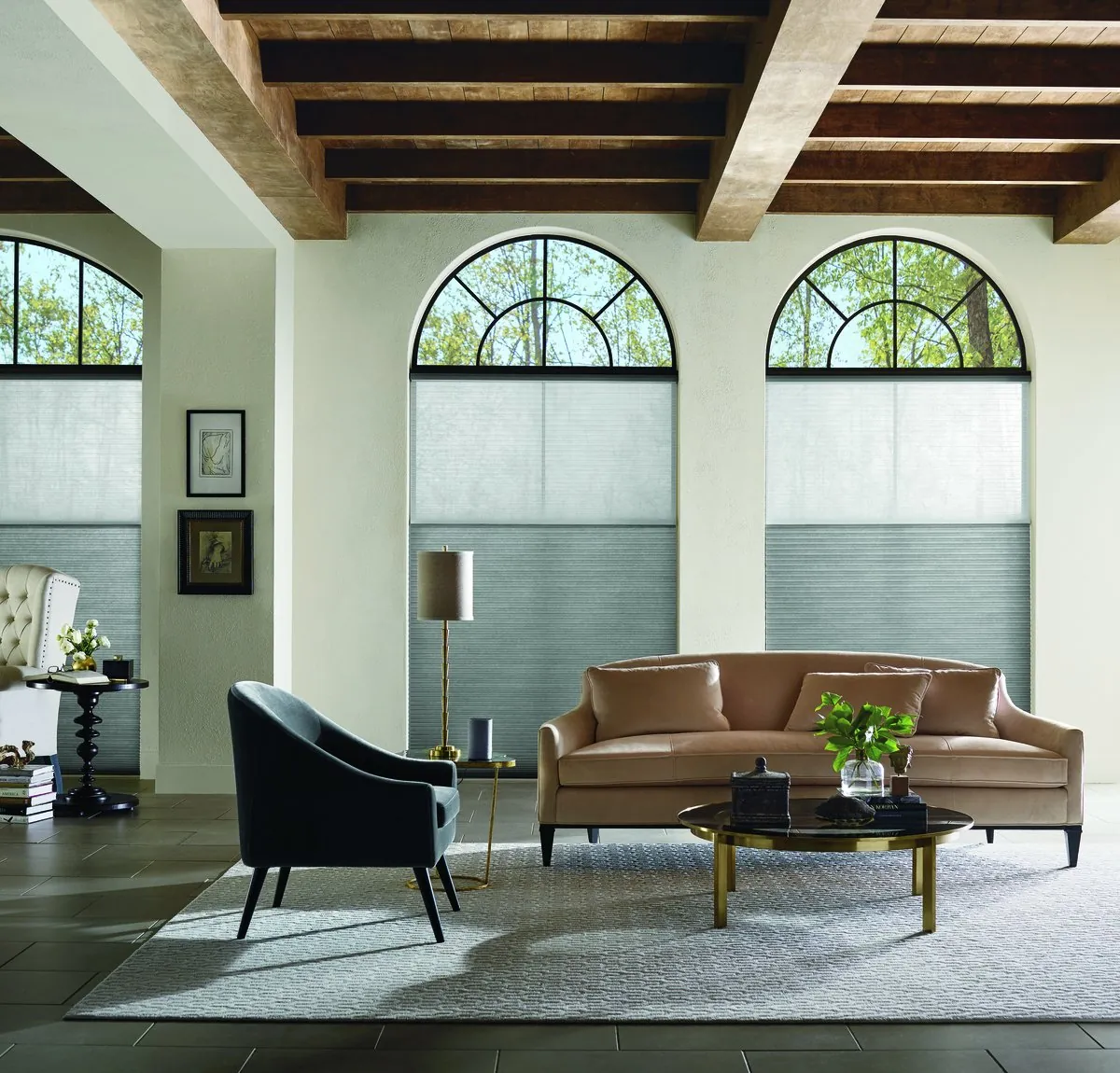
Cellular shades on tall sash
A light, even fabric that suits slim old frames. The motor lifts both sides together, so a tall shade stays level.
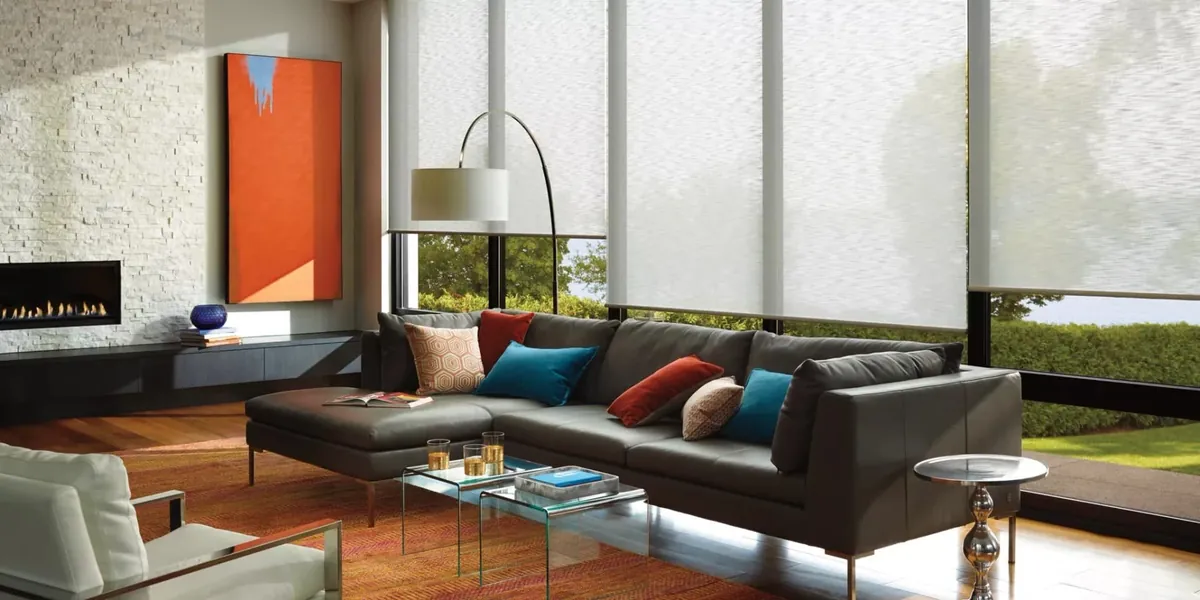
Roller shades for the den and ranch
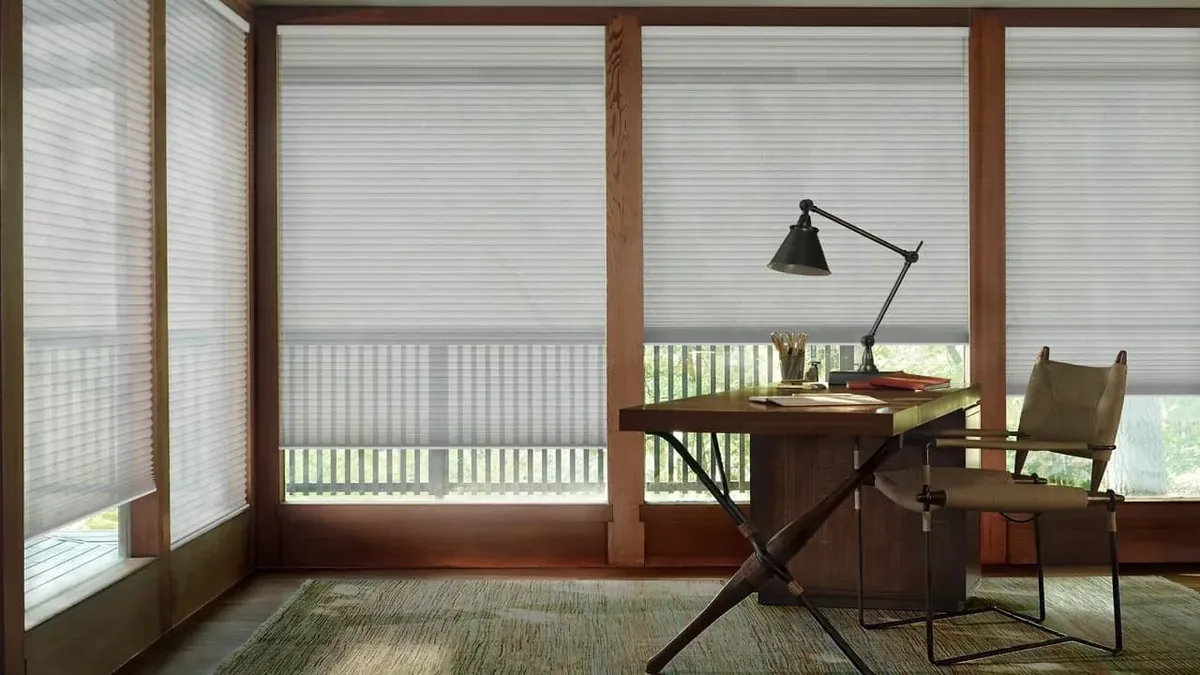
Clean and plain, with fabrics from sheer to room darkening. A good match for a ranch living room or a screen room.
Historic expectations and a quiet piece of hardware
Many of the older houses around the Village carry a sense of how they ought to look, whether that comes from a careful restoration or a street of houses that have kept their period details. Window coverings on those houses are judged by what they leave visible as much as by what they cover.
A motorized shade is a good fit for that standard. The motor sits inside the headrail, so there is no extra box on the wall and no wand or loop hanging beside the casing. Seen from the street, the window shows fabric and trim, nothing else. Indoors, the casing keeps its lines.
Where the frame has the depth, we mount inside it so the molding stays fully exposed. Old frames are not always square, and layer upon layer of paint and settling can narrow the space where a headrail would sit. We measure each opening at the top, middle and bottom and check the depth before we suggest a mount. When an inside mount would be too tight, a slim mount on the face of the trim keeps things tidy without hiding the details you want to show.
Color matters too. A fabric that reads as a calm, even tone from the sidewalk tends to sit best on a period facade, while the room side can still feel warm. We bring samples so you can judge both views at your own windows rather than from a picture.
A front parlor a few steps from the sidewalk
Village houses that sit near the street give their front rooms a particular problem. In daylight, passersby see in more than you would like. After dark, with lamps on, they see everything. The usual answer is to keep the front shades down all day, which turns a bright parlor into a dim one.
Motorized blinds in Dedham give you finer control over that front glass. A sheer shade with fabric vanes can stay lowered with the vanes open, letting the room fill with soft light while blurring the view in. When you want full privacy, a press of the remote closes the vanes without anyone walking to the window.
Schedules take the remembering out of it. You can set the street-facing windows to close at a time you choose each evening and open again each morning, and change those times through the PowerView app whenever your routine shifts. If the house is empty for a stretch, the same schedule keeps the front windows moving as they normally would.
On a tall window, getting the height just right matters as much as open or closed. The remote lets you stop a shade anywhere in its travel, so a tall front shade can sit at exactly the height that suits the hour rather than all the way up or all the way down.
Why tall sash and cords do not get along
Tall narrow sash is lovely and awkward in equal measure. A corded shade on a window that tall needs a long pull, the cord gathers on the sill or the floor, and the bottom rail often ends up hanging at an angle when one side lifts faster than the other. On a stair landing or above a radiator, even reaching the cord can be a stretch.
A motor raises the shade evenly from both ends, so it stops level every time. Several windows in one room can move together and stop at the same height, which keeps the front of the house looking ordered from outside. There is nothing to pull and nothing to tie up.
How each motor is powered is something we plan with you at the visit, window by window, so the setup fits the house and the way the room is used.
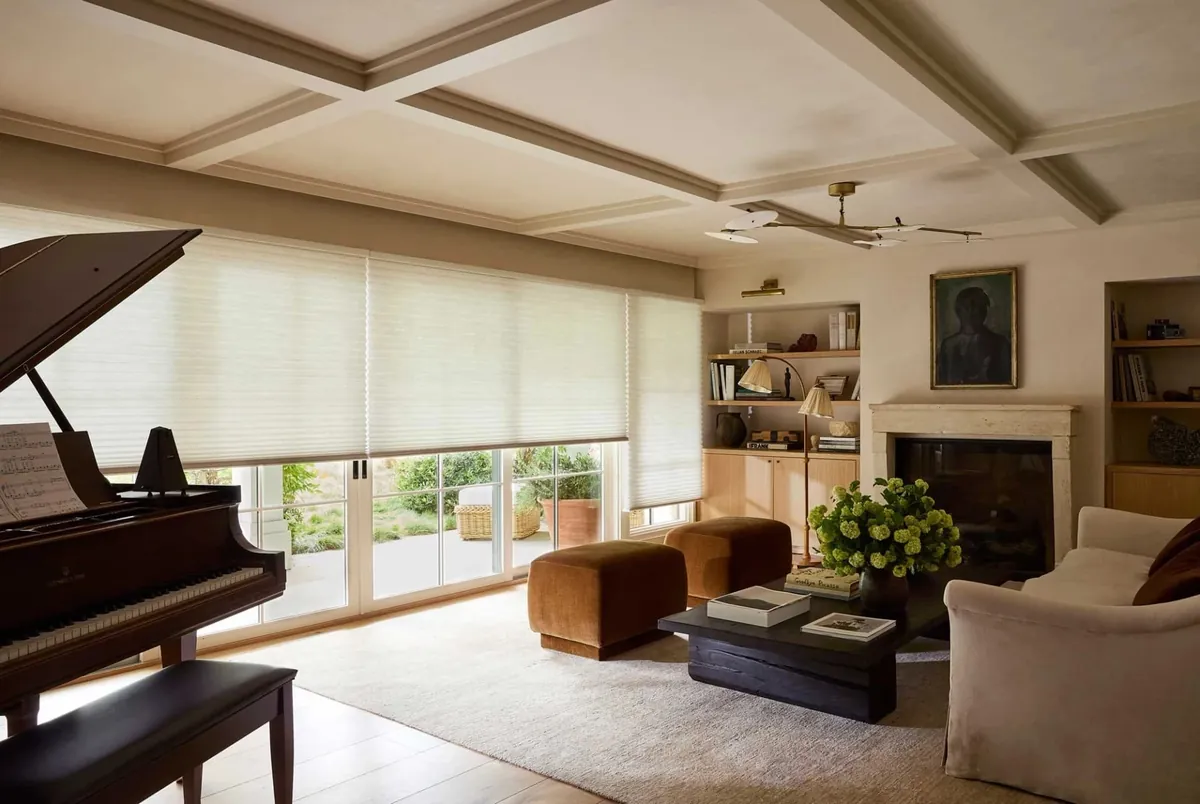
Capes and ranches toward Riverdale
The post-war capes and ranches toward Riverdale are easier houses to motorize. Their openings are mostly standard sizes with square frames and decent depth, so the headrail usually fits inside the casing without fuss.
Their challenge is layout. Rooms are compact, so furniture ends up against the windows: the couch under the picture window, the bed under the bedroom sash, the kitchen sink below the window over the counter. Each of those means leaning or kneeling on something to reach a shade. With a remote on the arm of the couch or a schedule running the bedroom, that daily stretch goes away.
Upstairs in a cape, the dormer windows sit back in small alcoves under the roof slope, often with a dresser or desk in the way. They are among the hardest windows in the house to reach and among the easiest to motorize, because their size is ordinary.
A ranch often has one wide living room opening covered by two or three shades side by side. Grouped in the app, they rise and fall together and stop in a straight line rather than at three different heights.
Three ways to tell a shade what to do
The remote. A small handheld that works like a light switch: up, down, stop. Anyone in the house can use it without a phone, and it can run one shade, a room or a set of rooms.
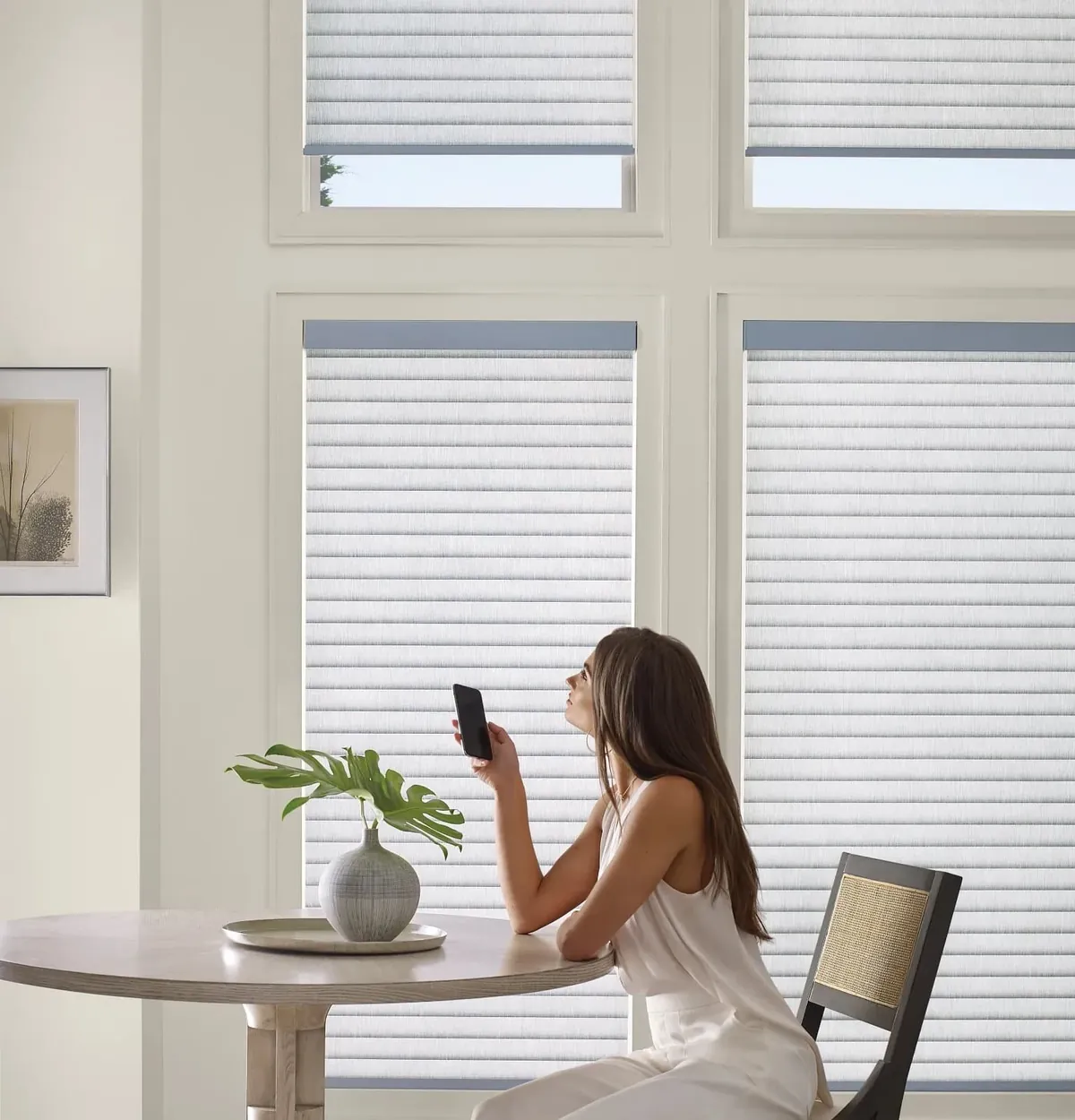
The PowerView app. On a phone or tablet, the app shows each shade by room. You can move one or several, pick an exact height, and set or change schedules.
Schedules. Shades move at the times you choose, every day or only on certain days. The remote can still override a schedule whenever you want something different for the moment.
Our guide on how motorized shades are controlled explains each in more depth, and the window covering automation page covers schedules for the whole house.
Choosing at home, because the light is the point
For Dedham, everything starts with an in-home consultation. Our shop-at-home service runs from Canton, and our vans carry the samples, so we bring the showroom to you. You see each fabric against your own walls and trim, in the light your rooms actually get at the hours they get it. You can read how that service works on our Canton shop-at-home page.
That matters more with motorized shades than with most purchases, because the important choices are about how the house runs. Which front windows should move together? Which bedrooms need darkness on weekday mornings? Who will use the remote, and who will reach for the app? Those are easier to answer standing in the room.
During the visit a consultant walks through the house with you, holds samples to the glass and talks through each window. Interior design consultations are available if you want help pulling a room together. Once you have narrowed things down, we measure and give you a free estimate. There is no pressure to decide on the spot.
If you would also like to see a showroom, our nearest is in Franklin.
From measuring to the first schedule
- We measure each window ourselves at the consultation, checking width at several heights and depth inside the frame.
- We note anything that affects the mount, such as sash locks, a radiator below the sill or a stair rail on a landing window.
- You confirm fabrics, mounts and which windows should be grouped before anything is ordered.
- Hunter Douglas makes each shade to those measurements.
- A certified Hunter Douglas installer fits every shade, levels it and sets its top and bottom stops.
- The installer pairs the shades with your remote and the app and shows you how both work.
- If you know the routine you want, a first schedule can be set before the installer leaves.
There is more on the day itself in what happens on installation day.
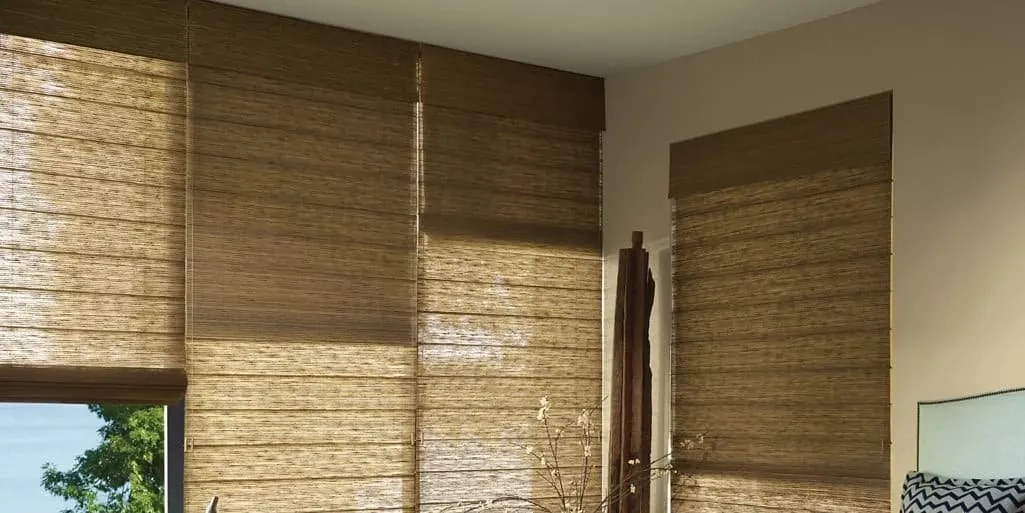
Victorian bays and the windows that work as a set
Many of the Victorians in Oakdale and around the Village have a bay or an oriel on the front, three or more narrow windows angled out from the wall. Corded shades in a bay rarely line up. One gets pulled higher than the next, another is left half down, and from the street the bay looks untidy even when the room behind it is lovely.
On a motor, the shades in a bay can be grouped so a single press moves them all. They travel together and stop together, which keeps the bay reading as one window from inside and out. If you want the center window open for the view and the angled sides closed against the afternoon sun, the app lets you set each one on its own as well.
Bays often sit above a window seat or a radiator, so reaching the sides means leaning in at an angle. That is exactly the kind of daily small effort a remote removes. The same applies to paired windows either side of a fireplace, a common layout in Dedham colonials, where matching heights make the room feel calm.
Kitchens, baths and the shades nobody adjusts
Every house has a few shades that stay in one position for months because changing them is a nuisance. The window over the kitchen sink. The bathroom window above the tub. The small high window on a stair or in a back hall. In an older Dedham house these are often narrow sash set high in the wall, and in a Riverdale ranch they sit behind a counter or a vanity.
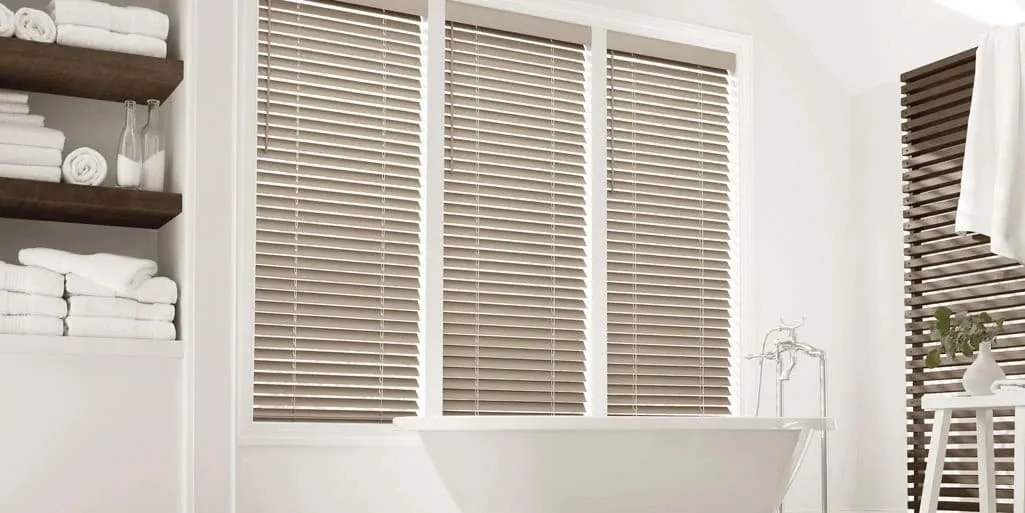
Putting them on a motor means they finally get used. The kitchen shade can open on a weekday schedule as you come down for breakfast. The bath window can stay closed until you choose otherwise, with the remote kept on a nearby shelf. A faux wood blind suits a bathroom, while a light-filtering roller or honeycomb shade works well over the sink.
These are also good first windows to motorize, because the difference shows up every single day.
One system for the whole household
A motorized house works best when everyone in it can use the shades without thinking. Some people will always prefer the remote, kept on a side table or in a wall bracket by the door. Others will use the app, and some will never touch either once the schedules are running. All three ways work side by side, so nobody has to change habits.
In a larger colonial with rooms on three floors, it helps to give each floor or each bedroom its own remote, so a child’s room or a guest room can be run on its own. We plan that with you during the consultation, room by room, so the groups match how the house is lived in rather than how a catalog lays it out.
The rooms that benefit first
You do not have to motorize every window at once. In most Dedham houses, a handful of openings cause most of the trouble, and starting there makes sense.
In a Village colonial, that is usually the front parlor and the stair landing: tall sash, close to the street, awkward to reach. In a Victorian with a bay, it is the bay itself, where three or more narrow shades look best when they move as one. In a Riverdale ranch, it might be the picture window behind the couch and the kitchen window over the sink. Upstairs in a cape, it is the dormers.
Because PowerView shades join the same system, you can add more windows later without changing what you already have. A house can grow into motorized blinds in Dedham room by room, at the pace that suits it.
A Hunter Douglas Gallery dealer for motorized blinds in Dedham
Blinds & Designs is a Hunter Douglas Gallery dealer. For motorized blinds in Dedham, that means the full PowerView range on honeycomb, sheer, roller, roman and blind styles, so a period front room and a ranch den can each have the right product while sharing one remote and one app. You can see the range on our motorized blinds and shades page.
Installation is handled by certified Hunter Douglas installers, who set up and test every shade on the day. Estimates are free, interior design consultations are offered, and if a shade you already own needs attention, repairs are part of what we do as well. Our Dedham page lists every service we offer in town.
Questions from Dedham
Will a motorized shade look out of place on an antique colonial?
It tends to look less busy than a corded shade, because the motor hides inside the headrail and nothing hangs beside the window. Where the frame has room, an inside mount leaves the original molding on show.
Our front windows are close to the street. What helps most?
Sheer shades with tilting vanes let light in while softening the view from the sidewalk, and a schedule can close the street-facing windows at the same time each evening so nobody has to remember.
Can tall, narrow sash take a motorized shade?
Yes. The motor lifts both sides together, which keeps a tall shade level. The main check is the depth inside the frame, which we measure at the consultation before suggesting a mount.
Do you have a showroom near Dedham?
We come to you instead. Our shop-at-home service brings the samples to your house, so you choose at your own windows. If you would like to visit a showroom as well, our nearest is in Franklin.
Is there a charge for the estimate?
No. Estimates are free. We measure during the in-home consultation and give you an estimate for the shades and installation you are weighing up.
Getting the tall windows sorted
Pick the window that gives you the most trouble now, the parlor sash by the sidewalk, the landing nobody can reach or the dormer behind the desk, and start there. Request a consultation and we will bring the samples to your house, measure, and put together a free estimate.
You can also use the call button to reach us, or read more about in-home consultations first.