
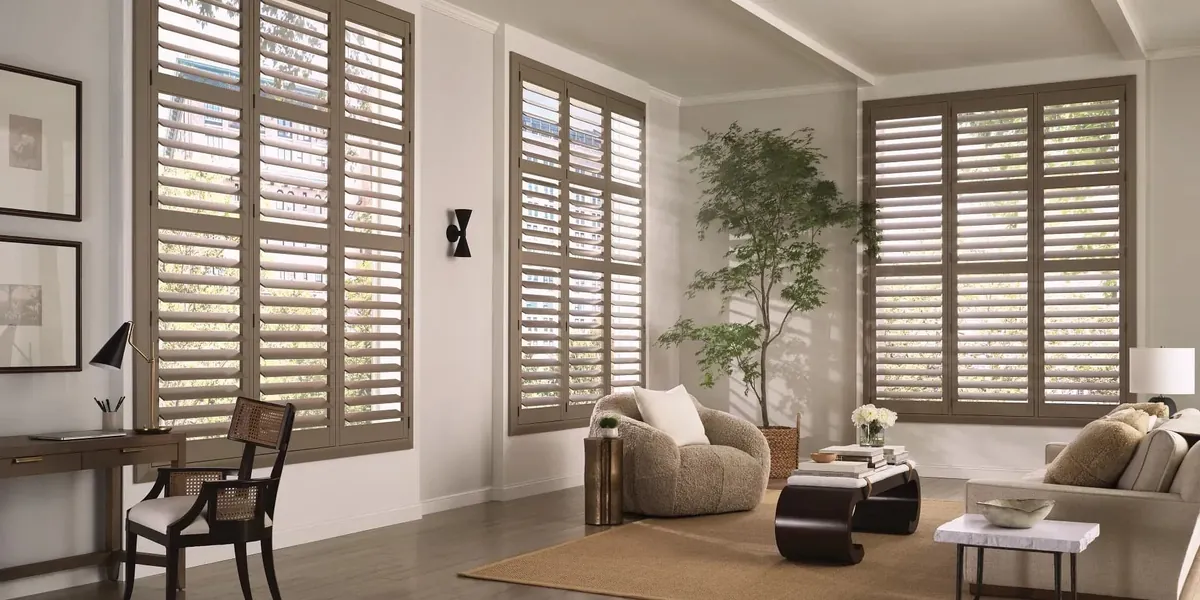
Three eras of house, three kinds of window
Drive from the center out through East Walpole and on toward the wooded edges of town and you pass through three building eras in a few minutes. Around the center stand Victorians and colonials with tall older sash. Through East Walpole come rows of post-war capes. Farther out, larger newer houses sit on wooded lots with standard modern openings. Planning window treatments in Walpole, MA, means knowing which era a house belongs to, because each one asks something different of a shade, blind or shutter.
Tall old sash wants coverings that respect the height and the trim. A cape wants a plan for its compact rooms and its dormers. A newer house wants consistency across a lot of glass and a thought for how the trees shade it.
Some houses mix eras themselves, with an older core and a later addition. That is fine too: we measure what is there and plan each part on its own terms.
Walpole service pages to explore
Every card below links to its own Walpole page, where that service is matched to the houses in each part of town.
Custom blinds, Walpole
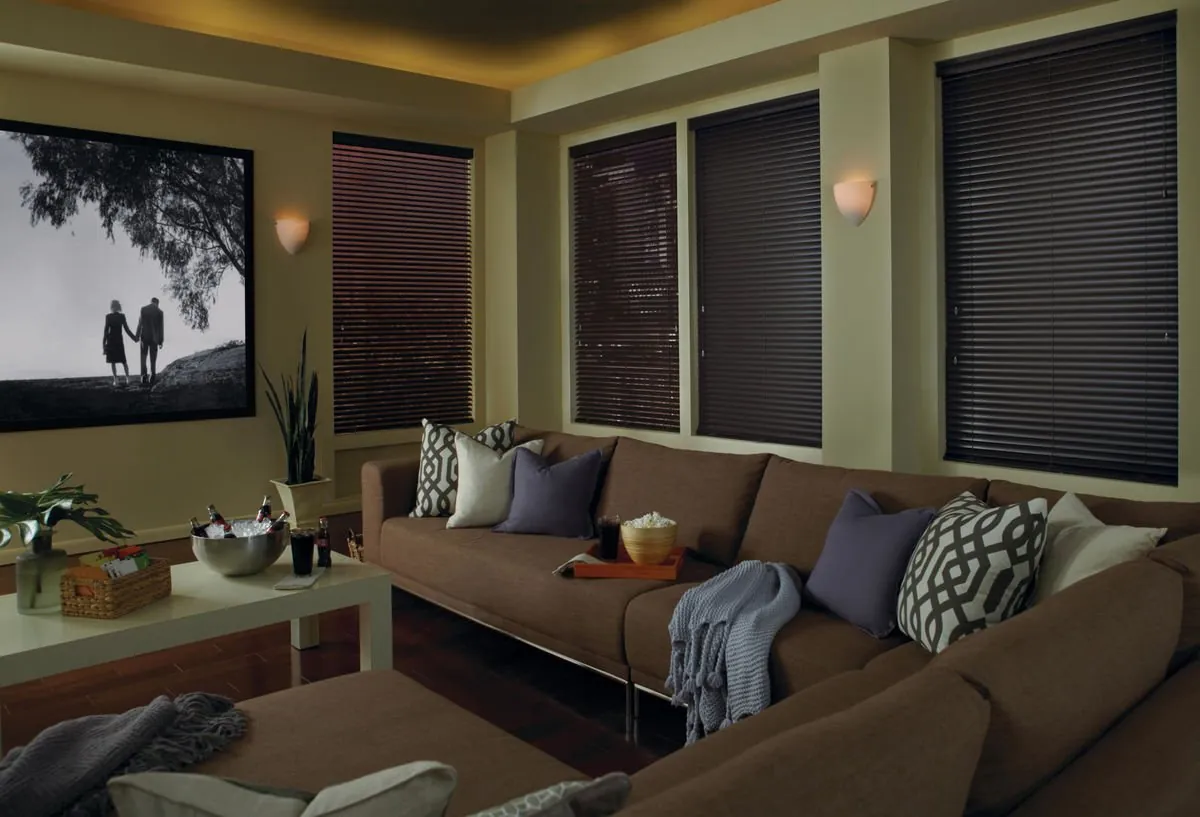
Wood, faux wood, metal and vertical blinds. Slats that tilt give you light control without lifting the blind.
Cellular shades, Walpole
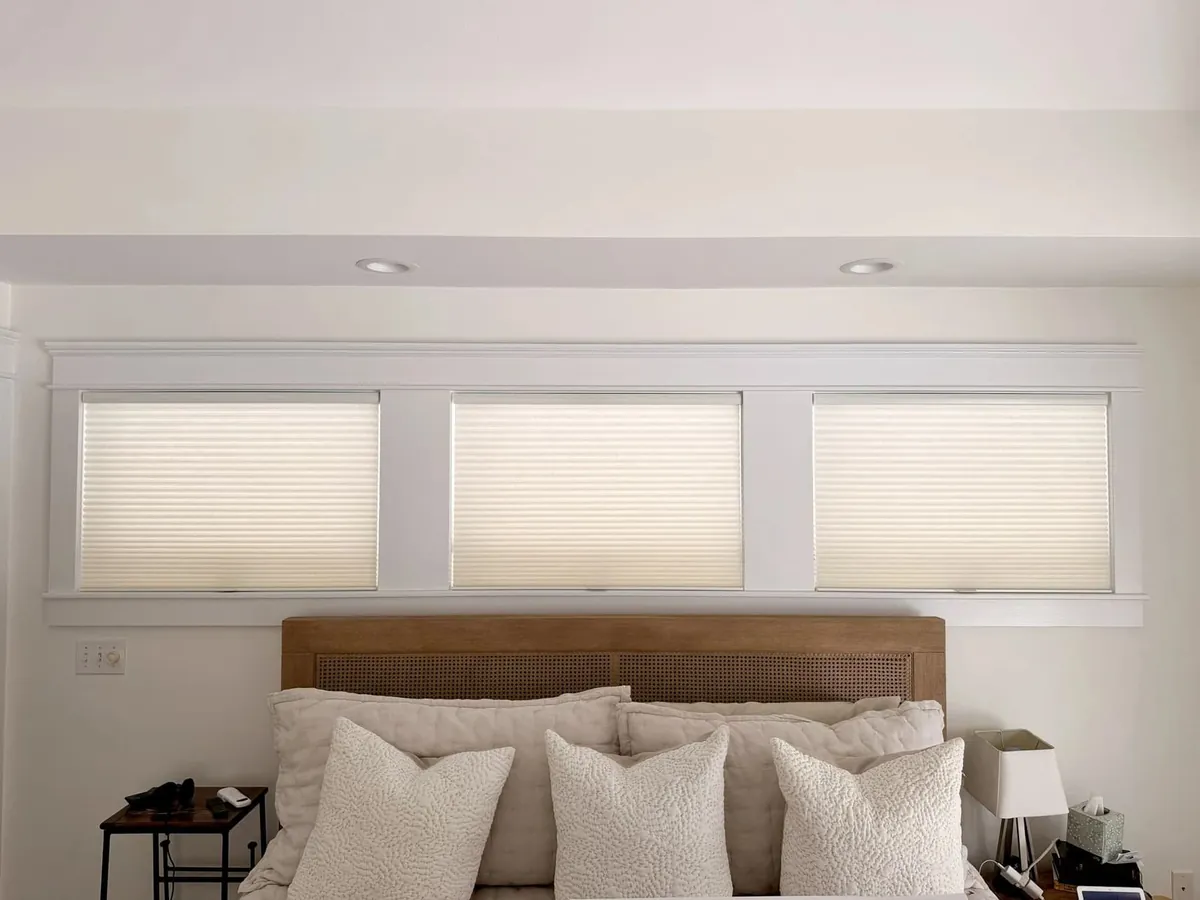
Duette and Applause honeycombs, whose cells hold air at the glass, a natural fit for cape dormers.
Roller shades, Walpole
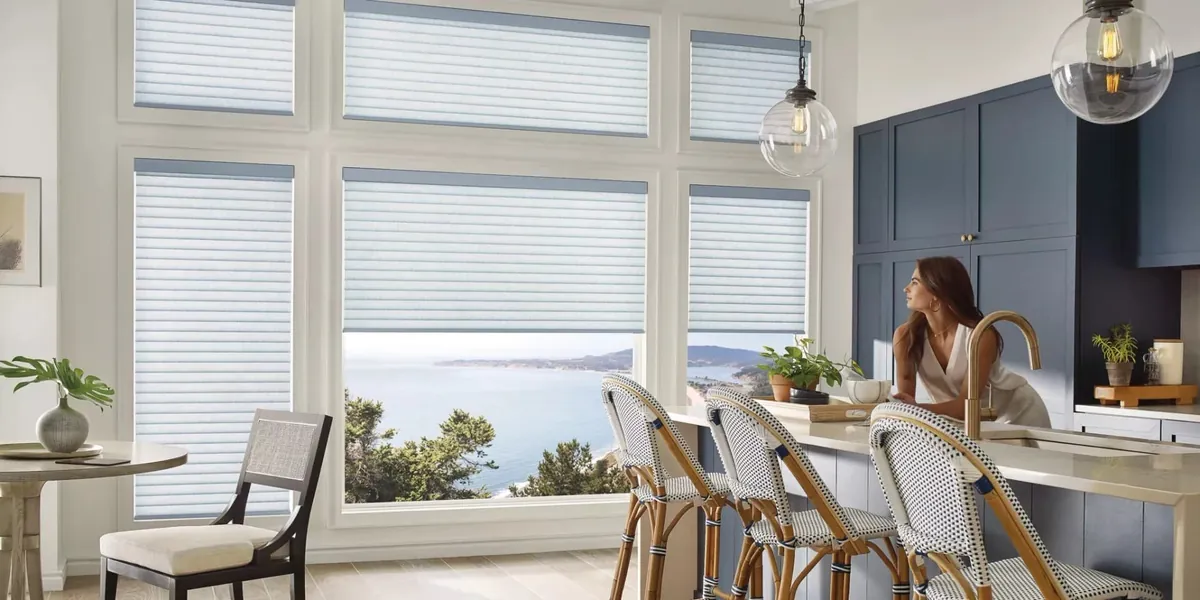
Designer and Alustra rollers and solar screens, with openness picked for the view and the glare.
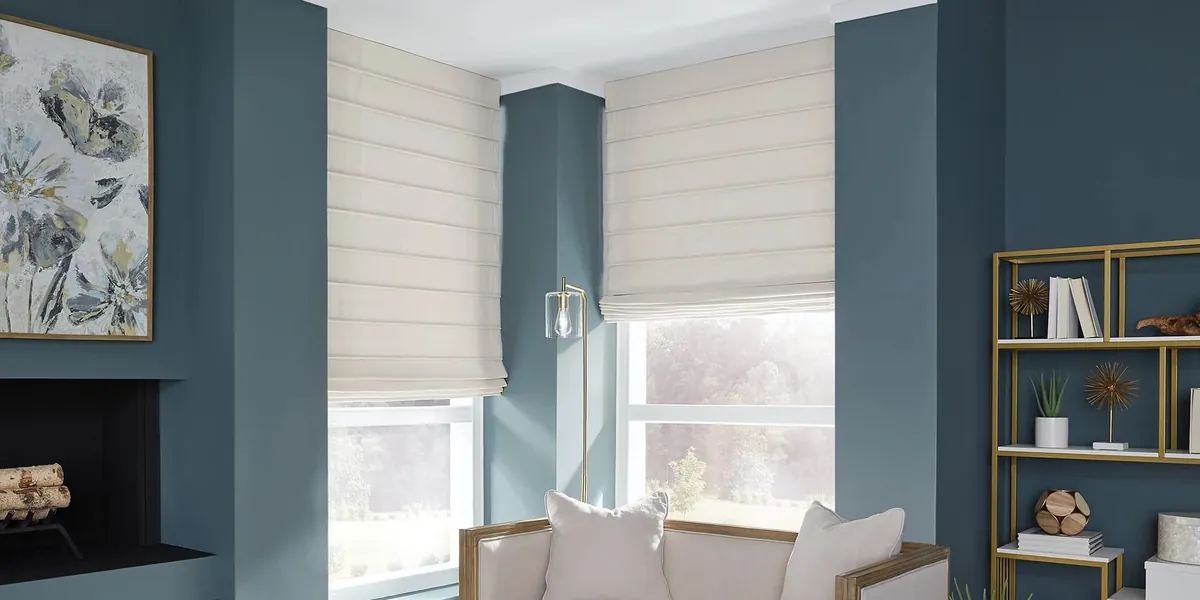
Roman shades, Walpole
Vignette and Carole Fabrics romans, flat or folded, that add softness to a tall older window.
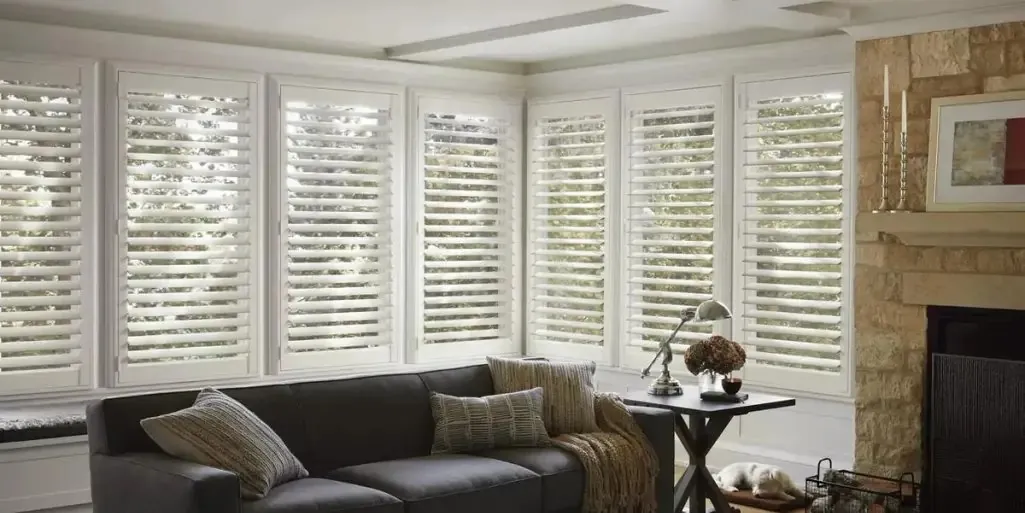
Plantation shutters, Walpole
Palm Beach, NewStyle and Heritance shutters, with louver size and frame chosen to suit the sash.
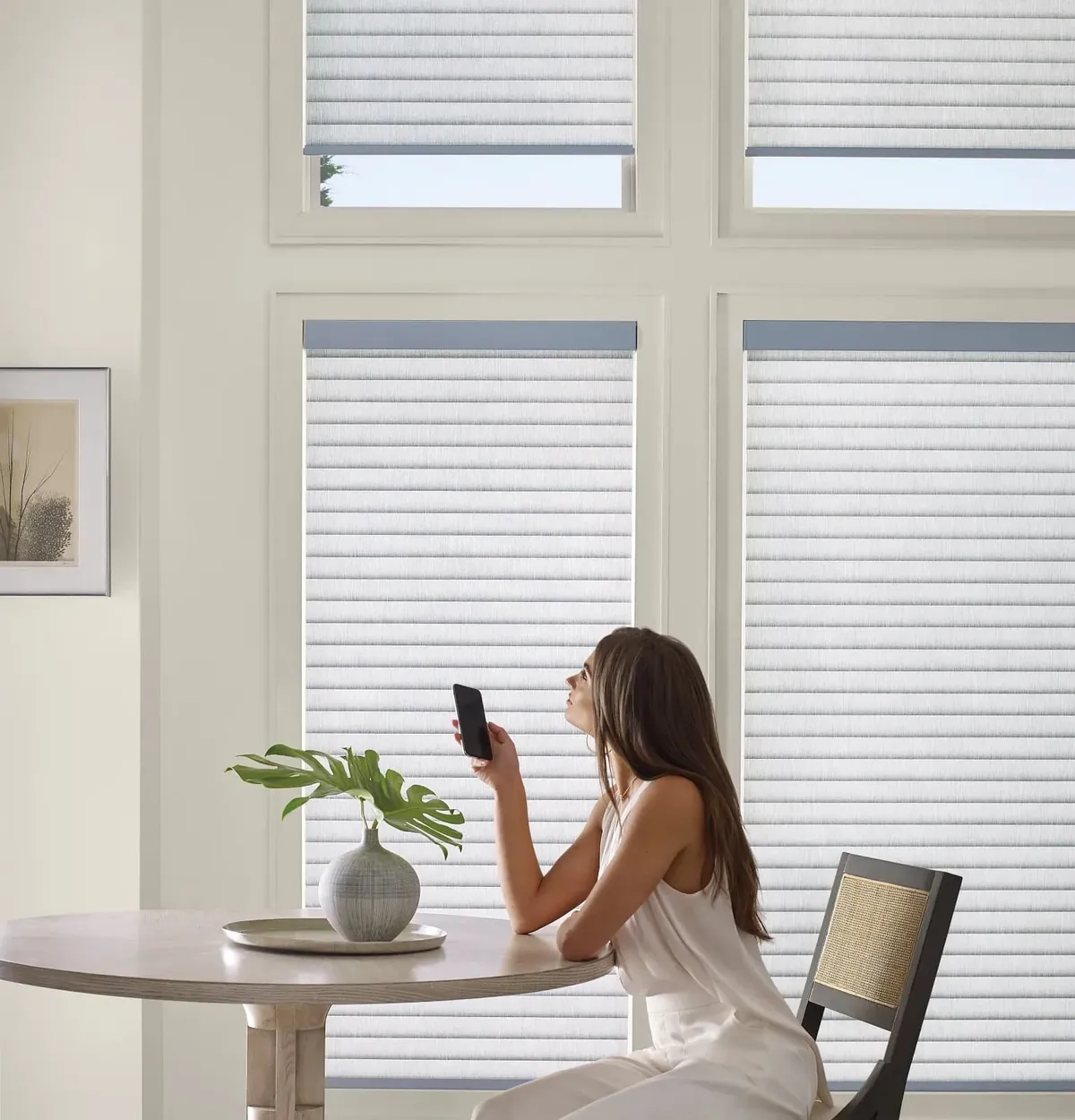
Motorized blinds and shades, Walpole
PowerView: control from a remote, the app or a timetable, ideal for tall sash and big newer houses.

Hunter Douglas dealer, Walpole
We are a Hunter Douglas Gallery dealer, and certified Hunter Douglas installers fit every order.
Tall older sash around the center
The Victorians and colonials near the center were built with tall windows to light rooms with high ceilings. On many of them the top of the sash is well above head height, and the trim around it is part of what makes the room. The coverings that look best here are the ones that sit neatly inside that trim and get out of the way when raised.
A honeycomb or roller mounted inside the frame stacks into a narrow band at the top, so on a gray afternoon you can have every bit of the tall glass. Shutters suit these rooms too: a shutter divided into an upper and a lower section lets you fold back the top for daylight while the lower half stays closed for privacy from the sidewalk. Romans, flat or folded, soften a tall window and suit a formal front room.
Old frames move as a house settles, so we never take one measurement and assume the rest. Width is checked at the top, middle and bottom, height on both sides, and the covering is made to the tightest point.

Reaching the top of a tall window
On the tallest sash, the practical question is how you will raise and lower the covering every day. A cord or wand that hangs well below the sill is one answer; a motor is another. PowerView raises and lowers the shade from a handheld remote, the app on your phone or a timetable, so the height of the window stops mattering. On a run of tall front windows, a group of shades can move together with one press.
If you would rather keep things manual, that is fine too. Shutters are worked by hand at the louvers, which sit within easy reach even on a tall window, and a shade can simply be left at a comfortable height through the day. We will show you both ways at the visit so you can decide what suits the way you use each room.
Bright rooms without being on show
The older houses near the center sit closer to the road than the newer ones, so the front rooms need privacy in the evening without losing daylight by day. A light-filtering fabric glows when the sun is on it and hides the room. A sheer shade with fabric vanes looks almost like an open window when the vanes are open and gives privacy when they close. Shutter louvers tilted upward bounce light onto the ceiling and block the view in. Any of these can do the job; the right one depends on the room and the look you want. These are often the first decisions in window treatments in Walpole, MA, for a house near the center.
Post-war capes through East Walpole
East Walpole is cape country. These compact houses put two rooms at the front either side of the door, a kitchen at the back and bedrooms upstairs under the roof, lit by dormers. The openings are standard and square, so almost anything fits, and the plan is really about how each room is used.
Downstairs, the front windows set the look of the house from the street. Shutters give a cape’s front a finished, classic appearance, and their louvers handle light and privacy together. Honeycombs or romans work just as well if you prefer fabric. Whatever you choose, keeping the color facing the street the same in both front rooms makes the house look tidy from the road.
Upstairs, the dormer bedrooms sit right under the roof, so they can be warm in summer and cool in winter. A honeycomb mounted inside each dormer frame keeps the alcove clear and helps the room hold its heat. A room-darkening fabric makes those bedrooms good for sleeping on bright summer mornings.
Making a cape feel roomier
A cape’s rooms are not large, and the wrong covering can make them feel smaller. A few habits help:
- Mount inside the frame so the trim shows and the wall stays clear.
- Choose a light color so the window reflects light back into the room.
- Pick a covering with a slim stack, so the whole window is clear when raised.
- Keep the street side consistent, so the house looks calm from outside.
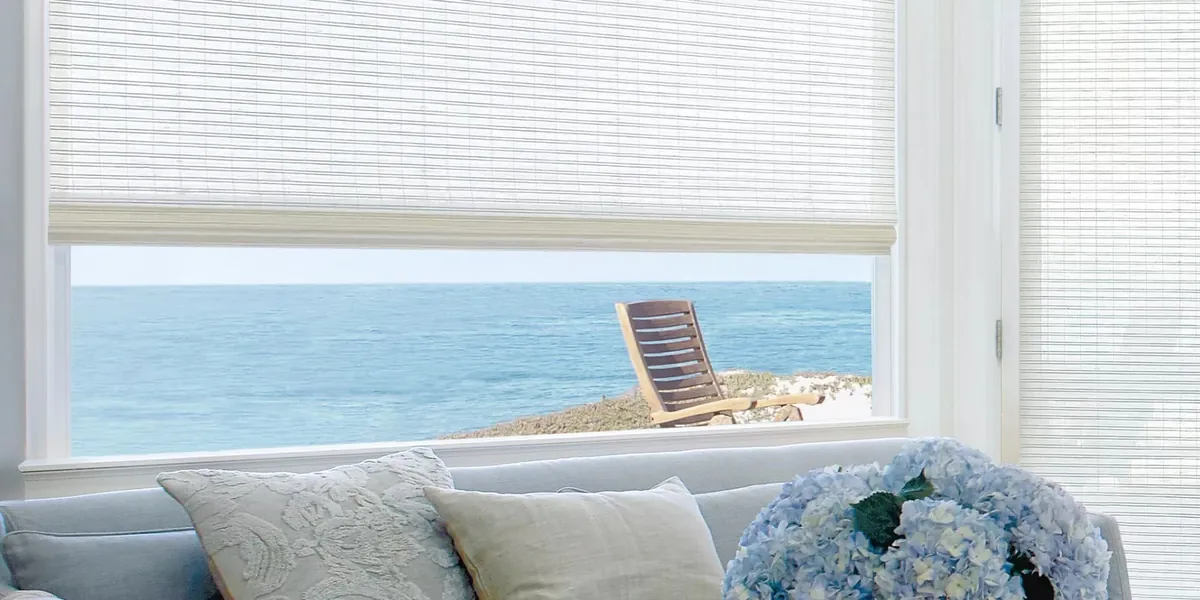
- Use texture rather than bulk, for example a woven shade or a flat roman, where a room needs character.
Window treatments in Walpole, MA, for a cape are usually simple, and getting these small things right is what makes them look considered.
When one house holds two eras
Not every house in town belongs neatly to one era. A colonial near the center may have a family room added at the back, with modern sliders and big windows beside the original tall sash. A cape in East Walpole may have grown a dormer across the back or a new wing to one side. Inside, you can step from an old room into a new one through a single doorway.
The trick is to let each part of the house have the covering that suits its windows, while keeping a thread running through the whole. Usually that thread is color. Shutters on the old tall sash and honeycombs on the new wide windows can sit happily side by side if they share the same white or the same soft neutral. Standing in the doorway, you see one house rather than two. Window treatments in Walpole, MA, for a mixed house are mostly about choosing that thread before choosing products.
Measuring matters more than ever in a mixed house. The old windows will be out of square and the new ones true, and each covering has to be made for its own frame.
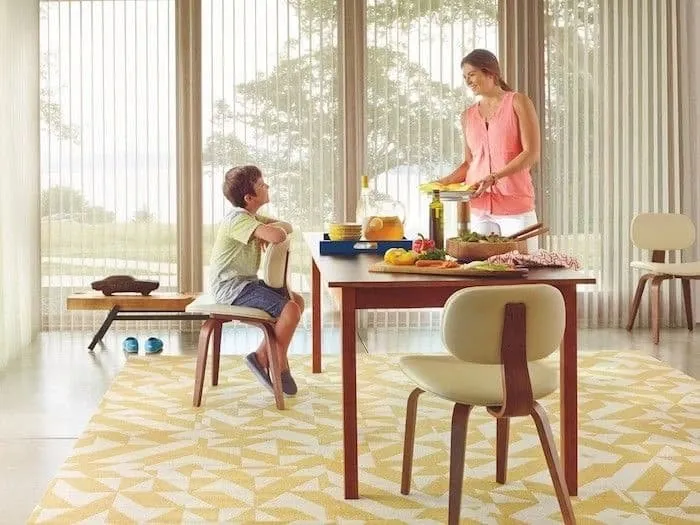
Larger newer houses on wooded lots
Out toward the edges of town, the larger newer houses sit on wooded lots with standard modern openings across two full stories. There are more windows than in a cape or a Victorian, a family room at the back with a lot of glass, and often a slider or French doors to a deck.
Tree cover shapes the light here. In summer the leaves filter much of the sun, and the rooms can be softer than the window area suggests, so lighter colors and coverings that clear the glass make sense. When the leaves drop, low winter sun can reach far into the house, so a covering that handles glare without darkening the room earns its place. A light-filtering honeycomb or a solar screen covers both seasons.
A plan for a lot of windows
So many openings can feel daunting, so we start broad. Choose a single fabric family and finish to run through most rooms, and the facade looks settled from the drive. Only then do we pick out the rooms that should break ranks: the main bedroom wanting real darkness, a bath where faux wood copes better, the family room whose sunniest wall wants a screen. Window treatments in Walpole, MA, for a larger house come together far more easily once that starting point is agreed.
The deck door needs its own plan. A slider takes a covering that draws to one side, such as a vertical honeycomb or vertical blind, or one that lifts entirely clear of the opening. French doors take a shade or shutter mounted on each door, so it swings with it.
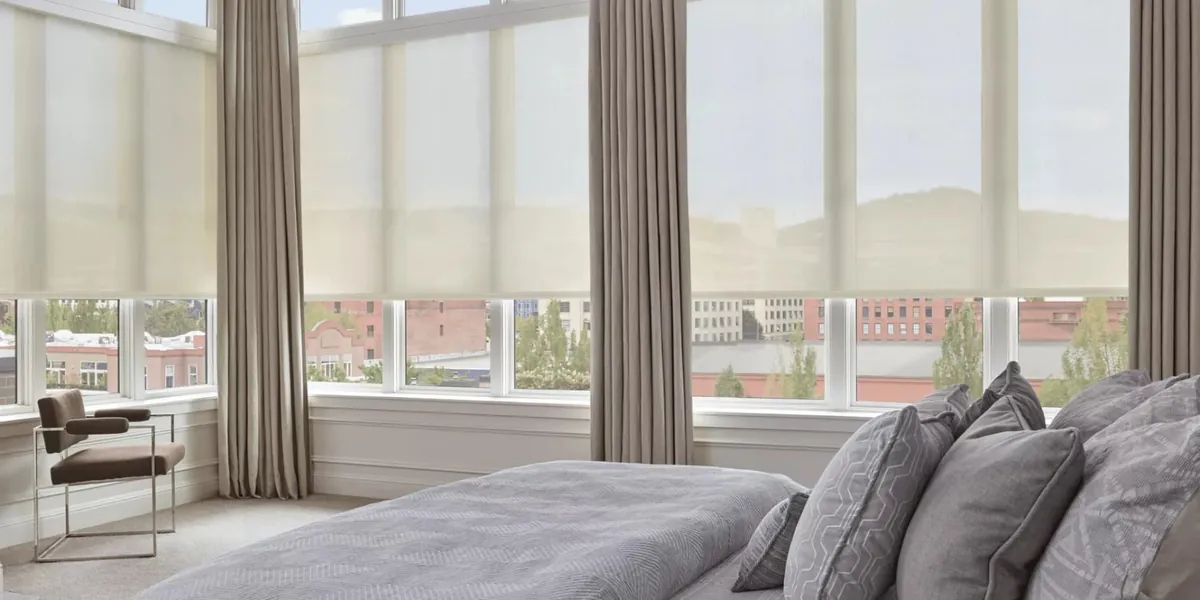
Letting PowerView handle the routine
In a larger house, walking every room twice a day to raise and lower shades soon gets old. PowerView shades can be grouped as you like, by floor or room or side of the house, and set to a timetable: up when you wake, down as the light fades. In winter, the side facing the low afternoon sun can lower itself for an hour or two. Any shade still answers to the remote or your phone whenever you want to change it. To find out more, see how motorized shades are controlled.
Tall older sash near the center benefits from the same system, and so do the dormer bedrooms of a cape if you want them to darken on a schedule.
Comfort through the seasons
Each era of house has its own weak spot in winter. In the older houses near the center, the tall original sash can let the cold into a front room. In a cape, the dormers sit right under the roof. In a newer house, a big family room window can feel chilly on a January night. A honeycomb shade lowered at dusk helps in all three, because each cell holds a layer of air between the room and the glass. Our guide to cellular shades and winter heat explains how it works.
In summer, the room that faces the late afternoon sun is the one to watch. A solar screen or a honeycomb lowered for those hours keeps the floor and furniture out of the sun.
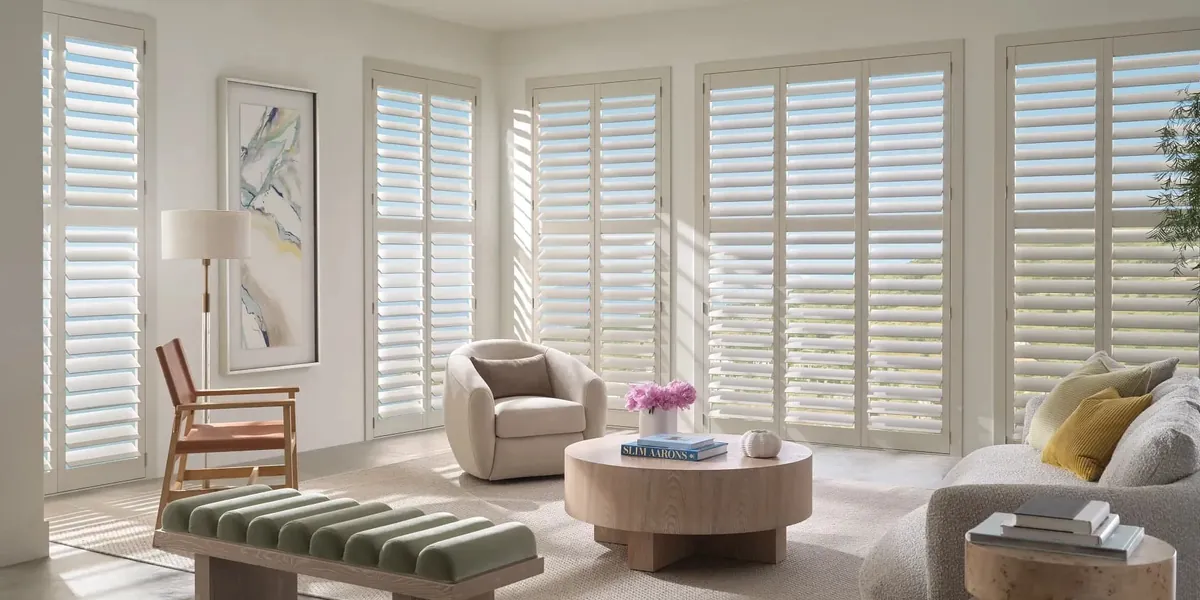
The everyday rooms
Over the sink in a cape kitchen there is usually one window, and leaning across the counter to it gets tiresome. Faux wood or a plain roller works easily by hand; with PowerView you never lean at all. Baths are about screening the lower part of the glass. Cafe shutters do that and leave the sky open, and faux wood blinds tip their slats for daylight and shut tight when the shower is running.
For bedrooms the request rarely changes from one era of house to the next: keep out the streetlight and the very early sun in June. Fabric that blocks light, cut so it fits closely within the frame, solves it. Where a bedroom doubles as a reading room by day, a second, lighter fabric or a shade that drops from the top keeps it pleasant in daylight too.
Your visit, the Walpole way
- Request a consultation online and pick a time that suits.
- A consultant arrives with a van full of samples. We can bring the showroom to you, and in a house with three different kinds of window that saves a lot of guesswork.
- We look at each era of the house in turn, the tall sash, the dormers, the big family room glass.
- Fabrics go up against your own windows so you can judge them in your own light.
- Each opening is measured carefully, with extra checks on older frames.
- A free estimate is left with you, listed room by room, to take at your own pace.
- Hunter Douglas builds the order; our certified installers fit it, test each shade and set up the PowerView app if you have motors.
There is more in what happens at an in-home consultation and what happens on installation day. For help pulling colors and fabrics together, ask about our interior design consultations.
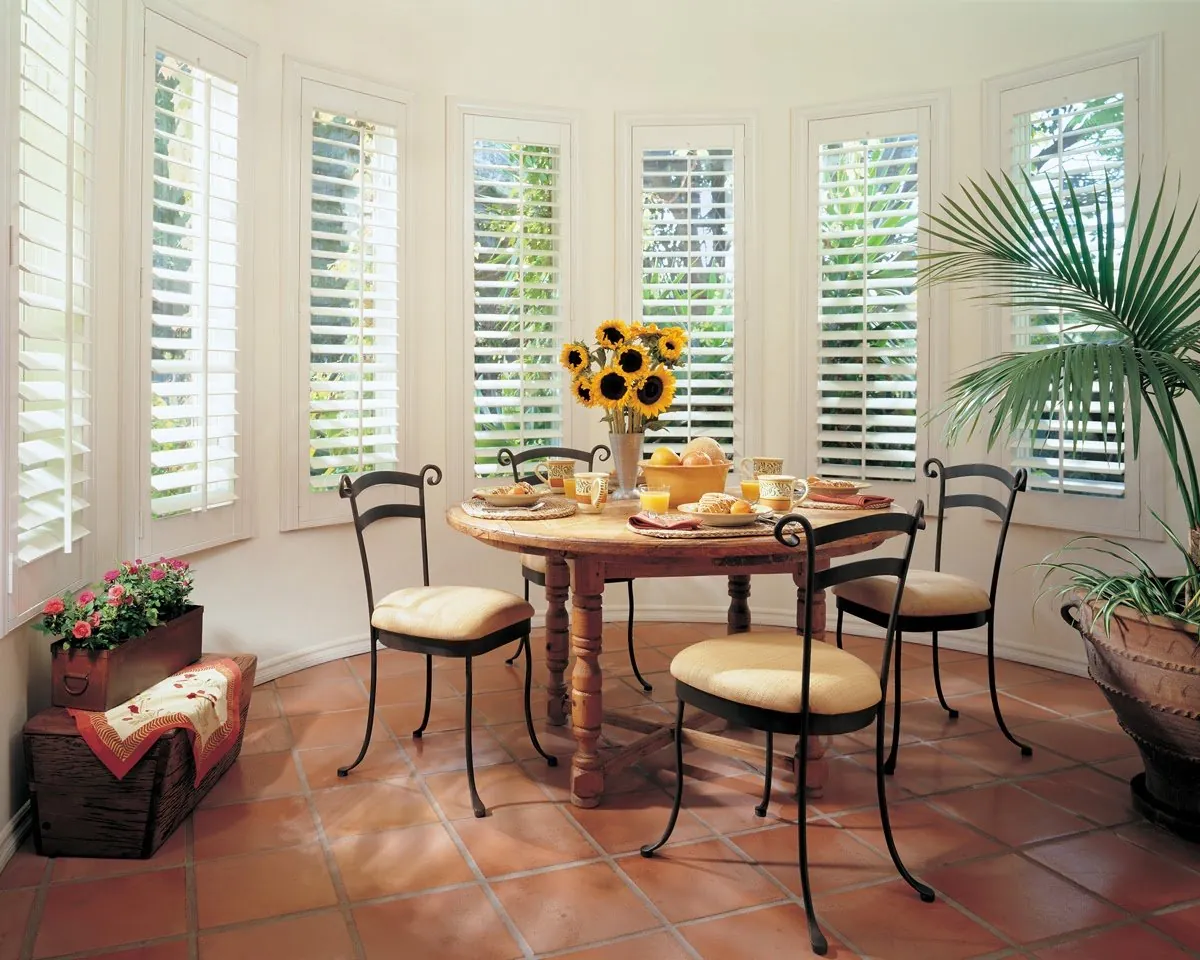
One Gallery dealer for every era of Walpole house
The tall sash of a Victorian, the dormers of an East Walpole cape and the big glass of a newer house rarely want the same product. Blinds & Designs is a Hunter Douglas Gallery dealer, so we can plan all three from the full Hunter Douglas range with a single consultant.
Certified Hunter Douglas installers put up what we sell. You also get home visits with sample vans, free estimates, design advice, automation and help with repairs, all from the same people.
Old blinds still worth saving
Many houses in town already have blinds or shades that have seen better days. If you have some that need attention, mention them at the visit. Repairs on coverings you already own are a service we are glad to provide, and we will tell you honestly whether a repair or a replacement makes more sense. See blind and shade repair for details.

The Franklin showroom, closest to Walpole
From Walpole, our Franklin showroom is the nearest. You are welcome to call in and get a feel for the options before anyone visits the house.
For a house that mixes tall sash, dormers and big modern glass, though, the real decisions happen in the rooms. Many people do a bit of both.
Questions from Walpole
Our house near the center has very tall windows. How do we reach the top?
A PowerView motorized shade raises and lowers from a remote, your phone or a timetable. Shutters split into upper and lower sections are another good choice for tall sash.
What suits the dormer bedrooms in our East Walpole cape?
A honeycomb mounted inside each dormer frame keeps the alcove clear and helps with heat and cold. A room-darkening fabric makes the room better for sleep.
Our house is on a wooded lot and feels dim in summer. What should we choose?
Lighter colors and coverings that clear the glass completely when raised. A light-filtering honeycomb or a solar screen also handles the low sun in winter, when the leaves are gone.
Can different rooms have different products and still look consistent?
Yes. Keep the color facing the street the same on every front window, and the house looks unified even if the rooms use different products.
Do you charge for an estimate?
No. The estimate is free and comes after we measure.
Book your consultation
Pick a time through Request a Consultation and we will come to you with samples, whether the house is a Victorian near the center, a cape in East Walpole or a newer house among the trees. Every window gets measured, every room gets a plan, and you get a free estimate to think over. The Franklin showroom is closest if you want to look first, and the call button is the quickest way to ask us anything.
To compare everything we carry side by side, see our window treatments page.