
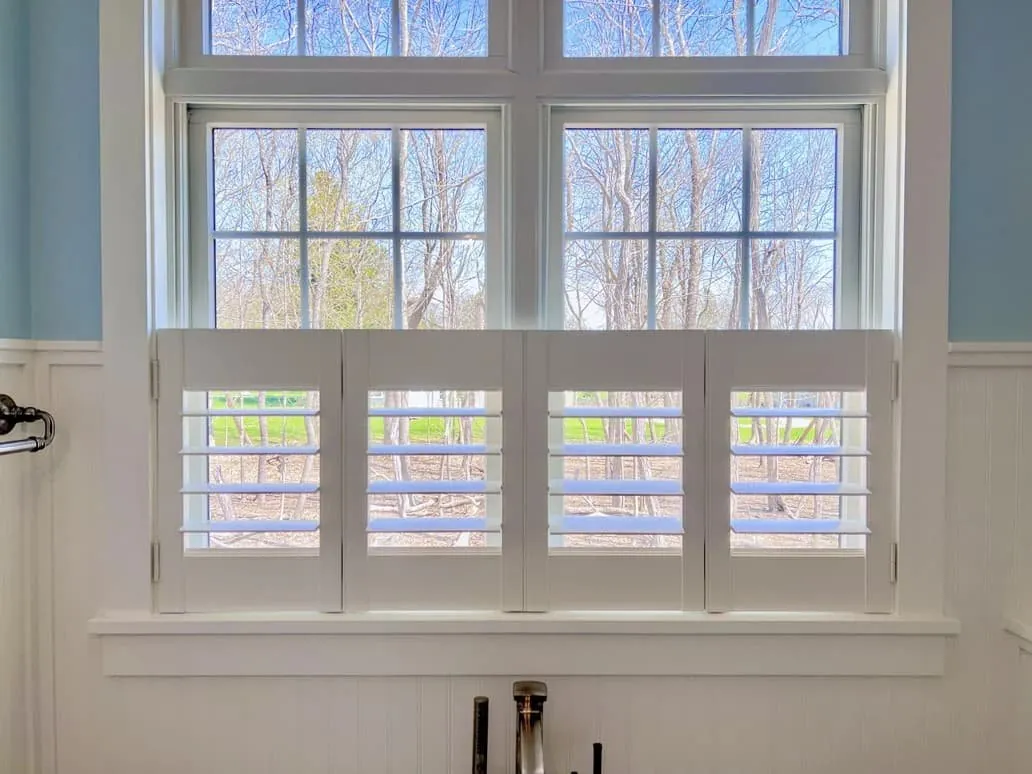
Tiny windows next door to big ones
Centerville mixes its houses more than most villages. Along Main Street stand the older village houses, with front porches and tall sash. Down by the beach, Craigville’s cottages crowd together on small lots, many with windows hardly bigger than a cupboard door. Inland, the ranches that filled the lots after the war spread out low and wide with picture windows. And all over the village, additions and rebuilds have put large modern glass right beside the original openings.
That last point is the one that shapes most plans for window treatments in Centerville, MA. It is common to find a little cottage window and a wide new slider in the same room, or a ranch with a vaulted family room grafted onto the back. Making the two look as though they belong together is half the job.
We bring the samples to your house in the van, so you can see how each option looks on the small windows and the big ones, side by side, before you choose.
Window treatments in Centerville, MA, by service
You can read more about each one on its own Centerville page.
Blinds
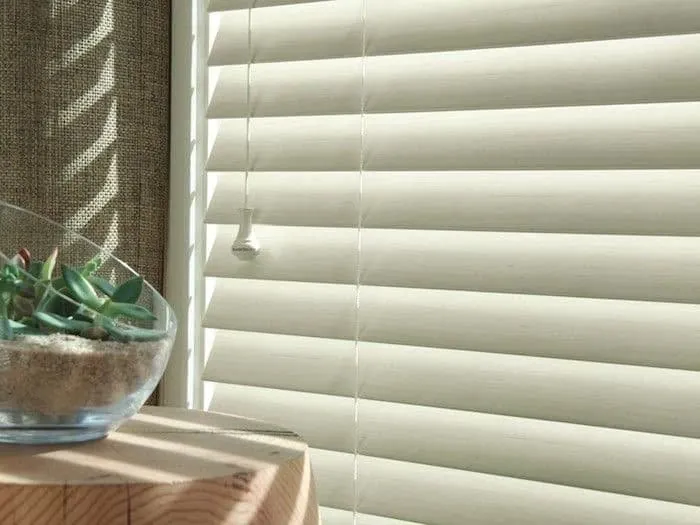
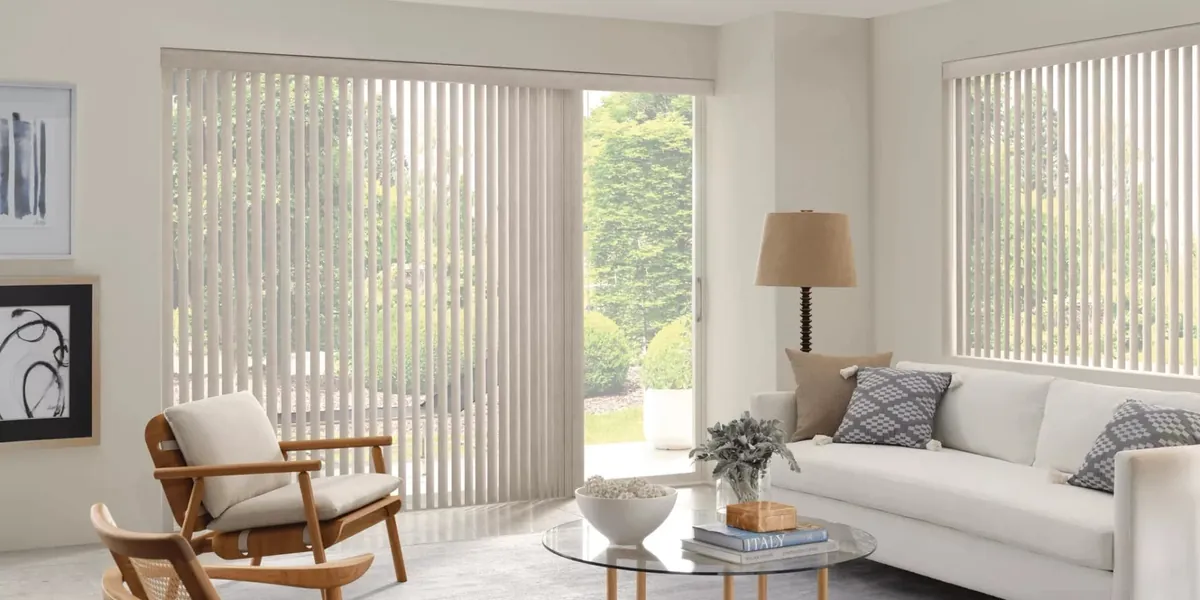
Faux wood slats for a cottage kitchen, real wood for a village sitting room, metal for a narrow opening and verticals for a ranch slider.
Cellular shades
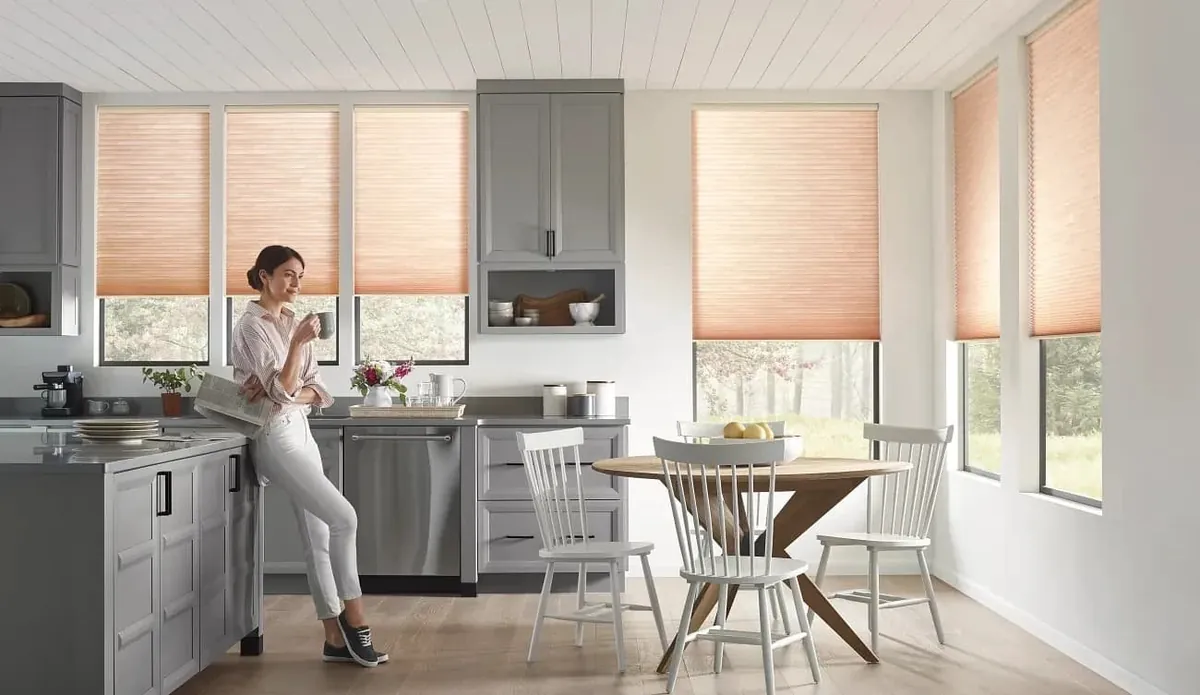
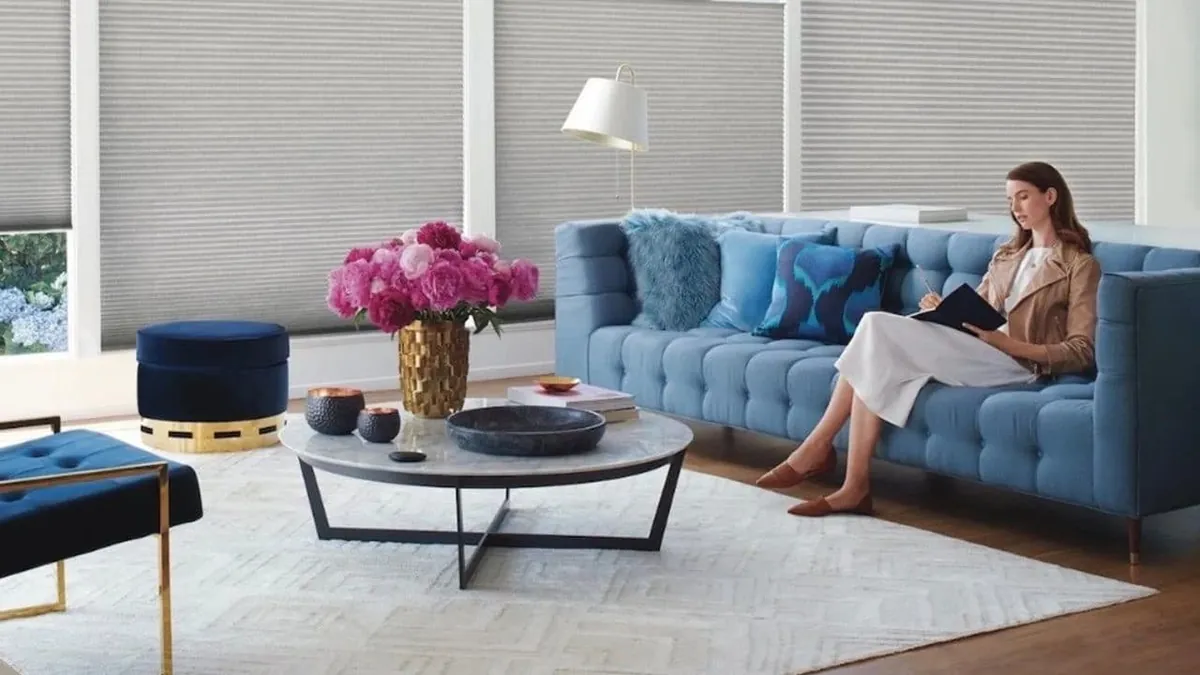
Duette and Applause, made narrow enough for a tiny cottage opening and wide enough for a new addition, in matching fabric.
Roller shades
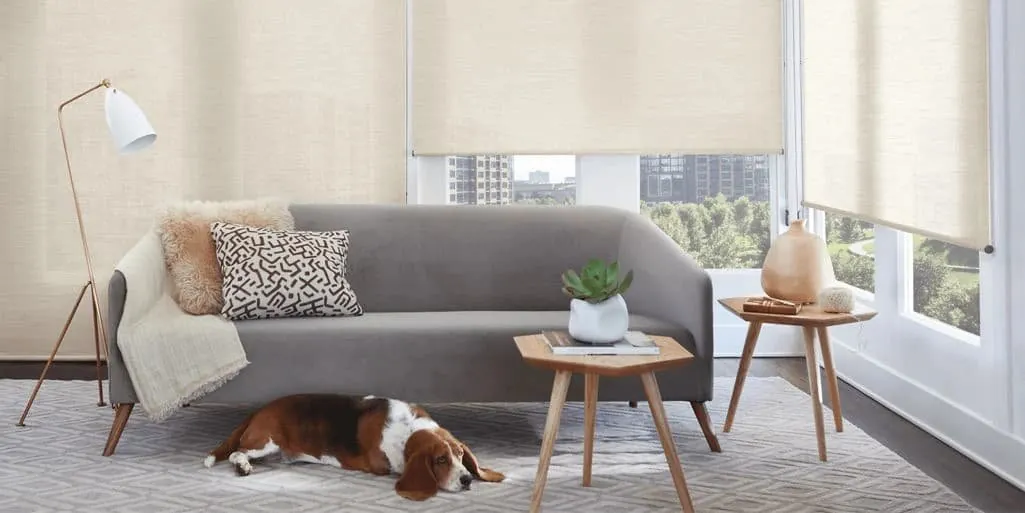
Designer and Alustra rollers and screens with a slim profile, a tidy finish across a ranch picture window.
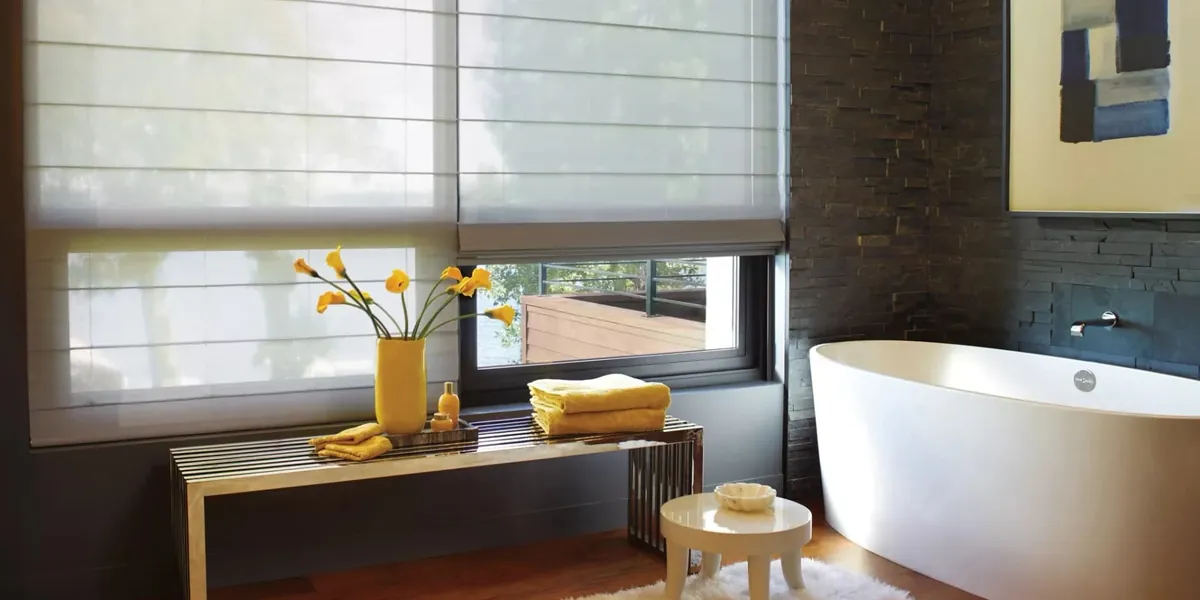
Roman shades
Vignette and Carole Fabrics romans in flat or soft folds, a gentle look in a village bedroom or a cottage bath.
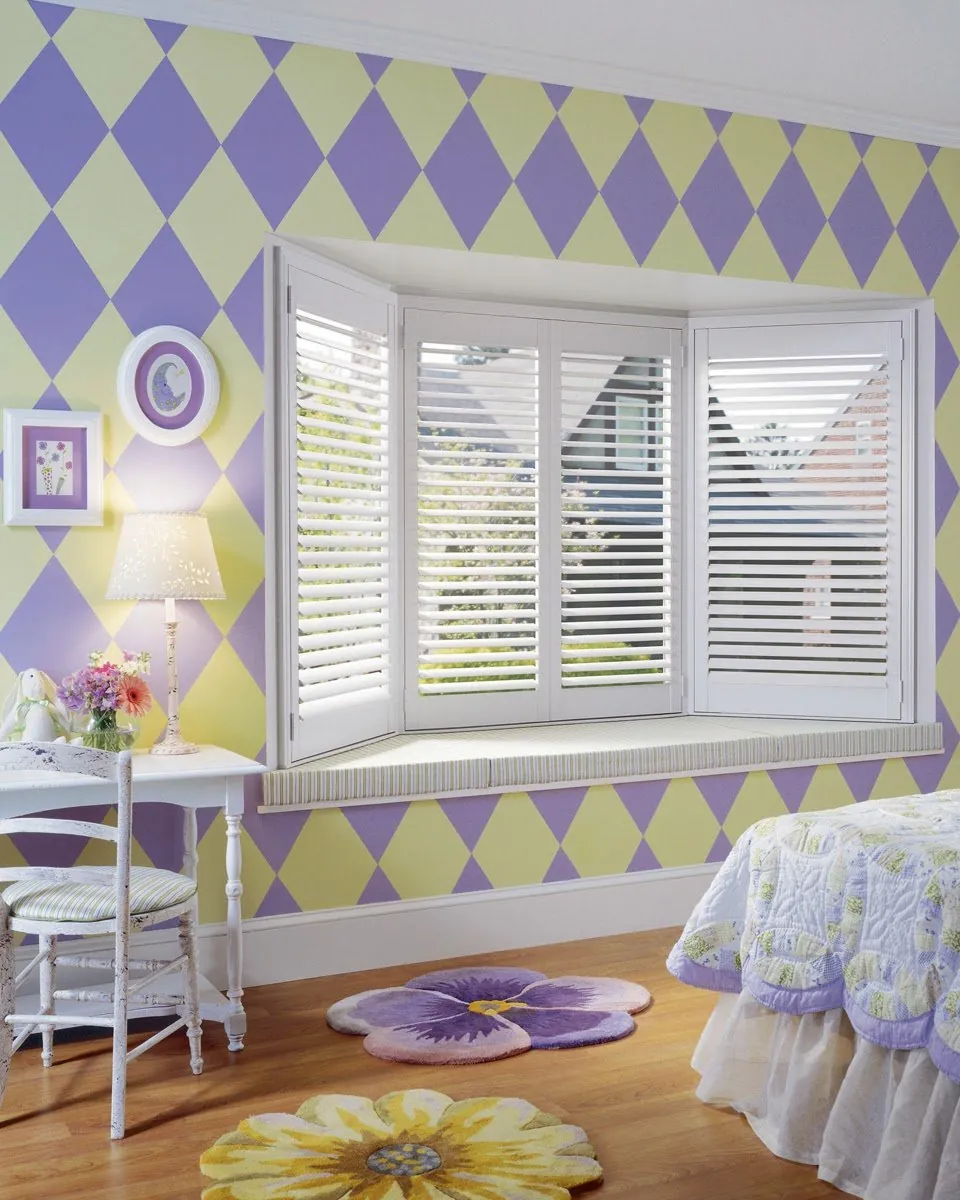
Plantation shutters
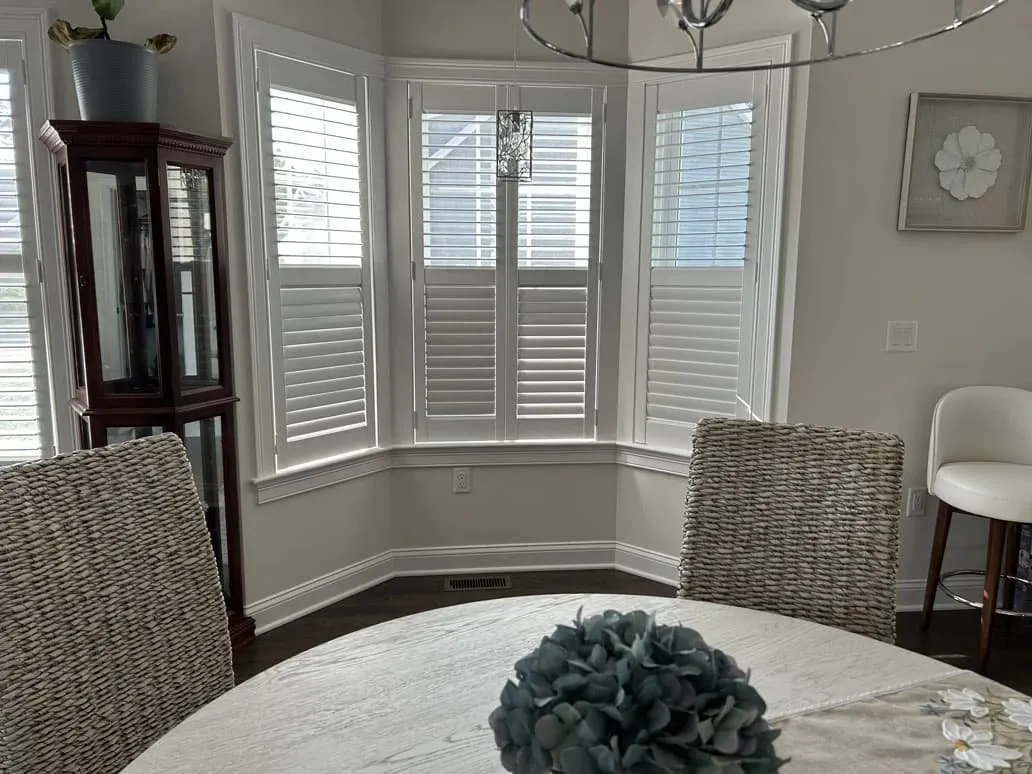
Palm Beach, NewStyle and Heritance, with louvers scaled down for small cottage sash or up for a broad addition.
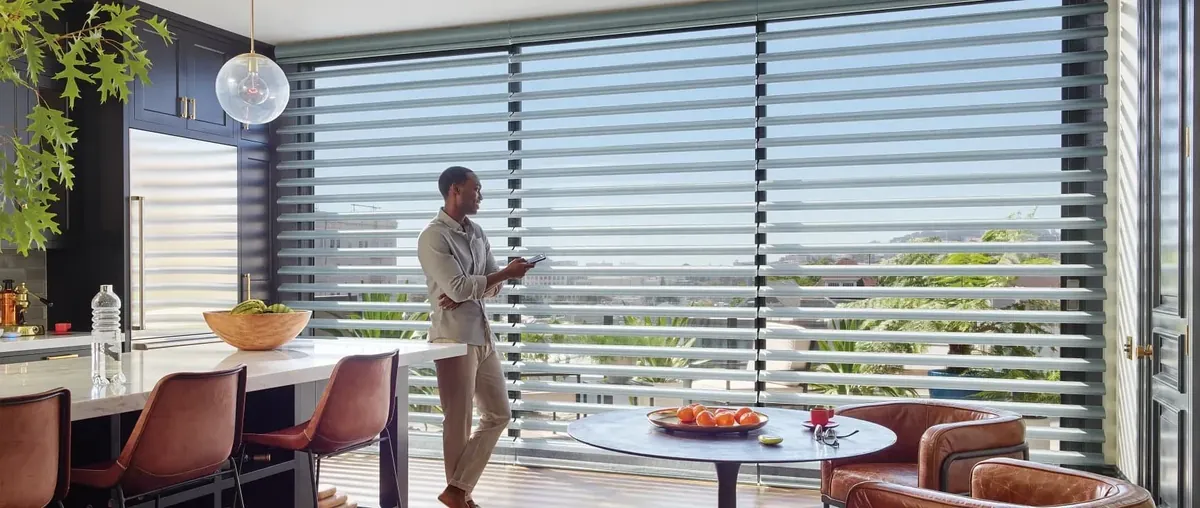
Motorized shades
PowerView for the high glass in a vaulted addition, worked from a remote, the app or a daily schedule.

Hunter Douglas Gallery dealer
One Gallery dealer for the whole Hunter Douglas range, with certified installation, so old and new rooms are planned together.
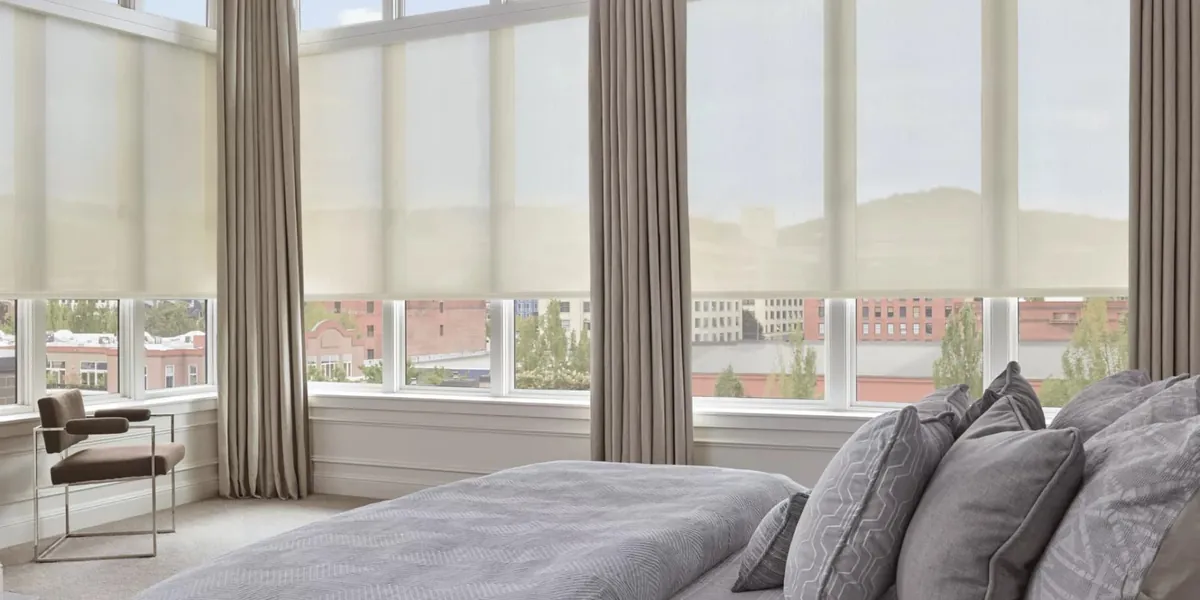
Drapery
Hunter Douglas drapery panels for a village parlor or a new great room, layered over a shade for the daily light.
Craigville’s beach cottages
The cottages near Craigville Beach were built close together for summer, and many still have the small, simple windows they started with: little double-hung sash, single casements and narrow windows squeezed between a door and a corner. Some are still seasonal; others have been winterised and lived in all year. Either way, the houses next door are often close enough to touch.
Two things matter most in a cottage like this: privacy from the neighbors and making the most of a small amount of glass. A top-down, bottom-up honeycomb shade does both. Lowered from the top, it lets the sky in while covering the part of the window that faces the cottage next door. A cafe shutter over the lower sash does the same with a crisp, beachy look. Faux wood blinds tilt for light without giving the view away.
Small windows need slim products. A honeycomb shade raised to the top takes up very little of the glass, and a roller winds onto a narrow tube. Both are made to the exact size of each opening, however small, so a cottage full of slightly different windows still ends up with shades that line up neatly when raised.
Sand and salt are part of beach-cottage life. Shades with their working parts hidden in the head rail and cordless lifts keep things simple, and shutters and faux wood wipe clean with a damp cloth.
A summer cottage that now stays open all winter
Plenty of cottages around the village were never meant to be lived in through January. Once they are winterised, the windows become the weak point: thin original glass, frames that rattle a little in a north-east wind and, in some, a porch that has been closed in with whatever windows were to hand. The rooms that felt breezy and bright in August can feel chilly by Thanksgiving.
Window treatments cannot replace a good window, but the right ones help a cottage room feel warmer. A honeycomb shade is the most useful here, because its cells hold still air between the cold glass and the room. Fitted snugly inside the frame, or on the face of the trim so it overlaps the opening, it cuts the draught you feel when you sit near the window. Drapery drawn over the shade at night adds another layer in a living room. The guide on cellular shades and winter heat explains why the cells help.
Closed-in porches are the coldest rooms of all, with glass on three sides. Honeycomb shades on each pane, mounted at the same height, keep a porch usable for a good part of the cold season. When we plan window treatments in Centerville for a cottage that is now a year-round house, these are often the first rooms we talk about.
Village houses on Main Street
The older houses along Main Street are a step up in size: two stories, front porches, tall sash windows and proper trim around each one. Many have parlors and dining rooms at the front where the windows are the room’s main feature.
These rooms suit treatments that mount inside the frame and leave the casing on show. Roman shades fold neatly at the head of the window, honeycomb shades stack slim, and shutters can fit within the opening to give privacy at porch level. Where the frame is shallow because of old sash hardware, or the opening has gone out of square, we mount on the face of the trim instead. Drapery hung high over the casing suits a formal front room and draws closed on a cold night.
Front porches have their own effect. A deep porch shades the front windows for much of the day, so the parlor behind it can be dim. Light-filtering fabrics and top-down shades let in what light there is, rather than adding to the gloom.
Ranches on the inland lots
Away from the water, the ranches built after the war fill the inland streets. They are single-story and wide, with a big picture window in the living room, long low windows in the bedrooms and, often, a slider onto the back patio. Many have had their original windows replaced, and some have added a family room or a vaulted great room at the back.
A ranch picture window is often too wide for one shade, so we split it into two or three on a shared head rail; they can rise together or one at a time. Roller shades in a slim cassette give a clean, modern line across that glass. Honeycomb shades keep the big window from feeling cold in January. Sliders take a vertical honeycomb or gliding panels that stack to the side, or vertical blinds you can tilt.
Bedroom windows in a ranch often sit high on the wall and run horizontally. A room-darkening honeycomb or roller fitted inside the frame keeps the room dark, and cordless lifts are a sensible choice in a child’s room.
When an addition meets the original house
This is the situation we see most often in the village. A cottage or village house gets a new kitchen, a family room or a primary suite, and suddenly the house has two kinds of window: the small original sash and large modern units, sometimes a whole wall of glass or a set of French doors.
The aim is for the two parts to look like one house. A few things help. Choosing the same product family in both, say honeycomb shades, in the same fabric and color, ties the rooms together even though the windows are very different sizes. Keeping the color that faces the glass the same everywhere keeps the outside even. Matching the head rail finish and the mount style floor by floor does the rest.
Where the new part is much bigger, it may need something the old part does not, such as motorization on a tall window or a vertical product on a slider. That is fine. The products can differ while the fabric and color carry through. Planning window treatments in Centerville across the old and new rooms in one go is the easiest way to get it right.
Measuring a very small window
Tiny cottage openings are less forgiving than they look. A small mistake that would never show on a big window is very visible on a narrow one, and old cottage frames are often out of square, with sills that slope and sides that lean. Here is how we measure them.
- The width is taken at the top, middle and bottom of the opening, because an old frame can be narrower in one place than another.
- The height is taken at the left, center and right, to catch a sill that has sagged.
- The depth of the frame is checked, along with anything that sticks out, such as a sash lock, a crank or a latch.
- We decide with you whether the shade sits inside the opening or on the face of the trim, window by window.
- The narrowest measurements set the size, so the shade runs freely without rubbing.
On a row of small windows, we also note the height of each head, so the shades can be set to line up across the wall even if the windows themselves do not quite. The guide to window measuring terms explains the words we use.
Kitchens and baths
Cottage kitchens tend to be small, with one window over the sink, and village-house kitchens are often at the back with a door to the yard. Ranch kitchens may have a window over the counter and a slider in the eating area. All of them see steam and splashes.
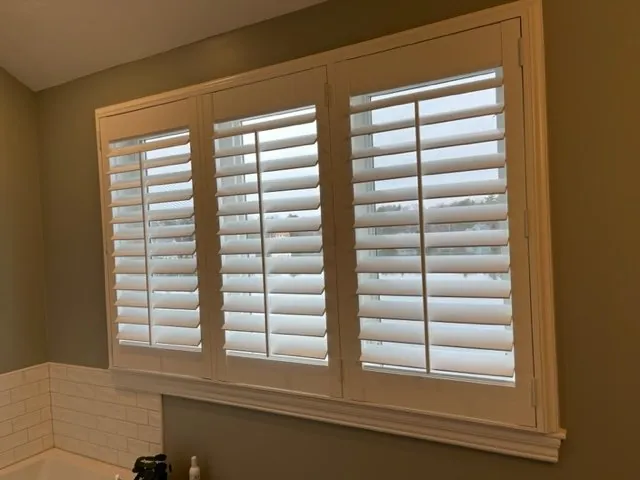
Faux wood blinds and shutters are the practical choices here: both wipe clean and cope with humidity. A cafe shutter over the sink covers the part of the window nearest the yard while the top stays open. A roller in a wipeable fabric gives a crisp look on a newer kitchen window. In a bath, shutters with the louvers tilted up or a top-down shade keep the room private while still letting in daylight.
Your consultation
Seeing the samples on both your smallest and your largest windows is what makes the choice easy, and that is only possible at the house. The consultant arrives with the van and samples of shades, blinds, shutter louvers and drapery fabrics. You walk the rooms together, old and new, and talk about what bothers you in each: privacy from the house next door, a cold picture window, a bright addition or a bare cottage window you never quite knew what to do with.
You hold the samples against your own trim and walls. The consultant measures every window, and a free estimate follows for you to consider in your own time. If color and fabric across a house of mixed rooms is the hard part, our interior design consultations can help. There is more about what happens at an in-home consultation in our guide.
High glass in a vaulted addition
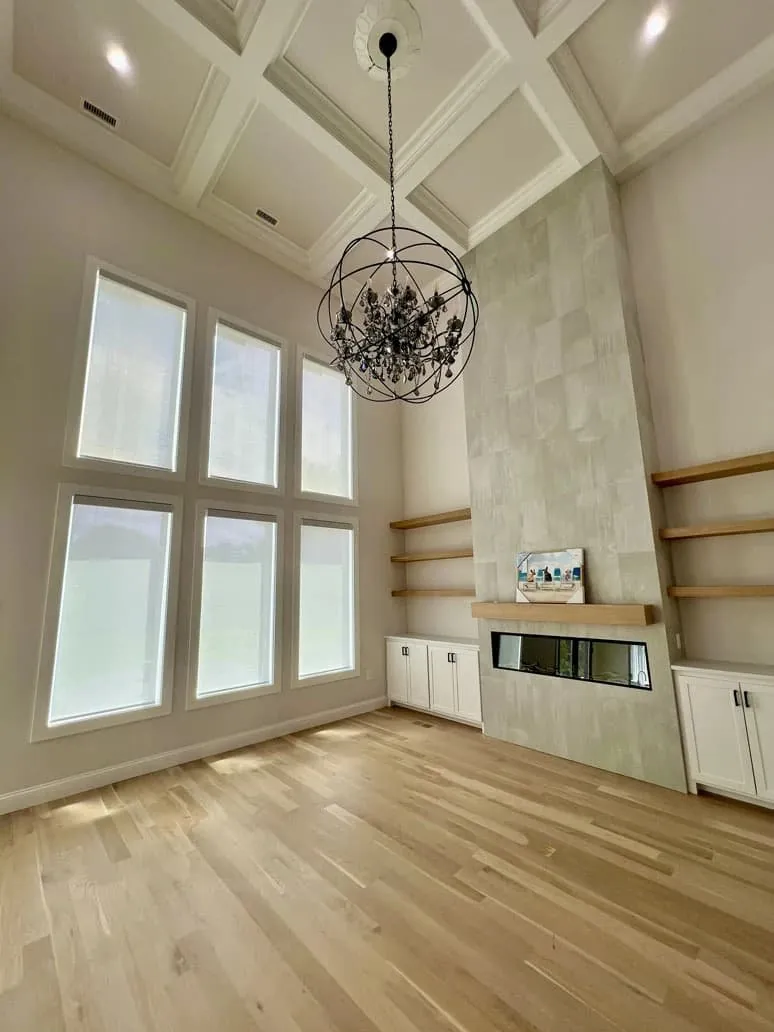
Many Centerville additions have a vaulted ceiling with windows reaching high up the gable wall. Those upper windows are lovely for light and hard to reach. Motorized PowerView shades solve that: a remote or the app raises and lowers them, and schedules can close them before the afternoon sun heats the room. Shades on a tall wall can be grouped to move together. When you are planning PowerView, we look at each window and work out at the visit how its motor is powered. Our motorized blinds and shades page goes further.
Some owners prefer to leave the very top windows of a gable open and treat only the ones within reach. We can show you both approaches with samples.
The day everything is fitted
Our certified Hunter Douglas installers do the fitting. Each shade, blind and shutter is mounted, levelled and run through its paces, from the smallest cottage sash to the widest slider, and you are shown how each one works, including the remote and app if you chose PowerView. See what happens on installation day for more.
Bringing a mixed house together
Few Centerville houses suit one product throughout. A Craigville cottage might pair cafe shutters in the kitchen with honeycomb shades in the bedrooms. A village house might combine shutters at the front, romans in the dining room and drapery in the parlor. A ranch with a new great room might have rollers on the picture window, a vertical honeycomb on the slider and motorized shades up the gable. The common color toward the glass and matching head rails are what make it all look planned. Taking on all the window treatments in Centerville at once also gives you one free estimate. Our window treatments overview shows the range.
Why work with a Gallery dealer
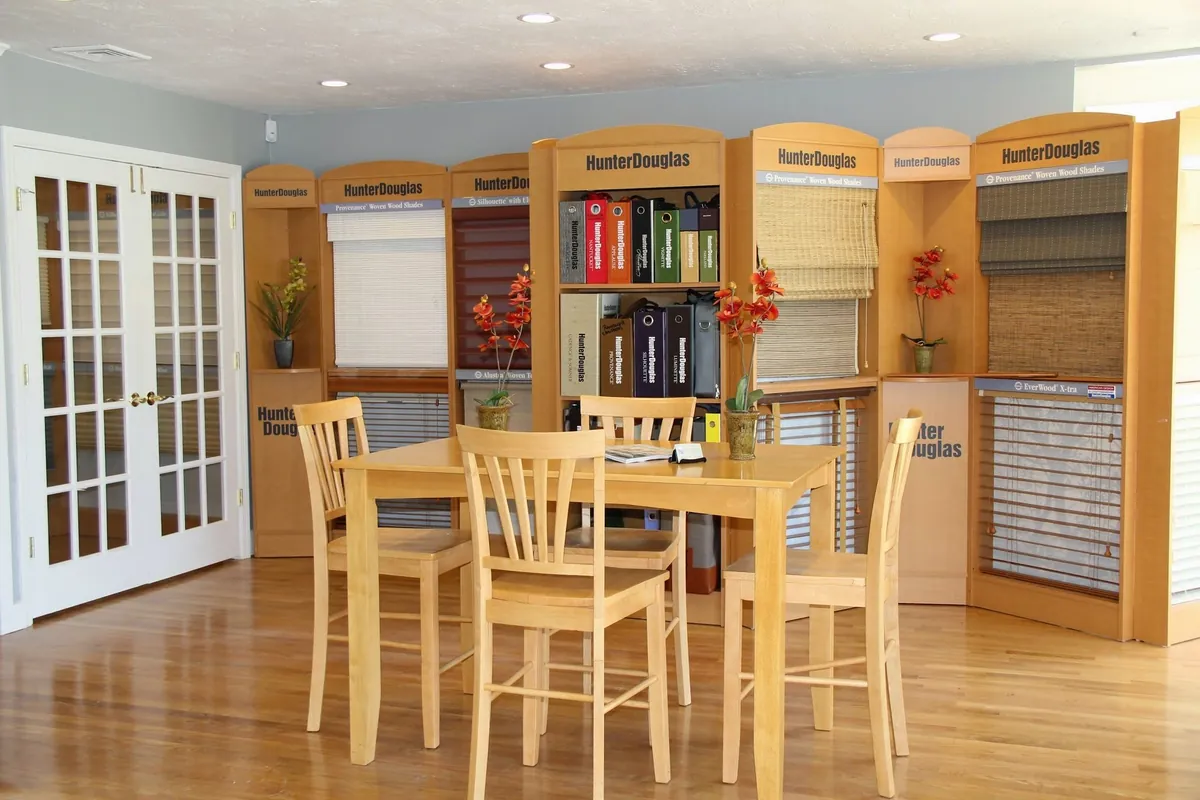
A house where tiny old openings sit beside big new ones needs products that can be made in every size and still match. As a Hunter Douglas Gallery dealer, we offer the whole range: honeycomb, roller, roman and sheer shades, wood and metal blinds, three shutter collections, drapery and PowerView, so the same fabric can run from the cottage window to the addition.
Installation is by our own Hunter Douglas certified installers. Our interior design consultations help with color, and if an older blind or shade stops working, we are glad to repair it. More on the brand is on our Hunter Douglas page.
Sagamore, our nearest showroom
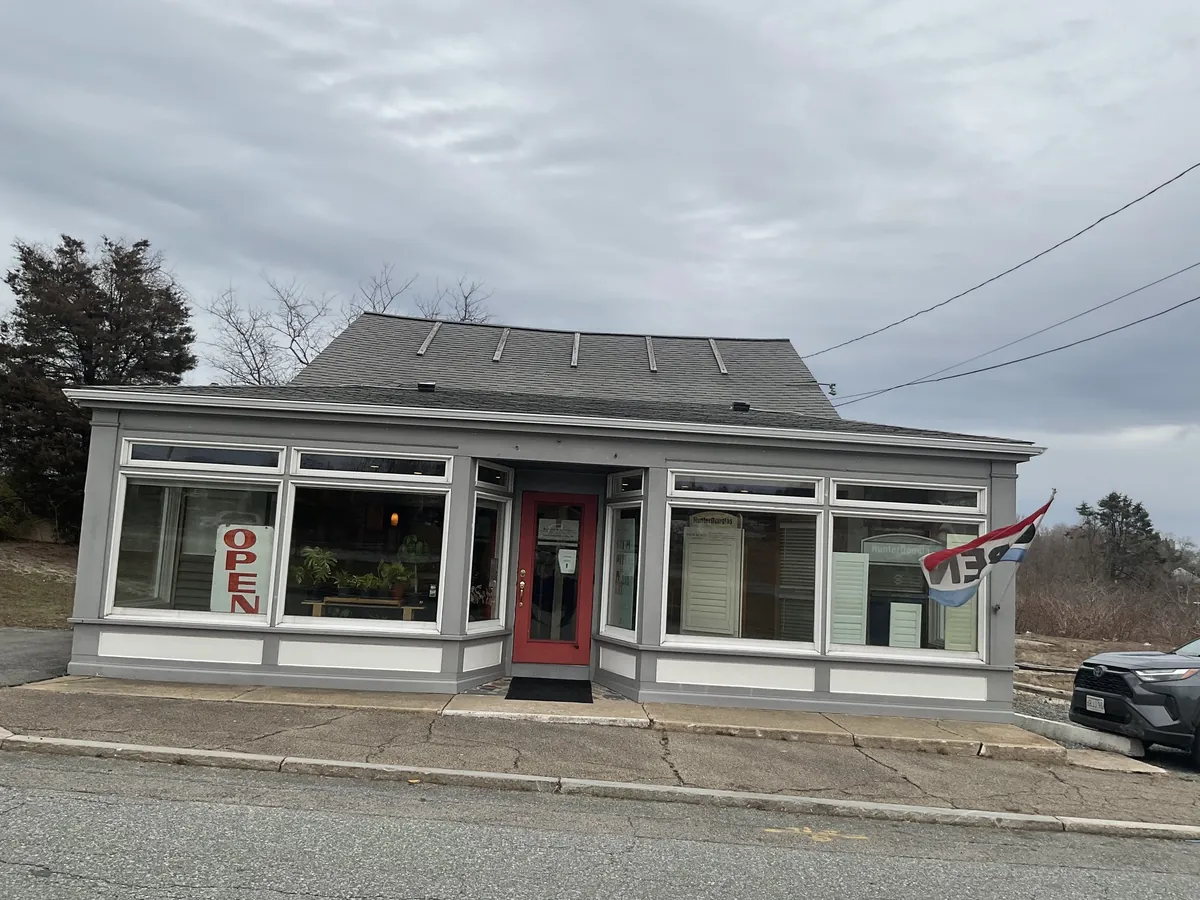
The samples come to you, so a Centerville project can be chosen entirely at home. For anyone who would like a look at the products first, the Sagamore showroom is the closest, and the person you meet there follows the job through to installation.
Questions from Centerville
Our Craigville cottage windows are tiny. Is there anything that fits?
Yes. Honeycomb and roller shades are made to the exact size of each opening, however small, and they stack slim when raised. Cafe shutters are another good fit on a cottage window.
How do we match the windows in our new addition to the old part of the house?
Use the same product family, fabric and color in both, with matching head rails. The bigger windows can take extras such as motorization while still looking like part of the same house.
What suits the picture window in our ranch?
Often two or three shades on a shared head rail, in a roller for a clean look or a honeycomb for warmth. They can move together or one at a time.
The cottage next door is very close. How do we keep some privacy?
A top-down, bottom-up shade lets in the sky and covers the lower window. Cafe shutters and tilted blinds also keep the view in blocked while letting light through.
Is there a charge for the estimate?
No. The estimate is free, and it covers every window we measure.
Where to begin
The simplest start is Request a Consultation: tell us a day, and a consultant brings the samples, measures each window from the smallest cottage sash to the biggest slider and leaves a free estimate behind. If you would rather talk it through first, the call button reaches us, and the Sagamore showroom is open for a look at the products.