
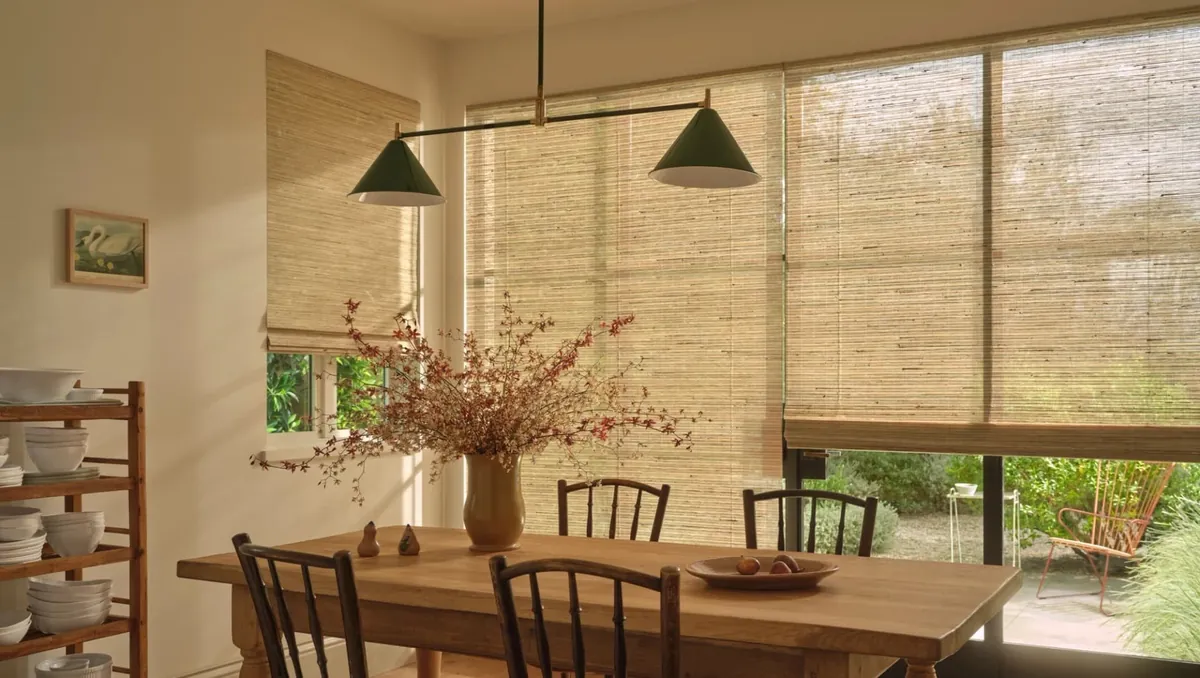
Open land, and light from every side
Out among the cranberry bogs, houses sit on big lots with a lot of open ground between them. A cape or a ranch may look across a bog to a tree line far off, with no neighbor, hedge or street tree close enough to block anything. That is a lovely way to live, and it means the sun reaches the windows early, late and from more than one direction. Planning roman shades in Carver, MA, starts with that: rooms lit from several sides, with nothing outside to screen them.
The houses themselves are mostly capes and ranches on the older roads, and newer colonials on the streets off Tremont Street. They are not difficult windows. What makes the job local is the light and the long sightlines, which shape the cloth, the lining and the way each shade is used through the day.
So we plan each room by where its windows face and what they look out on, and choose a folded shade that suits it.
Roman shades in Carver, by how much light you want
The single biggest choice with a folded shade is what goes behind the face fabric. In a house with open land on every side, it is worth deciding room by room.
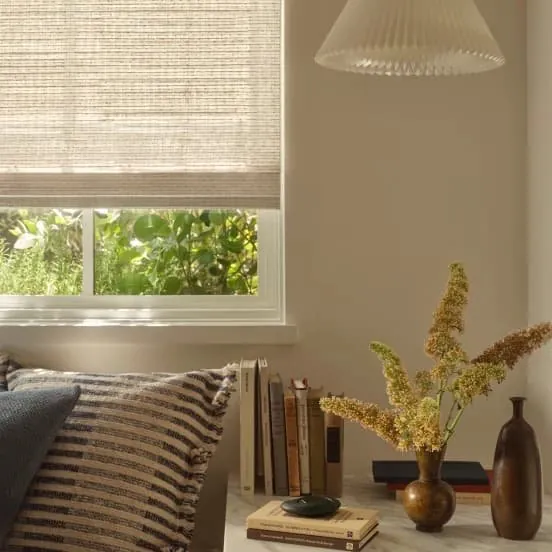
Unlined, for soft daylight
Cloth on its own lets the day glow through. Lovely in a kitchen or sitting room that looks onto the bogs.
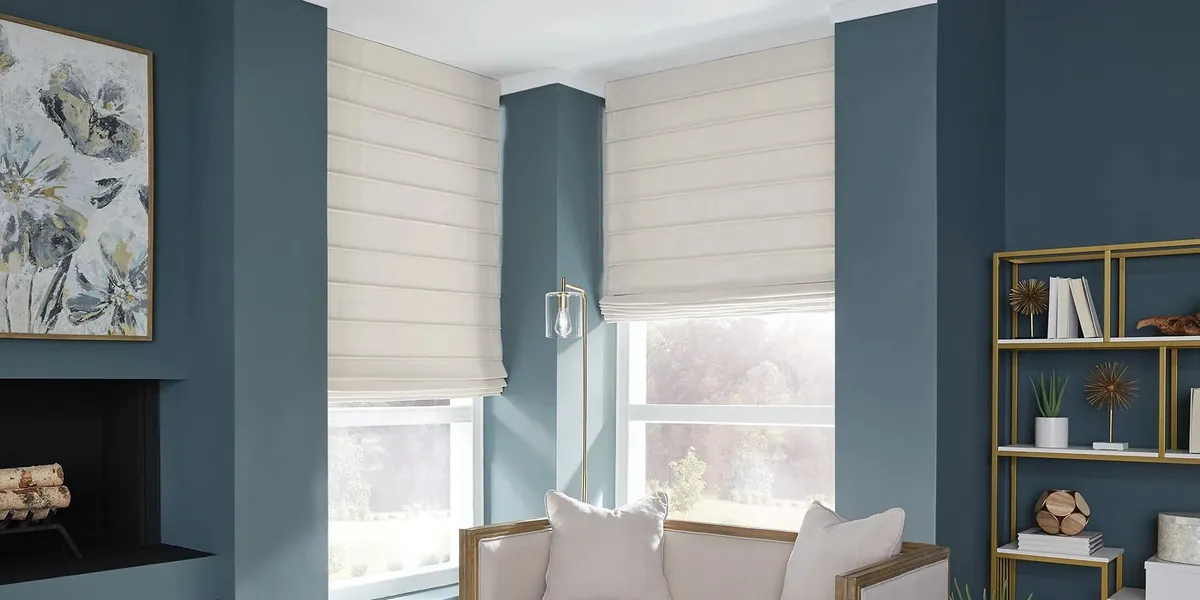
Lined, for privacy after dark
A standard lining gives the folds body and keeps a lamp-lit room private from across open ground.
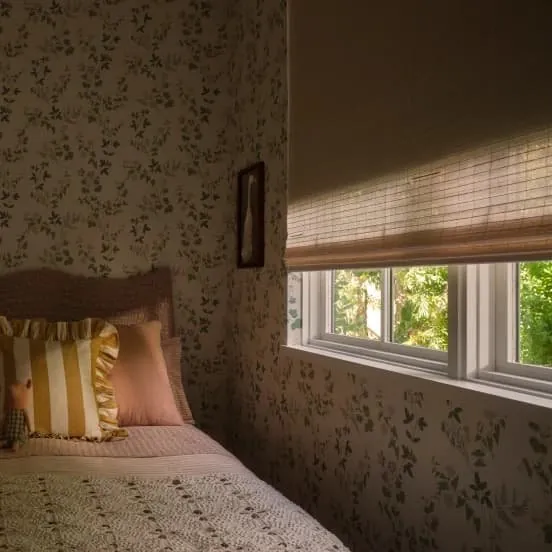
Room-darkening, for sleep
With nothing outside to shade an east bedroom, a room-darkening lining is what keeps sunrise out.
Capes on the older roads
The capes scattered among the bogs are modest houses with honest windows: double-hung sash, a little short, set under a roof that comes down low. Upstairs, bedrooms sit under the slope with dormers or gable windows. They are cosy rooms, and a folded fabric shade suits them better than a hard blind.
On the ground floor the windows usually leave room for a choice of mount. Inside the frame, the shade sits neatly within the casing. Fixed on the wall above, it can rise clear of the glass when raised, which is useful on a window that is short to begin with. We look at both and pick whichever lets in the most light when you want it.
Upstairs is tighter. A dormer window often sits right under the ceiling, so there is no wall above it, and the shade has to live inside the frame. Here, a sewn Carole Fabrics shade can cover the top of the glass with its stack when raised. Vignette, which winds its fabric into the headrail, avoids that. So does a light, thin cloth on a Carole Fabrics flat fold, which folds into a much smaller bundle.
Those upstairs bedrooms are also where the morning sun comes in hardest, straight across open ground. A room-darkening fabric or lining is usually the right call.
Roman shades for Carver ranch picture windows
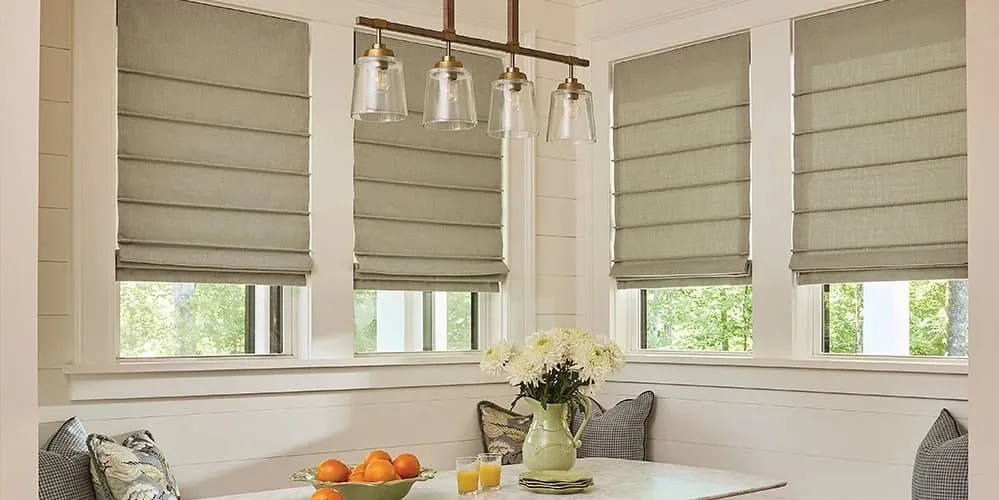
Ranches are built long and low, and the living room usually has the house’s one big window: a wide picture window, sometimes with narrower sash either side, looking straight out over the yard and the bog beyond. It is the best view in the house and, on a sunny afternoon, the brightest glass.
There are a few ways to dress a window like that with folded shades.
One wide shade. A single shade across the whole picture window gives a clean look, but it is a lot of fabric to lift. A continuous cord loop or PowerView handles the weight comfortably.
Three shades on one headrail. One for the center pane and one for each side light, sharing a rail so they line up. Each can be raised on its own, so you can drop the one taking the sun and leave the others open.
Separate shades in one cloth. Where the side sash are separated from the picture window by trim, each gets its own shade inside its own frame, all in the same fabric.
Long horizontal bedroom windows in a ranch are often set high on the wall for privacy. They are a natural fit for an inside-mounted shade, and a room-darkening lining makes them work for sleep.
Planning by the compass
In a town where little stands between the house and the sun, it helps to think of each wall by direction. The same face fabric can run through a room or a whole floor, with the lining changed to suit the light each window gets.
East windows catch the sunrise, low and direct across the bog. In a bedroom that calls for a room-darkening lining; in a kitchen, a light-filtering cloth that softens the morning without making the room dim.
South windows take the sun through the middle of the day, high in summer and lower in winter, when it reaches far into the room. A light-filtering fabric, lowered for an hour or two, keeps a south room comfortable and protects floors and furniture.
West windows take the long afternoon sun, which comes in under the eaves and stays on everything for hours. These are the windows where fabric fades fastest, so a lined shade in a softer color is the sensible choice.
North windows give an even, steady light that rarely needs controlling. An unlined cloth is often all they want, chosen for how it looks rather than for what it blocks.
From inside, every shade in the room matches. Each one just does a slightly different job.
Winter glare off open ground
Open land changes with the seasons. In summer the bogs and fields around a house are green and soft on the eye. In winter, after a snowfall, the same open ground turns bright white and throws light back up at the windows from below, so a room can be dazzling on a clear January morning even with the sun low in the sky.
A light-filtering fabric deals with that well. Lowered part of the way, it cuts the glare from below while leaving the top of the window open to the sky. On the windows that face the widest stretch of open ground, a shade that can be lowered easily, cordless or with PowerView, makes the difference between a room you can sit in and one you avoid until noon.
The same windows can feel chilly on a winter evening. A lined folded shade adds a layer of cloth between the room and the glass and makes a room feel snugger, though for a really cold room a honeycomb shade does more, and we will say so.
After dark, across open ground
Big lots and open land feel very private by day. After dark it can be the opposite. With lamps on and nothing outside to screen them, the windows of a house among the bogs are visible from a long way off, from the road, from a neighboring house across the bog, from anyone driving by.
That is why linings matter here even in rooms where you would happily leave the glass bare in daylight. An unlined cloth glows at night and shows shapes moving behind it. A standard lining blocks that view while still letting a little light through. A room-darkening lining blocks it completely.
Top-down, bottom-up operation, offered on many Carole Fabrics styles, is useful in rooms that face the road. Lower the top of the shade for sky and light, keep the lower half covered, and the room stays private without going dark.
For rooms where you want the shades closed at the same time every evening, PowerView can lower them on a schedule at dusk, which is also handy when you are away and want the house to look lived in. We plan how each motor is powered when we visit, window by window.
Newer colonials off Tremont Street
The colonials on the newer streets off Tremont Street are regular, well-built houses with matching double-hung windows across two floors, a bay or a slider at the back, and good wall space above every window. They are the easiest houses in town to fit, and that leaves more room for choosing.
The front rooms usually want something tailored. A Carole Fabrics flat fold in a cloth that picks up the upholstery looks finished without the weight of full drapery, and the street side stays tidy if every front shade shares one lining color. The family room at the back, often open to the kitchen, wants an easy-care fabric that copes with daily use, with separate shades on each window so the bright end can be covered on its own.
Upstairs, the bedrooms usually want room-darkening linings, and a child’s room often wants a cordless lift so there is nothing hanging at the side of the window.
What a consultation looks like
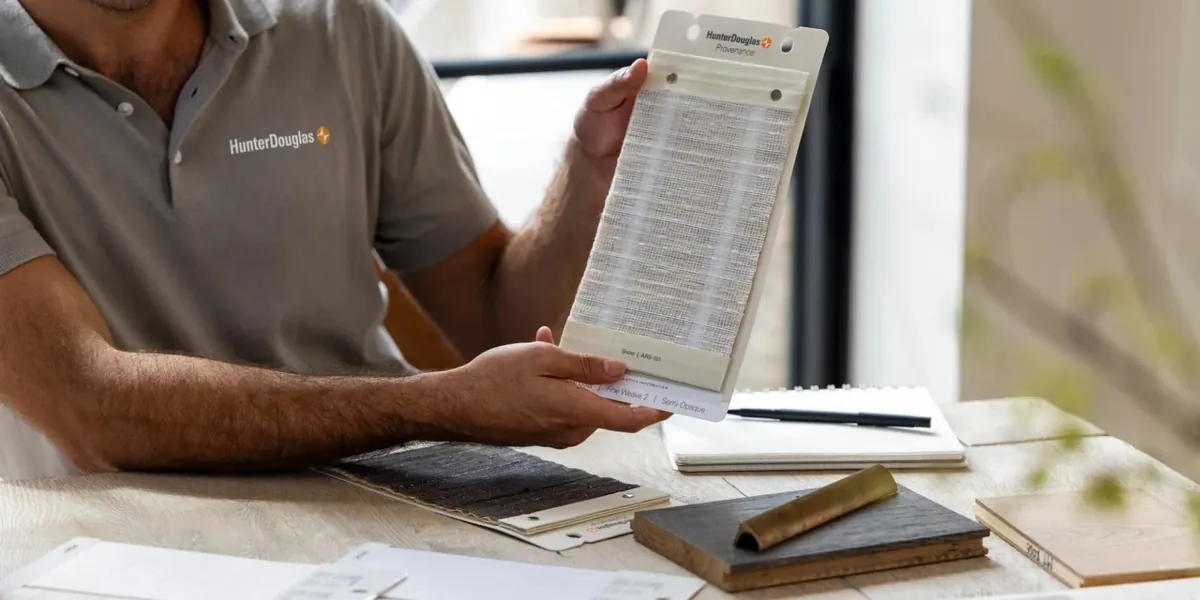
We do most of our choosing in your house, because a cloth that looks one way under a shop’s lights looks quite different with a bog full of sky outside the window. The vans are loaded with samples, so we bring the showroom to you.
- Pick a time through Request a Consultation, or press the call button.
- We walk the house with you and talk about each room: which windows face the sunrise, which look out over open ground, which rooms need to go dark.
- You try cloths and linings at the glass and compare a flat fold, a softer looped fold and Vignette in each room.
- Each opening is measured, with the frame depth and the wall above it noted, so we can recommend where every shade should sit.
- A free estimate follows, set out window by window, and you take whatever time you need.
- Once the shades are made, installers certified by Hunter Douglas put them up, level them and show you how every lift works.
Design help is available too, through our interior design consultations, if you want a hand with color and cloth across the house. See what happens at an in-home consultation for more about the visit.
Cloth that suits a house among the bogs
Houses out here tend toward the relaxed and practical, with wood floors, comfortable furniture and rooms that get used hard. Roman shades in a Carver house usually look best when the cloth follows suit. Natural linens, cotton weaves, small checks and woven textures sit easily in a cape or a ranch and wear well.
Color is worth a little thought because of the light. On the west and south walls, where the sun stays longest, softer colors hold their look; stronger colors and bolder prints are safer on a north wall or in a room that is shaded part of the day. In an open-plan colonial, where the kitchen, dining and family areas run together, one cloth throughout keeps the space calm, with linings varied by the direction each window faces.
We bring enough samples to try both the safe choice and the braver one at the same window.
Flat, soft or Vignette
Hunter Douglas folded shades come in two families, and between them three main looks.
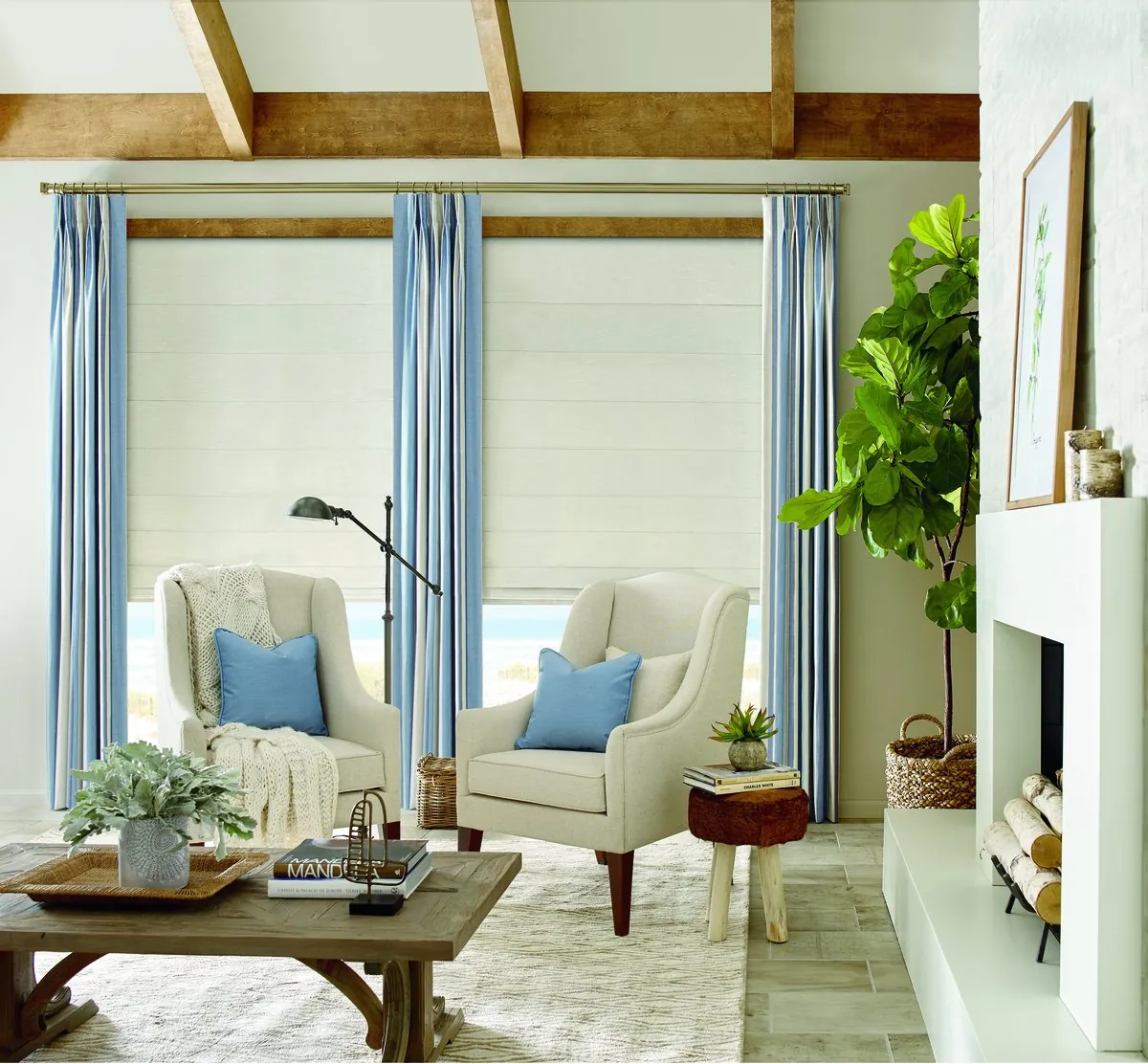
A flat fold, from Carole Fabrics, hangs as one smooth panel when lowered and pleats into a neat stack when raised. It shows a pattern well and suits a colonial’s front room or a cape kitchen.
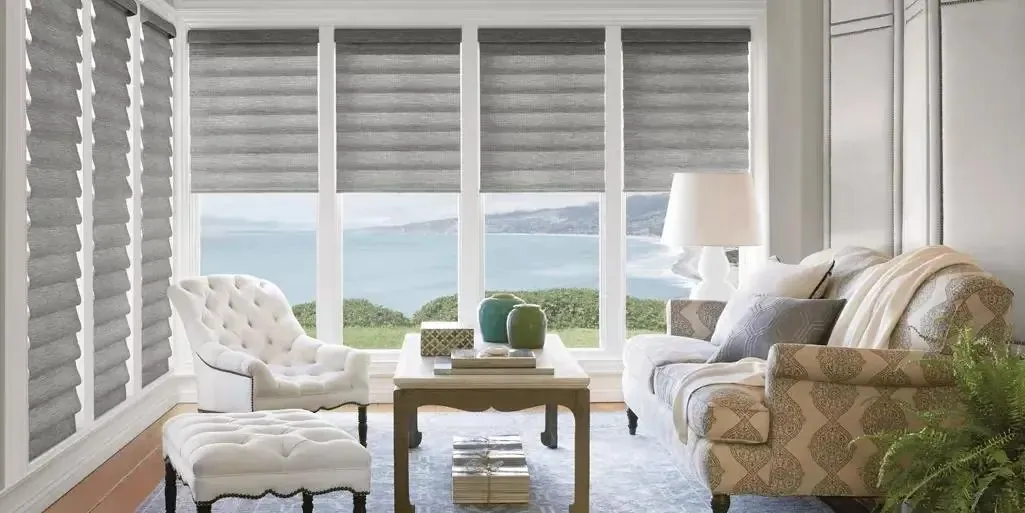
A soft fold, also from Carole Fabrics, keeps loops of fabric down the whole shade even when it is lowered. It is relaxed and generous, and it softens a long ranch picture window or a bedroom.
Vignette has uniform folds from top to bottom and rolls its fabric up into the headrail. It keeps the top of the window clear, which matters on a short cape window or a dormer, and it looks clean in a modern room.
Carole Fabrics offers the widest choice of cloth, so it is the place to begin when the shade has to match something. Vignette is the place to begin when the window is short or the stack has to disappear. Read more about Vignette and the Carole Fabrics roman collection, or every style on our roman shades page.
Kitchens, bathrooms and the rooms in between
A cape kitchen window over the sink suits a flat fold in a light-filtering cloth that is easy to keep clean, mounted inside the frame so it stays clear of the faucet. A ranch bathroom, often with a high window, suits a sheer or light-filtering shade that keeps privacy and lets in the daylight.
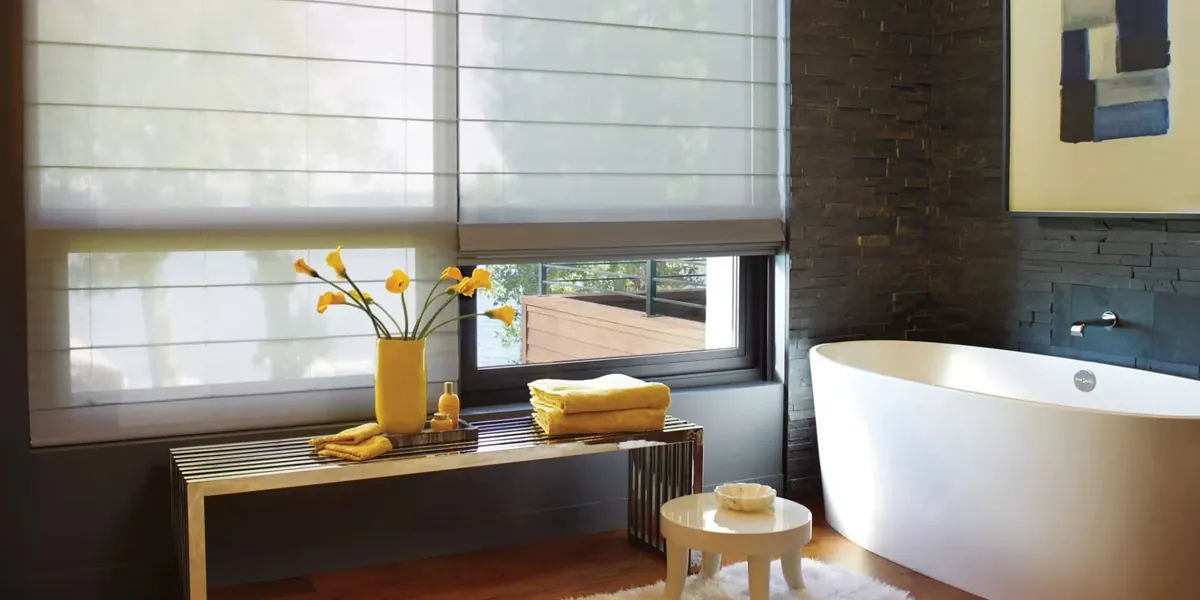
Mudrooms and back halls, common in houses on big lots, often have a window by the door that takes the low sun. A simple folded shade in a durable cloth keeps the glare out of your eyes as you come in.
PowerView for the windows you cannot reach
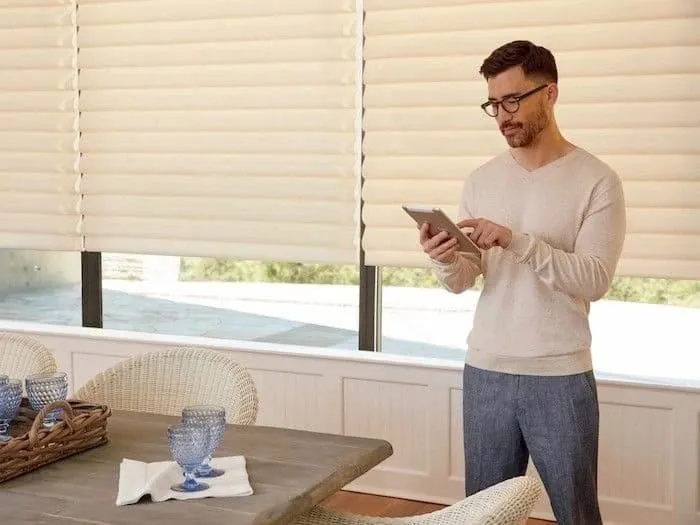
In a ranch with a vaulted living room, or a colonial with a window over the stair, some glass is simply out of reach. PowerView lets you raise and lower those shades from a phone, a tablet or a remote, and set schedules for sunrise, the afternoon sun and dusk. See motorized blinds and shades in Carver or our window covering automation page.
If some windows suit a different covering, see cellular shades in Carver for a colder room or plantation shutters in Carver for a bathroom. Everything we offer in town is on our Carver page.
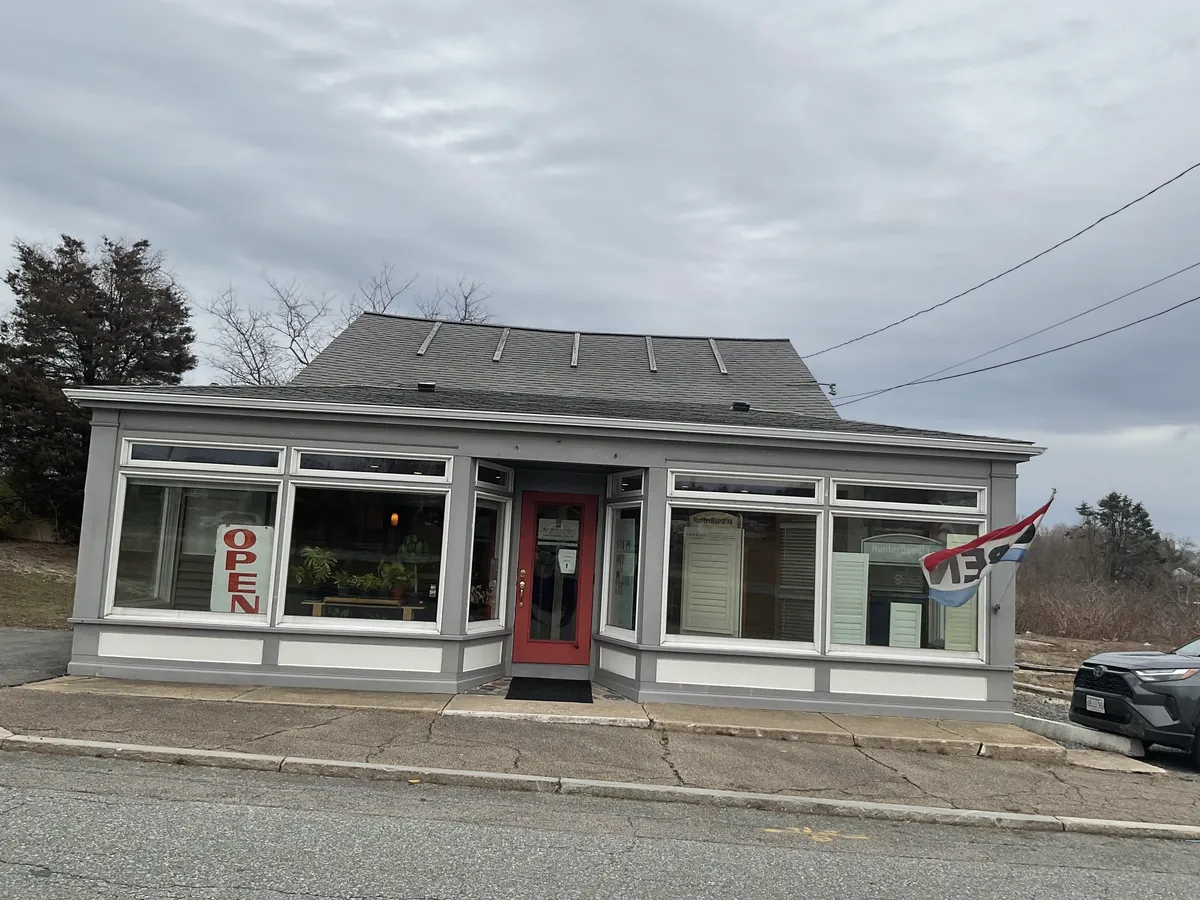
Our nearest showroom is in Sagamore
From Carver, the Sagamore showroom is our closest location, and you are welcome to come and raise and lower the shades yourself. If you would rather choose at home, the samples travel to you.
Blinds & Designs holds Hunter Douglas Gallery dealer status, which Hunter Douglas gives dealers who meet its standards. For you that means the whole folded shade range, every Carole Fabrics cloth, Vignette, the lift choices and PowerView, with nothing held back.
Our installers are certified by Hunter Douglas. We also mend blinds and shades you already own, and help with interior design and automation.
Questions from Carver
My house gets sun from three sides. Do I need different shades in each room?
Not different shades, just different linings. The same cloth can run through a room, with room-darkening behind the east bedroom shade and light-filtering on the north side.
Can people see in at night with nothing around the house?
With an unlined shade, yes, shapes show. A standard or room-darkening lining keeps a lamp-lit room private, and top-down, bottom-up operation lets you keep some sky.
What is best for a ranch picture window?
Often three shades on one headrail, so the center and each side can move separately. A single wide shade is possible too, with a cord loop or PowerView to lift it.
Will a shade fit the dormers in my cape?
Yes, inside the frame. Vignette or a light flat fold keeps the stack small so the glass stays clear.
Do you charge for the estimate?
No. We measure every window and leave a free estimate, room by room.
The next step
Roman shades in Carver, MA, are easiest to choose at your own windows, with the light coming in across the bog the way it really does. Request a consultation and we will bring the cloths and linings, measure every opening and give you a free estimate. You can also visit the Sagamore showroom, or use the call button to ask anything first.