
Bays, transoms and the case for made-to-measure
Walk the streets around downtown and up on Oak Hill and you see why so many Attleboro windows will not take a blind off the shelf. The Victorians and older colonials there were built with bay windows that push out from the parlor in three or more angled sections, and with transoms set over doors and windows to pull extra light into a hall. Neither shape comes in a stock size. That is the starting point for custom blinds in Attleboro, MA: every blind made to its own opening, so a three-sided bay looks like one finished window rather than three mismatched ones.
A bay is really several windows that have to behave as a set. Each section has its own width, the angles between them leave little room for headrails to meet, and the sill line has to stay level all the way round. A transom has its own problem: it is wide and shallow, often fixed shut, and sits high enough that no one wants to adjust it by hand.
The rest of the town brings different jobs. The split-levels off Route 123 have half-flight landings and a mix of window heights. South Attleboro is mostly ranches, with broad front windows and plain, regular openings that are simple to fit and still benefit from a blind sized exactly to them.
Where a blind has to work hardest in Attleboro houses
These are the openings we size up most often across town. Each one shapes which material and which control will suit it.
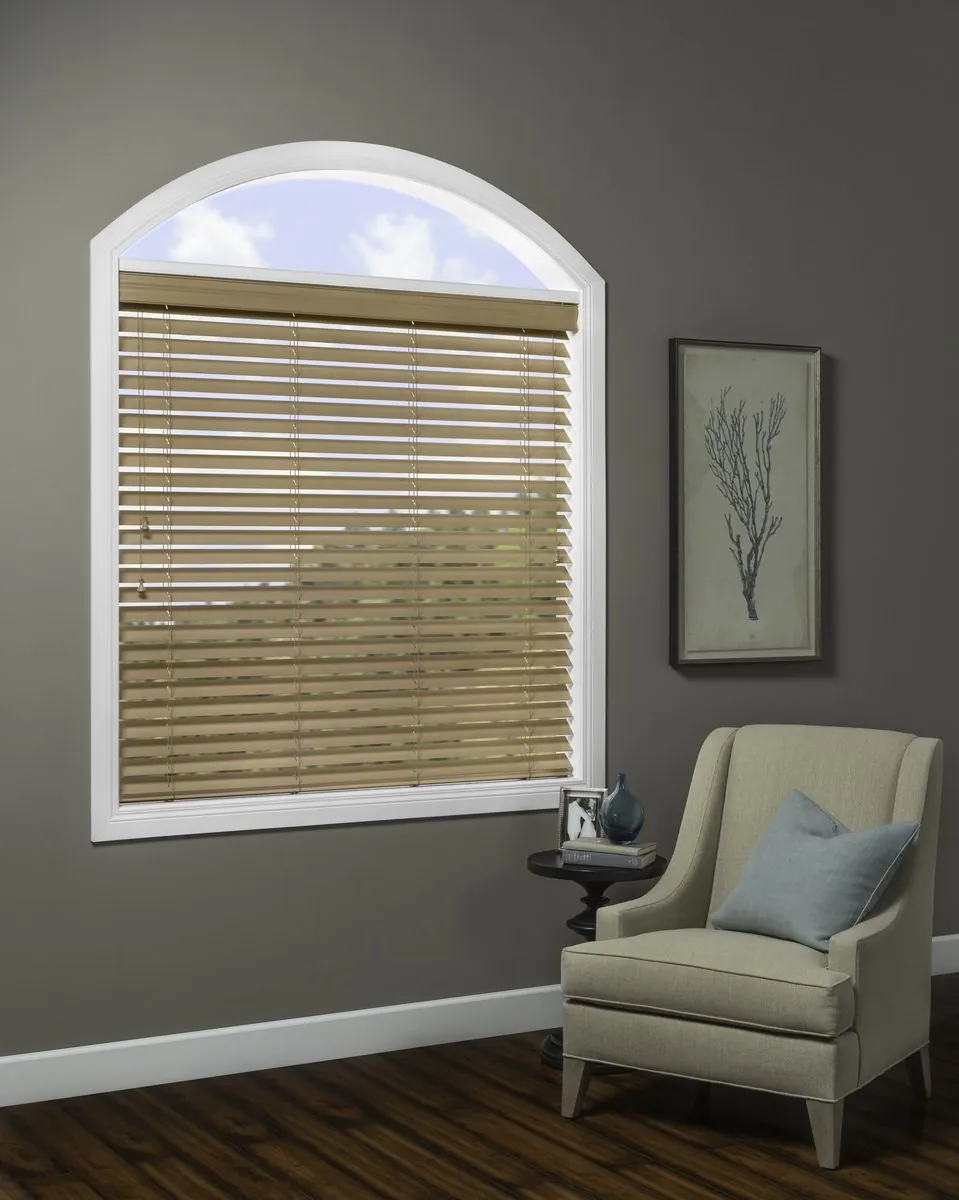
The angled bay
One blind per section, each cut to its own width, with headrails tucked close at the corners so the slats read as one line around the bay.
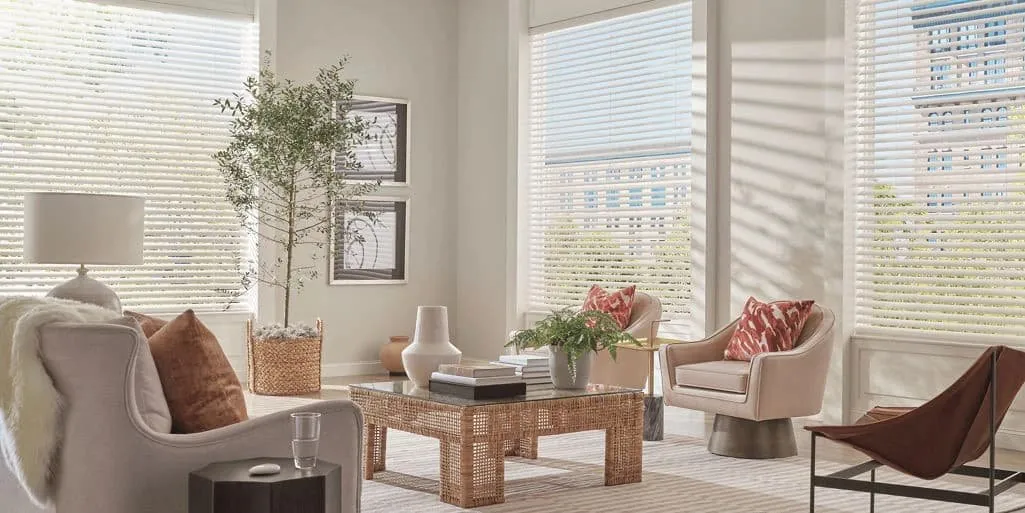
The transom over a door
Wide and shallow, often fixed. Often best left open, or given a tilt-only blind that controls glare without being raised.
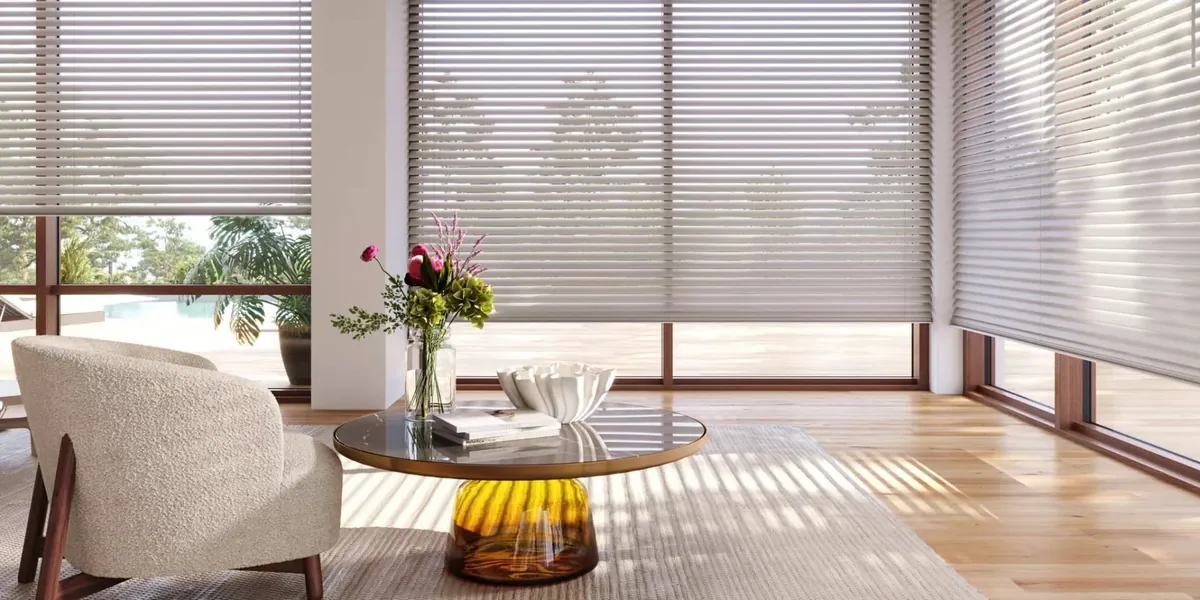
The split-level landing
Windows half a flight up or down, awkward to reach. A long wand or PowerView control saves the climb.
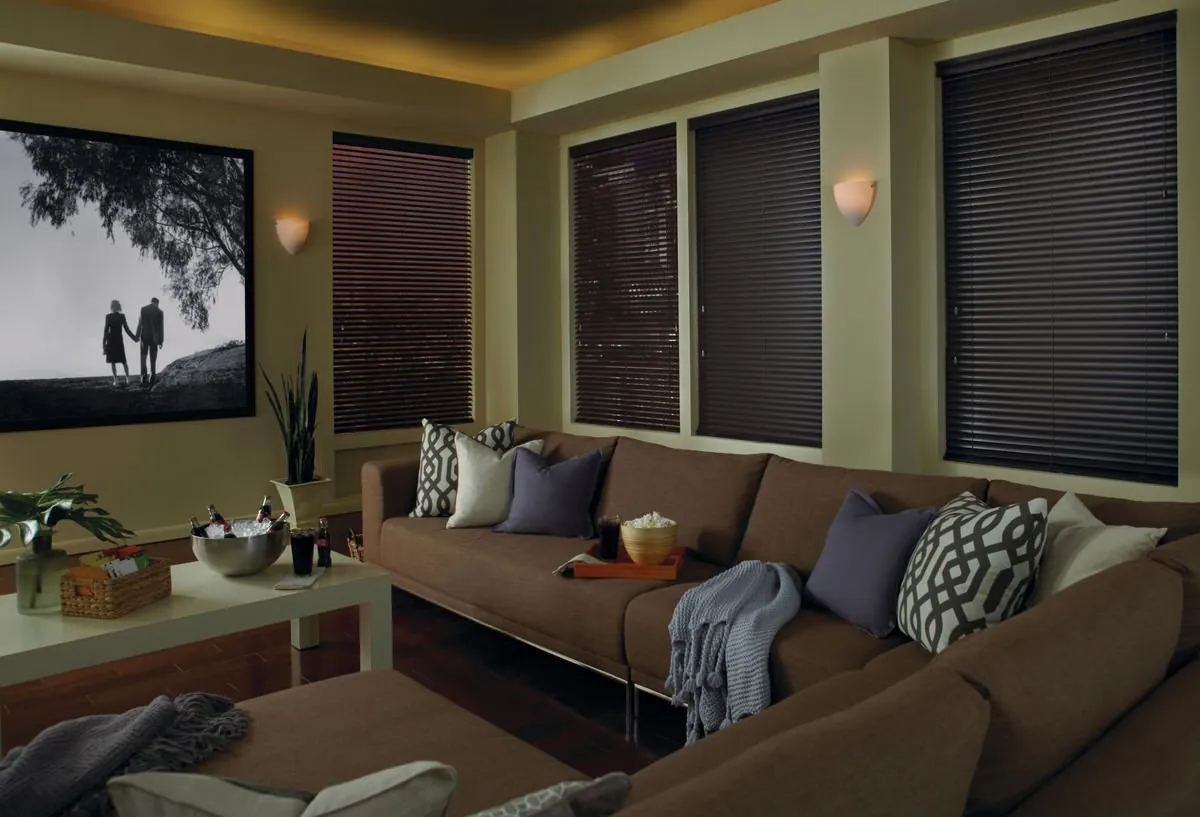
The ranch front window
A broad living-room window split into two or three blinds, sized so the slats line up from end to end.
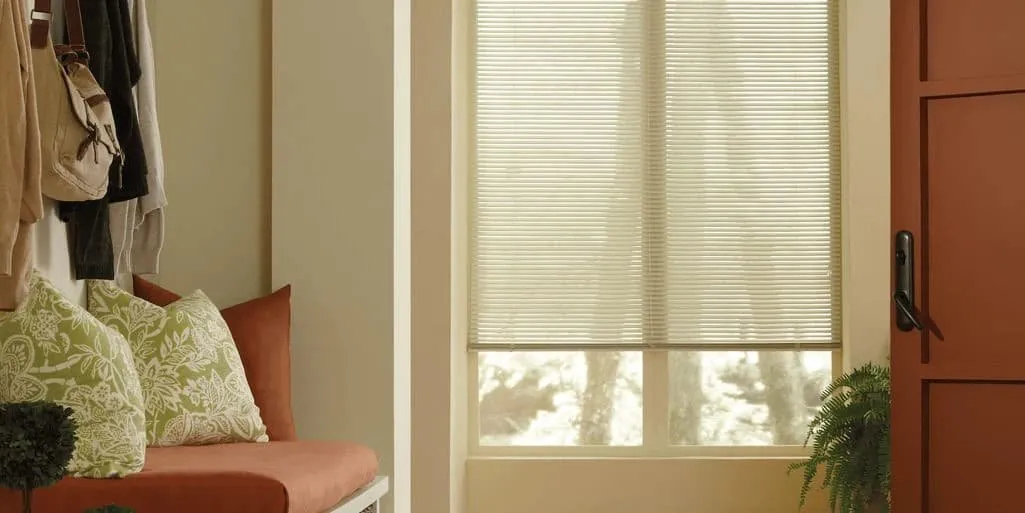
The entry sidelight
A narrow pane beside the front door. Metal blinds with their fine slats and slim headrail fit spaces like this.
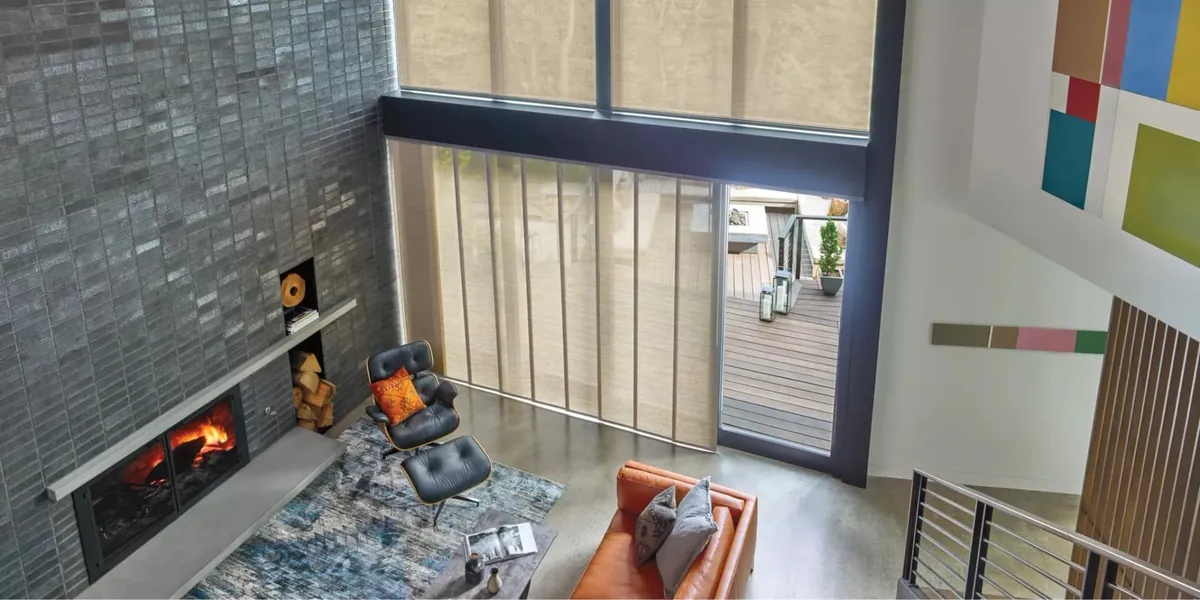
The patio slider
A door you walk through every day needs a covering that draws aside. Vertical blinds do exactly that.
Getting an angled bay right
Bay windows are where most of the care goes on an older Attleboro house. Picture a parlor bay with a wide center window and two narrower ones angled back to the wall. If you hang three stock blinds, the center one will be the wrong width, the sides will leave gaps, and the headrails will crash into each other at the corners.
Made-to-measure blinds solve that one section at a time. We measure each window of the bay on its own, at more than one height, since old frames are seldom true. Then we work out how the headrails meet at each angle. Inside the frame is the neatest option where there is enough depth, because each blind sits within its own window and the trim stays on view. Where the bay is shallow, we can mount above the opening instead, with the headrails returned to close the corners.
Color and slat size are chosen for the bay as a whole. Because you see all of its sections at once, any small difference in shade or slat spacing shows. We order the set together, from the same run, so it comes back matched.
The sill of a bay is often used as a seat or a shelf for plants. A blind that stacks short at the top when raised leaves that space clear, and a lift you can work from one side keeps you from leaning across cushions or pots to reach the middle window.
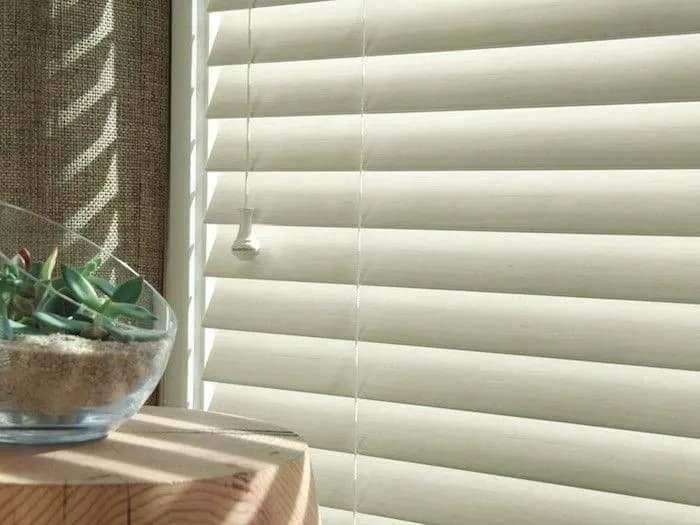
What to do with a transom
Transoms were built to bring light into the hall and the rooms behind the front of the house, and most of the time the best thing to do with them is very little. Many people leave a transom bare so the old shape stays visible from the street and the daylight it was made for still reaches the stairs.
There are times when it needs a covering, though. A transom over a west-facing door can throw a bar of low sun straight down a hallway in the late afternoon, and one above a bedroom window lets streetlight in at night. For those, a blind made to the exact width and shallow height of the opening can tilt to cut the glare while staying lowered all the time. Because transoms sit high, we usually suggest either a tilt wand long enough to reach from the floor or a PowerView motor, so no one has to fetch a step stool to adjust it.
Where a transom sits over a window that also has a blind, we match the two in color and line up their slats so the pair reads as one tall opening.
The older colonials on Oak Hill
Not every older house in town has a bay. Many of the colonials on Oak Hill and near downtown have a flat front with evenly spaced windows on both floors, a center door with a transom or sidelights, and deep casings inside that were built to be looked at. On these houses the blinds are less about solving an odd shape and more about respecting a symmetrical facade.
That means the blinds on the front should match exactly: the same color, the same slat size, the headrails at the same height on every window, upstairs and down. From the street, a colonial with even windows and even blinds looks finished, while one odd blind in a front bedroom catches the eye. Inside, the deep casings usually leave room for an inside mount, so the blind sits within the frame and the woodwork around it stays on show.
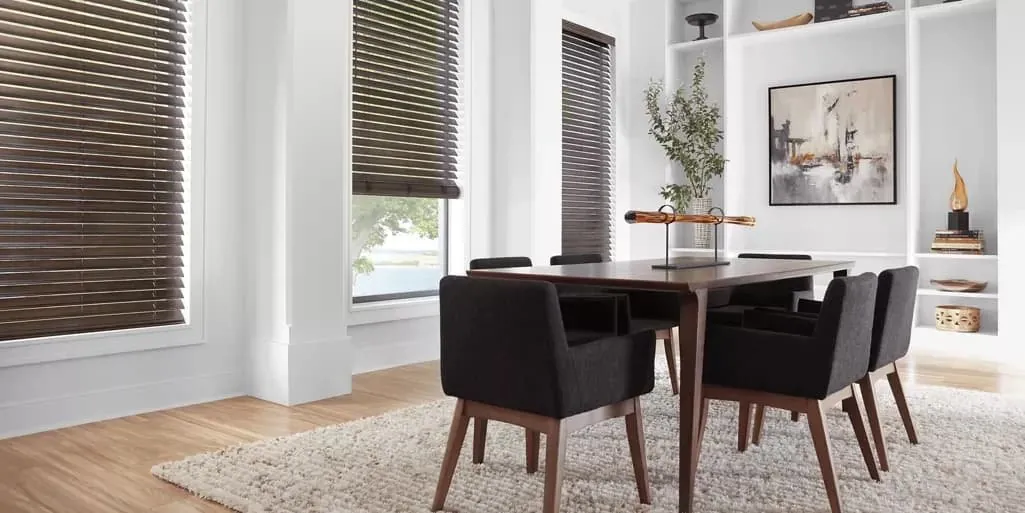
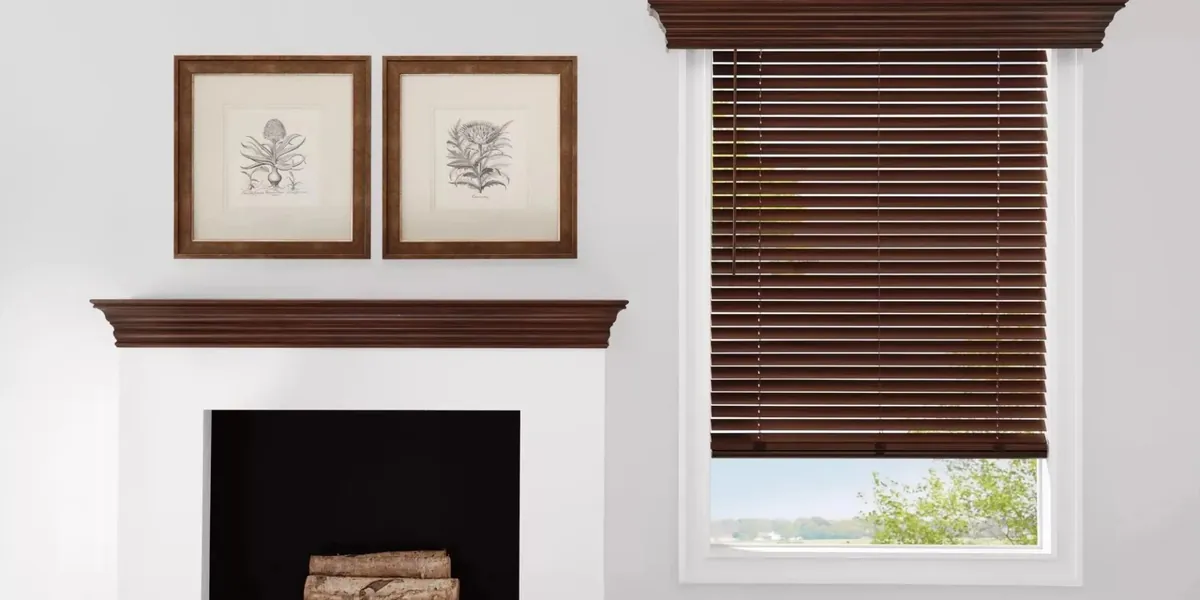
When we plan custom blinds in Attleboro for a colonial like this, we often suggest stained wood for a front room where the trim is stained, and painted wood or faux wood in the same white everywhere else. The street sees one even row; the rooms each get what suits them. Sidelights beside the center door can take slim metal blinds in the same color, so the entrance belongs to the set.
Split-levels off Route 123
The split-levels along and off Route 123 have their own logic. You come in at one level, the living room is a few steps up, the bedrooms are a half flight above that, and a family room sits a half flight down with windows close to the ground outside. Windows land at different heights on every level, and some sit over the stairs where they are hard to reach.
That mix is a good reason to plan the whole house at once. The lower-level family room often has shallow windows near grade, which suit a metal blind with its slim headrail, or a faux wood blind where the room doubles as a laundry or a playroom. The upstairs bedrooms take whatever suits their light. The window over the stairs is the one we talk through most carefully, because a blind there has to be worked from the landing.
On the outside, a split-level shows a lot of its windows to the street at once, across two floors that do not quite line up. Choosing one color for every street-facing blind helps the front look calm and deliberate, whatever is going on inside.
South Attleboro ranches
Down in South Attleboro, the housing is mostly single-story ranches. The windows are regular and the frames generally square, so fitting is straightforward. What makes a difference here is the choice of material and the way you work each blind.
The front window is usually the biggest in the house, and we often split it into two or three blinds so each one is light enough to raise easily, with the slats aligned across the whole width. Bedrooms along the hall may want a darker color and slats that close tightly for sleep. The kitchen window over the sink is a natural home for faux wood, and a lift that you can reach across the counter. If the ranch has a slider to the back yard, a vertical blind keeps the door free to open.
Ordering custom blinds for Attleboro ranches room by room in a single visit means everything comes back in one finish, so the front of the house looks consistent from the street.
Wood, faux wood, metal or vertical
All four types come from the Hunter Douglas range, and most houses end up with more than one. Here is how we usually help people choose.
Wood is warm and natural, and it is the material most people want for the parlors and dining rooms of the older houses downtown and on Oak Hill, where the window trim is part of the room. It can be stained to sit with original woodwork or painted to match.
Faux wood looks like painted wood from across the room. It is the material we suggest for kitchens, bathrooms and lower-level rooms in a split-level, and it can be color-matched to wood blinds next door.
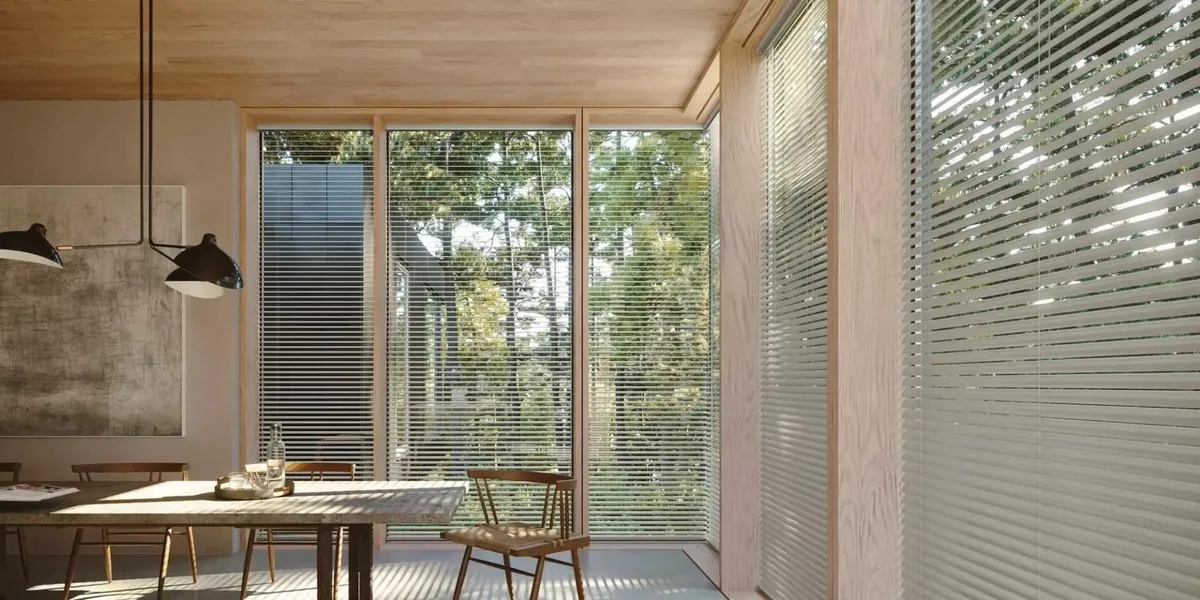
Metal has the finest slats and the shallowest headrail of the four. It suits narrow sidelights, shallow frames and rooms where you want a crisp, light look.
Vertical blinds hang from the top and draw to one side. They are the usual answer for a slider or a very wide window that you want to open across rather than up.
You can read more about each on our wood blinds, metal blinds and vertical blinds pages, or the whole range on our custom blinds page.
From the first call to the last bracket
Every blind is made to measurements taken in your house, so the visit is where the work really starts. This is how it usually goes for an Attleboro house with bays and transoms to think about.
- You ask for a time through Request a Consultation or the call button.
- We bring the samples to you in the van, so you choose against your own trim and light, not a picture.
- We start at the trickiest windows, the bay and the transom, and talk about what each one should do.
- You compare colors and slat sizes with the samples held up at those windows.
- We measure every opening, every section of the bay on its own, and check frame depth for an inside mount.
- We write up a free estimate for what you chose, and you can take as long as you need.
- Our certified Hunter Douglas installers come back to fit the blinds, line up the bay and check every control works.
To see the visit in more detail, read what happens at an in-home consultation.
Lifting and tilting
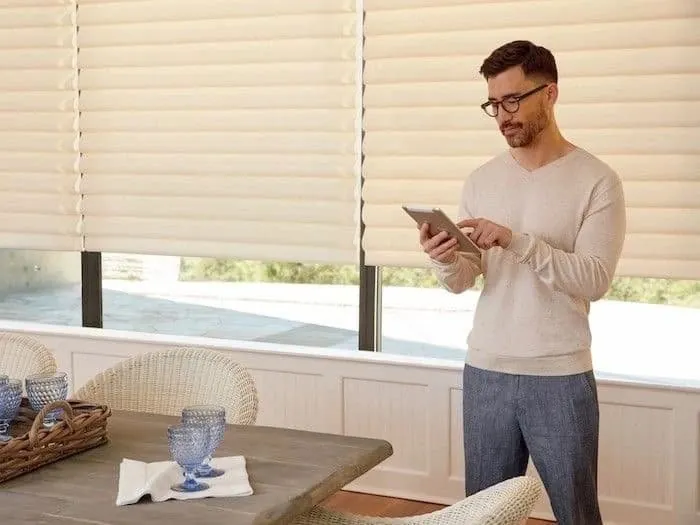
Every blind on your order can be worked a different way, and it is worth matching the control to the window. On a bay, a light blind with a cord or a cordless lift is easy to manage. A tall window may suit a wand for tilting. A transom or a stair window may be best with PowerView, which lets you tilt or raise the blind from your phone, a remote or a set schedule. We plan how each motor is powered at the visit. For more on that, see our motorized blinds in Attleboro page.
If there are young children or pets in the house, a lift with no hanging cord is the version we suggest first.
Light and privacy, window by window
The real job of a blind is to let you decide how much of the outside comes in, and how much of the inside shows. On a bay, that can change from one section to the next: the side facing the neighbor might stay tilted shut while the center one stays open to the yard. Because each section of the bay has its own blind, you can set them separately through the day.
On a street-facing window downtown, tilting the slats upward sends daylight to the ceiling while blocking the view in from the sidewalk. In a ranch bedroom, closing the slats firmly at night darkens the room. With custom blinds in Attleboro made to the inside of each frame, there are no wide gaps down the edges to let light and eyes past, which is the most common complaint about stock blinds in older houses.
Franklin is the showroom nearest Attleboro
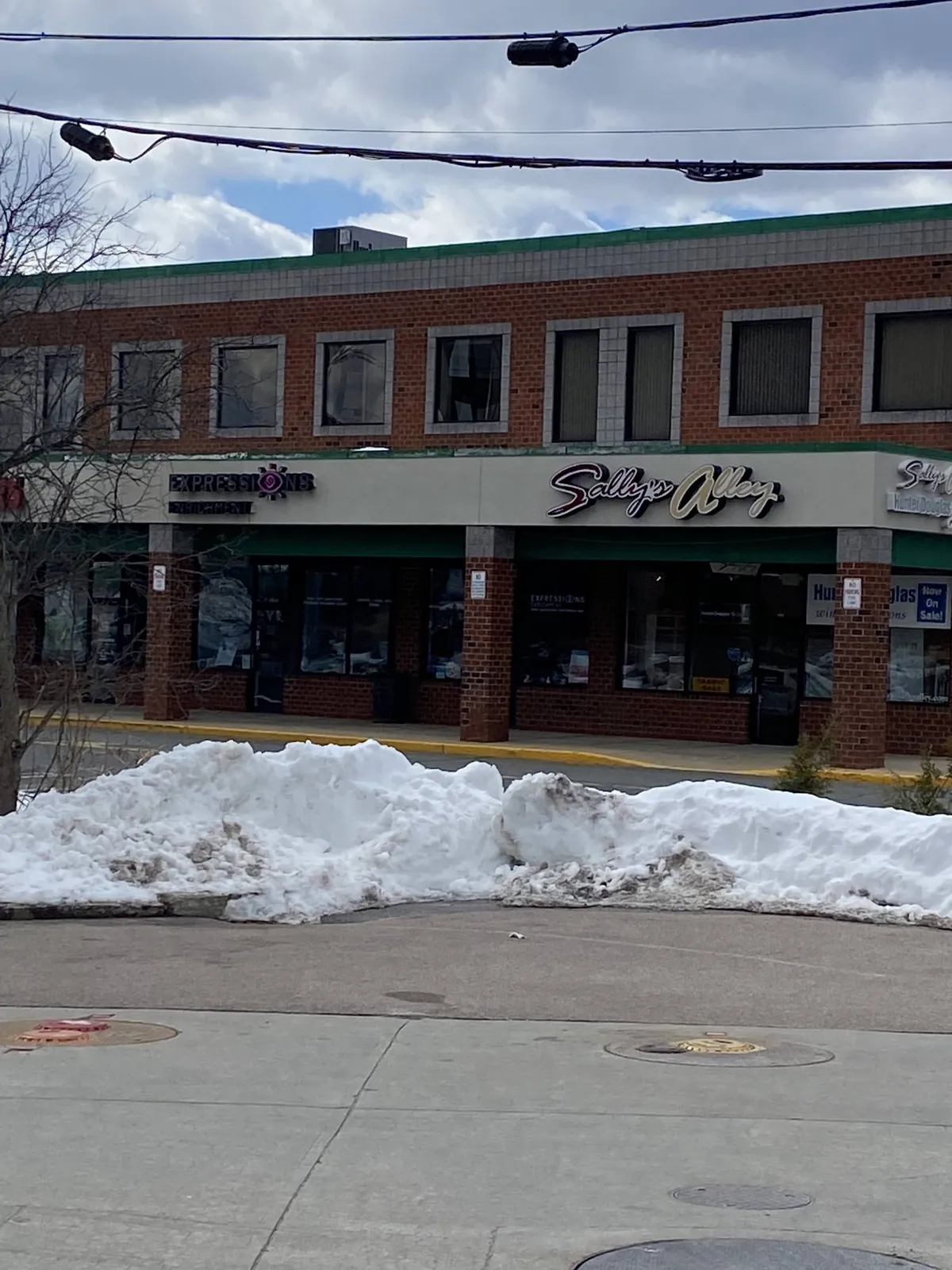
The showroom closest to Attleboro is in Franklin. Some people like to call in there before we visit and narrow their choices down, then have us bring samples to the house to check them against the bays and transoms.
Others prefer to skip the drive and start at home. Both routes end in the same place: a visit where we measure every opening and write up a free estimate.
The Franklin showroom’s address and hours are on the Franklin showroom page.
Other coverings for Attleboro houses
Blinds are one choice among several, and a bay or a bedroom sometimes calls for something different. As a Hunter Douglas Gallery dealer with certified installers, we can show you the full range on the same visit. Compare cellular shades in Attleboro, roller shades in Attleboro, roman shades in Attleboro and plantation shutters in Attleboro, which are a natural match for an older bay. Everything we offer in town is on our Attleboro page, and our Hunter Douglas dealer in Attleboro page explains what being a Gallery dealer means for you. We also repair blinds and shades you already own, and offer interior design consultations.
Questions from Attleboro
Can you fit a bay window with separate blinds that still look like one?
Yes. We measure each section of the bay on its own and plan how the headrails meet at the corners. Ordered together, the blinds come back in the same color and slat size, so the bay reads as one window.
Should I cover my transom?
Often it is best left open, to keep its shape and its light. If it lets in hard afternoon sun or streetlight, a blind made to its exact size can tilt to control the glare without being raised.
What suits the lower level of a split-level?
Faux wood works well where the room doubles as a laundry or playroom, and metal suits shallow windows near the ground outside. Both can be matched in color to the blinds upstairs.
Do you work in South Attleboro as well as downtown?
Yes. We fit blinds in South Attleboro ranches as often as in the older houses near downtown and on Oak Hill.
What does the estimate cost?
Nothing. After we measure, you receive a free estimate and can decide in your own time.
Start with the bay
If one window in your house has always been awkward, it is probably the bay or the transom, and that is the best place to start. Request a consultation and we will bring the samples to your door, measure every section and write you a free estimate for custom blinds in Attleboro, MA. If you would rather talk it through first, use the call button, or call in at the Franklin showroom.