
River houses below, hillside houses above
Blackstone is a town in two levels. Down along the river, the mill-era housing stands close together, with the original narrow openings these houses were built with. Climb the steep streets and the housing changes to post-war capes and ranches spread across the hillsides, looking down over the roofs below.
That layout shapes almost every conversation we have about window treatments in Blackstone, MA. In the village stock by the river, the neighbor is near and the windows are slim, so the job is privacy and a neat fit. On the hillsides the windows are a standard size, but a steep street means the house uphill can look down into yours, and yours can look down into the one below.
We take each house as it comes. A narrow mill-era window and a ranch picture window can sit only a few streets apart, and they need quite different answers.
Pick a service for your Blackstone home
There is a Blackstone page for each service. Open a card to see how that product suits the river houses and the hillside ones.
Custom blinds
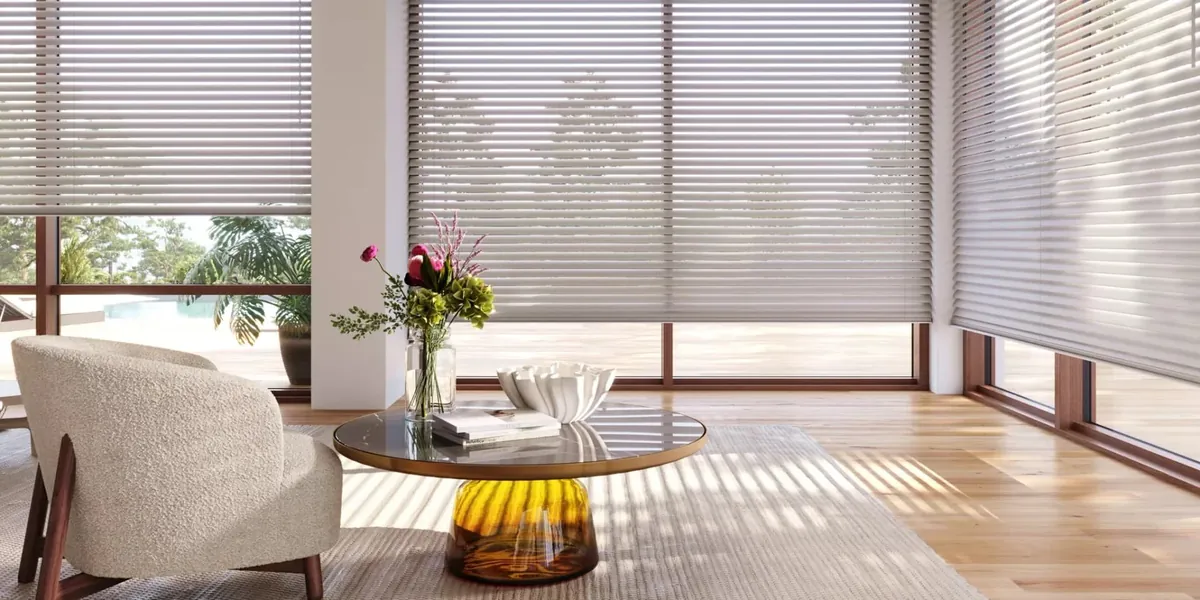
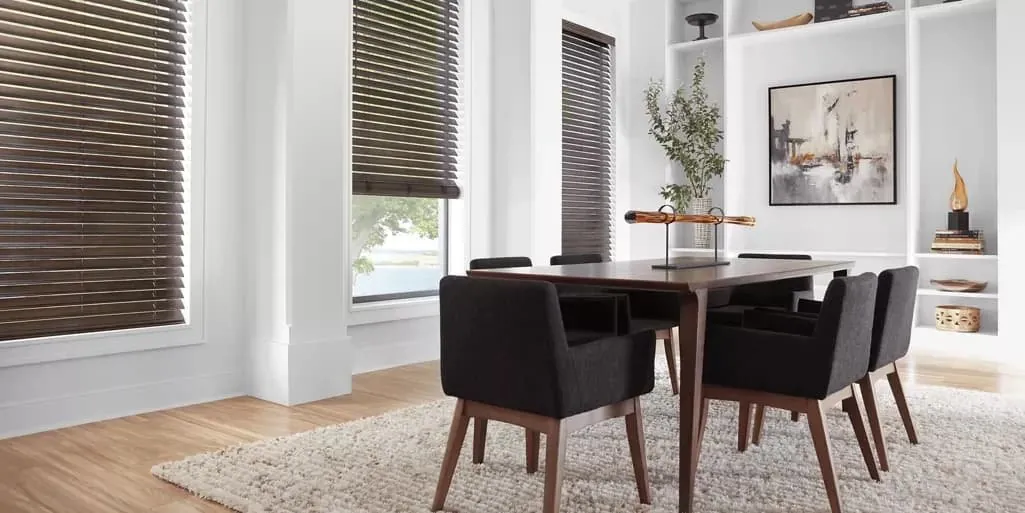
Real wood, faux wood, metal or vertical. Tilting slats cut a sightline from above or beside without shutting out the day.
Cellular shades
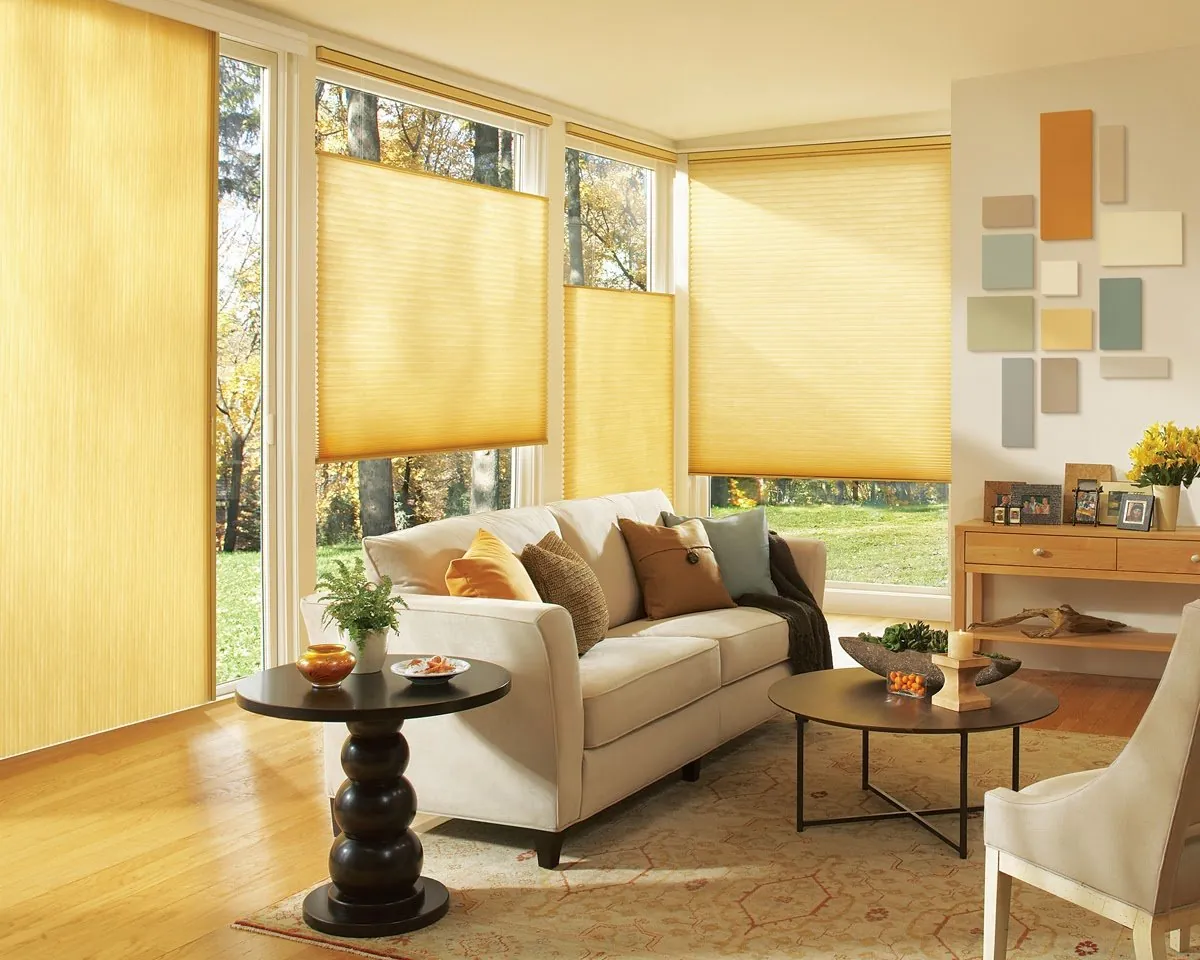
Duette and Applause honeycombs. The cells hold air against the glass, so the room keeps more of its heat.
Roller shades
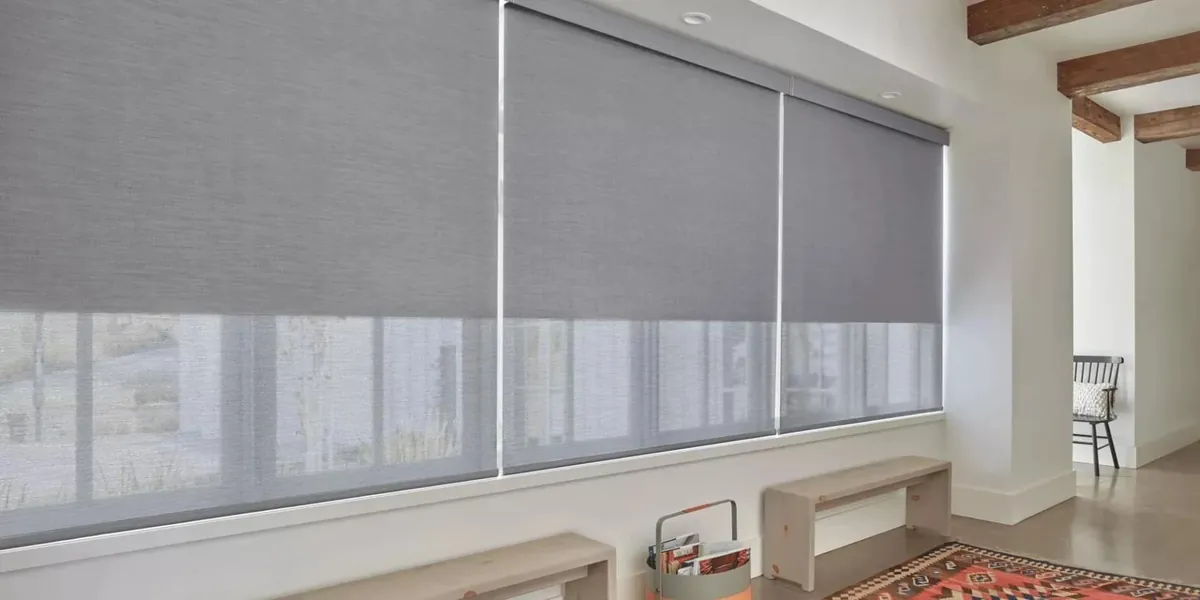
Solar screens and plain rollers from the Designer and Alustra lines. Pick the openness by how much view you want.
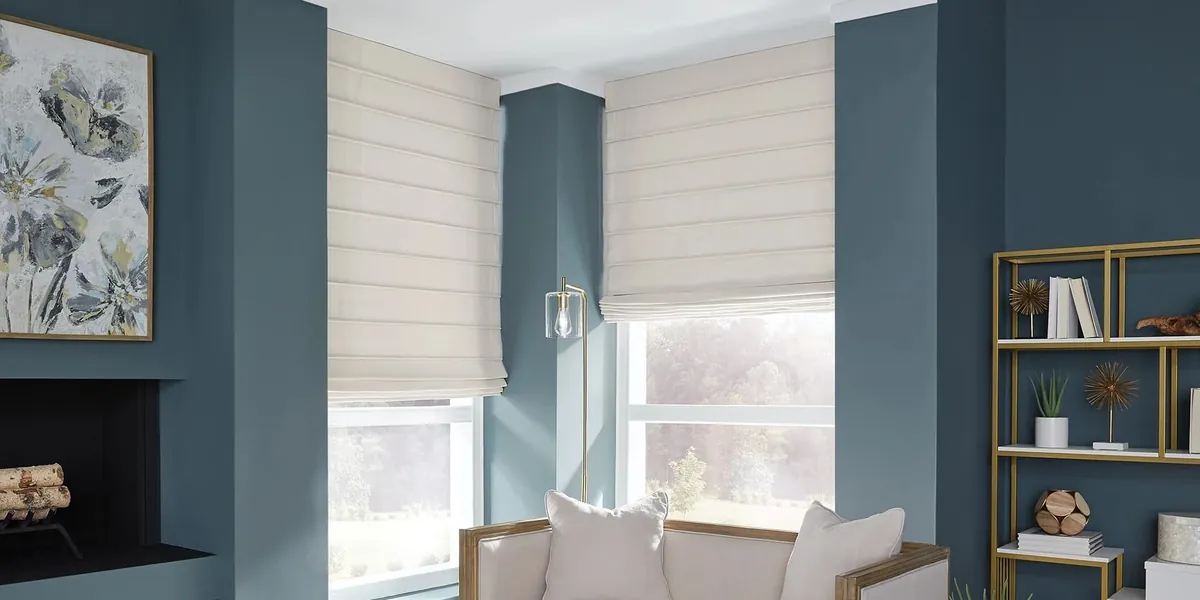
Roman shades
Flat and folded styles from Vignette and Carole Fabrics, a soft finish for a front room or bedroom.
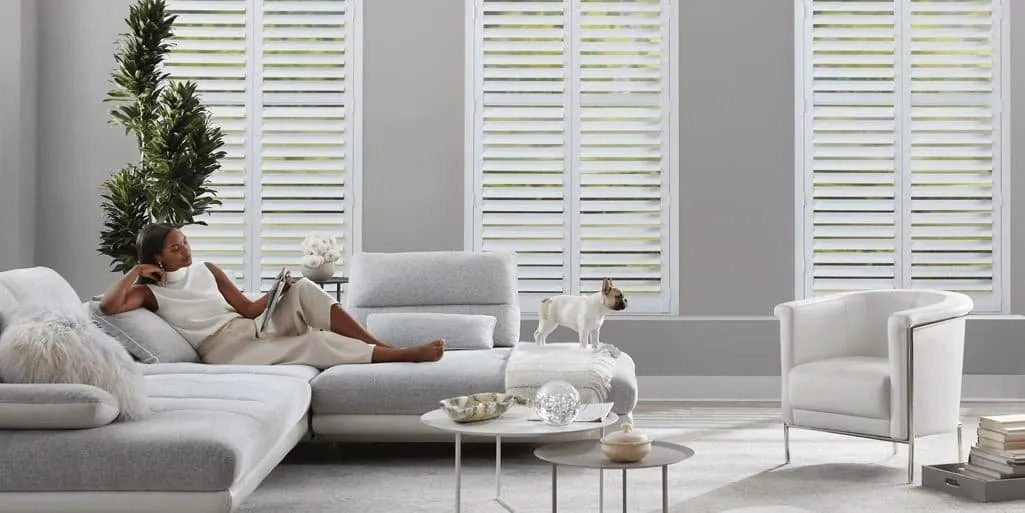
Plantation shutters
Shutters from Palm Beach, NewStyle and Heritance, each with a frame and louver to suit its window.
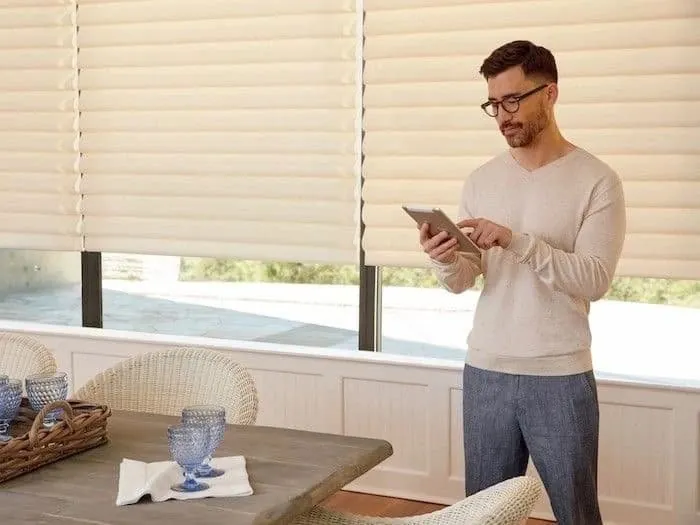
Motorized blinds and shades
PowerView shades that open and close by remote, by app or on a timetable you set.

Hunter Douglas dealer
Blinds & Designs is a Hunter Douglas Gallery dealer, and certified Hunter Douglas installers fit every order.
The mill-era houses along the river
The housing near the river went up close together, and the original openings are narrow. A slim, upright window has its own proportions, and a covering that is too heavy or sits too far outside the frame can make it look squat. In most of these houses we aim to keep the covering inside the opening so the trim and the narrow line of the window still show.
Not every old frame has the depth for that, and the depth often varies from one window to the next in the same room. At the visit the consultant checks each frame before suggesting a mount. Where an inside mount fits, it is the tidiest choice. Where it does not, we show you how an outside mount would sit and choose slim hardware to keep it neat.
Simple shapes suit these windows. A honeycomb shade folds into a small stack at the top. A roller tucks almost entirely away. A blind in wood or faux wood tilts to let light in while blocking the view. In a front room, a plain-fabric roman, folded flat, brings softness without crowding the narrow glass.
Close neighbors on the village streets
Close-set housing means side windows that face each other across a small gap. These windows often supply real daylight to a kitchen, a stair or a dining room, so covering them all day is not a good answer. Leaving them bare puts the room on show.
What you want is daylight with no clear view in. Several products do it well:
- Slats and louvers on a blind or shutter, tilted up, send daylight to the ceiling while cutting the line of sight from next door.
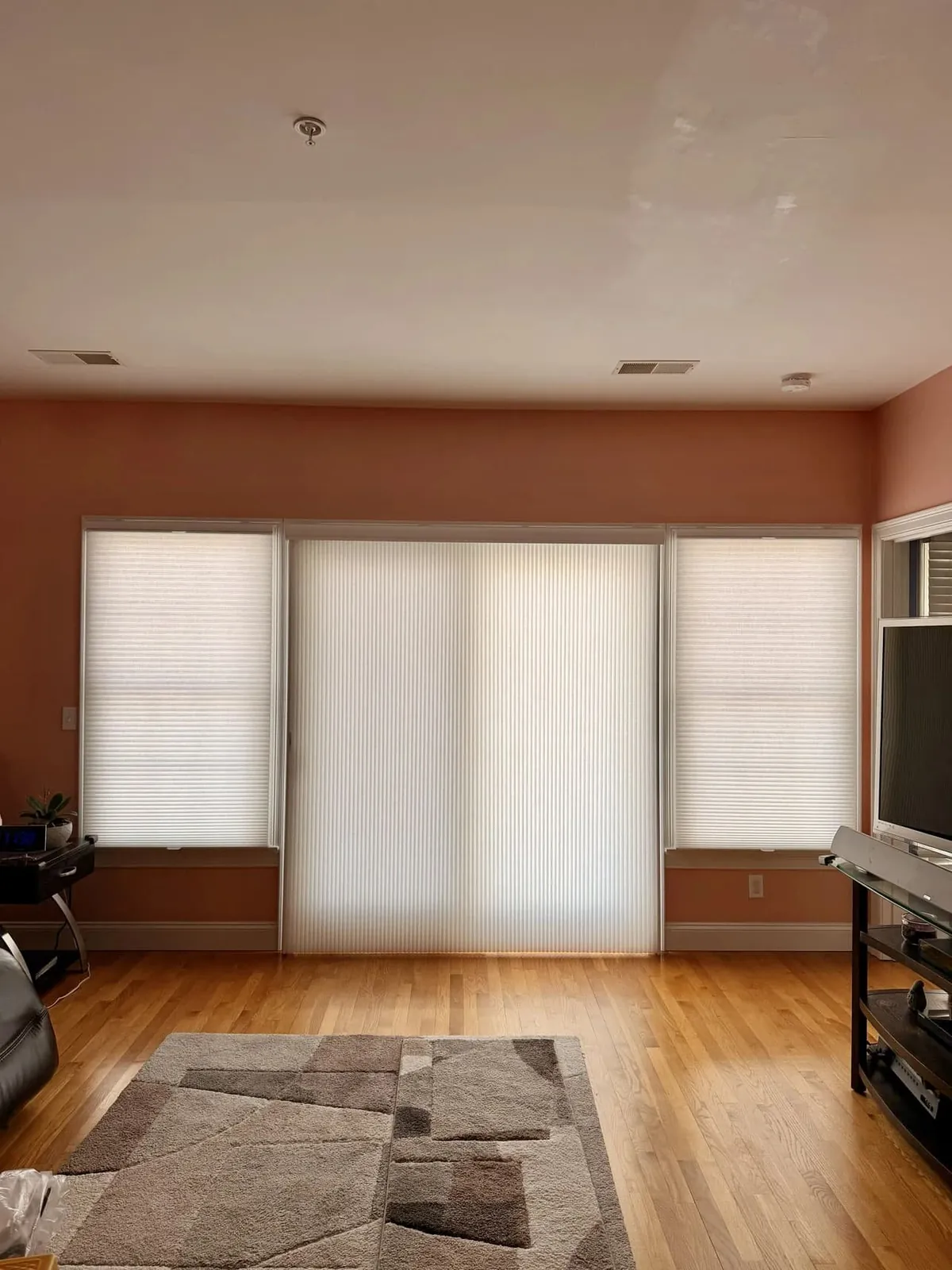
- Light-filtering fabric in a honeycomb or roller gives a soft glow through the window and no view into the room.
- Sheer shades such as Pirouette or Silhouette have fabric vanes you can open for brightness and close for privacy.
- Cafe shutters cover the lower part of the window only, keeping eye level private and the top clear for light.
At night the balance flips. Lamps inside make the room the bright side, so a light fabric that worked by day may not hide the room after dark. For bedrooms and evening rooms facing a close neighbor, we usually suggest a denser fabric, or a blind or shutter that closes fully.
Steep streets change the sightlines
On flat ground, privacy is mostly about the house beside you. On Blackstone’s steep streets, it is also about the house above and the house below. A hillside home can look straight down into the windows of the house below it, and the house above can see into yours.
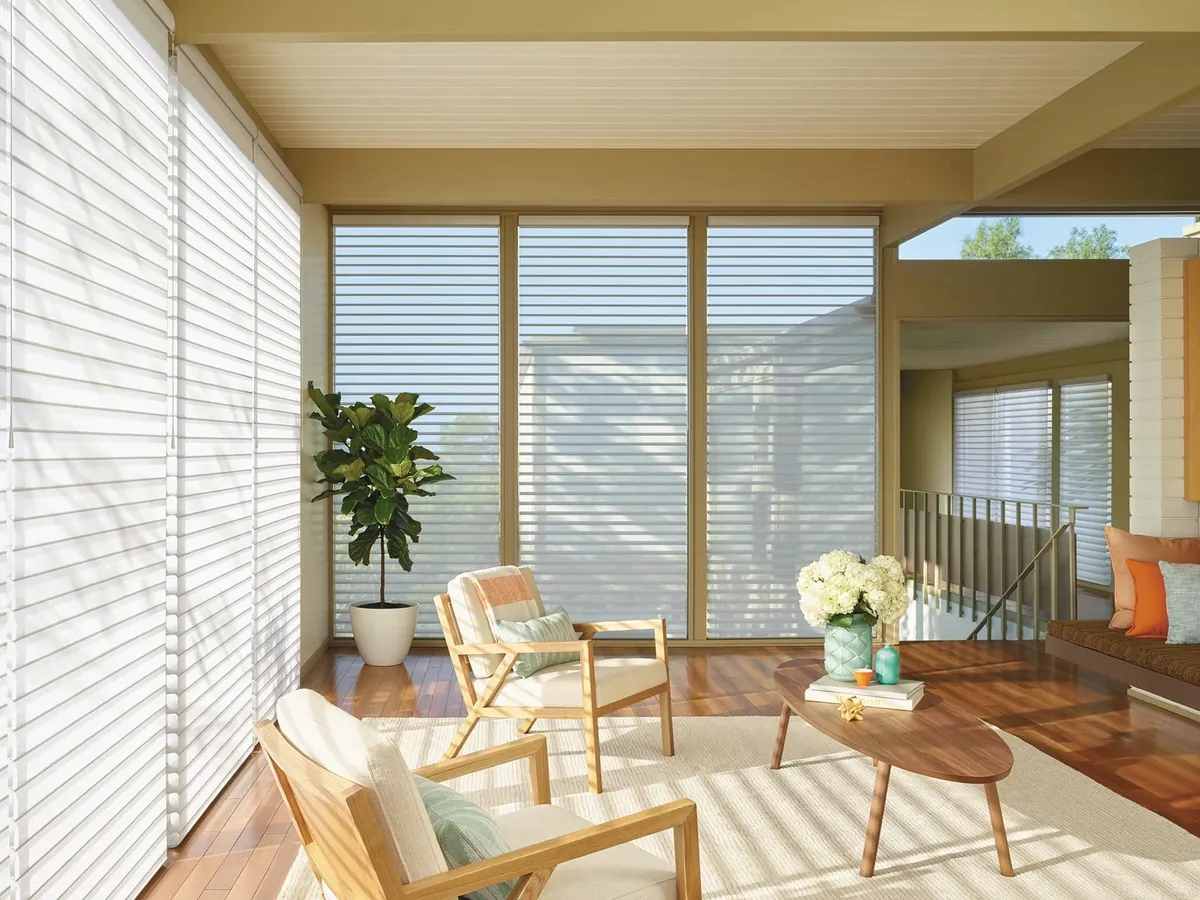
This changes which products work best. A shade that covers only the lower half of a window, like a cafe shutter, may not help when the view comes from higher up. Tilting slats need to be set at the right angle: tilted one way they block a view from above, tilted the other they block a view from below. A honeycomb or roller in a light-filtering fabric works from any angle, because it hides the room entirely while still letting the light through.
When we visit, we look out of each window as well as at it. Where you can see the neighbor’s windows, the neighbor can see yours, and that tells us which rooms need privacy first. Choosing window treatments in Blackstone, MA, on a slope is as much about where the other houses are as about the window itself.
Windows that face the street from above or below
Steep streets do something else, too. A house set high above the road has front windows that look down on the traffic, so passers-by mostly see the ceiling and the upper wall of the room. A house set below the road has the opposite problem: anyone walking past looks down and straight in. Which side of the street you live on matters as much as how close the neighbors are.
For a house below the road, we treat the front rooms as privacy rooms first. Shutters or blinds that close fully, or a honeycomb in a fabric that hides the room by day and by night, are the usual answers. For a house above the road, the front rooms can often stay lighter and more open, with a sheer or a light-filtering fabric that softens the sun without making the room feel shut in. Getting window treatments in Blackstone, MA, right on a hill often comes down to this simple check from the sidewalk.
Stairs and landings in a hillside home
Houses built into a slope often have more stairs than houses on flat ground: a set of steps from the street, a split between levels, a stair to a lower room that opens onto the yard. Each change in level tends to come with a window, and those windows are often in awkward places, high on a wall or above a stair where no one can comfortably reach.
Where the window faces open ground, leaving it bare is often fine. Where it looks into a neighbor’s house, a shade sized to the glass and run by PowerView means it can be raised and lowered without anyone leaning over a stair rail. A light-filtering fabric keeps a stairwell bright, which matters when it is the only daylight on that level.
A lower room that opens onto the yard is its own case. With the ground outside at or near the level of the glass, those windows can feel very exposed, and the room behind them is often a den or a spare bedroom used in the evening. A covering that closes fully, such as a blind, a shutter or a denser honeycomb, keeps that room private once the lamps go on.
Capes on the hillsides
The post-war capes on the hillsides are compact houses with a simple, regular layout. Their windows are mostly standard sizes, which makes the fitting straightforward and opens up the whole Hunter Douglas range.
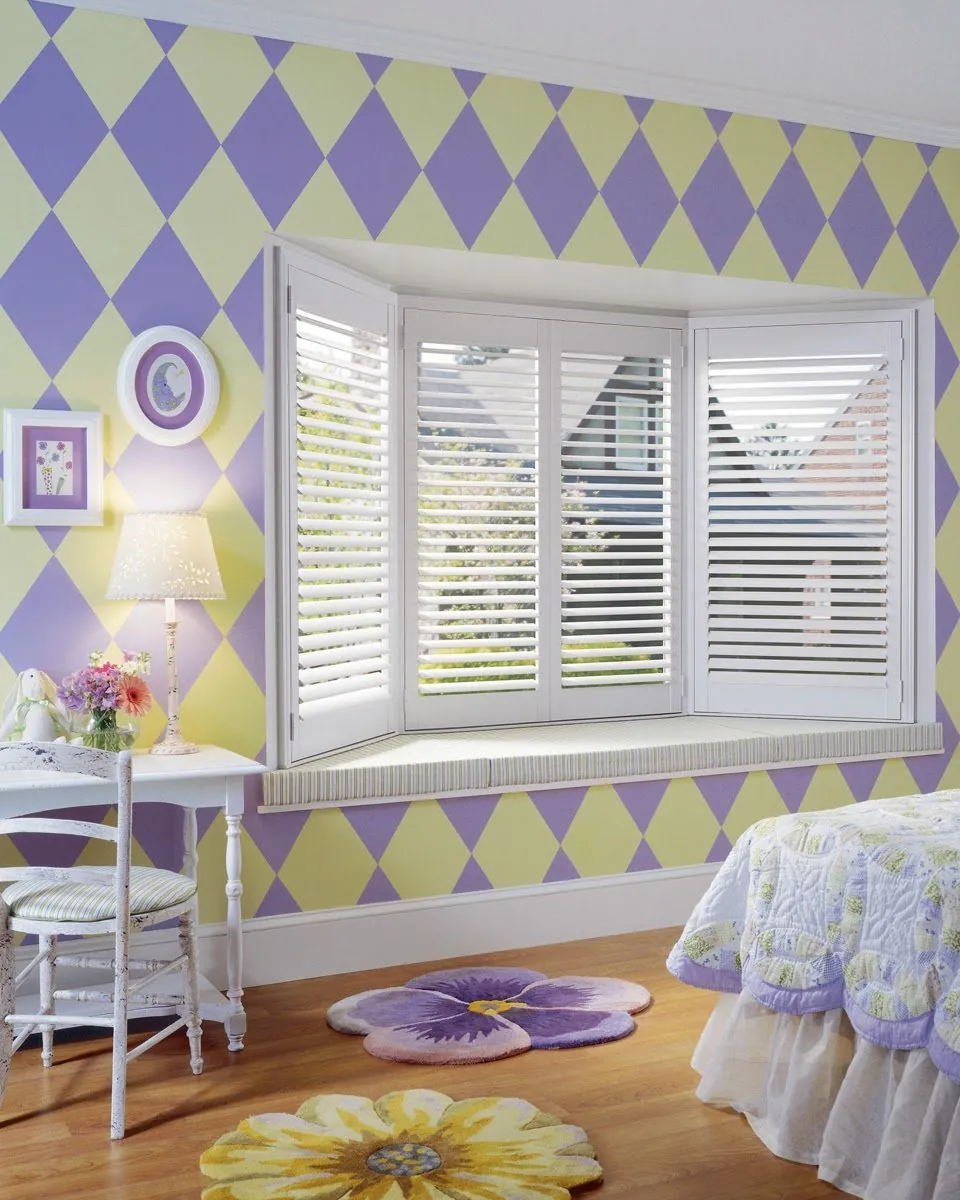
Downstairs, the living room usually faces the street, and on a hillside that may mean facing down over the roofs below or up toward the houses above. Shutters suit a cape front well and give an easy way to manage both light and privacy. Honeycombs or romans work nicely in the living room and dining room.
If the upstairs rooms sit under the roof, their windows may be small and set into dormers or gable ends. A covering made to the exact size of each one keeps them neat. In bedrooms, a heavier fabric on a honeycomb or roller gives a dim room at night.
Ranches above the valley
Ranches put everything on one floor, often with a wide window in the living room and a slider to the yard at the back. On a hillside, that wide window may have a long view out over the valley, which is worth keeping.
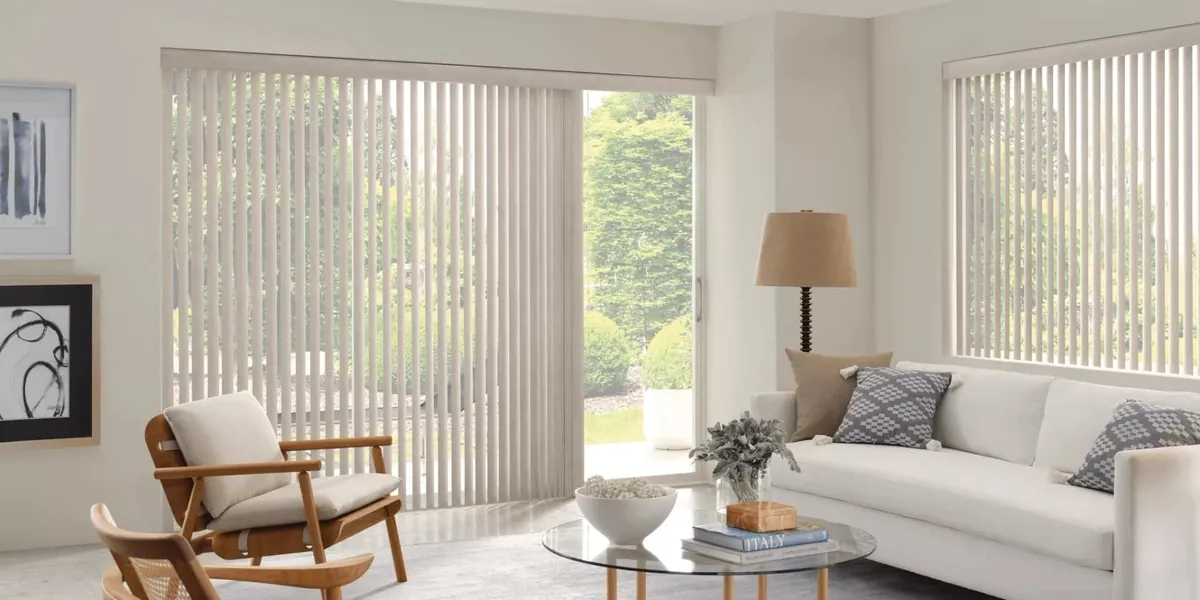
Wide glass is where rollers and solar screens shine. With a screen, the outlook stays and the glare drops; a more open weave shows more valley, a tighter one blocks more sun. A honeycomb split into sections on one headrail is another good way to cover a wide window. For the slider, a vertical blind or vertical honeycomb gathers at the side of the slider so you can step straight out.
Planning window treatments in Blackstone, MA, for a hillside ranch also means thinking about exposure. Because the ranches stand higher on the slope, some of their windows catch more sun and wind than the sheltered houses by the river. A west-facing living room on an open hillside can heat up on a summer afternoon, and we plan the fabric with that in mind.
Holding on to warmth
The mill-era houses were built long before modern glazing, and the original narrow sash can let a chill into a room on a winter evening. Honeycomb shades help in a direct way: each cell holds air between the glass and the room, so a Duette or Applause shade drawn down after dark slows the loss of warmth through the old glass. The guide to cellular shades and winter heat explains how it works.
On the hillsides, the capes and ranches facing into the wind gain from the same thing. Pairing a honeycomb with drapery in a living room adds another layer and a softer look.
Letting PowerView do the climbing
A steep town has plenty of stairs, inside the houses as well as outside. A tall window above a staircase, a high window in a raised living room or a run of windows along a hillside ranch can all be awkward to reach.
PowerView lets you raise and lower shades with a remote or an app, or set them to a schedule so they lower before the afternoon sun and rise again in the morning. Several shades can move together as a group. How every motor gets its power is part of the plan we make with you at the house. Our page on motorized blinds and shades shows the range.
Choosing room by room
Most homes end up with a mix rather than one product everywhere. A few examples of how it tends to go in Blackstone:
River house front room. Faces the street up close. Shutters or a roman inside the slim frame.
River house kitchen. Faces the next house across a gap. Faux wood blinds, or a light-filtering roller, hold back the view while the kitchen stays bright.
Hillside cape living room. Faces the slope. Honeycombs or shutters, chosen for the direction the neighboring houses lie.
Ranch living room. Wide glass with a valley view. A solar screen or a sectioned honeycomb.
Bedrooms anywhere. A darker fabric for evening privacy and a dim room.
For more on making the main choice, see our guides on shades or blinds and shutters for older windows.
A Hunter Douglas Gallery dealer for river houses and hillsides
The difference between a narrow mill-era sash and a wide ranch window is exactly why range matters. Blinds & Designs is a Hunter Douglas Gallery dealer, with access to the complete Hunter Douglas line.
Fitting is done by installers certified by Hunter Douglas. Around that sit the services that make a project easy: sample vans that come to your door for in-home consultations, an estimate that costs nothing, interior design consultations, PowerView automation, and repair work on blinds and shades you already have. See our page on blind and shade repair.
A visit to your house
The showroom comes to you: our vans are stocked with samples, so you can hold each fabric up in your own window, with the real light and the real view of the houses above or beside you. In a town of steep streets and close neighbors, that is the only true test.
- Show us the rooms you want to cover and tell us what you want to fix in each.
- The consultant looks out of each window to see where the sightlines come from.
- Each opening is measured and its frame depth checked.
- Samples go up at the glass so you can judge the light and the privacy for yourself.
- You get a free estimate and room to decide in your own time.
Read more on the in-home consultations page. If you would like help with color and fabric across several rooms, ask about interior design consultations.
When the order arrives, certified Hunter Douglas installers fit each covering, check it in its own window, pair any PowerView motors and show you how it all works. See what happens on installation day for the details.

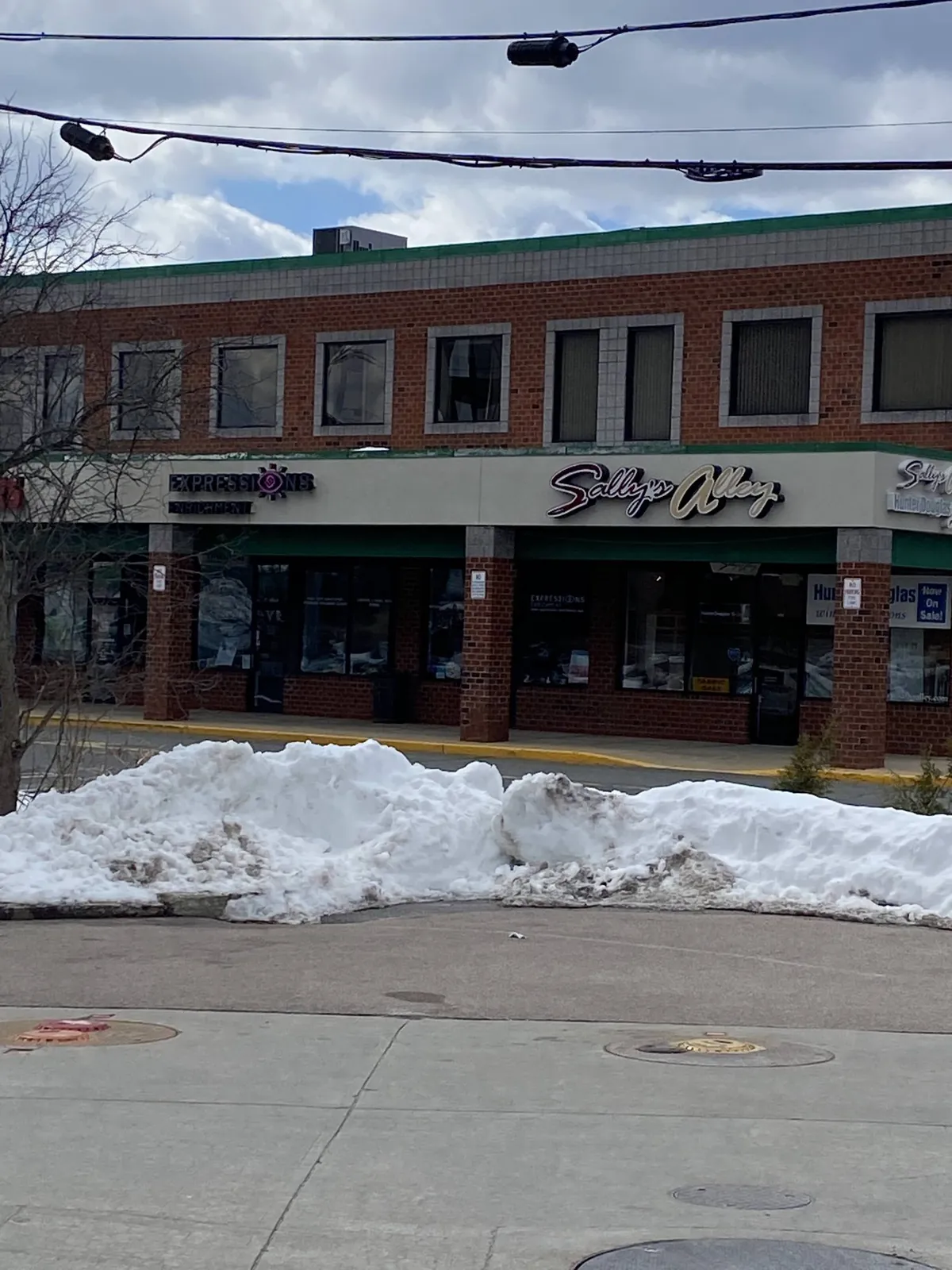
Our Franklin showroom is the closest to Blackstone
Franklin is the nearest Blinds & Designs showroom for Blackstone. Some people like to visit first, bringing a photo of a slim river-house window or a ranch picture window.
The final decision usually happens at home, though, where you can see how a sample handles the view from the street above or the house next door. Many people do both.
Questions from Blackstone
The house up the hill can see into our windows. What helps?
A light-filtering honeycomb or roller hides the room from any angle while still letting light in. Blinds and shutters work too, with the slats set to block the view from above.
Will a covering fit the narrow openings in our mill-era house?
In most cases. We check the frame depth at each window. Where it allows, an inside mount keeps the narrow line of the window. Where it does not, we choose slim hardware for an outside mount.
Our ranch has a wide window with a view over the valley. How do we keep it?
A solar screen takes the glare off while keeping the view. Its openness controls how much of the outlook you see, and we bring several to compare.
Can upstairs windows in a cape be covered neatly?
Yes. Each covering is made to the measured size of its window, so small upstairs windows get coverings that fit them exactly.
Do you charge for the estimate?
No. Estimates are free, and you can take as long as you like to decide.
Ready when you are
The best way to settle on window treatments in Blackstone, MA, is with the samples in your own windows, whether you live by the river or high on the hill. Ask for a consultation and the van comes to you; we check every window and its sightlines, then leave a free estimate. You can also reach us through the call button, or call in at the Franklin showroom.
If you want to see the whole range first, our window treatments page has it all.