
Light from every side of the room
Norfolk is a town of colonials and capes set well apart on large wooded lots, and much of it was built in the later part of the last century or since, with standard modern openings throughout. The density is low and the setbacks are real, so houses are not hemmed in by their neighbors. One result is that many rooms have windows on two or three walls. A corner living room may take morning sun on one side and afternoon sun on the other, with filtered light through the trees on a third. That is the starting point whenever we plan roller shades in Norfolk, MA.
Rooms lit from several sides are lovely to live in, but they are harder to shade than a room with one window. The light moves round the room through the day, and a fabric that is right for the east wall at breakfast may be wrong for the west wall at supper. Glare can come from an unexpected angle, bouncing off a neighbor’s roof or a snowy lawn.
A roller is a good tool for this. Each window can have its own shade at its own height, all cut from the same cloth so the room stays calm, and the fabrics run from a fine screen to full blackout. The planning is in choosing which cloth goes where, and how the shades work together.
Roller shades in Norfolk, MA, for colonials and capes
Our vans are stocked with the whole Hunter Douglas roller family. Here are the six we suggest most often in Norfolk, each linked to the page that explains it.
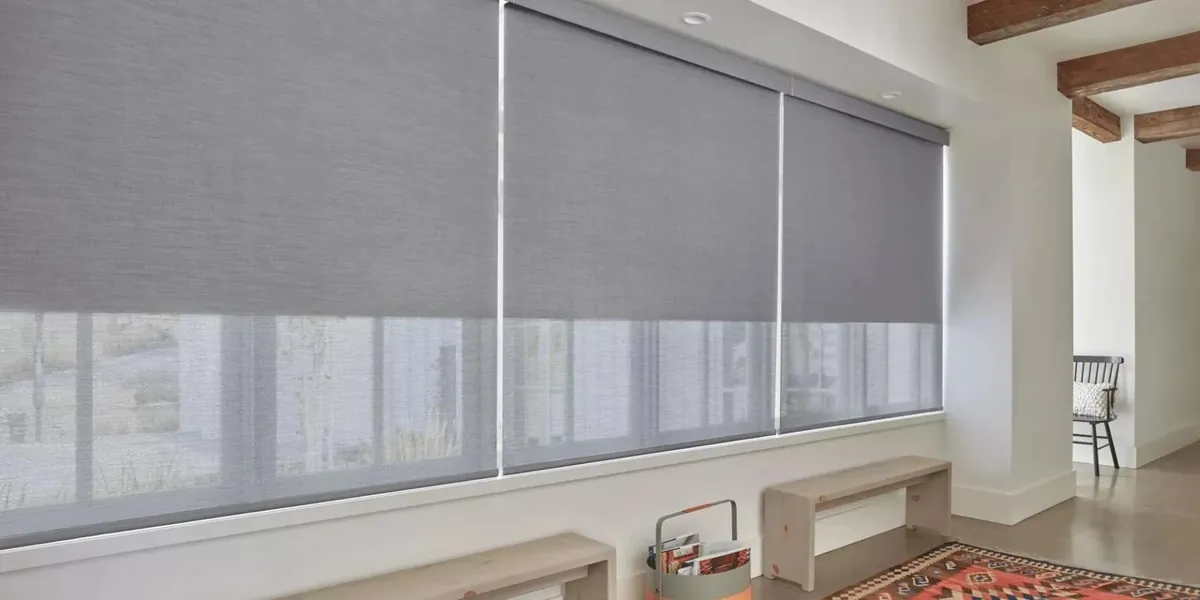
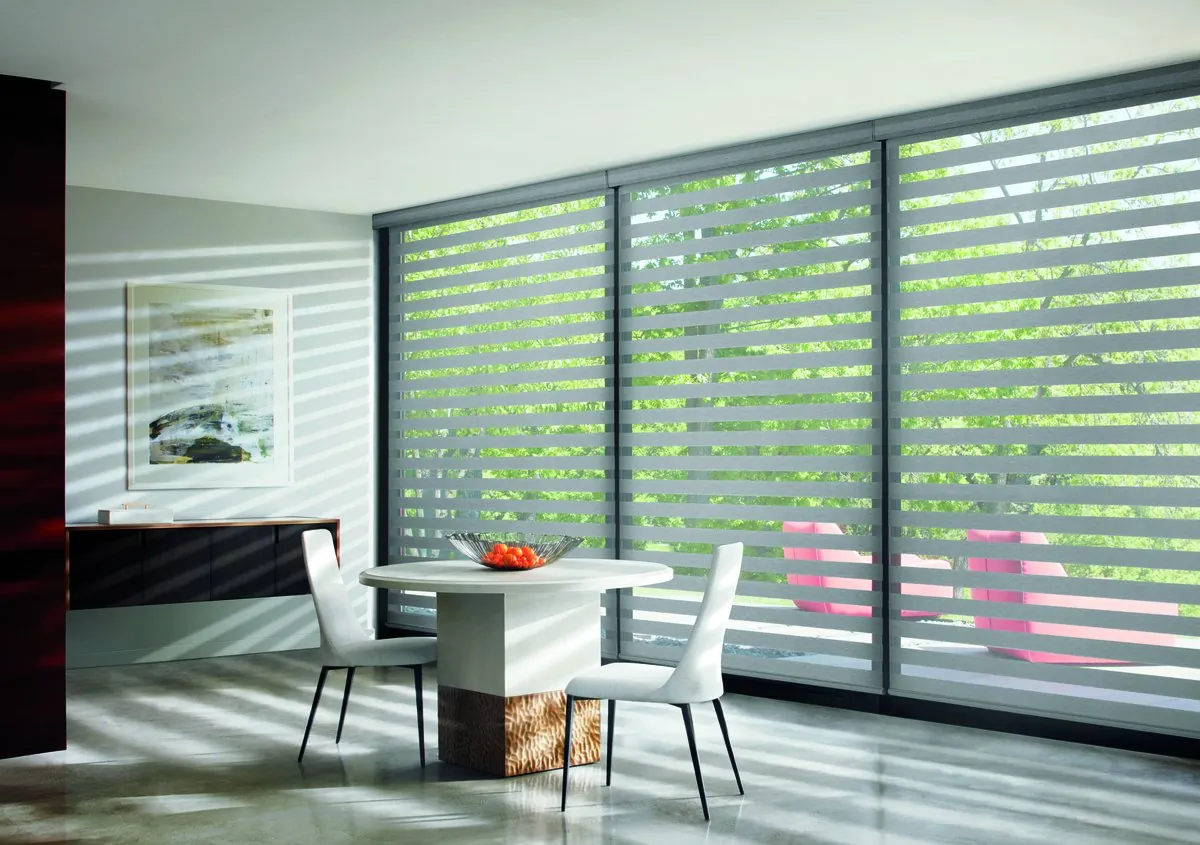
Designer Roller
Plain, textured and patterned roller cloths from light filtering to blackout. A dependable choice in every room.
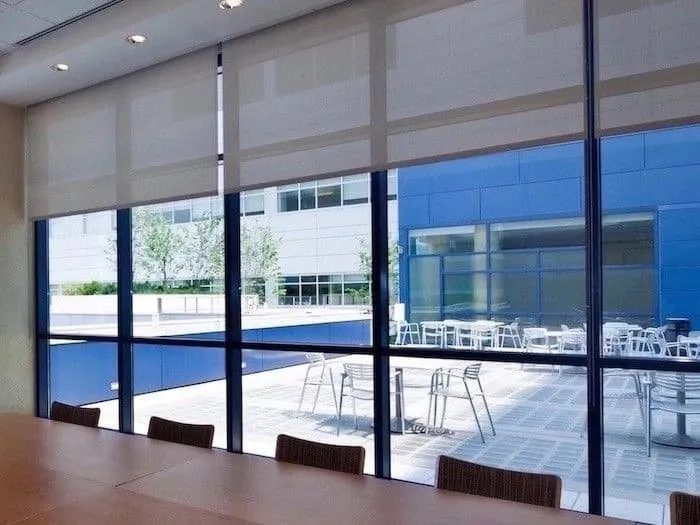
Designer Screen
Solar screen fabric that cuts glare and heat but keeps a view of the woods. Best on the sunniest walls.
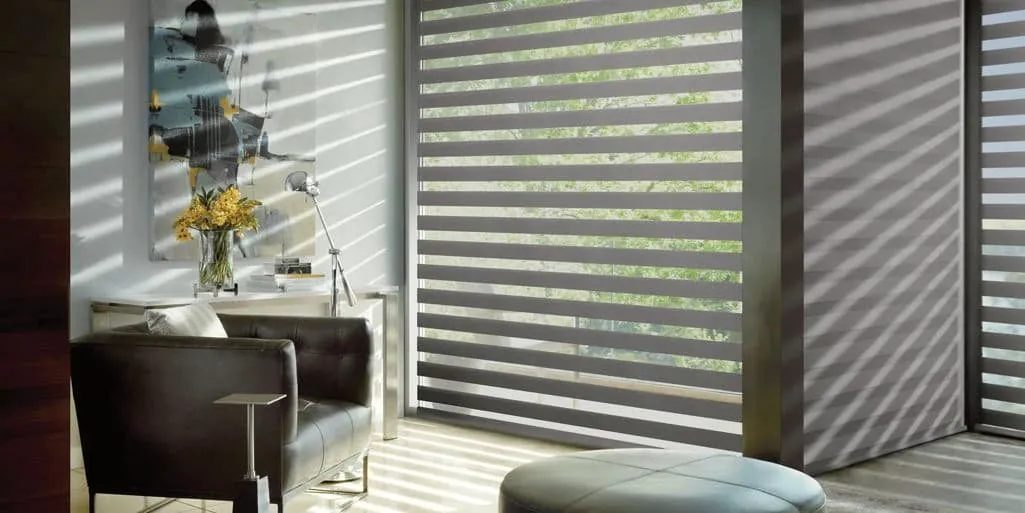
Designer Banded
Alternating sheer and solid stripes in two layers that let you move between an open view and privacy with one shade.
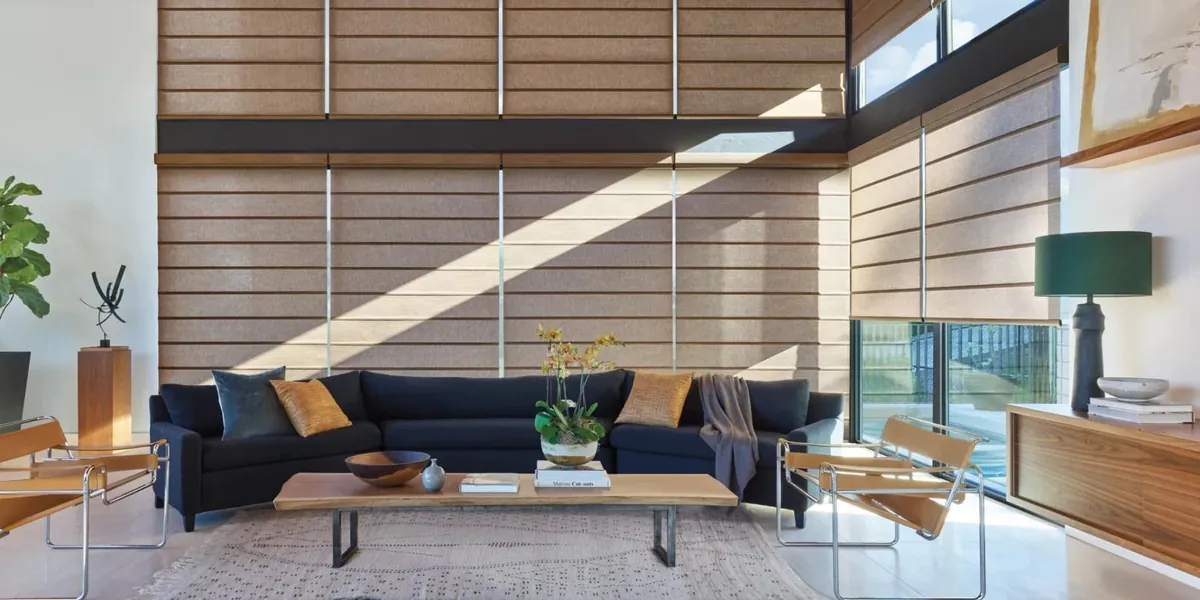
Alustra Architectural
Hunter Douglas’s top tier of roller fabrics, for a tall family room or an open plan with a lot of glass.
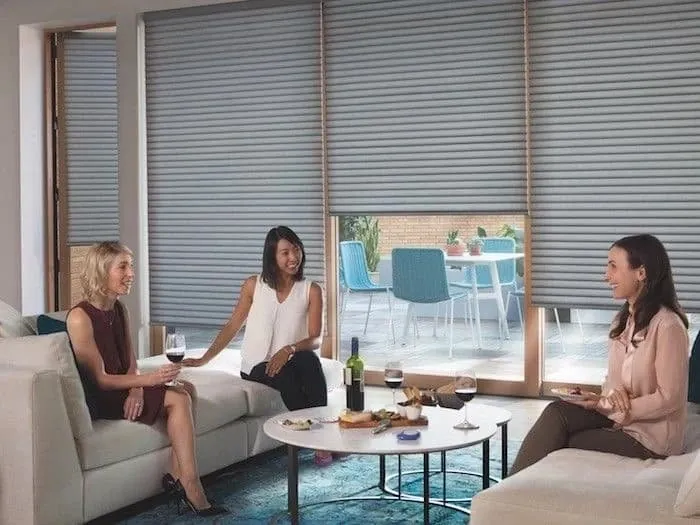
Sonnette Cellular Roller
A rolling shade with a gently curved cell of fabric, softer in outline than a flat roller.
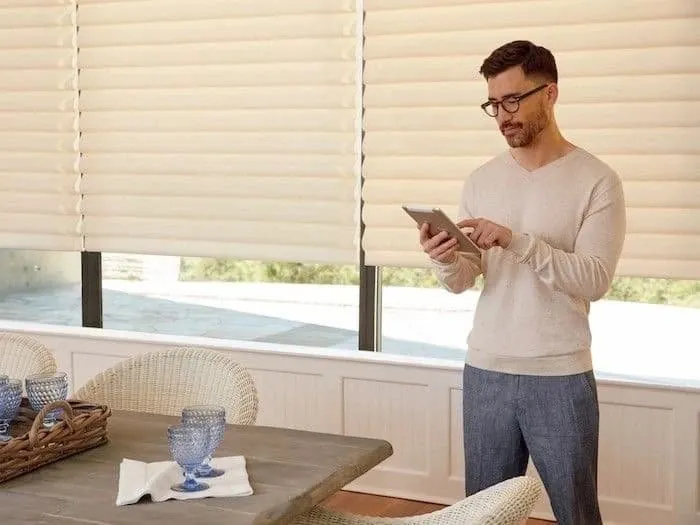
Motorized Blinds in Norfolk
PowerView runs rollers from an app, a remote or a schedule. Our Norfolk motorization page covers the options.
A corner room with three walls of windows
Picture a typical Norfolk family room: a pair of windows on the front, another pair on the side, and a slider or French doors at the back. At eight in the morning the east windows are bright and the rest are calm. At noon the south side takes over. By late afternoon the west windows throw long, warm light across the floor and into the eyes of anyone on the sofa.
The usual mistake is to treat every window the same, with a heavy fabric everywhere so the worst wall is under control. That leaves the gentle walls too dark. A better approach keeps one fabric family for the whole room, so it looks unified, but varies the job each shade does. The west windows might take a solar screen with a tighter weave; the north windows a light filtering roller that lets the soft light in; the slider a screen that keeps the view to the yard.
Because each window has its own shade, you only lower the ones the sun is on. Raise the east shades once the morning glare has passed, drop the west ones as the afternoon comes round. With PowerView, that happens on a schedule, and you can save a scene for movie night that brings every shade in the room down together.
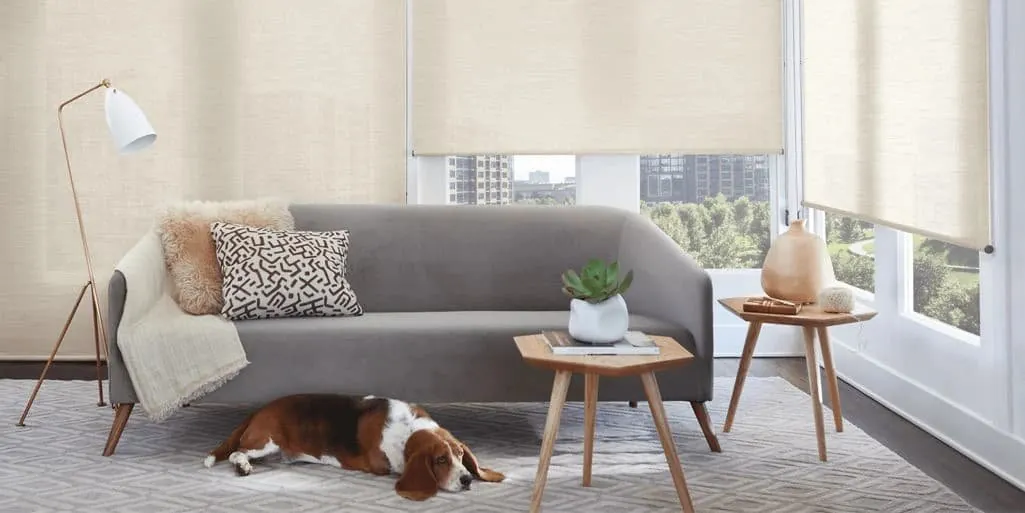
Glare that comes from below
Most people think of sun as something that comes from above. On a big Norfolk lot, a surprising amount of glare comes from below and from the side. A wide lawn in full sun, a pale driveway, the roof of a neighboring garage or a pool cover can all bounce light up and into a room, and after a snowfall the whole yard turns into a reflector. That reflected light arrives at a low angle, right at eye level, which is exactly where it bothers you most.
A solar screen is designed for this. It takes the hard edge off light from any direction while leaving a view of the yard. In a room where the trouble is mostly reflected light, a screen with a little more openness often does the job and keeps the space bright. Where it is direct afternoon sun as well, a tighter weave or a darker color works better.
Seasons change the picture too. In summer the sun rides high and the trees hold most of it back. In winter it sits low, the branches are bare and the snow throws it back up, so a room that needed nothing in July can be hard to sit in on a January afternoon. When we walk the house we ask about the winter light as well as the summer, and we choose a fabric that copes with both.
Open kitchens and family rooms
Many Norfolk colonials have an open kitchen and family room running across the back of the house, often with a breakfast area in a bay or bump-out and a slider to the deck. That makes for a long run of glass facing the yard, and usually the woods beyond.
We generally carry one fabric across the whole run, so the space reads as one room from end to end. The kitchen window over the sink gets a roller that clears the faucet and wipes clean. The breakfast bay gets a shade on each window, lined up to the same height. The slider takes a shade set to clear the handle and leave the door free, or two shades, one on the fixed glass and one on the moving door.
If the back of the house faces west, a solar screen across the whole run is often the best answer. It cuts the late-day glare and heat in the kitchen and keeps the view of the trees, so the space still feels connected to the yard.
Capes with dormers and bedrooms under the roof
Norfolk’s capes put the bedrooms upstairs under the roof, with dormer windows set into short, deep alcoves and sometimes a pair of windows on each gable end. Corner bedrooms there often have a dormer on one side and a gable window on the other, which means light from two directions in a small room.
A roller suits a dormer because so little of it shows. The headrail is small, the cloth winds out of sight, and the alcove stays open instead of being crowded by fabric that has no room to stack. For a corner bedroom, we usually use the same room darkening fabric on both windows, so the room gets properly dark at night, and close the edges with side channels where the frame allows.
Bonus rooms over a garage are common in the newer houses, often with dormers or a window in a gable at each end. They tend to heat up in summer. A solar screen or a light filtering roller on every window keeps them usable on a bright afternoon.
Visiting your house with samples
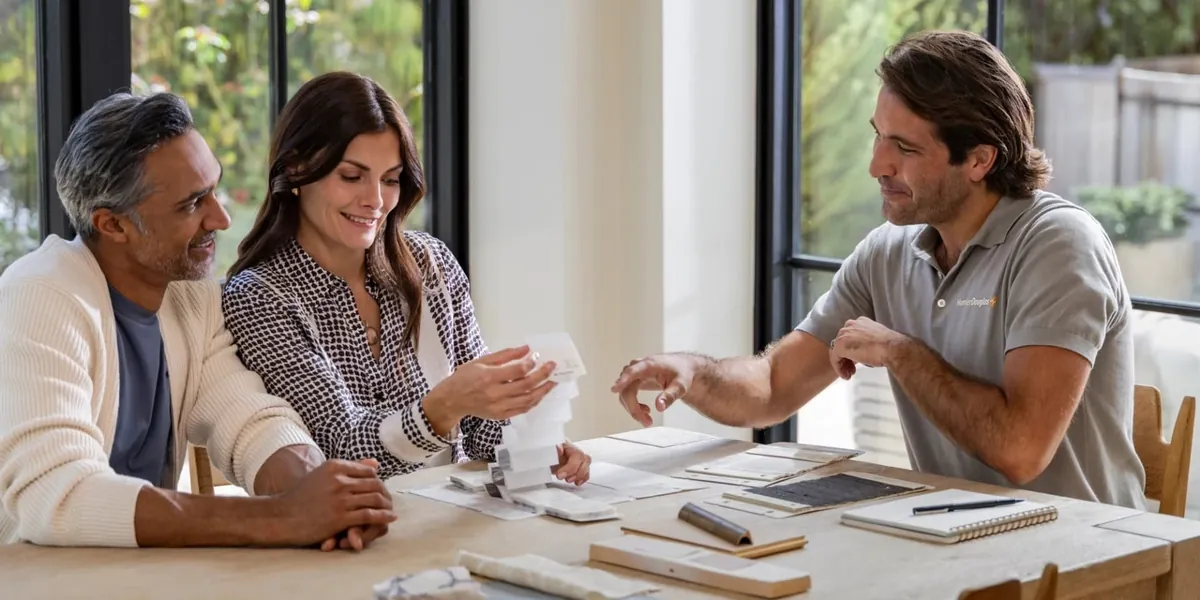
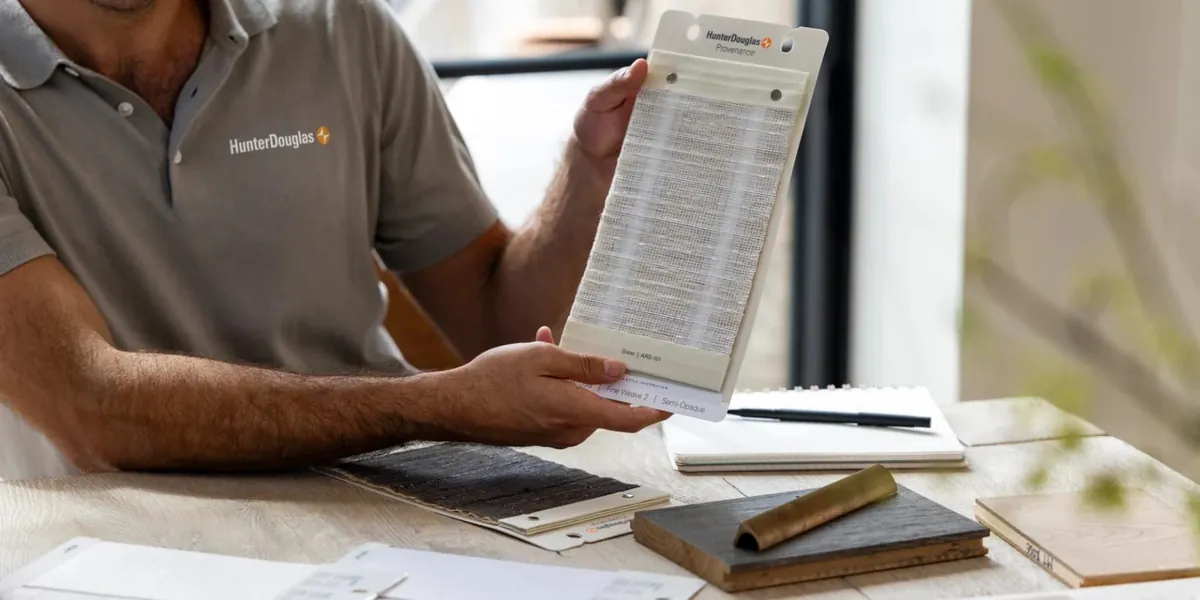
When every room takes light from more than one direction, the choice is best made in those rooms, at the hours the light is most awkward. Our vans are loaded with samples: we can bring the showroom to you.
- Request a consultation online or with the call button, and choose a time that suits you.
- We arrive with roller, screen, banded, Sonnette and Alustra samples and the lift options.
- Together we go room by room, noting which way each wall faces and when the sun reaches it.
- You try samples on the bright windows and the gentle ones, and see how one fabric family works across both.
- Each opening is measured, and we check the frame depth to see whether the shade can sit inside it.
- A free estimate follows, and there is no pressure to decide that day.
Help with color and fabric for whole rooms is available through our interior design consultations, at the same visit if you like. There is more on the visit itself in what happens at an in-home consultation.
Home offices, studies and screens
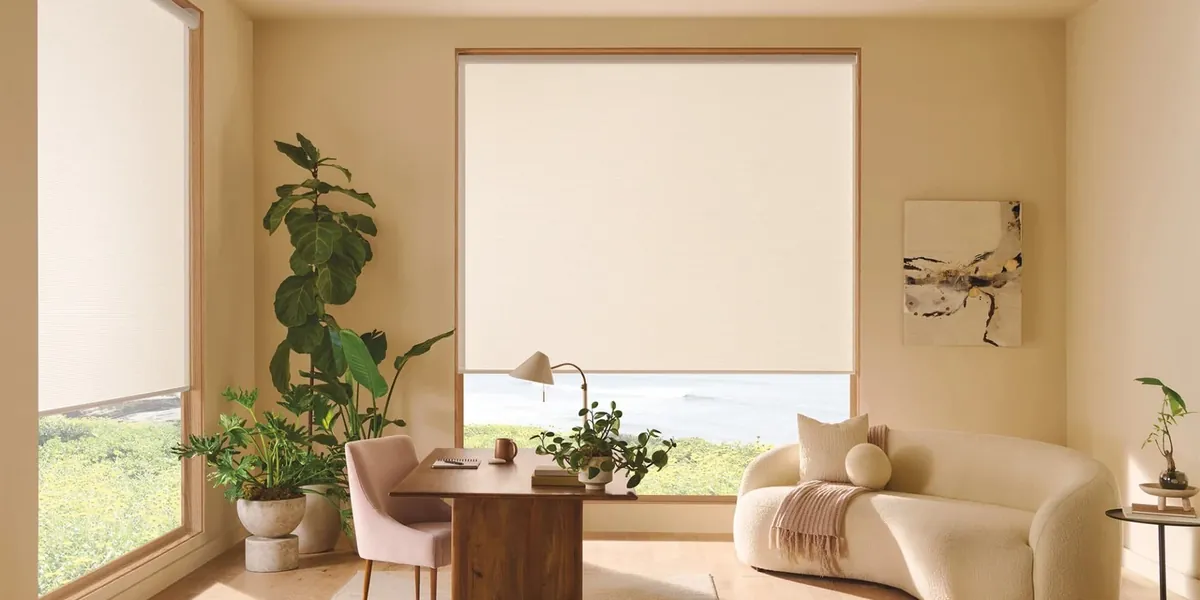
Plenty of Norfolk houses now have a room given over to work, often a front room or a spare bedroom with windows on two walls. In a corner office the light that matters is the light hitting your monitor. A window behind the screen makes it hard to read; a window behind you puts glare straight onto it; a window to the side is usually the easiest to live with.
A solar screen is the usual answer. It cuts the glare on the monitor and keeps the room bright enough that you are not working under a lamp at noon, and because it keeps a view, you still see the trees when you look up. If you spend time on video calls, a light filtering roller on the window behind your chair softens the backlight so your face is not lost in shadow. On a corner office we often use a screen on the wall that takes direct sun and a light filtering cloth on the other, in matching colors.
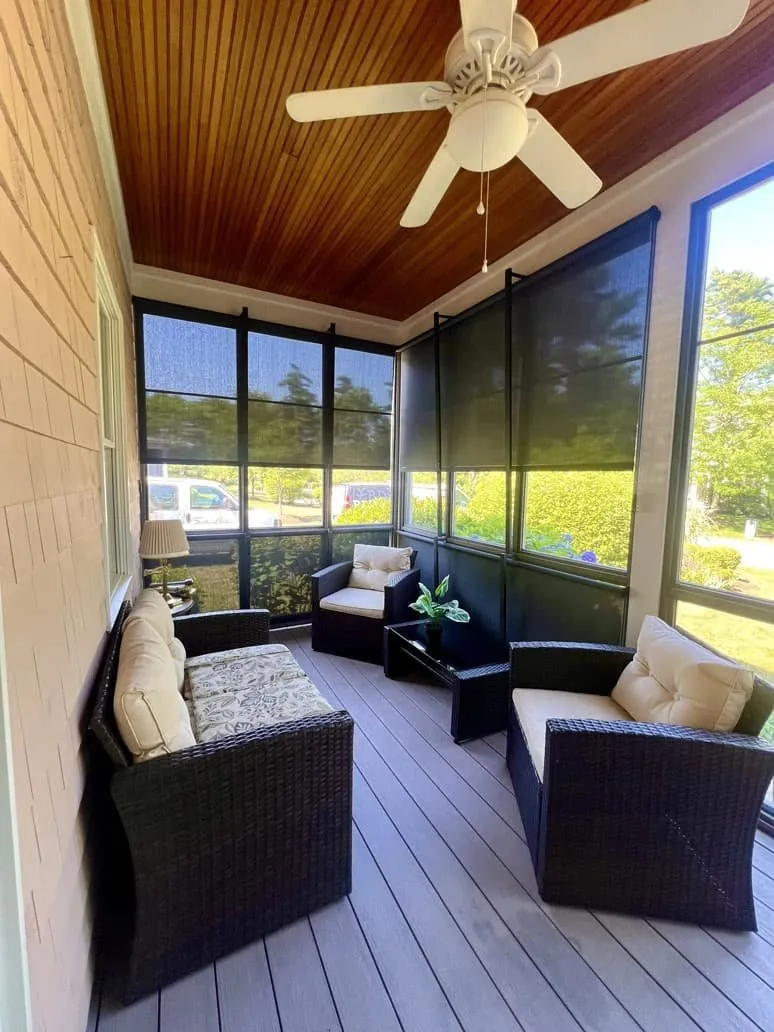
Sunrooms and three-season rooms
Some of the larger houses have a sunroom or three-season room off the kitchen or family room, with glass on three sides facing the woods. These rooms are the brightest in the house and can get hot by mid afternoon. Roller shades in Norfolk, MA, for a sunroom are nearly always solar screens, one on each window in one fabric, so the room keeps its view in every direction while the heat and glare come down. Where the windows run high, PowerView takes care of the top row. A room with a glass roof needs a separate plan, which we look at during the visit.
Keeping many windows looking like one house
A colonial on a large lot has a great many windows, and from the end of the drive they are seen as a whole. It helps to plan them as a set rather than one room at a time.
Choose a single color family for every window you can see from the road. Plenty of roller cloths are backed in white or a neutral, which lets you have a richer shade inside while the outside stays light and even. Mount the shades the same way on each floor, inside the frame for most standard openings, so the lines match. And think about hem heights: shades on the same wall look best when they drop to the same point. A PowerView schedule can bring every front shade to the same level each evening, which keeps the house looking orderly without anyone going room to room.
At the back, facing the woods, there is far more freedom. Patterned or bold fabrics in a playroom or a study will not be seen from the street at all.
Choosing a fabric color
The color of a roller changes more than the look of the room. Light colors reflect the sun, so they keep a room brighter and, from inside, look like a glowing panel. Darker colors absorb light, which makes a solar screen easier to see through and cuts more of the glare, even though the fabric itself looks heavier.
For roller shades in Norfolk, MA, in the main living spaces, many people pick mid-tones, soft grays, warm sand or muted blues, that suit both the view of the woods and the colors inside. In a home office or a family room with a television, a darker screen helps most. In bedrooms, a light-colored room darkening fabric facing the room with a white backing toward the window keeps the room calm by day and dark by night.
We bring a good spread of colors to the visit, because a shade that looks one way in a sample book can look quite different against your own walls and floors.
Controls for a house this size
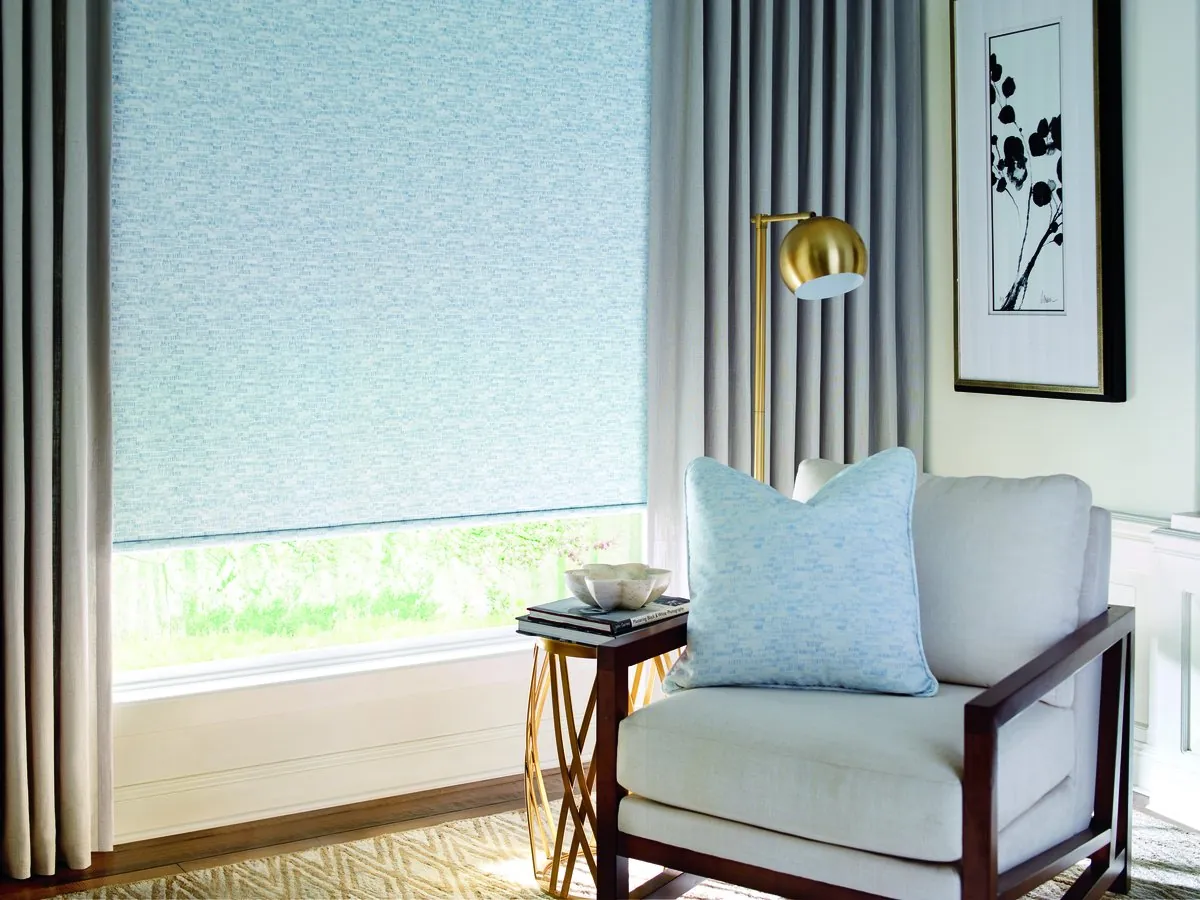
In a large house with many windows, how each shade goes up and down matters. Cordless rollers lift by hand from the bottom rail and keep the window free of cords, ideal for bedrooms and anywhere you can reach easily. A continuous loop makes a wide or heavy shade easier to move. PowerView motorization lets you run one shade, a room or the whole house from an app, a remote or a schedule, which is especially useful in rooms with windows on several walls, where you might otherwise walk round the room raising each shade by hand.
Most Norfolk houses end up with a mix: motors in the family room and any tall or hard-to-reach glass, loops on the widest windows, cordless in the bedrooms. See motorized blinds in Norfolk for more. If you are thinking about other rooms as well, look at cellular shades in Norfolk, roman shades in Norfolk, and everything we do in town on our Norfolk page. The main roller shades page compares every roller line.
A Gallery dealer for your whole house
Hunter Douglas picks a limited number of retailers to be Gallery dealers, and Blinds & Designs is among them. For a house with a great many windows, that means the whole house can be planned in one go: every roller fabric, each way of lifting it, and PowerView to tie it together.
Our installers are certified by Hunter Douglas. They fit every shade level and square, set the motors and groups, and show you how everything works before they leave.
If a shade ever misbehaves, we repair blinds and shades too.
The nearest showroom to Norfolk
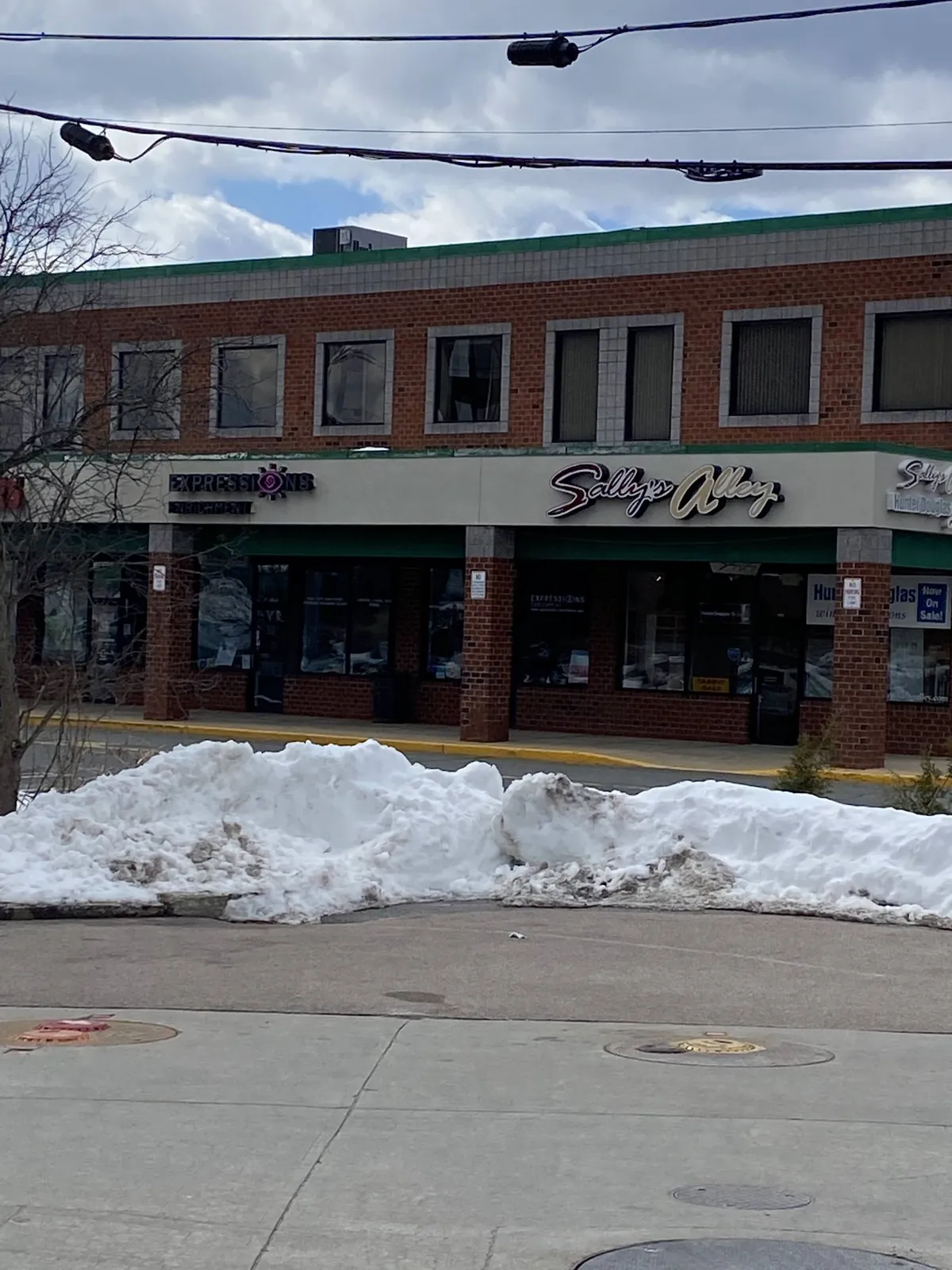
Franklin is the closest of our showrooms to Norfolk. If you like to see shades before a home visit, it is a convenient place to start.
Then book the visit, so we can plan each room with the samples against your own windows and your own light.
Questions from Norfolk
My family room has windows on three walls. Do they all need the same shade?
They should look like a set, but they do not have to do the same job. We usually keep one fabric family and vary the weave, with a tighter screen on the sunniest wall and a lighter cloth on the gentle ones.
Can I set the shades to follow the sun?
Yes, with PowerView. Shades on each wall can lower and rise on their own schedule, so the east side closes in the morning and the west side in the afternoon.
What helps with glare off snow in winter?
A solar screen. It softens low, reflected light coming in at eye level and still lets you see the yard. A slightly tighter weave or a darker color helps if the sun hits the window directly too.
Which color of solar screen is easiest to see through?
Darker colors. They absorb light, so the view outside looks clearer from inside. Lighter screens look brighter but more like a solid panel.
Do you charge to measure and quote?
No. The estimate is free. We measure every window during the consultation and you decide afterwards, in your own time.
Plan your shades with us
The easiest way to settle on roller shades in Norfolk, MA, is to try the samples in your own rooms, at the times of day the light is hardest. Ask for a consultation and we will arrive with the samples, take every measurement and leave a free estimate behind. Questions first? Press the call button, or drop in at the Franklin showroom.