
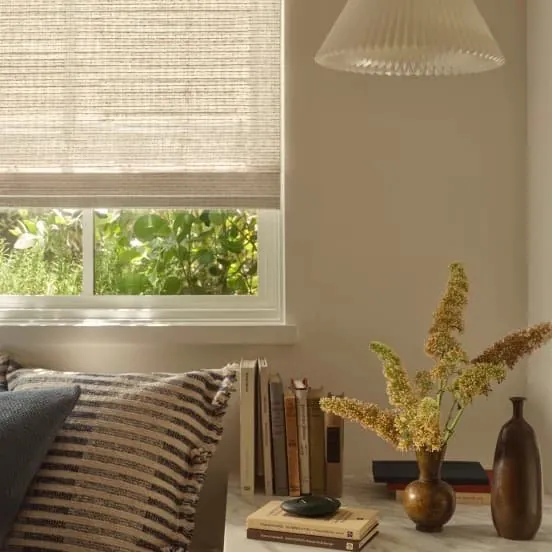
Colonials under a canopy of trees
Most of Westwood sits under heavy tree cover. Post-war colonials and larger newer houses stand on wooded lots with generous setbacks, so the street is a fair way off and the view from most windows is of trunks, leaves and lawn. The openings themselves are standard modern sizes, square and straightforward to fit.
That makes the work of a Hunter Douglas dealer in Westwood, MA, less about tricky frames and more about light. Under a full summer canopy, many rooms are softly shaded and easy to make too dim. Once the leaves fall, the same rooms take low, bright winter sun that was never there in July. A good window covering has to handle both halves of the year.
Because the openings are standard, the whole Hunter Douglas range is open to you. We bring samples to your house, show you how each one behaves in your own light and leave a free estimate.
The Hunter Douglas range in a Westwood house
Six families we fit regularly in Westwood, with the rooms each one tends to suit. All of them come to your house as samples.
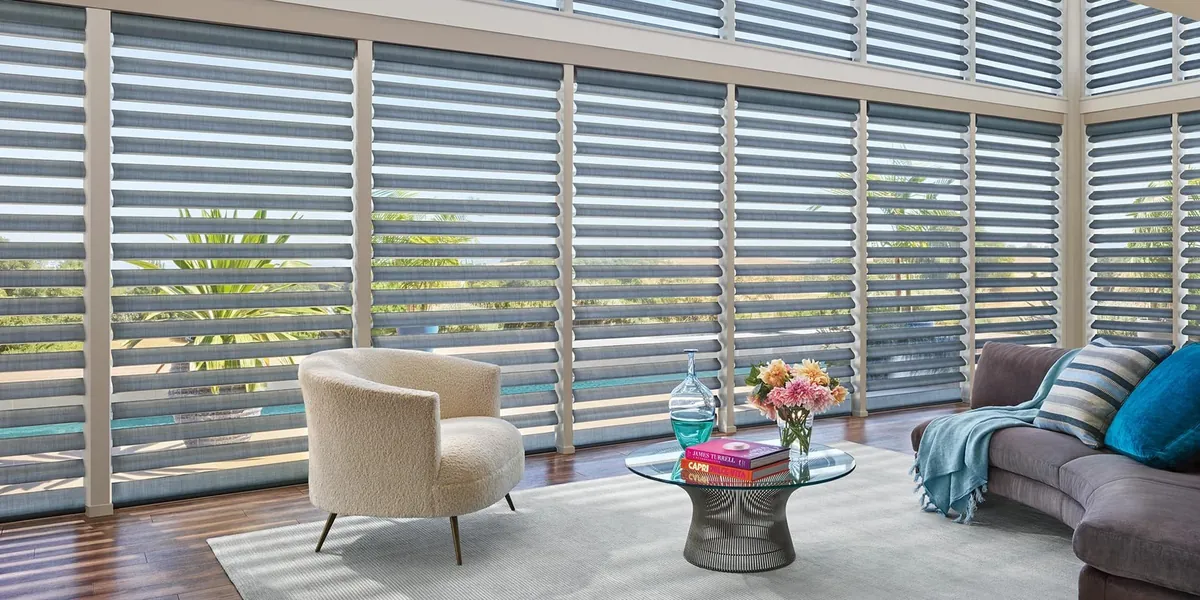
Sheers for shaded living rooms
Pirouette and Silhouette pass soft light into rooms that already sit in the shade of the trees.
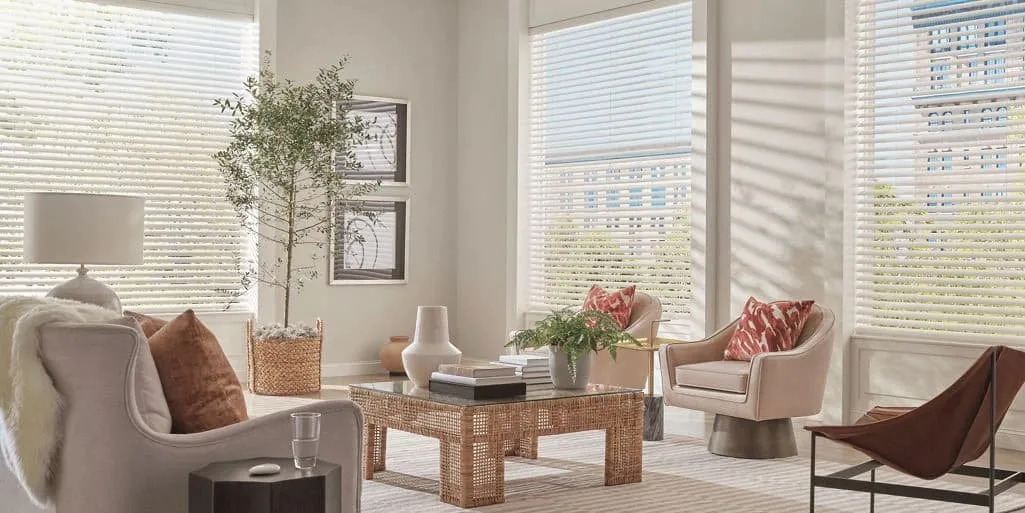
Blinds for the colonial front
Crisp rows of Parkland or EverWood slats give a center-hall colonial an even face to the street.
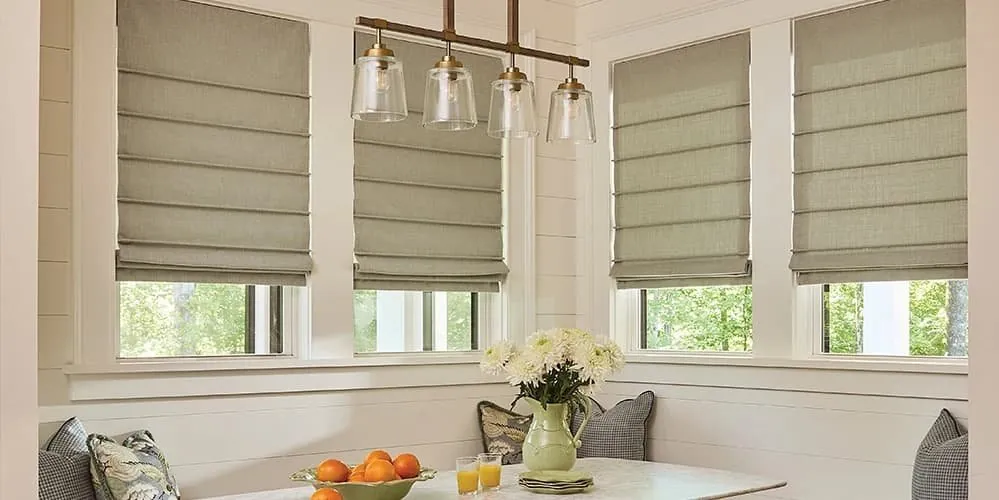
Roman folds for dining rooms
Vignette in a soft color warms a dining room or breakfast nook that looks out on the yard.
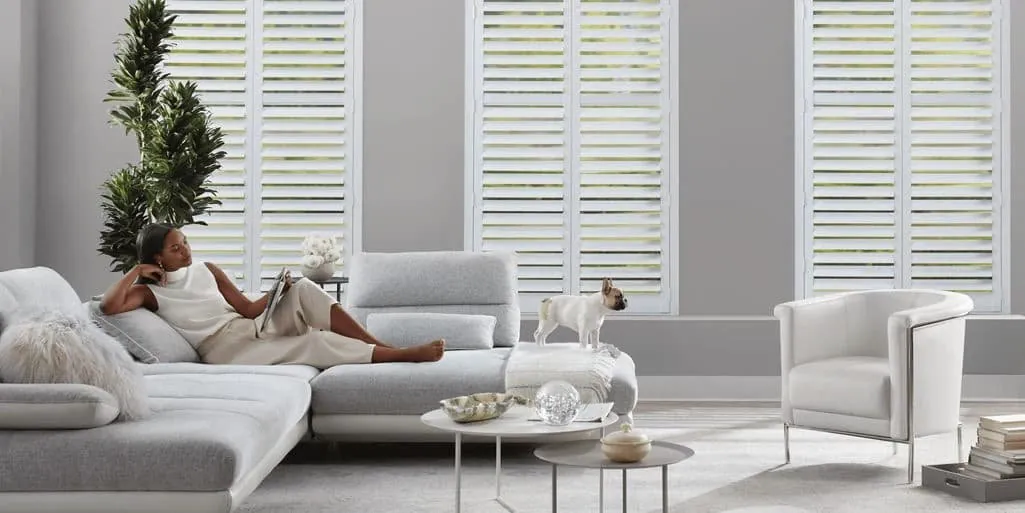
Shutters for family rooms
NewStyle and Palm Beach panels that tilt to catch winter sun and close for privacy at night.
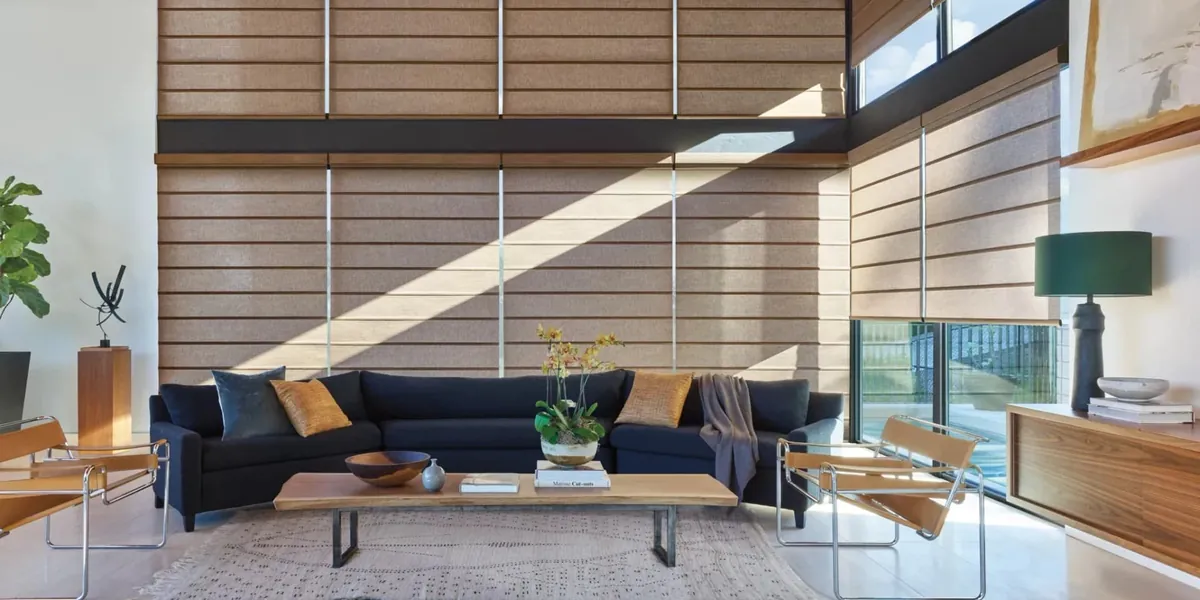
Banded shades for great rooms
Sheer and solid stripes you slide to suit the season on tall glass in the newer houses.
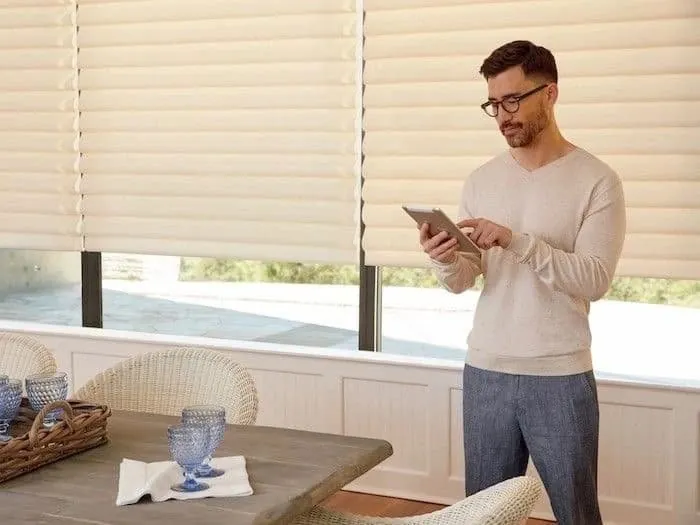
PowerView schedules
Shades that follow the sun on their own, from a tablet, phone, remote or timer.
A year of light under the trees
Living under a canopy means the light inside your house changes a great deal from season to season. It helps to think about the year as a whole before choosing anything.
Late spring and summer
Once the leaves are out, most Westwood rooms get dappled, moving light rather than direct sun. Rooms on the north and east sides can feel dim, and the last thing they need is a covering that blocks more. Here the aim is privacy and softness with as much daylight as possible. Sheers, pale light-filtering fabrics and top-down, bottom-up shades all keep a room bright.
Autumn
As the canopy thins, light starts reaching deeper into rooms, and windows that were shaded all summer begin to catch the afternoon. It is often the season people first notice glare on a screen or sun on a sofa.
Winter
With the leaves gone, low winter sun comes straight through gaps in the trunks, sometimes right across a room. It is welcome warmth on a cold day, but it can be dazzling at the dinner table or in a home office. Meanwhile, the glass loses heat on long nights. Honeycomb shades help most at night, because the air in their cells slows heat leaving the room; screen and sheer fabrics tame the glare by day.
Early spring
Before the buds open, the house is at its brightest. It is a good time to see how much sun each room really gets, and a good time for a consultation if you want to judge glare at its worst.
A product that adjusts easily, or a PowerView schedule that changes with the season, takes care of all four without much thought.
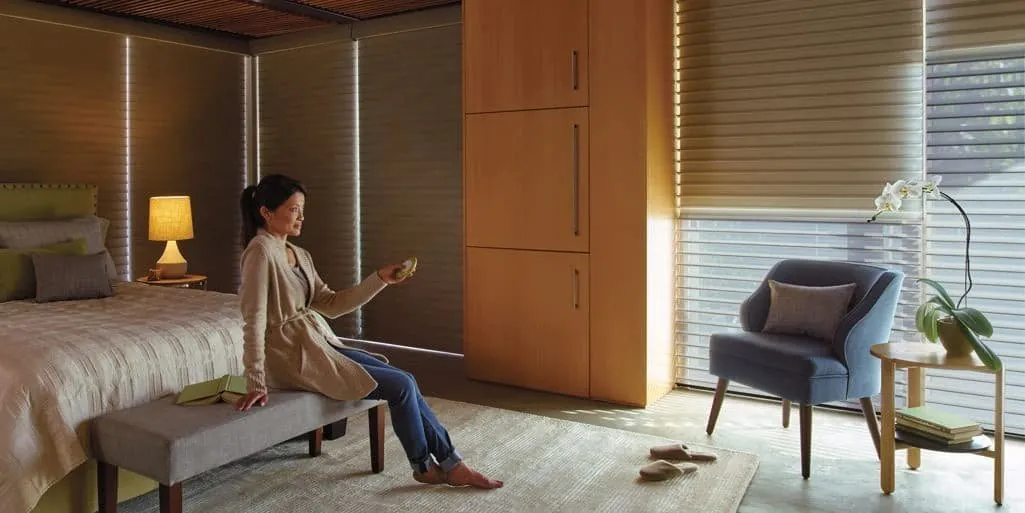
Choosing how much light a fabric lets through
Fabric opacity is one of the most useful decisions in a tree-shaded house, and Hunter Douglas families offer several levels.
- Sheer. Soft, diffused light with a gentle view out. Best for living rooms and any room that already feels shaded.
- Light-filtering. Daylight passes through, but the view in is blocked. The everyday choice for most rooms.
- Semi-opaque. More privacy and less light, useful for rooms that catch winter sun.
- Room-darkening. Blocks most light, for bedrooms and media rooms.
- Blackout. As dark as a shade gets, often paired with drapery.
Color changes the picture too. A pale fabric bounces light back into a shaded room, while a dark one absorbs it. In a north-facing room under heavy trees, we usually suggest a light color, and save deeper tones for rooms with direct sun.
Holding two opacities side by side at your own window is the quickest way to choose. That is easy when the samples come to you.
The post-war colonials
Westwood’s post-war colonials tend to follow a familiar plan: a center hall, a living room on one side, a dining room on the other, bedrooms upstairs and a row of matching windows across the front. The windows are standard double-hungs, set in an even row across the front.
That symmetry is worth keeping. Most owners want every front window to look the same from the street, so we match the product, the color of the headrail and the outside face of the fabric across the front, even if the rooms inside take different products. A Hunter Douglas dealer in Westwood can do that easily because the openings are so consistent.
Inside, the living room often suits sheers or Roman shades, the dining room wood blinds or shutters, and the bedrooms room-darkening honeycomb. Kitchens and baths take faux wood or Palm Beach shutters for moisture. Many of these colonials also have a family room added on the back, often with a slider to a deck, where a vertical honeycomb or Luminette moves aside for the door.
The landing window in a center-hall colonial
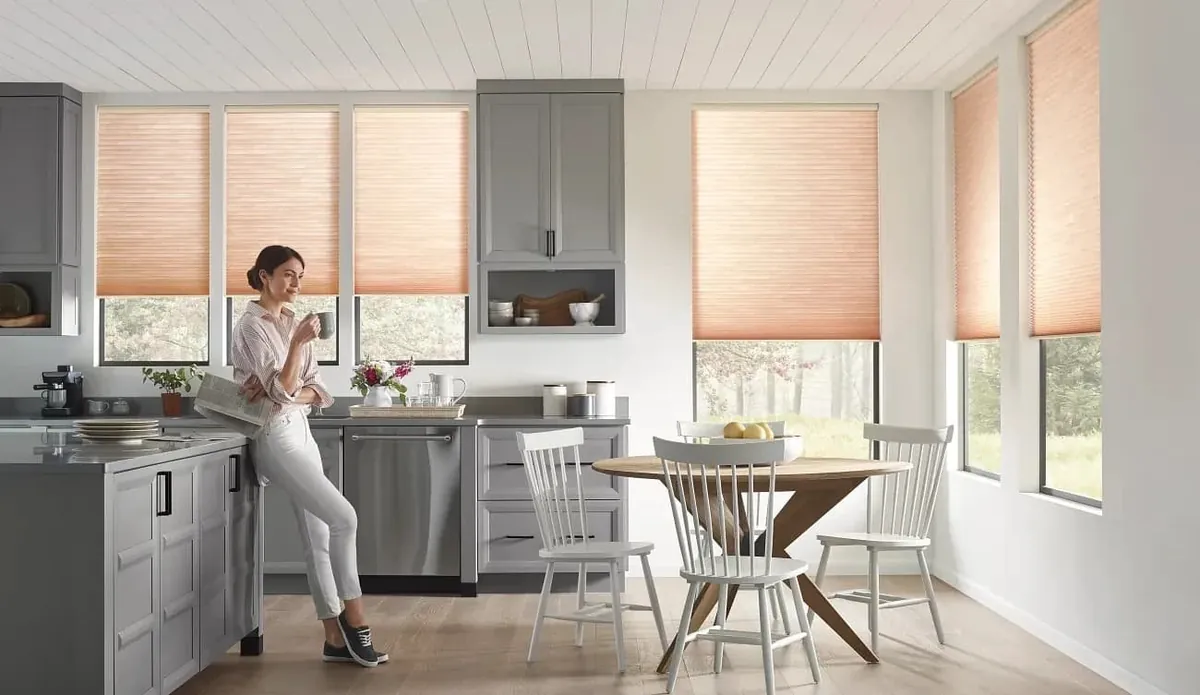
Climb the stairs in a center-hall colonial and there is often a window at the landing or above the front door, lighting the hall from the middle of the house. It is easy to overlook, but it is usually one of the brightest windows in winter, when the low sun comes through the bare trees and straight down the stairs.
Because it sits over a stair, it can also be awkward to reach. A cordless honeycomb or a light-filtering roller works where you can reach the bottom rail from the landing. Where you cannot, PowerView puts it on the same remote or schedule as the rest of the house. A sheer is a lovely choice here if the window is mainly about the look of the hall, since it softens the light without darkening the stair.
A Hunter Douglas dealer in Westwood will also match it to the front windows, since a landing window over the door is part of the face the house shows to the street.
Updating coverings from an earlier era
Many Westwood colonials still carry the window coverings that came with the house: dated vertical blinds on a slider, yellowed mini blinds, heavy valances or drapery that blocks the view of the trees. Replacing them is often the single change that makes the house feel up to date.
The good news is that standard openings make the swap simple. A slider with tired verticals can take Luminette or a vertical honeycomb. Mini blinds can give way to wood blinds, honeycomb or shutters. Heavy drapery can become lighter panels over a sheer. And anything that still works well can stay, since some older Hunter Douglas products can be repaired rather than replaced.
We look at what you have during the visit and tell you honestly what is worth keeping. If you are replacing in stages, we can start with the rooms that matter most to you, often the front of the house and the main bedroom, and choose products that the later rooms can match. Because every order is made to measure, a second or third stage can carry the same fabric, color and headrail as the first, so the house ends up looking as though it was all done at once.
The larger newer houses
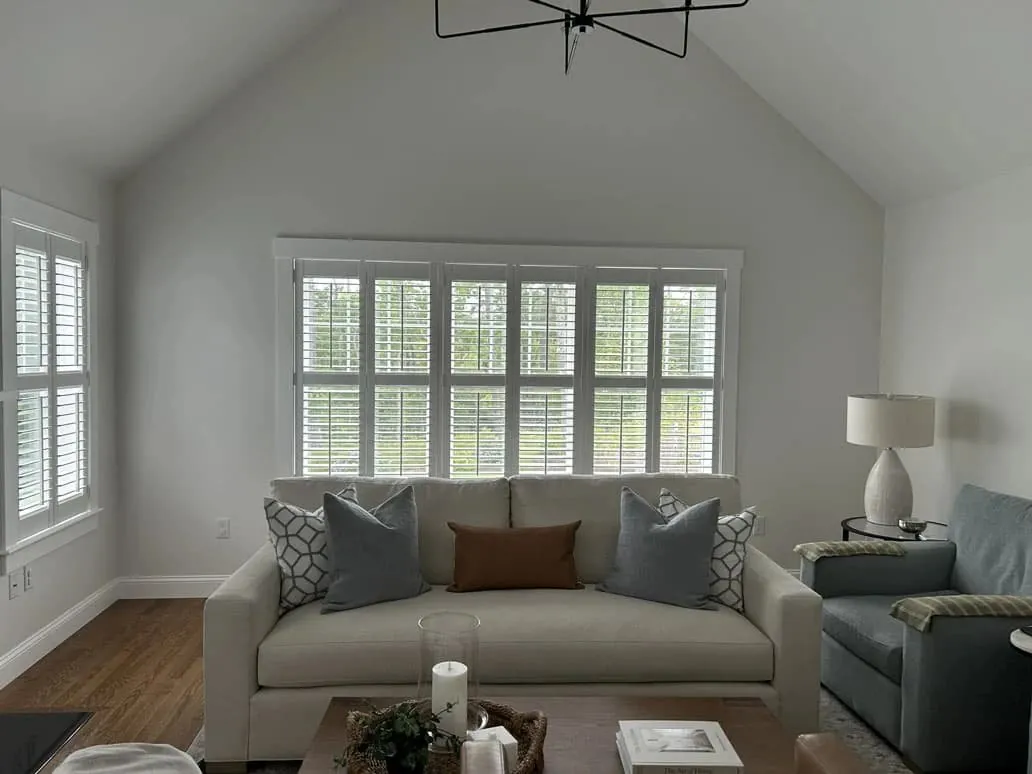
The newer houses on bigger wooded lots usually have more glass: a two-story entry, a great room with tall windows or transoms, a kitchen opening to a wide back window, and sometimes a sunroom. The openings are still standard shapes, just larger and higher.
Height is the main challenge. A transom or a second-floor window in a great room is out of reach, so PowerView is the usual answer, with shades moving from a phone, a remote or a wall switch. A schedule can lower them when the winter sun comes through the bare trees and raise them in the morning. Our certified installers bring the right equipment for that height.
For the glass itself, banded shades are popular in great rooms because they let you adjust the light by sliding the stripes. Honeycomb shades make sense where warmth matters. Sheers keep the view of the woods while softening the light.
Booking and the visit itself
We start every Westwood project at the house. You request a consultation online or press the call button to reach the Canton line, and we agree a time that suits you. On the day, the van arrives loaded with samples, because we can bring the showroom to you.
- We ask which rooms bother you and when: summer dimness, winter glare, a cold bedroom, a hard-to-reach transom.
- We walk through the house, front rooms first if keeping the street side consistent matters to you.
- You compare opacities, colors and products at your own windows.
- We measure each opening and note any high glass that needs special equipment.
- You get a free estimate for products and installation, with time to decide.
- Hunter Douglas makes the order to our measurements, and our certified installers fit, test and explain everything.
More about the first visit is on our in-home consultations page and in what happens at an in-home consultation.
PowerView and the changing seasons
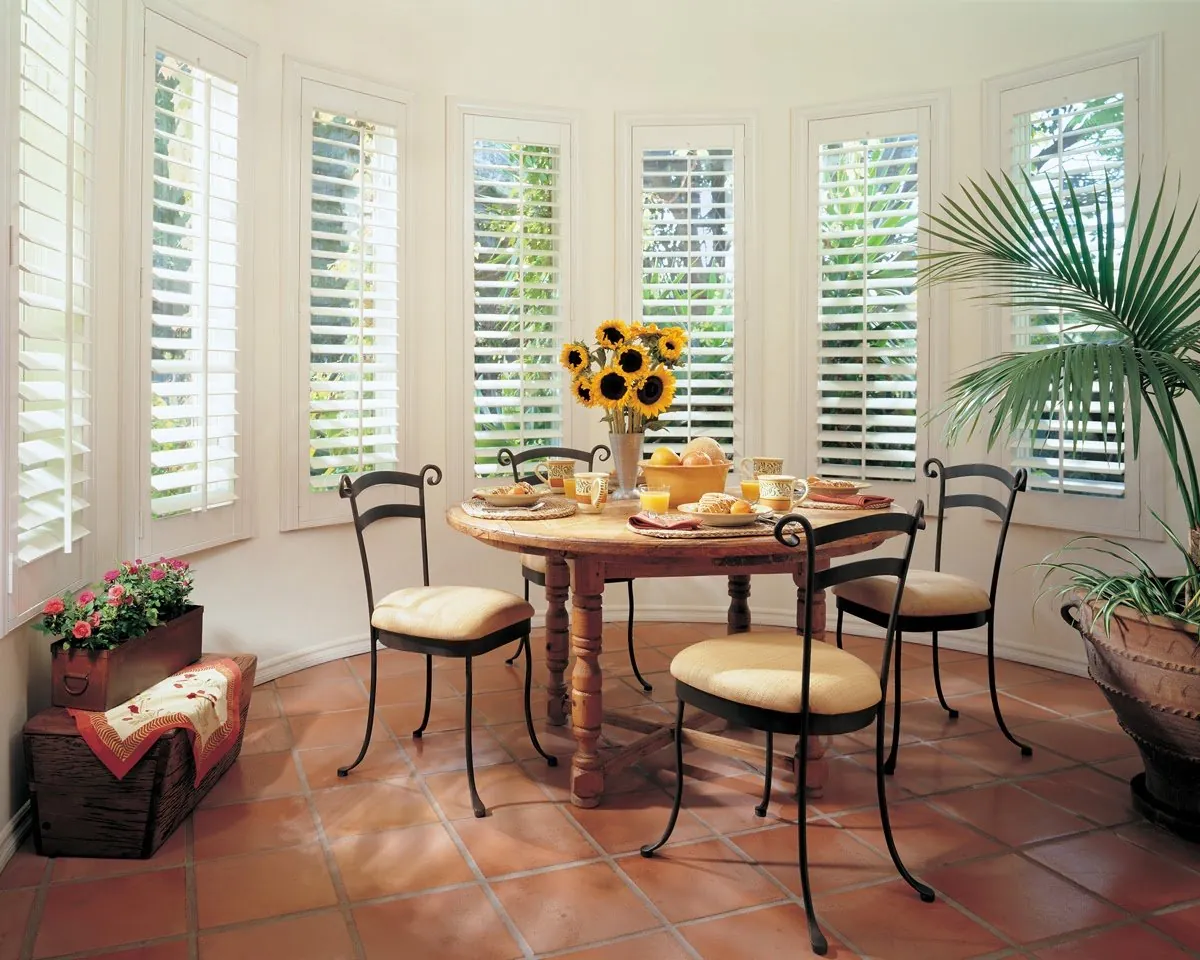
In a house where the light changes so much through the year, motorization earns its place. PowerView can run different schedules for summer and winter: shades raised for the soft summer light, then lowered in winter as the low sun reaches each side of the house. Scenes move a whole room or floor with one tap.
It also takes care of the windows nobody wants to reach, like the transom over a great room or the window over the stairs. We plan how each motor is powered so the controls stay tidy. Our motorized blinds in Westwood page explains more.
For windows you operate by hand, cordless lift is the sensible standard. Nothing dangles at the side, the window looks cleaner and children and pets are safer.
Warmth and the long winter nights
Westwood winters are long, and the glass in any house is the weakest part of the wall. Even well-sealed modern windows feel cold on a January evening. Honeycomb shades are the strongest choice for that, holding air in their cells between the glass and the room. A double-cell style adds another layer for the coldest bedrooms.
Shutters, Roman shades and drapery help too, simply by adding a barrier. Colonials with a room over the garage often find that room the coldest in the house in January and the warmest in July, since it has outside walls on several sides. Honeycomb shades with a double cell are a sensible choice there, and a top-down, bottom-up style keeps the room usable as an office or playroom in daylight. In a great room with a lot of tall glass, honeycomb shades on a PowerView schedule, lowered at dusk, make a real difference to how warm the room feels in the evening.
Media rooms and finished basements
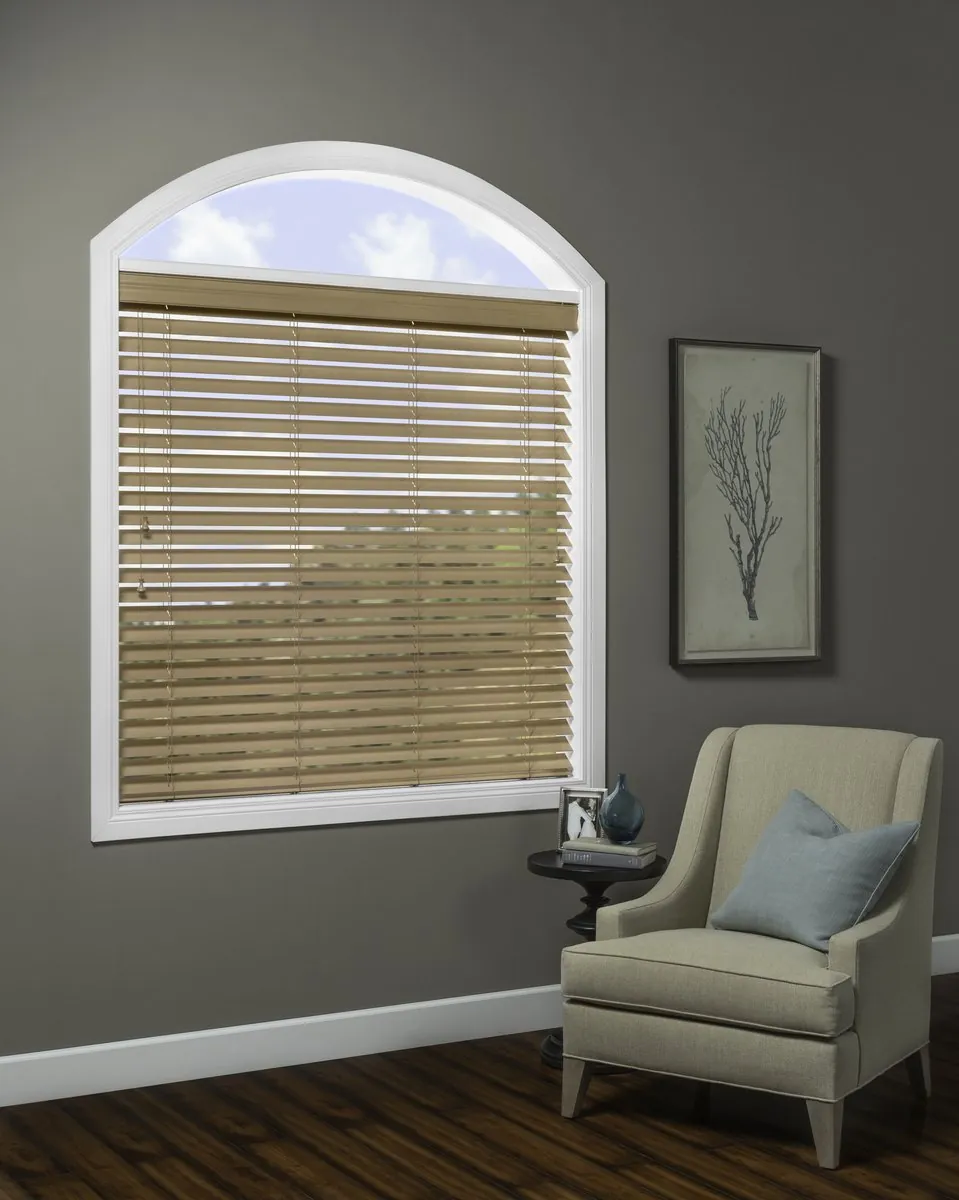
Plenty of the bigger Westwood houses have a finished lower level or a dedicated media room. The windows there are usually small, sometimes high in the wall or set in a window well, and the room’s whole purpose is a screen that is easy to see.
Room-darkening honeycomb or a blackout Designer roller shade handles this well, fitted inside the opening so light does not leak around the edges. Where a lower level opens to the yard through a slider or French doors, a vertical honeycomb or room-darkening roller on each door panel keeps the glare off the screen in the afternoon. With PowerView, a single scene can close every shade in the room when the film starts.
Children’s rooms and nurseries
Bedrooms for young children need two things above all: darkness at nap time and in the light summer evenings, and nothing a child can pull or tangle. Cordless lift takes care of the second, and most Hunter Douglas families offer it. For the first, a room-darkening honeycomb shade blocks most light through the fabric and holds warmth on cold nights, while a blackout roller goes darker still.
A Hunter Douglas dealer in Westwood might suggest pairing either one with drapery in a fun fabric, which closes the gaps at the sides and makes the room feel finished. As the child grows, the shade stays and the drapery can change.
Matching materials to a wooded setting
With trees outside almost every window, natural materials suit many Westwood rooms. Woven woods bring texture to a dining room or den. Stained wood blinds and Heritance shutters pick up the tones of floors and trunks. Soft neutral fabrics let the green outside carry the room.
In a crisp newer house, painted shutters, white sheers and banded shades in gray or ivory give a cleaner look. Whatever the style inside, keeping a consistent outside face on the front windows helps the house look settled at the end of its long driveway, especially at night when every lit window shows through the trees.
If you want broader help with color and layering, ask about our interior design consultations during the same visit, and see our custom drapery work for panels that frame a window.
Gallery dealer, certified installers
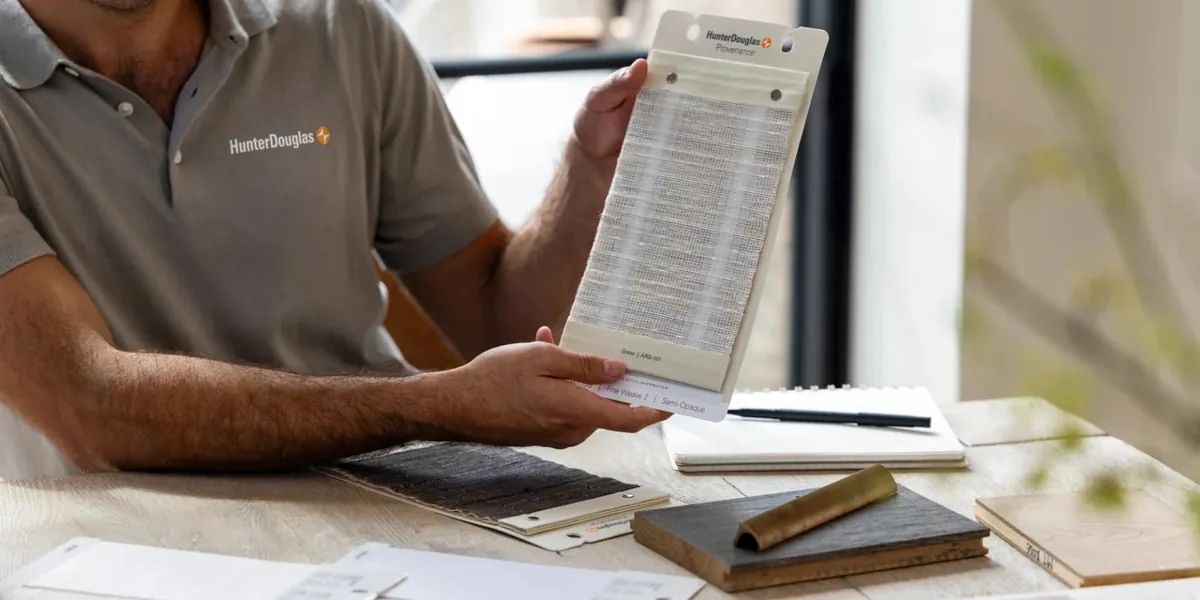
As a Hunter Douglas Gallery dealer, we can offer you the entire family: honeycomb, sheer, roller, banded, Roman, woven and vertical shades, wood and faux wood blinds, three shutter lines, drapery and PowerView.
Our installers are certified by Hunter Douglas. In a Westwood house that often means careful work at height on transoms and great room glass, and motors paired and tested before we leave.
When a blind or shade you already own needs attention, our blind and shade repair in Westwood is there for it. More on our dealer work is on the main Hunter Douglas page, and every line is in the Hunter Douglas catalog.
At home in Westwood
Westwood is served from our Canton territory, and every consultation happens at your house. That suits a tree-shaded town well, because the only way to judge a fabric’s opacity is in the light your rooms actually get.
If you would like to see products in person first, our nearest showroom is in Franklin; the Franklin showroom page has the details.
Everything we offer in town is on our Westwood page, with pages for cellular shades, roller shades, plantation shutters, custom blinds and roman shades.
Questions from Westwood
My rooms are already shaded by trees. Which shades keep them bright?
Sheers and pale light-filtering fabrics let daylight through while giving privacy. Top-down, bottom-up shades bring in light from above the lower glass. We bring several opacities so you can compare them in your own rooms.
Why does my living room get so much glare in winter?
With the leaves down, low winter sun reaches rooms that are shaded all summer. Screen fabrics and sheers soften it by day, and a PowerView schedule can lower the shades when the sun reaches that side of the house.
Can every front window on my colonial match?
Yes. Standard openings make it simple to match product, headrail color and the outside face of the fabric across the front, while choosing different products inside.
Can you reach the transoms in my great room?
Yes. Our certified installers bring the right equipment for high glass, and PowerView lets you operate those shades from the floor.
Is the estimate free?
Yes. We measure every window and give you a free estimate for products and installation.
Plan your Westwood windows
Seeing samples in your own light is the best way to choose a Hunter Douglas dealer in Westwood and the right products for your rooms. Request a consultation and the range comes to your door; we measure, and you keep a free estimate. For a chat first, the call button reaches the Canton line.