
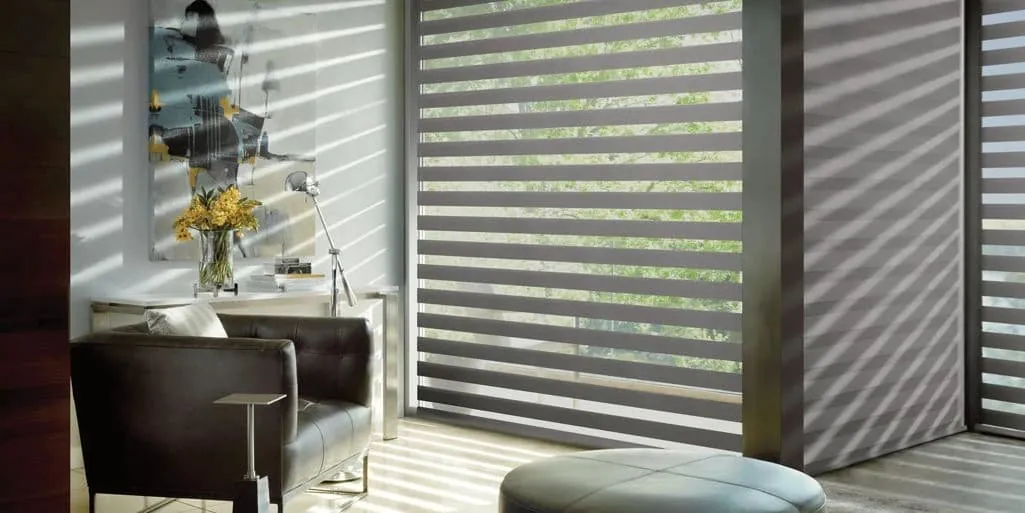
Close-set houses by the common, standard sizes further out
Around Norwood’s common and the streets near the center, the older houses stand close together: Victorians and two-families with tall sash windows, built on lots where one house’s side wall faces the next across a narrow strip of yard. Further out, the post-war capes and ranches on the newer streets have standard window sizes and a little more room around them.
Those close-set older houses raise a problem people do not always expect. With a neighbor’s wall so near, the side rooms often get little direct sun, so the challenge is less about blocking light and more about keeping every bit of it while still having privacy. Picking roller shades in Norwood, MA, for those rooms means choosing fabric that lets daylight through generously and hides the view.
The newer streets are a different job. Standard openings make fitting simple, and the questions turn to glare, sleep and how the shades are controlled. Between the two, a roller is often the most practical shade in the house: slim, simple and available in fabrics for every one of those needs.
Six problems a roller solves
We bring samples for each of these. Most Norwood houses have at least three of them.
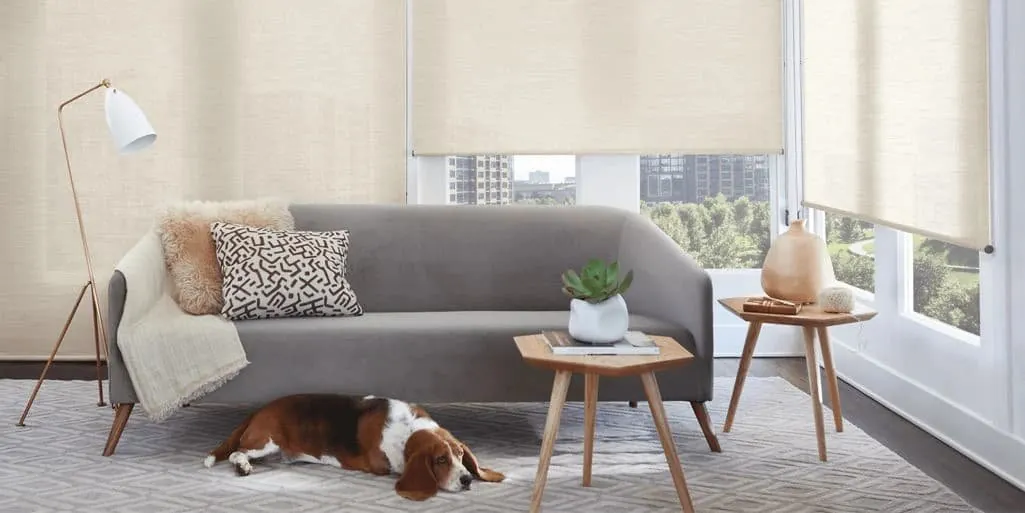
Glare on a screen
A tight-weave solar screen takes the glare off a television or monitor and keeps the room usable.
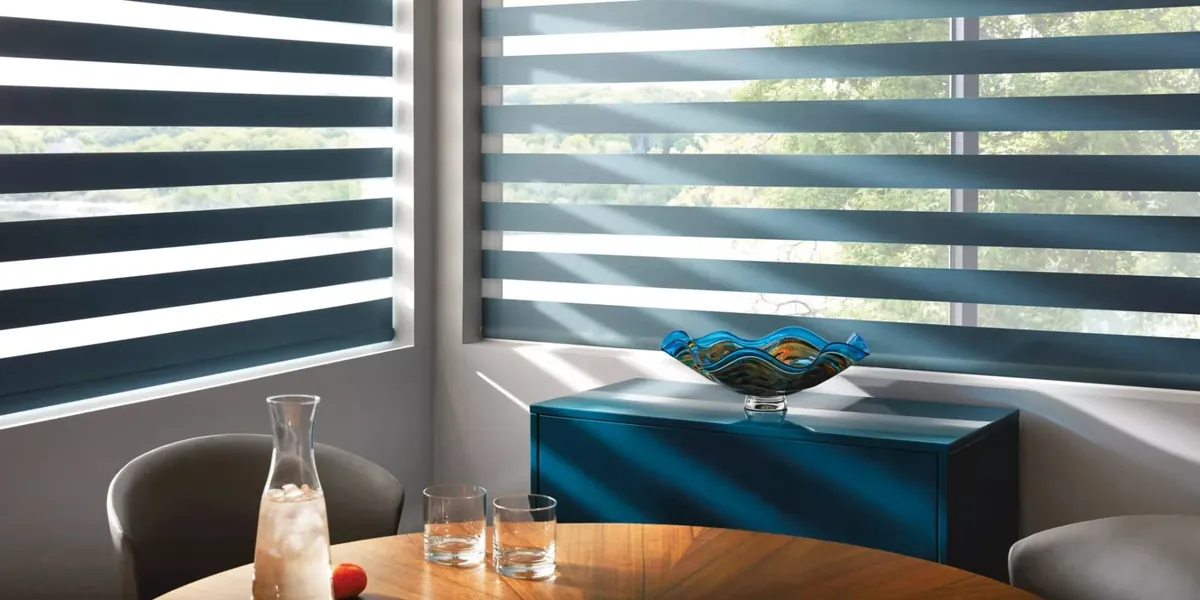
Privacy at close range
Banded fabric opens for light and closes for cover when the house next door is a few steps away.
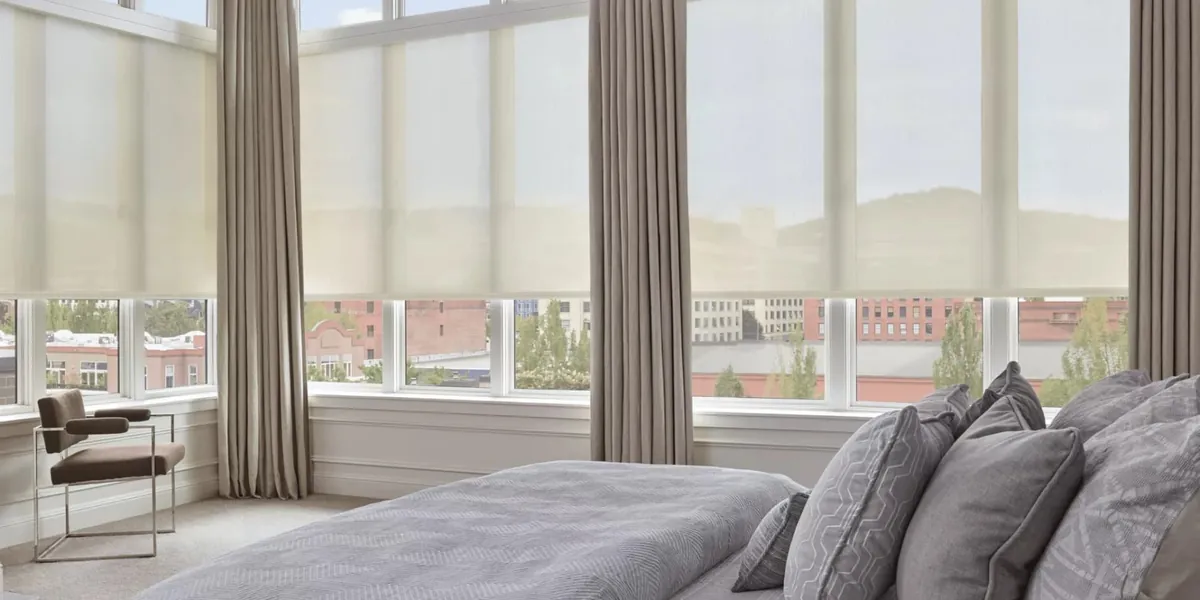
A dark room for sleep
Opaque fabric for anyone who sleeps past sunrise, with drapery added if you like.
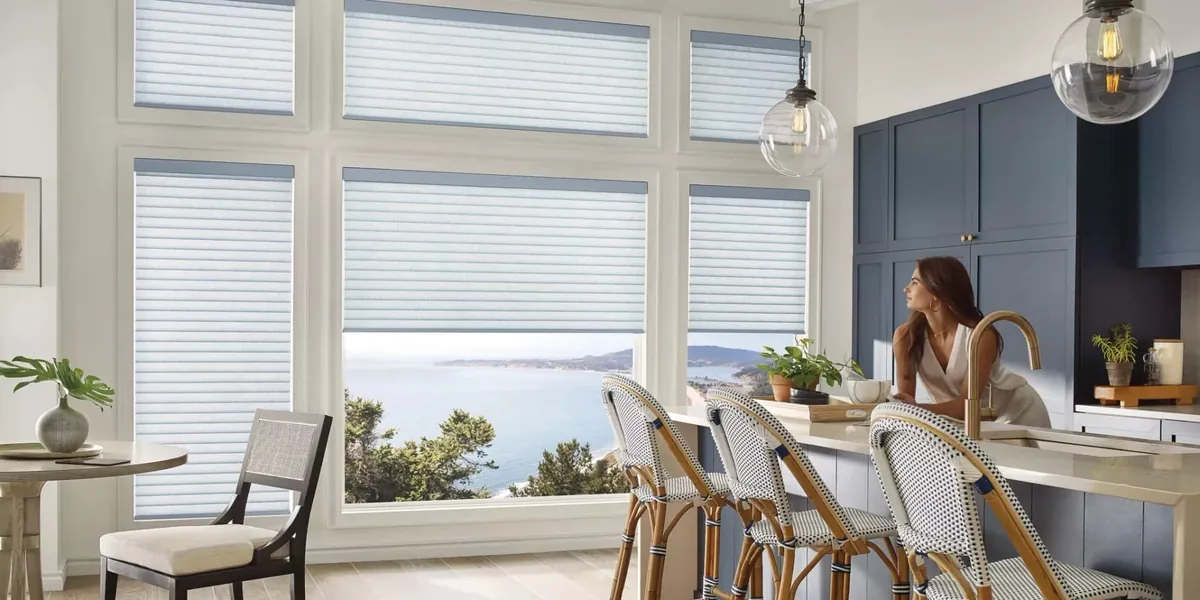
Keeping a dim room bright
Pale translucent cloth that keeps almost every bit of daylight and turns the glass milky to passers-by.
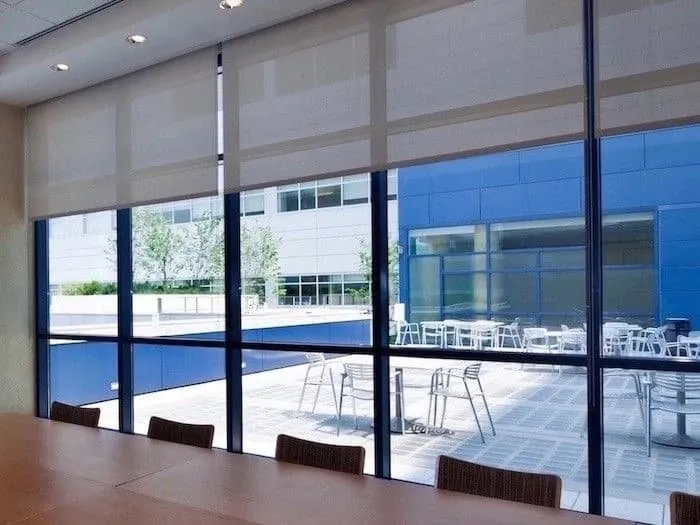
A sunny back wall
Woven mesh that tames late sun over a kitchen counter while the garden stays visible.
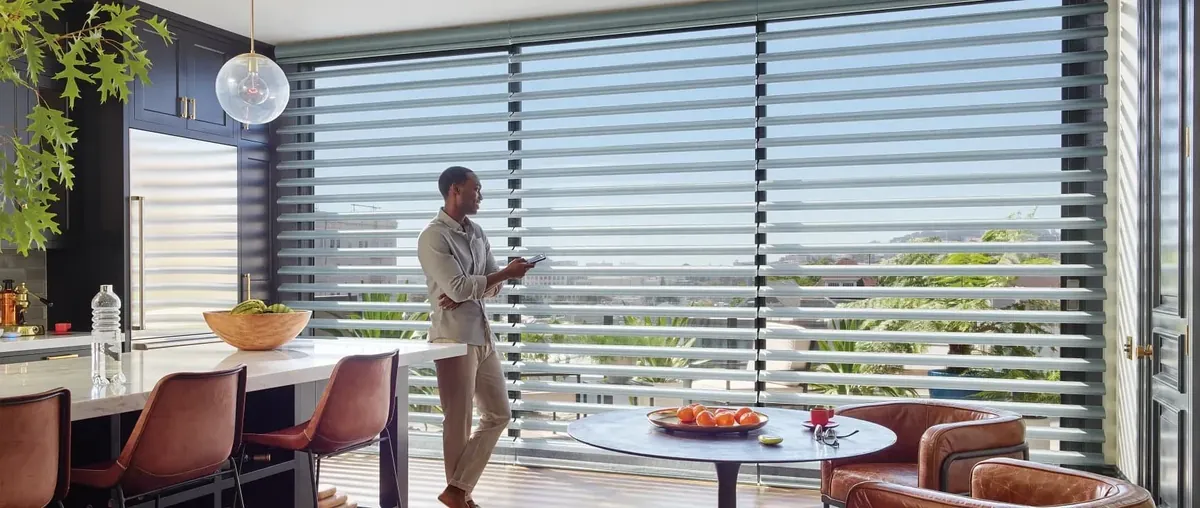
High and awkward glass
PowerView motors for stair windows and high glass, run from a phone, remote or schedule.
We come to you
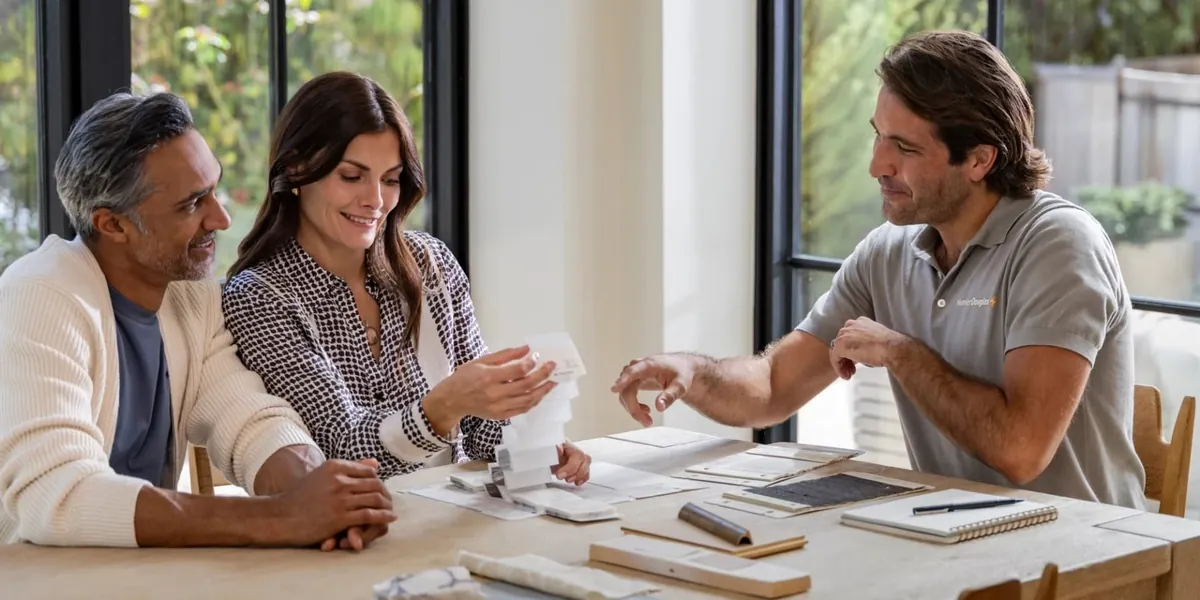
For Norwood, everything starts with a home visit. A van loaded with the roller range pulls up at your house, so the samples meet your rooms rather than the other way round. It is the better way to choose anyway: a roller fabric that looks one way under shop lights can look quite different in a side room that sees little sun.
- Set a time by filling in Request a Consultation, or by the call button.
- Your consultant arrives with every opacity, from sheer screen to full blackout.
- Room by room, you cover light, privacy and sleep.
- Swatches are pressed against the actual glass.
- Measurements and frame depths are taken for every window.
- A free estimate is yours to mull over, without pressure.
The in-home consultations page explains the visit in more depth. Anyone keen to handle the products beforehand can head to Franklin, our closest showroom to Norwood.
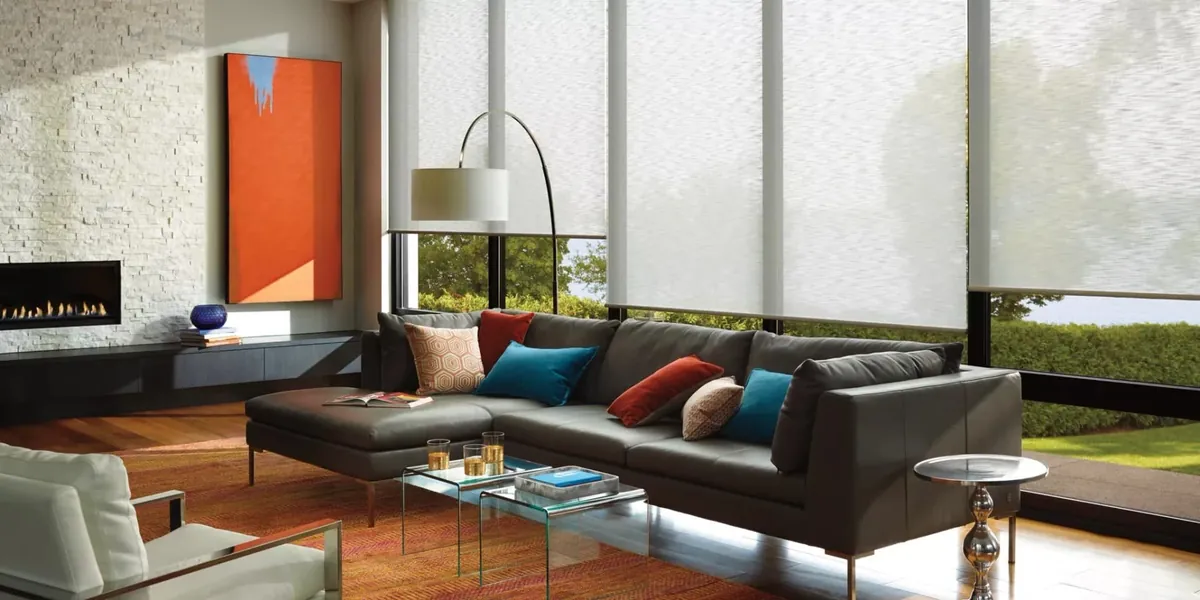
Making the most of light near the common
In a Victorian or two-family hemmed in by its neighbors, the side windows may only get sun for an hour or two a day, and the rest of the time they bring in soft, indirect light bounced off the next house. Covering that glass with a heavy shade makes the room gloomy. Leaving it bare puts the room on show.
The answer is usually a pale, light filtering roller. White and off-white cloths let the most light through, and the fabric scatters it evenly, so the room feels brighter than a bare window that frames a wall. From outside, the shade reads as a glowing panel.
Cloth color counts for more in a shaded room than a sunny one. A darker cloth absorbs light, and in a room that has little to spare, that shows. If you want color, consider it for the front windows that face the street and the sun, and keep the side windows pale.
A banded shade is the other strong option. Opened, the sheer stripes let in almost as much light as a bare window. Closed, the solid stripes give cover. It is a good choice for a side window that faces straight into the neighbor’s, where you want the light most of the day and privacy now and then.
Tall sash in Victorians and two-families
The older houses near the center have tall sash windows, often with deep frames and casings worth keeping in view. In the two-families, each floor usually repeats the same layout: a front parlor with two or three tall windows, a dining room on the side, bedrooms and a kitchen at the back.
Compactness is why a roller works on tall sash. Set within the opening, its headrail sits up under the top trim and the cloth drops inside the jambs. The depth of the frame is the thing to check, because a long drop of fabric makes a thick roll when the shade is up. Old frames are also often out of square, so we take several measurements on each.
Shallow frames get the shade fixed above the casing instead, with a fascia to hide the roll. Bedrooms often benefit from that anyway, since a shade overlapping the frame trims the slivers of light down each side.
For roller shades in Norwood, MA, in a two-family, we often plan both floors together, so the street side of the house looks consistent while each unit chooses fabric room by room inside.
Standard sizes on the newer streets
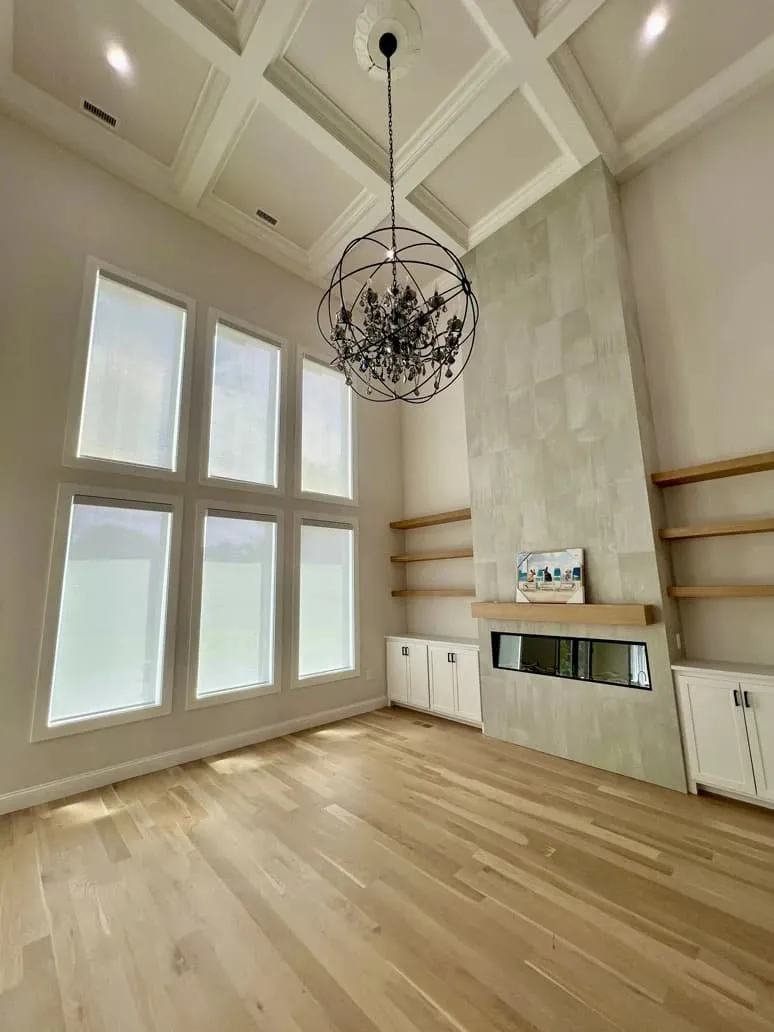
Head away from the common and the houses change to post-war capes and ranches, built when window sizes had become standard. Openings there tend to be true, with the same depth all round, and a bedroom window usually matches its neighbor. An order covering the whole house goes smoothly, and the shades can all stop at one height, which gives the front elevation a calm, even look.
The ranch picture window deserves its own thought. It is often the biggest single pane in the house, and it looks at the sidewalk. One wide shade can cover it, or two or three narrower ones can share a headrail and be raised as a set or one at a time, which lets you open the end nearest the driveway while keeping the middle down.
Upstairs in a cape, bedrooms sit under sloping ceilings with a dormer for each room. That little alcove helps a blackout roller: the walls of the dormer box in the shade on three sides, so very little light sneaks round it.
A room-by-room plan
Most Norwood houses end up with a mix. A typical plan looks something like this.
- Front parlor or living room: light filtering, or banded for street-facing privacy.
- Dining room on the side: pale light filtering to keep the light from a close neighbor’s side.
- Kitchen: light filtering in a wipeable cloth, or screen on a sunny back wall.
- Family room or den: close-woven screen or dimming cloth facing the television.
- Bedrooms: room darkening, or blackout for nurseries and east windows.
- Stair window: light filtering, often motorized.
We work through the plan with you at the visit, with samples at each window, and adjust it as you see how each fabric looks in place. Roller shades in Norwood, MA, rarely need to be one fabric throughout.
How to choose a screen’s openness
If a solar screen is on the plan, the openness is the decision that matters. Here is a simple way to think about it.
- Start with what you want to see. If the yard is the point, lean toward a looser weave.
- Then weigh glare. A desk or a television opposite the glass argues for a closer weave.
- Pick a color. Deep tones nearly vanish when you look through them; pale tones lift the room but cloud the outlook.
- Think about after dark. Lit from inside, any screen becomes see-through, so a street-side room may want drapery too.
Our sample kit covers several weaves and colors, and one test settles it: lower each at the hour the sun bothers you most. On the newer streets, where a back family room may face open yards, that hour is usually late afternoon, and a mid-range weave in a dark color is a common outcome.
Layering rollers with drapery
A roller is a clean, practical shade, and many rooms in an older Norwood house look best with something softer around it. A roller behind drapery panels gives you the light control of the roller and the warmth of fabric at the sides of the window. In a bedroom, a blackout roller behind drapery gives full darkness with a more finished look. In a front parlor, a light filtering roller behind sheer panels softens the light twice over.
When a roller is layered, we mount it inside the frame where we can, so the drapery hardware has room above the casing. We can look at drapery and shades together at the same visit, and our interior design consultations help bring color and fabric together for the whole room.
Front porches and parlor windows
Many of the Victorians and two-families near the center have a front porch, sometimes on both floors, with the parlor windows looking out under the porch roof. That roof changes the light inside. It keeps the high summer sun off the glass, so the parlor stays cooler, but it also cuts daylight, and the room can feel dim even at midday.
For a parlor behind a porch, the fabric should give up as little light as possible. A pale light filtering roller is the usual choice, mounted inside the frame so the full height of the glass is open when the shade is raised. Avoid a dark or heavy cloth unless the room is used mostly in the evening.
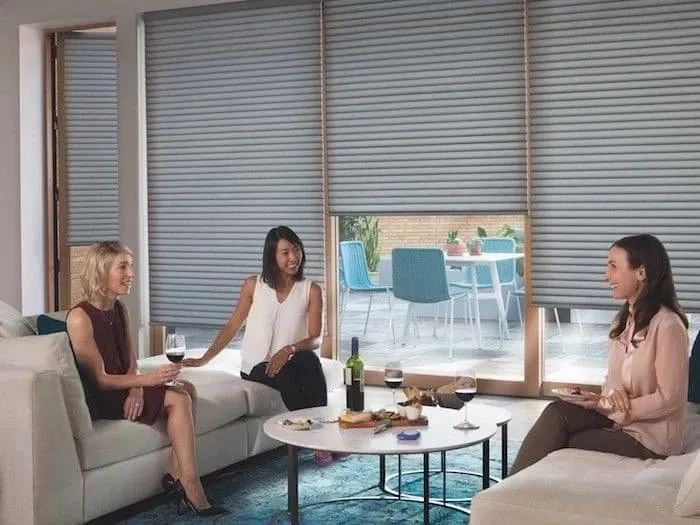
Privacy is the other side of a porch. With people on the porch or coming up the steps, a parlor window is in plain view at close range. A banded shade handles that well, open while the porch is quiet and closed with a small pull when someone is there. Porch doors with glass can take their own roller, mounted on the door and matched to the windows.
Kitchens and back rooms
At the back of most Norwood houses, older or newer, the kitchen looks onto the yard through a window over the sink, often with a door or slider beside it. Kitchens get used all day, so the shade there gets more handling than any other in the house.
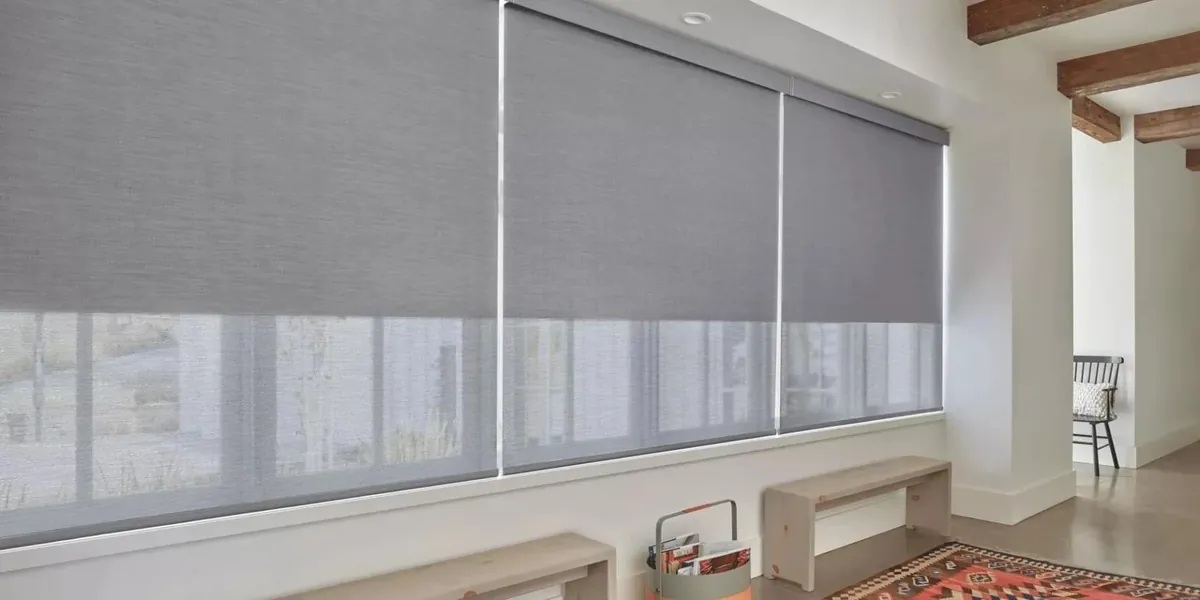
Over the sink, the roller must clear the faucet and any crank, and stay up out of the splash zone. A wipeable light filtering cloth is the practical choice. If the back of the house faces west, compare a screen as well, since it takes the glare off the counters in the late afternoon while leaving the yard in view.
Sonnette, Alustra and the softer side of rollers
Rollers need not be flat. Hunter Douglas shapes Sonnette’s fabric into a gently curved cell, so it hangs with more body and rolls away just as tidily. In a Victorian room with moulded trim, that softer look can sit more naturally than a flat panel.
Alustra is the premium end of the roller range, with designer fabrics and woven textures. Alustra Woven Textures brings a natural, textured feel to a roller, which suits older rooms with wood floors and painted panelling.
Both come in the sample kit, to hold beside a plain roller at one window. Seeing the three together usually makes the choice clear within a minute: some rooms want the crisp, flat look, and others, especially the older parlors with plaster walls and wide trim, look better with the extra depth and texture.
Stair windows and how each shade is raised
The older houses near the common often have a window on the stair landing, set high on the side wall and facing the neighbor. It is the one window in the house nobody can comfortably reach, and it tends to be left bare or with a shade stuck halfway.
That is the obvious place for PowerView. A small motor lets the stair shade rise in the morning and drop in the evening from a phone, a remote by the front door, or a timer that does it on its own. Once one shade is motorized, many customers add the bedrooms, so every shade upstairs can close before bedtime with a single touch.
Elsewhere, the choice is between two hand-operated lifts. A cordless roller is raised or lowered by the hem bar, with nothing hanging beside the window, which keeps a small parlor or bedroom looking tidy. A loop control, a chain on one side, suits a wider shade that would be heavy to lift by hand, such as a ranch picture window. Many houses use both, depending on the window.
For more on the app, remotes and schedules, see how motorized shades are controlled.
Installation day
When the order arrives, Hunter Douglas certified installers return to hang it. Brackets go into solid wood, headrails are trued even in a frame that has sagged, every shade is run top to bottom, and the controls are demonstrated. Motorized shades get paired with your remote and phone before the installer leaves.
You can read ahead in what happens on installation day. If a shade ever needs attention, we offer blind and shade repair in Norwood.

A Hunter Douglas Gallery dealer for Norwood
Hunter Douglas singles out dealers who meet its standards with the Gallery designation, which Blinds & Designs carries. For roller shades in Norwood, MA, that puts plain, screen and banded Designer cloth, Sonnette, Alustra and PowerView motors into a single consultation.
Our roller shades overview runs through the lines one by one. Thinking about other rooms? Try cellular shades in Norwood or roman shades in Norwood, or browse the Norwood page for everything we offer in town.
Questions from Norwood
My side windows face the house next door. What keeps the room bright but private?
A pale light filtering roller lets most of the daylight through and blurs the view from outside. A banded shade gives you the choice between open and covered.
Will the tall sash in my two-family take a roller?
Usually, set within the opening. Depth and squareness get checked on each window, and the casing face is the fallback when room is short.
Can you plan both floors of a two-family together?
Yes. We can measure and quote both units at once, keeping the street side consistent.
Where can I see the shades?
At home: the samples travel to you. Franklin has our closest showroom if you would like a look beforehand.
Does the estimate cost anything?
No. We measure and leave a free estimate, with no commitment.
Book a home visit
Seeing roller shades in Norwood, MA, at your own windows beats any brochure. Fill in Request a Consultation and a consultant will come with the swatches, take every measurement and leave a free estimate. The call button works too, and Franklin is the showroom to visit if you want a preview.