
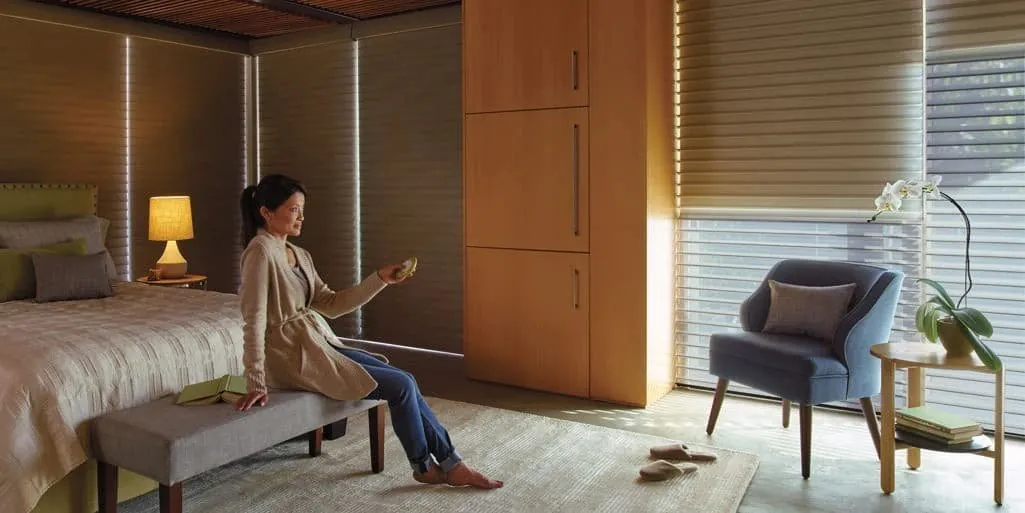
Close neighbors, tall windows, a lot of shades to move
Near the center of Milford, houses stand close together. The Victorians and two-families from the granite era sit a short walk from the sidewalk and a few steps from the house next door, and their windows are tall and narrow double-hungs, often several to a room. Privacy at street level is a daily question in houses like these, and it is the most common starting point when we talk about motorized blinds in Milford, MA.
The trouble with privacy on tall windows is the number of times a day the answer changes. Open in the morning for light, partly closed when someone walks past at lunch, fully closed once the lamps are on. Doing that by hand on every tall window in a front room soon becomes a chore that nobody keeps up, and the shades end up permanently half down.
A PowerView motor moves a whole room of tall shades with one press, or on a timetable, so the front of the house can be bright by day and private by night without anyone thinking about it. Further out, in the post-war ranches and newer colonials, the reasons shift toward convenience, glare and reach, and the same system handles those too.
Hunter Douglas styles that suit tall, narrow windows
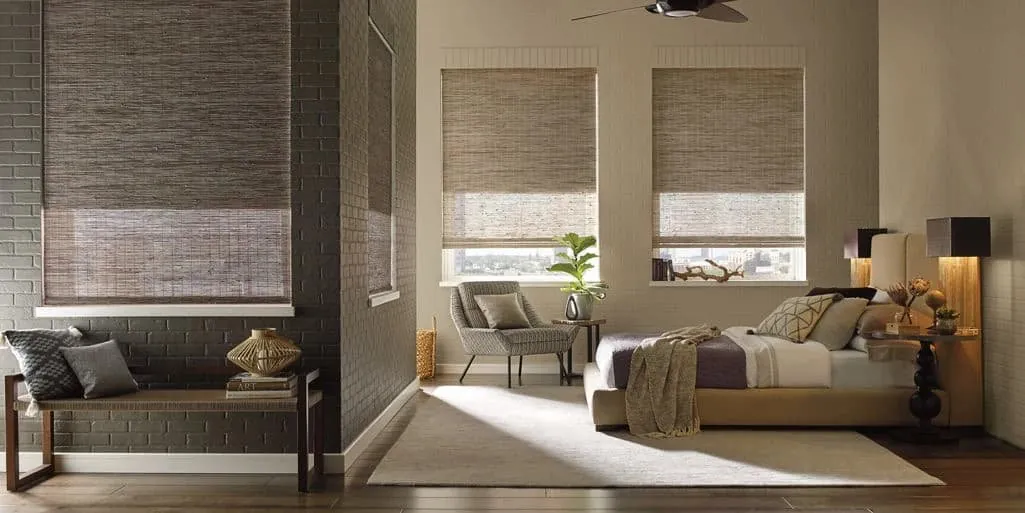
PowerView is offered on a large part of the Hunter Douglas range, so the motor goes on the shade that best fits the window. On Milford’s tall double-hungs, these three are the styles we show most.
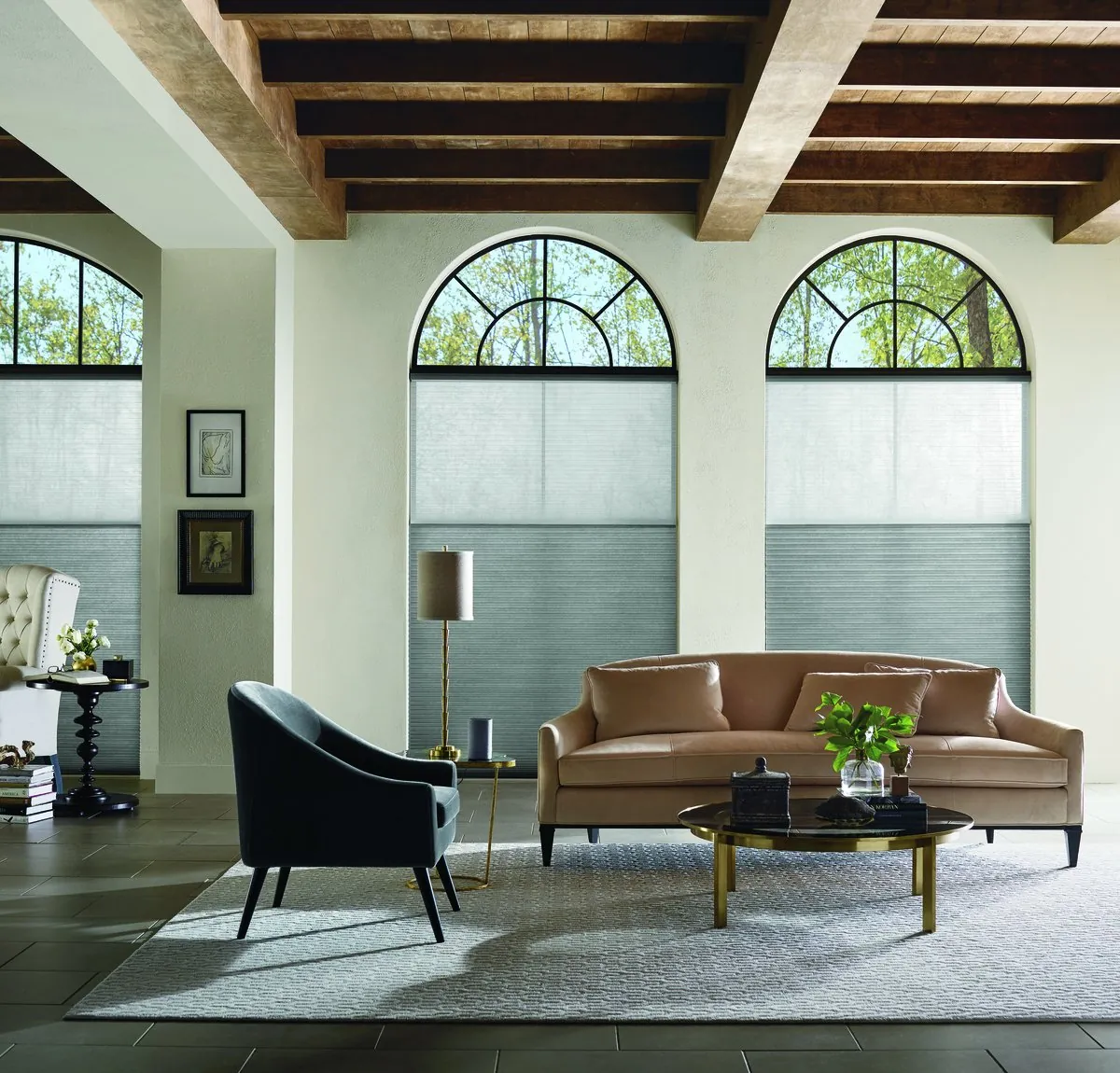
Cellular shades
Light-filtering honeycomb fabric keeps a front room bright and private at once, and holds still air against old glass.
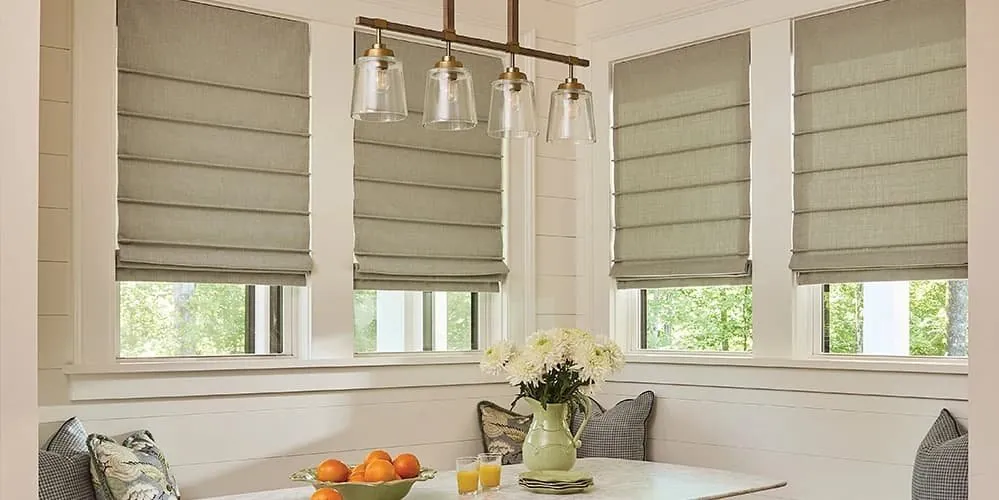
Roman shades
Flat folds that sit well on a narrow Victorian opening and stack neatly at the top when raised.
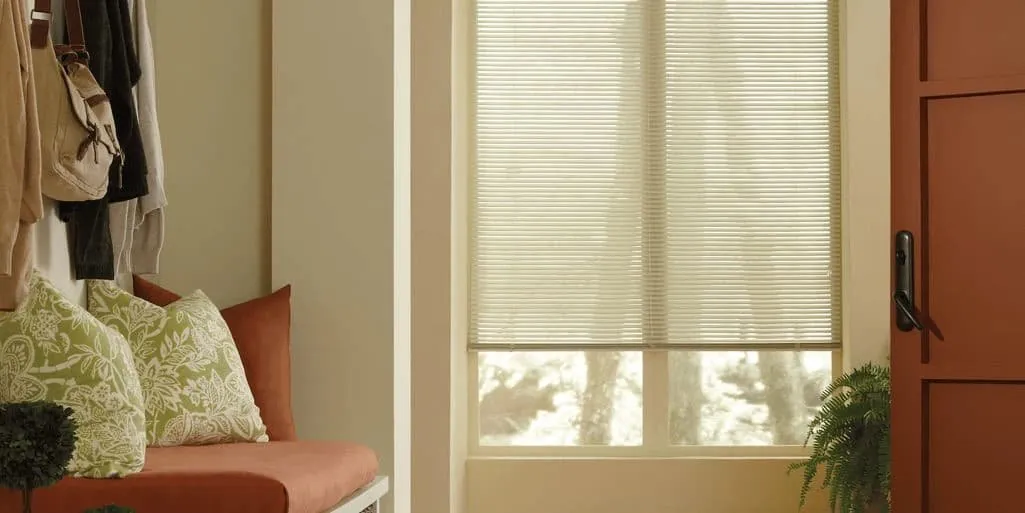
Blinds
Tilting slats let light in while blocking the view from the sidewalk, ideal for a front hall or a first-floor room.
Privacy at sidewalk height
In the older streets near the center, a first-floor window can be just a few strides from people walking by. During the day that is manageable: light-filtering fabric glows from the outside and shows very little of the room. After dark it changes completely. With lamps on inside, an uncovered window shows everything, and on a street of close-set houses the neighbors’ windows face yours as well.
Motorized blinds in Milford solve the evening problem by not depending on memory. A dusk timetable closes the front rooms as the light fails, every day of the year, adjusting to the season when you change the time in the app. In the morning the shades rise again, partly or fully, at the hour you set.
Blinds offer a different kind of privacy. With the slats tilted upward, daylight bounces in off the ceiling while the view from the sidewalk is blocked. A motorized blind can tilt and lift on its own schedule, so a front hall or a ground-floor bedroom keeps its privacy while the room stays light.
Tall narrow double-hungs in the Victorians
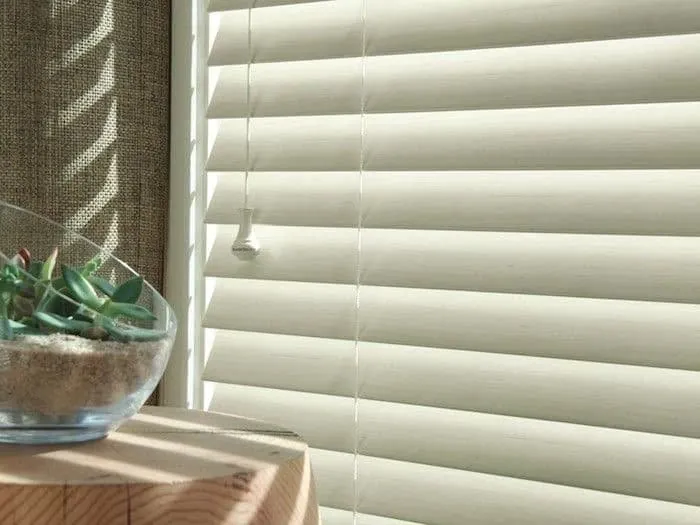
Milford’s Victorians have the classic tall, narrow window, often with a high head and a deep sill, sometimes set in pairs or in a bay. They are handsome windows, and they are also tall enough that the top of a shade sits above easy reach for many people.
On a manual shade that means a long cord or a stretch every time it moves. On a motor, height stops mattering. The shade rises and falls the full length of the window from a handset, the app or a timetable.
We measure every opening individually, because windows of this age vary even within one room. The width is taken at the top, middle and bottom, the height at both sides and the center, and we check the depth of the frame. Where the frame is deep enough, an inside mount keeps the trim on show and lets the raised shade sit tidily at the head of the window. Where it is not, a mount on the casing is the straight answer.
Bays in these houses usually get one shade per window, grouped so the whole bay moves as one and finishes level.
Two-families: two households, one building
The two-families near the center are one of Milford’s most familiar house types. Each floor is a home of its own, with its own front rooms facing the street and its own windows on the narrow side yards.
A motorized system fits that layout well, because each unit can have its own handsets, its own app setup and its own timetables. Whoever lives upstairs runs the upstairs shades; whoever lives downstairs runs theirs. If you own the building and live in one unit, you can motorize your own floor now and decide about the other later.
The side windows deserve their own thought. In a two-family close to its neighbor, the side windows often look straight at the house next door, a few strides away. A light-filtering shade on those windows, lowered on a timetable through the day, keeps the rooms bright while softening the direct view across the gap.
Ranches and newer colonials further out
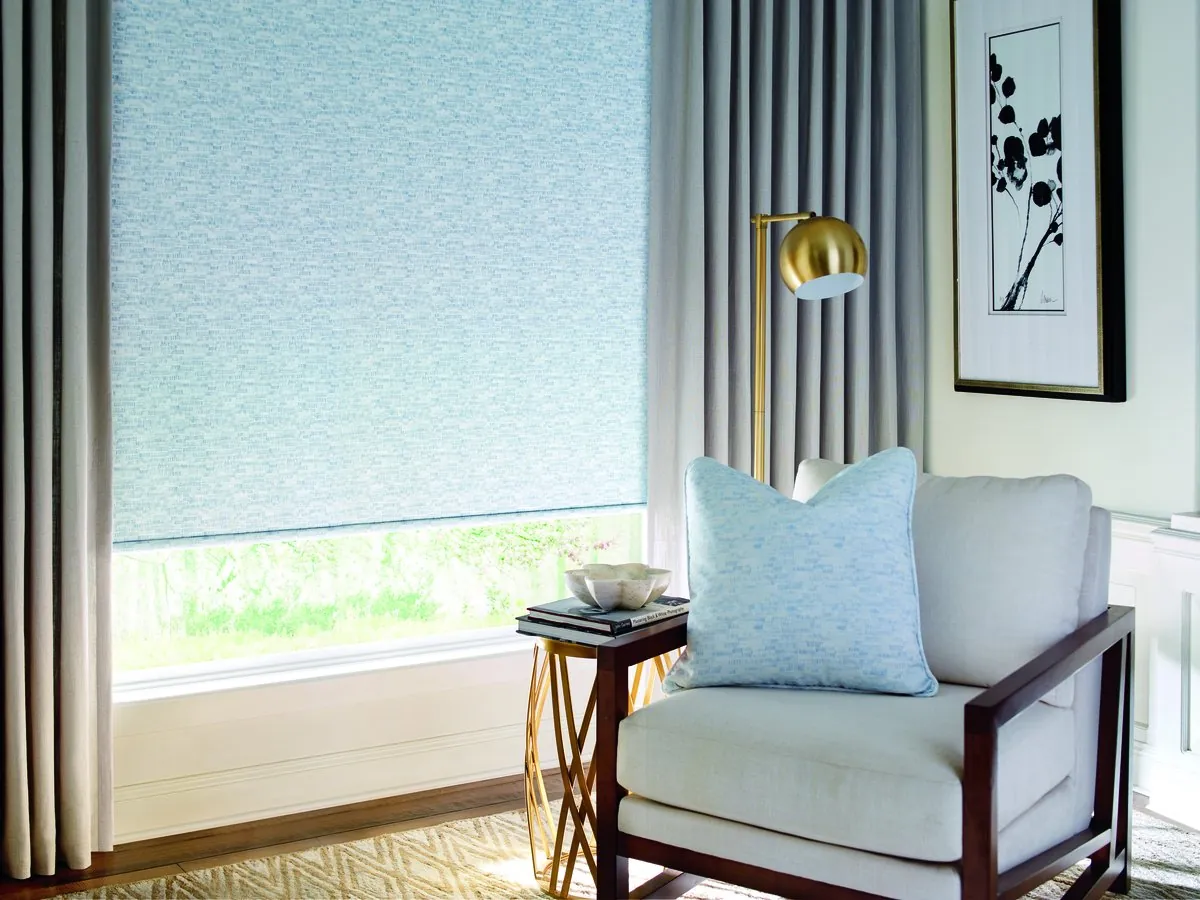
Away from the center, the housing opens up. Post-war ranches sit on their own lots with a picture window in the living room and a run of bedroom windows down one side. Newer colonials are bigger, often with a family room at the back that opens to the kitchen and a wall of windows toward the yard.
Here privacy from the street matters less, and the case for motorized blinds in Milford, MA, is more about routine and reach. A ranch with matching windows along each side is easy to group: every shade on the front opens together and stops at one height. A colonial’s family room wall can run as a single group from one handset. Taller panes over a front door or on a stair landing, out of reach by hand, are usually the first windows homeowners want motorized.
The kitchen window over the sink is another favorite, because it is awkward to reach across a counter. A motorized shade or blind there opens with the rest of the kitchen in the morning and keeps the sill clear.
Three controls, one system
Milford households tend to find their own balance between the three PowerView controls within a few weeks.
- Handsets. A small remote kept in the room, with buttons to raise, lower and halt. A visitor can work it without being shown.
- The app. On your phone or tablet: single shades or whole groups, any height you like, and the place where scenes and timetables live.
- Timetables. Programmed once, they move the shades at the same times each day, whether or not anyone is in.
Scenes bring them together. A “street side” scene might shut every window facing the sidewalk while the back of the house stays open. A “school run” scene might open the kitchen and living room and leave the bedrooms dark. For a plain explanation of each control, read how motorized shades are controlled.
Powering is settled during the home visit: we look at each frame and the wall around it and plan every motor individually.
What a consultation looks like
Fabric behaves differently in a close-set Victorian, with light slanting in across a narrow yard, than anywhere else, so Milford projects nearly always start in the house itself. Sample vans make that easy.
- Book online through Request a Consultation, or use the call button, and choose a day.
- Room by room, we start with the windows that face the sidewalk or the neighboring house.
- Light-filtering, room-darkening and sheer samples go up against your glass, and we step outside so you can see how much of the room each one gives away.
- We settle which shades travel together and whether you lean toward handsets, the app or timetables.
- Each window gets its own measurements, along with a note of the frame depth and any quirks.
- A free estimate follows, covering the shades and the fitting.
- Hunter Douglas manufactures every shade to our numbers.
- On fitting day a certified Hunter Douglas installer hangs the shades, sets where each one stops, links them to the handsets and app, and programmes the first timetables alongside you.
Our page on what happens at an in-home consultation explains that first visit in more depth.

Bedrooms on a busy street
A first-floor bedroom in a house near the center has two jobs: keep the room dark enough to sleep, and keep it private at every hour. Street lights and car headlights add a third, since they shine in at night.
Room-darkening fabric, made to the exact size of each tall window, handles all three. On a motor, a bedtime scene closes the bedroom shades together, and a morning timetable raises them at the hour you want, a little later at weekends. With no lift cord hanging beside the frame, the window is also safer in a child’s room.
Upstairs bedrooms in the Victorians often have windows tucked under a gable or behind a dresser. A motor puts those within reach of a handset or the app, which in a tall old house with narrow stairs saves a lot of walking.
Light on the side yards
Close-set houses mean narrow side yards, and narrow side yards mean that many rooms get their light from the side rather than the front or back. That light is softer for most of the day, but at certain hours the sun comes straight down the gap between houses and lands in a hard stripe across the room.
A timetable can lower a side-facing shade part way for the hour or so that happens and lift it again afterwards. Light-filtering fabric keeps the room bright when the shade is down, so you are not left in the dark to deal with a short burst of glare.
Which hour it happens depends on how the house sits on its street, and it shifts through the year as the sun climbs and falls. We look at the orientation of each side window during the visit, and once the shades are in, moving a timetable by half an hour in spring or autumn takes a moment in the app. In a two-family, upstairs and downstairs can each keep their own timing for the same side of the building.
Old glass and cold rooms
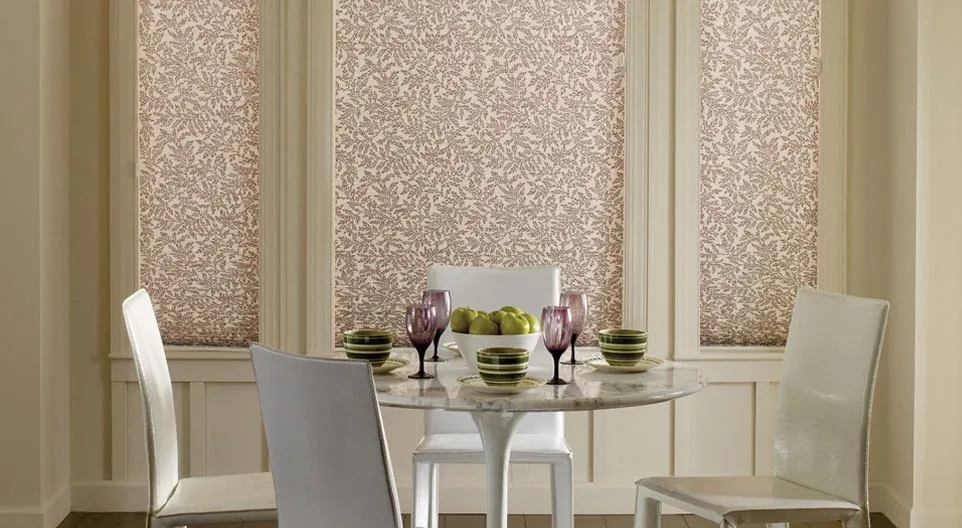
Plenty of the Victorians near the center still have their older sash, and tall single glass gives up its warmth quickly on a January evening. The honeycomb shade is the Hunter Douglas answer: every cell traps air that barely moves, and that still air sits between the chilly pane and the room, so a chair by the window stays comfortable.
The catch with any shade is that it only helps when it is down. Put honeycomb shades on a motor and the north and street sides of the house can close as the winter afternoon dims, then reopen after breakfast to let the low sun in, without anyone climbing the stairs to do it. Our cellular shades in Milford page goes into the honeycomb range, and custom blinds in Milford covers blinds.
Porches, front doors and entry halls
Many of the older houses near the center have a front porch and an entry hall with a glazed door, sidelights or a tall window beside the stairs. That glass faces the street directly, and in a close-set neighborhood it is the first thing anyone sees as they come up the steps.
An entry is a place you pass through rather than sit in, so its shades are the ones most often left in the wrong position all day. Grouped with the front rooms, a motorized shade or blind in the hall opens and closes with the rest of the street side. Blinds suit an entry well, since a slight tilt lets daylight reach the stairs while blocking the view in. Odd shapes, such as a narrow sidelight or a transom over the door, are measured at the visit, and we will tell you plainly which can take a motor and which are better left with a fixed treatment.
Paired windows and bays
Victorian rooms in Milford often have windows in pairs, or a three-sided bay at the front. On a manual system each shade is moved separately and rarely ends at the same height as its neighbor. From inside it looks untidy; from the street, on a house that sits close to the sidewalk, it is the first thing you notice.
Grouped on a motor, the pair or the bay moves as one and stops at one height. You can still move a single shade on its own from the app when you want light at one end of the room and privacy at the other, and then bring the group back into line with one press.
Starting with one floor
Lots of Milford projects begin with a single floor, or just the front room that faces the sidewalk. Any shade added later links into what is already there, with the same handsets and app, so a modest start never needs undoing. In a two-family, your own floor is the natural place to begin. The complete range is on our motorized blinds and shades page, and our Milford page shows everything we offer in town.
Franklin, the showroom nearest Milford
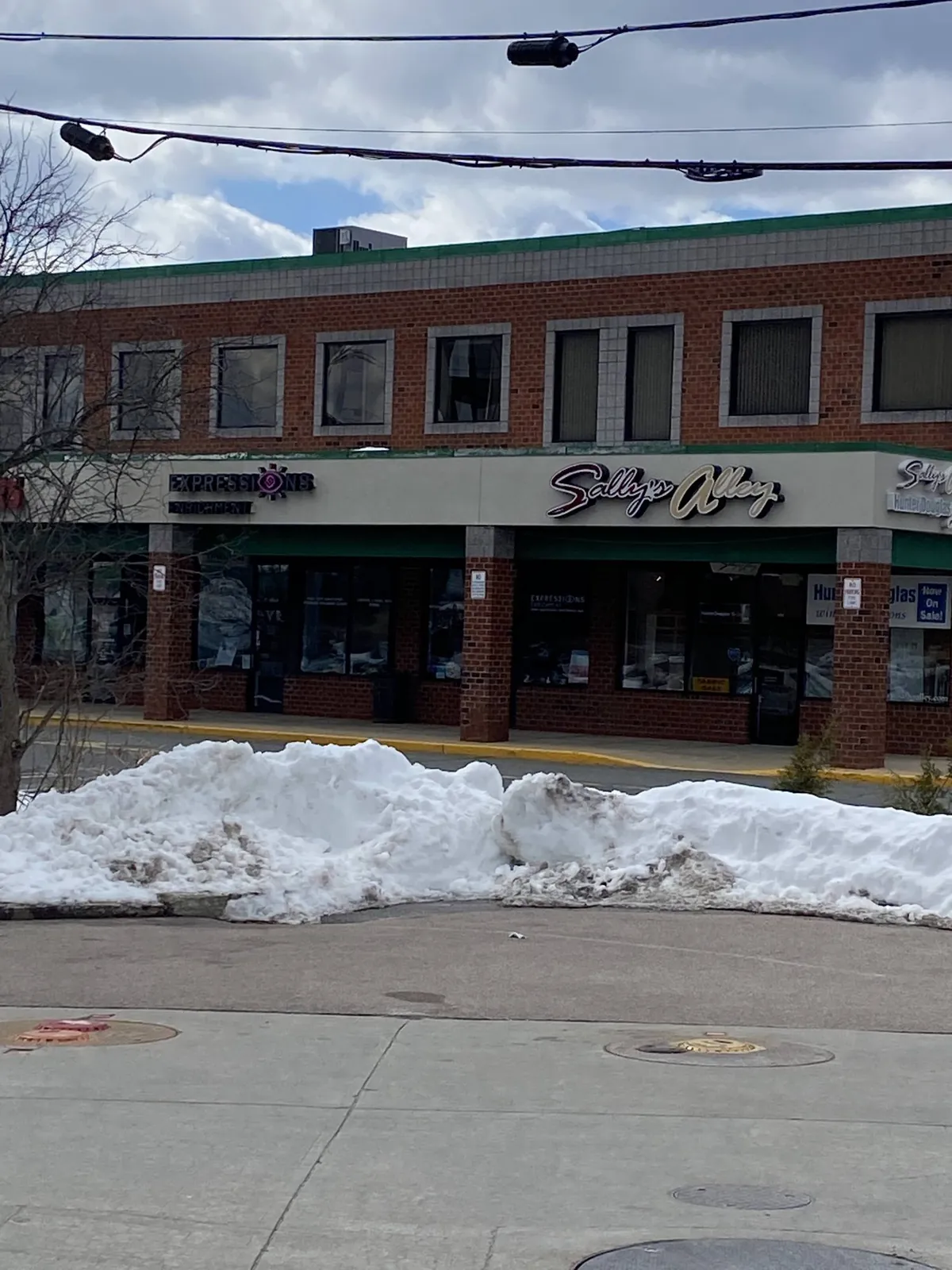
From Milford, our Franklin showroom is the closest. Drop in if you like, or have the sample van come to your door instead.
Measurements are taken at the house regardless, where the windows, the side-yard light and the view from the sidewalk can all be judged in person.
What Gallery status means for a motorized job
Hunter Douglas reserves Gallery dealer status for dealers who meet its standards, and Blinds & Designs holds it. For motorization, the practical result is choice: PowerView is available on honeycomb, roman, sheer, roller and woven shades as well as blinds, so a narrow Victorian sash, a two-family side room and a colonial family room can each be dressed properly and still answer to one app.
Hunter Douglas certifies our installers. You pay nothing for an estimate, interior design consultations are available, and blind and shade repairs are there if a shade needs work in later years.
Questions from Milford
How do motorized shades help with privacy on a close street?
They close on a timetable at dusk every evening, so a front room is never left lit and uncovered. During the day, light-filtering fabric or tilted blinds keep the room bright while showing very little from the sidewalk.
Our Victorian windows are tall and narrow. Can they be motorized?
Yes. Height stops being an issue with a motor. We measure each window separately and check the frame depth for an inside mount.
Can each unit in a two-family have its own controls?
Yes. Each floor can have its own handsets, app setup and timetables, and you can motorize one unit now and the other later.
What about the side windows facing the house next door?
A light-filtering shade on a timetable softens the direct view across the gap while keeping the room bright, and closes fully at night.
Do we pay for the estimate?
No, estimates are free. We measure the windows you are interested in and the estimate follows from that.
Start with the front room
In most houses near the center, the room facing the sidewalk is where motorized blinds in Milford make the quickest difference. Mention that room when you book, and we will arrive with samples that suit it, measure, and demonstrate how motorized blinds for Milford homes manage privacy and light on tall windows. Prefer a conversation first? The call button connects you with our Franklin showroom.