
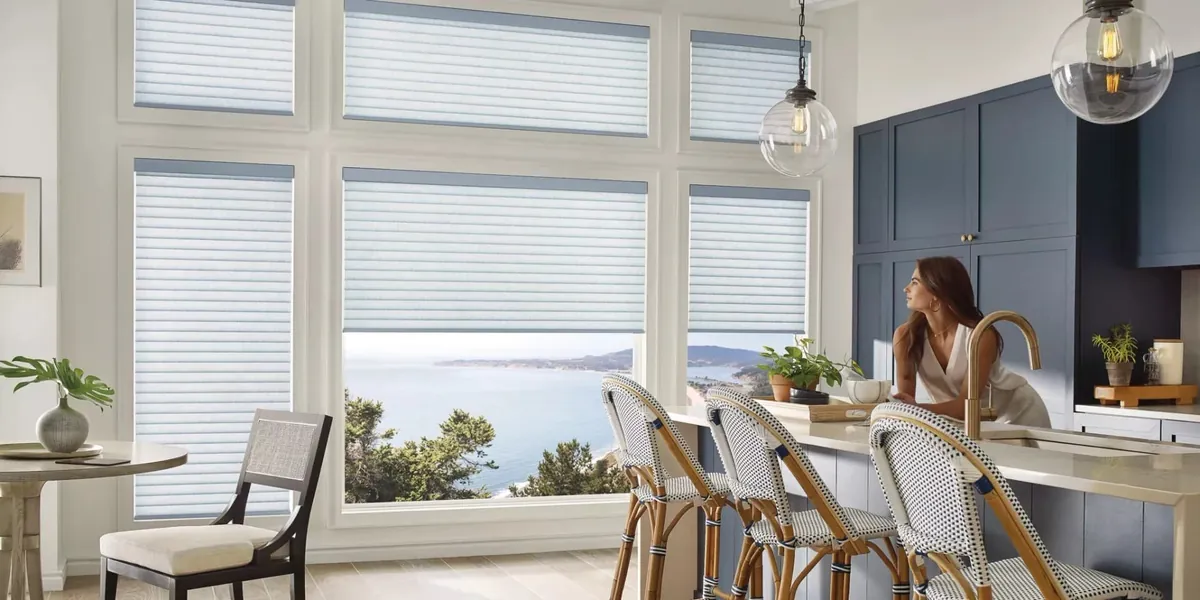
Single-hung windows, sliders and the house next door
Most homes we see for roller shades in Randolph, MA, were built in the post-war years: capes, ranches and two-families on modest lots. The windows follow from that. Standard single-hung openings run through most rooms, with sliders at the back or in a family room, and the sizes tend to repeat from one window to the next.
The lots shape the job as much as the windows do. With short setbacks between houses, a side window often faces the neighbor’s side window across a driveway or a strip of lawn. A kitchen can look into the house next door, and a bedroom can be in plain view of someone else’s porch. Privacy on those sides of the house comes up in almost every conversation.
Rollers suit this kind of house well. Regular openings make for a tidy fit, and the range of cloth means one window can have a bright light filtering fabric while the bedroom beside it goes fully dark. The work is in choosing the right fabric for each wall of the house.
Three rollers that cover most Randolph rooms
These Hunter Douglas lines do most of the work in a cape, ranch or two-family. Each comes in many colors and weaves, and the samples travel with the consultant.
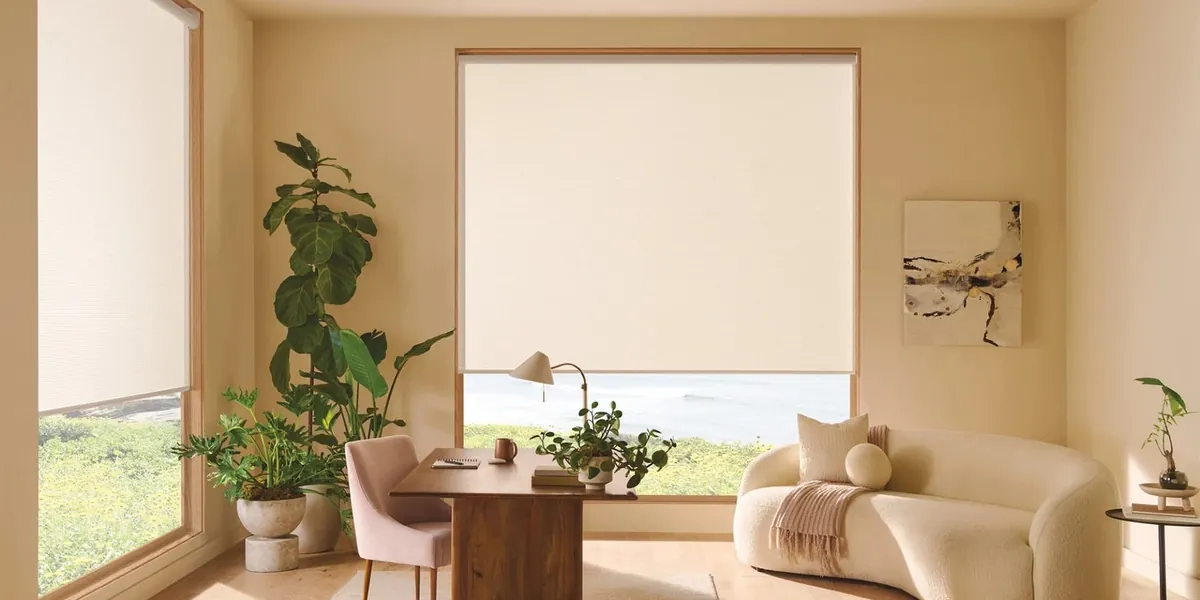
Designer Roller
Plain and textured fabric from light filtering to blackout. The dependable pick for bedrooms, living rooms and kitchens.
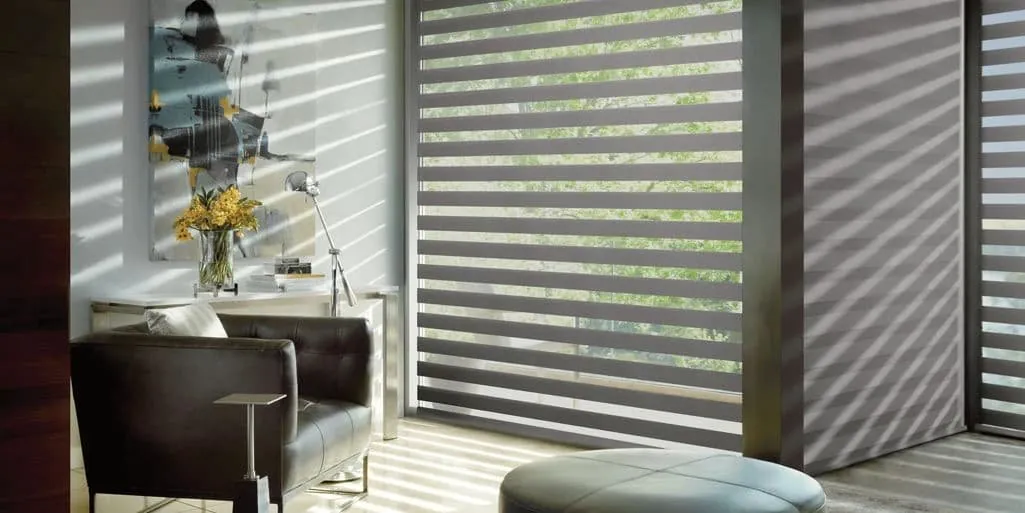
Designer Banded
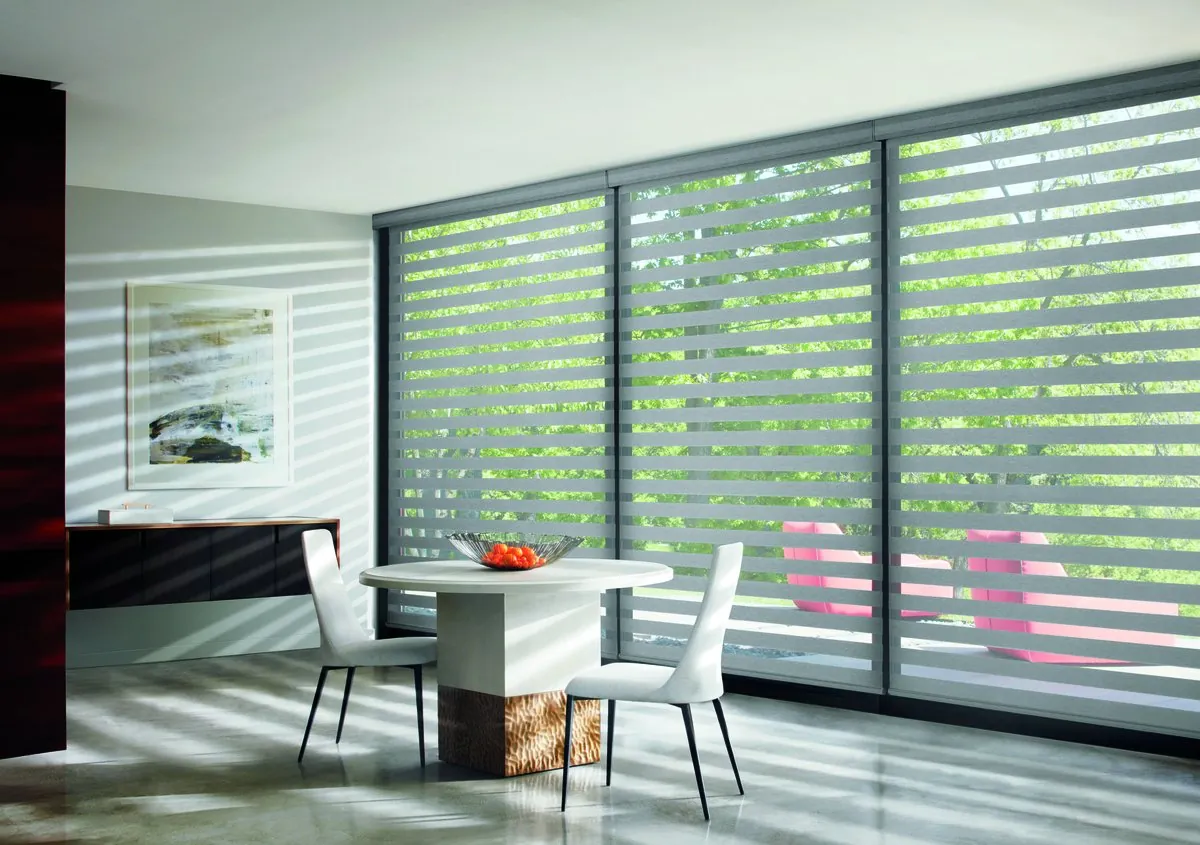
Alternating sheer and solid stripes, so a side window can be open to the light one moment and covered the next.
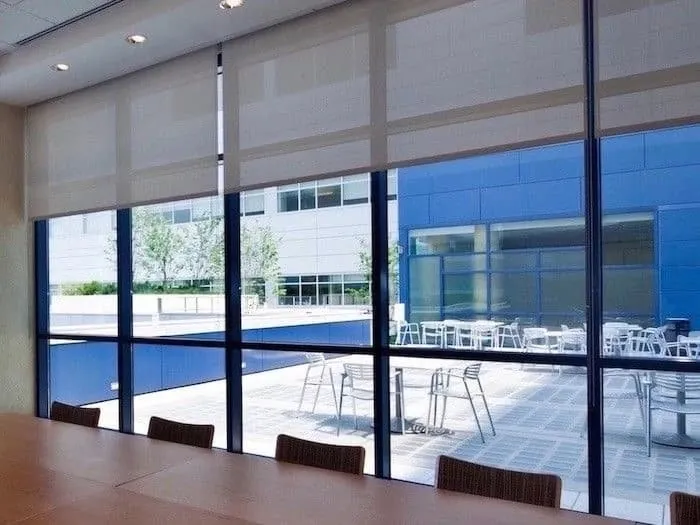
Designer Screen
Solar screen fabric for a sunny slider or family room, cutting glare while you keep an eye on the yard.
When the neighbor’s window faces yours
On a modest lot, the gap between two houses can be little more than a driveway. That puts dining rooms, bathrooms and bedrooms on one side facing the same rooms on the other. Nobody wants to keep a shade down all day just to avoid that view, but leaving the window bare feels exposed.
For side windows like these, the simplest of our roller shades in Randolph, MA, is a light filtering roller, and it is often all a window needs. The cloth lets daylight through and turns the view into a soft glow, so the room stays bright while what is inside stays private. From the driveway, the window looks like a pale panel rather than a picture of your kitchen table.
Banded fabric gives more control. Its sheer and solid stripes slide past each other: line up the sheer bands and you can see out; shift them and the window is covered, without raising or lowering the shade. On a side window that you like open in the morning and closed when the neighbors are out on their porch, that small adjustment is handy.
After dark, the picture changes. With lamps on inside, lighter cloth can show silhouettes. Side bedrooms and bathrooms are better with a room darkening fabric, or a banded shade set to its covered position, once evening comes.
Sliders: wide, low and well used
A slider in a Randolph ranch or cape is often the busiest window in the house. It might open from the kitchen onto a deck, or from a family room onto the backyard. It is wide, it runs low, and it gets opened and closed many times a day.
A roller across a slider needs to clear the moving panel and leave the opening easy to use. Because the fabric rolls up out of the way, a raised roller keeps the doorway clear. A single wide shade can cover the whole slider, or two shades can split it so one side stays open while the other is lowered.
Sliders at the back of a house often catch the afternoon sun. A screen fabric is a strong choice there, because it takes away the glare without losing the view of the yard. If the slider faces the house next door at close range, a light filtering or banded fabric may be the better fit.
Single-hung windows in capes and ranches
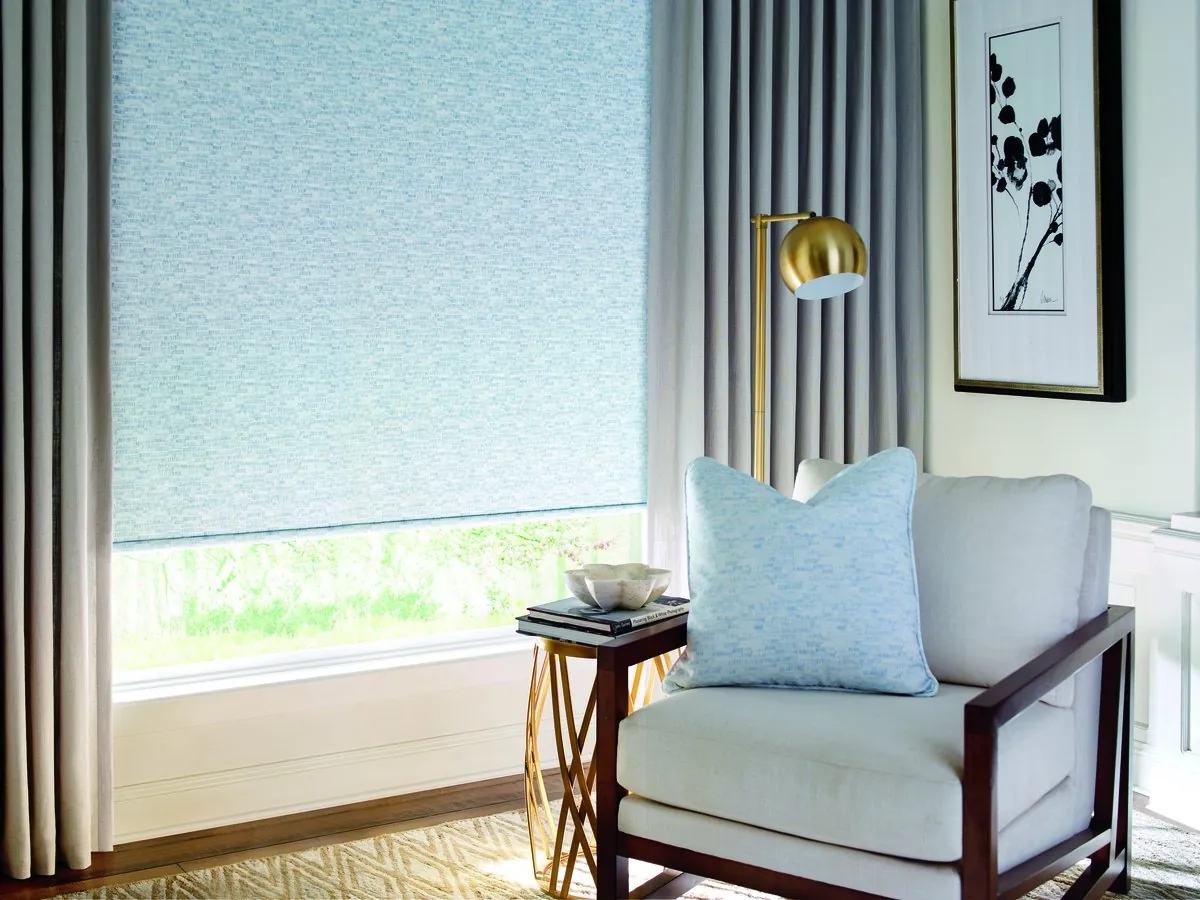
Single-hung windows make up most openings in Randolph’s post-war houses. They are regular in shape, repeat in size and are usually set in standard frames, which makes them among the easiest windows to fit with a roller.
In a ranch, that regularity is useful across the front of the house. Several windows of the same size, all with matching shades lowered to the same line, give the street side a neat, finished look. Inside, you can still choose different fabrics room by room, keeping the same color on the outside face.
In a cape, the single-hung windows downstairs are joined by dormer windows upstairs. Dormers sit in small, deep recesses under the roof, and they often light the bedrooms. A blackout roller in a dormer works well, because the walls of the dormer help keep stray light at the edges down.
Choosing roller shades in Randolph, MA, for capes and ranches is usually more about fabric than fit. The openings are simple; the decision is how much light, how much view and how much privacy each room should have.
Two-families, upstairs and down
The two-families found across Randolph stack one unit over another, each with a similar layout: living room at the front, bedrooms off a hall, kitchen at the back. That repetition makes them simple to plan, because once one floor is worked out, the other usually follows.
Many owners cover both units at once. Matching fabric on the front windows of both floors keeps the house looking orderly from the street. Inside, each unit can make its own choices: a light filtering cloth in the living room, room darkening in the bedrooms, a screen on a kitchen window that gets the afternoon sun.
If one unit is rented, the conversation tends toward durable, neutral fabrics that suit anyone who moves in. If both units are lived in by family, each floor can have more personal choices. Either way, we can talk through both floors on the same visit.
Corner rooms with two walls of glass
Plenty of ranches and capes in Randolph have a corner living room or bedroom with windows on two sides, one facing the street and one facing the house next door. Those two walls rarely need the same thing.
The street-facing window might get strong sun in the morning or the late afternoon, depending on which way the house sits. The side window might get very little direct sun at all but plenty of attention from the neighbor’s driveway. Treating both with one fabric often means one of them is wrong for half the day.
Rollers make it easy to split the job. The sunny wall can take a screen, so the glare drops and the street stays in view. The side wall can take a light filtering or banded fabric, so the room stays private without going dark. Chosen in the same color family, the two fabrics still look like they belong together.
In a corner bedroom, the logic shifts toward sleep. A blackout cloth on the side that catches the dawn, and a room darkening fabric on the other, can be enough. Your consultant can hold both fabrics up at each window so you see the difference before deciding.
A tidy face to the street
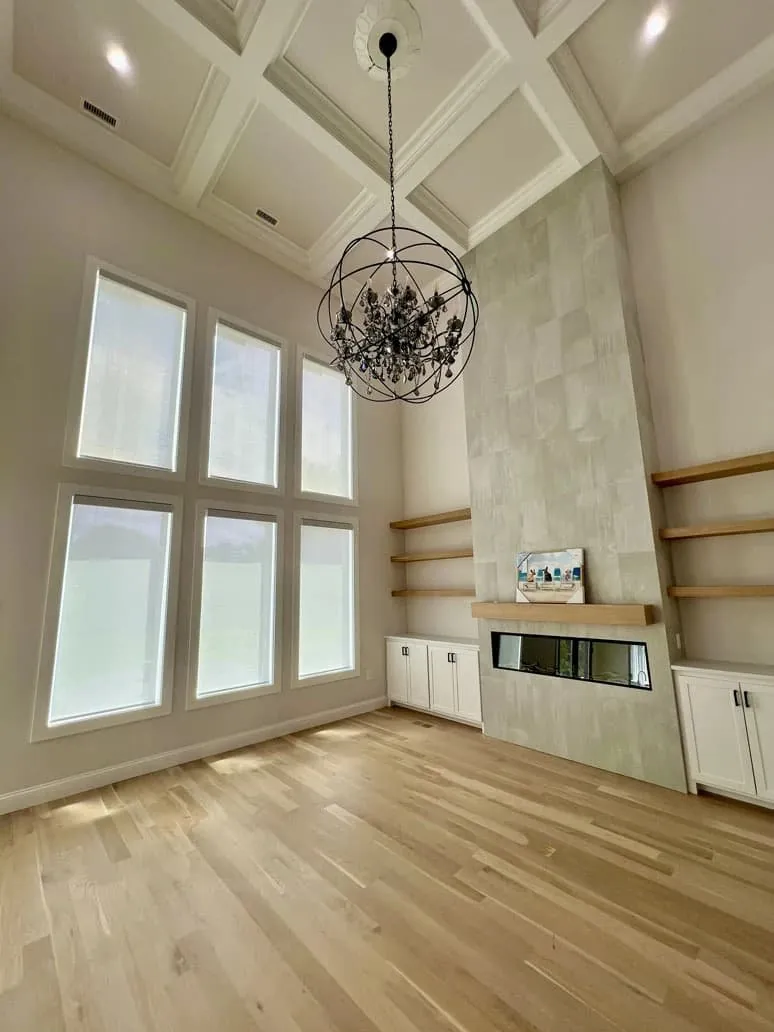
With houses set close together and close to the road, the front of a Randolph home is on view all day. Shades are part of that view, even when you think of them as an inside choice.
Matching the outward color of every front shade, even when the fabrics differ, keeps the house looking calm. A ranch with five front windows all lowered to the same height reads as cared for. A two-family with the same neutral cloth on both floors looks like one house rather than two separate households.
That still leaves room for personality inside. A child’s bedroom at the back can have a bright pattern. A kitchen facing the yard can have a screen in a darker tone. It is the street face that benefits from consistency, and roller fabric makes that easy to plan.
One room at a time: picking the opacity
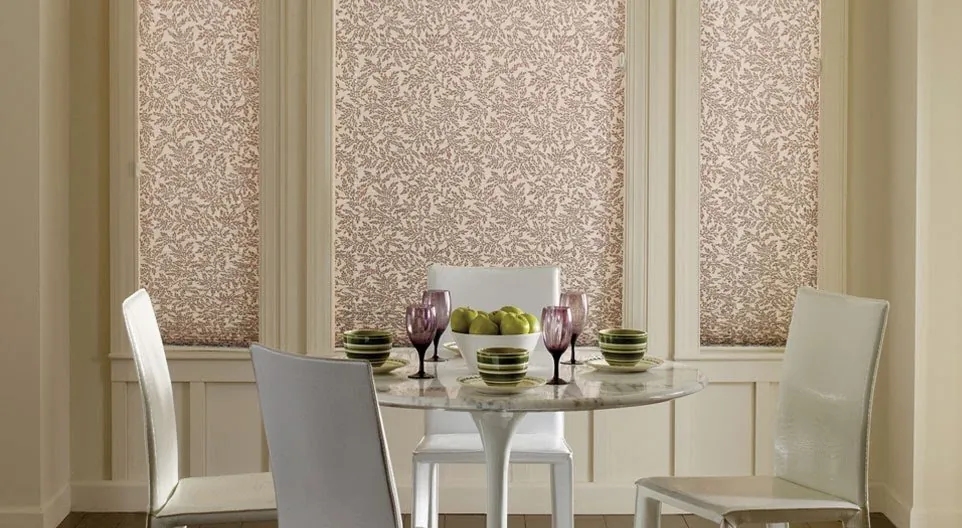
Opacity is where most decisions about roller shades in Randolph, MA, are really made. The cloth ranges from soft light filtering to full blackout, and each room usually wants its own point on that scale. Here is how it tends to fall.
Living room. Light filtering keeps it bright and private through the day. If the front faces west, a screen on the main window can stop glare on the television.
Kitchen. Light filtering or screen, depending on whether the window faces a neighbor or the yard. Over the sink, a roller stays up out of the way.
Bedrooms. Room darkening for most, blackout for east-facing rooms, nurseries and anyone who sleeps during the day.
Bathroom. Privacy is the first concern, day and night. A denser fabric is the safer choice where the window faces the house next door.
Family room with a slider. Screen fabric for glare and view, or banded for flexible privacy if the slider looks toward a neighbor.
Most houses end up with two or three different fabrics in a matching color. From outside, the shades look like a set; inside, each room gets what it needs.
Openness on a sunny slider or picture window
Every screen cloth is graded by openness, which simply describes the size of the gaps in its weave. Think of it as a dial between seeing out and shutting out sun.
Turn the dial toward open and you get a crisper look at the yard and a brighter room, but some of the dazzle comes with it. Turn it toward closed and the sun calms down and passersby see less of the room, while the yard takes on a hazy look. For a deck slider at the back of a ranch, somewhere in the middle often feels right: the afternoon stops stinging and the kids in the yard stay in sight.
The color of the cloth changes how the dial behaves. A charcoal or bronze screen almost disappears when you look through it. A white or ivory screen glows and lifts the room, though the outlook goes milky. If a television sits across from the slider, the darker cloth usually wins.
Remember that a screen is a daytime tool. Once the sun is down and the lamps are on, the room shows through. Where a slider or side window faces a close neighbor, plan a second treatment or a denser fabric for the evening hours.
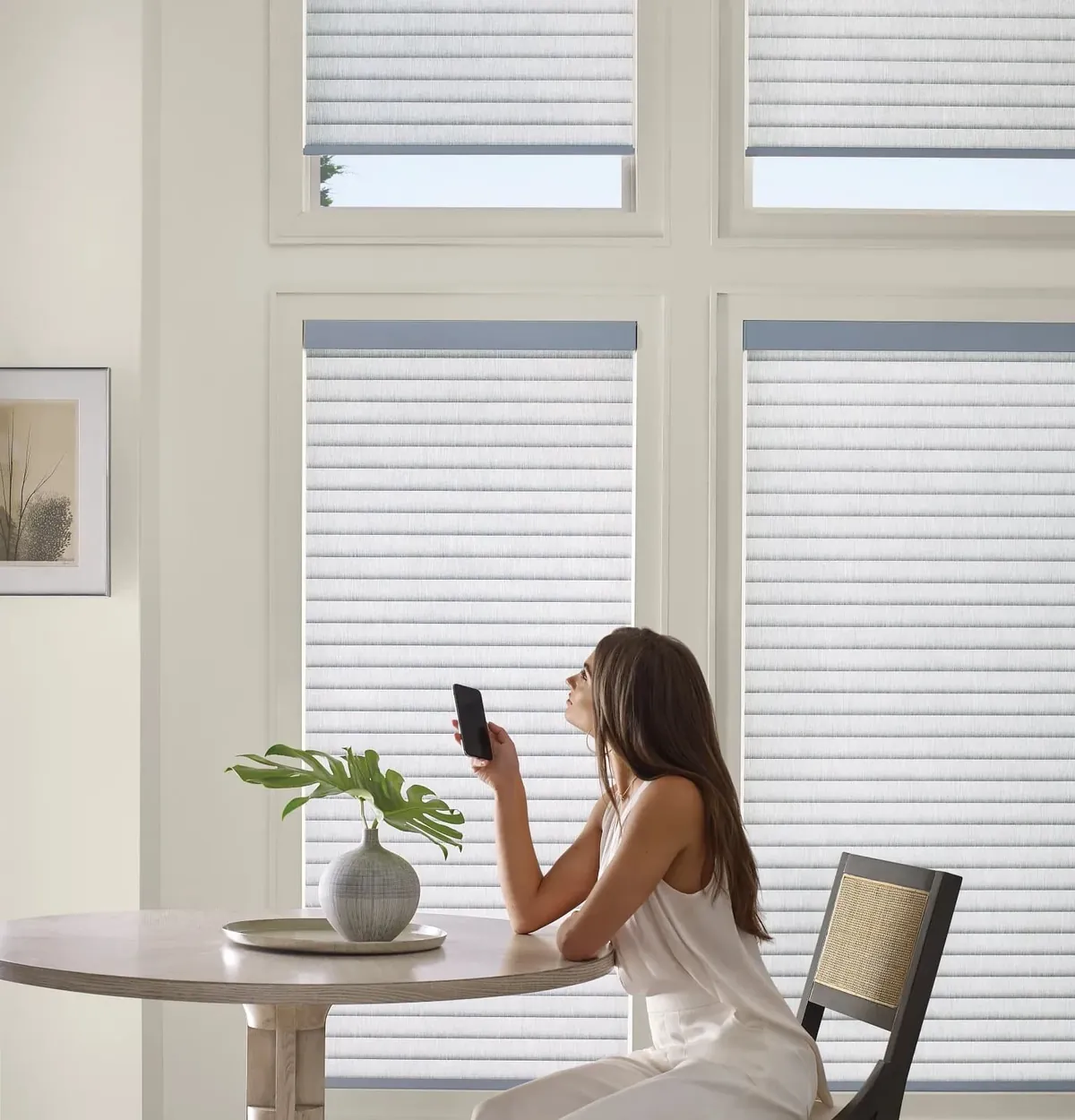
PowerView schedules for a busy house
Any of these rollers can run on Hunter Douglas PowerView. You tap a shade up or down in the app, use a small remote, or let a timetable do it for you.
For a Randolph cape or ranch, the appeal is routine, not reach. Picture the side shades dropping on their own as it gets dark, so the house across the driveway never gets a view in. Picture the bedroom fabric lifting at the hour you want to wake, and the screen on the deck slider closing through the worst of the afternoon. Shades grouped into a scene travel together, so the front windows settle at one height.
In a two-family, each unit can have its own setup and its own controls. We talk through powering each motor at the visit, window by window. For more, see motorized blinds and shades in Randolph.
A home visit in Randolph
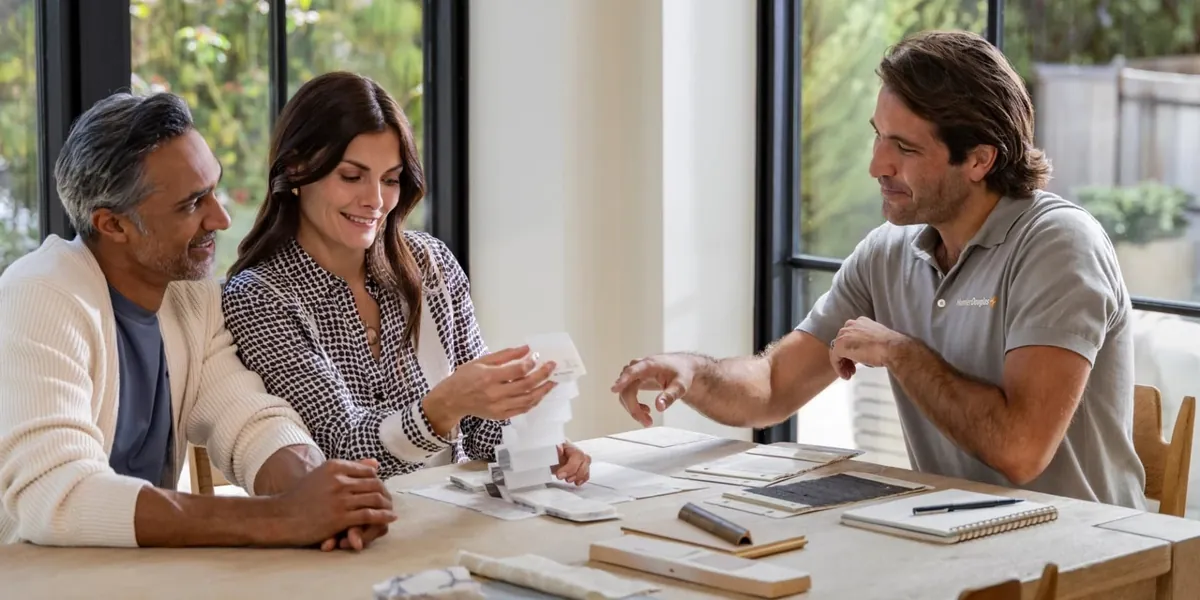
Randolph is served by our shop-at-home team, so the consultation happens in your house. The consultant brings a van of samples, and you compare fabrics against your own windows in your own light. The Canton shop-at-home page explains how the territory works.
To get the most from the visit:
- Request a consultation online, or tap the call button, and say you are interested in roller shades.
- Note which side windows face a neighbor most closely.
- Decide which rooms need darkness for sleep and which need daylight.
- Open the slider and check how you use it day to day.
- If you are planning both units of a two-family, have access to both ready.
- Expect a free estimate for the rooms you choose.
Ask about interior design consultations if you would like help with color or with a room as a whole. Our guide on what happens at an in-home consultation has more detail.
Designer and Alustra, side by side
Designer is the wide Hunter Douglas roller family: plain cloth, textured cloth, screens and banded styles. Between them they handle nearly any opening in a Randolph house, whether that is a slider off the kitchen or a dormer over the stairs.
Alustra sits a step up in finish, and Alustra Woven Textures brings a woven surface to a living room that wants a little more character. Plenty of orders use both, putting Alustra where guests sit and Designer where the family sleeps and cooks.
Your consultant carries both, so you can compare them at one window, in one light. The full lineup is on the roller shades overview page.
A Gallery dealer, at your kitchen table
Blinds & Designs is a Hunter Douglas Gallery dealer. For a Randolph homeowner, that means the whole Hunter Douglas roller range in one visit, from Designer and Alustra fabrics to screens and banded styles, with PowerView motorization for any of them.
When you have chosen, the shades go up with certified Hunter Douglas installation. If you also have older shades that need work, we offer blind and shade repair for window coverings you already own.
For the rest of what we do in town, see the Randolph page. If a bedroom or family room needs extra warmth in winter, cellular shades in Randolph are worth comparing.
Questions from Randolph
The house next door is very close. What fabric keeps a side window private?
A light filtering roller keeps daylight coming in and blurs the view during the day. For the evening, a room darkening fabric or a banded shade set to its covered position gives more privacy.
Can a roller go across a slider?
Yes. One wide roller can cover the slider, or two can split it. Raised, the shade leaves the doorway clear.
Can you plan both units of our two-family on one visit?
Yes. We can go through both floors together, keeping the front windows consistent and choosing fabrics room by room inside each unit.
Is there a showroom in Randolph?
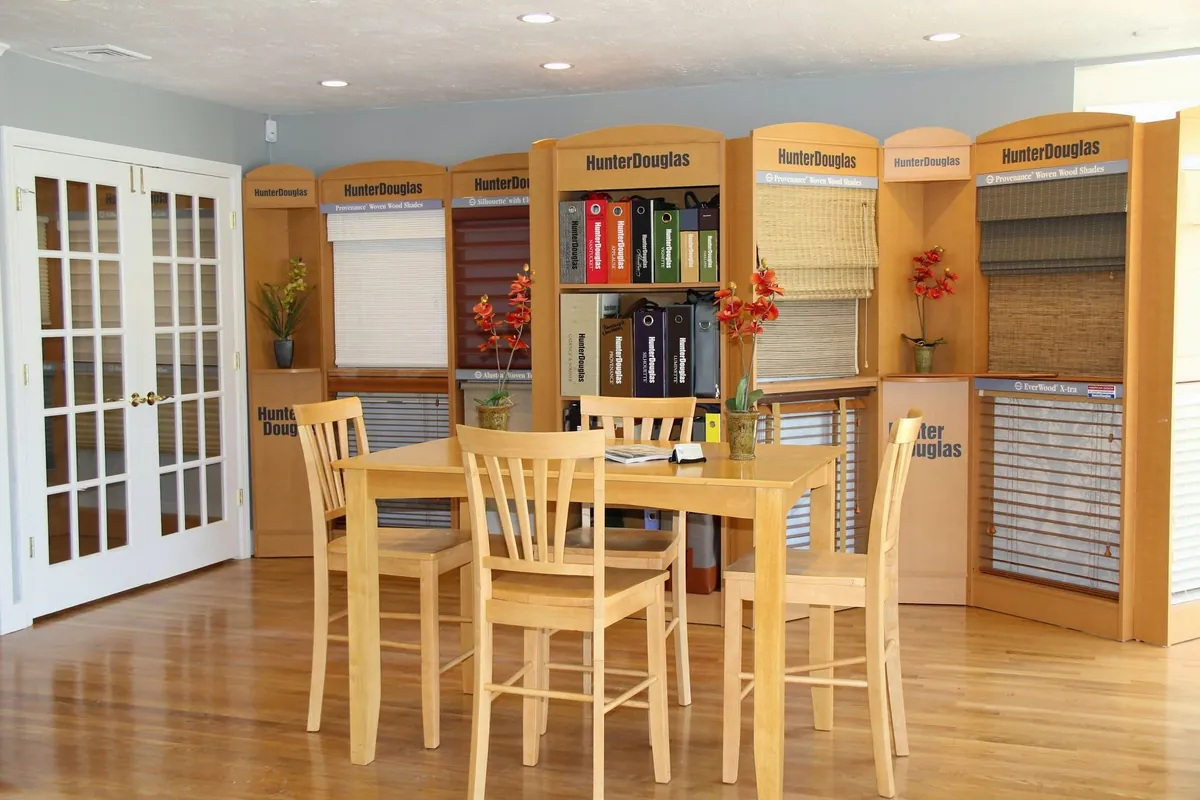
No. Our shop-at-home team brings the samples to your house. If you want to visit a showroom, the nearest is our Franklin showroom.
Do you charge for the estimate?
No. Estimates are free, and you are under no obligation.
Start with the window that bothers you most
Most Randolph orders begin with a single annoyance: a side window staring at the neighbor’s kitchen, a slider full of afternoon dazzle, or a bedroom that wakes everyone too early. Begin there. Ask for a consultation online and our shop-at-home consultant comes to the house with roller shades for Randolph, MA, homes in the van, tackles that window first, works through the others and leaves you a free estimate to think over. If you prefer to see shades in a showroom, the Franklin showroom is the nearest, and the call button reaches us any time.