
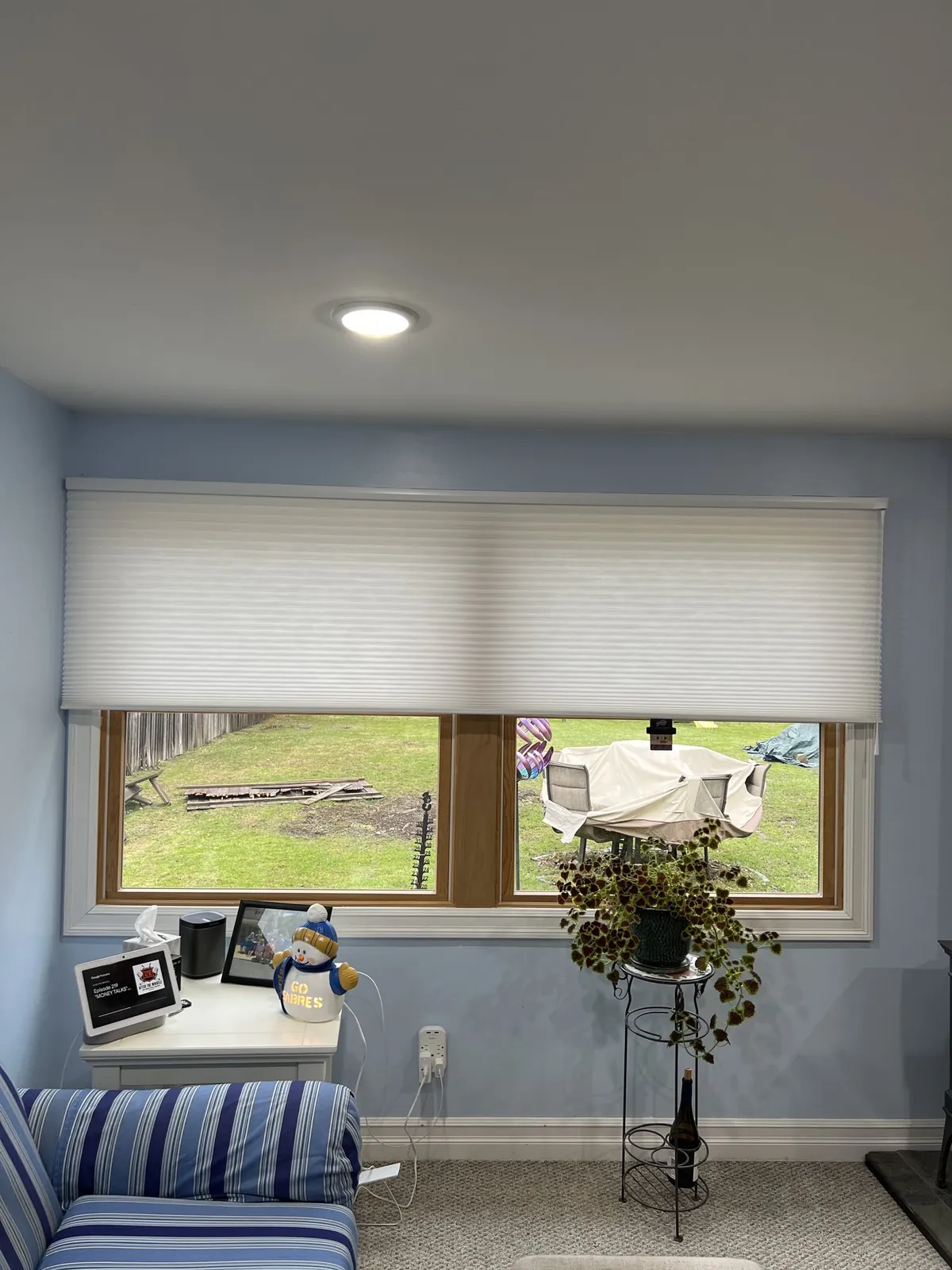
Small, tall openings in the mill village
Hopedale’s old company housing was laid out by the Draper works with the houses set tightly together, and the window openings were made small and tall to match. Plenty of those houses still have their original narrow sash. That combination, thin old glass in a slim opening with the next house only a few steps away, is the starting point whenever we plan cellular shades in Hopedale, MA.
A narrow window does not lose less heat just because it is small. On a two-story company house there can be a dozen of these openings on the street side alone, each one a cold strip of glass in winter. A honeycomb shade puts a pocket of trapped air across every one of them, and that pocket is what keeps a small front room comfortable once the sun goes down.
Around Hopedale Pond the houses are larger, with bigger rooms and more glass facing the water. The shade does the same work there, just across wider openings, and the questions shift toward light off the pond and how the shades look from the shore.
Honeycomb choices for Hopedale houses
Three questions decide most orders here: how slim the shade can be made, how much light you want through it, and how you want to lift it. These are the answers we bring along as samples.
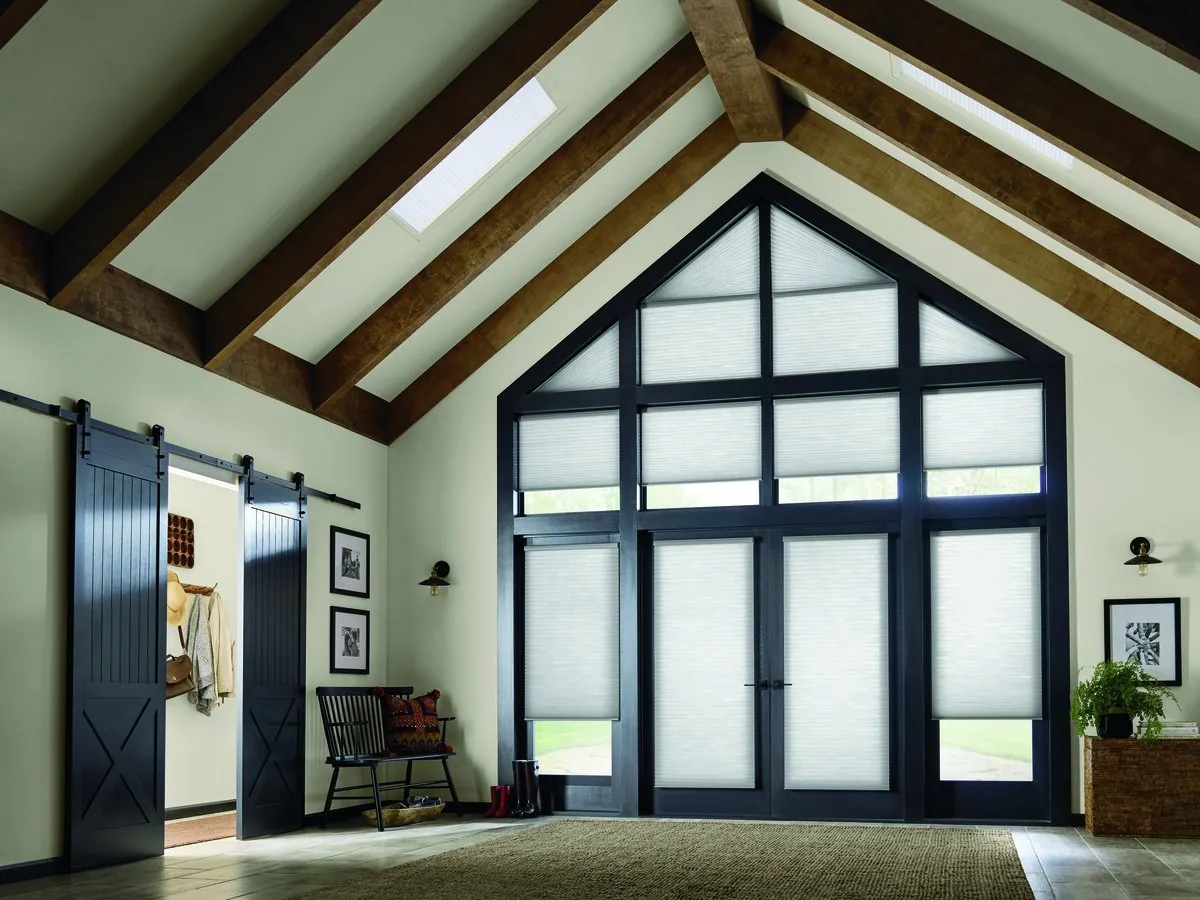
Slim shades for narrow sash
Duette can be made in very narrow widths, so a tall village window gets a shade that fits inside its own frame instead of one that overhangs the trim.
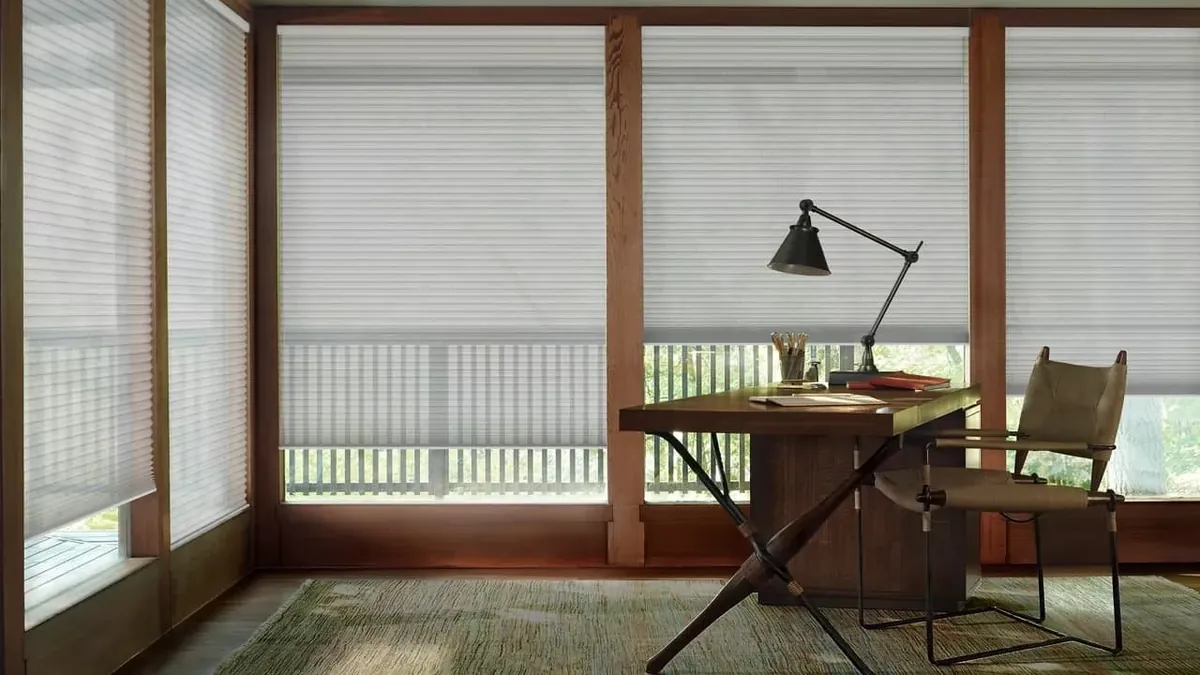
Fabric weight by room
Sheer-feeling light-filtering fabrics for a front parlor, heavier ones for a room that faces the house next door, and room-darkening for bedrooms.
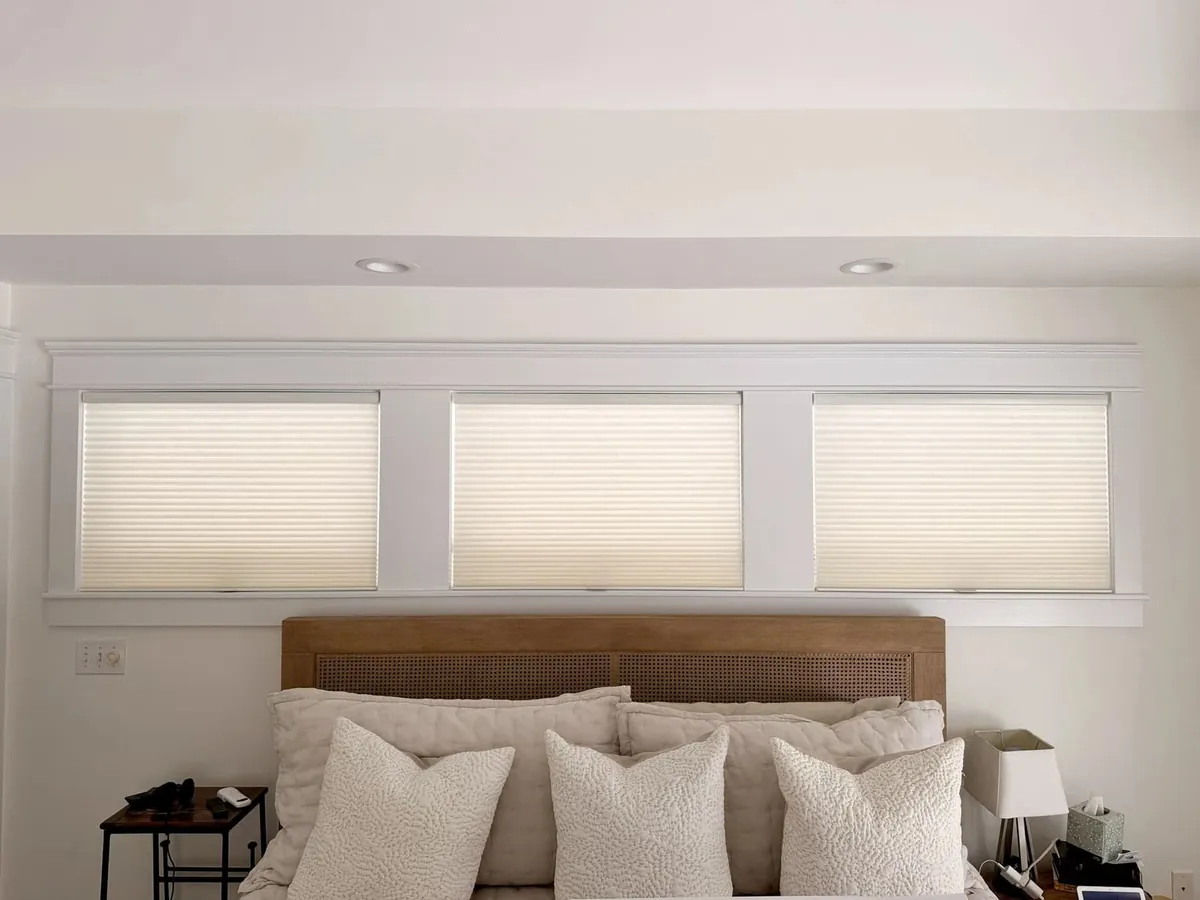
Cordless or motorized lift
A cordless shade lifts from the bottom rail with one hand. PowerView takes over on the windows you cannot reach, such as the top of a stairwell.
Trapped air at a thin pane
Seen from a chair across the room, a honeycomb shade could pass for plain pleated fabric. Check the end of the bottom rail and the secret shows: hollow tubes, one stacked on the next, running the width of the glass. When the shade is down, the air inside each tube hardly moves. Air that stays still carries very little heat, so it acts as a buffer between the cold glass and the warm room.
On a modern double-glazed window that buffer is a pleasant extra. On a single-glazed sash from the mill years it makes a far bigger difference, because the glass itself does so little. A front room with three or four old sash can go from feeling draughty by the window to feeling settled, and the shade does it without any change to the outside of the house.
Cell construction varies. Certain Duette fabrics tuck an inner cell within the outer one, and double-cell versions sit two layers of tubes back to back, giving the air more places to stay still. Both kinds travel in the sample case, so you can weigh them at your own sash and judge how much each dims the room.
Company houses and their original windows
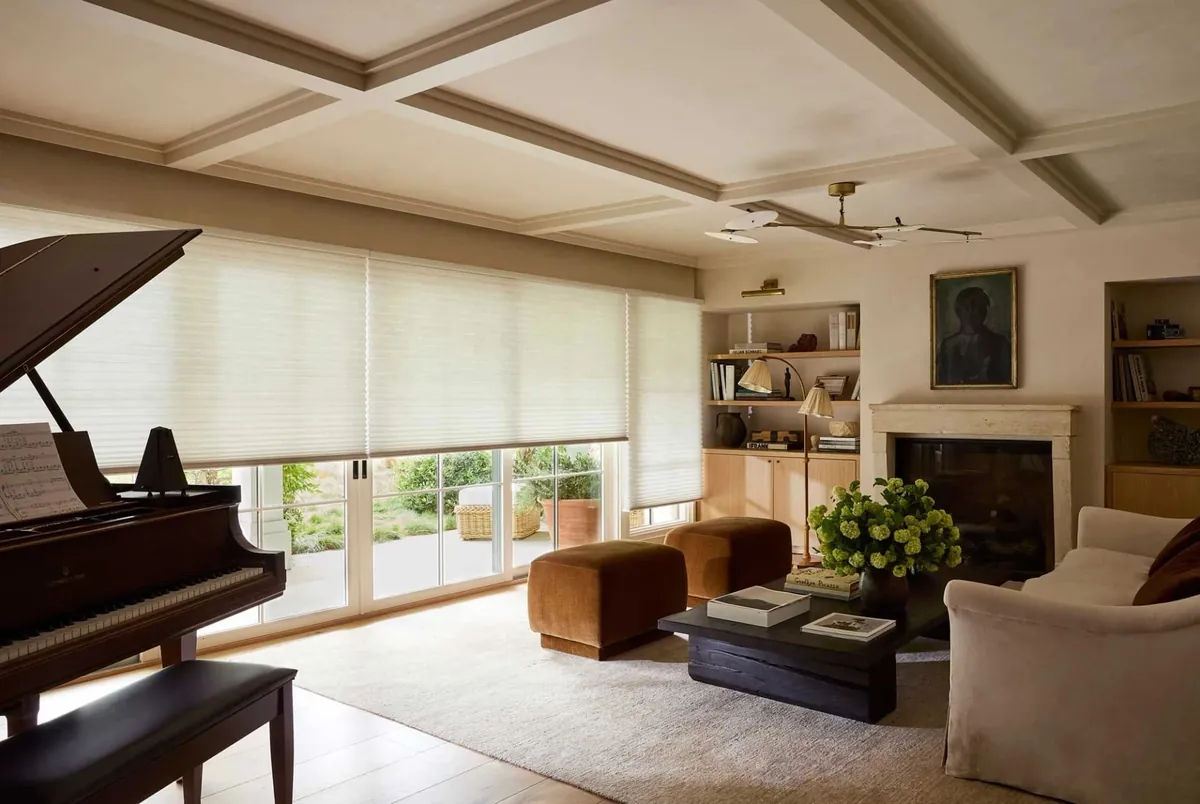
The houses built for the works were plain and well made, and many of the families who own them now have kept the original sash and casings rather than swap them for replacement units. That is good news for the look of the village and a small puzzle for anyone fitting a shade.
An inside mount, with the headrail tucked up inside the opening, is the cleanest look on a narrow window. It leaves the casing showing and lets the shade almost vanish when it is raised. The catch is depth. Old sash have stops, parting beads and sometimes pulley hardware near the top of the frame, and those eat into the space a headrail needs. Frames that have moved over the years are rarely square, either, so a shade cut to the width at the top may rub at the bottom.
So we measure each opening three times across and three times down, and we check depth at more than one point. Where an inside mount will not sit cleanly, we say so and suggest a slim outside mount on the casing instead. On a narrow window an outside mount also lets the shade cover a little more glass at the edges, which can help on a cold north side.
Houses close together
Because the village houses sit so near each other, many side windows look straight across a narrow gap at the neighbors’ windows. Front windows sit close to the sidewalk. Warmth is only half of what those windows need; the other half is privacy that still lets daylight in.
A light-filtering honeycomb fabric handles that well. In daylight the fabric glows and the room behind it stays bright, while anyone outside sees only the shade. After dark, with lamps on, a light-filtering fabric becomes easier to see through, so for the side windows that face a neighbor we often suggest a slightly heavier fabric or a room-darkening one in the bedrooms.
A top-down, bottom-up design is the other answer. Drop the upper rail to let sky in above the eye line of anyone walking by, while the lower rail keeps the bottom glass screened. When we fit cellular shades in Hopedale, MA, on a street-side village sash, this is the feature we suggest more than any other, because it lets the room stay bright all day without feeling on show.
Larger houses around Hopedale Pond
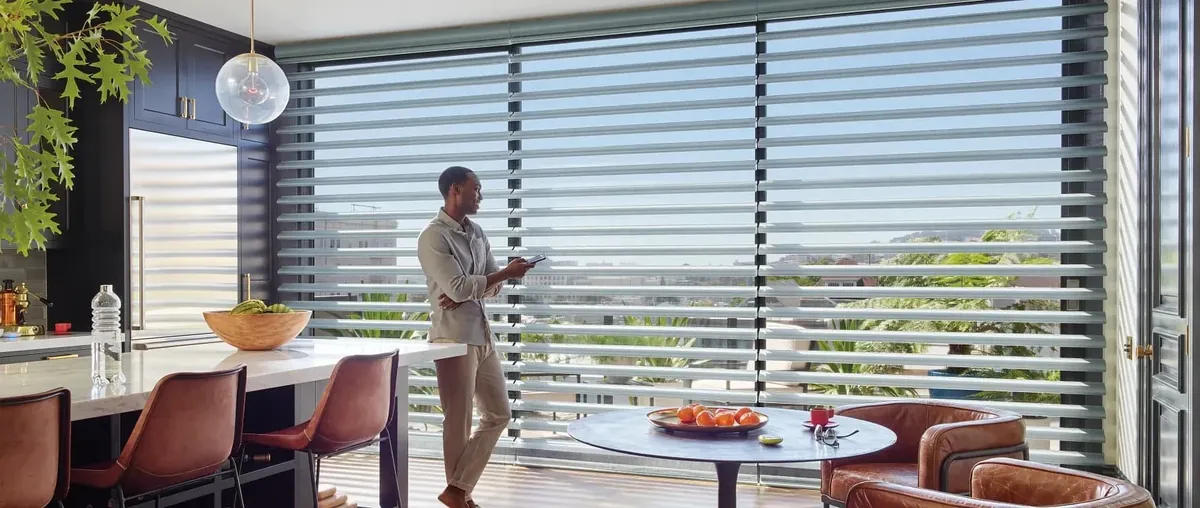
The houses around the pond are a different kind of job. Rooms are bigger, ceilings can be higher, and the windows facing the water are wider. A living room may have a run of windows across one wall, a bay, or a pair of doors out to a porch.
A long run of glass can share a single headrail carrying two or three shades, so they travel as one; or each can work alone, letting you cover the sunny end and leave the rest clear. In a bay, every window gets its own shade, sized so the bottom rails sit level at matching heights. Porch doors and sliders suit a side-drawing honeycomb shade that gathers into a slim bundle at the edge of the frame. Planning cellular shades in Hopedale, MA, for the pond side usually means mixing all three on one floor.
Water reflects light, so rooms facing the pond can be brighter than the compass alone suggests, especially on a clear winter morning when the sun is low. A light-filtering fabric spreads that brightness across the room rather than throwing glare onto the floor and the furniture, and keeps the view soft rather than hidden.
How a visit to your house goes
Most people start with an in-home consultation, because a sample only tells the truth in your own light. Our vans carry samples, so we can bring the showroom to you. A typical visit runs like this.
- Ask for a visit through the Request a Consultation form or the call button, and pick a day that suits the household.
- A van arrives loaded with honeycomb fabrics: colors, cell sizes, and everything from sheer-feeling to blackout.
- You lead the tour, beginning with whichever room annoys you most, perhaps the chilly parlor, the bedroom overlooking next door or the pond-side room that glares.
- Samples go straight up against those panes, so you judge them in real daylight beside your own woodwork.
- Every opening is measured and its depth noted.
- A free estimate follows, and the decision is yours to make in your own time.
For a fuller picture of that visit, read what happens at an in-home consultation. Color and fabric choices can feel like a lot in one sitting, and if you want a hand tying the shades in with paint, furniture and flooring, our interior design consultations can be folded into the same appointment.
Duette or Applause in a village house
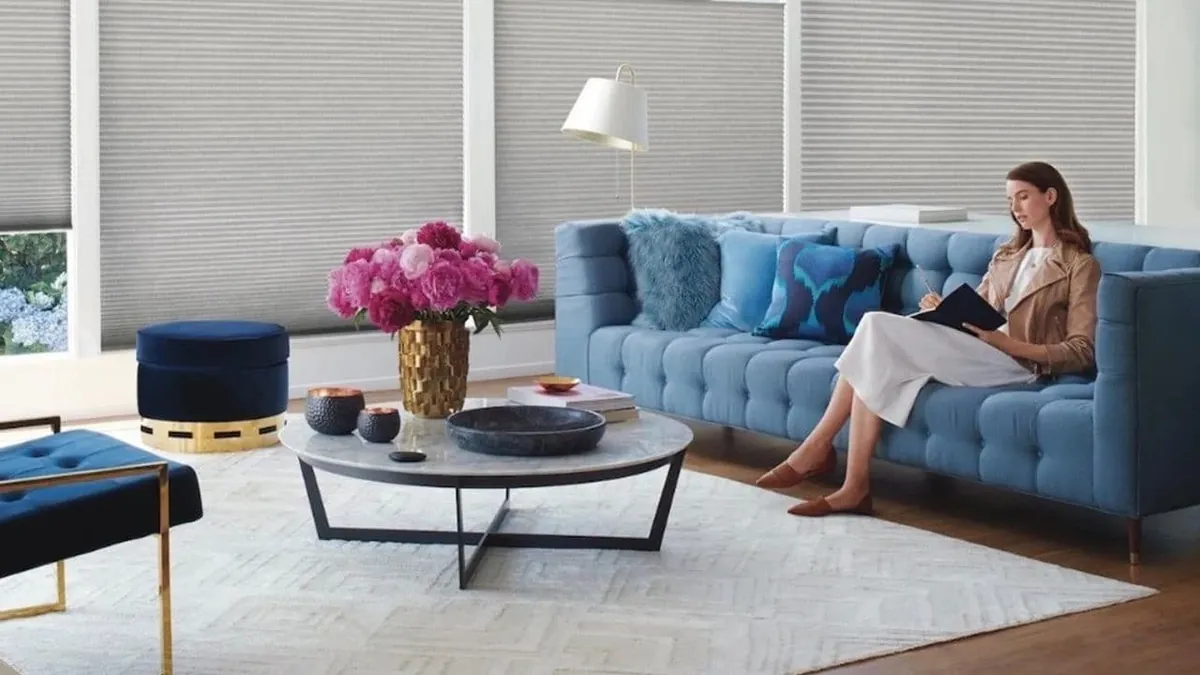
Duette and Applause are both Hunter Douglas honeycomb shades, and both hold air in their cells the same way. They differ in fabric range, textures, cell choices and lift systems. Duette has the wider selection, including the narrowest widths, specialty shapes and the vertical shade for doors. Applause has its own palette and sits very well on standard windows.
For a company house with narrow original sash, Duette is usually where we start, because of those slim widths. Applause often goes into the back rooms, a kitchen or an addition with newer windows. Many houses end up with both, chosen room by room, and you can see the full range on our main cellular shades page.
Cellular shades in Hopedale, MA, and how you lift them
Lift systems matter more on small windows than most people expect. A long cord dangling beside a slim sash looks untidy and gets in the way, and in a house with children or pets it is better gone altogether.
A cordless lift has no cord at all. You push the bottom rail up or pull it down and it stays where you leave it. For top-down, bottom-up shades there is a rail at the top and one at the bottom, each moved by hand. On a window that is out of reach, such as the top of a stairwell or a window over a deep counter, PowerView motorization lets you move the shade from a phone, a remote or a schedule, and we plan how each motor is powered at the visit. Our page on how motorized shades are controlled explains the options.
Three readings across, three readings down
A made-to-measure shade only looks as though it came with the house when the numbers are right, and in a mill-era company house no two openings quite agree, even on the same wall.
- Each opening gets three width readings, high, halfway and low, and the smallest of them decides an inside-mount shade.
- Height is taken down the left jamb, the right jamb and through the middle of the glass.
- Frame depth is checked at the exact spot a headrail would occupy, and any stop, bead or pulley that intrudes is written down.
- Nothing goes on order until you have signed off on mount, fabric and lift, opening by opening.
- On fitting day our certified Hunter Douglas installers screw every bracket into wood rather than plaster, set each headrail true, run every shade up and down and show you its controls.
Built to those readings, the fabric fills the opening with only a hairline at each edge. That thin edge matters on old sash, because cold air finds its way around a shade far more easily than through it.
Rooms that change with the seasons
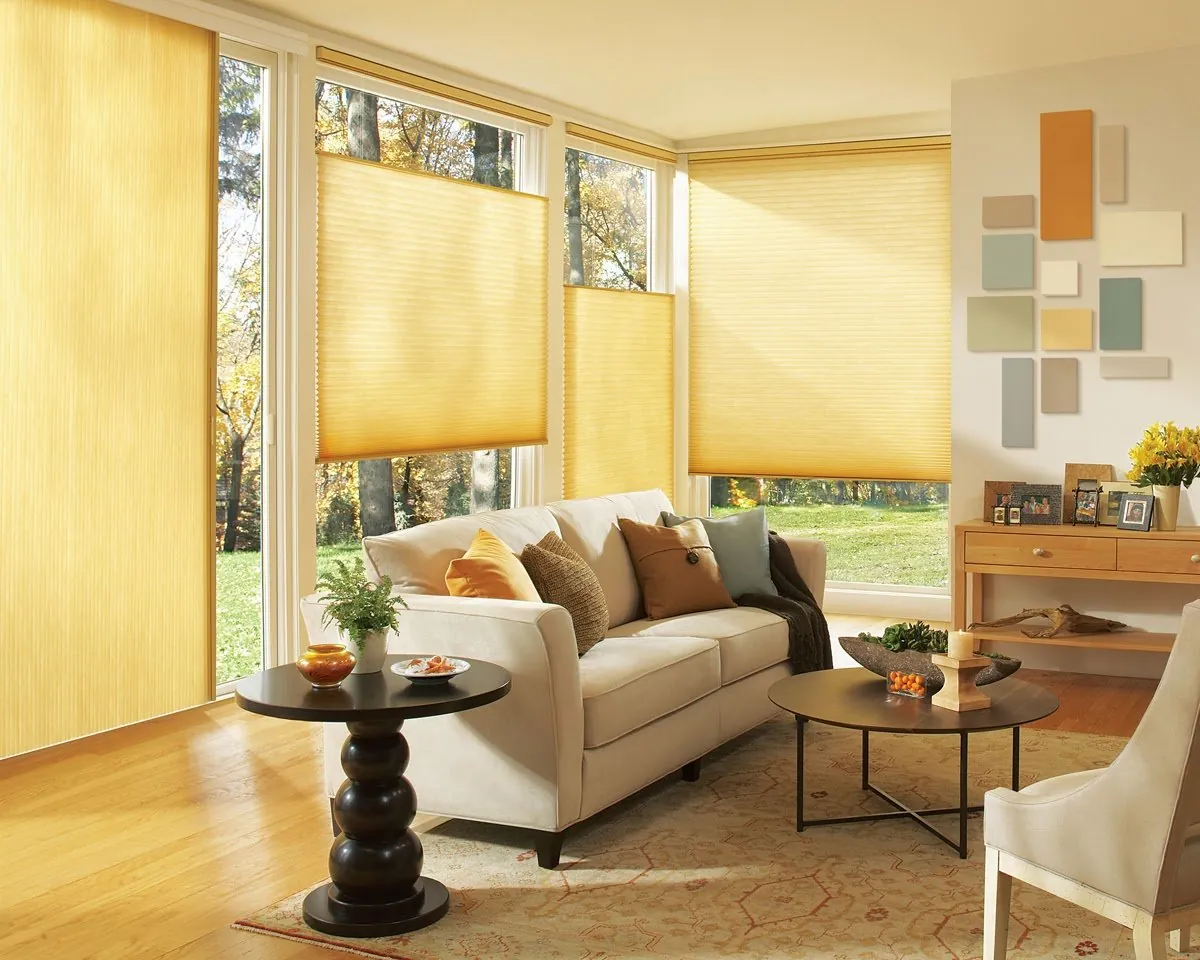
A village house is lived in differently in January and July, and the same honeycomb shade has a job in both. In winter the point is to close the shades as the light fades, so the trapped air sits against the glass through the coldest hours. In a front room with several narrow sash on the street side, that habit alone changes how the room feels by the window.
In summer the sun comes in higher and the upstairs rooms of a two-story company house can collect a lot of heat under the roof. Lowering the shades on the sunny side during the afternoon slows that heat coming through the glass, while a light-filtering fabric keeps the room bright enough to use. Bedrooms that face east benefit from a room-darkening fabric for the early light. If you would rather not think about it, PowerView can lower and raise shades on a schedule of your choosing, so the house takes care of it while you are at work. Spring and autumn are the in-between months, when a top-down setting often does the most good: the upper glass open for daylight, the lower half closed against a cool draught off the sash or a neighbor’s view across the gap.
The Franklin showroom is the nearest
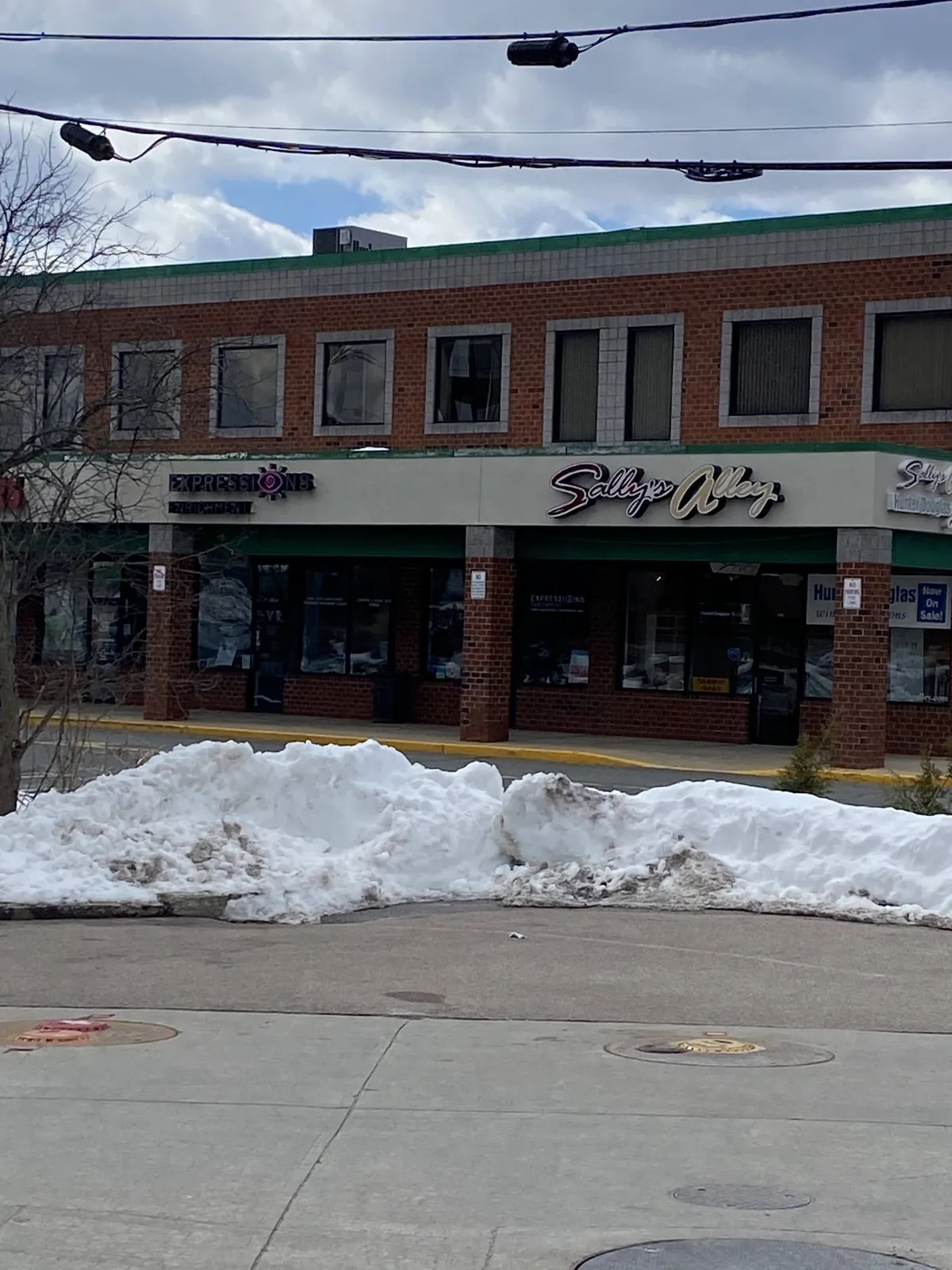
For Hopedale the closest Blinds & Designs location is the Franklin showroom. If you would like to see shades before anyone comes to the house, it is the easiest place to start, and you can bring a photo or a rough sketch of your windows with you.
Most customers in town still prefer the in-home visit. A narrow sash, an uneven frame and the light from the house next door are things we need to see in person, and the same visit covers measuring and the free estimate.
A Hunter Douglas Gallery dealer for the whole house
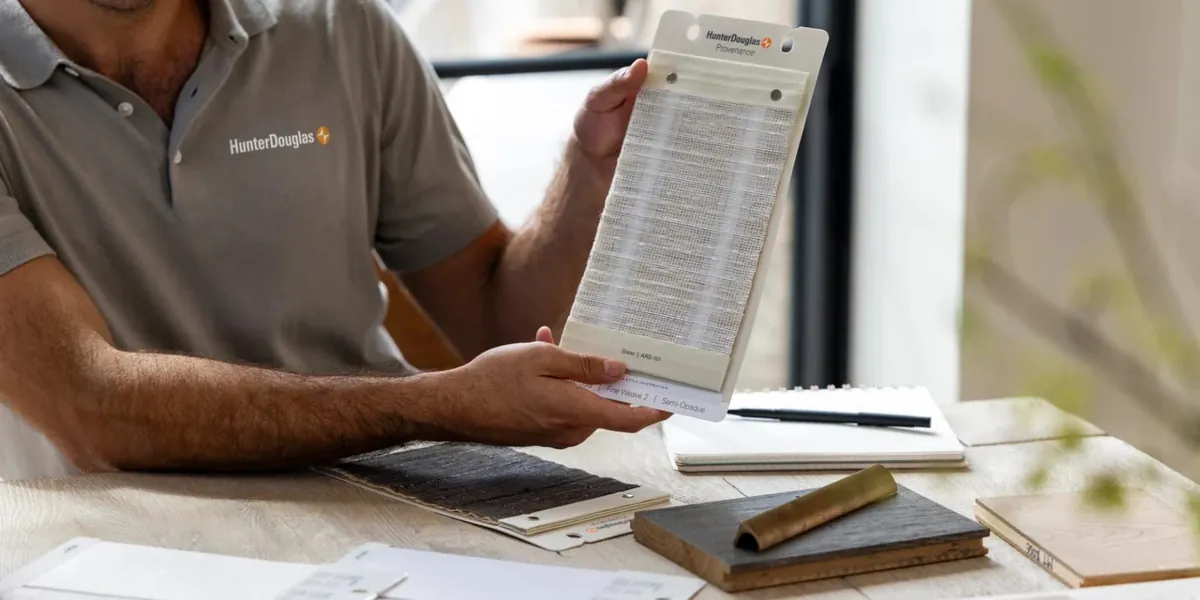
Gallery dealer is a status Hunter Douglas gives dealers who meet its standards, and Blinds & Designs holds it. In practice it means we can show and order across both honeycomb lines without gaps: Duette’s slim widths for village sash, Applause for the newer rooms, the side-drawing shade for porch doors, and PowerView when a window is out of reach.
The shades are hung by installers who hold Hunter Douglas certification, and that matters on a frame that is no longer square. Should anything you own, ours or not, stop working properly later on, our blind and shade repair service is there for it.
A house rarely wants one product in every room. Shutters suit some bathrooms, a roman shade can soften a dining room, and we handle all of it under one roof. Have a look at plantation shutters in Hopedale and roman shades in Hopedale, or the full list for the town on our Hopedale page.
Questions from Hopedale
My company house still has its original sash. Can the shades mount inside the frame?
Often, yes, but it depends on depth. Old stops, parting beads and pulley hardware crowd the top of the frame, and a century of settling can pull an opening out of true. We measure each window at several points and, where an inside mount would rub or sit crooked, we recommend a slim outside mount on the casing.
How narrow can a honeycomb shade be made?
Duette can be made very slim, which is why it suits the small, tall openings in the mill village. At the consultation we measure each opening and confirm which lines and lift systems are available at that width.
The house next door is very close. Will I still have privacy at night?
A light-filtering fabric gives good privacy in daylight but is easier to see through after dark with lamps on. For side windows facing a neighbor we usually suggest a heavier fabric, a room-darkening fabric in bedrooms, or a top-down, bottom-up shade so the lower glass stays covered.
What works on the wide windows facing the pond?
Grouped shades on a shared headrail can move as a set or one at a time, and a light-filtering fabric calms the extra brightness bouncing off the water. Doors to a porch or deck take a vertical honeycomb shade.
Do you charge for the estimate?
No. After we measure, the estimate is free. Request a consultation and we will arrange a time to bring samples to your house.
Ready when you are
Fabric swatches held against a narrow company-house sash, or a wide pond-side window, settle the question faster than any brochure. Ask for a visit with Request a Consultation and the van comes to you; every opening is measured while we are there and the estimate costs nothing. Prefer to chat first? The call button reaches us, and the Franklin showroom is the nearest place to look at cellular shades in Hopedale, MA, before deciding.