
One town, three very different houses
A Fairhaven street can hold three centuries of building in a short walk. Near Poverty Point and Oxford Village the houses are Victorians with tall sash and carved trim, or shingled cottages set close to the sidewalk. Head down Sconticut Neck and the houses turn into mid-century ranches with broad picture windows and sliders to the yard. Choosing window treatments in Fairhaven, MA, means starting with which of those houses you live in, because each one asks something different of a shade or a shutter.
What they all share is the harbor. Salt in the air finds its way onto anything metal by an open window, and the rooms on the east side catch a hard, low sun that bounces in off the water first thing in the morning. A good plan for a Fairhaven house answers both before it gets to color and fabric.
We work through every room with you, from the parlor to the back bedroom, and we can bring the showroom to you, so you choose in your own light rather than under store lighting.
Window treatments in Fairhaven, MA, by what you need
Every service below has its own Fairhaven page with more detail. Pick the one that fits the room you are thinking about, or ask us to look at the whole house at once.
Custom blinds
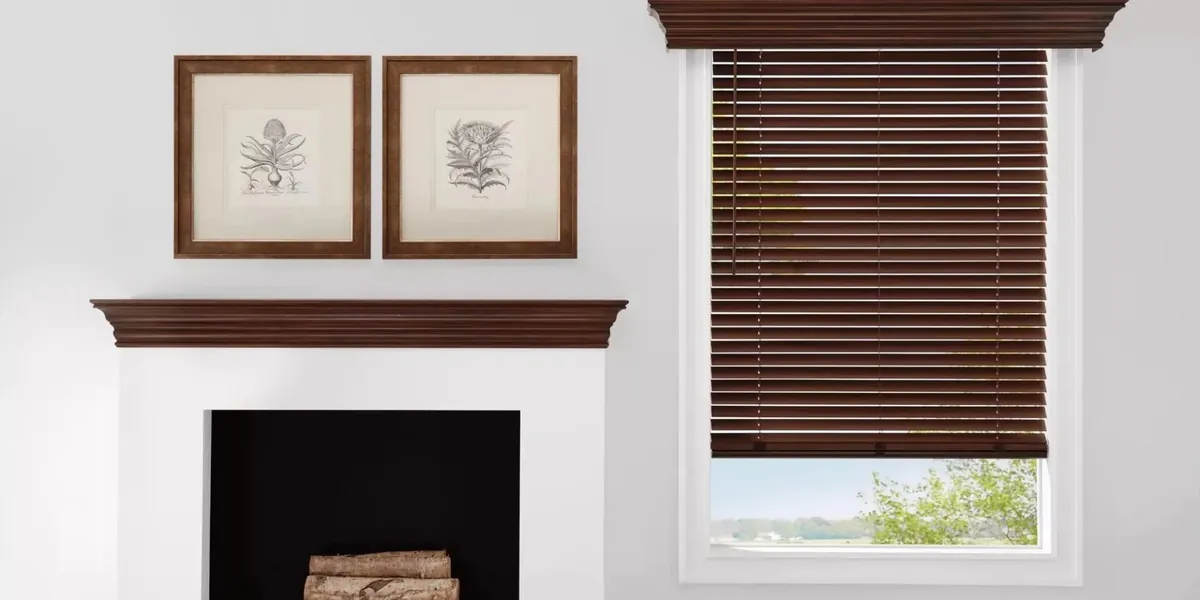
Wood, faux wood, metal and vertical blinds, with slats that tilt to steer the morning glare off the water away from the table.
Cellular shades
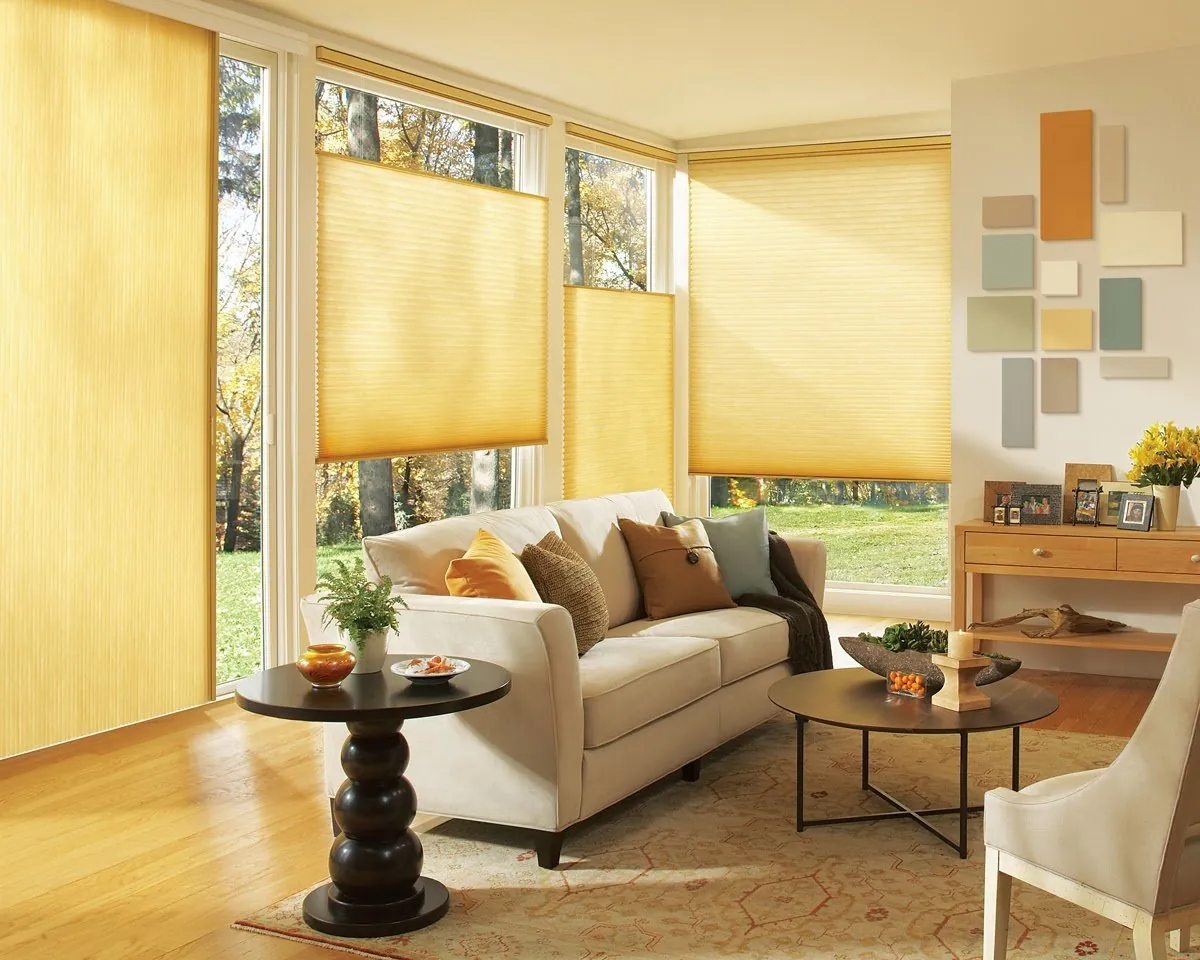
Duette and Applause honeycomb shades that hold a layer of still air against thin Victorian glass or a big ranch picture window.
Roller shades
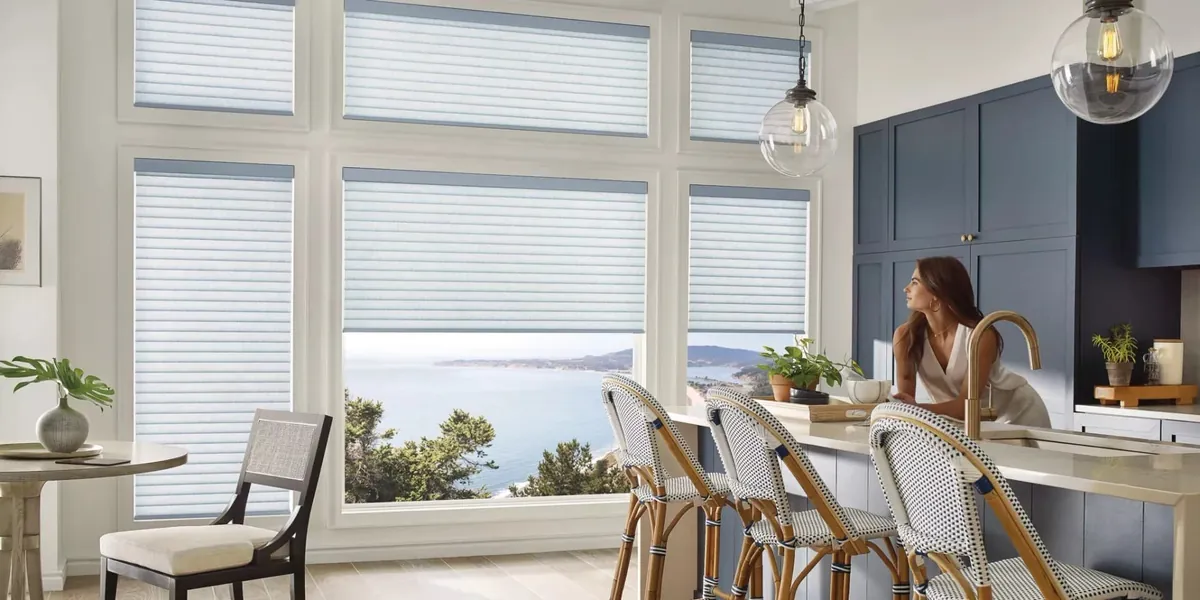
Designer and Alustra rollers and solar screens, chosen by openness so a harbor room keeps its view while the glare drops.
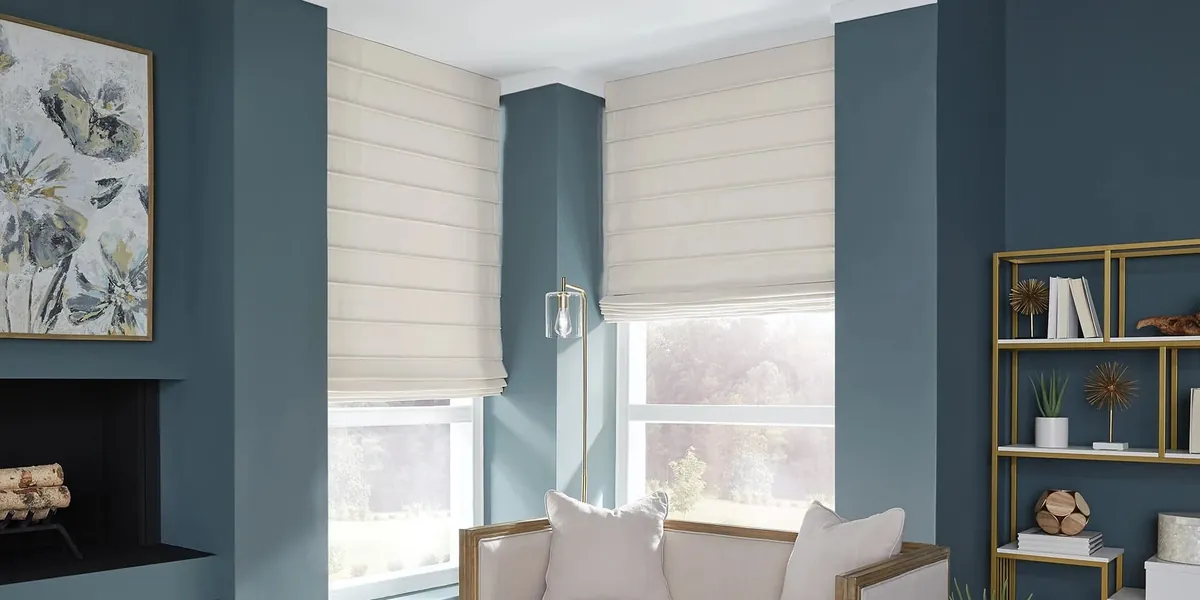
Roman shades
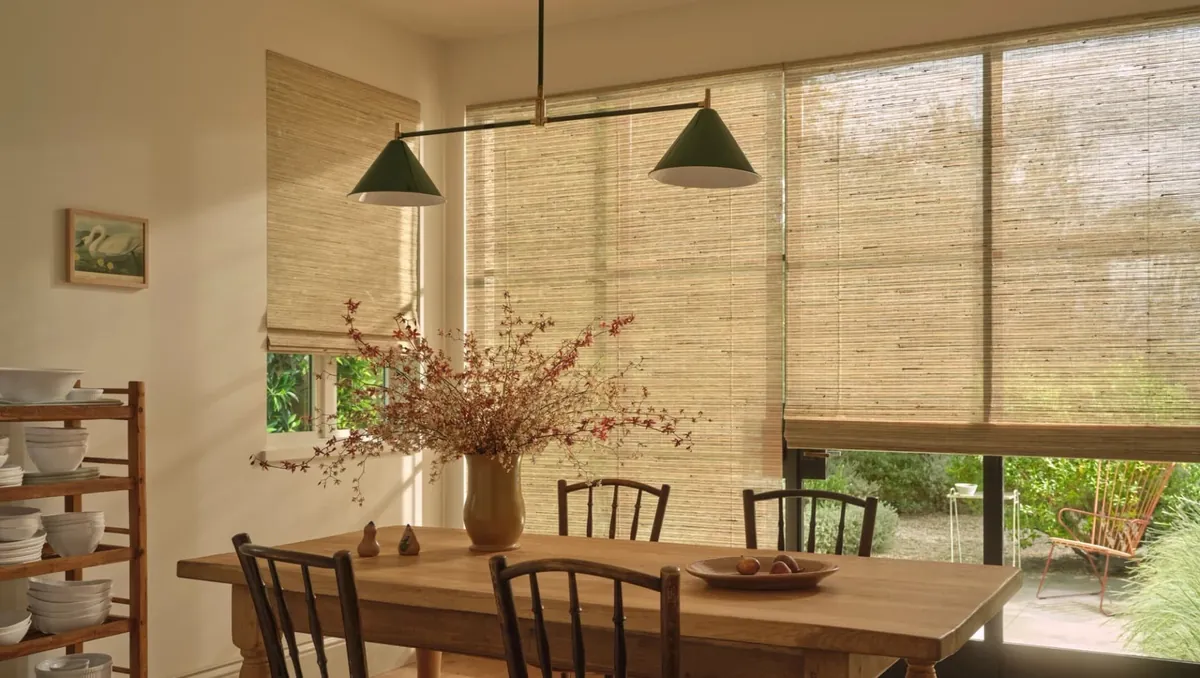
Vignette and Carole Fabrics romans in flat or folded styles, soft enough for a Victorian front room and neat on a cottage window.
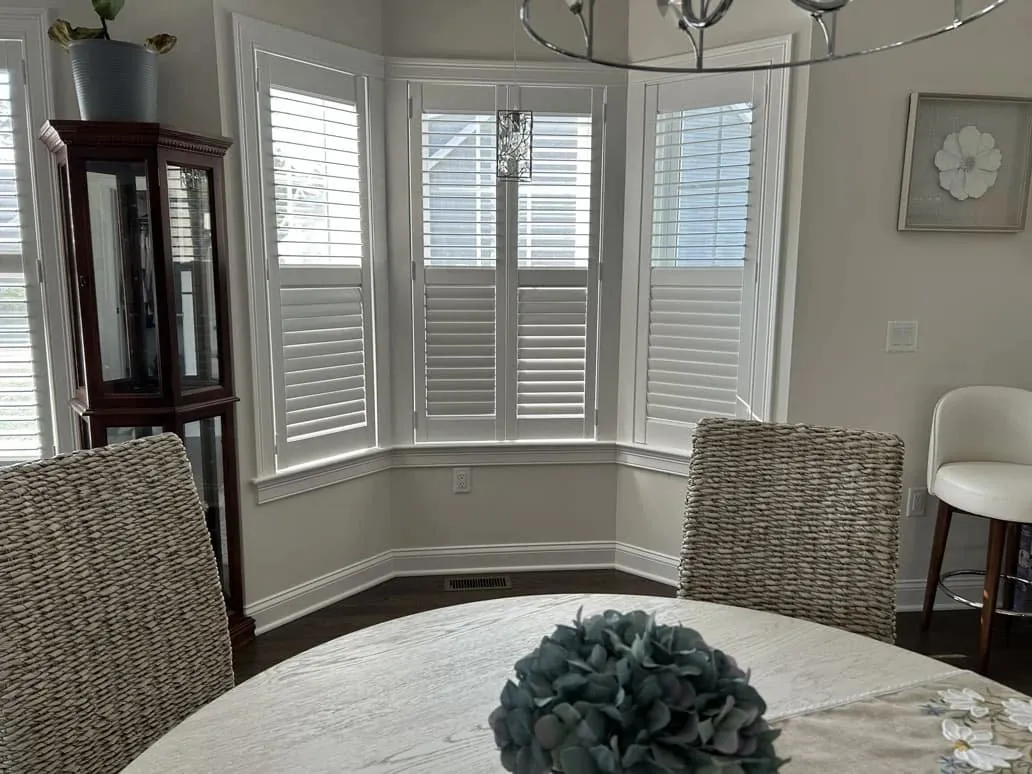
Plantation shutters
Palm Beach, NewStyle and Heritance shutters, with louver sizes and frames picked to suit old trim or a wide mid-century opening.
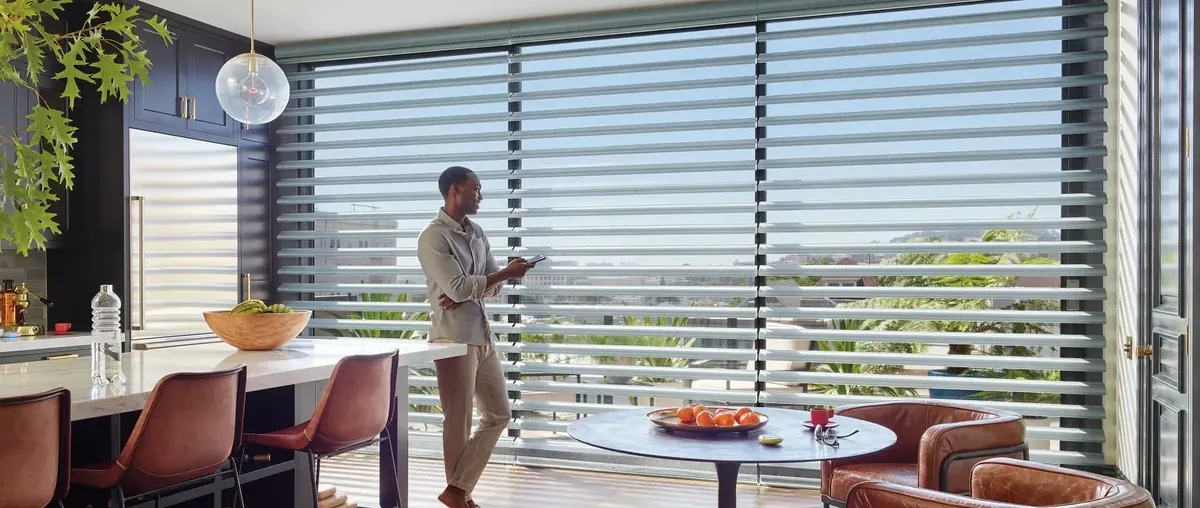
Motorized blinds and shades
PowerView control by remote, app or schedule, so the east-facing shades lower themselves before the sun clears the harbor.
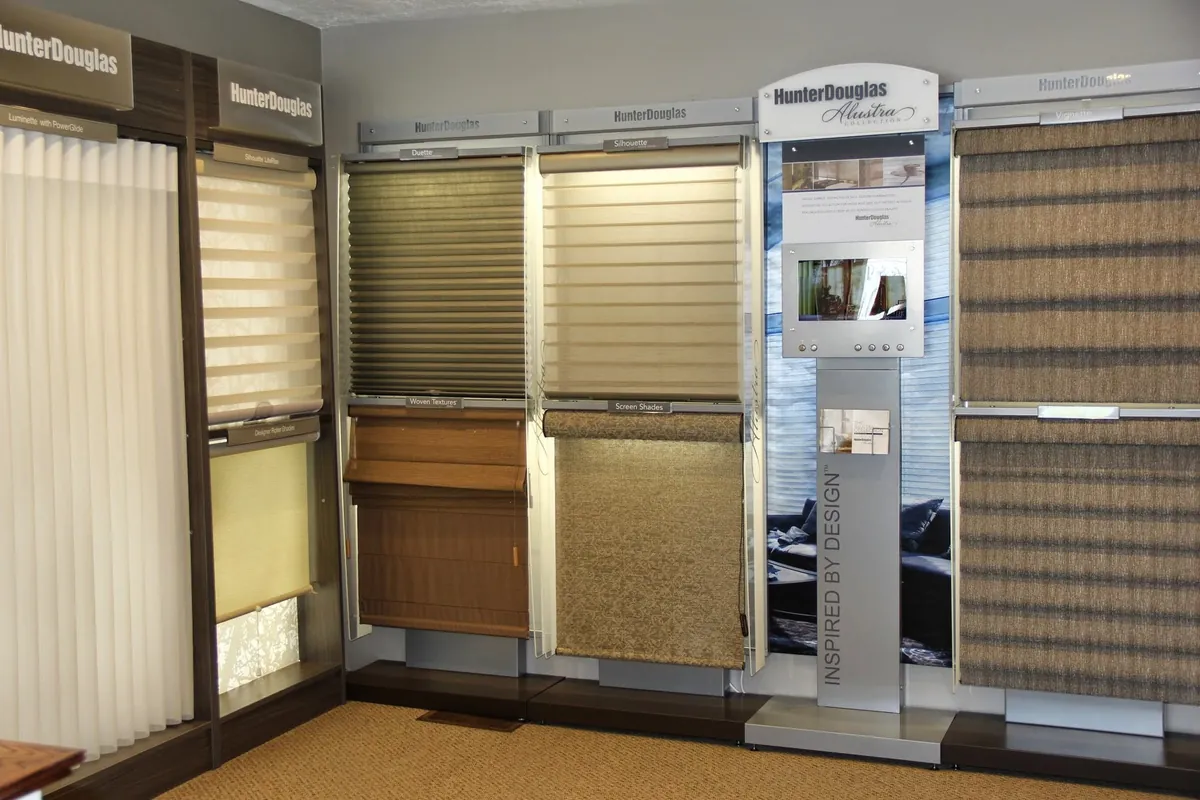
Hunter Douglas dealer
The full Hunter Douglas range from a Gallery dealer, with certified installation, so one consultation can cover every window in the house.
Custom drapery
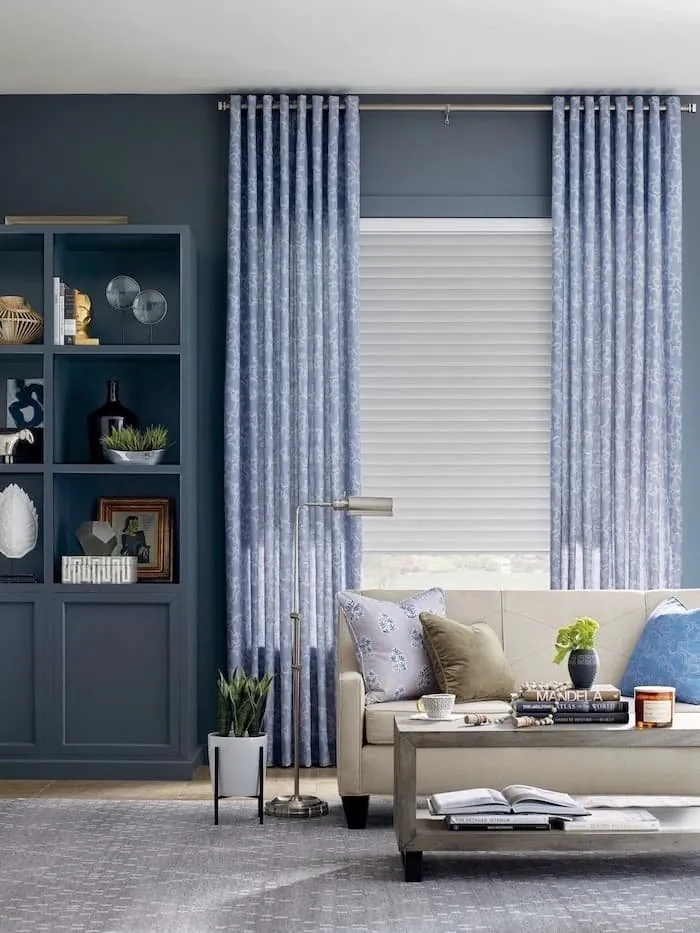
Hunter Douglas drapery panels to frame a tall parlor window, often layered over a shade that does the daily work.
Blind and shade repair
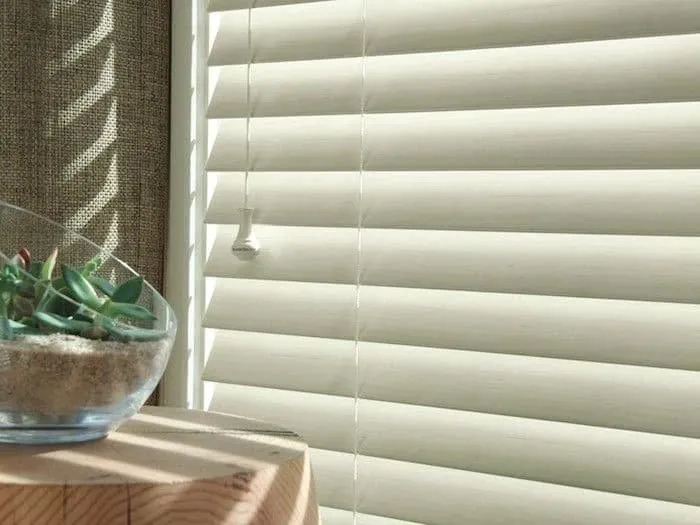
We are glad to look at the blinds and shades you already own when a cord, a lift or a headrail stops working as it should.
Starting in the front parlor
In an older Fairhaven house the front room usually has the best windows and the most to lose. Tall double-hung sash, often with the original wavy glass, sits inside deep casings that someone has stripped, repaired and repainted over the years. The first job of anything we hang there is to stay out of the way of that trim.
That tends to point toward a treatment that mounts inside the opening. A roman shade folds up into a tidy stack at the head of the window and leaves the casing clear. A honeycomb shade does the same with an even slimmer stack. Plantation shutters can also sit inside the frame, and on a parlor that faces the street they give you privacy at sidewalk level without closing off the light.
The catch is depth. Old counterweights, pulley wheels and the strips of wood that keep each sash in its track take up room that a headrail or a shutter frame would otherwise use, and a house that has settled for a century or more rarely has square openings. We measure each window at several points before we suggest a mount. Where the room is not there, we fit the treatment on the face of the casing instead, and drapery panels hung above the trim can make a tall window look taller still.
If you love the look of drapery but want the warmth of a cellular shade, the two work well together: the shade sits inside the frame and does the daily lifting, and the panels frame the window and draw closed on a cold night.
The kitchen that faces the water
East-facing kitchens and breakfast rooms in Fairhaven get the full force of the morning. The sun rises over the harbor, hangs low over the water until mid-morning and reflects off the water into the room. It is a lovely light to wake up to and a hard one to cook or read the paper in.
Three things tend to work in that room. A solar screen roller shade cuts the glare while you still see out across the water; the more open the weave, the more view you keep, and the less glare it stops, so we bring several openness levels to hold up at the window. Horizontal blinds let you angle the slats upward, which throws the light at the ceiling instead of across the counter. And a top-down, bottom-up honeycomb shade lowers from the top just far enough to block the sun while the rest of the window stays bright.
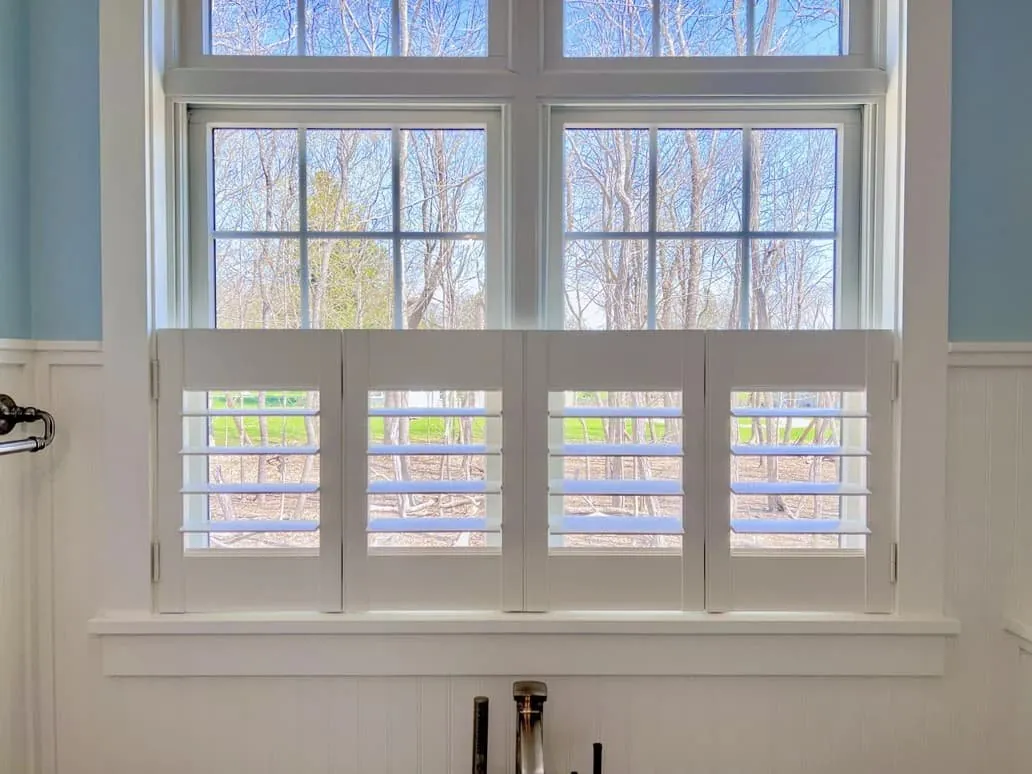
Kitchens also mean steam and splashes near the sink. Faux wood blinds and many roller fabrics wipe clean, and a cafe-style shutter over the lower sash keeps the window above the sink open to the light while covering the part closest to the neighbors.
Bedrooms and the early sunrise
The same sunrise that brightens the kitchen wakes up anyone sleeping on the east side of the house. In a Fairhaven bedroom the choice is usually between keeping the room dark until you decide otherwise and softening the light so the room wakes gently.
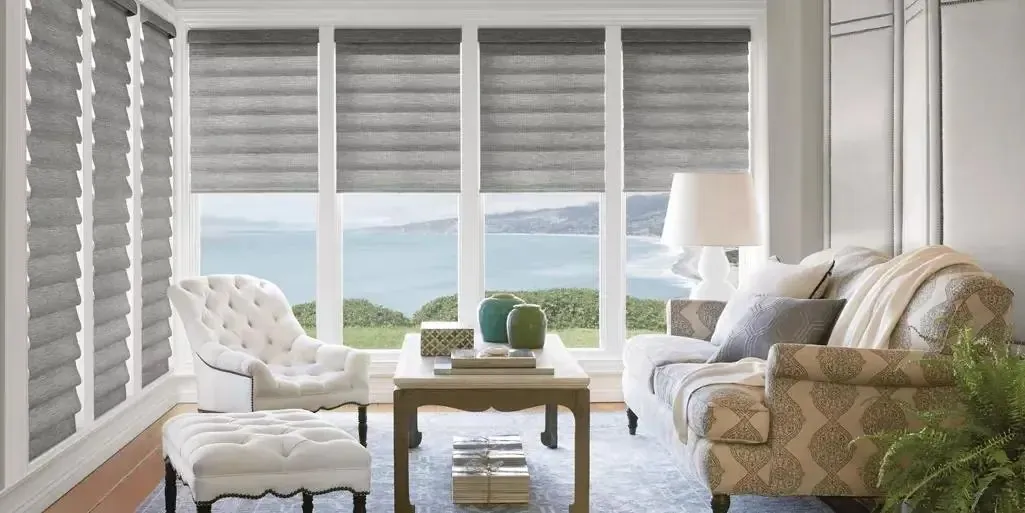
For a dark room, a room-darkening honeycomb shade or a blackout roller fitted closely inside the frame does most of the work. Side channels or an outside mount that overlaps the casing cut the thin line of light at the edges. Drapery on top, drawn at night, closes the last gaps and adds warmth on a winter evening.
For a softer start, light-filtering fabrics spread the light evenly instead of letting it land as a hard patch on the bed. Motorized shades can also be set to open slowly at the time you want to get up, which many people find easier than an alarm.
Cottage bedrooms under the roof often have small, oddly sized windows and a sloping ceiling. Honeycomb and roller shades come in slim widths, and every opening is sized on its own, so a row of mismatched openings still ends up with shades that line up when they are raised.
What the salt air asks of the hardware
Open a harbor-side window from June to September and the breeze brings salt in with it. Over time it settles on brackets, cord locks and any exposed metal parts near the glass. You do not need to avoid any type of window covering because of it, but some choices make life easier.
Shades with their working parts tucked inside a headrail, such as honeycomb and roller shades, expose far less metal than older corded blinds. Cordless lifts remove the cord lock and the dangling cord altogether. Shutters have very little hardware at all once they are hung; the louvers tilt on the panel and the hinges are the only moving metal. For metal blinds near an open window, we talk through the slat and finish options and where they suit best.
Whatever we hang, the brackets are screwed into solid framing rather than plaster alone. That matters on a window that gets opened every day from May to September, because a shade or shutter that is jostled often needs a firm footing to stay level.
A consultation in your own house
Fabric and color look different in every house, and a harbor house more than most, because the light changes so much between morning and afternoon. So the samples travel to your house in our van. A typical visit runs like this.
- Fill in the Request a Consultation form or use the call button, and choose a day.
- A consultant arrives with samples of shades, blinds, shutter louvers and drapery fabrics.
- We walk the rooms with you and listen to what bothers you about each one, whether that is glare, privacy, a cold window or simply the look.
- You hold the samples against your own windows and trim, on the bright side of the house and the shaded side.
- Every window on your list is measured, along with the depth of its frame.
- A free estimate follows, and the decision stays with you, in your own time.
Color and fabric across several rooms can be the hardest part, and our interior design consultations exist for exactly that. The guide to what happens at an in-home consultation covers the visit in more depth.

Ranch windows along Sconticut Neck
The ranches further down the Neck were built for light. Big front glass, sliding doors onto the yard and long, low bedroom windows give these houses a bright, open feel. They also mean a lot of glass, and glass loses heat in January and gains it in August.
A picture window wider than one shade is usually split into two or three shades on a shared headrail, raised as one or one at a time. Honeycomb shades are the warmest choice for that glass in winter. Solar screens or light-filtering rollers keep the room cooler on a summer afternoon without making you switch the lights on. For a cleaner, more modern look on a mid-century house, a roller with a slim cassette at the top is hard to beat.
Sliders are their own question. A vertical honeycomb shade or a set of gliding panels stacks to one side so you can walk straight out to the deck. Vertical blinds are a practical alternative where you want to tilt the vanes rather than draw the whole thing back.
Bathrooms, stairwells and the awkward windows
Every house has a few windows that do not fit the pattern, and the older the house, the more of them there are. A cottage bathroom with a window right over the tub, a stair landing with a window you cannot reach without a ladder, a narrow side light beside a Victorian front door: these are often the windows people leave bare for years because nothing seemed to fit.
Bathrooms want privacy without darkness. A top-down, bottom-up shade covers the lower half and leaves the sky open above. Shutters with the louvers tilted up let light in while blocking the view from outside, and their finish copes well with steam. Faux wood blinds are another practical choice where a window gets splashed.
A stairwell window is where motorization earns its keep. A PowerView shade on a high window can be lowered from the hall with a remote or set on a schedule, so nobody climbs anything. Side lights can take very narrow honeycomb or sheer shades, or a slim shutter panel that matches the rest of the hall. When we plan window treatments for Fairhaven houses, these odd openings get the same care as the parlor, because they are often the ones you notice most once they are done.
Mixing treatments without the house looking patched together
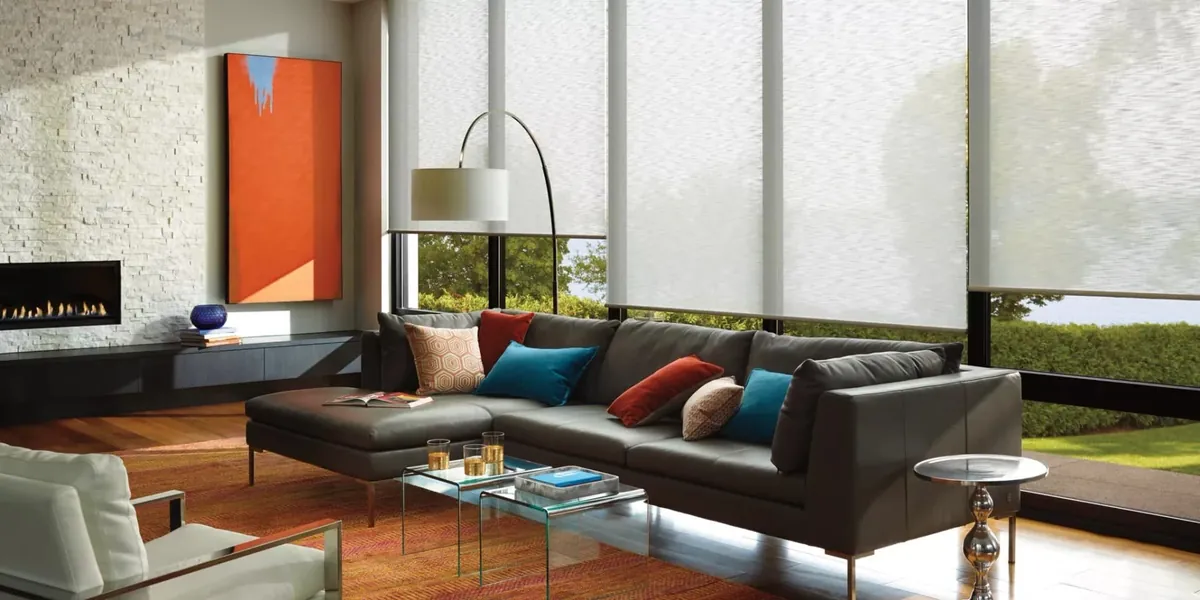
Very few houses are best served by a single product in every room. A typical plan for a Victorian might be shutters in the front rooms that face the street, honeycomb shades in the bedrooms, a roller shade in the kitchen and a roman shade in the dining room. A ranch might pair rollers in the living areas with honeycomb shades in the bedrooms and a vertical shade on the slider.
The trick is to keep some things constant so the house reads as one. From the street, the color of what faces the window matters most, so we often suggest a single white or neutral tone toward the glass even when the fabric facing the room changes from room to room. Inside, matching the headrail color and mount style across a floor goes a long way.
Planning the whole house at once also helps if you want motorization later. PowerView shades in different rooms can run on the same app and the same schedules, so the east rooms close at sunrise and the west rooms close in late afternoon without anyone touching a cord. Our motorized blinds and shades page explains the options in more detail.
Measuring and fitting
Getting the measurements right is what makes window treatments in Fairhaven look as though they came with the house. That takes more care on a house that has had a century to settle, where two windows side by side can differ by more than you would guess.
- Each opening is measured across in several places, because an old frame can be narrower at the sill than at the head.
- The drop is taken at both sides and in the middle, to catch a sill that has sagged.
- Frame depth is checked, and anything that sticks out, such as a sash lock, a crank or a handle, is noted.
- Color, mount and lift are settled with you window by window before the order goes in.
- On installation day each piece is fitted, levelled and tried, and you are shown how everything operates.
You can read more about what happens on installation day if you would like to know what to expect.

Why buy from a Hunter Douglas Gallery dealer
Blinds & Designs is a Hunter Douglas Gallery dealer. For a Fairhaven house that means the whole range in one conversation: honeycomb, roller, roman and sheer shades, wood and metal blinds, three collections of shutters, drapery and PowerView motorization.
Installation is done by our own Hunter Douglas certified installers, to the maker’s standard. We also offer interior design consultations for help with color and fabric, and we look after blind and shade repairs later on.
You can see more about the brand on our Hunter Douglas page, or start with the window treatments overview.
The nearest showroom to Fairhaven
Plenty of Fairhaven projects never need a trip anywhere, because the samples come to the house. If seeing the products in person first would help, cross the Acushnet River to our North Dartmouth showroom, the closest to town.
Either way, the same people measure, order and install, and the estimate is free.
Questions from Fairhaven
What should I put on the windows of a Victorian without hiding the trim?
An inside mount keeps the casing in view, and roman shades, honeycomb shades and shutters can all sit inside the opening. Old sash hardware sometimes leaves too little depth, so we measure each window first and suggest an outside mount where that is the better fit.
Which treatment handles the morning glare off the harbor?
A solar screen roller cuts glare while keeping the view. Blinds let you angle the light toward the ceiling. A top-down, bottom-up honeycomb shade blocks the low sun at the top of the window and leaves the rest open. We bring samples of all three to try at the window.
Will salt air ruin my blinds or shades?
It does not rule anything out, but shades with their parts inside the headrail, cordless lifts and shutters all expose less metal to the air than older corded blinds. We point out the options that suit a window you keep open all summer.
Can you do every window in the house at one visit?
Yes. We can look at every room, measure every window and give you one free estimate covering the lot, even if each room ends up with a different product.
Do you repair blinds I already have?
We do. If a cord, lift or headrail has stopped working on a blind or shade you already own, ask us about a repair when you get in touch.
Your next step
The easiest way to settle on window treatments in Fairhaven, MA, is to see the samples at your own windows. Ask for a consultation and a consultant comes to the house with the van, takes the measurements and leaves a free estimate behind. The call button reaches us if a conversation comes first, and the North Dartmouth showroom is close by.