
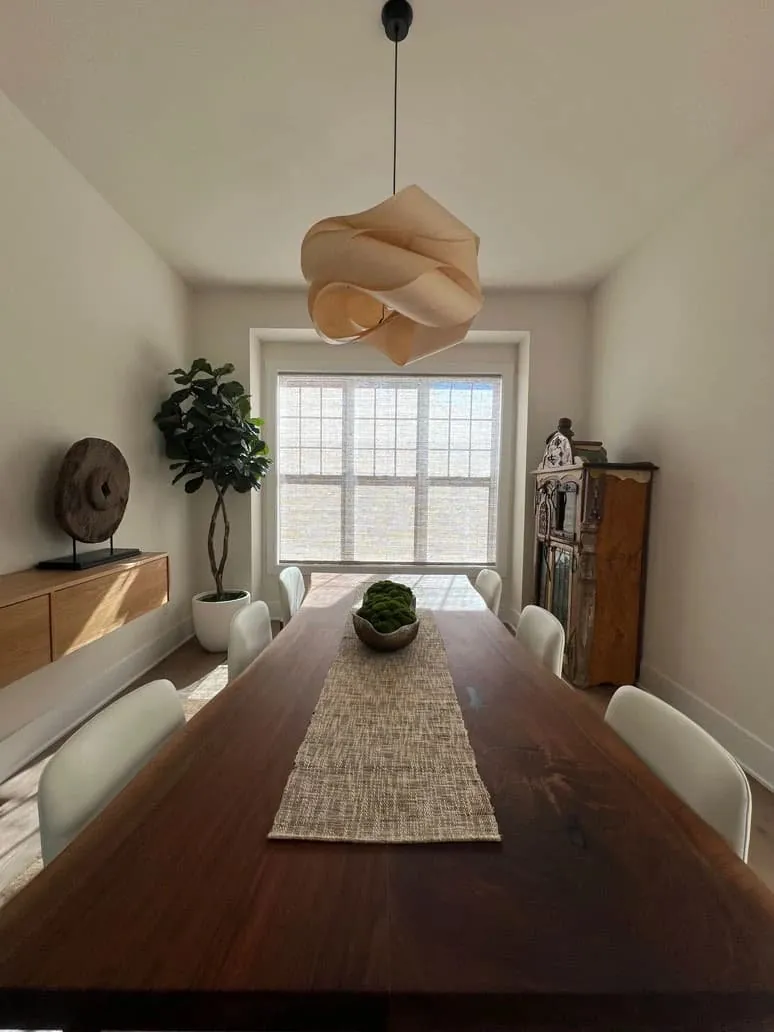
A small town with two sizes of window
Millville is a small town, and most of its houses fall into two groups. There is the older mill housing, where many windows still have their original narrow sash, and there are the post-war capes, built later with windows in the standard sizes of their day. Both sit on modest lots along Main Street and the roads off it.
That gives window treatments in Millville, MA, a clear starting point. In the mill houses, the first question is what will fit a slim, old opening and still look right. In the capes, almost anything fits, so the questions turn to light, privacy and how each room is used.
On a modest lot, the house next door is never far away. That matters in both kinds of home, and it is something we look at in every room.
What we make for Millville houses
Open any card for the Millville page on that service, written with the mill houses and capes in mind.
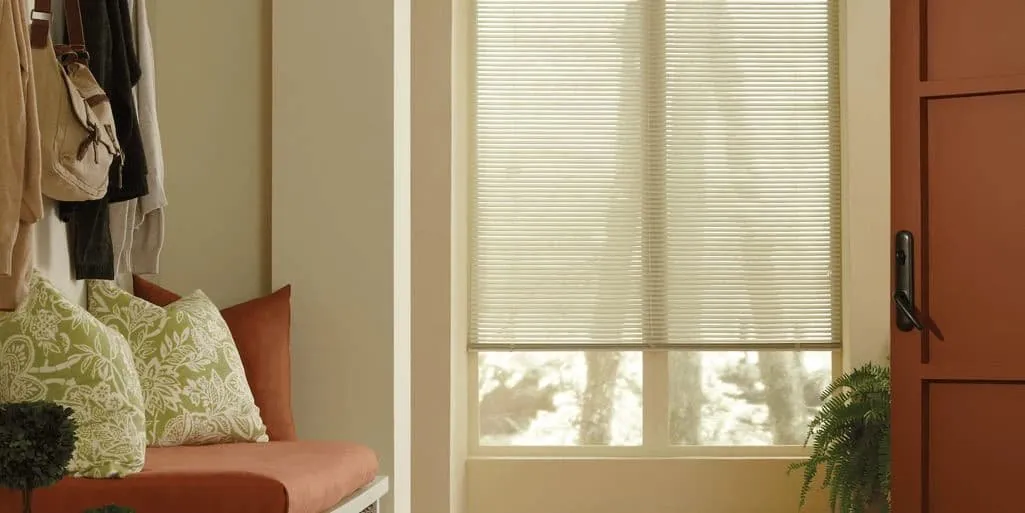
Blinds, made to measure
Wood, faux wood, metal or vertical, cut to the size of a slim mill-house opening or a standard cape window.
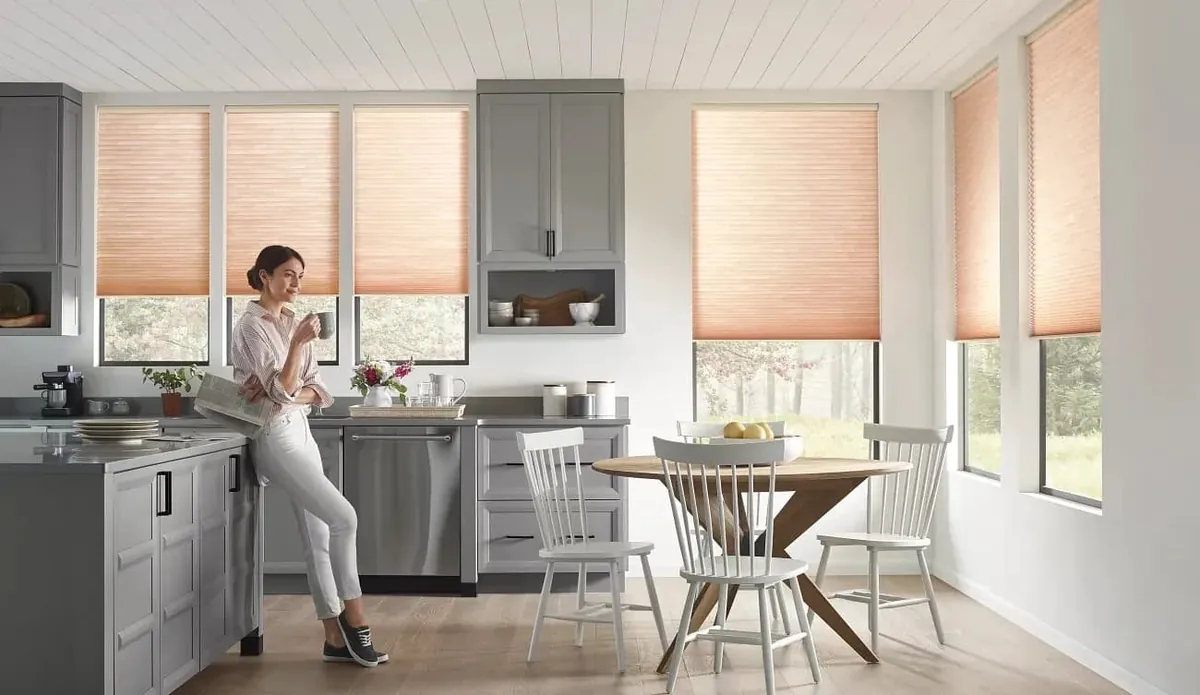
Honeycomb shades
Duette and Applause. The honeycomb cells hold air at the window, which is why a room keeps its warmth better.
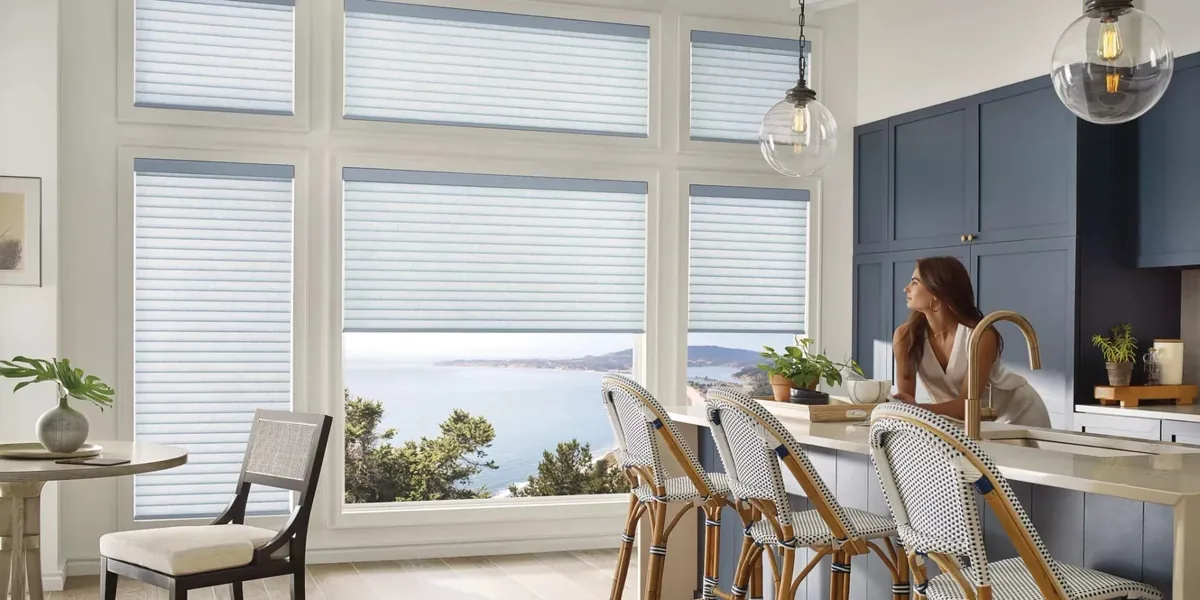
Rollers and solar screens
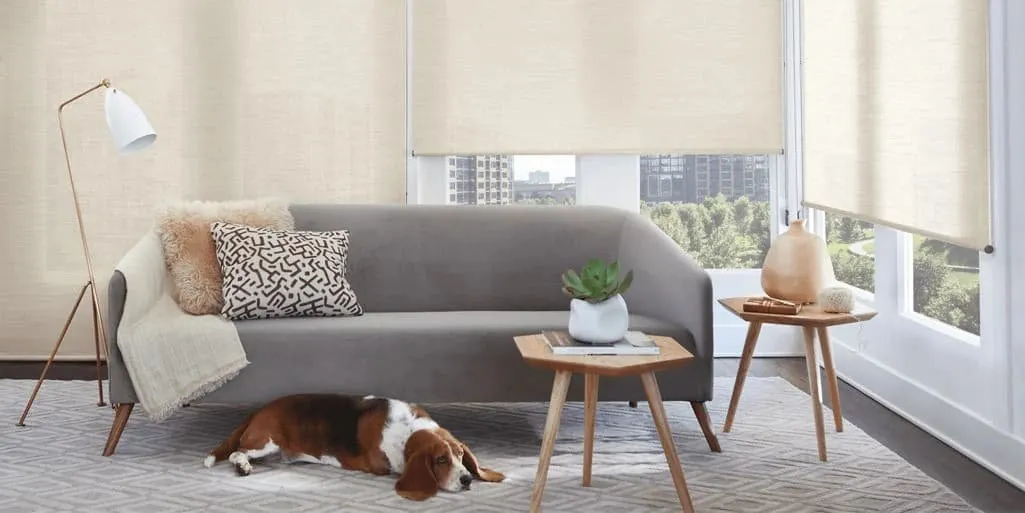
From the Designer and Alustra lines. Screen openness is a choice about how much you see out and how much glare you keep out.
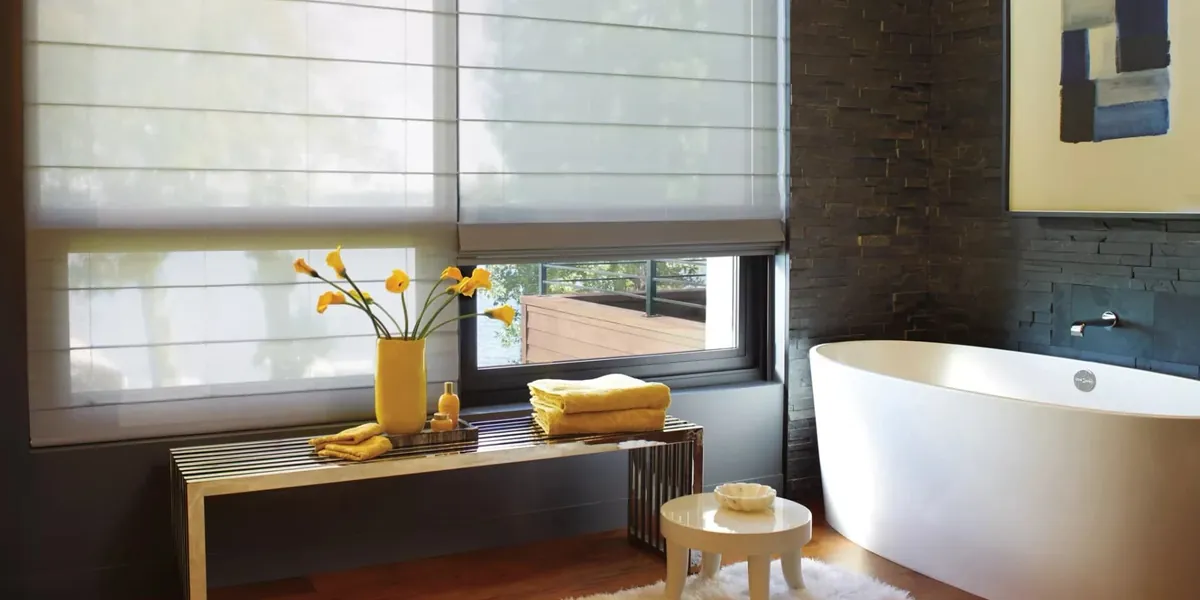
Romans
Vignette and Carole Fabrics, in a flat fold or a softer folded look, for a sitting room or bedroom.
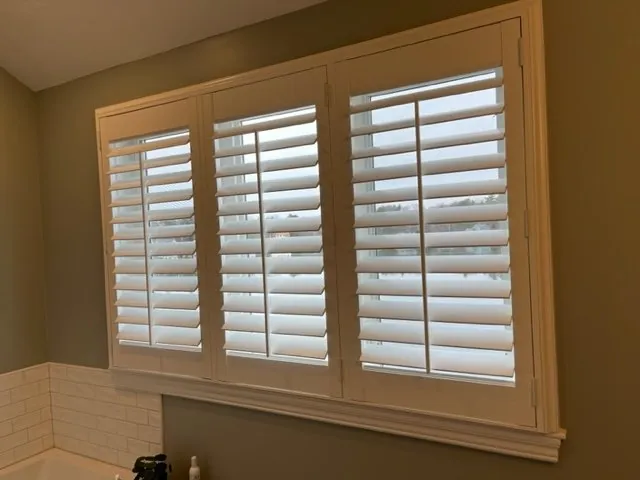
Shutters
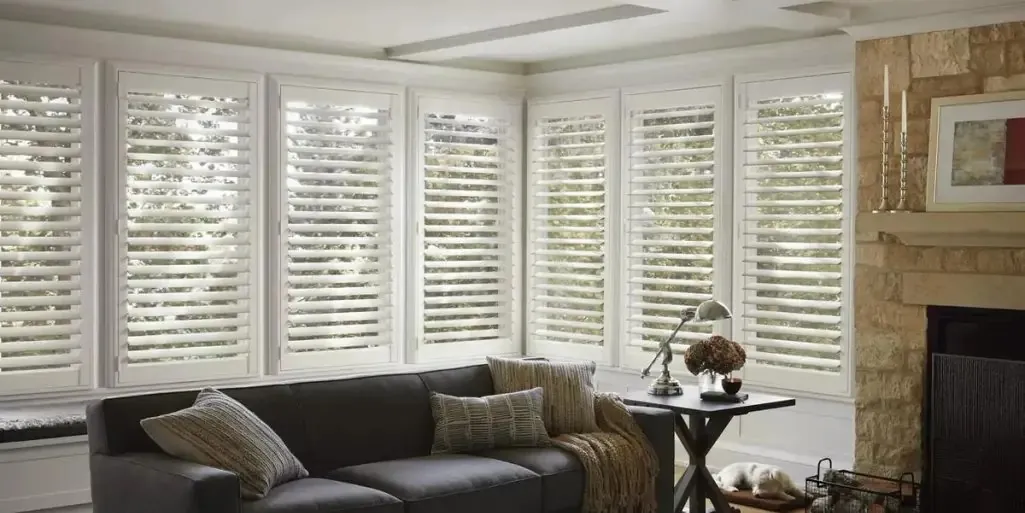
Palm Beach, NewStyle and Heritance. We match the louver size and the frame to the window in front of us.
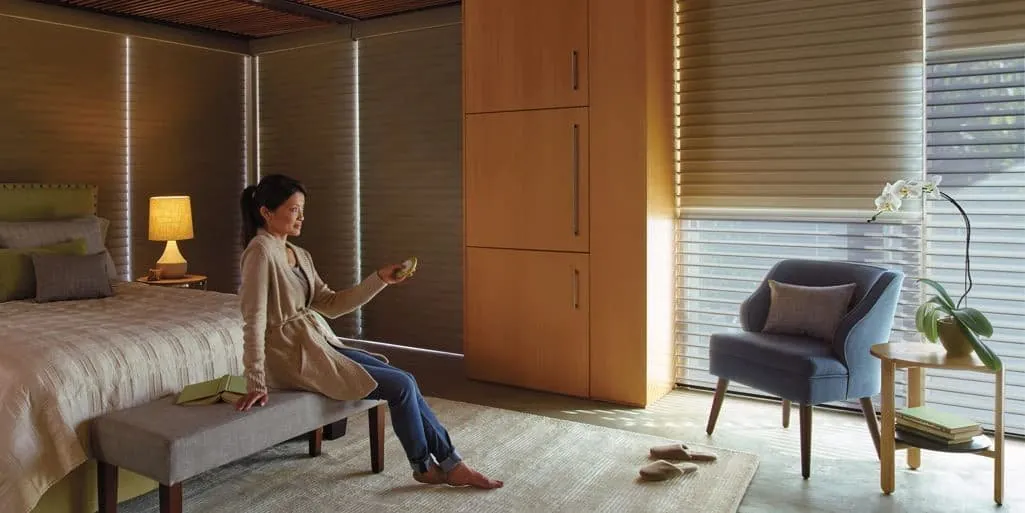
Motorized options
PowerView shades and blinds, worked by remote, by app or by a schedule.
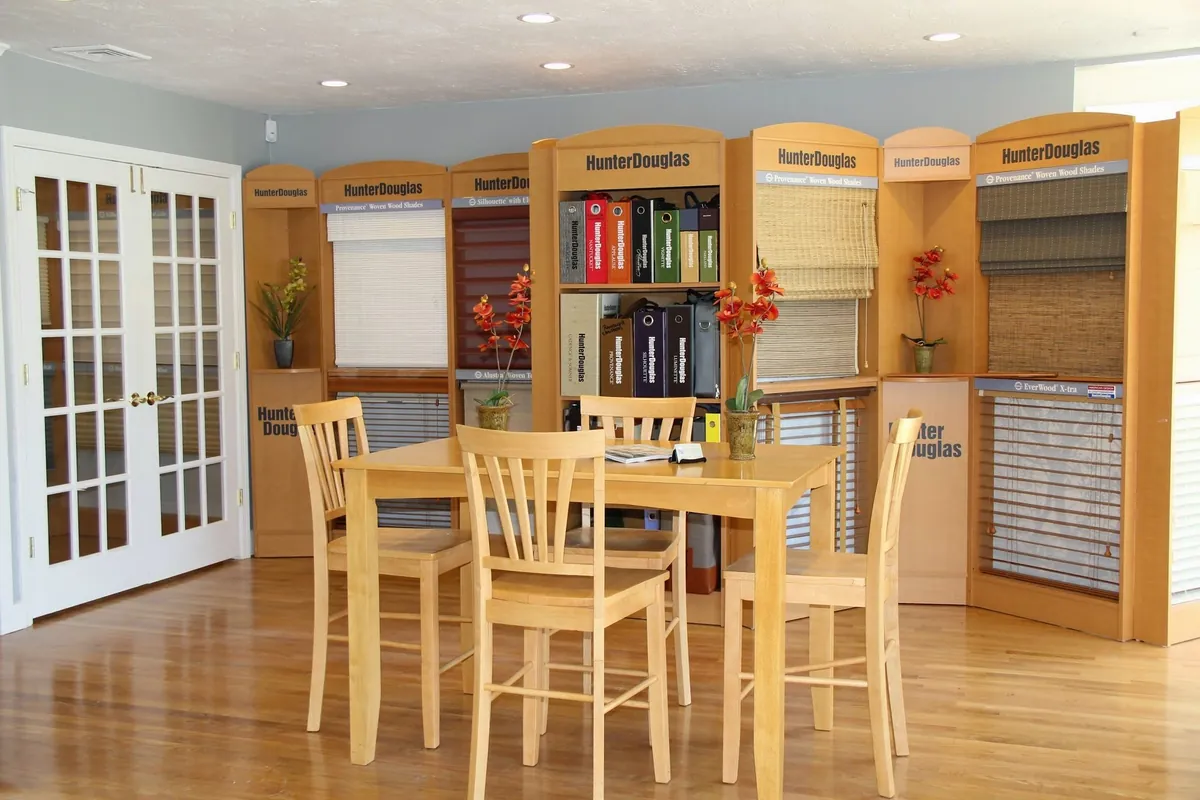
Hunter Douglas, from a Gallery dealer
The whole Hunter Douglas range, with certified Hunter Douglas installation on every order.
Fitting the original narrow sash
The older mill houses kept many of their original windows: narrow sash, set in frames that were built by hand and have settled over the years. A narrow window is part of what gives these houses their character, so the covering should keep its slim, upright line rather than hide it.
The neatest way to do that is usually to mount inside the frame, where the shade or blind sits within the opening and the trim stays on view. Old frames are not always deep enough, though, and two windows in one room can differ. The consultant checks each frame at the visit and measures it, so the mount is decided window by window, not guessed for the whole house. Where a frame is shallow, we talk through an outside mount with slim hardware and show you how it will look before anything is ordered.
Coverings with a small profile suit narrow sash best. A honeycomb shade stacks small when raised. A roller rolls almost out of sight. A faux wood blind tilts for privacy and light. A shutter, sized to the opening, gives a finished look that seems built in.
Standard sizes in the newer houses
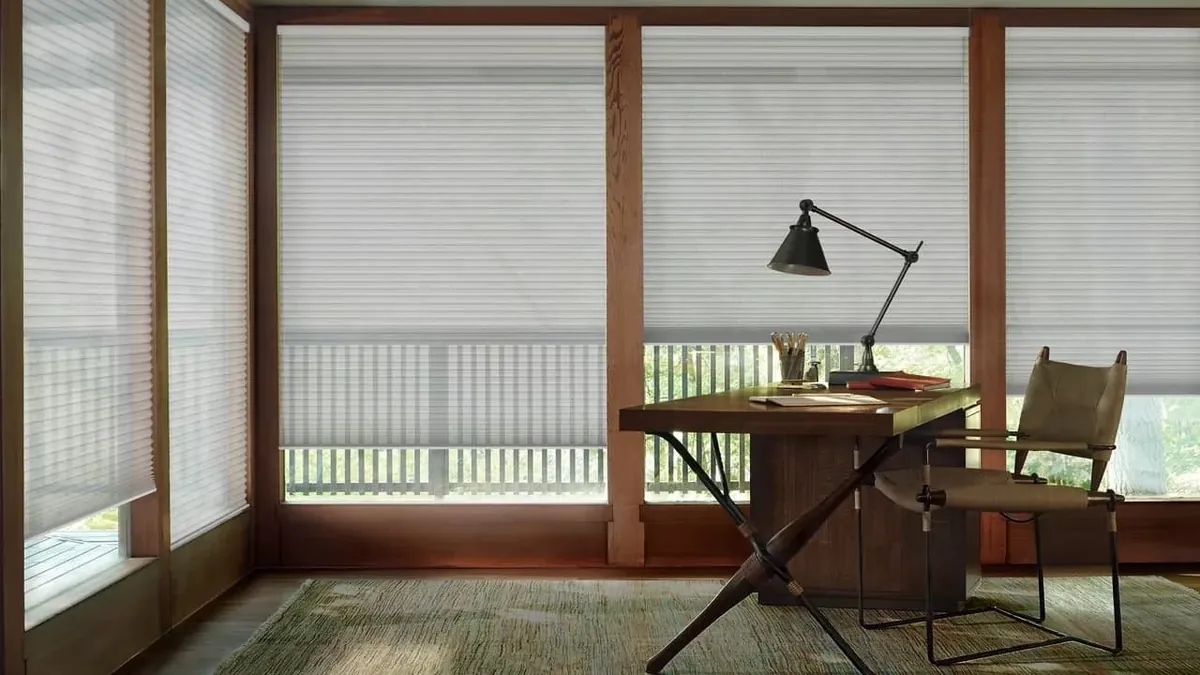
The post-war capes are simpler to fit. Their windows were made in standard sizes, so most Hunter Douglas products go straight in, and the frame depth is usually enough for an inside mount. That frees you to choose by what the room needs rather than by what the window allows.
Every covering is still made to measure. Standard windows are close to one another in size but rarely identical, and a shade that fits one perfectly can leave a gap at the next. Measuring each one is what makes a whole house look tidy once the work is done.
In a cape, the most useful choices are often the most straightforward: honeycombs in the living room and bedrooms for warmth and softness, a faux wood blind in the kitchen and bathroom, and shutters at the front if you want a more finished look from the street.
Main Street and the view from the road
Many Millville houses face Main Street or one of the roads off it, often fairly close to the road on a modest lot. Front rooms in those houses look out at passing cars and anyone on the sidewalk, and in the evening, with lamps on, they are easy to see into.
For a front room, we look for something that gives you daylight during the day and full privacy at night. Shutters do both with a turn of the louvers. A wood or faux wood blind does the same with its slats. A honeycomb in a light-filtering fabric gives a soft glow by day, and if the room is used a lot in the evening, a denser fabric or a layer of drapery adds the night privacy.
When you choose window treatments in Millville, MA, for a house facing the road, think about the outside view too. One color across the front windows makes the house look calm and cared for, even if the products behind them vary from room to room.
The house next door on a modest lot
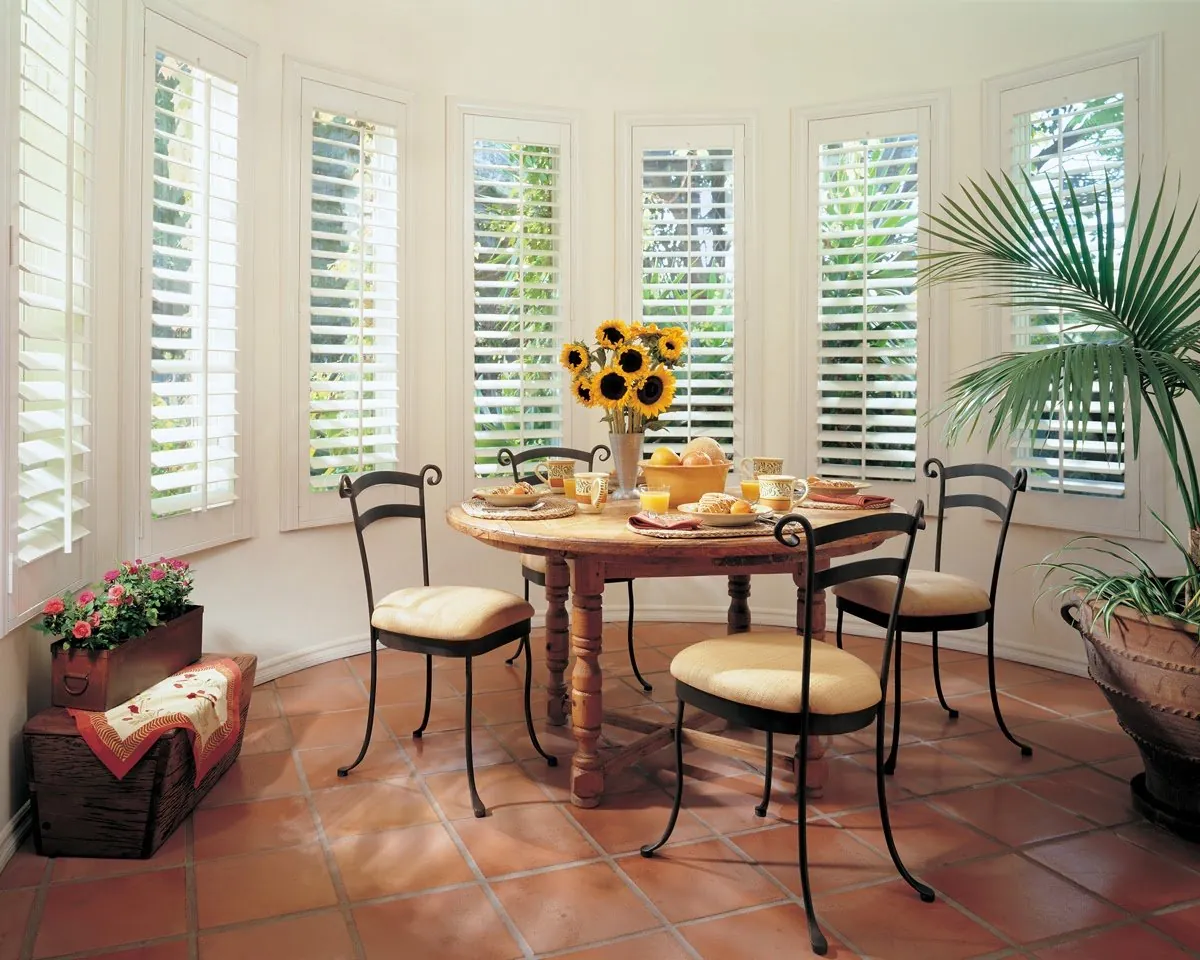
Modest lots mean side windows that look across at a neighbor. Often these are kitchen or dining windows, or a bedroom on the side of a cape. They let in useful light, especially when the front of the house faces away from the sun, but they also put the room within sight of the next house.
The answer is usually a covering that keeps the light and blurs the view. A light-filtering honeycomb or roller does it simply. Blinds and shutters tilted upward send the light toward the ceiling and away from the neighbor’s line of sight. Sheer shades with soft vanes, such as Silhouette, let you choose between a bright room and a private one with one control.
Small houses, rooms that do several jobs
Mill houses and capes are not large. A dining room may also be where homework happens, a spare bedroom may be a home office, and a living room may be a playroom by day and a television room at night. Window coverings in a small house work hardest when they can change with the room.
That is where adjustable products earn their place. Blinds and shutters change the light with a tilt. A sheer shade can go from bright to private in a moment. In a room used for a screen in the evening and for work by day, a honeycomb that lowers fully and filters light when half raised gives a lot of control for its size.
In small rooms, we also keep an eye on bulk. Heavy layers can make a compact room feel smaller. Slim headrails, coverings that sit inside the frame and colors close to the wall all help a small room feel open.
Sun and glare through the day
Even on a modest lot, the sun finds its way in. A cape with its living room facing west can get a strong, low light in the late afternoon, right across the sofa and the television. A kitchen facing east may be bright and warm first thing in the morning. A mill house with its narrow sash facing south gets less glass but still a long slant of light across the floor in winter.
Choosing window treatments in Millville, MA, for a sunny room comes down to how much light you want to keep. A solar screen takes the glare off and keeps you looking out; the more open the weave, the more of the view stays and the more light comes through. A light-filtering honeycomb softens everything into an even glow. A blind or shutter, tilted, bounces the light up and away from your eyes. Our guide to the best shades for sun and glare compares them side by side.
For a room that is sunny all afternoon and used all evening, a pairing often works best: a screen or sheer for the daytime and a fuller layer, or a fabric that closes completely, for the night.
Mixing products without the house looking busy
In a small house, every room is close to the next, and you can often see two or three windows from one spot. A different product in each room can start to look busy. The way around that is to keep one thing the same.
Often it is color: white or a soft neutral across every window, whether the room has a shutter, a blind or a honeycomb. Sometimes it is the product family, with honeycombs in most rooms in different fabrics. Planning window treatments in Millville, MA, this way keeps a mill house or a cape feeling calm, while still letting the kitchen have its faux wood blind and the bedroom its darker shade.
Upstairs in a cape
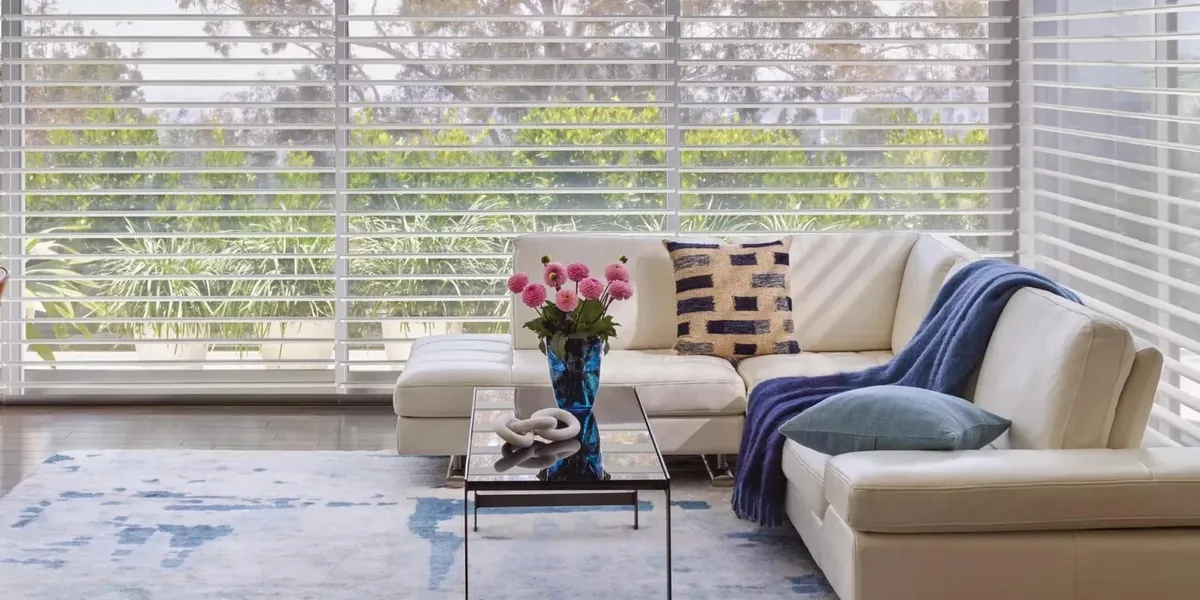
Many capes have their bedrooms upstairs, and in some the windows there are smaller or set in the gable ends of the roof. Each one is measured and gets a covering made to its size, so even an odd window looks deliberate.
For bedrooms, darkness and warmth usually come first. A darker honeycomb gives both: the fabric dims the room for sleep, and the cells hold air at the glass. If a child’s room faces the morning sun, that combination can make a real difference to how early the house wakes up.
Warmth in the mill houses
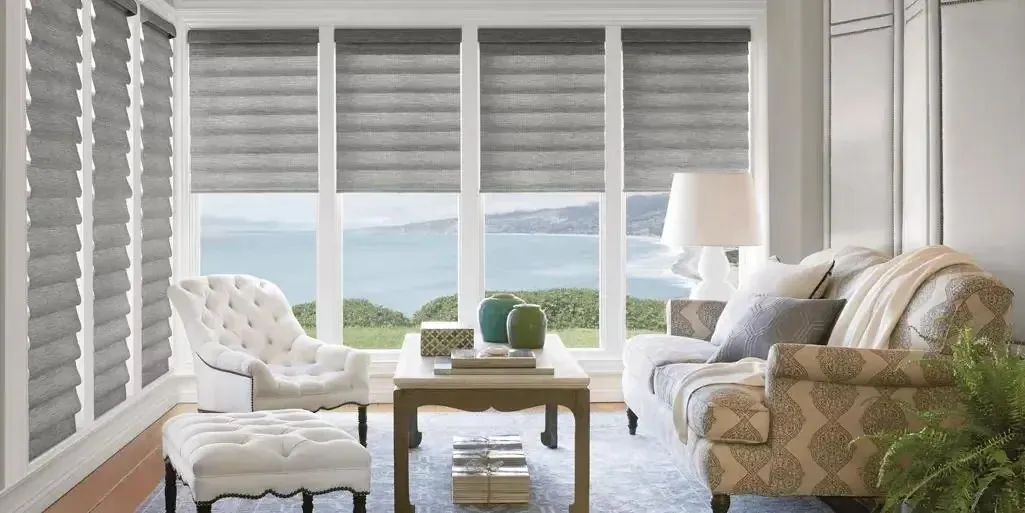
Original narrow sash is lovely to look at but can make a room feel cool on a winter evening, especially in a house built well before modern windows. Honeycomb shades are the simplest help. Each cell traps air between the glass and the room, so a Duette or Applause shade, lowered when the sun goes down, keeps more of the warmth inside. The guide to cellular shades and winter heat explains the idea.
For a sitting room that gets cold, a roman or honeycomb inside the frame with drapery hung outside it gives two layers and a softer look.
Kitchens, bathrooms and entries
Kitchens. Usually want plenty of light and an easy covering. A faux wood blind tilts quickly; a light-filtering roller is just as simple.
Bathrooms. A small window, often facing a neighbor. A faux wood blind or a cafe shutter on the lower half keeps privacy and lets light in at the top.
Entries. A small window by the front door. A metal blind or a slim roller gives privacy without fuss.
For the main choice across the house, our guide on shades or blinds is a good place to start, and shutters for older windows is worth reading if you live in one of the mill houses.
Motorized shades in a small house
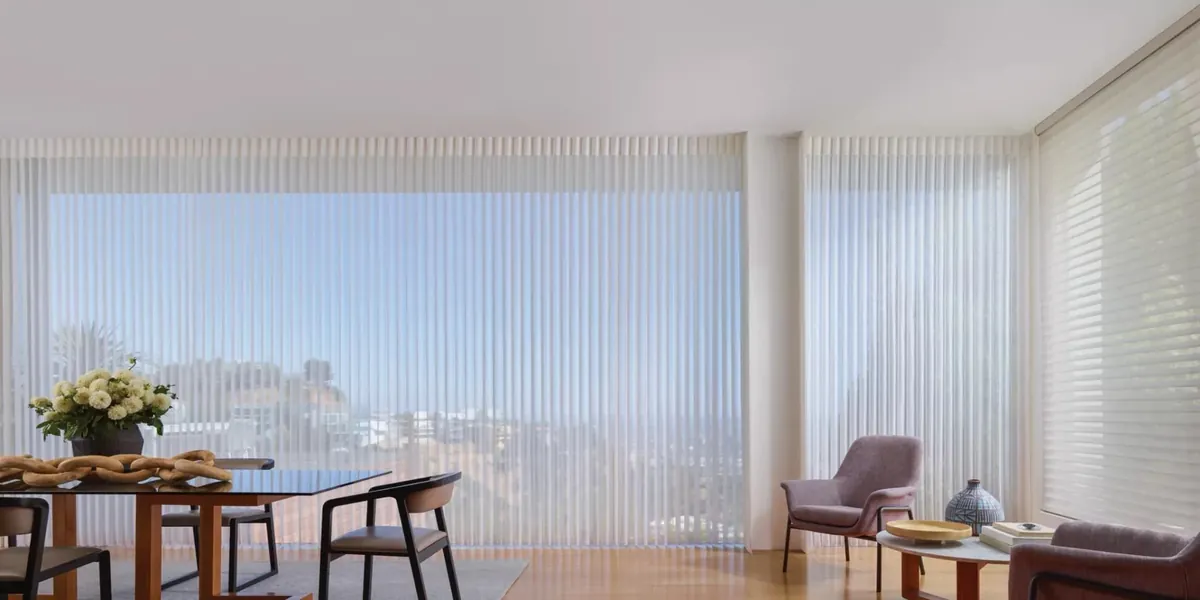
Motorized shades are not only for big houses with walls of glass. In a cape or mill house, they help with a window above a stair, a shade behind a sofa that is awkward to reach, or a bedroom where you want the shades to open on their own in the morning.
PowerView handles this with a remote, an app or a schedule, and shades can move together in a group. Working out how each motor will be powered is part of the visit, so there are no surprises later. Our page on window covering automation and the guide to how motorized shades are controlled have more.
Why a Gallery dealer is worth it for a small house
A small house still has very different windows from room to room, and the Hunter Douglas range covers all of them. Blinds & Designs is a Hunter Douglas Gallery dealer, so you can choose from the whole line.
Installation is by certified Hunter Douglas installers, on every order. Around that we offer in-home consultations with sample vans, free estimates, interior design consultations, PowerView automation, and repairs for coverings that have stopped working. See blind and shade repair for more on that.
Getting ready for a home visit
The showroom can come to you: our vans carry samples, so you see each fabric in the window it is meant for. A few things make the visit go smoothly:
- Decide which rooms you want to start with. It can be one room or the whole house.
- Note what bothers you in each: the neighbor’s view, the street at night, a cold window, a glare on the screen.
- Clear a little space in front of the windows so the consultant can measure and check the frames.
- Have any fabric, paint color or photo you want to match to hand.
- Expect to leave with a free estimate and plenty of time to think.
More on in-home consultations and free estimates. If you would like help pulling colors together across a few rooms, our interior design consultations are there for that.
The fitting
When your order arrives, certified Hunter Douglas installers fit it. In a mill house, that means extra care around old trim and frames that are not quite square. Each covering is hung, adjusted and checked in its own window, any PowerView shades are set up, and you are shown how everything works. Our guide to what happens on installation day has the details.
In a cape, where the windows are standard and the frames are square, fitting tends to be simple. In a mill house, the installers take their time over each opening, because a frame that has settled can be a touch wider at the top than the bottom, and a covering has to sit straight in a window that may not be.

Franklin is our nearest showroom to Millville
The closest Blinds & Designs showroom to Millville is in Franklin. Some people like to look in before booking a home visit, bringing a photo of a narrow window or a fabric from the house.
The choice itself is usually made at home, though, with samples up against your own windows and the house next door right outside. Either way works.
Questions from Millville
Will a shade fit the old narrow sash in our mill house?
In most cases, yes. We check the depth of each frame at the visit. An inside mount keeps the narrow line of the window where the frame allows it; where it does not, we show you a slim outside mount.
Our cape has standard windows. Does that make it simpler?
Yes. Most products fit standard openings without fuss. Each covering is still made to its own measurements, since windows that look the same often differ a little.
How do we stop people on Main Street seeing in at night?
Choose something that closes fully in the evening: shutters, blinds, or a honeycomb in a denser fabric. A light-filtering fabric is fine by day but can show the room once lamps are on.
What works for a small room that has several uses?
Adjustable coverings: blinds or shutters that tilt, or a sheer shade with vanes that open and close. They change the light as the room changes its job.
Is there a fee for the estimate?
No. The estimate is free, and you can take whatever time you need to decide.
Your first step
For window treatments in Millville, MA, in a mill house or a post-war cape, the easiest way in is a home visit. Request a consultation and the van will bring samples to your windows; we measure each one and leave you with a free estimate. If you would like to talk first, use the call button, or drop in at the Franklin showroom.
To compare everything we carry side by side, see our window treatments page.