
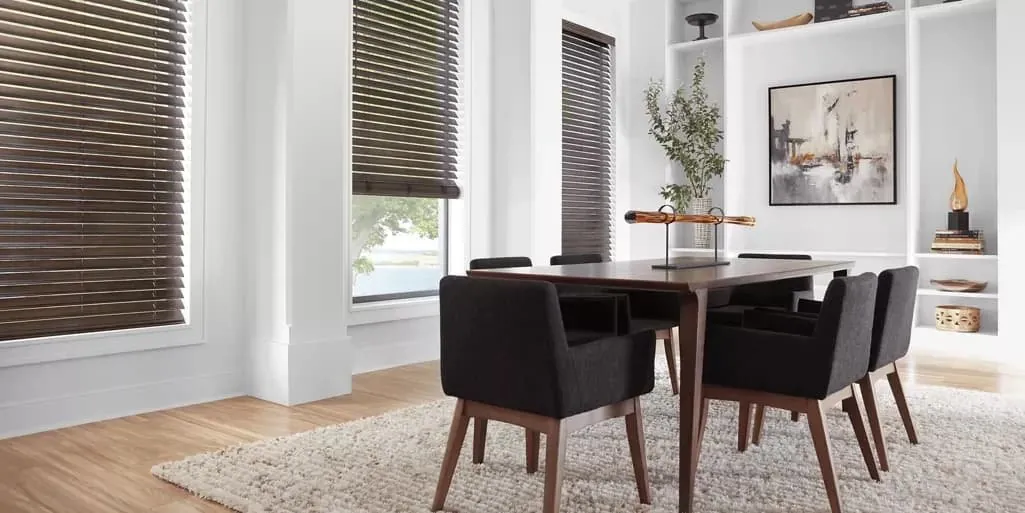
The center and the subdivisions need different answers
Middleborough covers a very large area, and its houses change a great deal from the middle of town to the edges. Around the town center, Victorians and Federal houses stand close together with tall, narrow sash windows, high ceilings and deep old casings. Drive out in almost any direction and the picture changes to post-war ranches and newer colonials, spread across a wide spread of subdivisions with standard modern windows. Good custom blinds in Middleborough, MA, start by recognising that these two kinds of house need different answers.
In the center, the challenge is proportion. A window that is tall and slim looks wrong with a heavy blind, and a raised blind that stacks too deep blocks the top of the glass, which is where much of the light in a high-ceilinged room comes from. Old frames that have shifted over time add a second challenge, because the opening may not be the same width all the way down.
Out in the subdivisions, fit is easy and the question becomes how each room is used: the slider to the deck, the kitchen window over the sink, the family room that faces the afternoon sun. Hunter Douglas wood, faux wood, metal and vertical blinds cover both worlds, and each one is built to the exact window it goes in.
The blinds we bring to Middleborough houses
Our vans carry the full Hunter Douglas blind range. These are the six options we talk about most often, whether the house is on a street near the center or on a cul-de-sac miles out.
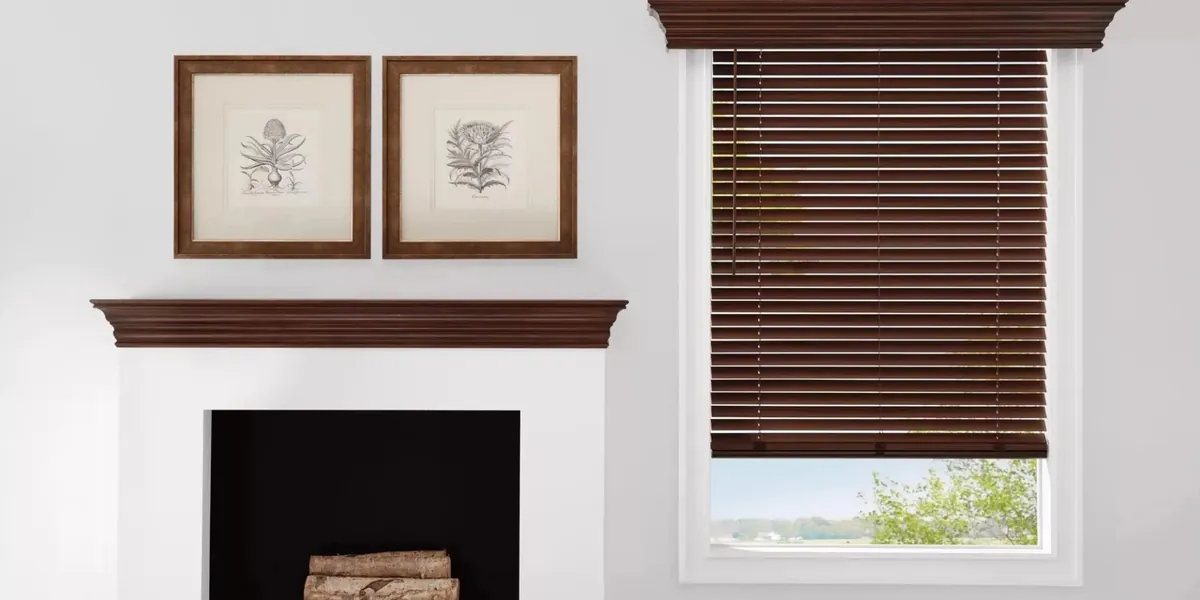
Wood blinds
Natural wood slats, stained to show the grain or painted to match the trim. The traditional choice for a Victorian parlor or a Federal dining room.
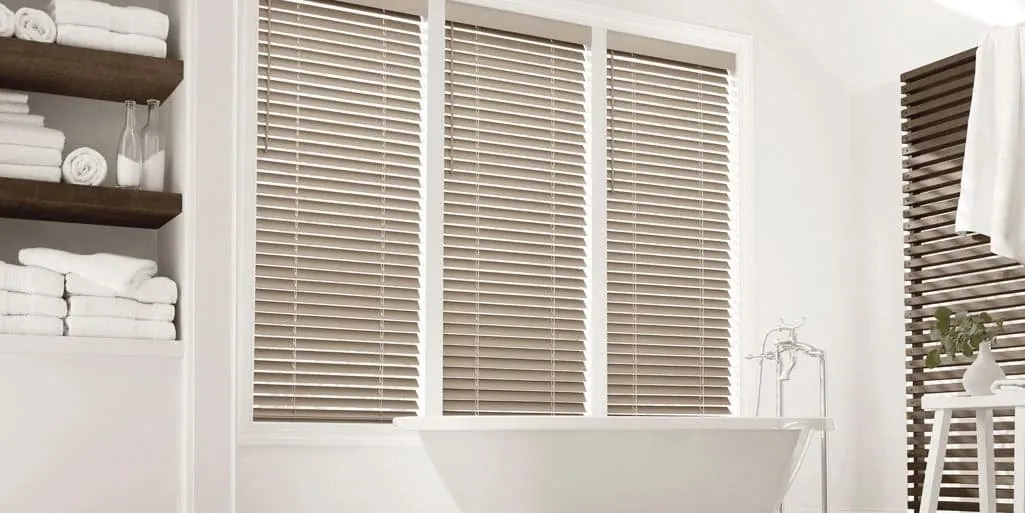
Faux wood blinds
A painted-wood look built for damp rooms. Kitchens, baths and laundry rooms in every kind of house.
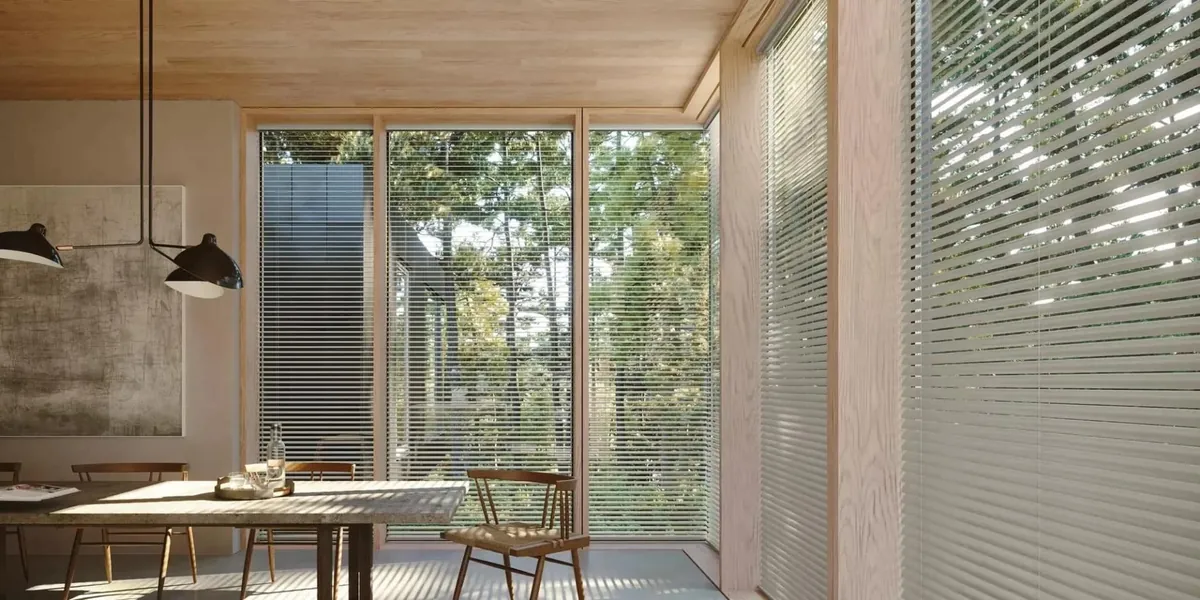
Metal blinds
Fine aluminum slats with a slim headrail. Light on a tall window and crisp in a modern room or home office.
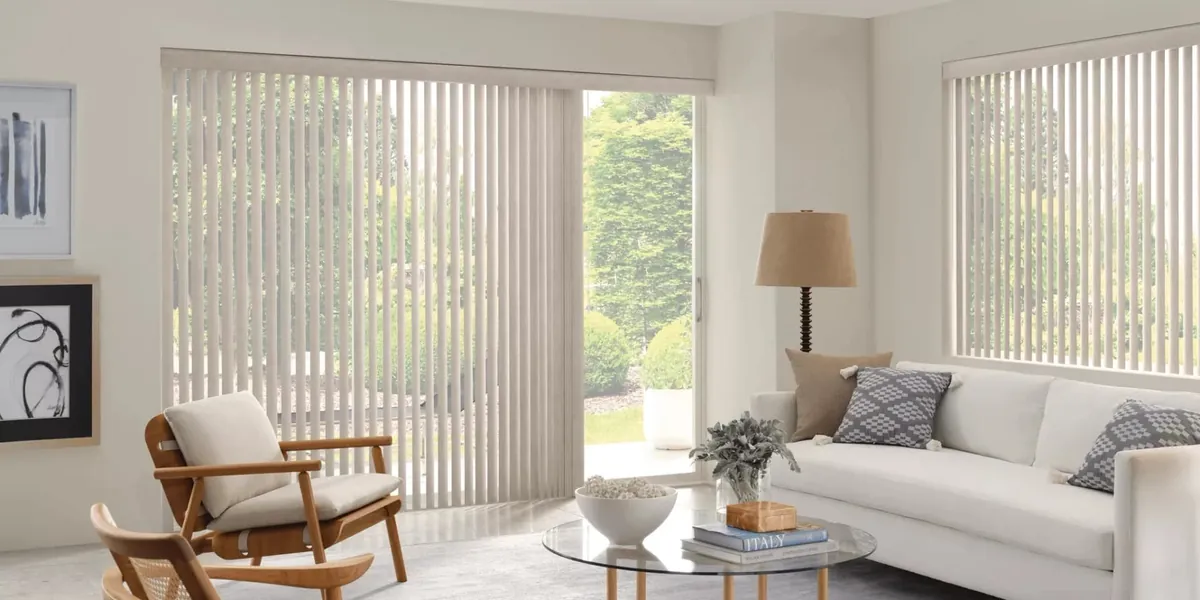
Vertical blinds
Vanes on a track that turn and draw aside. The standard answer for sliders in ranches and newer colonials.
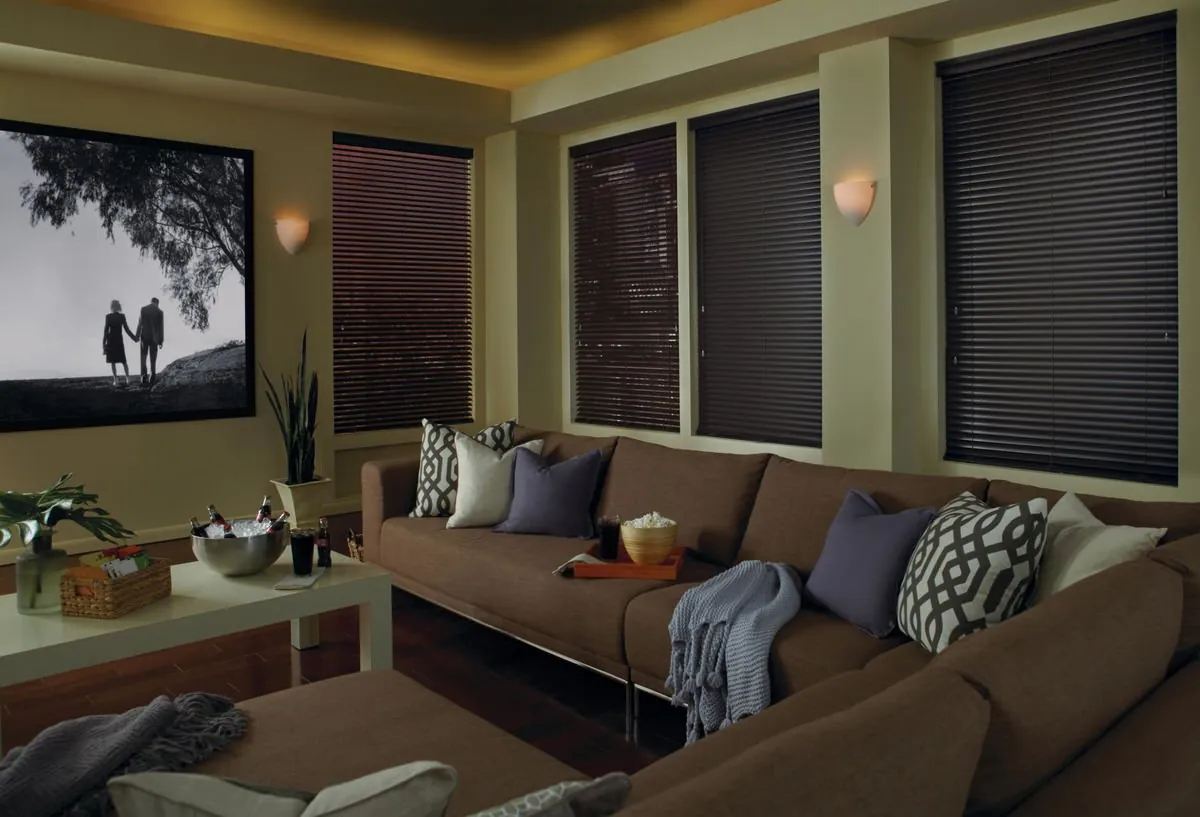
Darker rooms
Deep colors closed tight for bedrooms and media rooms, without heavy curtains on every window.
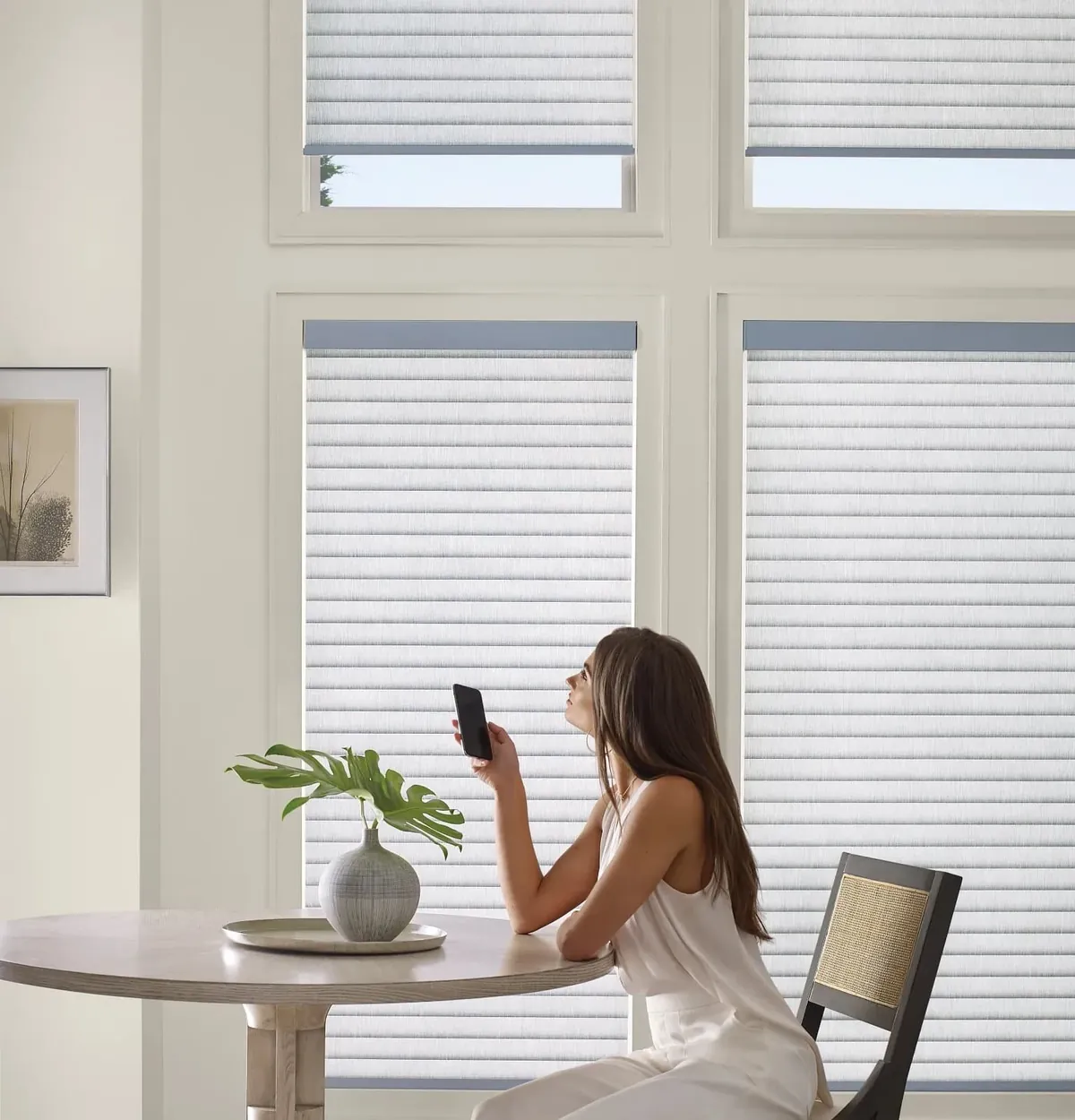
PowerView motorization
Lift and tilt from a phone, a remote or a schedule. Useful on the top of a tall Victorian window that is hard to reach.
Tall, narrow sash around the town center
The Victorians near the center were built with high ceilings, and their windows rise to match. A typical front room has two or three sash windows much taller than they are wide, framed in deep moulded casings, sometimes with a transom or a decorative head above.
Covering a window shaped like that takes some care. The first thing we look at is the stack, the bundle of slats that gathers at the top when the blind is raised. On a tall window the blind has a lot of slats, so the stack is deeper than on an ordinary window. If that stack hangs down in front of the upper sash, the room loses the light that comes in high, which is the light that reaches the back of a deep Victorian room. Choosing a slat width and material that stacks tightly, and setting the headrail as high as the frame allows, keeps the top of the window clear.
The second thing is weight and control. A tall wood blind is heavier to lift than a short one. A cordless lift balances it so it raises smoothly by hand and stays where you leave it, and on a window too tall to reach comfortably, PowerView motorization raises and tilts it at a touch. Neither leaves a long cord hanging beside the casing.
The third thing is the mount. Many of these frames are deep enough for an inside mount, which keeps the moulding fully visible. But a frame that has moved over the years can be narrower in the middle than at the top, so we measure at several points before we decide.
Federal houses and their symmetry
The Federal houses near the center are quieter in style than the Victorians: a balanced front, a central door, and windows set in matching rows. Inside, the rooms are well proportioned, and the window trim is often simple and fine.
On a house built around symmetry, the blinds should respect it. Every front window gets the same color, slat and headrail height, and where a pair of windows flanks the door, the blinds are made as a matched pair. Inside, a stained wood blind in the dining room and faux wood in a matching tone in the kitchen keep the house consistent while each room gets what it needs.
Some Federal windows still have their original interior shutters folded into the casing. Where they are working and worth keeping, a blind can sit in front of the sash, inside the shutter pocket, and the shutters can still close over it. Where the pocket takes up too much depth, we look at an outside mount that clears it, or we suggest that the shutters alone do the job.
Ranches spread across the outer town
Beyond the center, a large share of Middleborough’s houses are post-war ranches on their own lots. They are practical houses with standard windows: a picture window at the front, a kitchen window over the sink, bedrooms down a hall and often a slider or a back door with glass.
Ranch windows are square and built to standard sizes, so fitting is rarely the issue, and custom blinds in Middleborough ranches come down to material, color and control. That frees the visit for the decisions that make daily life easier. A living room picture window is often divided into two or three blinds on one headrail, so the half by the television can stay closed while the rest is open. The kitchen window takes faux wood. Bedrooms get a darker slat or an outside mount to keep the early light out. The slider takes a vertical blind that draws clear for the dog or the barbecue.
Many ranches have been extended over the years, with a family room on the back or a sunroom added. Those rooms often have more glass than the rest of the house, and they are where most people want the most light control.
Newer colonials in the subdivisions
The newer colonials in the outer subdivisions are larger two-story houses with modern windows in regular rows, an open kitchen and family room at the back, and often a bonus room over the garage.
With so many windows of the same size, the main design choice is consistency. One color and slat across the street-facing windows keeps the front clean, while the rooms inside can vary. The family room usually has the largest windows and a slider, so it gets the most attention: wider slats for a clearer view, vertical blinds on the door, and perhaps PowerView if there are several windows to manage. The bonus room, often used for films or as a playroom, suits a darker blind that closes tight.
Color for an old house and a new one
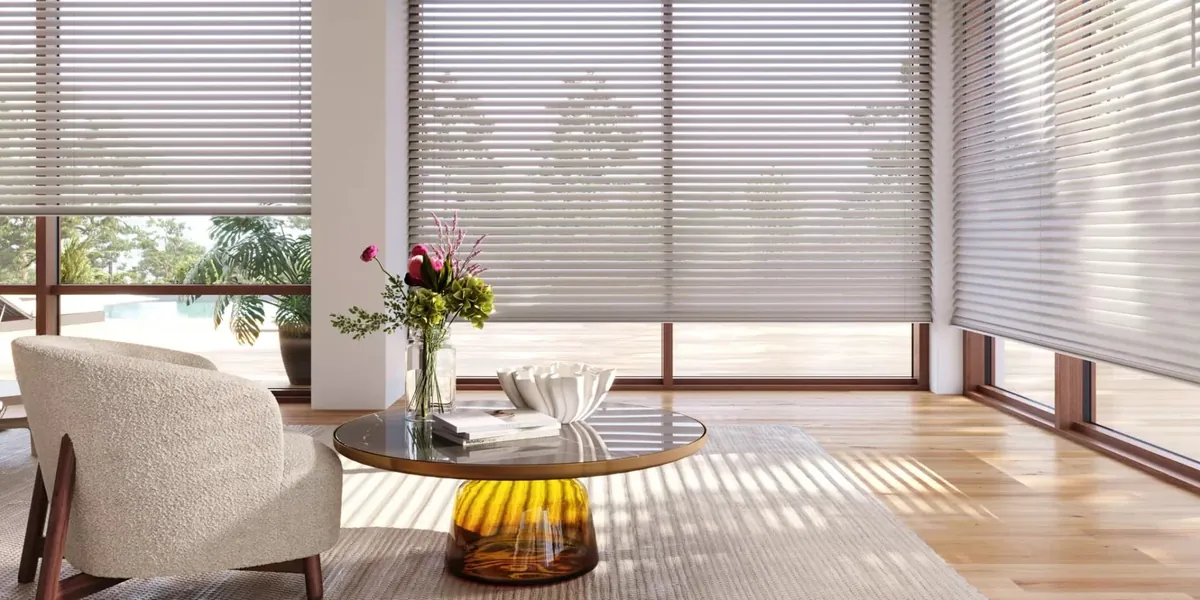
Color works differently in the two halves of town. In a Victorian or Federal house near the center, the woodwork is usually the star: painted casings, old pine floors, sometimes a stained staircase. A blind painted to match the trim disappears into the window and lets that woodwork show. A stain picked to sit with the floor gives a richer, more traditional look in a dining room or a study. Very bright whites can look stark against old cream-painted trim, so we bring several near-whites to compare.
In a ranch or a newer colonial, the walls tend to be plainer and the rooms more open, so the blinds play a bigger part in the look. Soft neutrals keep a big family room calm, and a single tone across a run of windows makes an open plan feel tidy. Darker stains suit a den or a bonus room. When we plan custom blinds in Middleborough, MA, color is one of the last choices, made at your window once the material and slat are settled.
Center house or subdivision house: a quick guide
It helps to see the usual choices side by side. These are starting points, not rules, and many houses mix them.
- Victorian front room: real wood, a slat that stacks tight, headrail high in the frame, cordless or motorized lift on very tall sash.
- Federal dining room: stained wood in a matched set, inside mount clear of any shutter pocket.
- Ranch living room: faux wood or wood, picture window split into two or three blinds.
- Colonial family room: wider slats for the view, vertical blinds on the slider, PowerView on a long row.
- Kitchens and baths anywhere: faux wood for the steam.
If you want to read ahead, start with the custom blinds overview, then look at the families one at a time: Parkland wood, EverWood, Hunter Douglas metal and Hunter Douglas verticals.
Why a home visit makes sense in a town this size
Middleborough is a big place to cross, and the nearest showroom is a fair drive from most of it. That alone is a good reason to have us come to you. The better reason is that a slat looks different in every room: a stain that glows in a south-facing Victorian parlor can look flat in a shaded ranch bedroom. Our vans carry samples, which means the showroom comes to your driveway.
- Pick a time through the Request a Consultation form, or ask for one with the call button.
- A consultant comes in with slats in every material, vane samples for sliders, valance profiles and working lift and tilt controls.
- Together we go to the window that gives you the most trouble first. Near the center that is often a tall front window; further out it is usually the family room.
- Each sample goes up against your own casing, so you judge color and grain beside the wood that is already there.
- Openings are measured one by one, with the depth checked and any sash lock, shutter hinge or pulley noted.
- A free estimate follows for everything we looked at. There is no need to decide on the day.
Color and furnishing questions are welcome too. Interior design consultations can happen during the same appointment, and the in-home consultations page describes how a visit runs.
Measuring an old window and a new one
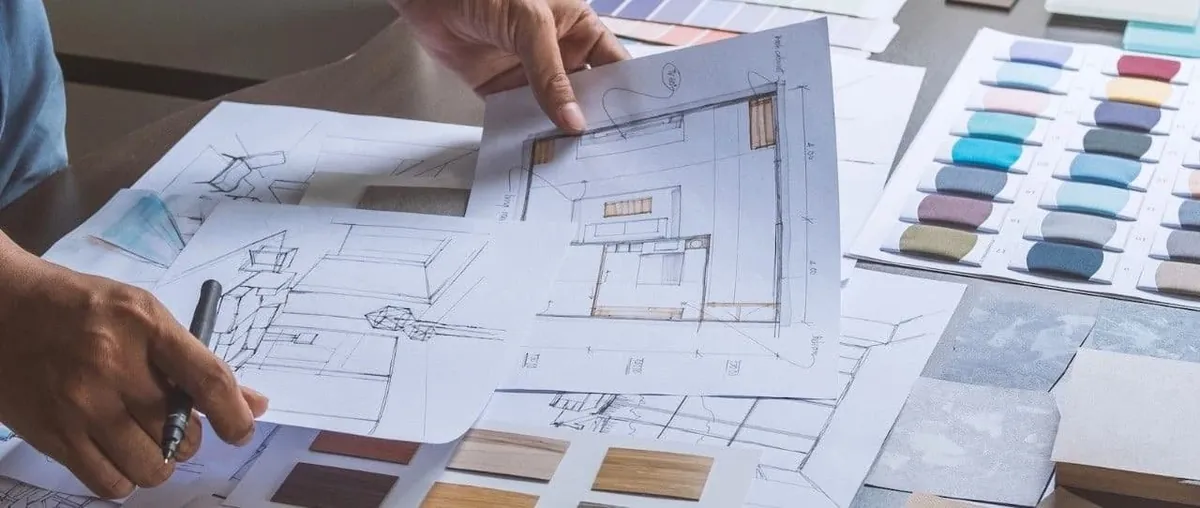
Measuring is where custom blinds in Middleborough earn their name, because each one is made to the numbers we take. On a center house we assume the frame has moved: we take the width at the head, the middle and the sill, the height at both sides and the middle, and the depth wherever the headrail would sit. An inside mount uses the narrowest width, so the blind never binds. Where a sash lock, a shutter hinge or an old pulley stands in the way, we note it and plan around it.
In the subdivisions the readings usually agree, but we take them all the same. A blind that is a fraction too wide will not sit inside the frame, and one that is a fraction too narrow leaves a bright line down each side.
Hanging the finished blinds is the work of our Hunter Douglas certified installers. On a Victorian they find the solid timber behind old plaster for each bracket, shim a headrail true in a frame that has settled, and line up the tops of every blind in a room so the row looks even from the street. A tall motorized blind is paired and tested on the spot. The window measuring terms explained guide is useful if you want to follow along with the readings we take.
Cords, wands and motors
Controls deserve as much thought as color. Going cordless removes every hanging cord, a sensible step where small children or pets are about. A tilt wand turns the slats with a turn of the wrist and leaves the window edge uncluttered. On the tall Victorian sash, or a window behind a deep counter, motorized lift and tilt saves stretching and keeps the blind level every time. We plan how each motor is powered at the visit, and show you how the remote, wall switch and app work. Getting the controls right is what makes custom blinds in Middleborough, MA comfortable to use every day.
A Hunter Douglas Gallery dealer for the whole house
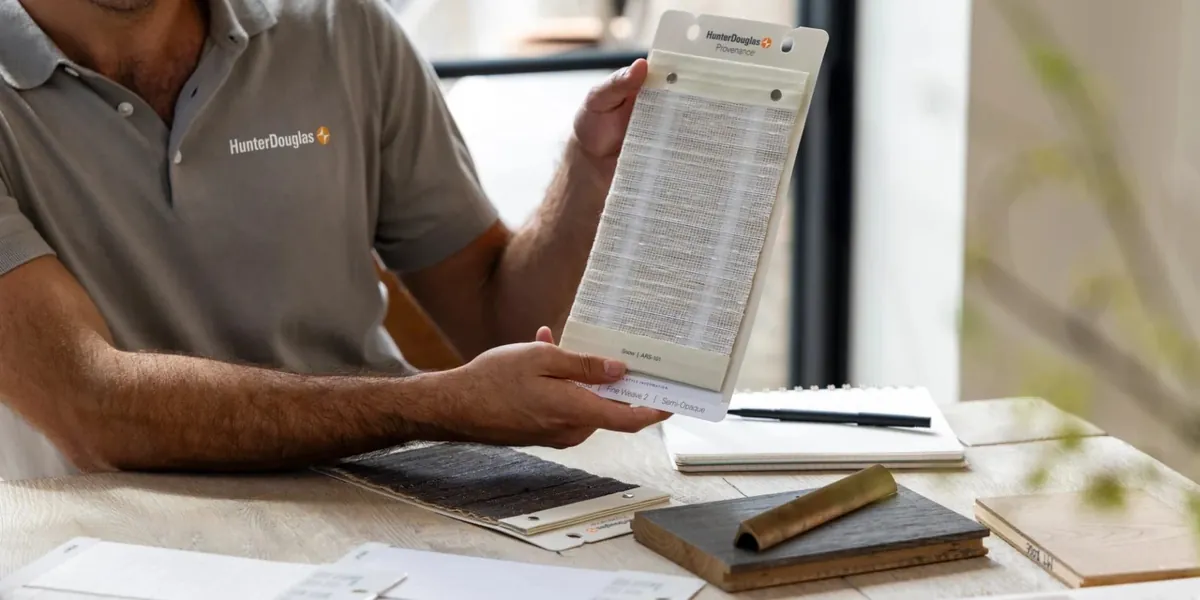
Gallery is the title Hunter Douglas keeps for dealers who meet its standards, and Blinds & Designs holds it. In practice that puts the complete range of wood, faux wood, aluminum and vertical blinds within reach, with every control option and full PowerView automation.
Certification from Hunter Douglas covers our installers, too. And when an older blind somewhere in the house has a snapped cord or a stuck tilter, ask about blind and shade repair.
Some windows are happier with something other than a blind. Worth a look: plantation shutters in Middleborough or roller shades in Middleborough. Our Middleborough page lists everything we offer in town.
Visiting the Sagamore showroom
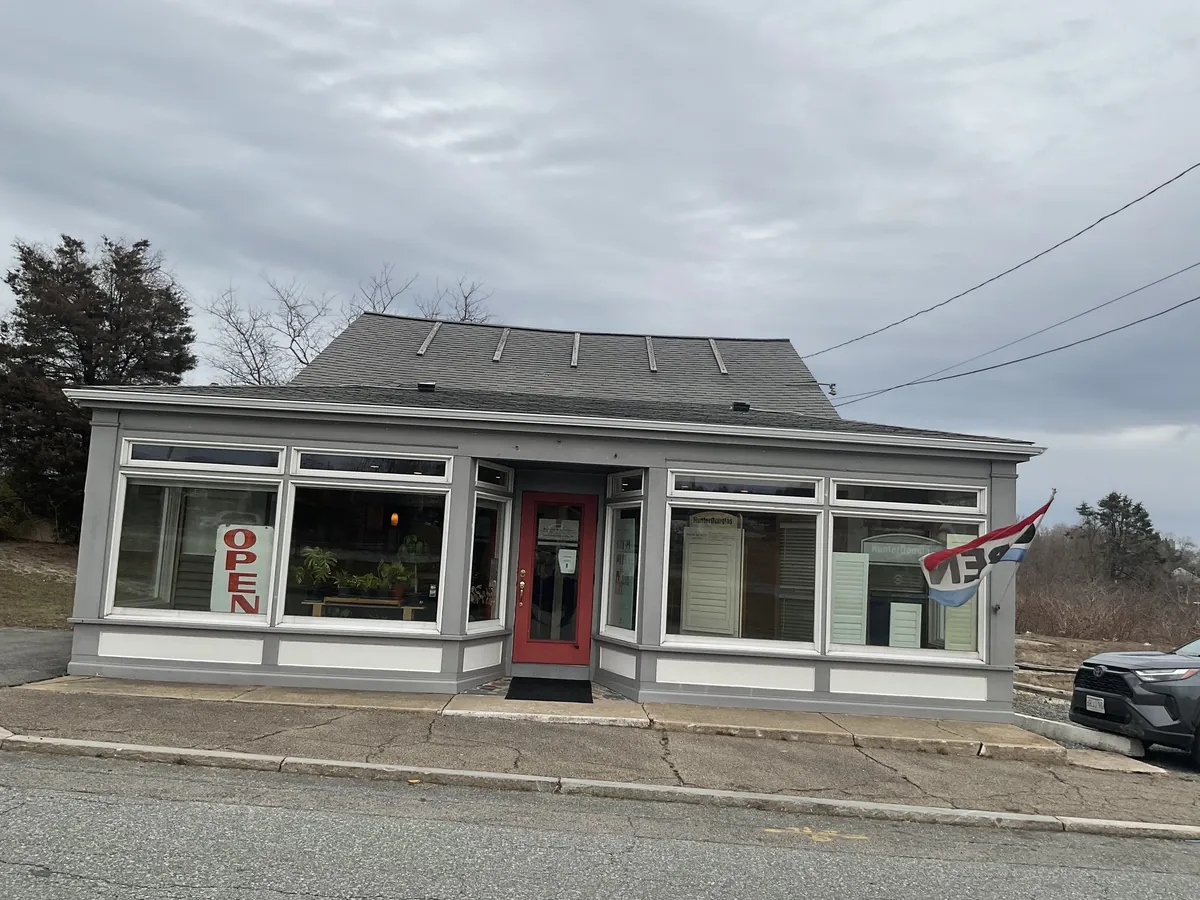
Of our three showrooms, Sagamore is the closest to Middleborough. Its address and hours are on the Sagamore showroom page, should you want to handle the blinds there as well as at home.
For most houses in town, though, the home visit comes first, because the tall sash near the center and the bright family rooms further out each need to be seen in their own light.
Questions from Middleborough
Will a blind look right on the tall, narrow windows in my Victorian?
Yes, when the slat and headrail are chosen for the window. A slat that stacks tightly and a headrail set high keep the top of the glass clear when the blind is up. Cordless or motorized lift makes a tall blind easy to raise.
My window frames are old and not quite square. Can you still use an inside mount?
Often. We measure the width in several places and make the blind to the narrowest point so it never binds. If the frame is too uneven or too shallow, an outside mount on the casing gives a cleaner result, and we will tell you which is better.
What do you suggest for a ranch with a slider at the back?
Vertical blinds for the slider, so it draws clear and opens freely, and horizontal blinds in a matching color on the windows around it.
Can I have wood in some rooms and faux wood in others?
Yes, and most people do. Real wood suits dry living and dining rooms, and faux wood handles the kitchen and baths. We match the colors so the house looks consistent.
Will I have to pay for a quote?
No. Every estimate we write is free, and it comes after we have measured, so it reflects your actual windows.
Book your visit
Tall sash near the town center or standard openings in a cul-de-sac, the choice is easiest with slats in your hand. Use the Request a Consultation form to set up a home visit with samples, measuring and a free estimate. To speak with someone first, tap the call button for the Sagamore showroom, or drop in there during its hours.