
Company houses, small tall sash and the pond
Hopedale grew up around the Draper works, and its housing still shows it. Rows of company houses stand close together in the mill village, many with their original narrow sash: windows that are small across and tall from sill to head. Around Hopedale Pond the houses get bigger, the lots open up and the rooms take on more glass. Choosing window coverings for either kind of house starts with understanding those openings, and that is the work of a Hunter Douglas dealer in Hopedale, MA.
The village windows set the first challenge. A tall, slim opening does not leave much room for a headrail, and a product that looks right on a wide modern window can look heavy on a narrow one. Spacing matters too. With the house next door only a short way off, a side window often looks straight across at a neighbor’s, so privacy comes up in almost every room.
The pond houses ask a different question. Their bigger windows let in more sun, and the work there is about controlling light and glare across a room rather than squeezing a shade into a slim frame.
The Hunter Douglas families for Hopedale windows
As a Hunter Douglas dealer in Hopedale, we bring every family in the range to the house. Each card below links to that product’s own Hopedale page.
Custom blinds
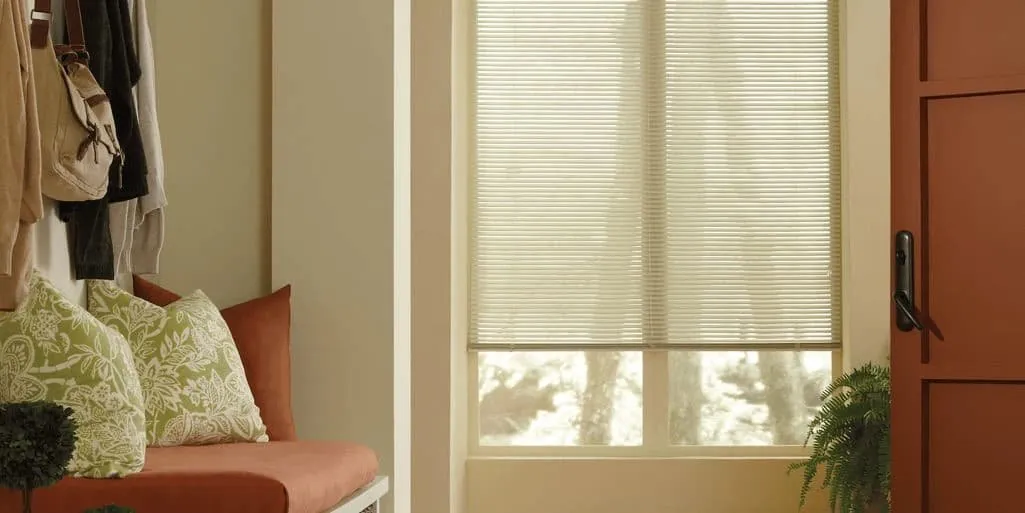
Wood, faux wood, metal and vertical blinds, chosen by material and by how you want them to tilt and lift. A slim slat often suits a narrow village opening best.
Cellular shades
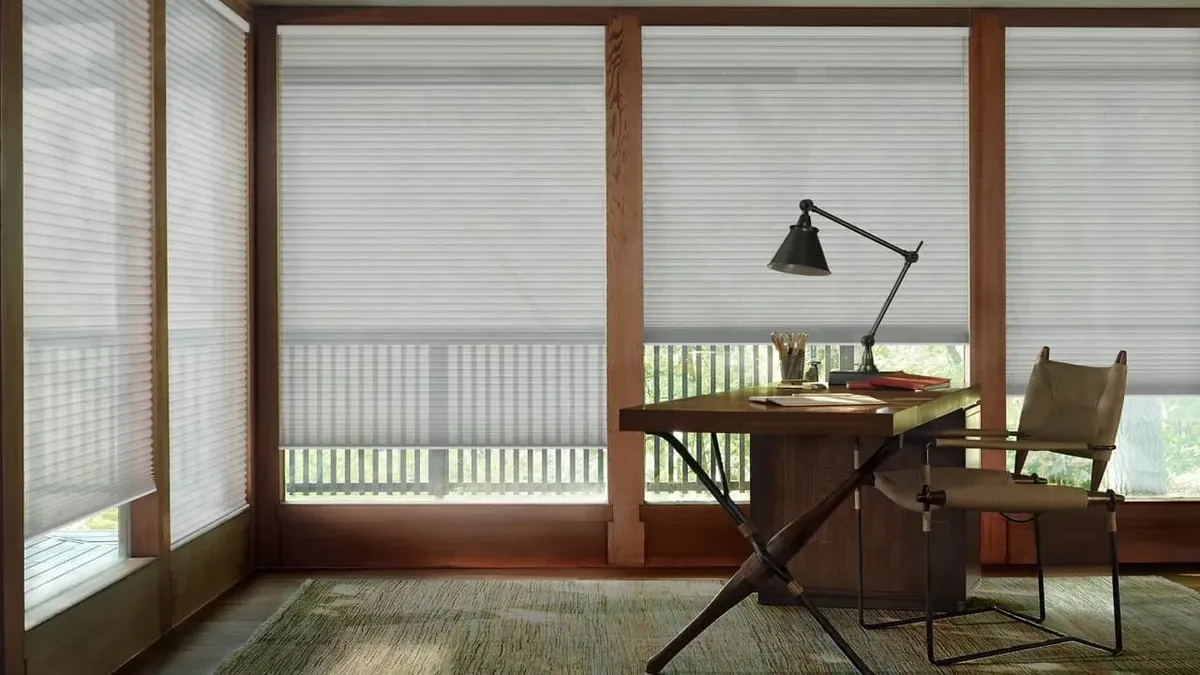
Duette and Applause honeycomb shades. The cells hold a layer of air against the glass, which is why a room with them keeps its heat.
Roller shades
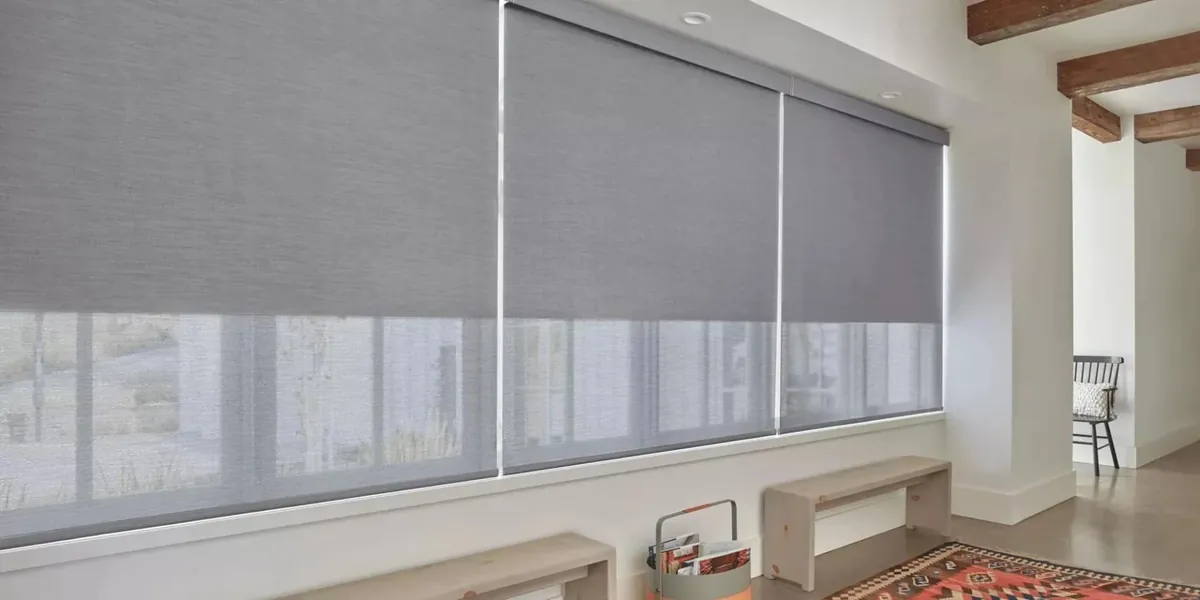
Designer and Alustra rollers and solar screens. The openness of the fabric decides how much view you keep and how much glare you cut.
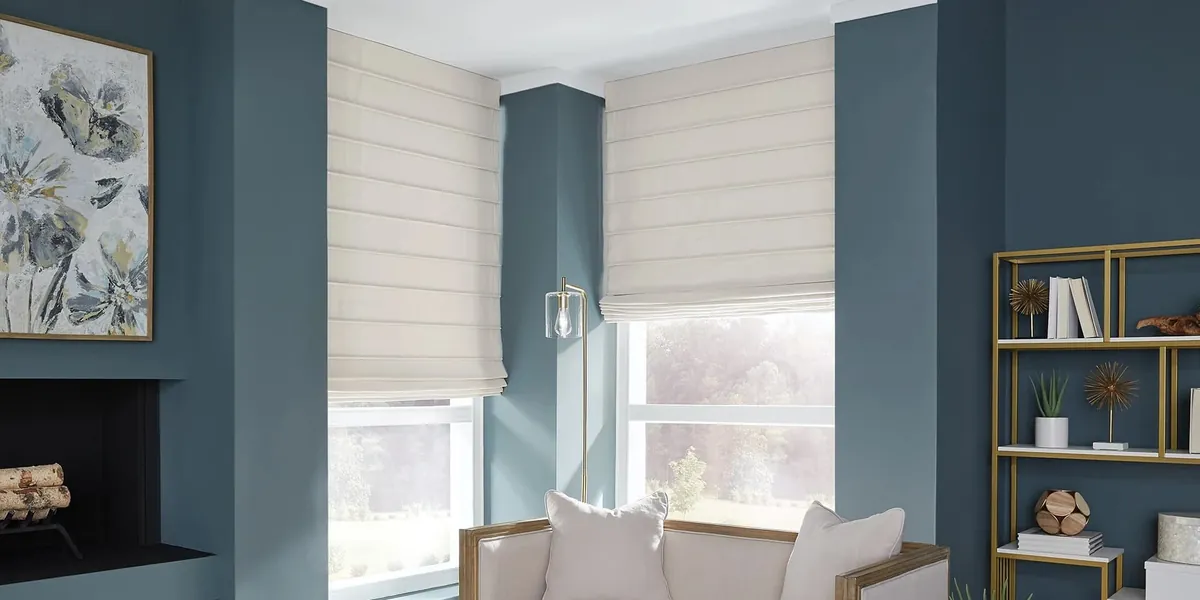
Roman shades
Vignette and Carole Roman shades in flat and folded styles, for a living room or bedroom that wants soft fabric at the window.
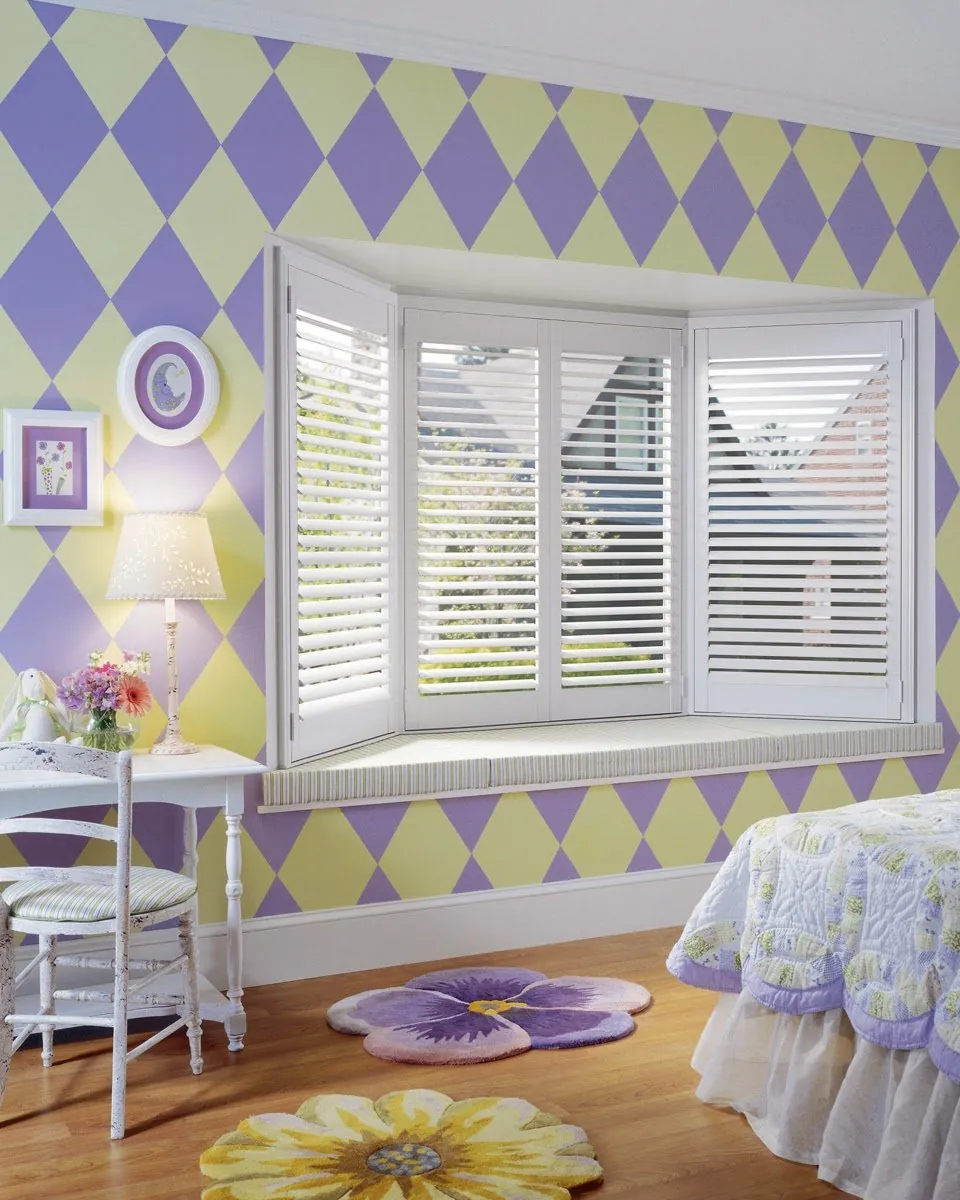
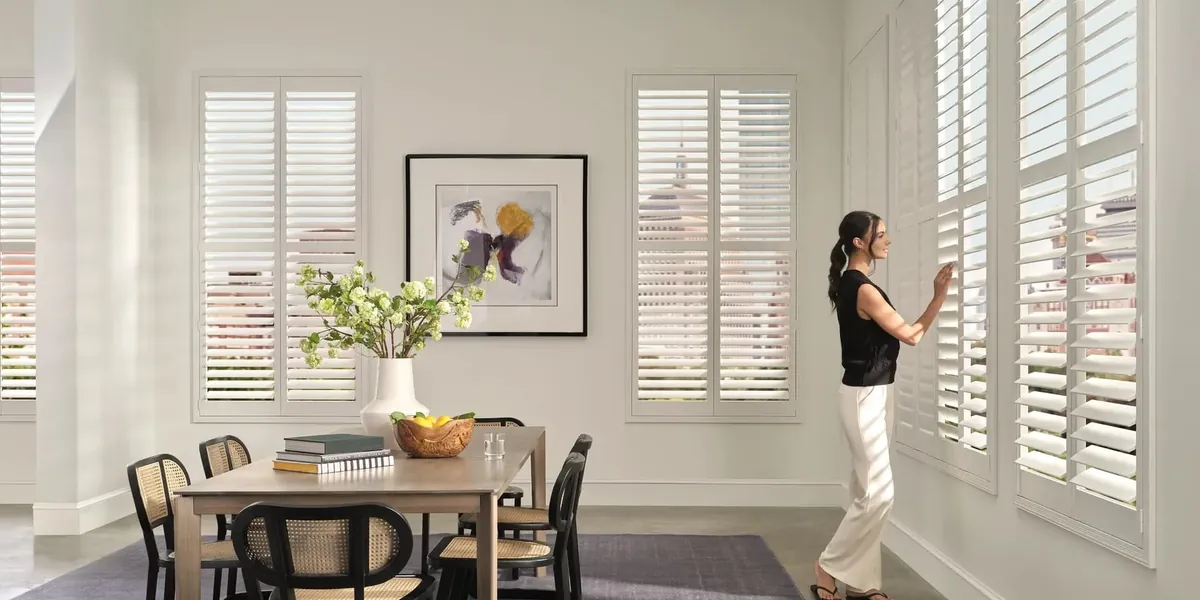
Plantation shutters
Palm Beach, NewStyle and Heritance shutters, planned by louver size and frame style so each panel suits the opening it fills.
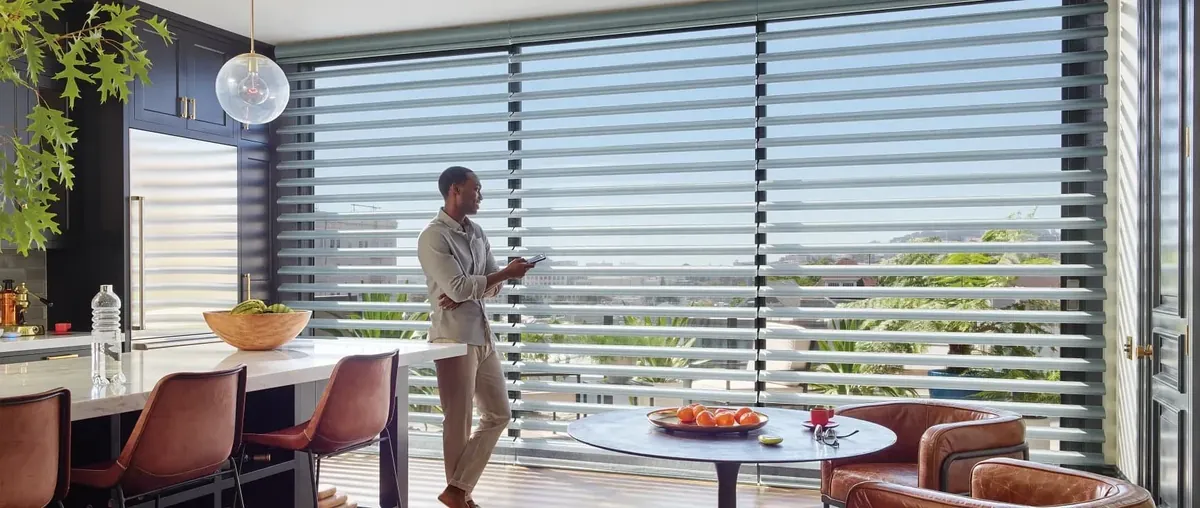
Motorized blinds and shades
PowerView control from a remote or an app, with schedules that open and close shades on their own through the day.
Measuring a narrow mill village opening
The narrow sash in the company houses is the reason we never quote a village window from a rough size. A frame that has stood this long is rarely perfectly square, and the difference between the width at the top and the width at the sill can decide whether a product sits inside the opening or outside it.
So we take several readings. Width at the head, the middle and the sill. Height at both jambs and down the center. Then the depth from the glass to the face of the trim, because a slim opening often has a shallow pocket as well, and a sash lock or a lift handle can stand proud of the frame and catch a rail.
From those readings we can tell you which way each window should go. An inside mount keeps the original trim on show, which many village houses deserve. An outside mount, set on the casing, gives a product more room and can make a small window feel a little larger by covering the frame edge to edge. Neither is right for every window; the measurements make the choice for us.
Privacy between close-set houses
In the mill village, the house next door is often close enough that a side window looks into a neighbor’s kitchen or stairwell. That shapes what goes on those windows more than anything else.
The usual answer is a covering that lets light in while blurring the view. A light-filtering honeycomb or a sheer shade such as Silhouette or Pirouette glows by day and keeps shapes indistinct from outside. Shutters do it another way: tilt the louvers and you control the angle of sight, so you can see the sky while the neighbor sees slats. For a bedroom on the tight side of the house, a room-darkening fabric closes the window completely at night.
Front rooms that face the street get the same thinking, with one more factor: how the house looks from the sidewalk. A row of matching headrails across the front of a company house keeps its plain, even face, which suits the style of the street.

Larger rooms around Hopedale Pond
The houses near the pond were built with more space and more window. Living rooms run deeper, and a wall of glass facing the water can bring strong reflected light into the room for a good part of the day.
Here the job is managing light rather than finding room for a headrail. A Designer Screen or Alustra solar shade cuts glare off the water while you keep the view, and the openness you choose sets the balance between the two. Where a room needs to go fully dark for a television or an afternoon nap, a solid roller or a room-darkening honeycomb does that instead. Many pond rooms end up with a mix: screen shades on the water side and something softer on the side windows.
The light also changes with the seasons. A low winter sun reaches further into a pond-side room than a high summer one, so a window that seems easy in July can glare in December. We ask which months bother you most, and we choose fabrics with the whole year in mind rather than the day of the visit.
Bedrooms on the pond side face the same morning light. A honeycomb shade in a dark fabric keeps those rooms dim at dawn and, because the cells hold air, helps the room keep its warmth through a cold night.
Tall sash and the look of a slim window
A narrow, tall window can be handsome when its covering respects its shape. Bulky stacks at the top, or a product that overhangs the trim on each side, make it look crowded. That is why proportion is part of every visit we make as a Hunter Douglas dealer in Hopedale.
Roman shades in a flat style give a clean, tailored band of fabric that suits a slim opening. Honeycomb shades are another common pick for a slim opening, and we will show you how one looks raised and lowered in your frame. Blinds with a slimmer slat look lighter in a narrow frame than a wide slat. Shutters fit tall sash well when the panels are sized to the opening, and a louver size chosen for the window keeps the proportions right.
We bring samples so you can see these at your own windows. A product that looks neat in a catalog can look very different in a frame only a little wider than a door.
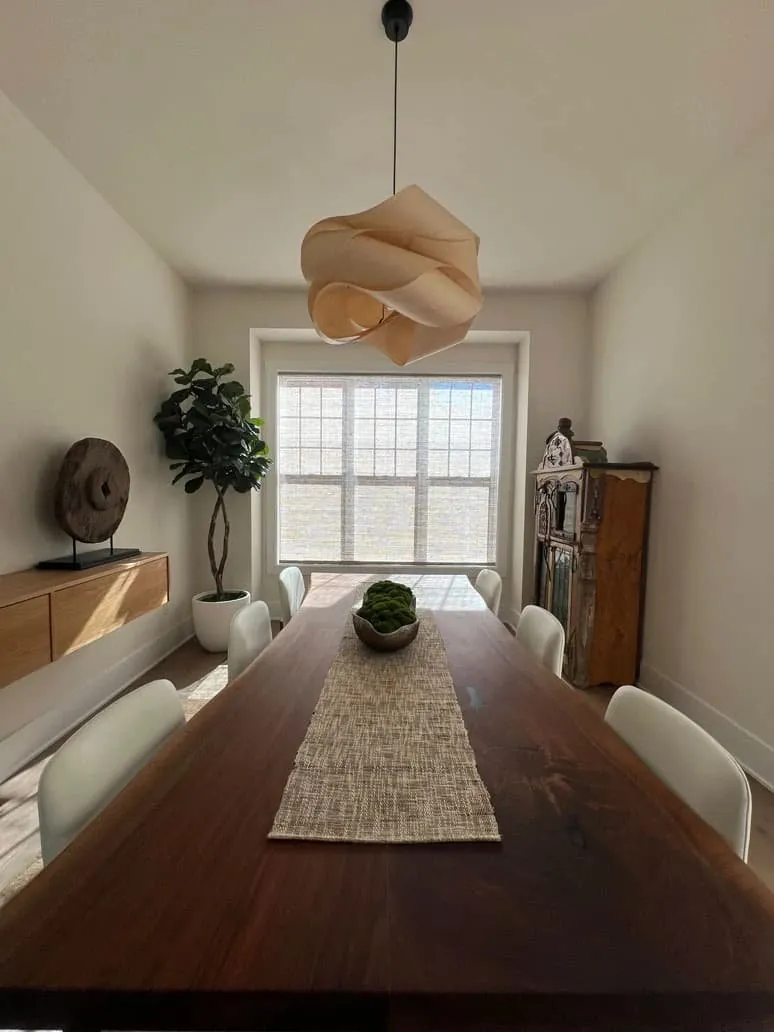
What happens when we visit
As a Hunter Douglas dealer in Hopedale, we see most projects chosen at home, in the light each room actually gets. Our vans carry samples from across the Hunter Douglas range, so in a real sense we can bring the showroom to you.
- Request a consultation online, or use the call button to reach the Franklin showroom.
- We settle on a time that suits you and arrive with samples for the rooms you want to cover.
- We walk the house with you, hearing what bothers you about each window: glare, privacy, cold, or simply bare glass.
- You hold fabrics and slats against your own windows and see how they look in your light.
- We measure each opening, taking extra readings on the narrow village sash.
- You receive a free estimate and take whatever time you need to decide.
- When you order, Hunter Douglas makes each piece to our measurements, and our certified installers fit it.
If you want broader help with colors and fabrics, ask about our interior design consultations. The in-home consultations page explains the first visit in more detail.
Rooms with one window and little wall
Company houses tend to have compact rooms, and a small room with a single tall window leaves little space for anything that sticks out. A deep headrail or a heavy fabric stack can eat into the wall around the window and make the room feel smaller.
That is where the inside mount earns its place, when the depth allows it. Everything sits within the frame and the wall stays clear for furniture and pictures. If the pocket is too shallow, we look at products that stack compactly and set them on the casing. In a narrow upstairs bedroom, a slim honeycomb shade inside the frame is often the most discreet choice.
Hallways and stair landings in these houses often have a single small window too. Those are good places for something simple and light, so the stairs stay bright.
Kitchens and bathrooms in older village houses
The working rooms in a mill house are usually small, and their windows are often on the side close to the neighbors. Light and privacy both matter, and so does the room’s use: a bathroom window needs privacy at every hour, while a kitchen window over the sink usually wants as much daylight as possible.
Shutters are a common choice for a small bathroom, because tilting the louvers controls the line of sight. In a kitchen, a roller shade in a light fabric keeps things simple and tidy. We talk through each room’s use at the visit and suggest materials that suit it, and we will show you samples of each so you can decide with your own eyes.
Motorization in a Hopedale house
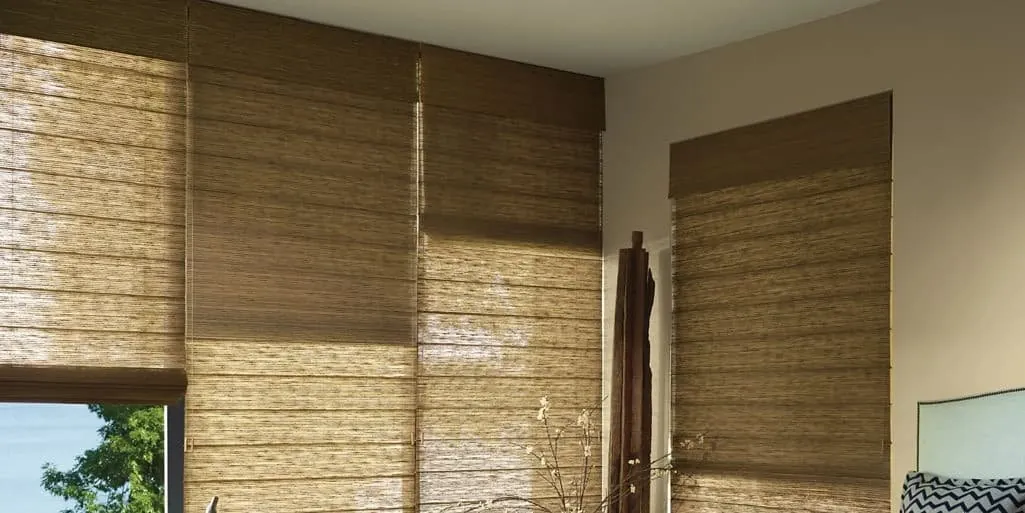
PowerView makes most sense where a window is hard to reach or where you want shades to move on a timetable. In a pond house, that might be the tall living room windows that catch the afternoon sun, set to lower before the glare arrives. In a village house, it might simply be a bedroom where a schedule closes the shades at dusk.
You control PowerView from a remote, from an app on your phone or by schedules you set. We plan how each motor is powered at the visit, window by window. More detail is on our motorized blinds in Hopedale page and the window covering automation page.
Color, texture and a period house
The company houses carry a plain, honest style, and coverings in calm whites and soft neutrals usually suit them. Woven woods bring a natural texture that fits an older interior, and a painted shutter frame looks at home against old trim. In the bigger pond houses, there is room for stronger color or a patterned Roman shade in a living room.
Seen from the street, the backs of the coverings matter as much as the fronts. We often suggest a light neutral facing out on every street-side window, so the house reads as one, while the room side carries whatever color you like.
Old single sash and a cold winter room
Original sash in a village house can make a room feel cool near the glass on a January evening, even with the heat on. A covering cannot change the window itself, but it can change what sits between the glass and the room.
That is the job a honeycomb shade does well. Each cell traps a pocket of air, and that layer of still air is why a room with Duette or Applause shades holds its heat better after dark. Lowered at dusk on the north and west sides, they make a noticeable difference to how a small bedroom feels. In summer, the same shade lowered on a sunny afternoon keeps a room from building up heat through an upstairs window.
If you would rather see the street in daytime and close the room at night, a light-filtering honeycomb by day and a room-darkening fabric in the bedrooms is a common way to split it.
One window first, or the whole house at once
A good number of village projects begin with a single window: a bedroom too bright at dawn, or a side window that looks straight into the house next door. Others start when someone takes on a pond house with bare glass in every room. Either is welcome, and the visit works the same way.
For one room, we still look at the windows around it, so if you add more later the look carries on. For a whole house, we walk it in the order you use it and build a plan that mixes families where that makes sense. Planning in stages is fine too: because everything is made to measure, a later order can match the first, and each stage has its own free estimate.
A Hunter Douglas Gallery dealer
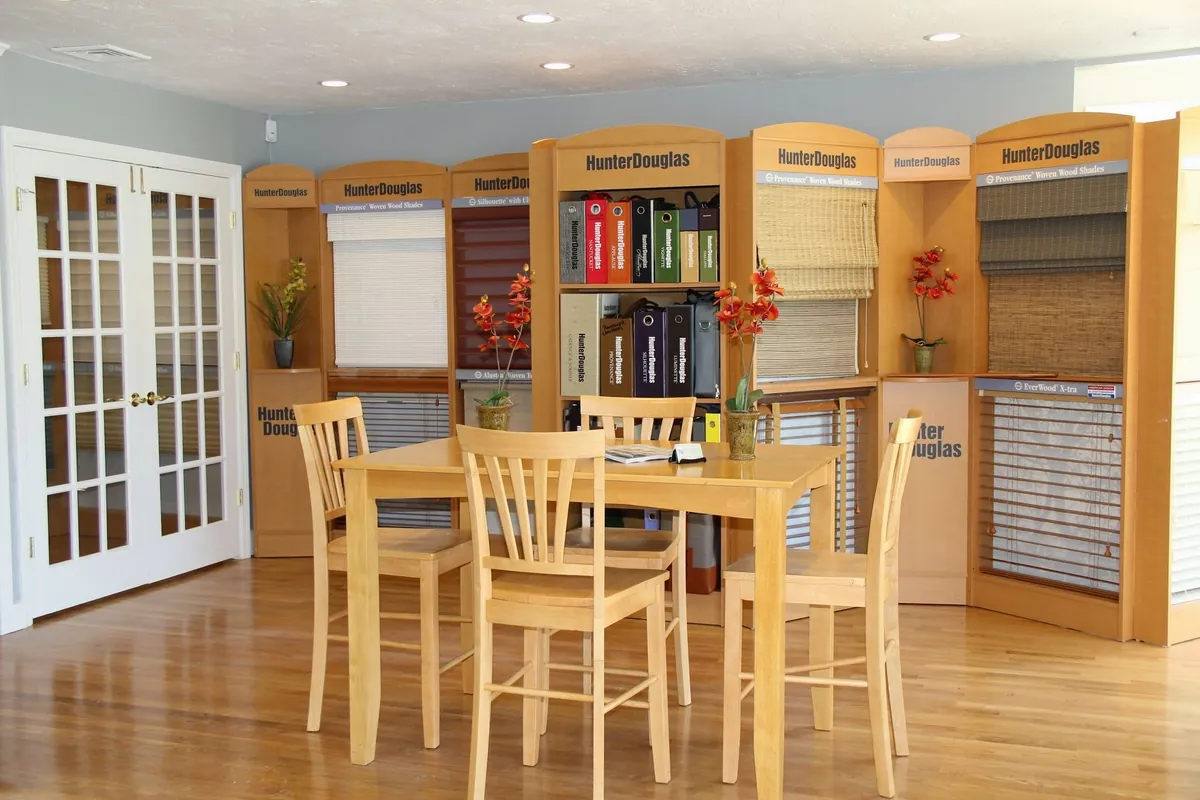
Being a Gallery dealer gives you the whole Hunter Douglas family in one place: honeycomb, sheer, roller, Roman, woven and vertical shades; wood, faux wood, metal and vertical blinds; three shutter lines; drapery; and PowerView automation.
Every order is fitted by our own installers, who hold Hunter Douglas certification. They mount each bracket level, check the clearance against old sash hardware and test each product before they leave.
The main Hunter Douglas page tells you more about our dealer work, and the lines themselves are in the Hunter Douglas online catalog. If a covering you already own needs attention, our blind and shade repair service welcomes it.

Franklin, the nearest showroom to Hopedale
The Franklin showroom is the closest of our three showrooms to Hopedale. You are welcome to stop in before we visit if you would like to talk a project through face to face.
Most choices are still made at home, because a fabric that looks one way in a shop looks another against a narrow north window or a bright pond-side room. We bring the samples, measure each opening and leave you a free estimate.
The address and hours are on the Franklin showroom page. Everything we offer in town is on our Hopedale page.
Questions from Hopedale
Will anything fit the narrow original sash in my mill house?
Yes. We take several measurements across each frame, check its depth and suggest an inside or outside mount to suit. Slim honeycomb shades, flat Roman shades, narrow blinds and shutters sized to the opening all work on tall, slim windows.
My side windows face the house next door. What keeps them private without making the room dark?
A light-filtering honeycomb or a sheer shade lets daylight in while blurring the view. Shutters let you angle the louvers so you see sky while the neighbor sees slats. A room-darkening fabric closes a bedroom completely at night.
How do you handle glare from Hopedale Pond?
A solar screen or Designer Screen shade cuts glare while you keep the view. The openness of the fabric sets the balance, and we bring samples so you can compare them at your own window.
Is the estimate free?
Yes. Estimates are free, and you can take as long as you need to decide.
Who installs what I order?
Our own installers, certified by Hunter Douglas. Installation is part of every order.
Your next step in Hopedale
The easiest way to start with a Hunter Douglas dealer in Hopedale is to request a consultation. We will bring samples for your rooms, measure each window, whether it is a slim village sash or a wide pond-side opening, and leave you a free estimate. If you would rather talk first, use the call button to reach the Franklin showroom, or visit it in person.