
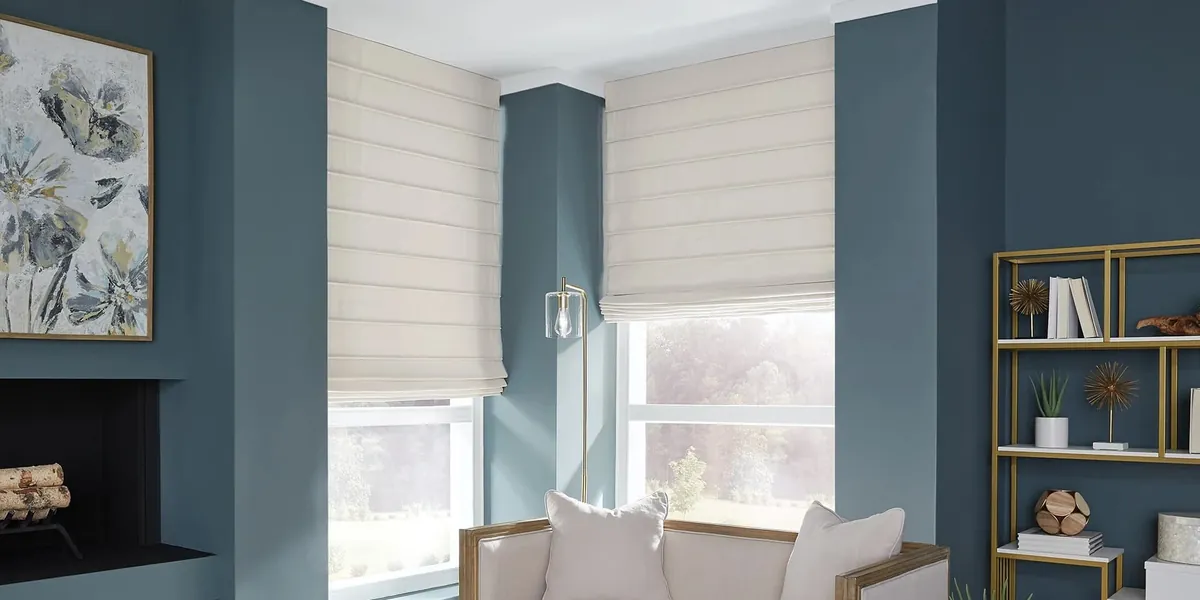
Old glass and very small sash
The historic village around the Grist Mill holds some of the oldest houses on the Cape. Antique capes sit low to the ground with their chimneys in the middle, and Federal houses stand taller along the village streets. In the oldest of them, the original sash is very small: many little panes of old glass in a frame that may be barely wider than your shoulders. Fitting roman shades in Sandwich, MA, to windows like that is a different job from dressing a modern picture window.
A folded fabric shade suits an antique house better than most window coverings. It is soft, it keeps the room feeling traditional, and it can live inside the window frame where it leaves the old trim alone. But a small window gives a shade very little room to work, and the historic district brings its own expectations about how a house looks from the street.
Out along Route 6A and toward Forestdale the houses change to post-war ranches and newer colonials, with bigger, more standard windows. Those are simpler to fit, and we plan them just as carefully.
Matching the shade to the house
Sandwich has a wide range of houses, and the right folded shade differs from one to the next. Here is how we usually start in each.
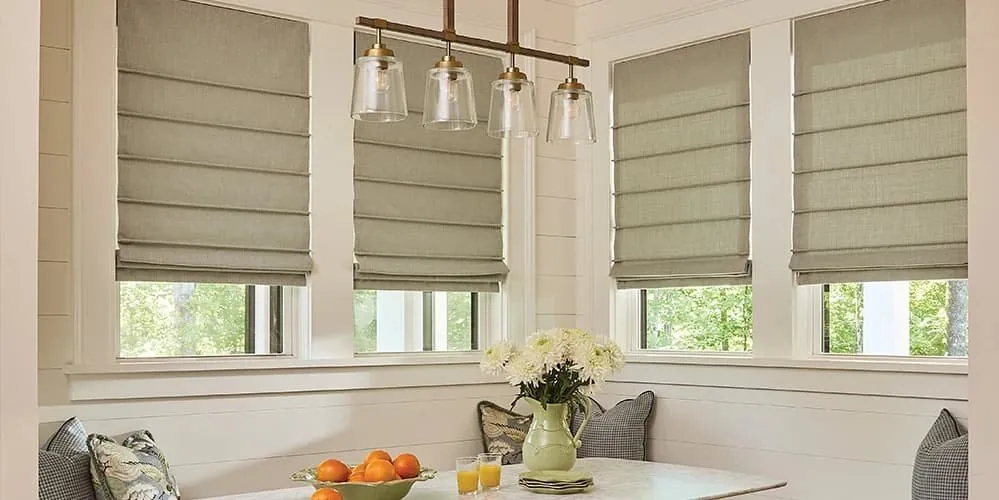
Antique capes
Tiny sash and low ceilings. Vignette, or a thin Carole fabric mounted inside the frame, keeps the stack small.
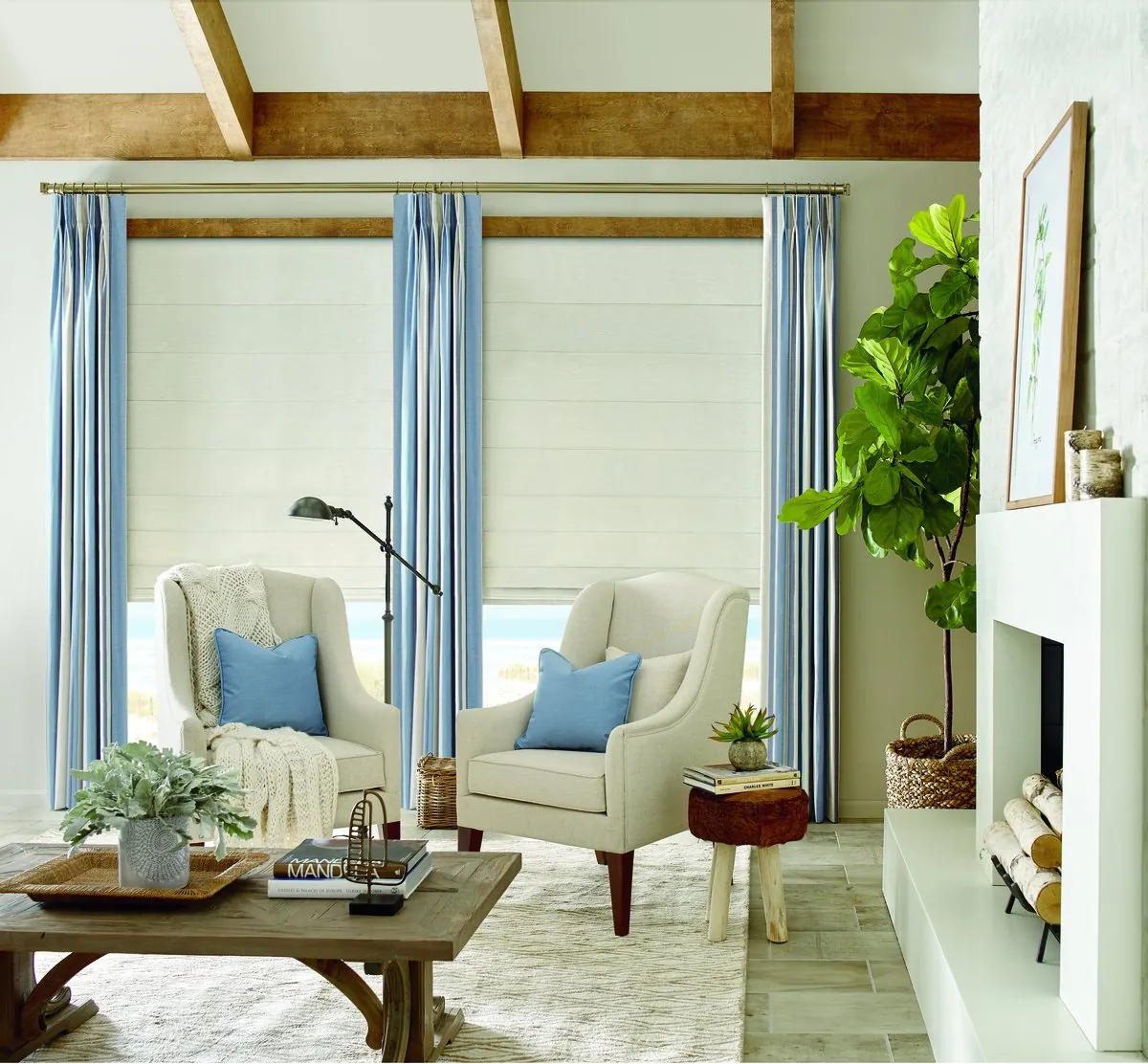
Federal houses
Taller windows and formal rooms. A tailored flat fold, sometimes with drapery panels, suits the architecture.
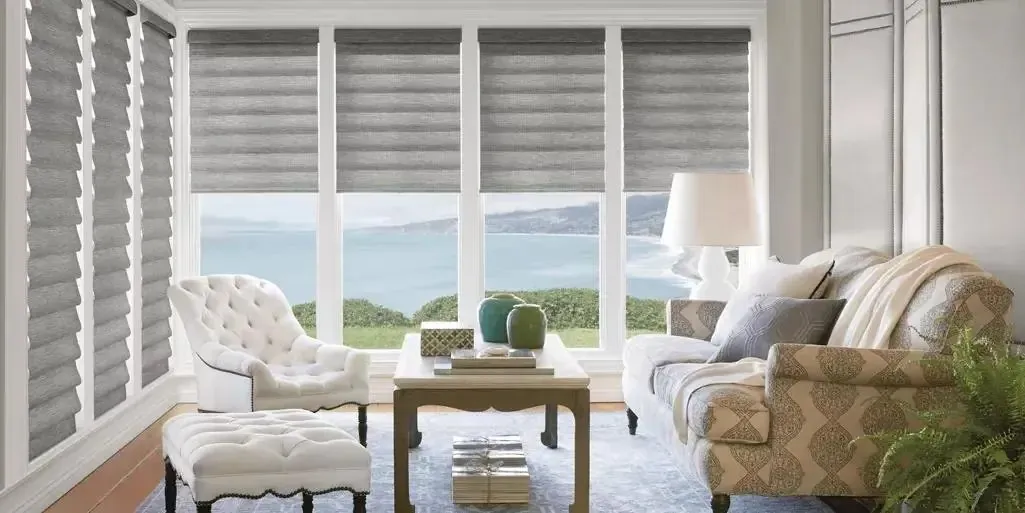
Post-war ranches
Wide living room glass and long bedroom windows. A soft fold breaks up the long lines and softens the room.
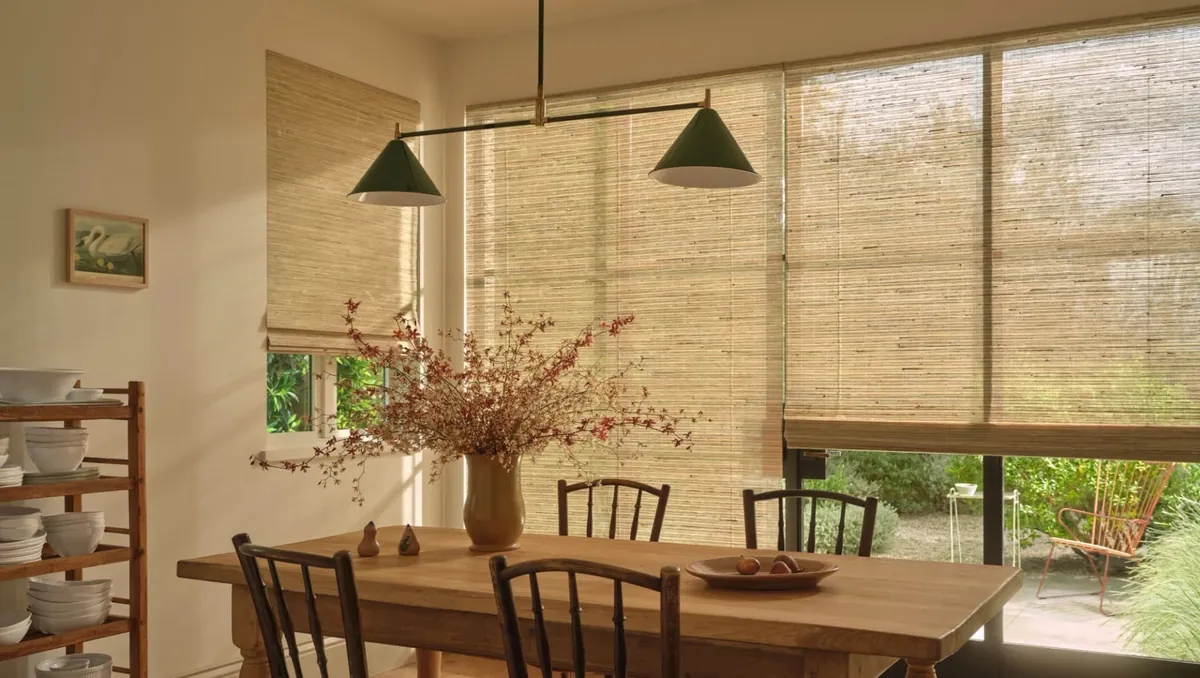
Newer colonials
Standard double-hung windows throughout. One lining color on the street side keeps the front looking even.
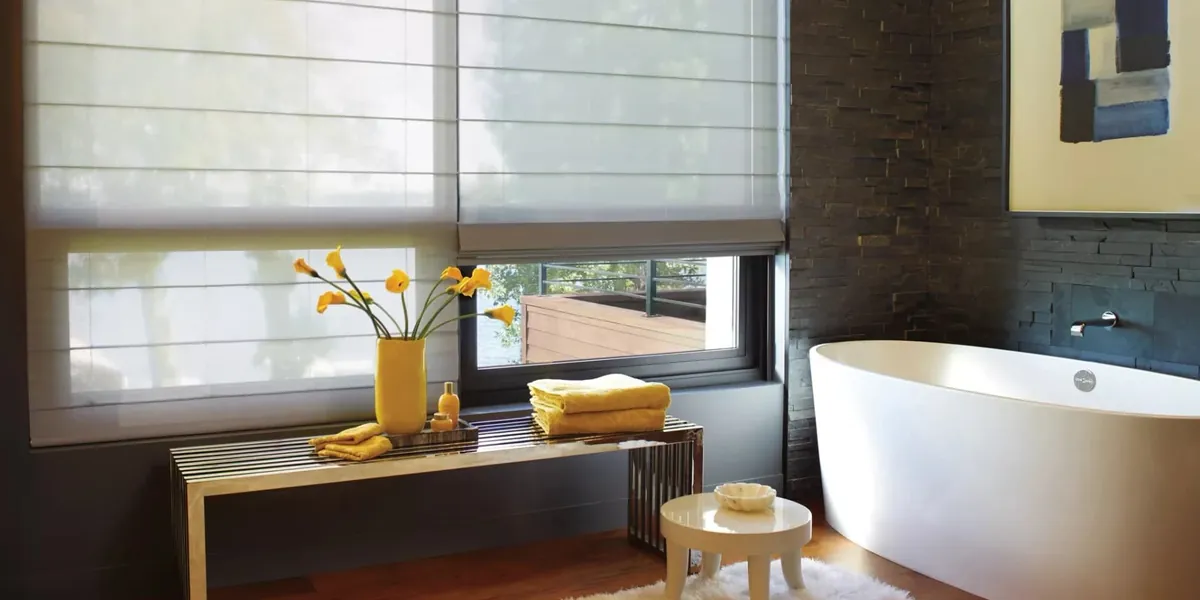
Bathrooms
A sheer or light-filtering fabric gives privacy while the room stays bright.
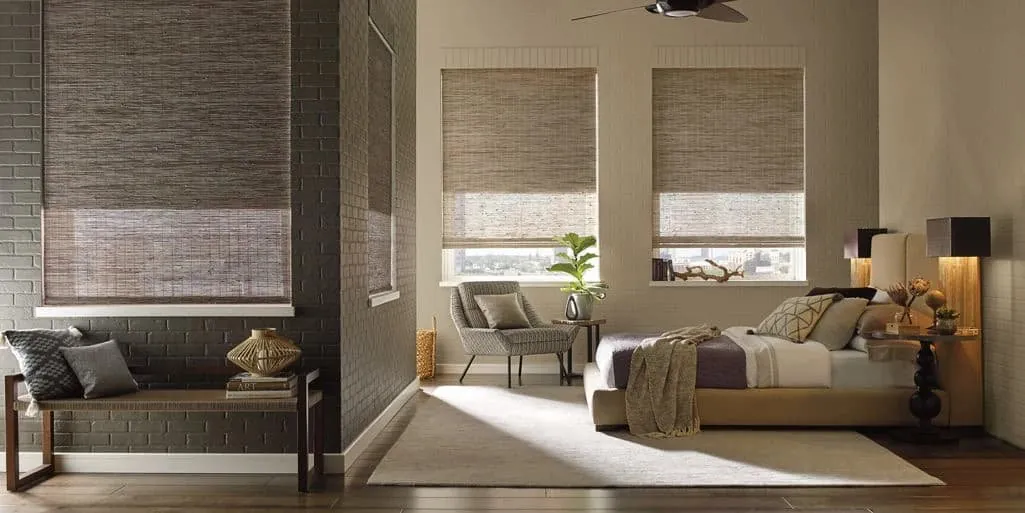
Bedrooms
A room-darkening lining keeps out early summer light and the glow of a street lamp.
Antique capes in the historic village
An antique cape has a very particular kind of window. The sash may be divided into many small panes, the frame is narrow and often thin, and the whole window can be modest in height because the ceilings are low. Inside, the casing is usually plain painted wood that has been there a very long time.
Two things decide how a folded shade works here. The first is depth. Old frames can be shallow, and a storm window fitted outside takes up some of what little room there is. A headrail needs a certain depth to sit inside the frame, so we measure that at every window. The second is height. Raise a sewn roman shade and its folds gather at the top, and on a short antique window that gathered fabric can cover a fair share of the glass.
On a modern house we would often solve the second problem by mounting the shade on the wall above the window, so the folds sit clear of the glass. In an antique cape that is rarely possible, because the window head is close to the ceiling. Vignette, which winds its fabric up into a compact headrail, is often the answer. A thin Carole Fabrics fabric, which makes a smaller stack, is another.
These houses deserve a light touch. We talk with you about where any screws will go, and we fit to the inside of the frame wherever we can so the painted trim stays untouched.
Federal houses and their taller rooms
The Federal houses in the village were built with more height and more formality. Their windows are taller and better proportioned, often with deeper reveals, and the front rooms have mouldings, mantels and sometimes panelled window surrounds. In rooms like these a shade has to look like part of the architecture.
A Carole Fabrics flat fold in a plain or quietly patterned fabric does that well. Lowered, it hangs as a smooth panel; raised, it folds into neat pleats that echo the regular lines of a Federal room. Where a formal parlor wants more, drapery panels either side of the window add height and color, and the shade inside the frame does the daily work.
Deeper reveals in these houses often allow an inside mount with room to spare, which is the cleanest result and keeps the surround fully visible. We still measure every window at several points, because even a well-kept old house has settled a little.
Upstairs in a Federal house, the bedroom windows are usually a little shorter than those in the parlor below, and some sit tight under the cornice. We plan the shades for each floor together, so the fold spacing and lining look consistent from the street even where the window sizes change.
Historic district expectations
Walk the village lanes and you notice how much the old houses are looked at. Their windows face the road, close to it, and anything hung behind the glass becomes part of the view for everyone passing. With a folded shade, the passer-by sees its back, which is the lining. Pick one pale, quiet lining for all the windows on the road side and an antique cape or a Federal house keeps the even, uncluttered face it has always had, rather than a different color in every pane.
Placement counts as much as color. A shade set within the opening disappears behind the sash, and from the lane the window looks untouched. One fixed higher on the wall can peek above the head of the window from outside. We weigh these up with you at the window itself, so the finished look suits the house you live in.
None of this needs any change to the window itself. A roman shade is fitted inside the house and can be taken down without altering the frame, which is part of why it suits a historic home.
Ranches and newer colonials along Route 6A and toward Forestdale
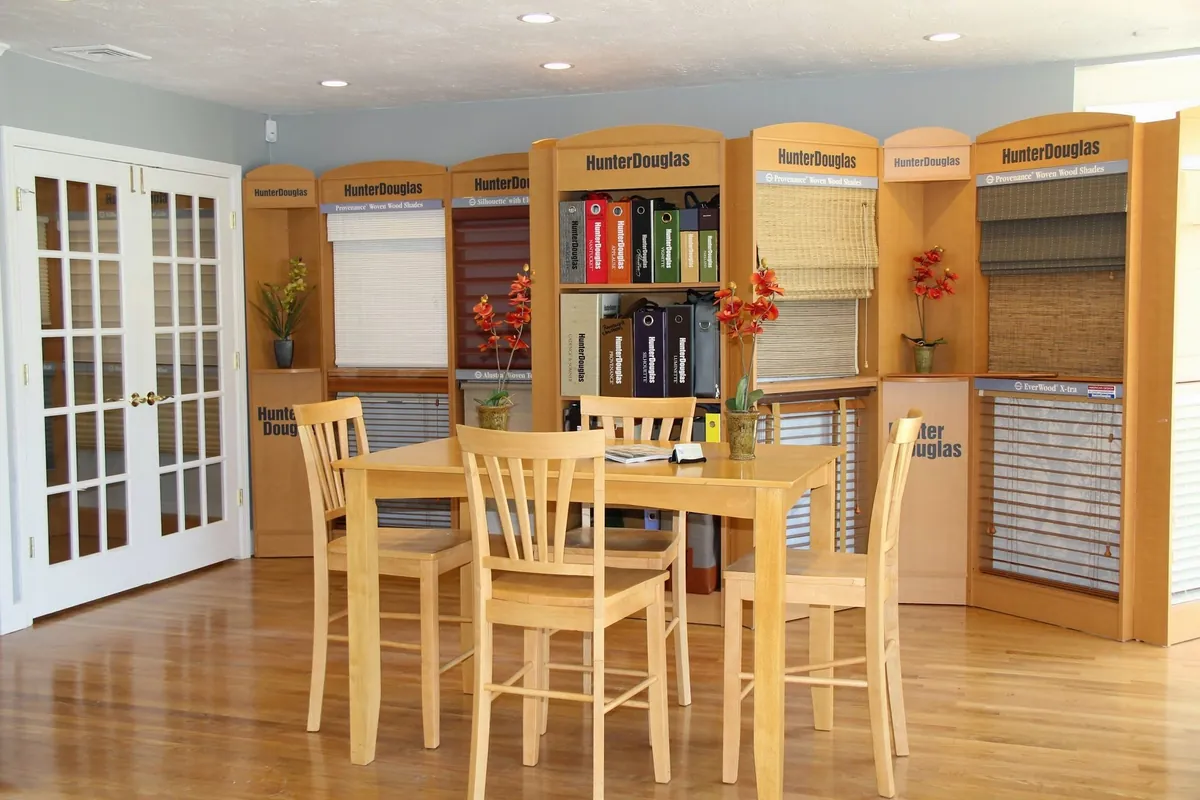
Away from the village, the houses are newer and the windows are more generous. Post-war ranches along and off Route 6A often have a living room picture window, a kitchen window over the sink and long bedroom windows. Toward Forestdale, newer colonials have standard double-hung windows on two floors, a family room and several bedrooms.
These houses are straightforward to fit, and the questions are more about how each room is used. A ranch picture window can be split into two or three shades that line up along the top and move together. A soft fold softens the long horizontal lines of a mid-century window. In a colonial, a single lining color on the street side keeps the front of the house even, while each room inside gets its own face fabric.
Bedrooms in these houses often face east or sit near a street light, so a room-darkening lining is popular. Children’s rooms take a cordless lift, with nothing hanging at the side of the window. And a two-story entry or a stair window is easiest with motorization.
Kitchens in the ranches often have a window over the sink, sometimes a casement with a crank handle on the sill. A folded shade can work there, but the crank and the faucet both sit in the way of a hand reaching for the shade, so a cordless lift that you push from the bottom rail, or a motorized shade, makes life easier. We also check that the folded fabric will clear the crank when the shade is lowered. In the newer colonials, the family room off the kitchen frequently has a bank of windows or a bay looking onto the back garden, which is a natural place for a run of matching shades that move together and stop at one height. Upstairs, a hall window at the top of the stairs is often forgotten until the morning sun comes through it, and it deserves a shade like any other room.
Keeping old rooms warm and quiet
Antique houses were built with the fireplace as the heat source, and their small, single-glazed sash can let a lot of cold into a room on a January night. A folded fabric shade will not turn an old window into a new one, but a lined shade lowered at dusk adds a layer of fabric between the glass and the room and takes the chill off the chair by the window.
For a room where warmth is the main goal, a heavier lining helps, and a shade fitted closely inside the frame leaves less of a gap at the edges. If keeping heat in matters most, we will also show you honeycomb shades, which are made for that job, so you can compare them with a folded shade at the same window. Many owners of antique capes choose roman shades for Sandwich front rooms, where the look matters, and honeycomb in the coldest bedrooms upstairs.
Fabric softens sound, too. In a village house close to a busy lane, a lined shade takes a little of the edge off the noise from outside and makes a small room feel calmer.
Fabric for an antique house
Choosing fabric for a very old house is partly about what looks right with old wood, old glass and painted trim. Natural fibers usually look most at home: linen, cotton, a cotton ticking, a small check or a quiet stripe. A heavy, glossy fabric can look out of place in a low-ceilinged cape, while a simple woven texture sits comfortably beside wide floorboards and a brick hearth.
Scale matters on small windows. A big print on a tiny sash shows only a fragment of the pattern, so a small repeat or a plain texture reads better. Color matters too. A soft, warm neutral close to the trim color lets the window recede, which suits a small room, while a stronger color turns the window into a feature in a larger Federal room.
When we plan roman shades for Sandwich houses of this age, we bring fabrics that suit the period alongside more modern choices, so you can see both against your own trim.
Vignette and Carole Fabrics compared
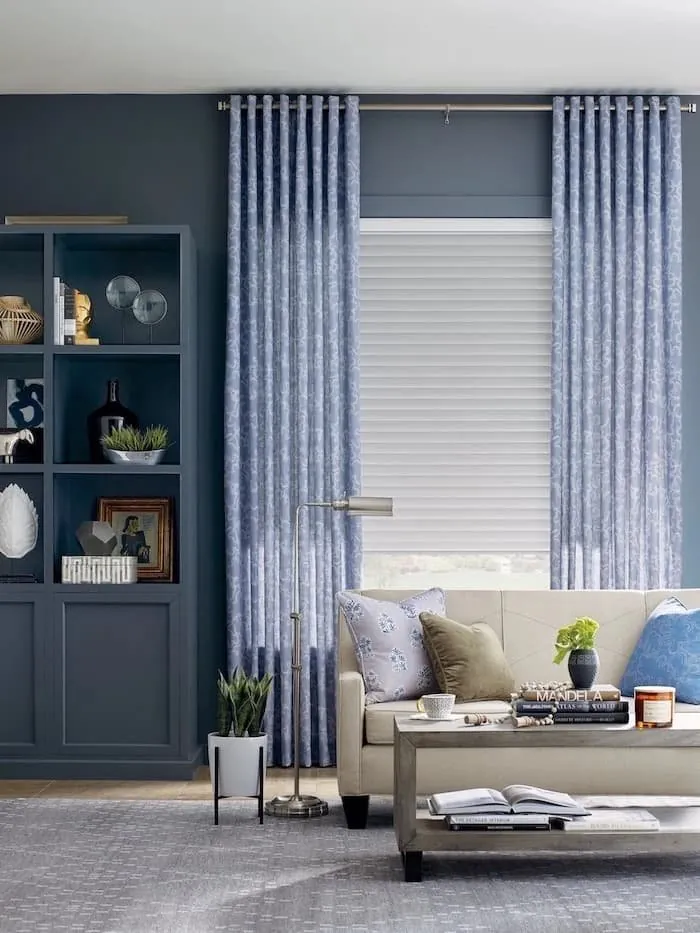
Both are Hunter Douglas families, and either can make excellent roman shades for Sandwich homes. The difference is in how they are made.
Vignette is engineered. Its folds are formed into the fabric at a consistent depth, there are no lift cords down the back, and the shade winds up into a slim headrail when raised. That compact headrail is why it often wins on the tiny sash of an antique cape, and its clean look suits a ranch or a newer colonial.
Carole Fabrics shades are sewn to order from a decorator fabric of your choice, in a flat, soft or relaxed fold. That gives you more freedom with traditional fabrics and patterns, and makes it easy to coordinate the shade with drapery or upholstery. In a Federal parlor or a formal dining room, it is often the better choice.
A house can easily take some of each. Read up on Vignette or Carole Fabrics, or browse every folded style on the roman shades page.
The consultation at your house
Small antique windows are hard to judge from a showroom, because so much depends on the depth of your own frames and the light in your own rooms. That is why most Sandwich customers start at home. Our vans carry samples, so we can bring the showroom to you.
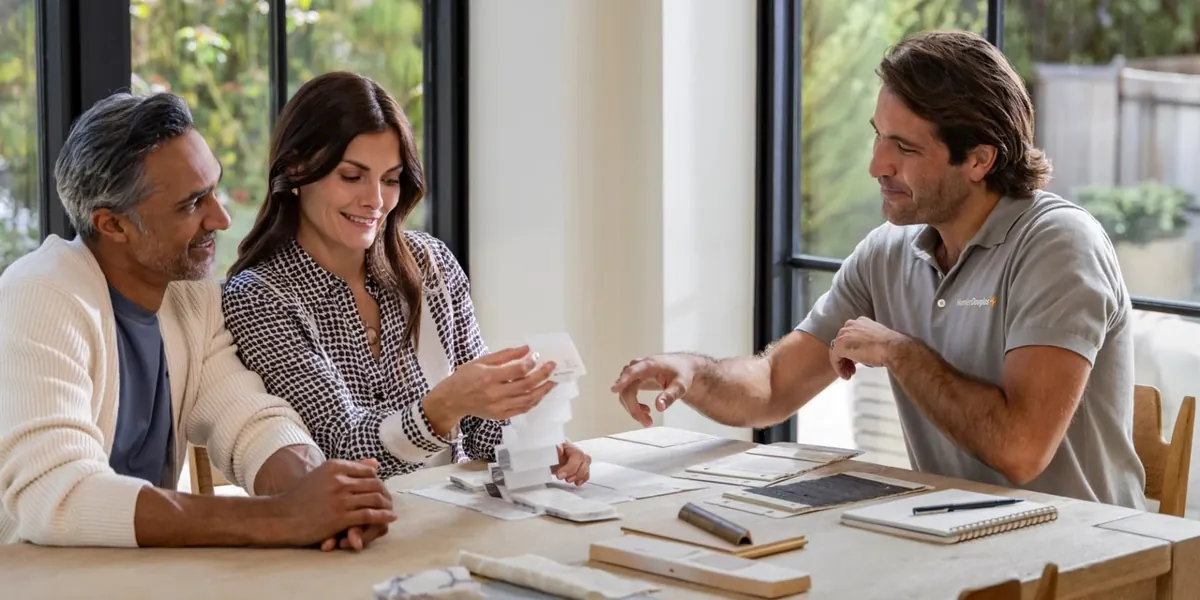
We go through the house with you, window by window, and talk about privacy, light and how each room is used. You hold fabrics against your own sash and trim. We measure every opening, check its depth and work out how big the stack will be on each short window, so you know before ordering how much glass will be clear when the shade is up. Afterwards a free estimate arrives for what you have chosen, and the decision stays yours, in your own time. You can read about what happens at an in-home consultation beforehand.
How the installation goes
- Each shade arrives made to the window it was measured for, and the installer checks it against that opening.
- On antique frames, brackets go inside the frame wherever possible, so the painted trim is left alone.
- Fixings go into solid wood rather than old plaster alone.
- Every headrail is set level, even where the frame itself has settled out of true.
- The lift on each shade is tested, and you are shown how it works.
Our installers are certified by Hunter Douglas, and they are used to old houses that need a careful hand.
Why a Hunter Douglas Gallery dealer
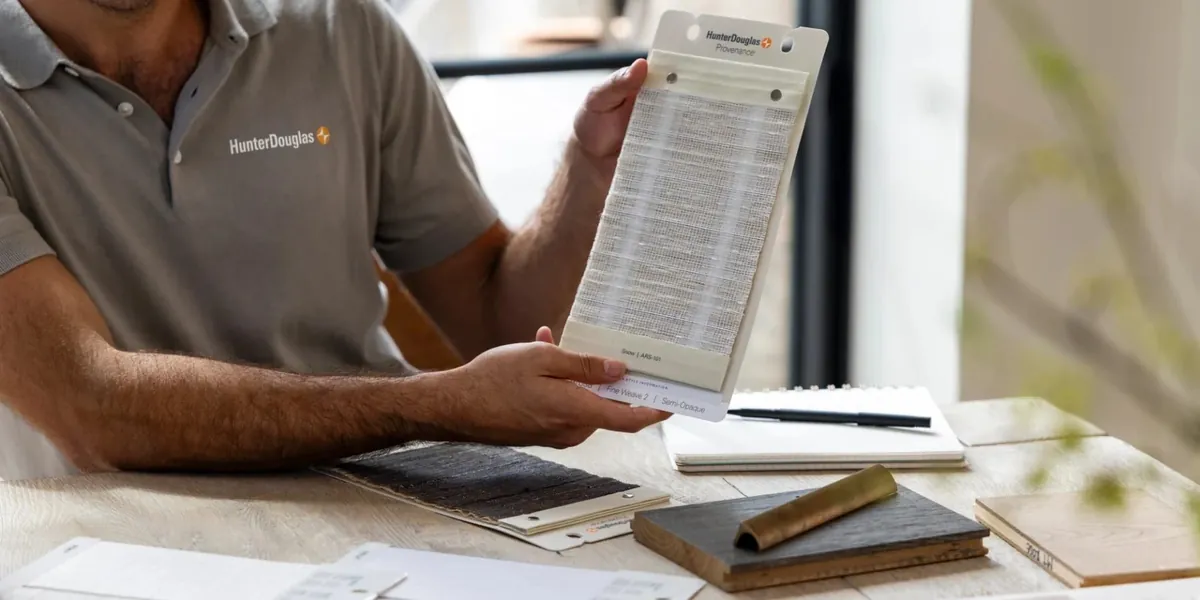
Hunter Douglas gives the Gallery dealer title dealers who meet its standards, and Blinds & Designs is among them. For your Sandwich house that means one appointment shows you every Vignette fabric and the whole Carole Fabrics library, with each lift and motor option.
Repairs to existing blinds and shades are welcome too, and the rest of the Hunter Douglas range is on hand for other rooms. Try our cellular shades in Sandwich, plantation shutters in Sandwich, or the Sandwich page for everything we offer in town. For help with color and pattern across a room, ask about our interior design consultations.
Close by in Sagamore
The Sagamore showroom is our nearest location to Sandwich, just over the town line on Cranberry Highway. Come in to see folded shades raised and lowered before you choose.
Or let us come to you. On a house with very small original windows, seeing the samples at the glass, with your own trim around them, is the surest way to know what will work.
Questions from Sandwich
Can a roman shade fit the tiny sash in an antique cape?
Often, yes. We measure the depth of every frame, because old frames can be shallow. Vignette’s compact headrail is often the best fit on very small windows, and a thin Carole fabric is another option.
How much of a small window will the shade cover when it is raised?
A sewn shade gathers its folds at the top, which takes up some glass. On a short window we work out the stack before you order. Vignette winds its fabric into the headrail, so it leaves more glass clear.
What will the neighbors see from the lane?
Mostly the lining, since that is the side facing out. Choosing one pale lining for every window on the road keeps an old house looking even, and setting the shade within the frame leaves the sash looking untouched from outside.
Do I need to change my old windows to fit a roman shade?
No. The shade is fitted inside the house, inside the frame wherever possible, and can be taken down later without altering the window.
Is there a charge for the estimate?
No. After we measure your windows you receive a free estimate.
When you are ready
The best way to see what will work on old sash is with the samples at your own window. Ask for a consultation and we will show you roman shades in Sandwich, MA, at your own windows, take each measurement and send a free estimate after. To ask a question first, use the call button, or visit our Sagamore showroom.