
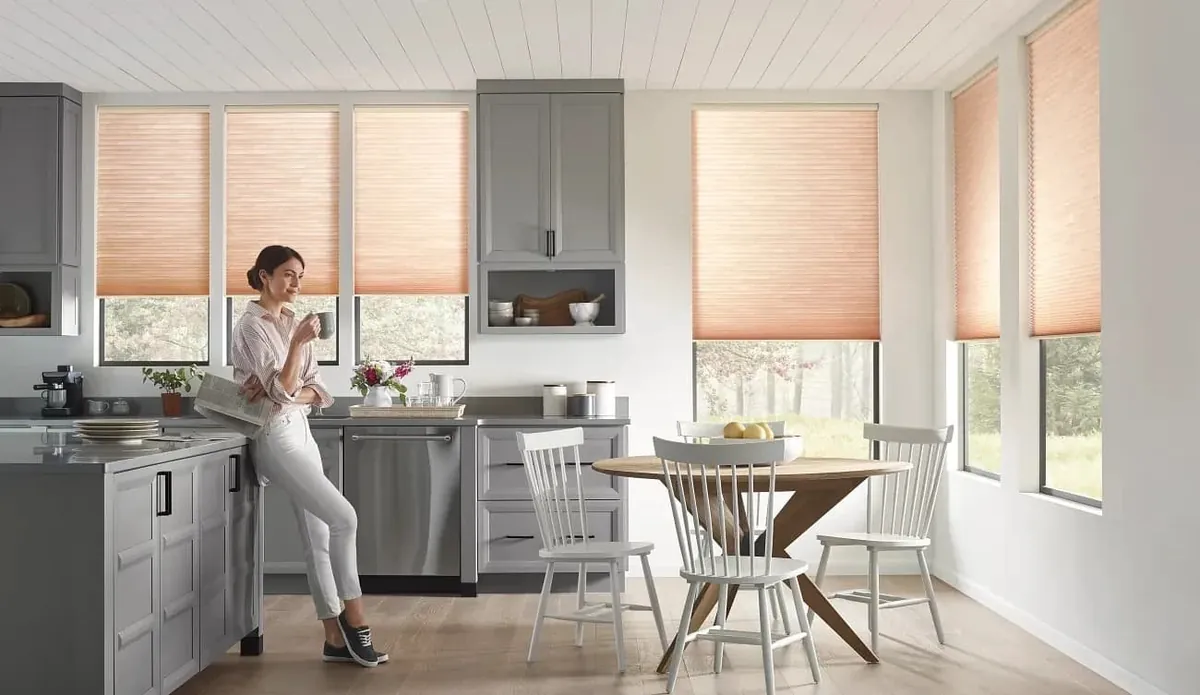
Morning on the bay, a quieter day inland
Kingston’s houses fall into two groups. Near the village and along the bay stand antique colonials, square and upright, with rows of multi-pane sash and rooms that look out over the water. Inland, toward the highway, the houses are post-war ranches and newer subdivisions with standard windows and modern hardware. Window treatments in Kingston, MA, need to suit both, and they rarely need the same things.
The bay faces east, so the water-side rooms take the sunrise head on. Morning light comes in low across the water, bounces off it and lands right across a breakfast table or a pillow. By afternoon those same rooms are calm. Inland, the houses face every which way, and the windows are simpler to fit.
That makes a Kingston project less about the town and more about which street you are on and which way your rooms face.
Our Kingston services
Each card opens a Kingston page with the detail on that service. These are the window treatments in Kingston, MA, we plan, supply and install, from a single bedroom to every window you have.
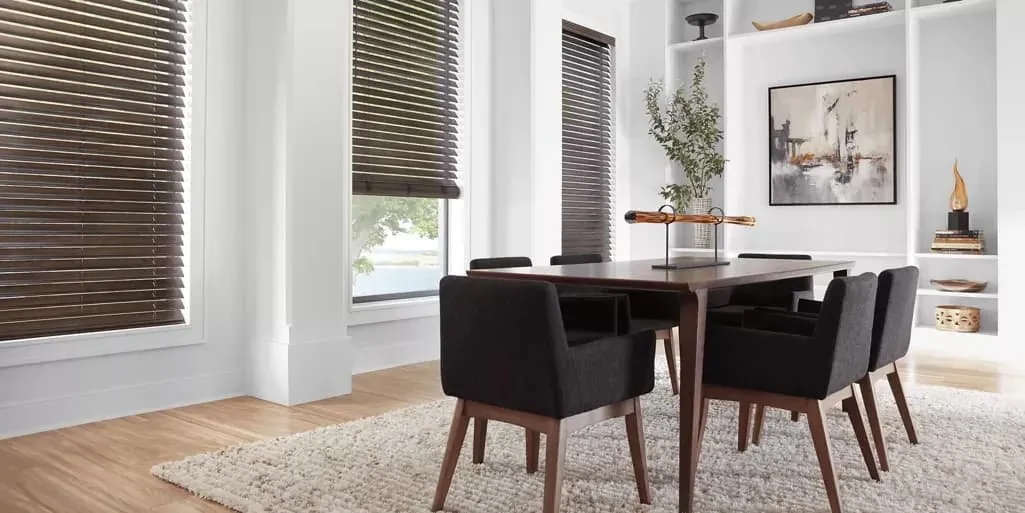
Blinds
Real wood for a colonial dining room, faux wood for a busy family kitchen, metal for a crisp modern look.
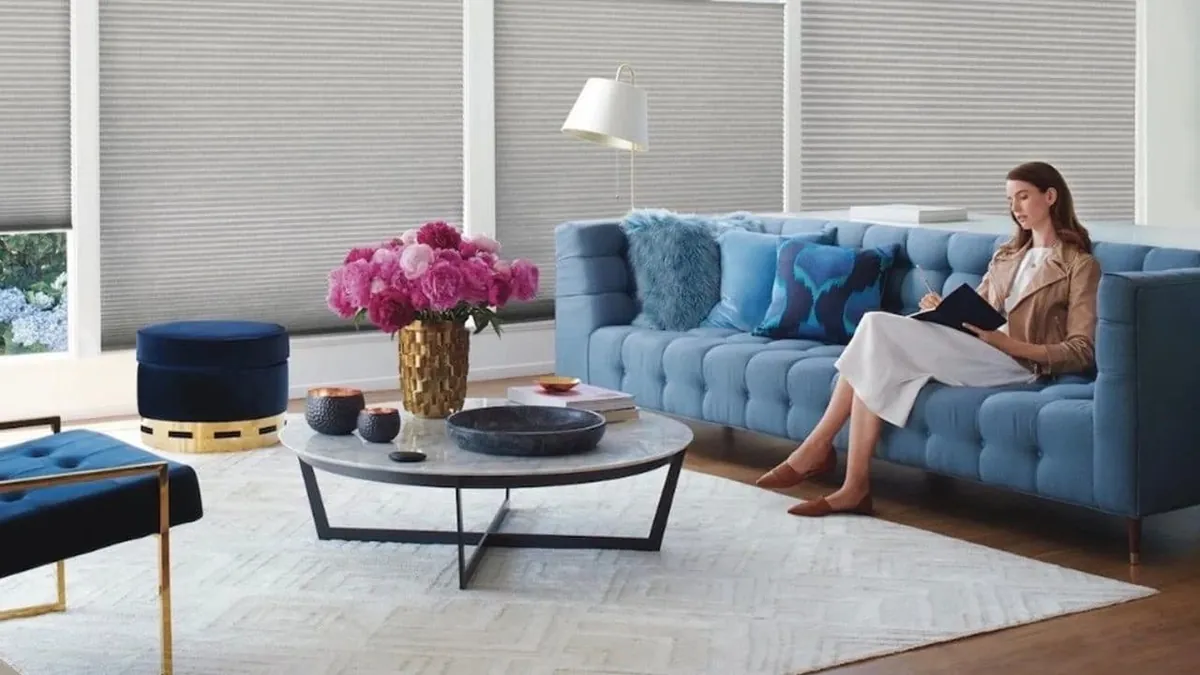
Cellular shades
Duette and Applause honeycombs that take the edge off the sunrise and warm an old room on a winter night.
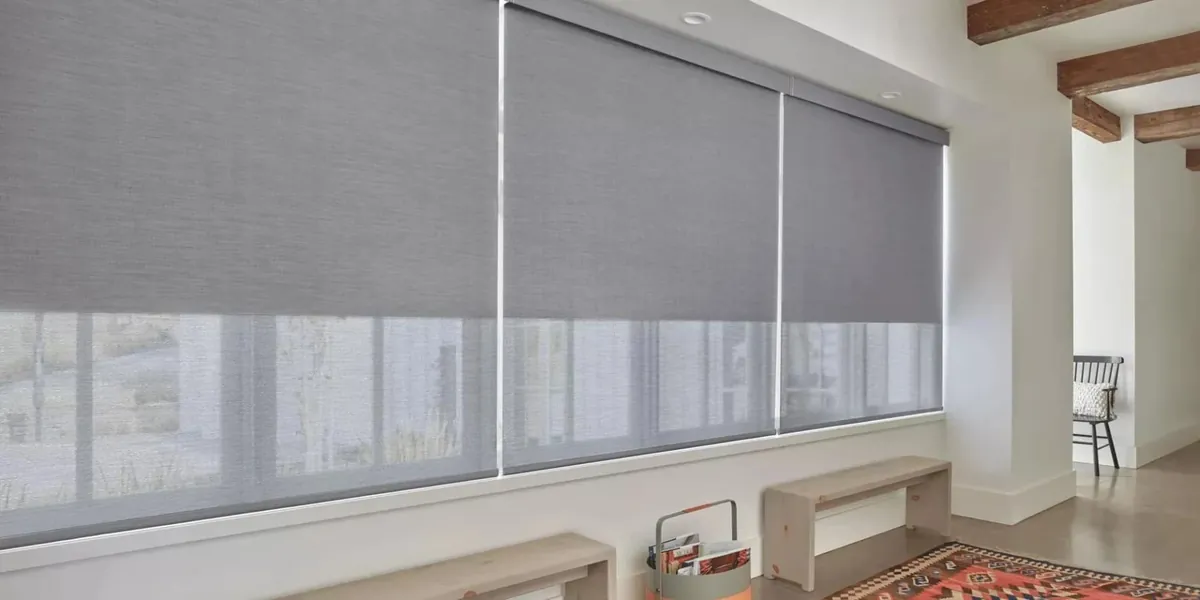
Roller shades
Plain rollers, screen weaves and blackout fabrics, an easy upgrade from the blinds a new house came with.
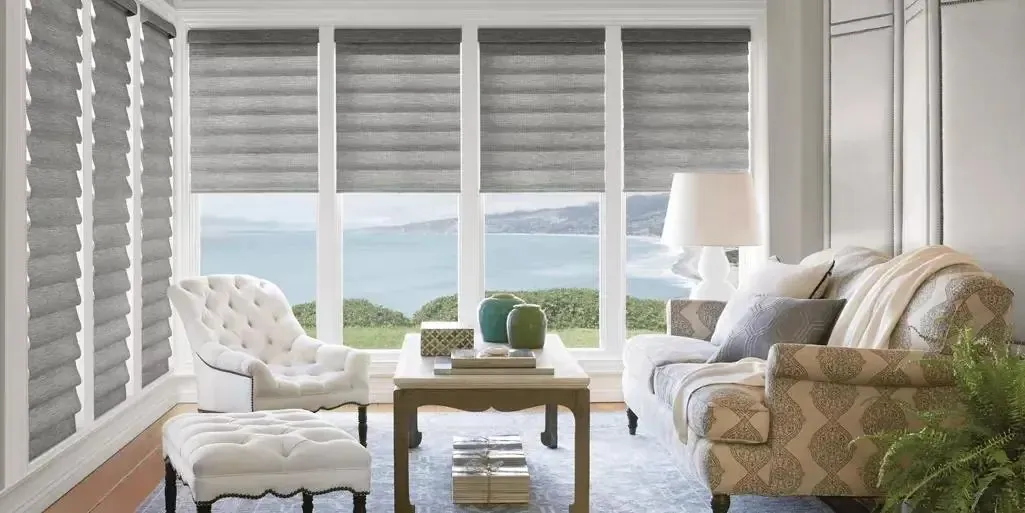
Roman shades
Vignette and Carole Fabrics folds for the formal rooms of an antique colonial, inside the original casings.
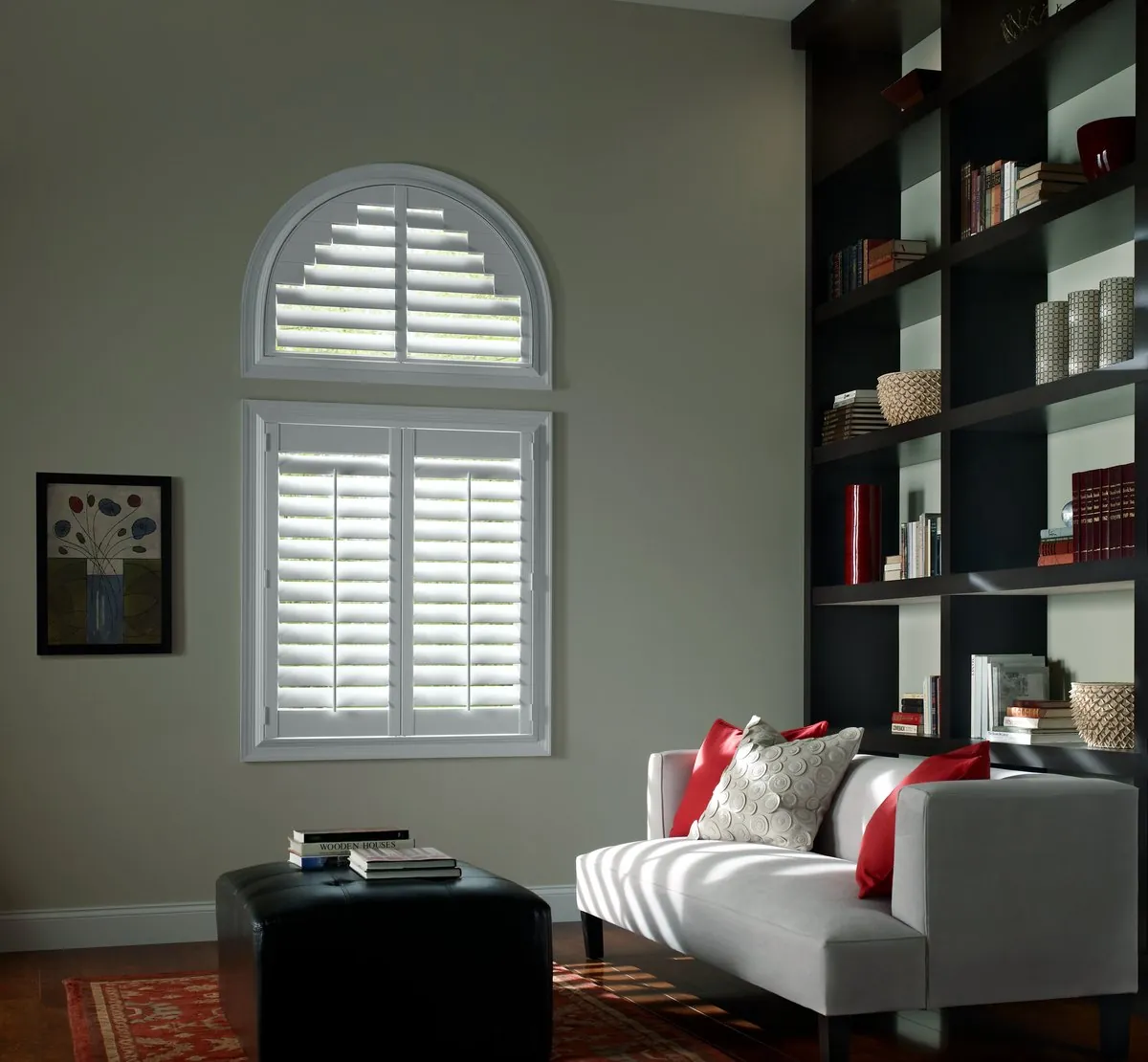
Plantation shutters
Palm Beach, NewStyle and Heritance panels that suit an old colonial front as well as a newer living room.
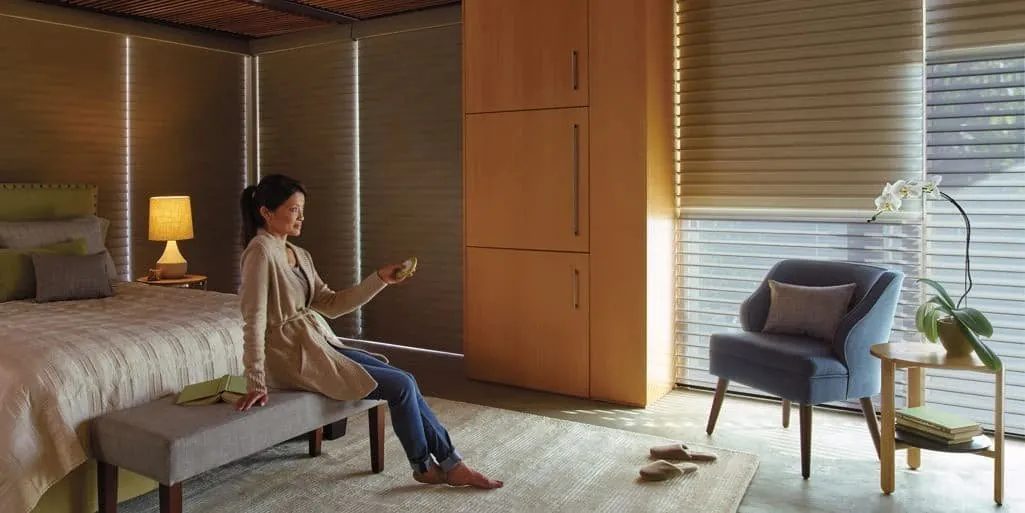
Motorized blinds and shades
PowerView by remote, phone or schedule, so the bay-side shades close before the sun clears the water.

Hunter Douglas dealer
Gallery dealer access to every Hunter Douglas line, with each order hung by certified Hunter Douglas installers.
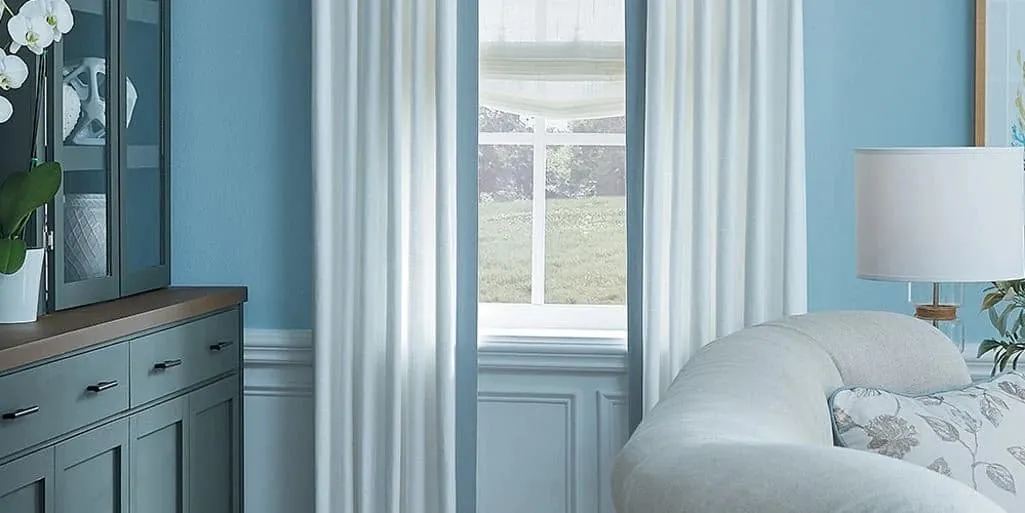
Custom drapery
Hunter Douglas drapery to dress the tall front rooms of a colonial and add warmth after dark.
Mornings that face the bay
Kingston Bay opens to the east, and on a clear morning the sun comes up over it straight into the houses on the shore. For half an hour the light is gold and lovely. Then it climbs, reflects off the water and turns into hard glare that fills a kitchen, washes out a screen and wakes anyone still asleep on that side of the house.
Bay-facing rooms usually need two things from a window covering: the ability to stop that low glare in the morning, and the ability to open fully for the view the rest of the day.
Screen rollers are a strong choice. The weave cuts the glare off the water while the bay stays visible, and the shade rolls up out of sight once the sun has moved round. Top-down, bottom-up honeycomb shades let you drop the top just enough to catch the sun while the lower glass stays open. Blinds, tilted upward, throw the morning light at the ceiling and keep it off the table.
In bedrooms on the bay side, the answer is darkness until you choose otherwise. Room-darkening honeycombs or blackout rollers fitted tightly inside the frame keep the sunrise out, and a PowerView schedule can open them gently at the hour you want to wake.
Antique colonials near the village
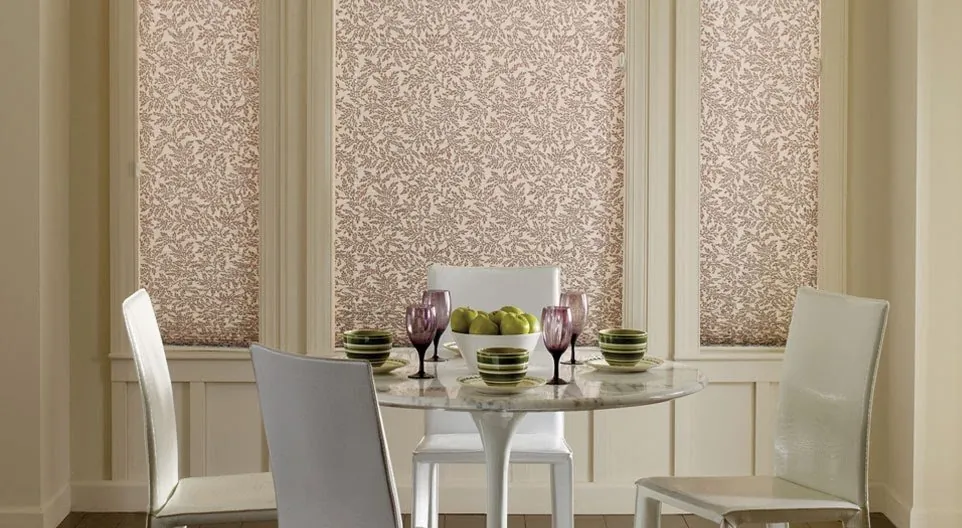
The old colonials in the village and along the bay are orderly houses: a center door, windows in neat rows, and inside, rooms with tall sash in deep casings. Many have their original trim, much painted, and some still hold old glass.
From the street, those rows of windows are the face of the house. Mixed colors or uneven heights at the front break up the order quickly. A single street-facing color on every front window, plus lining up the bottom rails when the shades are partly down, holds the facade together.
Inside, an inside mount usually suits these rooms best, leaving the casings in full view. Roman shades fold neatly into the head of the frame. Honeycomb shades stack slim. Shutters inside the opening give a classic look and privacy from the road. Old sash hardware and settled frames mean we measure each window at several points before suggesting a mount; where the depth is not there, a shade fixed to the face of the casing is the better choice.
Multi-pane sash looks best with a fairly plain treatment. Narrow slats or a simple fabric sit quietly behind the muntins, where a busy pattern would fight them.
Replacing what a newer house came with
Many houses in the inland subdivisions came with whatever the builder put up: thin vinyl blinds, a basic roller or nothing at all. After a few years, those first blinds start to sag, crack or stop tilting, and the house is ready for something better.
The good news is that newer windows are easy to fit. Openings are square, sizes are standard and frame depths are consistent, so almost any product is an option. That leaves the choice free to be about the look and how you use each room.
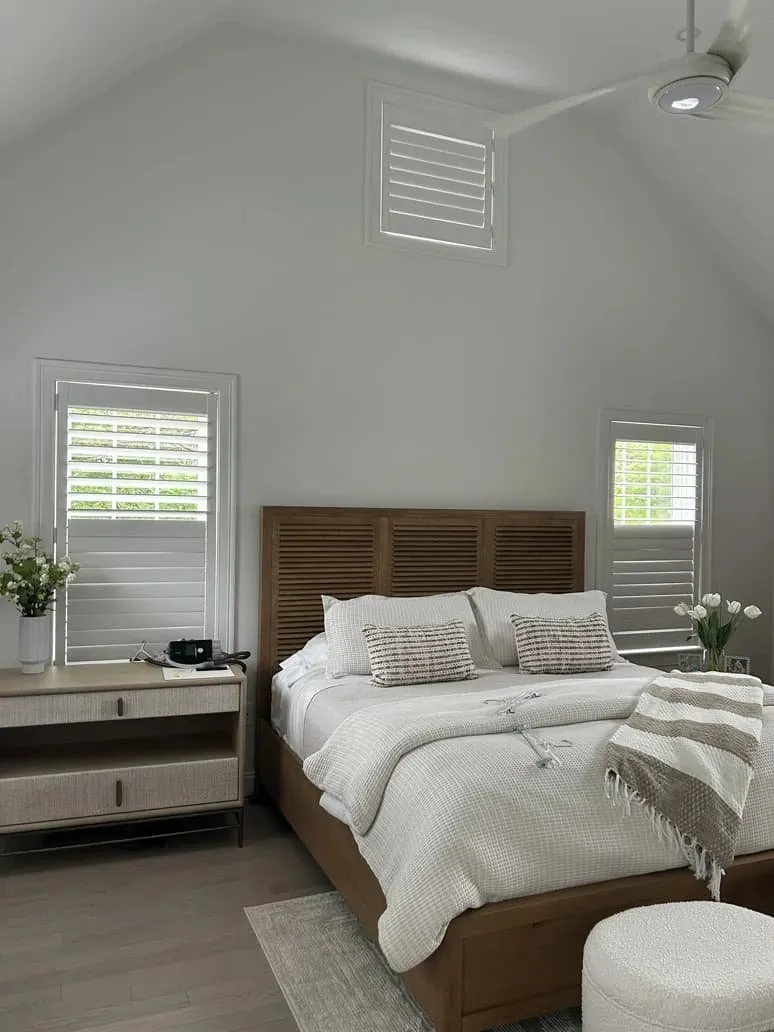
Honeycomb shades are a popular upgrade for bedrooms, because they darken the room and add warmth. Faux wood blinds suit kitchens and bathrooms. Shutters transform a living room and give the whole house a finished look from outside. Roller shades in a soft fabric bring a cleaner, modern line.
Newer hardware: cranks, tilt-in sash and locks
Modern windows bring their own small details that shape what goes on them. Casement windows open with a crank handle at the sill. Tilt-in double-hung windows have latches at the top of the lower sash. Sliding windows have locks along the edge.
None of this rules anything out, but it does change how a treatment is mounted. A shade fitted inside a casement frame has to clear the crank handle, so we check the depth and sometimes mount the shade on the face of the frame instead. Shutters on a casement need panels that swing clear of the handle. On tilt-in windows, the shade should leave room for the sash to tip in for cleaning.
We note every crank, latch and lock when we measure, so the finished shade works around them without catching.
Ranches inland
Inland, the post-war ranches keep life on a single level: the bedrooms down one end, the living room at the other with its big front window, and a row of matching openings facing the street. Their windows are mostly of standard size, which makes it easy to keep one look across the front.
A ranch picture window is usually wider than a single shade should be, so it is split into two or three on one headrail that can move together or separately. Shutters or matching blinds across the front make a ranch look tidy from the street. Bedrooms do well with honeycombs, darker at dawn and snugger in January.
Most of these houses also have a slider to the backyard. Gliding panels or a vertical honeycomb slide off to the side of the frame, and vertical blinds turn their vanes, so the doorway is free whenever you head outside.
What to expect at the consultation
We bring the samples to you, so every choice is made at your own windows, in the light each room really gets.
- Send the Request a Consultation form, or tap the call button, and settle on a day.
- Our consultant comes with the van stocked with fabric swatches, slat samples, louver pieces and drapery cloth.
- You walk through the house together, starting with whichever rooms bother you most.
- If your rooms face the bay, we look at the samples with the morning glare in mind, and at how much of the water each screen weave keeps.
- Every window is measured, along with its depth and any cranks or latches in the way.
- A free estimate follows, and you take the time you need.
Our page on what happens at an in-home consultation explains the visit in more detail, and the best shades for sun and glare guide is worth reading if your rooms face the water.
A house on a schedule
Plenty of Kingston households leave early and come back late. Shades that stay down all day keep a room dark and gloomy; shades left up let the sun fade the furniture and show an empty room to the road.
PowerView solves both. Shades can rise in the morning, lower through the brightest part of the day on the sunny side and close at dusk, all on their own. The app lets you change the times or close everything from wherever you are. A single remote can run a whole room, and scenes let one press set every shade in the house to the right height.
Because newer houses have standard openings, motorizing them is simple to plan. In an antique colonial, motorization suits the tall windows and the ones above a stair. At the consultation we plan where each motor goes and how each one is powered.
Afternoons on the bay side
Once the sun has passed overhead, the bay-facing rooms of an old colonial change completely. The glare is gone, the water turns soft and blue, and the light in the room comes from the sky rather than the sun. This is when those rooms are at their best, and the last thing you want is a shade still half down from the morning.
That is why a treatment that clears the glass fully matters so much on this side of town. A roller in a slim cassette disappears when raised. A honeycomb stacks into a narrow band at the head of the frame. Shutters swing right back against the wall. When we plan window treatments in Kingston, MA, for a water-side room, we think about the afternoon as much as the morning, so the view is fully yours once the glare has passed.
The landward side of a bay-front house takes the evening sun instead, usually over a garden or the street. A light-filtering fabric or tilting shutters soften it there, and privacy from the road matters more than the view.
Finished basements and lower levels
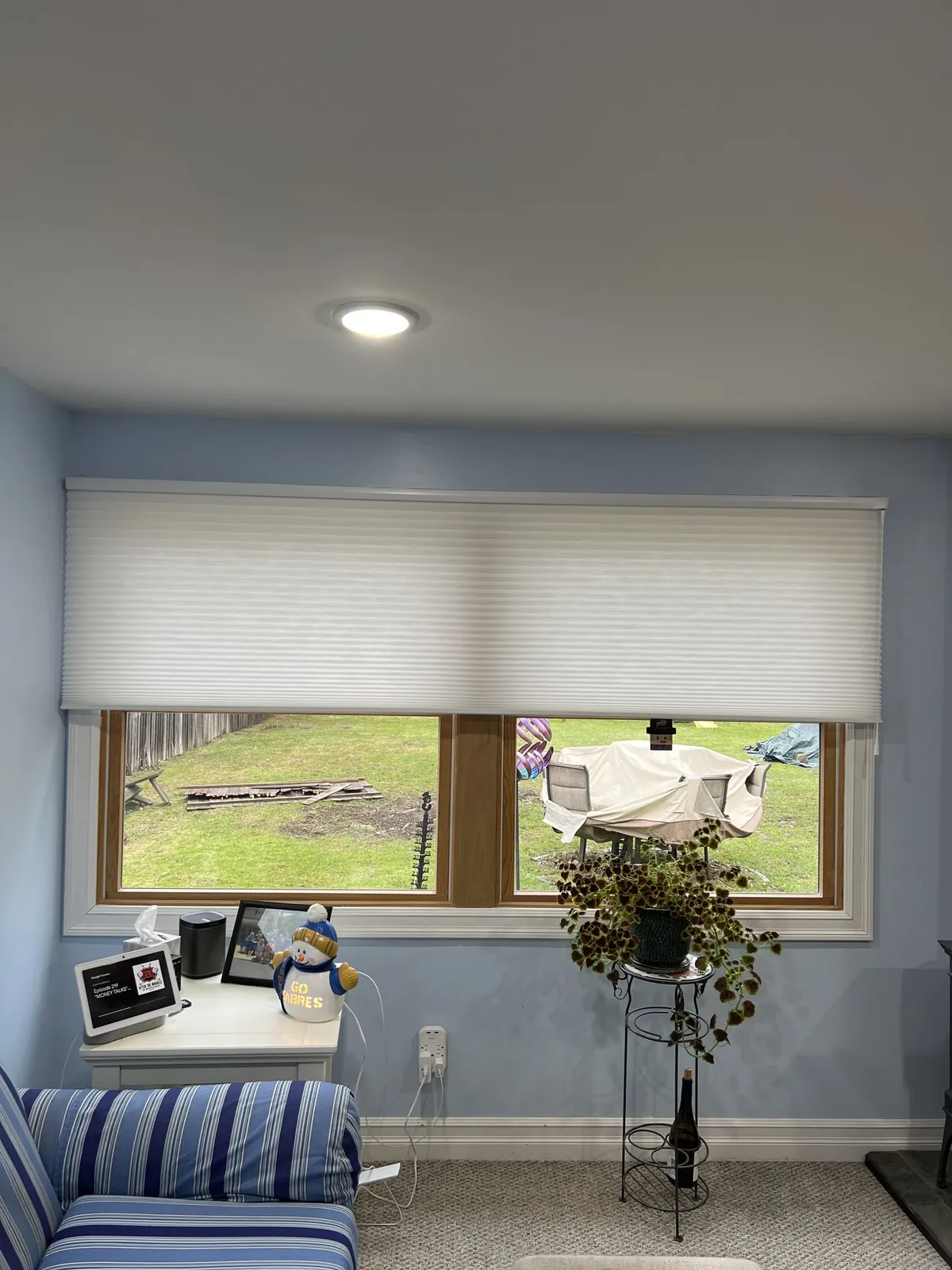
Newer Kingston houses often have a finished lower level: a playroom, a media room or a guest suite with small windows set high in the wall. Those windows are usually short and wide, sometimes with a window well outside. A slim roller or a honeycomb shade made to the exact size fits neatly, and a room-darkening fabric turns a lower-level room into a proper media room or a guest bedroom that stays dark in the morning.
Children’s rooms and busy family houses
The subdivisions inland are full of family houses, and family houses need window treatments that are safe, tough and easy to live with. In any room a child uses, go cordless: with no cord there is nothing to reach for. Motorized shades are cord-free too.
In a nursery or child’s bedroom, a room-darkening honeycomb or blackout roller helps with naps and early summer sunrises. In a playroom, faux wood blinds stand up to wear and wipe clean. In a family room, shutters handle knocks and last.
Formal rooms in the old houses
The front parlor and dining room of a Kingston colonial are where drapery shines. Panels framing tall windows soften the room, add warmth and give a sense of occasion.
The best arrangement is usually a working shade inside the frame, with drapery panels hung above the trim. A roman shade behind lined panels, a wood blind under a simple pleat or a sheer shade behind a solid linen each give a different feel. Hanging the rod high and wide makes the window look taller and lets the panels clear the glass when drawn back.
On the bay side, lined drapery adds a second layer against the morning sun.
Kitchens, baths and the busiest rooms
Kitchens in both kinds of house take a beating, and the bay-side kitchens also take the morning glare. Faux wood blinds and wipeable rollers cope with steam and splashes. A cafe shutter on the lower half of a window over the sink keeps the counter private while the top lets in light. A screen roller in a bay-side kitchen cuts the glare at breakfast and rolls away after.
Bathrooms need privacy and resistance to damp. Shutters with the louvers tilted up, a top-down, bottom-up shade or faux wood blinds all work well.
Stair windows and two-story foyers
Newer houses in the subdivisions often have a two-story foyer or a window high above the stairs. Antique colonials have their own tall stair windows. These are the hardest windows in the house to reach, and the most often left bare.
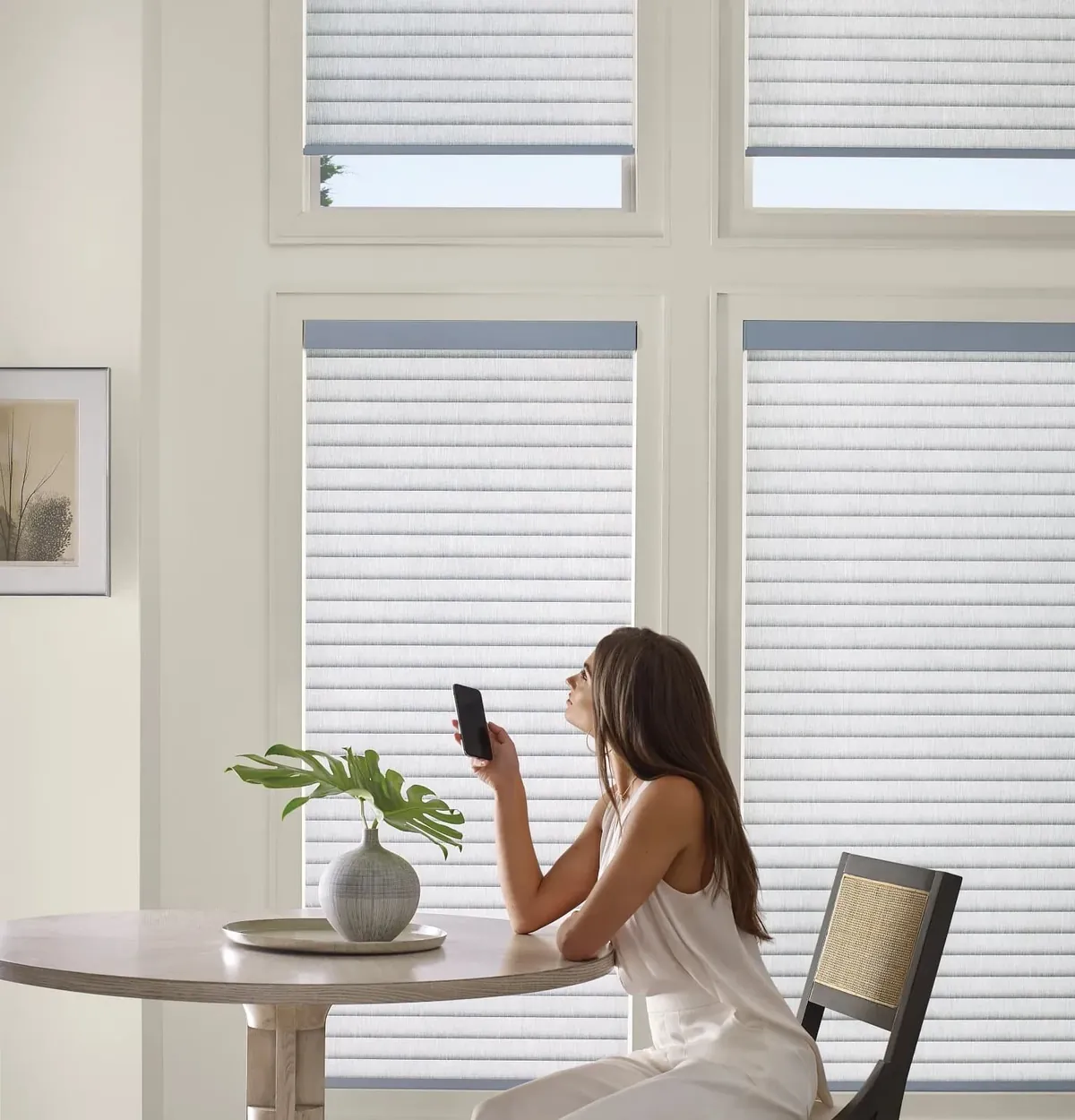
Put a PowerView motor on that high window and it answers a handheld remote, a phone or a timer, with your feet on the floor. An arched window at the top of a foyer can be covered by a shutter or honeycomb that follows the shape, or left open with the rectangle below covered. Either way, nobody needs a ladder.
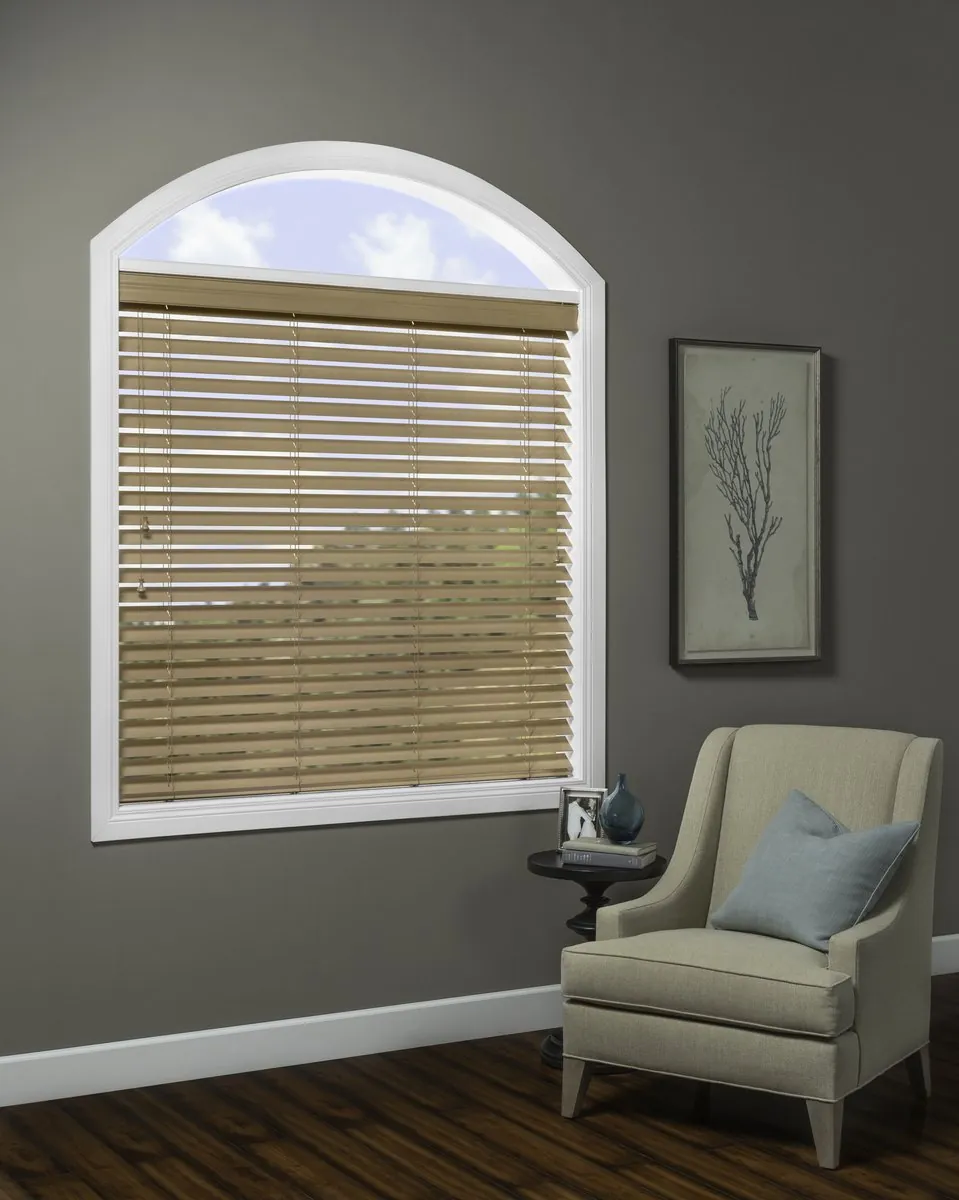
One house, one plan
Most Kingston houses end up with a mix of products: shutters at the front, honeycombs upstairs, a roller in the kitchen, perhaps drapery in the dining room. A shared outward color and the same headrail finish on each floor are what keep it from looking pieced together. Planning window treatments in Kingston, MA, as one project also keeps PowerView simple, because every motorized shade can share the same app and schedules. Browse the full range on the window treatments page.

What a Gallery dealer offers
An antique colonial on the bay and a newer house in an inland subdivision can need very different things, and as a Hunter Douglas Gallery dealer we carry the full set: honeycomb, roller, roman, sheer and woven shades, wood and metal blinds, shutters, drapery and PowerView.
Every job is fitted by Blinds & Designs’ own certified Hunter Douglas installers. Our interior design consultations help when you are choosing colors and fabrics for several rooms, and older blinds and shades that need fixing are welcome too.
There is more on the brand on our Hunter Douglas page.
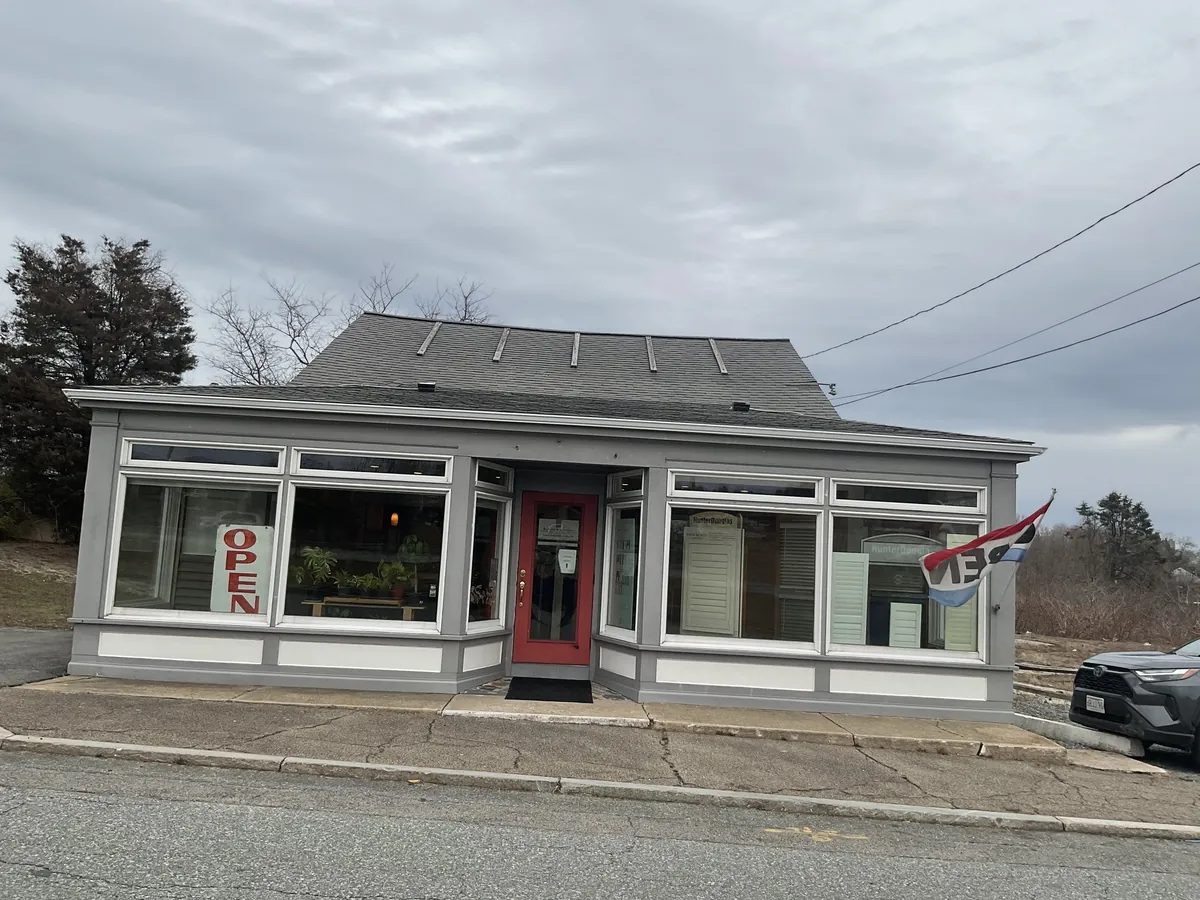
Our Sagamore showroom
Kingston choices are mostly made in the living room, with the samples spread out on the table. For those who want a look at the range beforehand, Sagamore is the closest of our showrooms, down toward the canal.
We never charge for the estimate, and the person who measures your windows works with the team that fits them.
Questions from Kingston
How do I stop the morning glare off the bay?
A screen roller dulls the glare yet leaves the bay in sight. Lowering a top-down, bottom-up shade from the top catches the sunrise while the lower glass stays open. Blinds tilted upward send the light to the ceiling. In bedrooms, a room-darkening shade keeps the sunrise out.
What should replace the builder blinds in our newer house?
Almost anything, because newer windows are square and standard in size. Honeycombs for bedrooms, faux wood for kitchens and baths, shutters for living rooms and rollers for a clean modern look are all popular choices.
Will a shade work on a casement window with a crank?
Yes. We check the depth and the crank position when we measure, and mount the shade inside or on the face of the frame so it clears the handle.
Will treatments fit the old sash in an antique colonial?
Usually inside the frame, so the trim stays visible. We measure each window at several points first and suggest a mount on the casing where the depth or squareness calls for it.
Is the estimate free?
Yes. The estimate after your consultation is free and covers every window you ask about.
Your next step
Seeing samples against your own glass, morning glare and all, is the simplest way to settle on window treatments in Kingston, MA. Book a consultation, and we will bring everything to the house, take the measurements and leave you with a free estimate. If you have questions before booking, the call button is the quickest route, and Sagamore is our closest showroom.