
From the Landing to the river
The town divides into very different kinds of housing. Across North and South Weymouth, post-war capes and ranches fill street after street, with standard openings and modest lots. Near Weymouth Landing, older two-families stand closer together, with taller sash and two households under one roof. Along the Back River, newer condominiums bring larger modern windows and a building full of neighbors sharing one exterior.
On the river and harbor side, a fourth factor joins in: the water. Light bounces off it, bright and low, and comes in at angles a neighbor’s house or a tree would normally block. So window treatments in Weymouth, MA, are rarely one-size-fits-all. A cape inland, a two-family at the Landing and a condo by the river each need something different.
We look at your windows in person, with samples in your own light, wherever in town you are.
Our services for the town
Here are the window treatments in Weymouth, MA, that each have a dedicated town page; follow a card to read about that product locally.
Custom Blinds in Weymouth
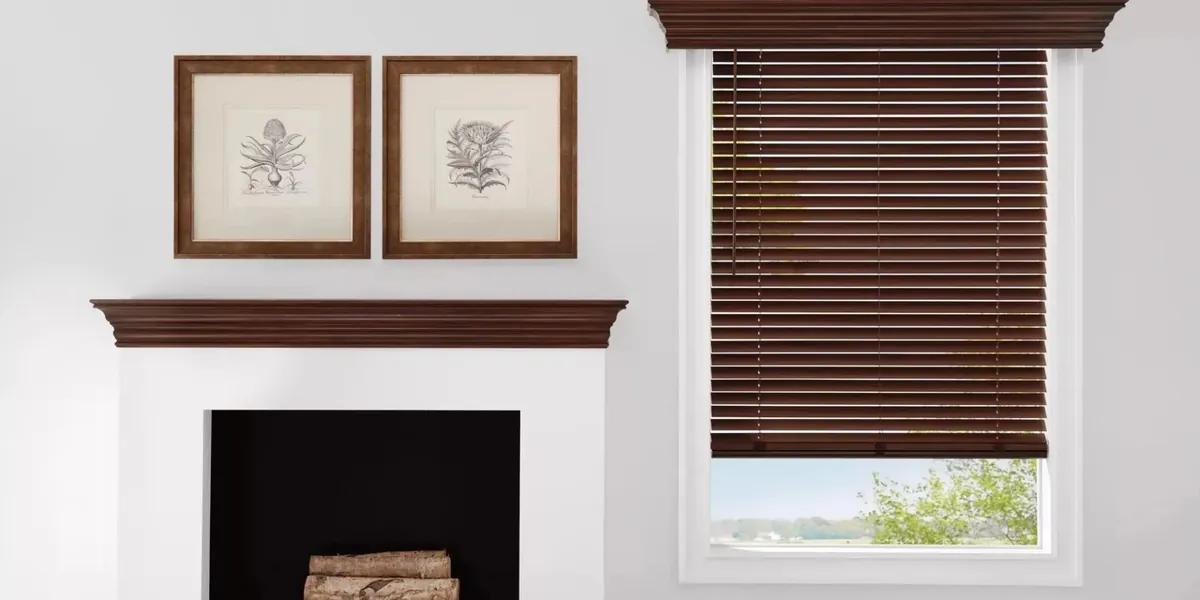
Wood, faux wood and metal horizontal blinds and verticals. Tilting slats deflect reflected water light without closing the view.
Cellular Shades in Weymouth
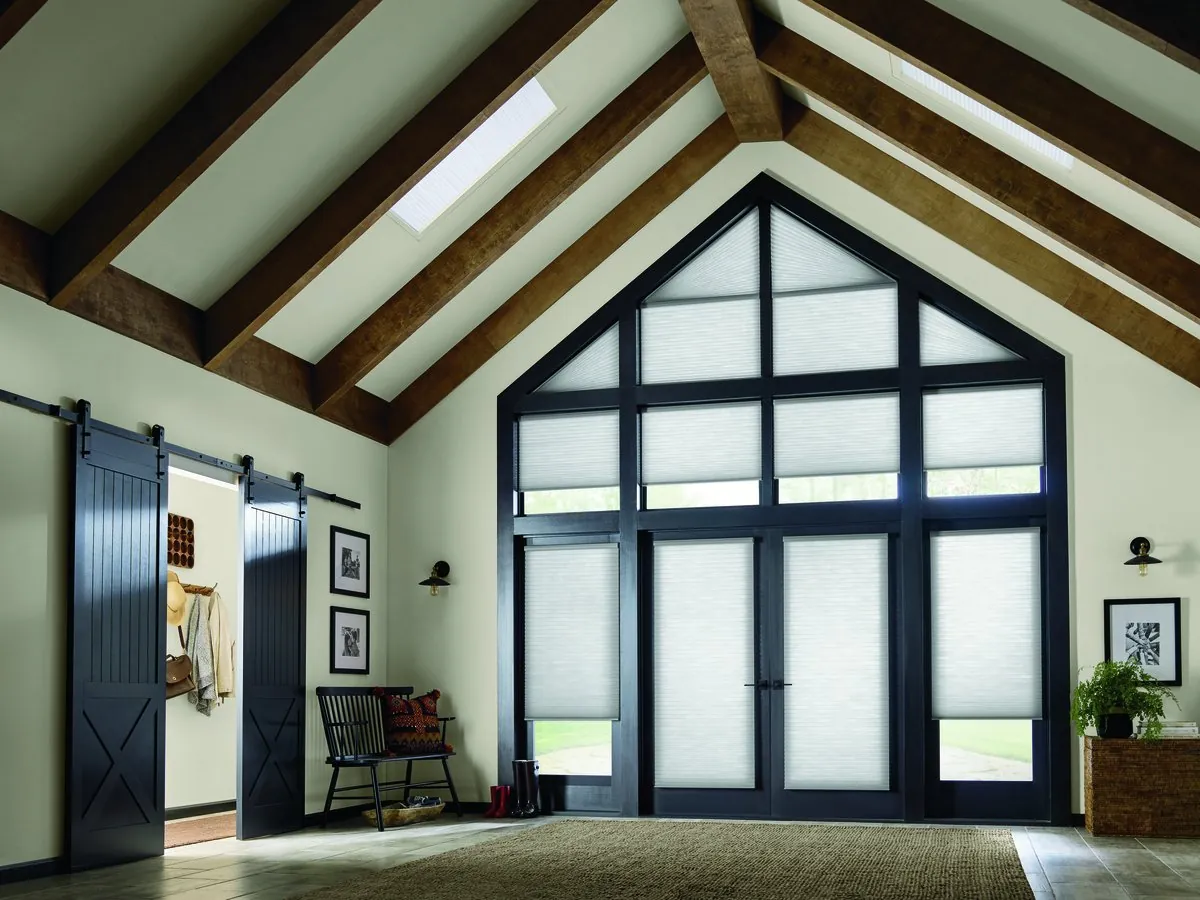
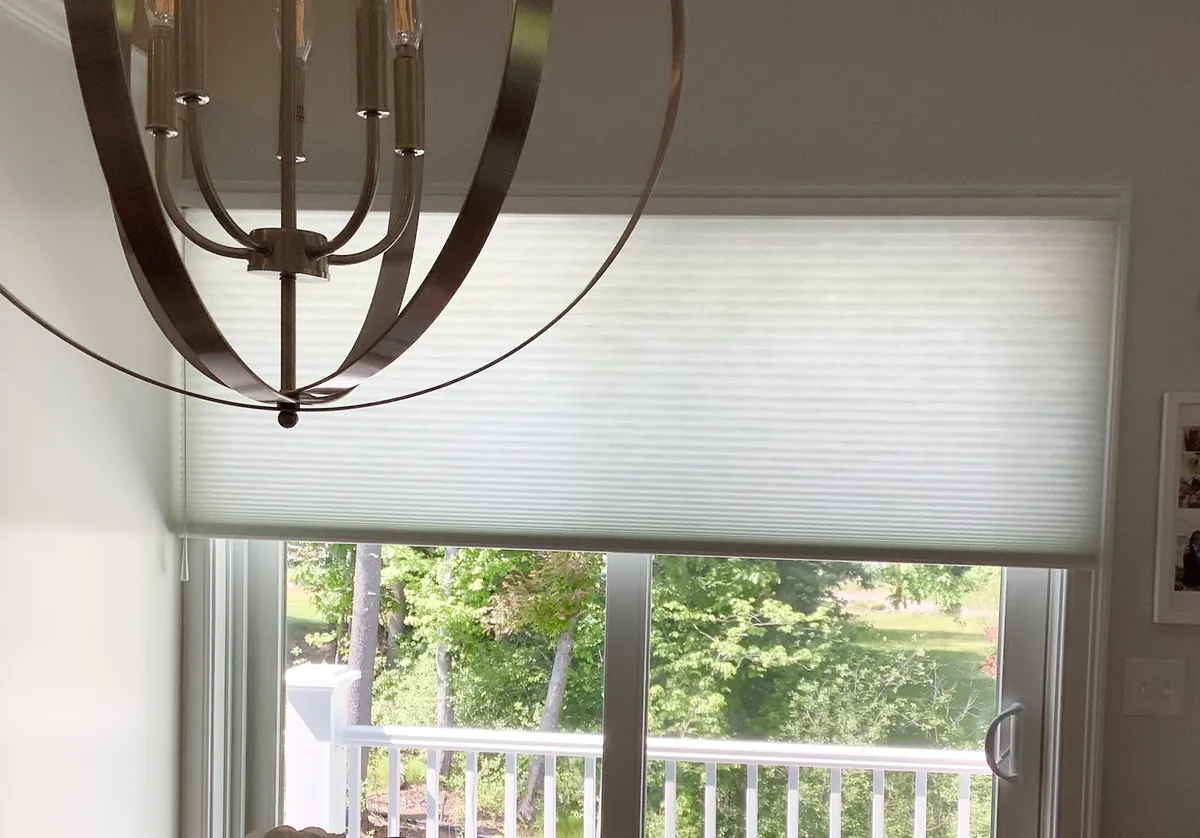
Duette and Applause honeycomb shades, a neat fit on a cape’s standard openings or a condo’s larger panes.
Roller Shades in Weymouth
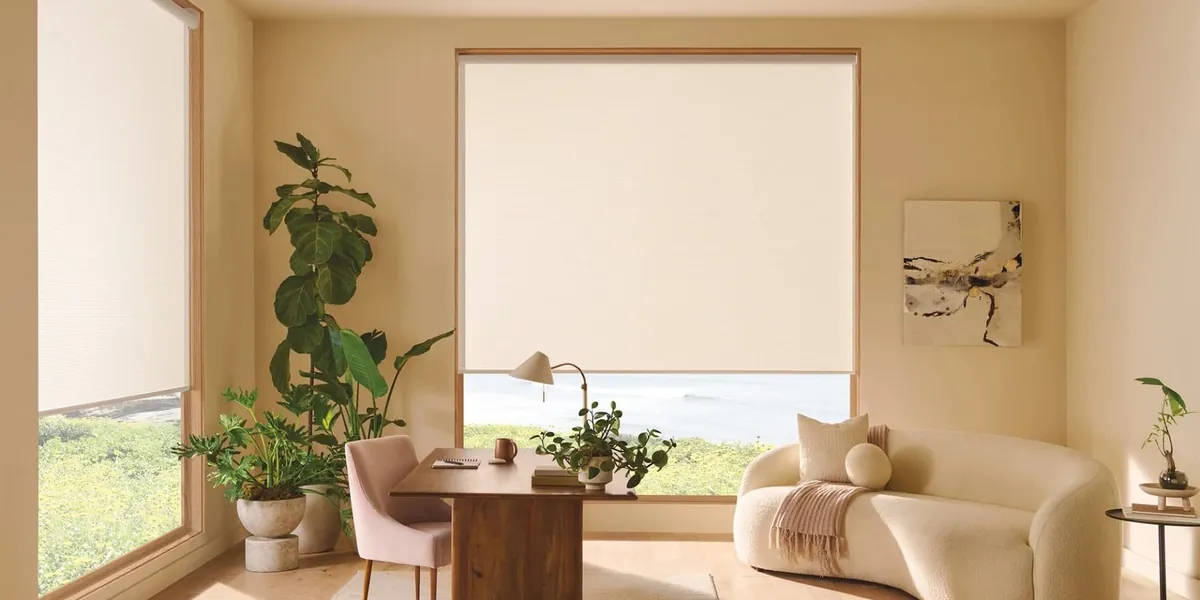
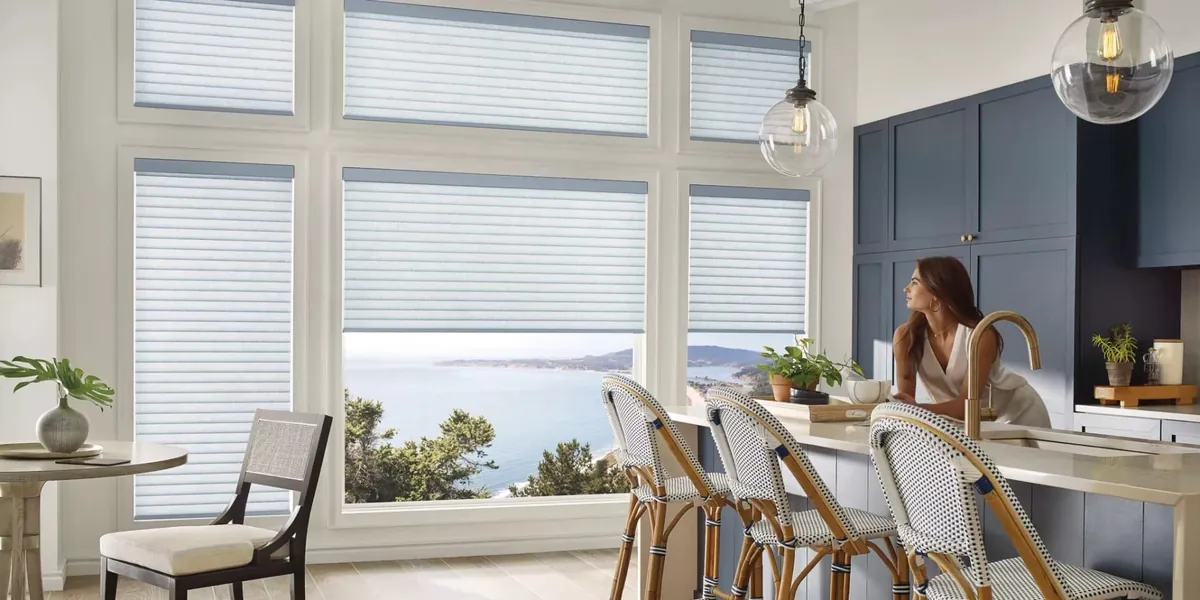
Designer Roller and Alustra screen and solid shades. A screen fabric softens the glare off the water and leaves the view.
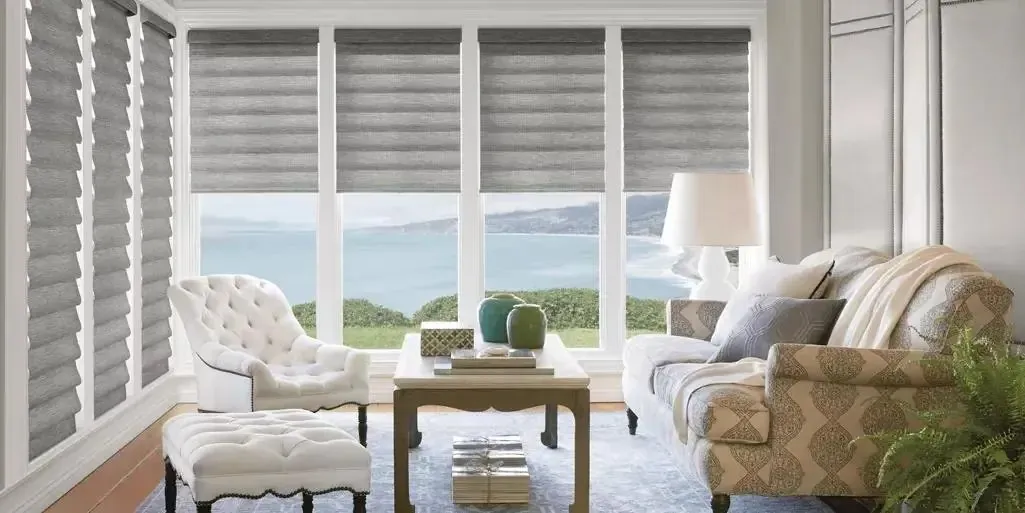
Roman Shades in Weymouth
Vignette and Carole romans, flat or folded, for a two-family’s front room or a sunroom facing the river.
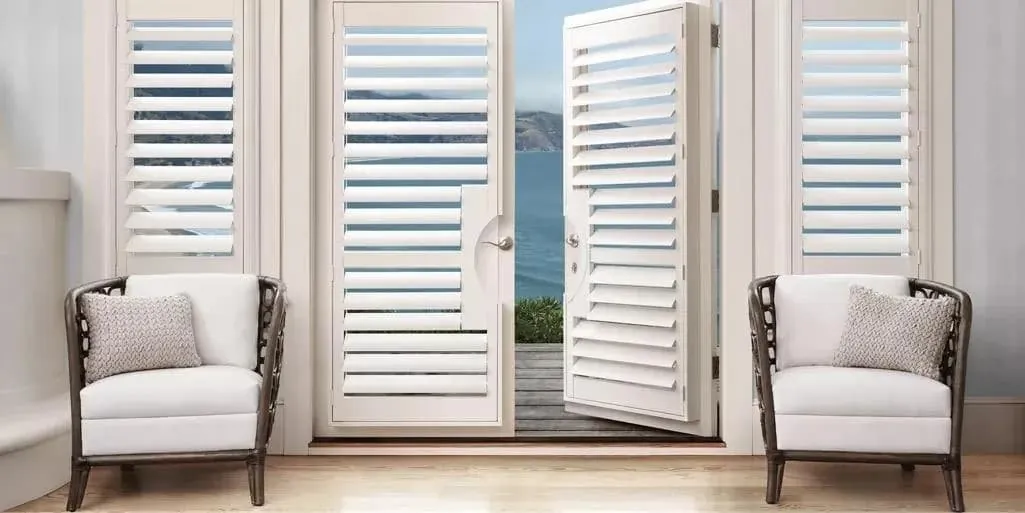
Plantation Shutters in Weymouth
Palm Beach, NewStyle and Heritance shutters. Louvers turn to frame the water or shut out the afternoon glare.
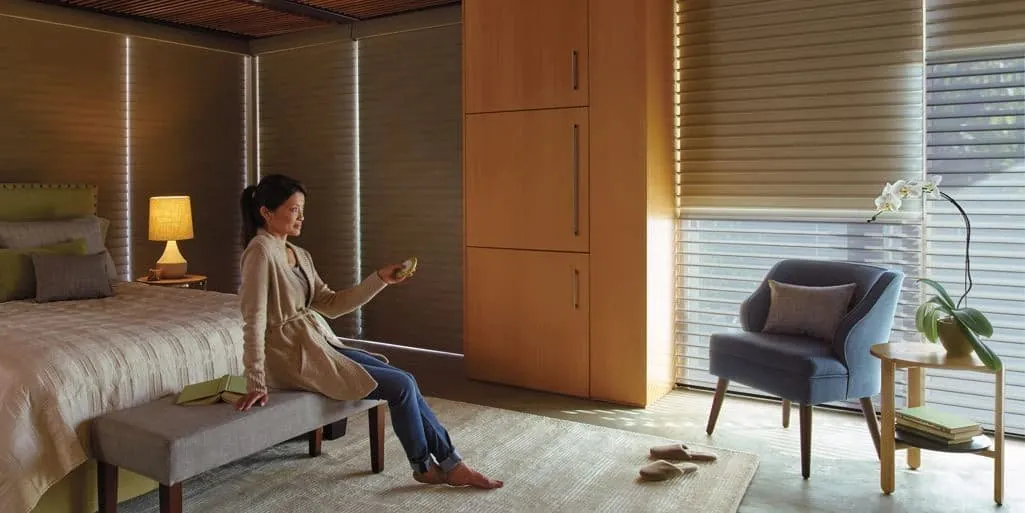
Motorized Blinds and Shades in Weymouth
PowerView shades on a remote, an app or a schedule, so water-facing rooms can close against the late sun on their own.

Hunter Douglas Dealer in Weymouth
A Hunter Douglas Gallery dealer with access to the complete range and certified Hunter Douglas installation.
Light off the river and the harbor
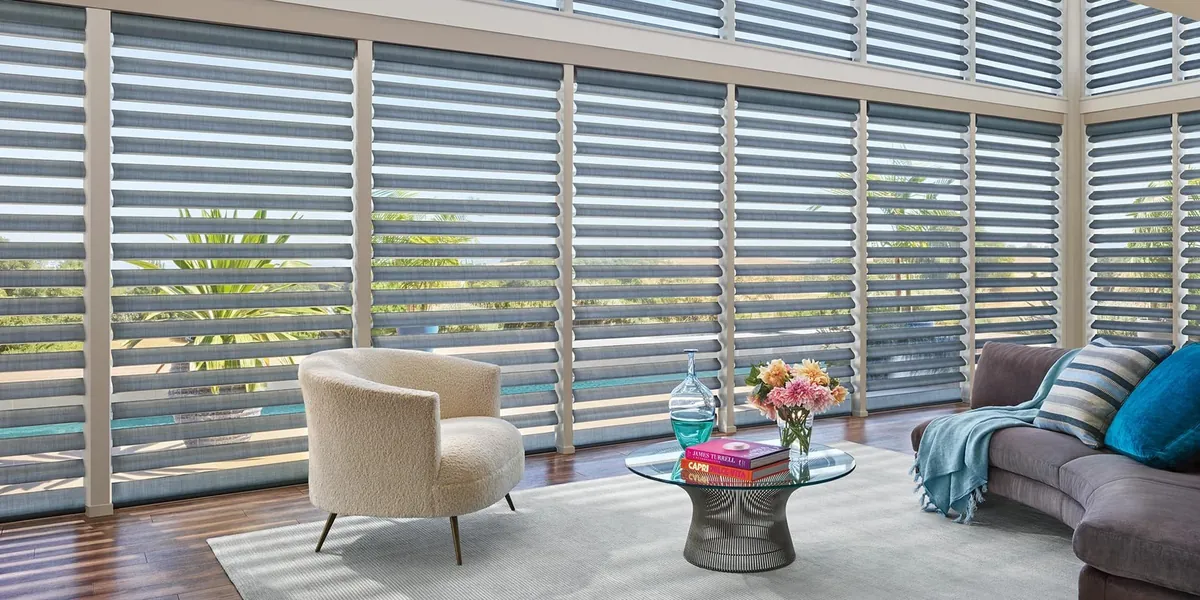
Water acts like a mirror. On a sunny afternoon, rooms facing the Back River or the harbor get light from two directions at once: straight from the sky and reflected up off the surface. The reflected light is low, bright and hard to block with anything that sits only at the top of the window.
That is why water-facing rooms often need a different approach from the rest of town:
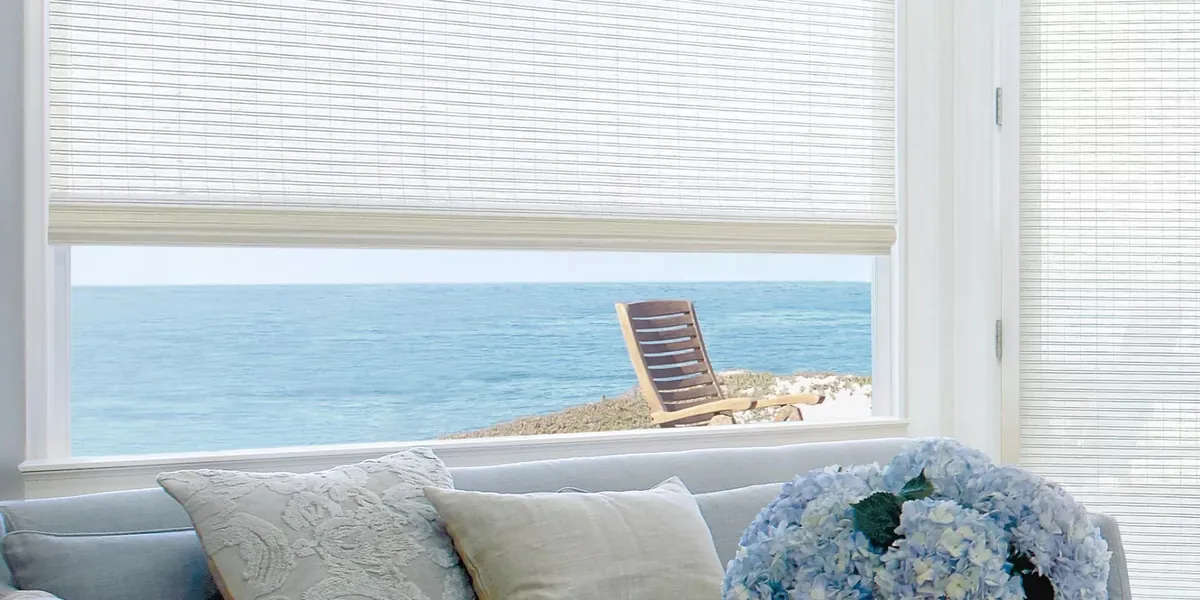
- Screen roller shades cut glare while keeping a clear view of the water. The more open the weave, the more you see; the tighter, the more glare it stops.
- Sheer shadings soften the light through fabric vanes and give a hazy view with the vanes open.
- Shutters let you angle the louvers downward to block reflected light coming up from the water while daylight still reaches the room.
- Blinds do the same with slats, and wood or faux wood suits a traditional room.
The goal on the water side is almost always to keep the view. We bring screen samples in several openness levels so you can stand at your own window and choose how much water you want to see.
Capes and ranches in North and South Weymouth
Most houses in North and South Weymouth are post-war capes and ranches on modest lots, built with standard openings and often updated with replacement windows since. These are straightforward to fit, and one product can usually carry through the house.
On a cape, the front living room faces the street, the kitchen is at the back and the bedrooms sit upstairs under the roof in dormers. Inside-mount honeycomb or roller shades suit the dormers, staying within the recess and stacking small. On a ranch, the wide front living room window sets the look of the house, and a single shade, a set of shades on one headrail or evenly laid-out shutters all work well.
With modest lots, side windows often face a neighbor’s. Light-filtering fabrics blur the view while keeping the room bright, and room-darkening fabrics give full privacy in bedrooms.
Two-families near Weymouth Landing
The older two-families near Weymouth Landing are built closer together and on a taller scale than the post-war houses. Ceilings are higher, sash is taller and narrower, and there are often porches across the front. Each floor is its own household.
The first floor sits closest to the street and the porch, so privacy at eye level comes first: shutters, blinds and opaque fabrics do the most work. The second floor sees over passers-by but faces the upper windows of the house next door, where light-filtering fabrics are often enough. Tall sash suits shutters split into upper and lower panels, opening the top for daylight while the bottom stays closed.
If you own the building, a shared outward color on the street face keeps it looking tidy while each household chooses freely indoors.
Condominiums by the Back River
The newer condominiums near the Back River are a different case again. Windows are usually larger, modern and regular, and many units have a sliding door to a balcony or patio. The building is shared, so what shows from outside may matter to your neighbors and your association as well as to you.
Before choosing, it is worth checking whether your building has guidance on what faces outward, such as a required color for the back of every covering. Plenty of honeycomb and roller fabrics are made with a plain white or cream side facing the glass, so you can follow a building rule and still pick a bolder color for the room. A painted shutter is identical inside and out, which also keeps an association happy.
Inside, condo windows often face the water, so the glare advice above applies. For a unit that looks at the river, a familiar recipe is screen or sheer shades across the living area, something vertical on the balcony door and a darker fabric where you sleep.
Booking an in-home consultation
In-home visits for the town are run from our Canton shop-at-home base, with sample-filled vans, so we can bring the showroom to you, whether that is a cape in South Weymouth, a second-floor apartment at the Landing or a condo by the river.
- Get in touch through Request a Consultation, or tap the call button at the top of the page.
- Your consultant turns up carrying fabric books, screen swatches from very open to nearly solid, blind slats, a shutter corner and a PowerView handset.
- The brightest room comes first, typically whichever one looks at the water or takes the late sun.
- Swatches are held against the window while you look out, so glare, view and privacy are judged where they happen.
- Each window, slider and door is measured, along with any balcony or porch glass.
- A free estimate stays with you, with no deadline to answer.
The Canton shop-at-home page has more on the service, and what happens at an in-home consultation explains a visit in detail.

Glare on screens and counters
Glare is not only a water-side problem. Any west-facing room in town can catch low evening sun across a television, a computer screen or a kitchen counter. On the river and harbor side, reflected light makes it worse.
A screen roller shade is the most direct answer, because it cuts brightness while you keep watching or working with the view intact. Blinds and shutters let you angle the slats or louvers exactly to block the sun’s line. For a home office, a light-filtering honeycomb behind the desk evens out the light without darkening the room. Our guide to the best shades for sun and glare goes into more detail.
After dark by the water
Water-facing rooms are often the most open in the house by day, with shades raised to enjoy the view. After dark, the same big windows can make a lit room very visible from a path, a dock or the other side of the river.
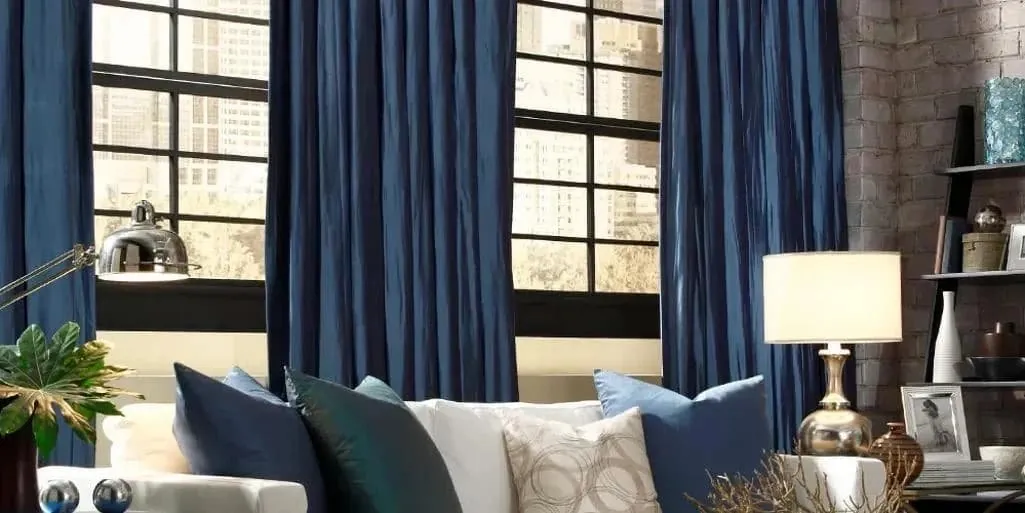
Screen fabrics keep the view by day but show the inside of a lit room at night. If you use a water-facing room in the evening, a second layer helps: a room-darkening shade behind the screen, or drapery panels you can draw. Shutters closed tight also handle evenings well. In the rest of town, the same thinking applies to any room close to the street or a neighbor.
Kitchens, baths and sliders
Kitchens and baths need privacy, light and easy operation. A kitchen window over the sink suits shutters on the lower sash, a faux wood blind or a light-filtering roller. A bath window facing a neighbor suits a light-filtering honeycomb inside the frame, or blinds with the slats angled up.
Glass sliders turn up all over town, opening a ranch onto its back yard or a condo onto its balcony. For these, choose something that travels sideways: a vertical honeycomb or a set of vertical blinds draws back to the edge, so nothing hangs in the way when you walk out. Where the slider looks at the river, a light-filtering vertical honeycomb tames the reflected sun and still lets the room glow.
Porches, sunrooms and enclosed decks
Plenty of houses here, especially near the water, have a sunroom, a closed-in porch or a three-season room built onto the back. These rooms are mostly glass, often on three sides, and they take the full force of the afternoon sun and the light off the water.
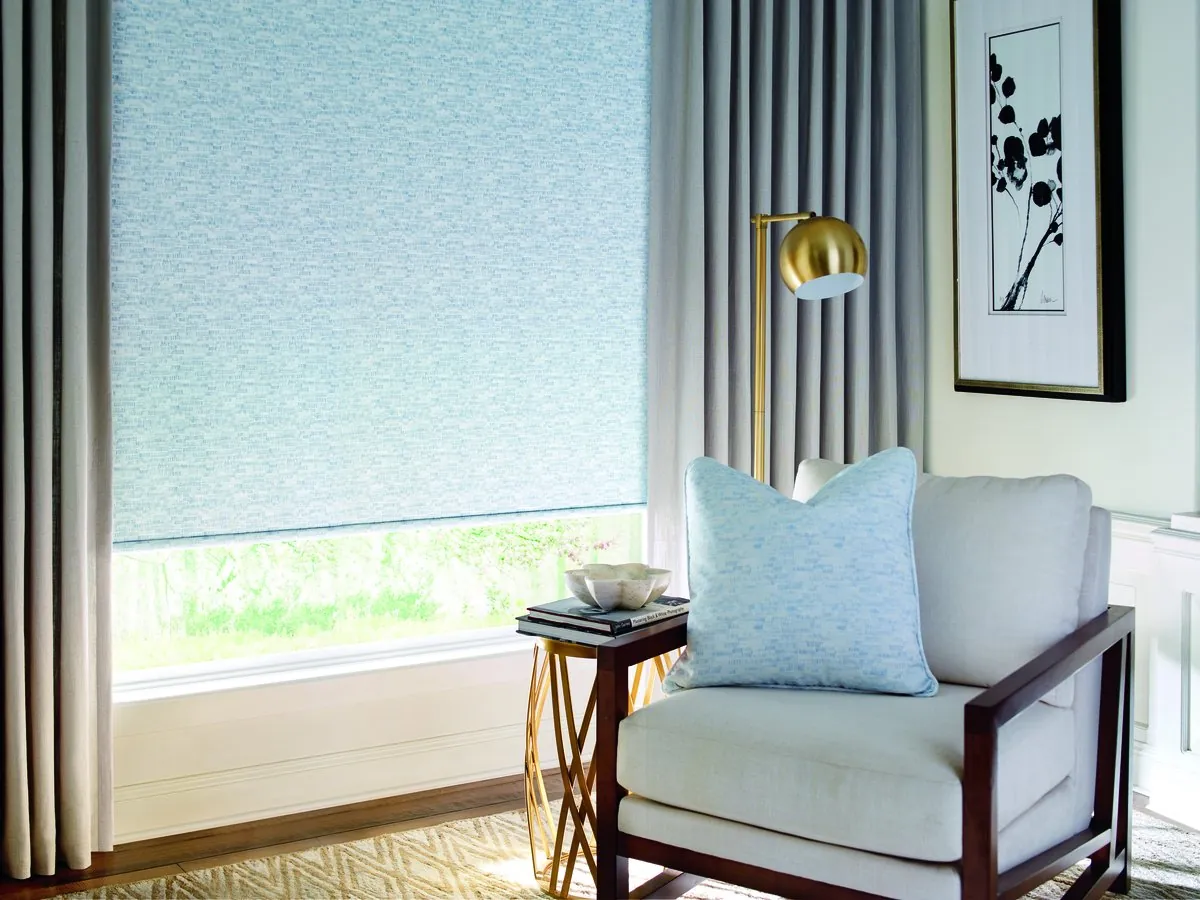
Screen roller shades are a natural fit, keeping the view while softening the glare. Woven wood shades bring a relaxed, natural texture that suits wicker and plants. Banded shades let you shift between view and privacy with a small movement. Because there are so many windows in one room, PowerView can lower them all together with one press, or on a schedule when the sun comes round.
Stairways, hallways and the small windows in between
Every house has a few windows that are easy to overlook: a stair landing in a two-family, a narrow window beside a front door, a small bathroom window in a condo. They are seen every day, though, and leaving them bare can make a house look unfinished from inside and out.
A slim honeycomb or a plain roller suits most of them. A landing window that is hard to reach is a good candidate for motorization. Sidelights beside a door can take a narrow shade when privacy matters. Planning window treatments in Weymouth, MA, room by room at one visit means these small openings get the same color and care as the main rooms.
Matching across the house
On a cape or ranch, one product in one color throughout gives a calm look and keeps the street side consistent. A two-family near the Landing might mix shutters on the tall front sash with shades elsewhere, still keeping one outward color. A condo might use screen shades on the water side and room-darkening fabric in the bedroom. None of these plans needs every room to look identical.
What matters most is that the outward face of the front windows looks consistent, and that each room gets what suits its light and its use.
Choosing color near the water
Rooms that face the river or the harbor are full of bright, cool light, and that changes how colors look. A white that seems crisp in a shop can read almost blue beside the water, while a warm cream or a soft gray may sit more calmly. The outward face matters too, because it is the side seen from a path, a dock or the far bank of the river, so it is worth choosing it as carefully as the side facing the room.
That is why we bring samples to the window rather than choosing from a book at a table. Seeing a few options against the actual view, at the time of day you use the room, makes the decision easy.
Bedrooms for better sleep
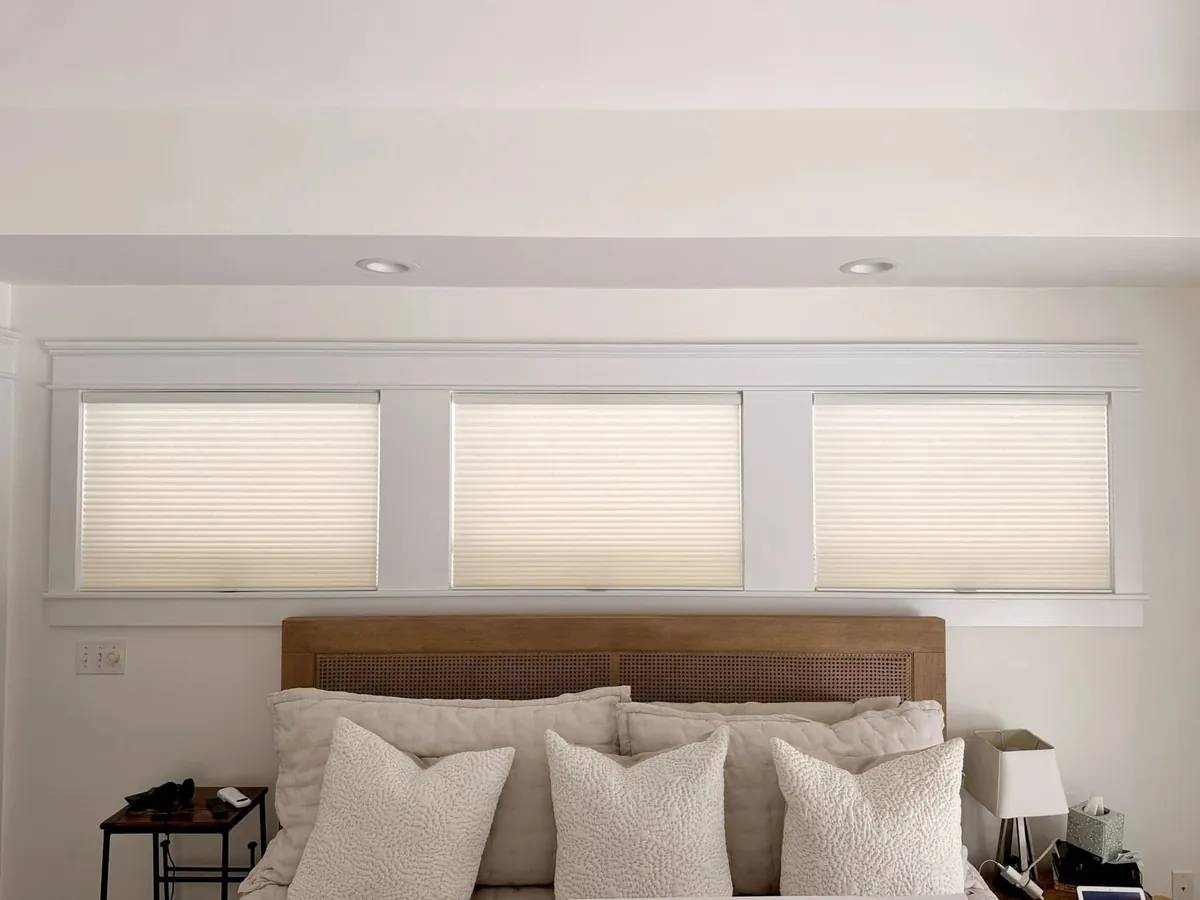
Bedrooms in every kind of house here benefit from room-darkening fabric, especially on the east side or facing a street light. In a water-facing condo, early light off the river can make a bedroom bright well before you would like. A room-darkening honeycomb or roller inside the frame handles it, and shutters closed tight darken the room and give privacy too. In a cape’s dormer bedroom, an inside-mount shade keeps the small room uncluttered.
PowerView around the house
Motorization is especially handy on water-facing rooms, where the light changes a lot through the day. PowerView shades can be set on schedules to lower against the late sun and raise again in the evening to enjoy the view, and they can be worked by remote or app too. In a two-family, each household runs its own. We plan how each motor is powered at the visit. The motorized blinds and shades in Weymouth page tells you more.
Repairs welcome
If a blind or shade you already own has stopped working, it may only need a repair. A snapped cord, slats that will not tilt or a shade that has slipped from its brackets can often be put right. We are glad to look at coverings already in your house. Our blind and shade repair page explains how it works.
What a Gallery dealer brings
As a Hunter Douglas Gallery dealer, Blinds & Designs can offer a South Weymouth cape, a two-family at the Landing or a riverside condo anything Hunter Douglas makes, from screen rollers for the water side to shutters for tall sash and PowerView for a whole floor.
The people who hang it are certified Hunter Douglas installers. We also give free estimates, help with interior design and fix coverings you already own, so the window treatments in Weymouth, MA, that we handle run from a single repair to a complete house.
Questions from Weymouth
My living room faces the river. How do I cut the glare and keep the view?
A screen roller shade is the usual answer. It cuts brightness and glare while leaving a clear view, and you choose the openness to balance the two. Shutters and blinds angled downward also block reflected light.
I live in a condo. Are there rules about what my window treatments look like from outside?
Some do, for example a single color for whatever faces the glass. Ask your association before ordering. A neutral-backed fabric or a painted shutter usually satisfies that kind of rule.
What works on the tall windows of a two-family near the Landing?
Shutters split into upper and lower panels, roman shades or honeycomb shades inside the frame all suit tall, narrow sash.
What goes on a sliding door to a balcony?
Vertical blinds or a vertical honeycomb shade, both of which stack to one side so the door opens fully.
What does an estimate cost?
Nothing. Every estimate we give is free, and you are under no obligation once you have it.
The next step
Good window treatments in Weymouth, MA, usually start with one room. Pick the one you notice most, whether that is a bright river-facing living room, a tall front window at the Landing or a bedroom that gets light too early. Ask for a consultation, and a consultant will arrive with samples, measure each window and door and hand you a free estimate. Prefer to browse in person too? The closest showroom to town is Franklin; see the Franklin showroom page for where it is and when it opens. There are pages for Hingham and Rockland next door as well.
For the full range in one place, start with our window treatments page.