
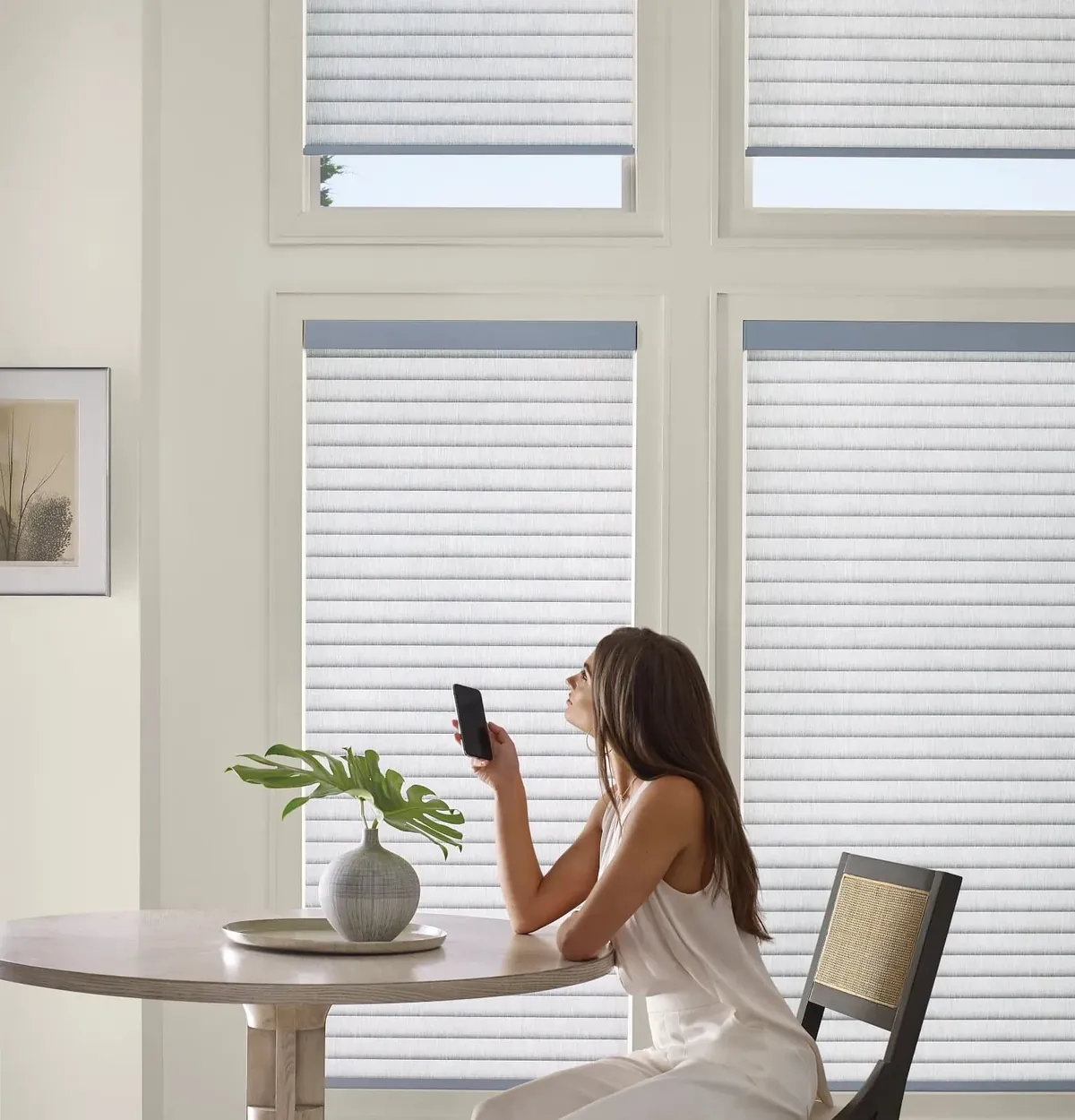
Small, tall sash in the Draper mill village
The company housing the Draper works built in Hopedale still sets the pattern for much of the town. The houses stand close to one another, and the window openings they were given are small and tall: original narrow sash, sometimes several to a wall, often a little out of square after so long in service. That is where most conversations about motorized blinds in Hopedale, MA begin, because a narrow opening is fiddly to work by hand and a row of them is tedious.
On a tight village street, a neighbor’s wall or front step is rarely far from your glass. Each of those narrow windows needs adjusting through the day for light and for privacy, and when every one has its own cord the job gets skipped. Shades end up stuck at one height for weeks.
A PowerView motor takes the cords away and lets a whole room of small windows answer to one button, the PowerView app or a schedule you set once. Around Hopedale Pond, where the houses are larger and the rooms have more glass, the same system covers wider openings and long runs of windows without a single cord.
Shades we put motors on for Hopedale windows
PowerView runs across much of the Hunter Douglas range, so the fabric is chosen for the window first and the motor follows. For the narrow mill-village sash, these are the three we bring out most often. Each card opens that product’s own Hopedale page.
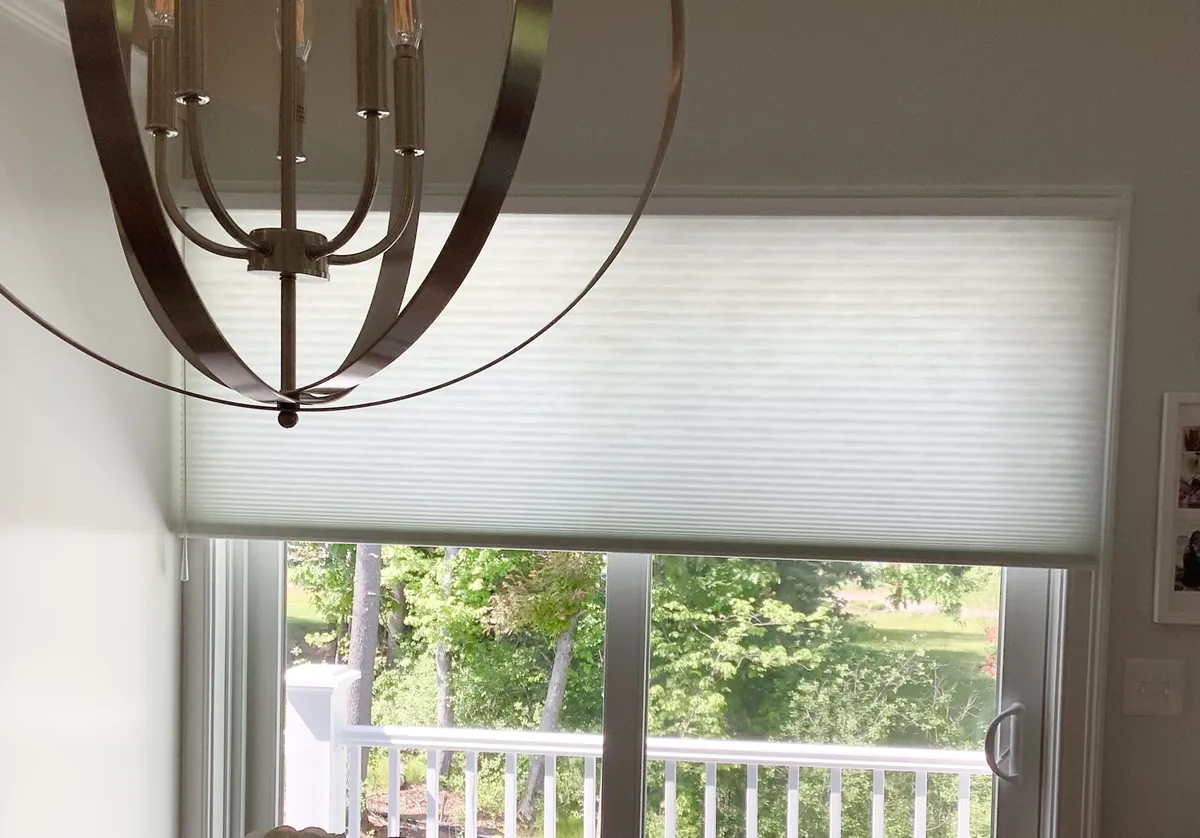
Cellular Shades in Hopedale
Honeycomb fabric folds into a slim stack at the head of a small opening, so very little of a short window is lost when the shade is up.
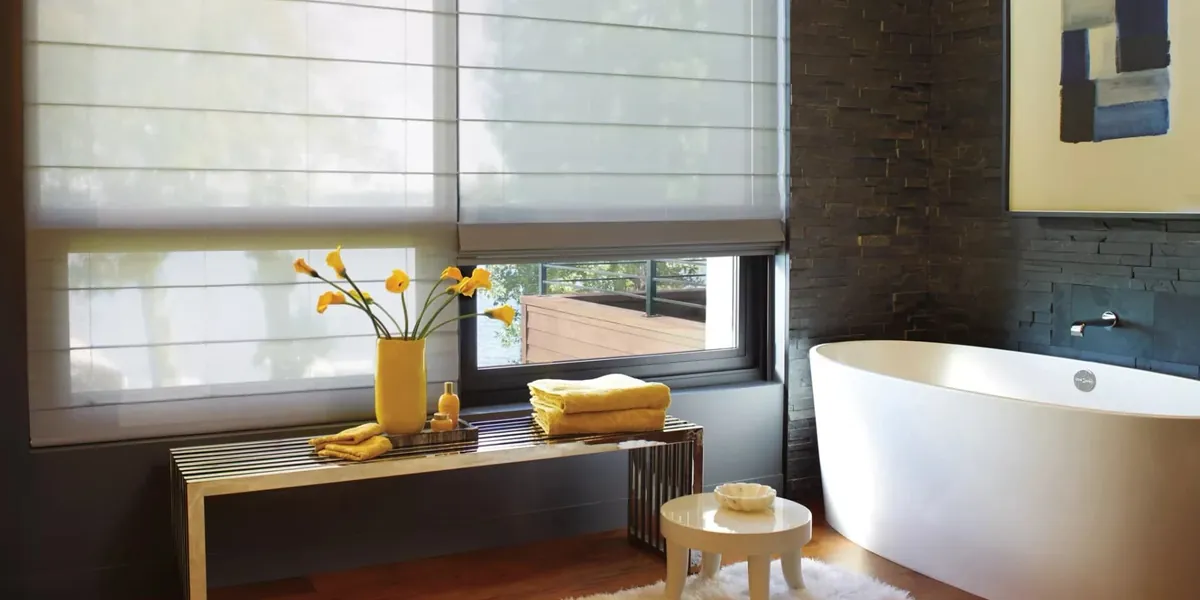
Roman Shades in Hopedale
A soft fold gives a narrow window some presence, and a sheer roman keeps a bathroom or stair window bright and screened.
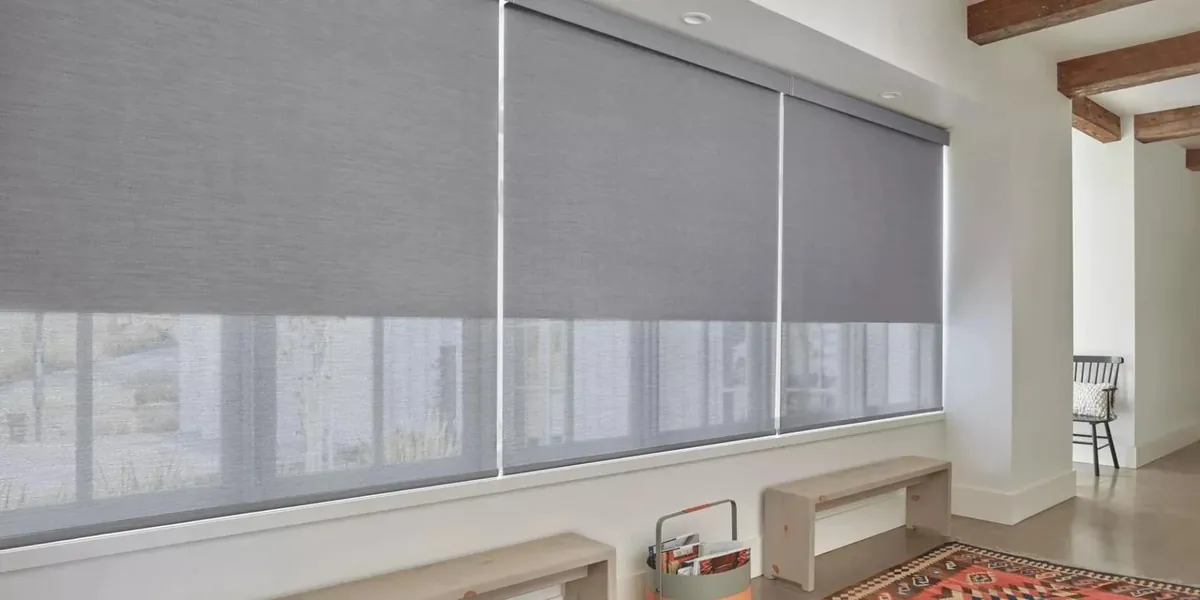
Roller Shades in Hopedale
A plain roller rolls away almost to nothing and suits the long runs of windows in the larger houses near the pond.
Why narrow openings suit motorized blinds in Hopedale, MA
A small window is not a small job. On a manual shade the cord has to hang somewhere, and on a narrow sash it hangs right across the glass or tangles around the sill. On a short window, the stack of a raised shade can swallow a good part of the view. And when one wall has three or four of these windows, getting them all to the same height means walking from one to the next and fussing with each.
A motor solves all three at once. There is no cord at all, so the window looks clean and a child’s room is safer. The shade stops exactly where you told it to, every time, so a row of narrow sash lines up perfectly. And because the whole row is grouped, one press moves them together.
The fabric choice still matters. In a narrow opening we steer toward shades that stack tightly when raised, so the glass you open up is glass you can actually see through. That is one reason honeycomb and roller shades come up so often in the village houses, while roman folds are kept for the windows where a bit of softness is worth the larger stack.
Measuring sash that has settled
Windows in the old company houses have had a long time to move. Frames settle, trim gets painted over many times, and an opening that looks square from across the room can be a fair way out from top to bottom. A shade made from one quick measurement will rub on one side or leave a gap on the other.
So every window is measured on its own. We take the width high, in the middle and low, the height at the left, the center and the right, and the depth of the frame where the headrail would sit. Those numbers decide the mount.
- Inside the frame, when the depth allows it, so the original trim stays on show and the raised shade tucks into the head of the opening.
- On the casing, when the frame is shallow or badly out of square, so the shade covers the whole opening cleanly and the light gaps disappear.
We will explain which way each window should go and why. Hopedale houses often end up with a mix, and that is fine: grouped on PowerView, an inside-mounted shade and a casing-mounted one still move together.
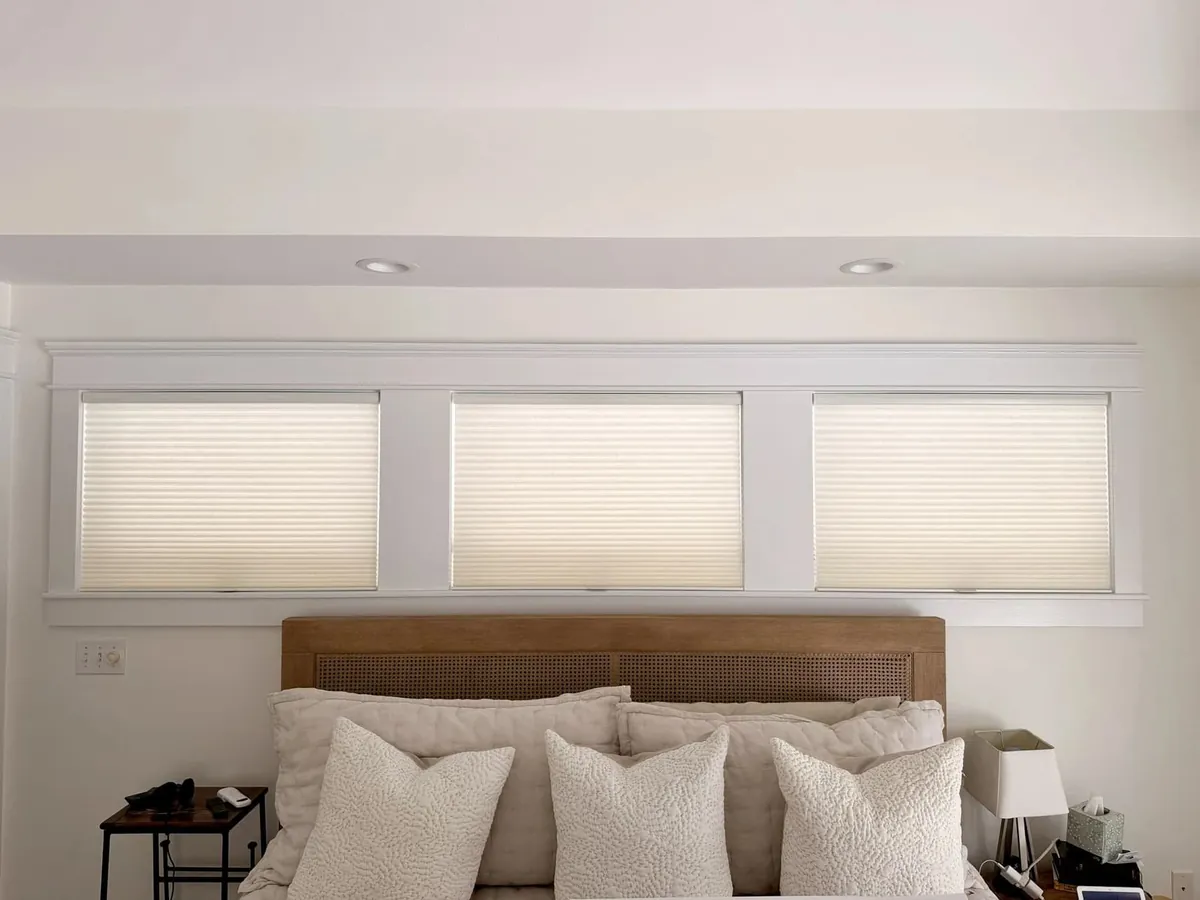
Close neighbors on the village streets
In the mill village, houses were built for the people who worked the shops, and they were built near each other. Side windows look across a narrow strip of yard to the next house. Front windows sit a short way back from the sidewalk.
That puts privacy on every window, not just the front. The useful thing about a motorized shade here is that it can be in the right position without anyone remembering to put it there. Set the side windows to close part way at the hour you usually switch the lamps on, and they will do it every evening. Set the front room to open after breakfast, and it will.
Through the day, light-filtering fabric does most of the work. It lets daylight through and blurs the view in, so a room facing the house next door stays bright without feeling watched. Sheer and roman fabrics soften the light further, and room-darkening fabric is there for bedrooms that face a street lamp.
The houses around Hopedale Pond
Hopedale is not only the village. Around Hopedale Pond the houses are bigger, set on larger lots, and the rooms facing the water tend to have wider windows and more of them. The questions there are different. Privacy is less pressing; reach and the sheer number of shades matter more.
A living room with a long run of windows toward the pond is exactly where grouping shines. Every shade on that wall can move as one group from a handset, with individual windows still adjustable in the app when you want one end of the room open and the other shaded. Tall windows on a stair landing or above a door, out of comfortable reach, are often the first ones owners ask about.
If you are weighing motorized blinds in Hopedale, MA for one of the pond houses, it is worth thinking about the whole floor at once even if you fit it in stages. A wall of windows looks best when every shade in it matches and finishes at one height, and planning that from the start keeps the fabric and headrails consistent.
Handsets, the app and schedules
There are three everyday ways to run a PowerView system, and most Hopedale households use all of them within the first month.
The handset
A small remote kept in the room. It raises, lowers and stops a single shade or a group. Guests and grandparents can use it without instructions, which matters in a house where not everyone carries a phone.
The PowerView app
On a phone or tablet. It reaches every shade in the house, sets them to any height, and is where groups and schedules are built. From the kitchen you can check that the upstairs bedrooms are closed.
Schedules
Set once in the app, then left alone. A schedule moves chosen shades at the times you pick on the days you pick: the village front room opening on working mornings, the side windows closing in the evening. Adjusting a time as the seasons change takes a moment.
Our guide to how motorized shades are controlled walks through each of these in plain terms, and the window covering automation page covers the wider picture.
From first visit to the first schedule
Small, settled windows are best judged where they are, so a Hopedale project almost always starts in the house. Our vans carry samples, which means the showroom comes to you.
- Request a consultation online, or use the call button, and pick a day that suits.
- We walk the house with you, starting with the windows you open and close most and the ones that face a neighbor.
- Fabric samples go up against your own glass so you can see the light and privacy each one gives, from inside and from the sidewalk.
- Together we decide which shades are grouped and whether handsets, the app, schedules or a mix will suit your days.
- Every window is measured separately, with notes on frame depth and how far it has moved.
- We plan how each motor is powered at the visit, window by window.
- A free estimate follows for the shades and the fitting.
- A certified Hunter Douglas installer hangs the shades, sets each stopping point, pairs the handsets and app, and builds your first schedules with you.
More on that first appointment is on our in-home consultations page.
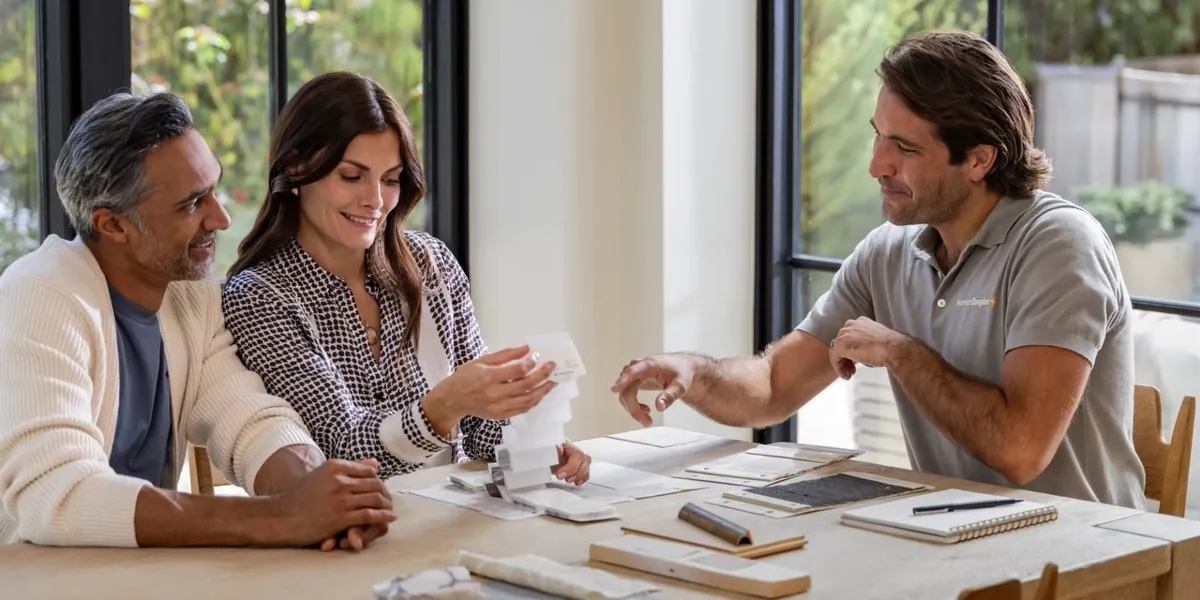
Stair windows and the rooms under the eaves
The village houses are compact, and that pushes windows into awkward places. A narrow window on the stair, a small one set high in a gable bedroom, a short one tucked behind a dresser that never moves: these are the openings that get left in whatever position they were last put in.
A motor gives every one of them the same easy control as the front room. The stair window opens with the downstairs group in the morning. The gable bedroom closes with the other bedrooms at night. Nobody has to lean over furniture or reach above a step to do it.
Upstairs rooms under a low roof often catch strong afternoon sun. A light-filtering or room-darkening shade lowered on a schedule through the brightest part of the afternoon keeps the sun off the bed and the floor without anyone climbing the stairs to see to it.
Bedrooms, nurseries and sleep
Sleep is where a motor earns its keep in many Hopedale homes. A bedroom in a close-set house deals with a street lamp outside, a neighbor’s porch light and early summer sun. Room-darkening fabric cut to the exact size of a narrow sash handles all three better than any off-the-shelf shade, because there is so little gap at the edges.
On PowerView, the bedroom shades can close together at bedtime and open at the hour you choose, later on lazy mornings. In a nursery or a child’s room, the lack of any cord is reason enough on its own. Pair the shade with a handset by the door and a child can open the room in the morning without climbing on the sill.
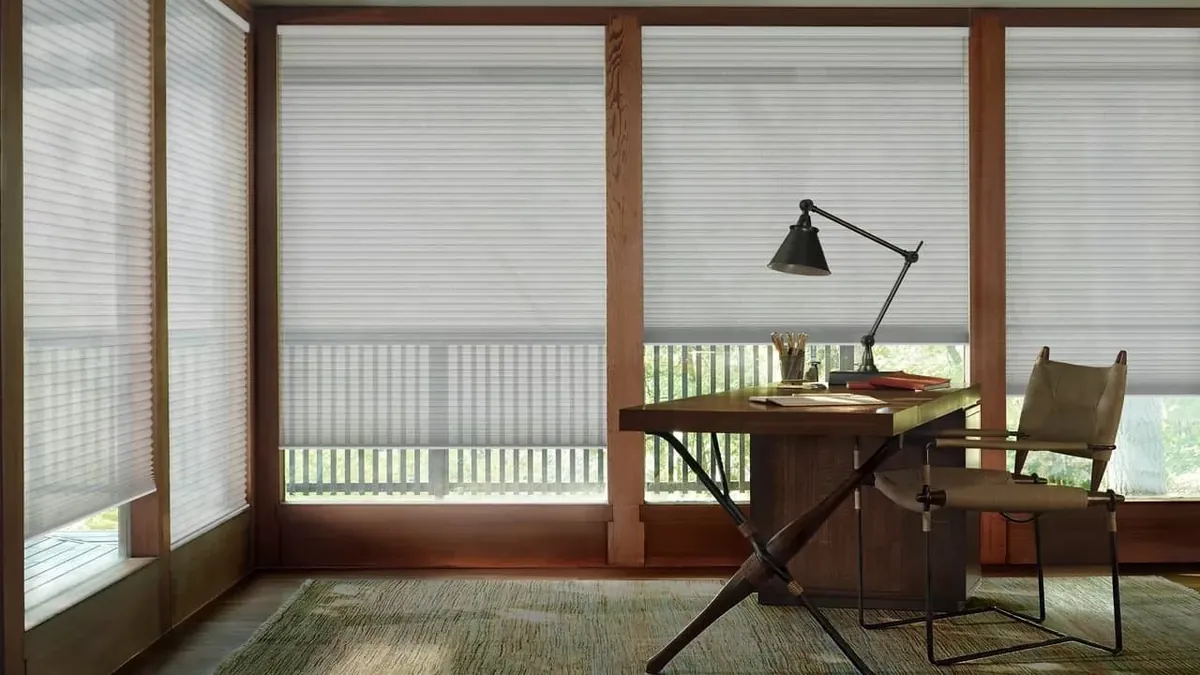
Working from a village front room
A good number of the smaller houses have only one room on the ground floor that faces the street, and it often doubles as the place someone works during the day. That makes it the hardest window to get right: open for daylight on the desk, but not so open that the screen is lit up or passers-by look straight in.
Honeycomb and roller shades on a motor can sit at a partial height all day and drop a little further when the sun moves round to the screen, then lift again when it passes. You set the heights once in the app. If the desk moves to another room, the schedules move with a few taps.
Adding rooms as you go
Few Hopedale projects motorize the whole house in one go. A common start is the street-facing room in a village house, or the main wall toward the pond, with bedrooms following later. Every PowerView shade added afterwards joins the same app and can take the same handsets, so nothing from the first stage is wasted or replaced. When you are ready for the next room, we measure it the same careful way and slot it into the groups and schedules you already use. Planning motorized blinds in Hopedale, MA in stages also lets you live with the first shades for a season and decide which fabric you like best before choosing for the rest of the house.
Choosing fabric for a small room
In a compact room, the shade is a large part of what you see. A strong color on four narrow windows can take over a small bedroom; a pale, plain fabric lets the trim and the shape of the old sash show. We bring a range of colors and textures in the van and hold them up in your own light, because the same fabric looks warmer on a south wall and cooler on a north one.
Openness matters as much as color. Light-filtering, room-darkening and sheer options each behave differently in a narrow opening, and seeing them against your glass is the only reliable way to choose. Our Hopedale window treatments page shows everything else we offer in town, and the custom blinds in Hopedale page covers blinds for rooms where slats suit better than fabric.
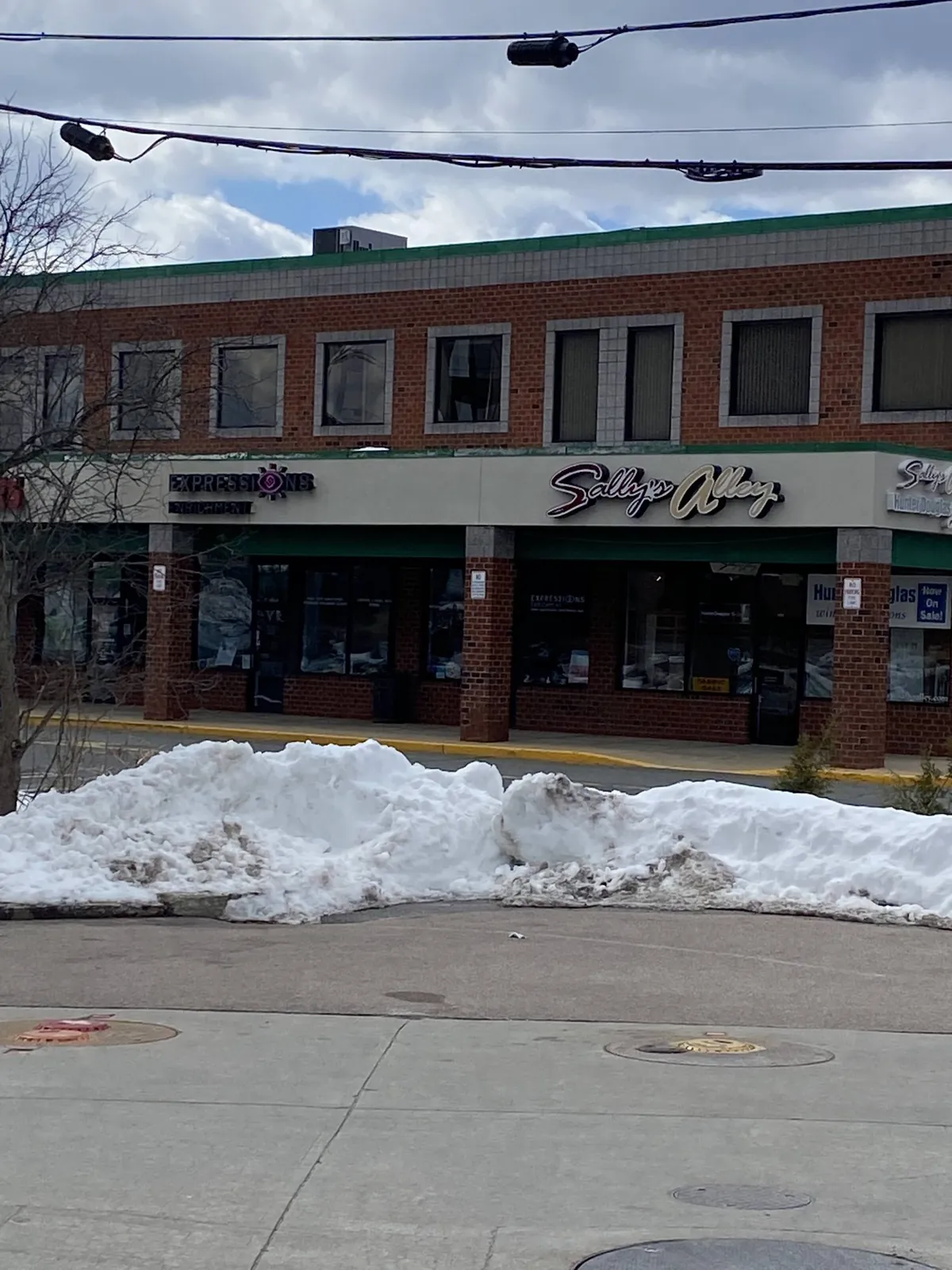
The nearest showroom: Franklin
For Hopedale, our Franklin showroom is the closest. You are welcome to call in, or the sample van can come to your house instead.
Either way, the final measuring happens at your windows, because the settled frames of a village house and the wide openings near the pond both have to be seen in person.
A Gallery dealer for a whole-house system
Blinds & Designs is a Hunter Douglas Gallery dealer, and the installers who fit our shades are certified by Hunter Douglas. For a motorized house that means one dealer and one system across every kind of window: honeycomb on the narrow sash, roman shades in the bathroom, woven or roller shades on the long pond-side wall, all answering to the same app.
Estimates are free. We also offer interior design consultations when you want help pulling a room together, and blind and shade repairs if one of your existing shades needs attention. More on the brand is on our Hunter Douglas dealer in Hopedale page.
Questions from Hopedale
Our mill-village windows are small and narrow. Is a motor worth it on them?
Often more than on big windows. Narrow sash usually comes in rows, and a motor lines the whole row up with one press and removes every cord from the glass.
The frames in our house are out of square. Will a shade still fit?
Yes. We measure each opening at several points and choose an inside or casing mount to suit. A casing mount covers an uneven frame cleanly.
Can the shades by the pond and the ones in the village rooms run on one app?
If they are in the same house, yes. Every PowerView shade appears in the PowerView app, grouped however you like.
Do I need a phone to use them?
No. A handset in the room raises and lowers the shades, and schedules run whether or not anyone touches a phone.
Is there a charge for the estimate?
No. Estimates are free, and they cover the shades and the fitting for the windows we measure.
The next step for your house
Pick the room that bothers you most, whether it is a row of narrow village sash or the long wall facing the pond, and mention it when you book. We will come with samples that suit it, measure every window, and show you how motorized blinds in Hopedale, MA work on your own glass. If you would sooner talk it over first, the call button reaches our Franklin showroom.
Every motorized option we offer is gathered on our motorized blinds and shades page.