
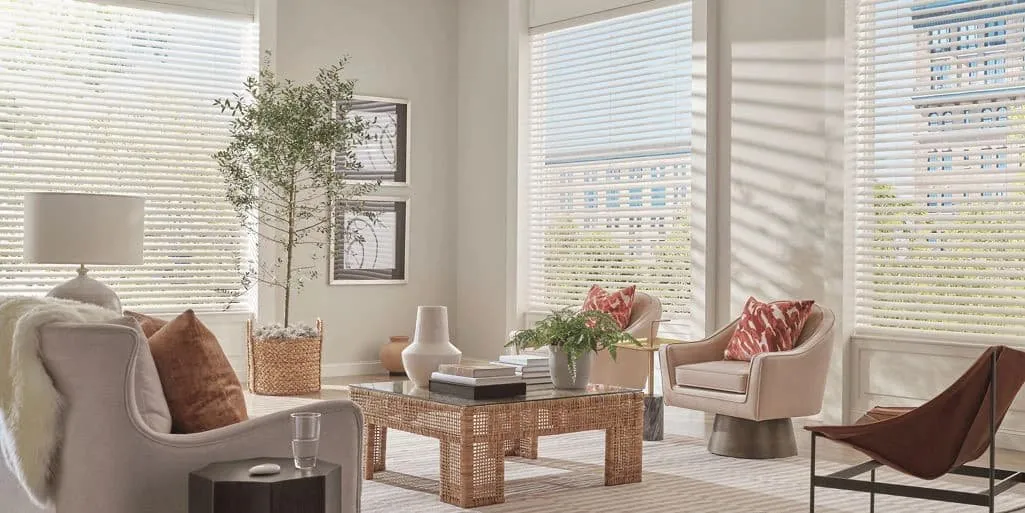
Whitinsville: tall sash, close to the sidewalk
In Whitinsville, the company houses of the mill village sit close to the street and close to each other. Their original sash is tall and narrow, and on the front of the house it faces the sidewalk at little more than arm’s length from anyone walking by. On the sides, it looks across a slim gap to the next house. Talk about motorized blinds in Northbridge, MA almost always starts with those two facts.
Tall sash is handsome and impractical. The top of the window is above easy reach, a manual shade needs a long cord, and setting a row of tall windows to the same height means a stretch and a tug at each one. On a street-facing room, that adjustment is needed several times a day: open for light, part closed when the sidewalk is busy, shut once the lamps go on.
A PowerView motor makes every one of those changes a single press, or no press at all. On the outskirts, the newer colonials bring larger, standard windows and very different priorities, and the same system serves them too.
Three shades for tall village windows
PowerView comes on a broad part of the Hunter Douglas range, so we start from the window and choose the product, then add the motor. On Whitinsville’s tall narrow sash, these three are the ones we bring out first. Each button opens that product’s Northbridge page.
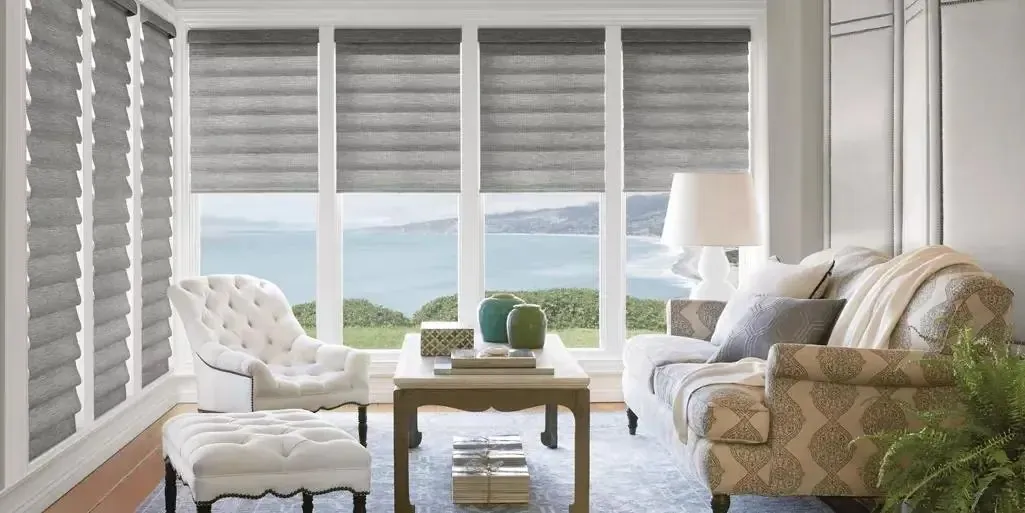
Roman Shades in Northbridge
Fabric folds give a tall, plain window some shape and stack neatly at the head when the shade goes up.
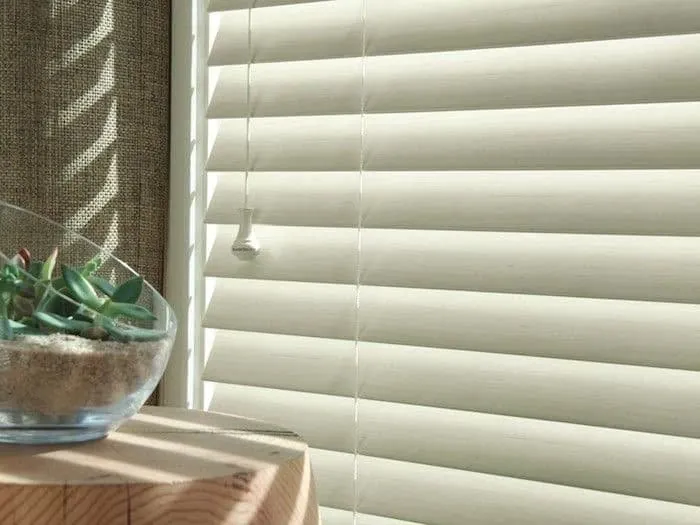
Custom Blinds in Northbridge
Slats tilted up keep the view from the sidewalk out while daylight still reaches the room.
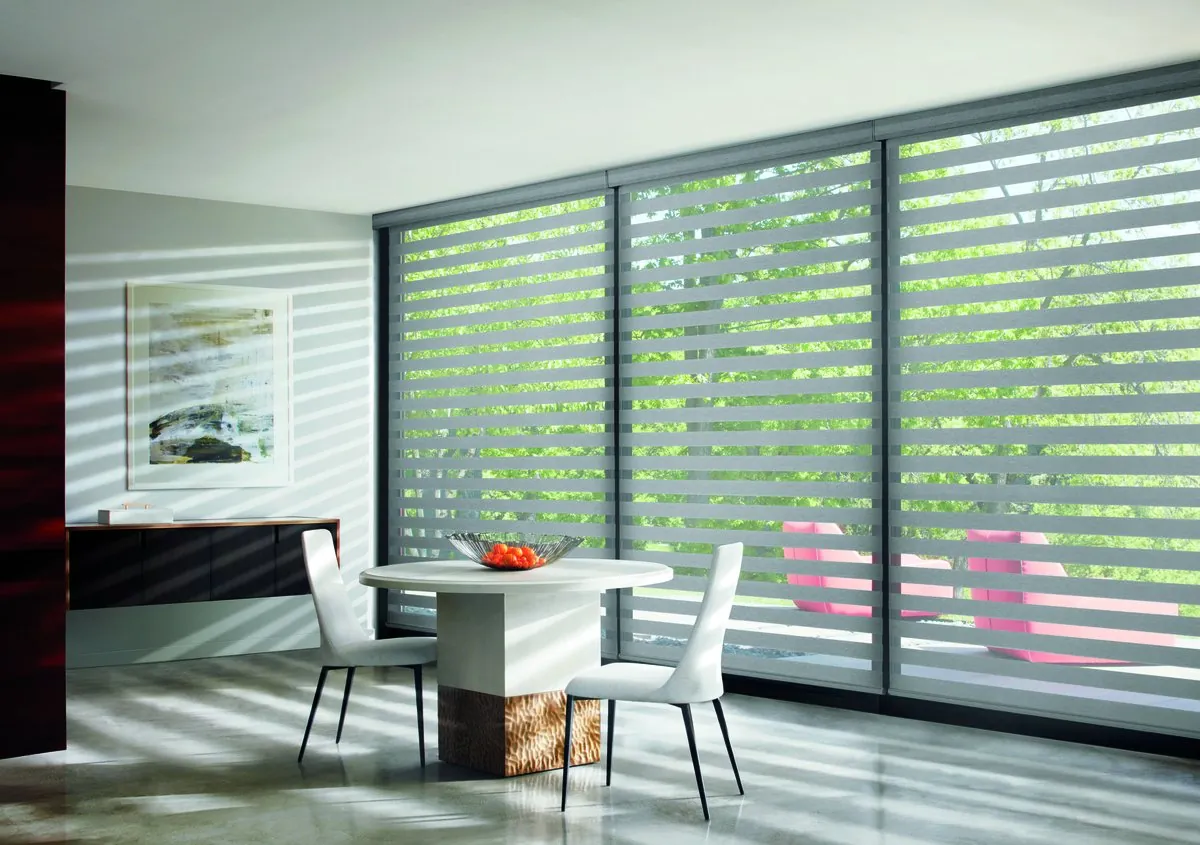
Roller Shades in Northbridge
Rollers, banded styles included, sit slim in the frame and suit a long run of matching tall windows.
A sidewalk an arm’s length away
When a house sits right by the street, the front windows have the hardest job in the building. Here is how that job changes through a day, and what a motor does about it.
Morning
You want light, and the street is quiet. The front shades rise part way, or all the way, on a schedule set for your household’s waking time.
Midday
People walk past and look in, often without meaning to. Light-filtering fabric lowered over the whole window keeps the room bright while turning the view from the sidewalk into a blur. Blinds tilted upward do the same thing a different way, bouncing daylight off the ceiling while the slats block the sight line.
Evening
With lamps on, an uncovered tall window shows the whole room to the street. A closing schedule shuts every street-facing shade at the time you choose, every evening, and you can shift that time through the year in the app. On a night when you want the front of the house closed early, a handset in the hall does it with one press, and the schedule carries on as normal the following morning.
By hand, few households keep up all three changes for long. On a motor, the windows simply follow the day.
Tall narrow sash and how we fit it
Whitinsville’s sash is tall for its width and has been in place a long time. Frames settle and lean, paint builds up on the stops, and an opening that looks true from across the room can measure differently at the head than at the sill.
We measure every window on its own: the width at three heights, the height at three points across, and the depth of the frame. Those numbers decide the mount.
- Inside the frame. Where the depth allows, the shade sits within the opening, leaving the original trim on show. On a tall window, an inside mount also lets the raised shade tuck neatly into the head, so the full height of glass is open when you want it.
- On the casing. Where the frame is shallow or out of square, mounting on the trim covers the whole opening and hides any lean.
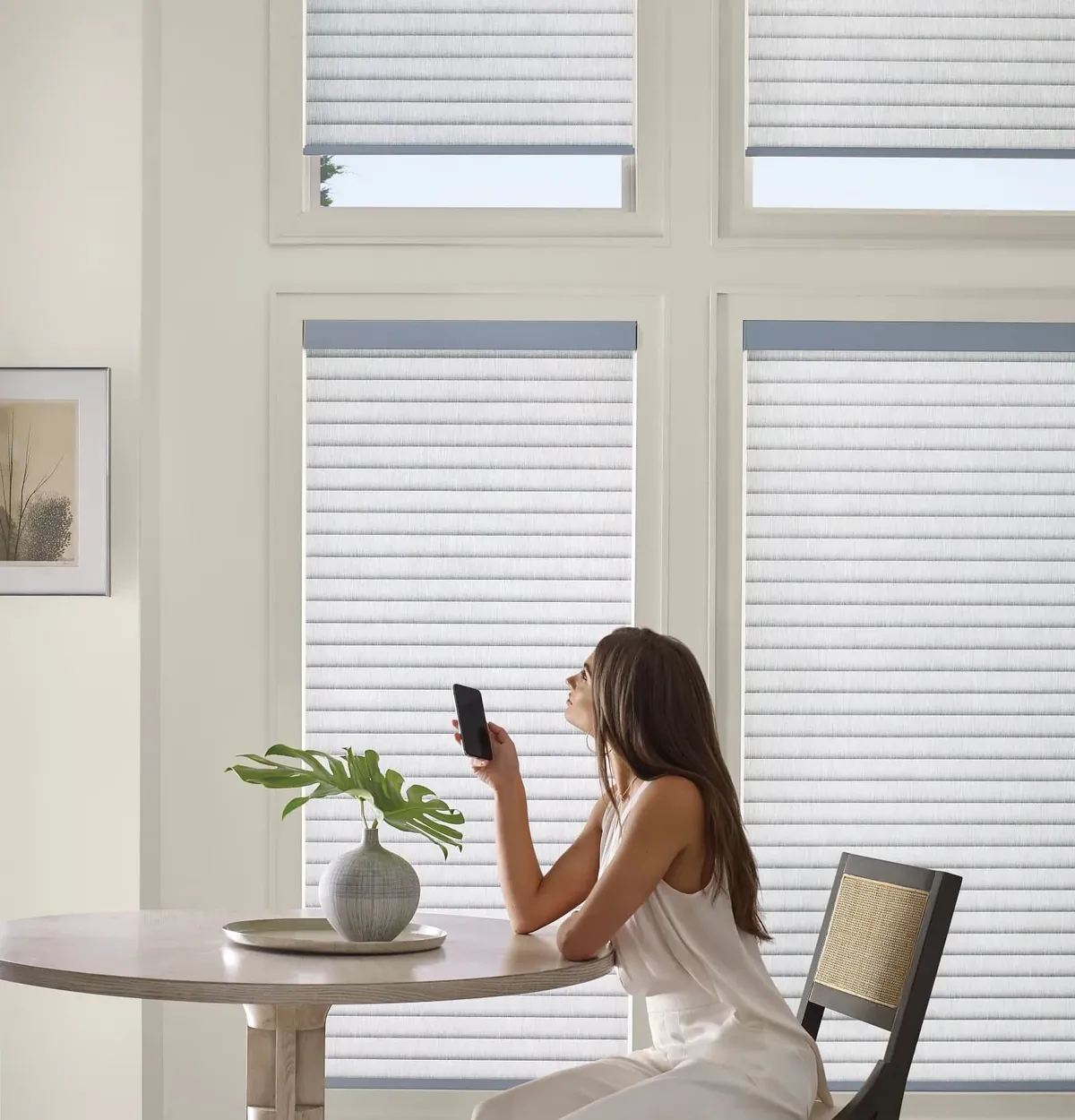
Height is no obstacle to a motor. A tall shade travels its full length from a handset or the app, and stops at exactly the height you saved, so every window in a row lines up.
Neighbors on both sides
In the village, houses are near each other as well as near the street. Side windows look across a narrow strip at the neighbor’s siding, or at the neighbor’s own window. Because the gap is small, these windows often get less direct light than the front and back, and owners are reluctant to cover what light they do get.
Light-filtering fabric is the answer for most side windows. It keeps the brightness and softens the direct view across the gap. A schedule can lower the side shades when the lamps come on and raise them again in the morning, so the side rooms never sit exposed at night. Where a side window faces a neighbor’s window directly, a blind with its slats angled away from that line of sight gives privacy without darkening the room.
The newer colonials on the outskirts
Away from the village, the newer colonials on the edges of town sit on bigger lots with more space around them. Their windows are larger and come in standard sizes, and many have a family room at the back with a wide run of glass, a tall window over the entry and matching bedroom windows upstairs.
These houses are simple to motorize well. Matching sizes mean matching shades, so whole sides of the house can be grouped and finish at one height. The entry window, out of reach by hand, is usually first on the list. The family room wall can move as one group from a single handset. Shallower frames mean more casing mounts here, which we will show you as we measure.
Privacy is less of a daily concern on the outskirts, so the reasons for motorized blinds in Northbridge, MA shift toward convenience, reach and keeping a large set of windows in step with each other.
Controls in a village house
Every PowerView shade can be moved three ways.
- Handsets stay in the room and raise, lower or stop one shade or a group. Anyone can use them.
- The PowerView app on a phone or tablet reaches every shade in the house, sets exact heights and holds your groups and schedules.
- Schedules move chosen shades at set times on chosen days, whether anyone is at home or not.
In a village house, the street side is usually its own group with its own schedule, the side windows another, and the bedrooms a third. Our guide to how motorized shades are controlled explains each control in plain language.
Before, during and after the visit
Tall settled sash and windows by the sidewalk have to be seen in person, so a Northbridge project begins in your own rooms. The sample van comes with fabrics and slats to try in your frames.
Before
Use Request a Consultation or the call button. Tell us whether you are in the village or on the outskirts, and which rooms face the street.
During
- We go room by room, beginning with the street-facing rooms and any side windows that face a neighbor.
- Samples go up against your glass so you can judge the light and privacy each gives, from inside and from the sidewalk.
- We agree groups and controls, so the street side, side windows and bedrooms each behave the way you want.
- Each opening is measured separately, with the depth and any lean recorded.
- We plan how each motor is powered, frame by frame, before we leave.
After
A free estimate follows for the shades and the fitting. When the shades arrive, a certified Hunter Douglas installer hangs them, sets each upper and lower stop, pairs everything with your handsets and the app, and programmes the first schedules with you. Our guide to what happens on installation day covers that visit.

Upstairs in the company houses
Bedrooms in the village houses are often upstairs, with tall sash on the front and sides much like the rooms below. They face a street lamp, a neighbor’s window or a porch light, and in summer they catch the early light.
Room-darkening fabric cut to the exact size of each tall window does the most a shade can to keep a bedroom dark. On a motor, the bedroom shades close together from a handset by the door and open on a morning schedule. On tall windows, the absence of a long cord matters especially in a child’s room. If one bedroom is let out or used by a family member on a different routine, it can have its own handset and its own times.
Front parlors and work rooms
Many village houses have a front parlor that has become a study or a sitting room, right by the sidewalk. It is the room most likely to be used during the day and the one most exposed to the street.
For a desk by a tall front window, a light-filtering shade lowered fully keeps glare off the screen and the view from the sidewalk out, while the fabric itself still lets daylight through to the desk. A blind, tilted, does the same with more control over the angle of the light. On a motor, either can move to a saved working height in the morning and close at the end of the day. Pairing motorized blinds in Northbridge, MA with a room that has two jobs, open and private at once, is where they earn their keep.
Paired windows and long rows
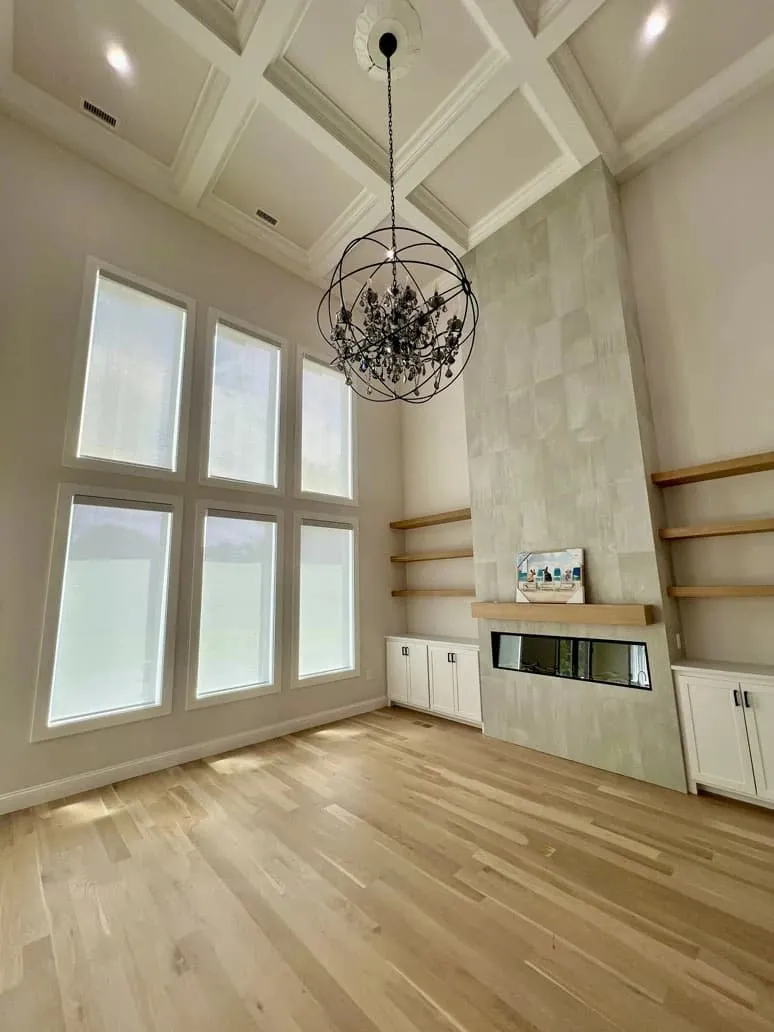
Tall sash in the village houses often comes in pairs on the front of the house, or in a row along one side. On a manual system each shade ends up at a different height, which looks untidy from inside and stands out from the street on a house that sits close to the sidewalk.
Grouped on a motor, the pair or the row moves as one and stops level. You can still move a single shade from the app when you want one window open and the next closed, then bring them back into line with one press. In the newer colonials, the same idea works for the family room wall and the bedroom windows upstairs.
Kitchens at the back of the house
In a village house, the kitchen is usually at the back, with a window over the sink that is hard to reach across the counter and sometimes a door with glass onto a small yard. The neighboring house may be close at the back as well as the sides.
A motorized shade over the sink opens with the morning schedule and closes at night with the rest of the house, keeping the sill clear. A light-filtering fabric there lets the kitchen stay bright while softening the view across the yard. In a newer colonial, where the kitchen opens into the family room, the kitchen window can be grouped with the family room glass so the whole back of the house moves together.
Fabric and color on tall sash
A tall narrow window shows a lot of fabric. When the shade is down, it is a long panel that is seen from the room and from the street, and on a village house close to the sidewalk the street view counts as much as the inside one. A pale, light-filtering fabric glows softly from outside in the daytime and gives very little away, and from inside it keeps a front room bright. Room-darkening fabric looks heavier on a tall window and is usually kept for bedrooms. Sheer and woven textures sit between the two.
Color behaves differently on a north-facing street front than on a sunny back wall, so we hold samples up at your own windows rather than choosing from a card. If you want the outside of the house to look consistent, one color across every street-facing window is the simplest rule, with more freedom on the sides and at the back. Choosing motorized blinds in Northbridge, MA is as much about how the house reads from the sidewalk as how each room feels inside, and we keep both in mind as you choose.
One room to start
Many Northbridge owners begin with the room that faces the sidewalk and add the rest later. Any shade added afterwards joins the same app and handsets and slots into the existing schedules, so the first room never needs changing. Starting this way also gives you a season to see how a fabric looks on tall village sash before choosing for the rest of the house.
For other products in town, our Northbridge window treatments page lists everything we offer, and our page on cellular shades in Northbridge covers honeycomb shades for the same windows.
Franklin: the showroom nearest Northbridge
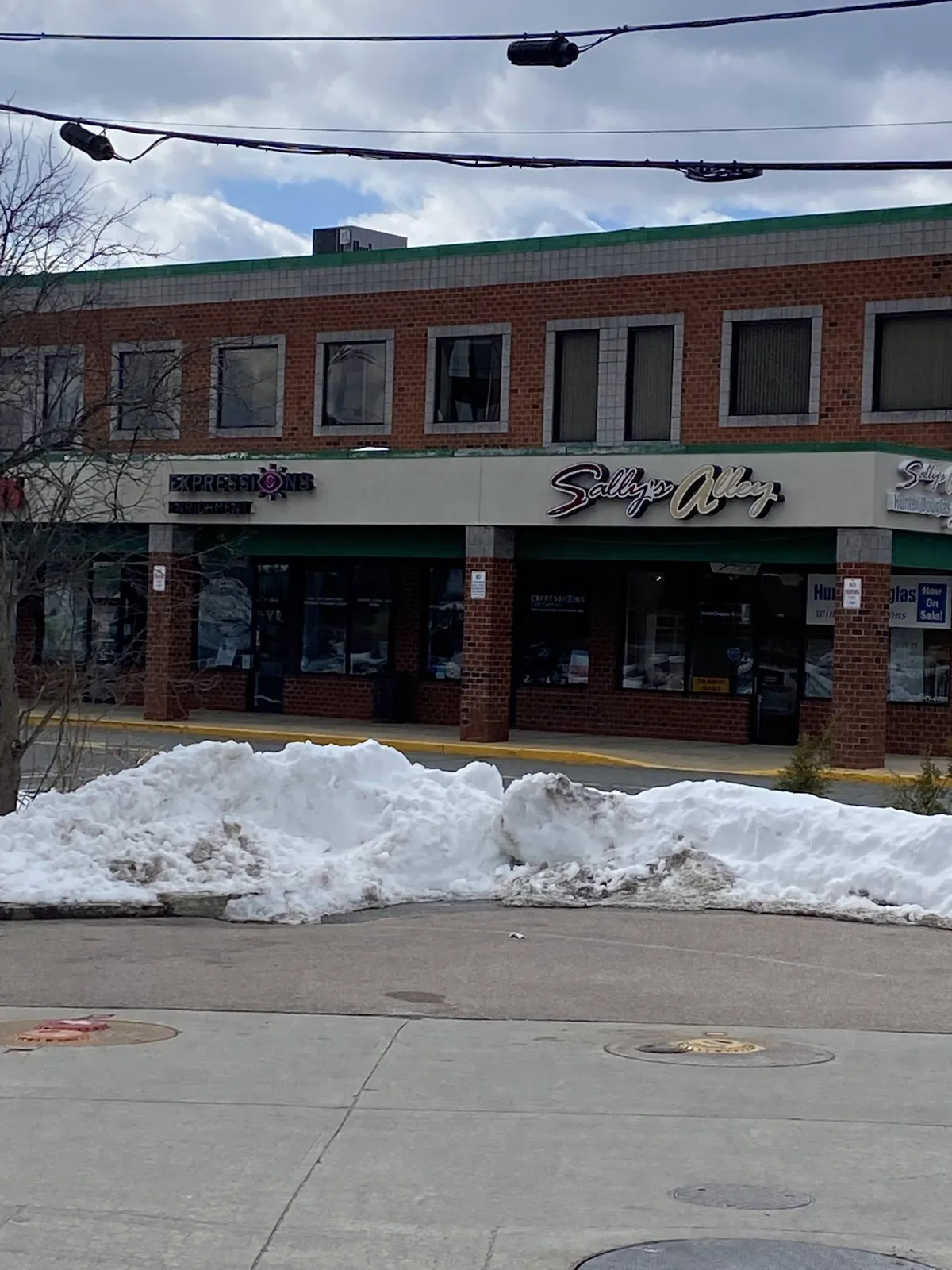
The closest of our showrooms to Northbridge is in Franklin. Drop in when it suits, or ask for the sample van to bring the choices to you.
Measuring happens at the house either way. Tall, settled village sash and the larger windows of the newer colonials both have to be measured where they are.
What a Gallery dealer brings to tall windows
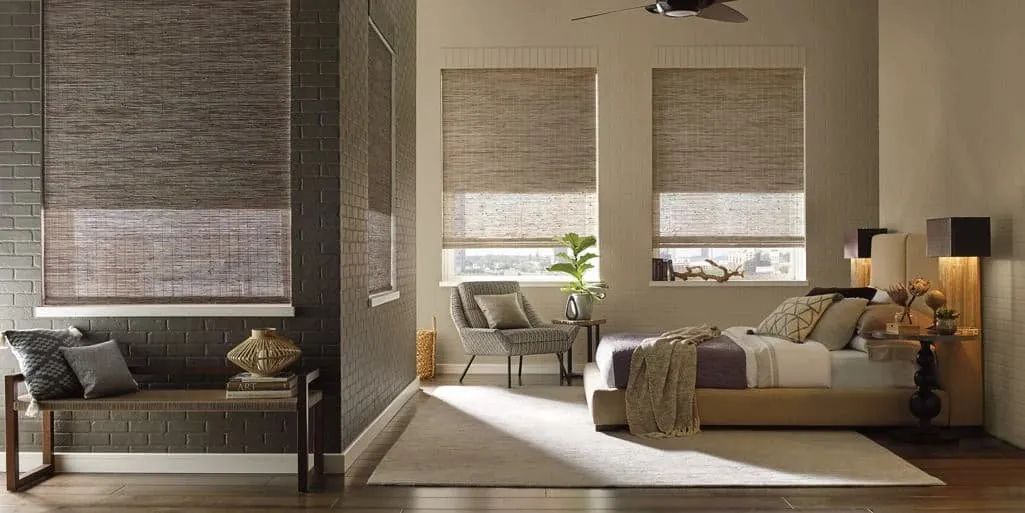
Blinds & Designs is a Hunter Douglas Gallery dealer, with installers certified by Hunter Douglas. For a Whitinsville house with tall sash on every side, or a colonial on the edge of town, that means the full choice of styles, roman, roller, honeycomb, woven and sheer shades and blinds, with PowerView available across them and one app for the house.
Estimates are free. If you want help choosing colors and fabrics for a whole house, ask about an interior design consultation, and if a blind or shade you already own needs fixing, we do repairs. More is on our Hunter Douglas dealer in Northbridge page and the motorized blinds and shades page.
Questions from Northbridge
Our house is right by the sidewalk. How do motorized shades help?
They change position through the day without anyone touching them: open for light in the morning, screening the room with light-filtering fabric at midday, closed in the evening.
The sash in our village house is tall and a bit crooked. Will a shade fit?
Yes. We measure each window at several points and mount inside the frame where it is deep and true enough, or on the casing where it is not.
Can tall windows be grouped so they all stop at the same height?
Yes. Grouped shades move together and stop level, and any one of them can still be moved on its own from the app.
Do I need to use a phone?
No. Handsets raise and lower the shades without a phone, and schedules run by themselves once they are set.
Is the estimate free?
Yes. There is no charge for the estimate, which covers the shades and their installation.
Book your first room
Pick the room that worries you most, usually the one by the sidewalk, and mention it when you book. We will come with samples suited to tall village sash, measure each window and show you how motorized blinds in Northbridge, MA move through a day at your own windows. If you would like to talk first, the call button reaches our Franklin showroom.