
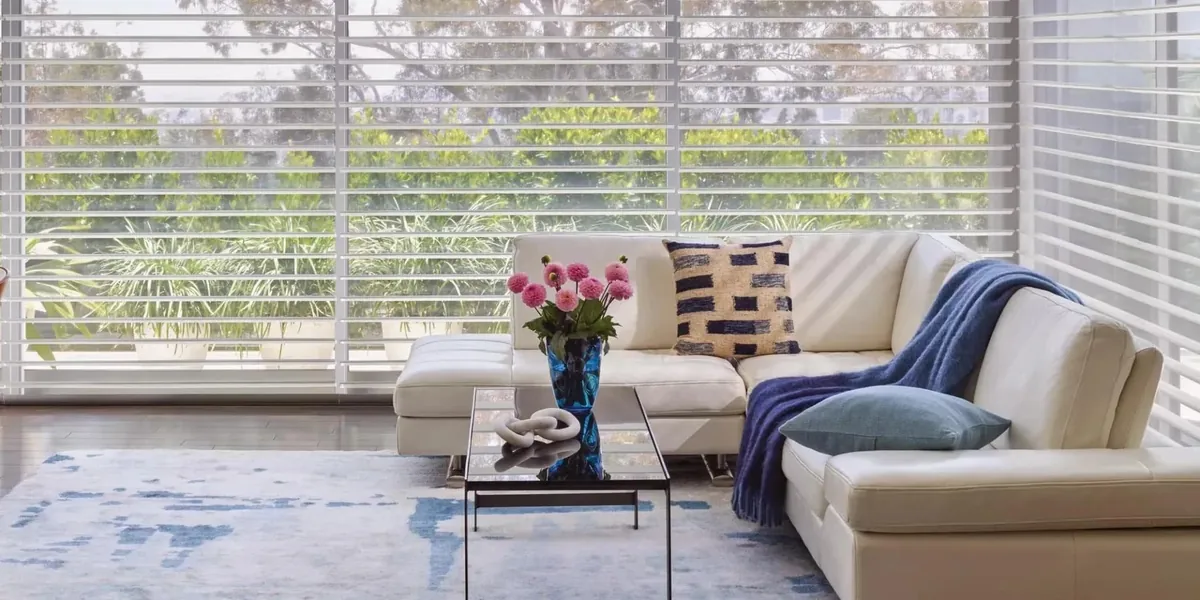
Water on three sides in Chatham
Chatham sits on an elbow of coast with open water to the east, the south and around toward the west. Through the village and out along Shore Road and onto Morris Island, the shingled captains’ houses and cottages were placed to make the most of it, and their best rooms are arranged around a view of the harbor, the outer beach or the sound. When we plan motorized blinds in Chatham, MA, the first rule is simple: do nothing to spoil that view.
The second thing is the sun. With water on three sides, a Chatham house can take bright, reflected light from dawn until dusk, moving from one side of the house to the next as the day goes round. A room that is perfect at breakfast may be blinding by lunch, and the room next door has the opposite problem in the evening.
The third is the salt. It is in the air every day of the year, carried in on the wind, and it settles on anything near an open window. Hunter Douglas PowerView shades suit all three: they keep the view, they follow the sun on schedules, and their working parts sit inside the headrail.
Three jobs a motorized shade does here
In a house built around the water, a shade has three tasks. These are the fabrics that handle each one, all available on a PowerView motor.
Keep the view
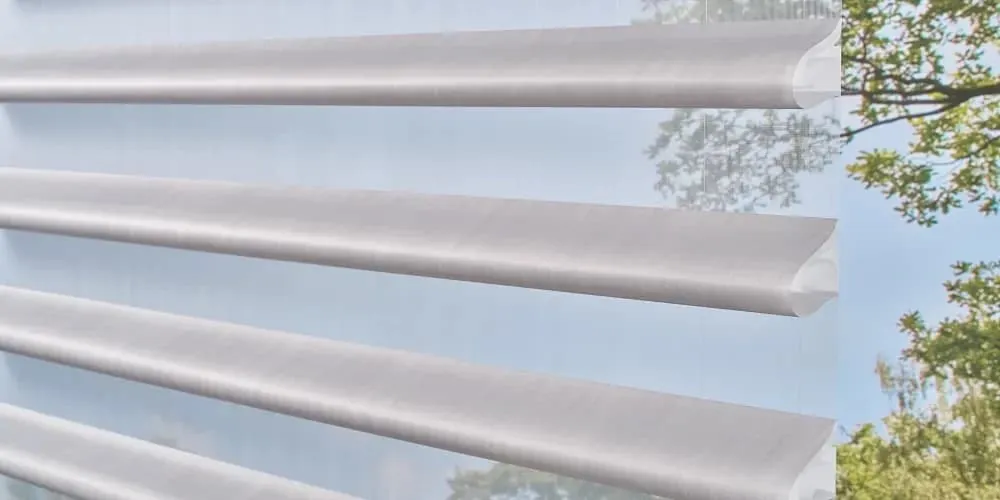
Silhouette and Pirouette sheer shades let you see out through the fabric with the vanes open, and dim the light when they close.
Cut the glare
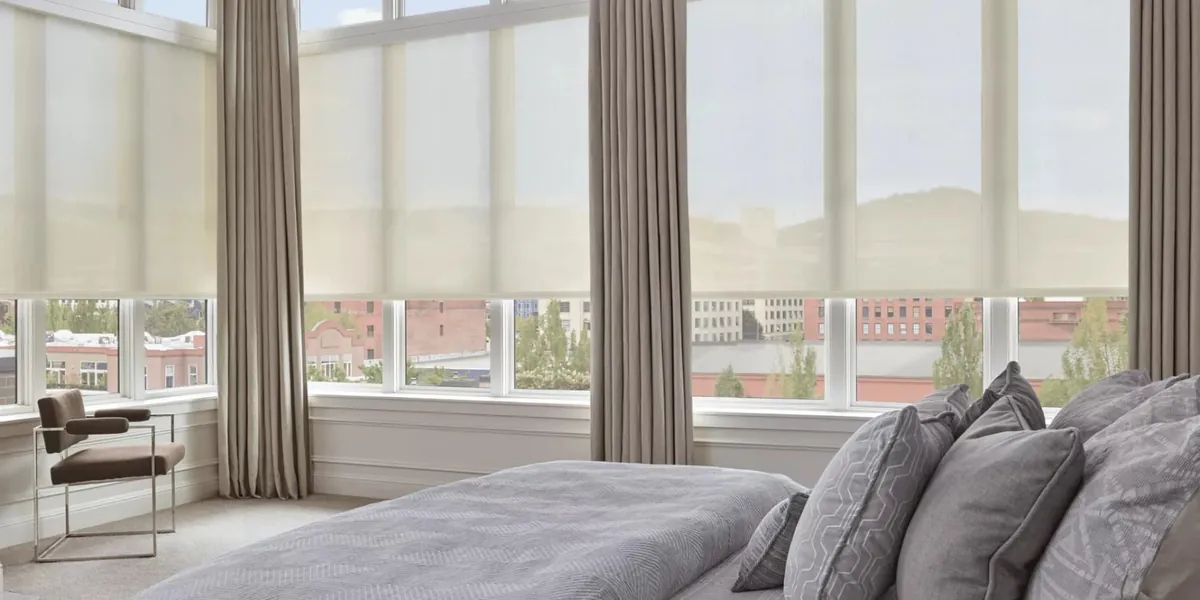
Designer Screen shades take the hard reflected light off the water while the horizon stays in sight.
Close the room
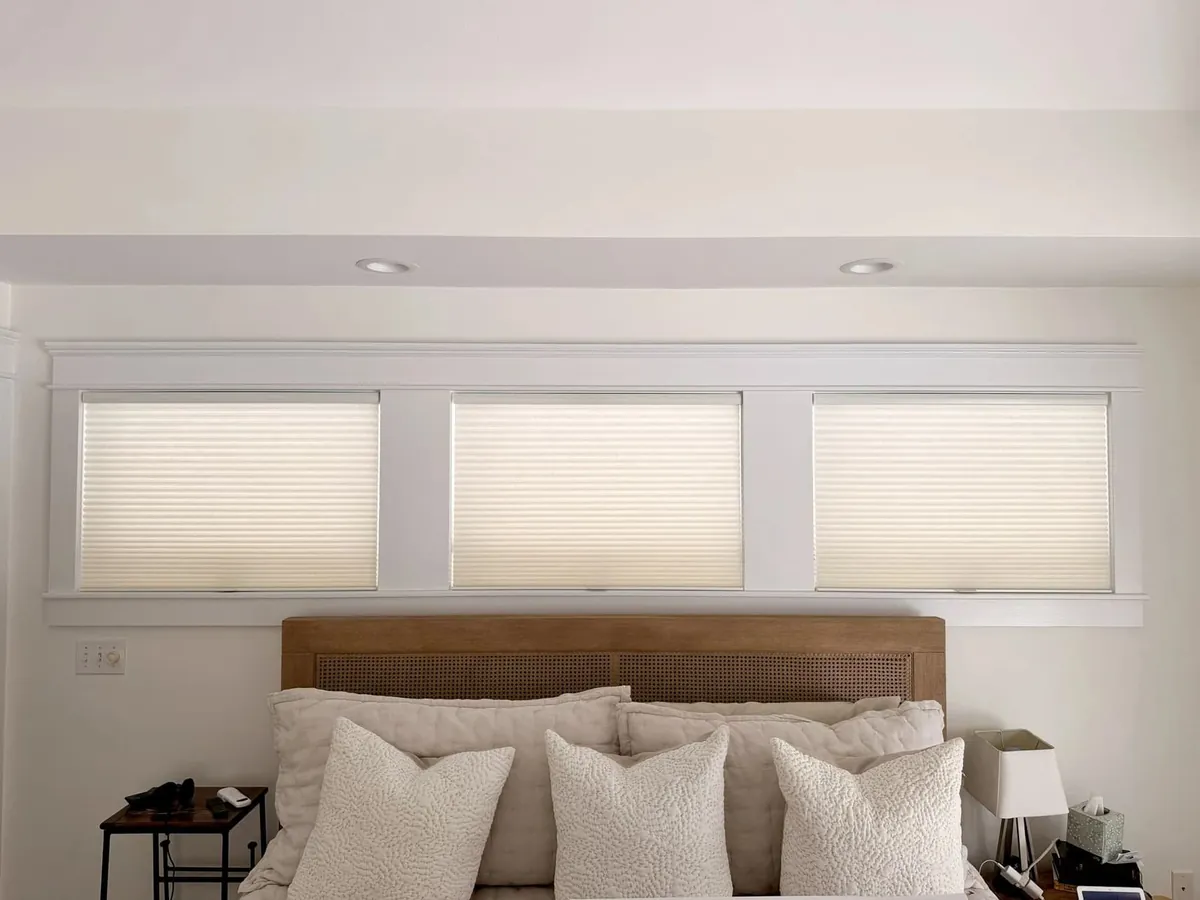
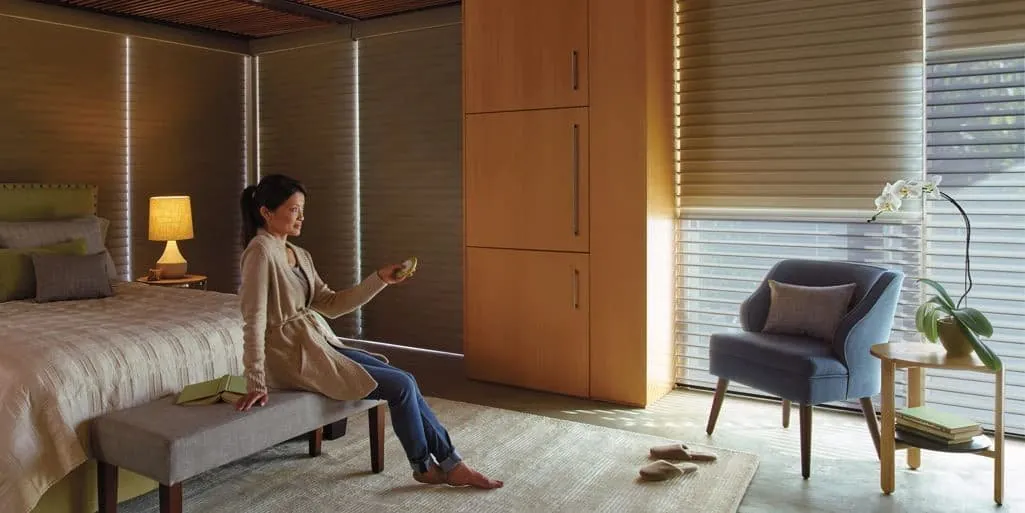
One of our own installs. Room-darkening honeycomb shades shut out the first light over the sea in a bedroom.
Captains’ houses in the village
The old captains’ houses near Main Street are some of the finest in town, many of them shingled, with tall double-hung sash in plain painted casings and rooms that open one into the next. Upstairs, the bedrooms look over neighboring roofs toward the water, and the windows on the top floor can be a stretch to reach.
These houses reward a careful fitting. Inside-mounted shades sit within the casing so the woodwork stays in view, and the motor tucks into the headrail out of sight. When the shades are raised, they stack into a slim band at the top of the opening and the old sash looks almost bare. With all the front windows on one group, they lift and lower together, so the house presents a calm, even face to the street.
The village houses are close to their neighbors and to the sidewalk, which brings privacy into the picture. A top-down, bottom-up shade lowered from the top lets the sky and light into a front room while keeping the lower sash covered from passers-by. On a motor, that position is a single press.
Cottages tucked along the shore
The cottages are smaller and simpler: low rooms, windows of mixed sizes added over the years, and almost always one room, often a porch closed in at some point, that faces straight at the water. The windows there are wide and the light is relentless.
In a small cottage, a motorized shade earns its place in the rooms you use most. The water-facing sitting room gets a sheer or screen shade on a schedule that shades it through the brightest hours. A bedroom that wakes you at dawn gets a room-darkening shade that stays down until the hour you choose. And the window over a cottage kitchen sink, where you have to lean across a counter to reach the shade, is often the most appreciated motor in the house.
With no cords hanging beside the glass, a cottage also looks tidier and is safer when grandchildren come to stay.
Shore Road and Morris Island
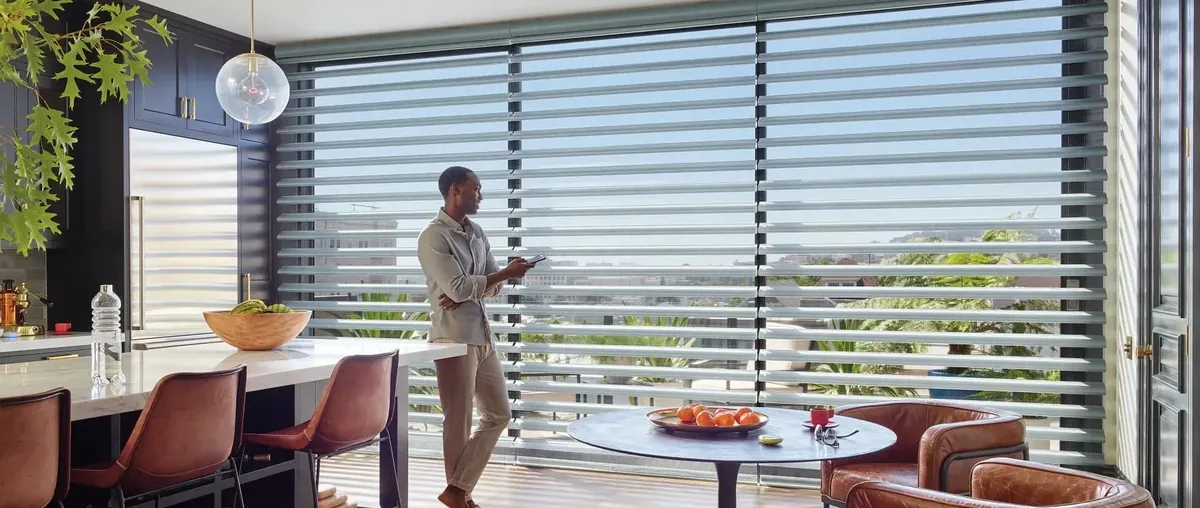
Out along Shore Road and on Morris Island, the houses are more open to the weather and many of their main rooms are glass from one side to the other. A living room here may have water on two walls, with sliders onto a deck and windows running right to the corners.
Rooms like that are why PowerView exists. A run of shades along each wall can move as a single group, all stopping at the same height, so the line across the windows stays perfectly level. A scene can lower the sunny wall while leaving the shaded wall fully open, keeping the view on the side that is comfortable to look at. When the sun moves round, a schedule swaps them over.
Because these houses take the weather head on, it helps to be able to close every shade from the app before a storm, or open the house remotely for a caretaker. The shades are inside the glass, of course, and are not storm protection, but having the rooms covered keeps them private while nobody is there.
Following the sun from east to west
With water to the east, south and west, the light changes completely from one part of the day to the next. Early on, the low sun comes straight in off the Atlantic side and lights up the east-facing rooms. Through the middle of the day it sits to the south, high and bright, with the glare off the water doubling it. Late in the day it drops toward the west and reaches deep into the rooms on that side.
Doing that by hand would mean walking round the house all day. A schedule handles it for you. The east-facing shades lower briefly after sunrise and rise again mid-morning. The south-facing sheers dip partway at midday. The west-facing screens come down in the late afternoon and lift once the sun has set. PowerView can tie schedules to sunrise and sunset as well as to fixed times, so the pattern shifts with the seasons on its own.
Salt air and moving parts
Any house this close to the water lives with salt. It drifts in through every window left open in summer and settles on whatever is nearby. Older corded blinds and shades have exposed parts at the side of the window, a cord lock and a hanging cord, that suffer from it.
A motorized shade keeps its working parts inside the headrail, with no cord or cord lock at the glass, so very little is exposed. It also does not need anyone to pull it, which matters more than you might think in a room where the windows sit behind a deep window seat or a sofa pushed up to the glass to face the water.
Fabric holds up better too when it spends less time in direct sun, and that is exactly what a schedule gives it. Shades that drop on their own during the hottest light and lift again when it passes take far less fading than shades left down all day.
What the boats and the beach see
A house on the water is looked at from the water as much as from the road. From a boat in the harbor or a walk along the beach, a row of shingled houses reads as a line of windows, and shades stopped at a dozen different heights, or a bright fabric facing out, catch the eye in a way that is easy to miss from inside.
Grouped motorized shades solve that without effort. The water-facing windows rise and fall together and stop on the same line, so the back of the house looks as tidy as the front. For the outward face, we usually suggest a white or soft neutral backing on every shade, whatever color faces the room, which keeps the shingled exterior calm and lets the house sit quietly in the view from the shore.
Keeping the view in the frame
Every choice we suggest in a Chatham house starts with the question of what you see from the room. A shade that hangs heavy at the top of a window, or a headrail that cuts across the glass, takes something away from the view even when it is fully raised.
Honeycomb and roller shades stack small, so when they are up, almost the whole window is clear. Inside mounts keep the headrail within the opening rather than across the trim. Sheer shades, when you lower them, still let you see out through the fabric. And screen fabrics are made specifically to cut light while keeping a picture of the outside, with lighter and darker weaves for different amounts of view.
We hold samples up at your windows, at different times of day if you like, so you can see exactly how much of the water each fabric shows.
Motorized blinds in Chatham or shades
People sometimes ask for motorized blinds in Chatham when what they really want is any window covering that moves on its own. Slatted blinds do have their place: wood blinds in a study or a den turn the light up and away from a screen and suit a traditional interior, and some ranges take a motor. Not every blind range or size can be motorized, so tell us early if you want a blind on a particular window and we will check it at the visit.
In rooms facing the water, though, most people choose fabric shades for the way they handle the view and the glare. Many houses end up with a mix, and everything with a motor runs from the same app.
Ways to control the shades
PowerView gives you three controls, and they never get in each other’s way.
First, a handheld remote. Choose one window, one room or several rooms and the shades respond. Most cottages need only one or two of them, kept by the door or on the arm of a chair facing the water.
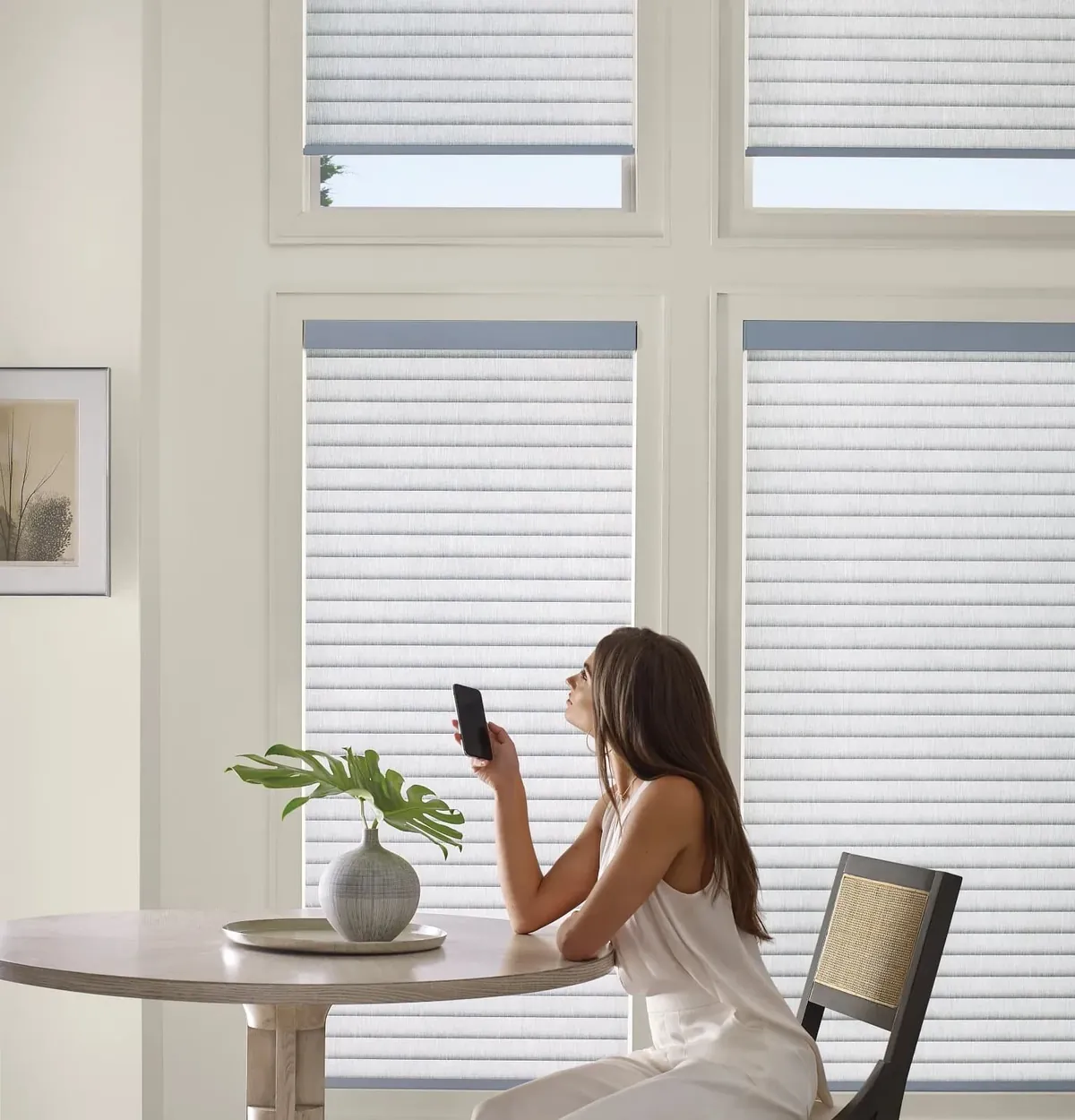
Second, the app. Once it is on your phone or tablet, every motorized window in the house appears in it, grouped however you like. You can save scenes and give them names that make sense in a Chatham house, such as “harbor open”, “beach side shaded” or “evening, front closed”, then call them up with a tap. When you are off the Cape, the app is how you see and move the shades at home.
Third, schedules, which call up those scenes on the clock or with sunrise and sunset. In a house lit from three sides they do most of the work. The plain-English guide to how motorized shades are controlled covers each control, and window covering automation explains scenes and timers in more depth.
Powering each motor
A motor has to draw its power from somewhere, and which way suits a window depends on the shade, the frame and the wall behind it. In an old shingled house with plaster walls and painted paneling, we also weigh how much of that you are willing to disturb. Each motor’s power is planned at the visit, one window at a time, and nothing is ordered until you are happy with the plan.
How the project unfolds
- Ask for a visit through Request a Consultation or the call button, and pick a day that suits you.
- The van comes to your door loaded with fabric, so every sample is held against your own view.
- We start at the windows facing the water and work back through the house.
- Each frame gets measured across its width and height, and its depth noted for an inside fit.
- We settle which windows take a motor, which shades move together, the scenes you want and how every motor is powered.
- Your free estimate arrives afterward, with time to think it over.
- On fitting day our Hunter Douglas certified installers hang each shade, set where it stops at the top and bottom, link it to your remote and app, and program the schedules.
The guide to what happens at an in-home consultation tells you more about that first meeting.
Porches closed in for the view
Plenty of Chatham houses have a porch that was glassed in at some point to make a room that faces the water. Those rooms are often the favorite in the house and the hardest to use: windows on three walls, sometimes low to the floor, and nowhere for the sun to go on a bright afternoon.
Screen shades suit them well. On a motor, a whole porch can lower as one group when the sun is strongest and lift again for the evening light, keeping wicker and cushions from bleaching. Because the shades all stop at the same height, the porch looks orderly from the water and from the lawn. If the porch doubles as a guest room, a second set of scenes can close it right down.
The Gallery dealer advantage on the coast
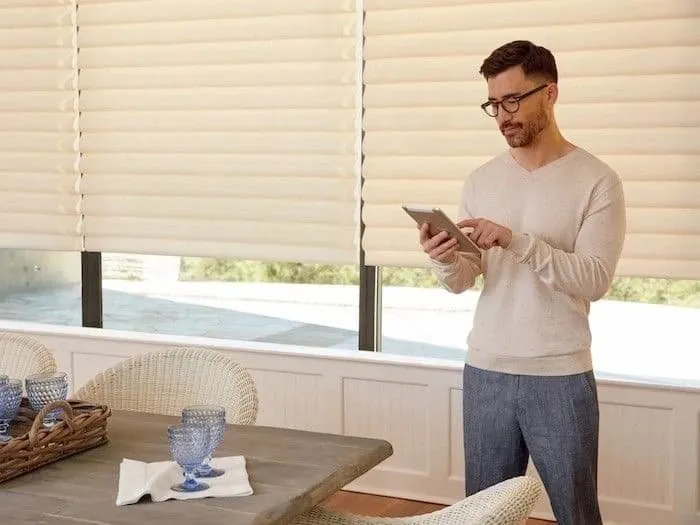
Hunter Douglas names only some of its dealers Gallery dealers, and Blinds & Designs is one. On the coast that breadth pays off. PowerView can drive sheer, screen, roller, honeycomb, Roman and banded shades and several kinds of blind, so the harbor wall, the beach side and the bedrooms can each have the fabric that suits them while still answering to one app.
Certified Hunter Douglas installers do our fitting, including the motor programming and the first schedules. For a room that needs more than new shades, ask about our interior design consultations.
For other rooms, see roller shades in Chatham, roman shades in Chatham and plantation shutters in Chatham, or everything on the Chatham page. Our motorized blinds and shades page covers the full PowerView range.
Visiting the Sagamore showroom
Our nearest location to Chatham is the Sagamore showroom, at the far end of the Cape beside the canal, and you can call in there to talk over a project.
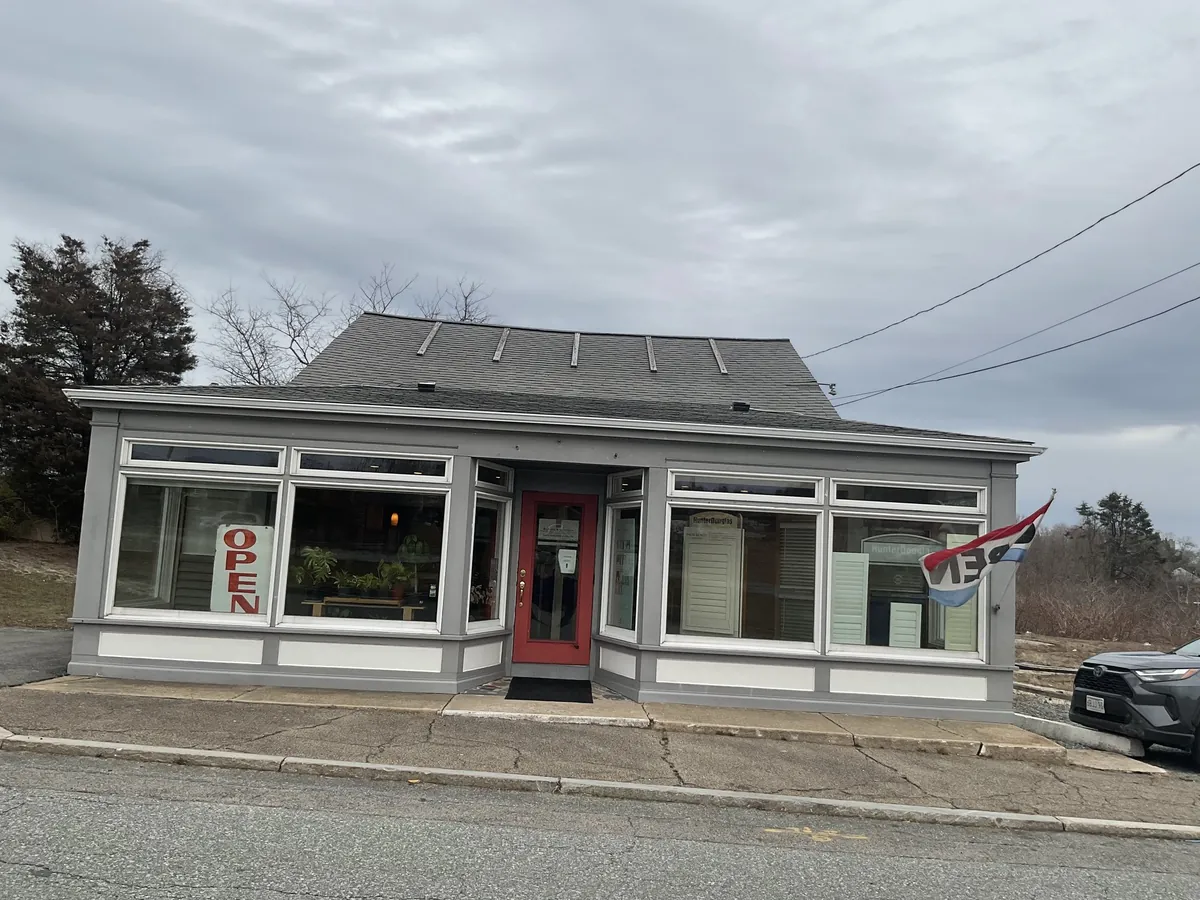
Motorized blinds in Chatham, MA, are still best worked out in the house itself, where the view and the light on each side decide almost everything, so most projects begin with us coming to you.
Questions from Chatham
Will motorized shades spoil my water view?
Not if they are chosen well. Honeycomb and roller shades stack small at the top of the window, inside mounts keep the headrail within the frame, and sheer or screen fabrics let you see out even when they are lowered.
My house gets sun from three sides. Can the shades keep up?
Yes. Each side of the house can have its own schedule, tied to fixed times or to sunrise and sunset, so the shades follow the sun round without anyone touching them.
How do motorized shades cope with the salt air?
The working parts sit inside the headrail, with no cord or cord lock exposed at the window. That leaves far less for the salty air to reach than with corded blinds.
Can I close the house from off the Cape?
You can. The PowerView app shows each shade and lets you lower them or change a schedule from wherever you are.
Will I pay for the estimate?
No. Once the windows are measured, the estimate is free, and it lists each shade and motor we talked through at the visit.
See it at your own windows
Stand at the glass with the fabrics in your hand and the choice becomes much easier. Request a consultation and we will bring them, measure each window and leave you a free estimate for motorized blinds in Chatham. Want a word first? The call button reaches us, and the Sagamore showroom is open to visitors.