
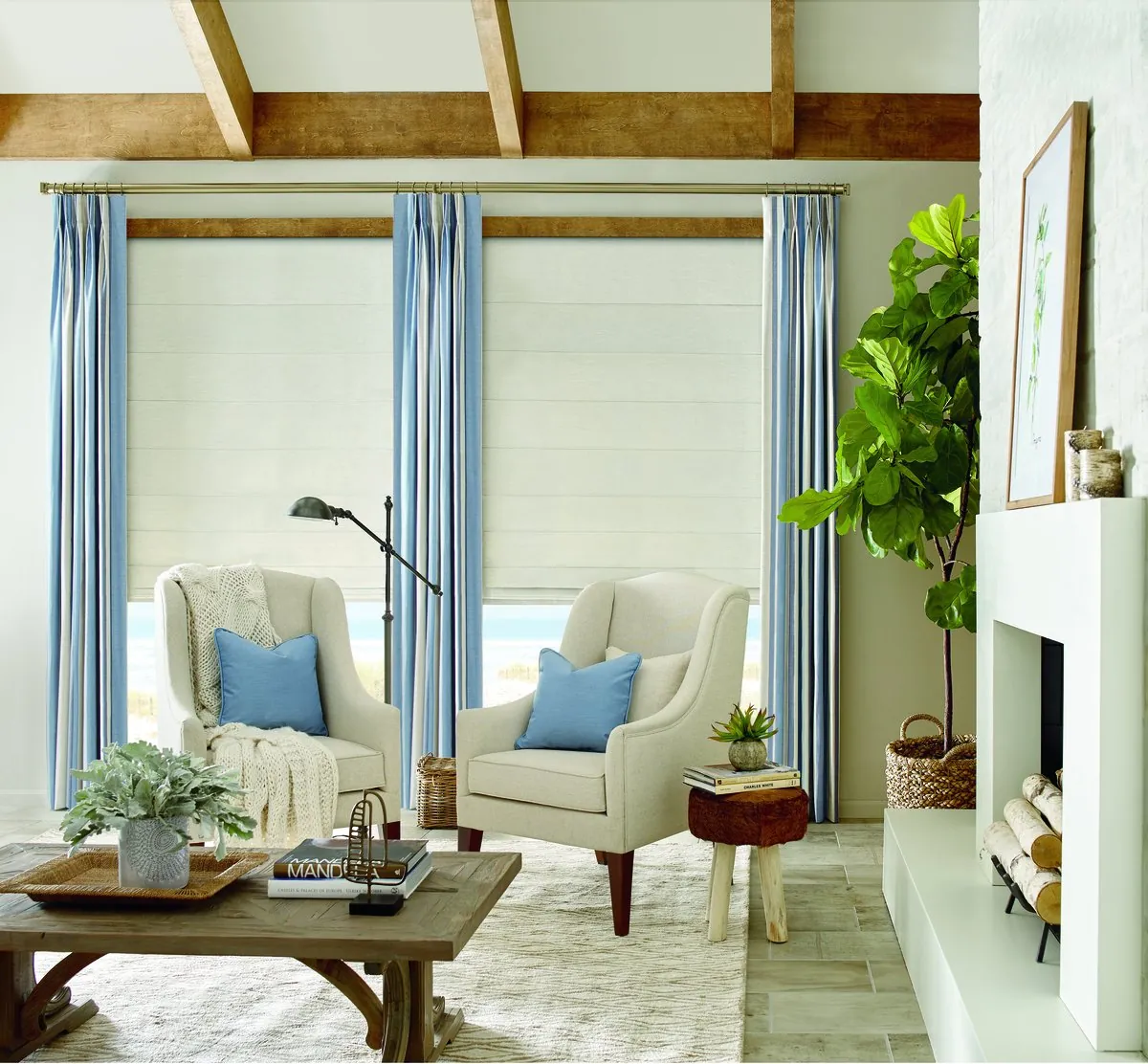
Two kinds of Franklin house, one soft window
Franklin has two very different sets of windows, and roman shades in Franklin, MA, have to suit both. Around the common and along Main Street the antique colonials and Victorians keep their tall, narrow sash, often with old casings that someone has stripped and repainted by hand. Out in the subdivisions off Route 140 the large newer colonials open up with two-story entry glass, wide family room windows and a stairwell window that nobody can reach without a ladder.
A folded fabric shade bridges that gap better than most coverings. On an old sash it adds softness without hiding the trim, because it can sit neatly inside the frame. On a big modern window it brings the warmth of fabric into a room that can feel hard and bright, with all that glass and a high ceiling.
Our Franklin showroom sits in the middle of all this, so we know both kinds of house well. For this page we focus on two Hunter Douglas lines: Vignette, with its modern rolled fold, and Carole Fabrics, sewn to order in flat and folded styles.
Choices that come up for roman shades in Franklin, MA
Every one of these comes to your door on a sample van, so you can judge them in your own rooms. These are the ones Franklin houses ask for most.
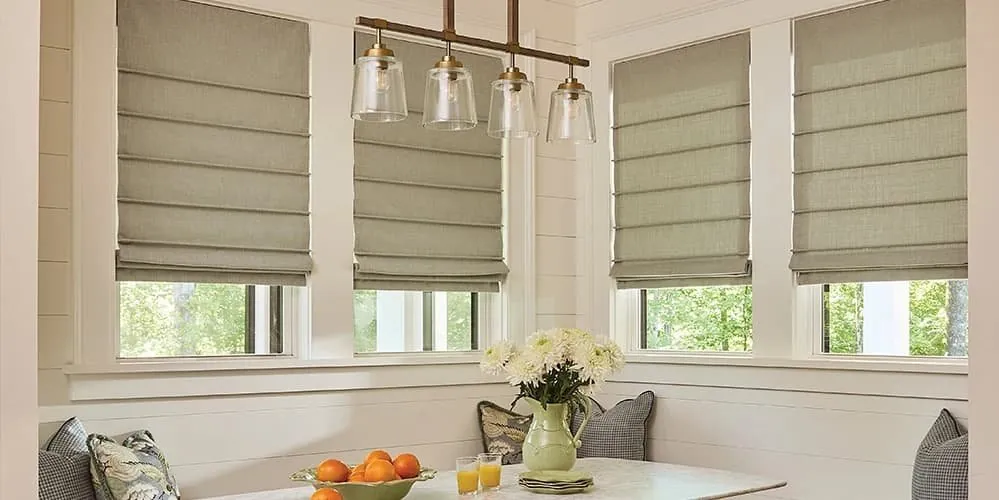
Vignette modern roman
Even, tidy folds that roll up into the headrail instead of stacking at the top. A clean look for a newer kitchen or family room.
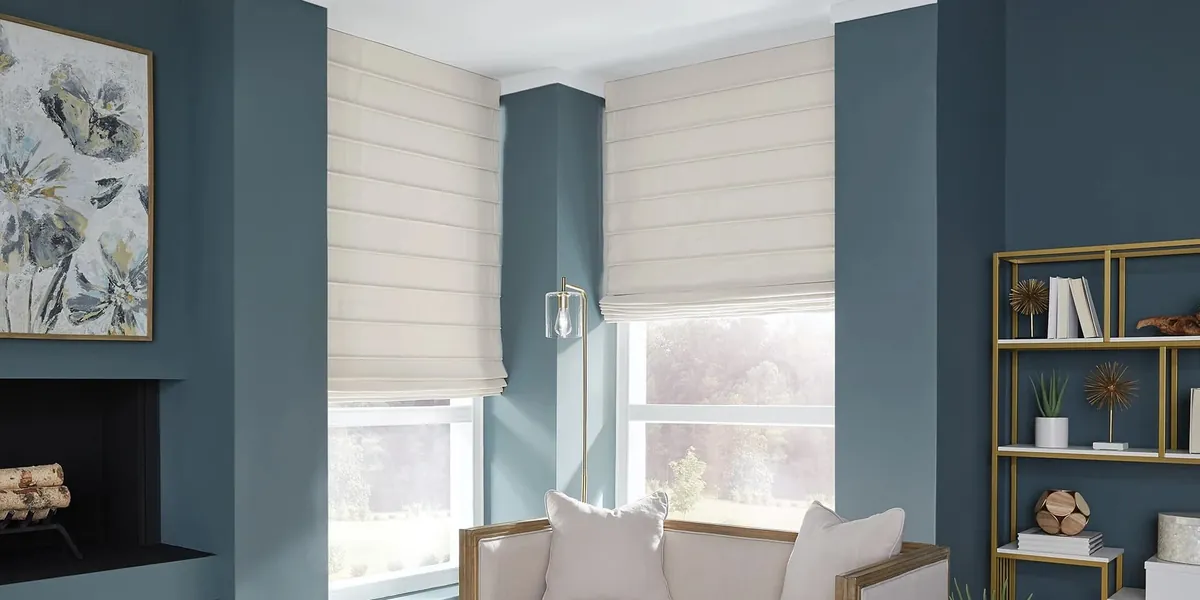
Carole flat fold
Crisp, layered pleats when raised and one smooth panel when lowered. The fold that shows off a stripe or a print best.
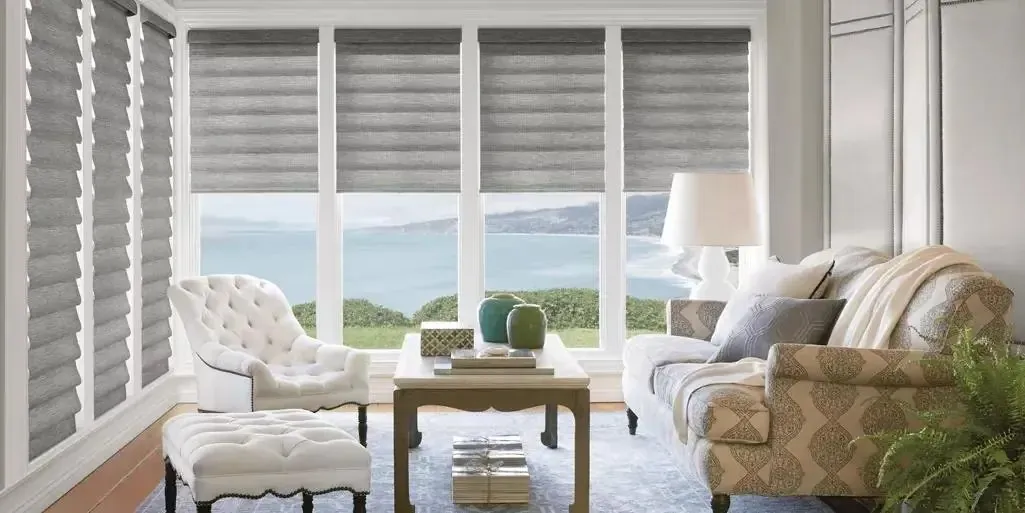
Carole soft fold
Rounded loops of fabric that stay down the whole length of the shade. It feels at home in an antique parlor or a bedroom.
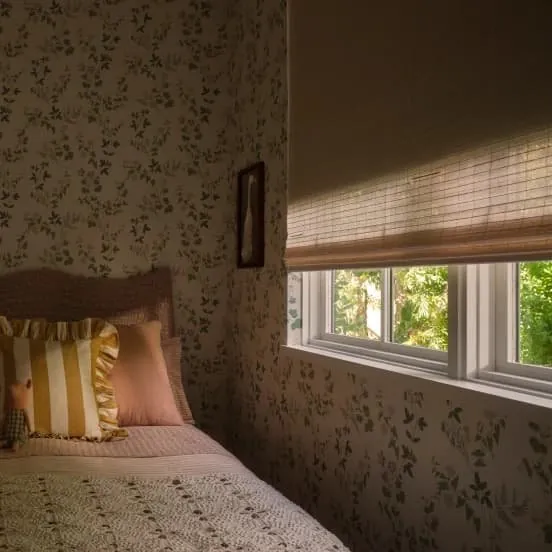
Lined for bedrooms
A room-darkening lining behind the face fabric keeps an east bedroom dim in the early hours and gives full privacy once the lamps are lit.
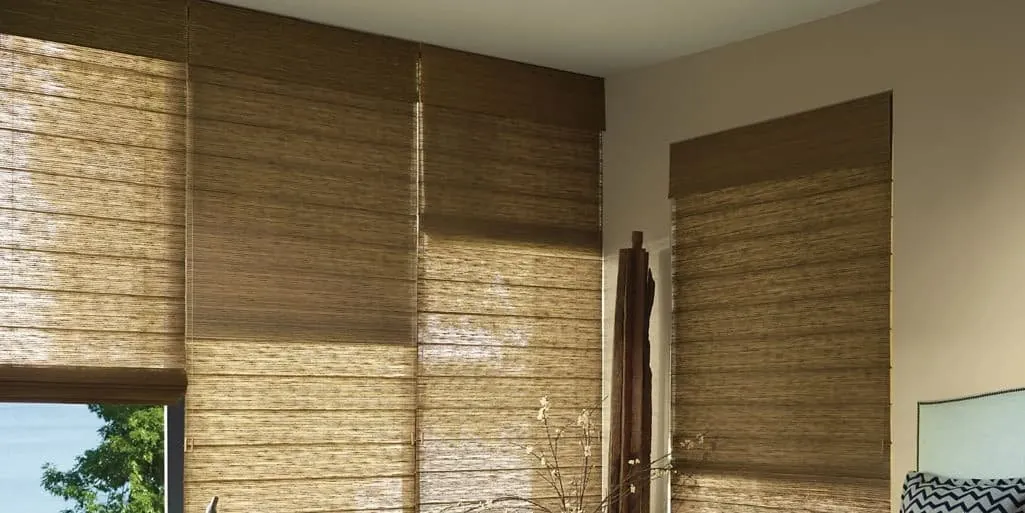
Woven textures, folded
Alustra Woven Textures puts a hand-loomed look into a roman fold, for a room that wants something more natural than a printed fabric.
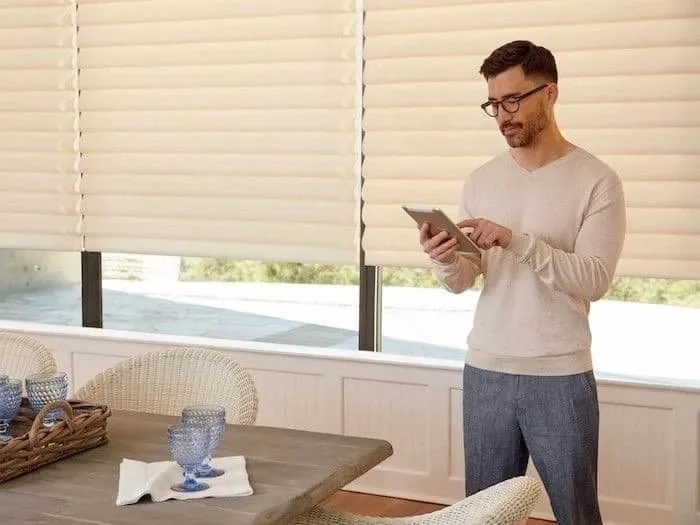
Cordless and PowerView
Lift by hand with no cord hanging down, or let PowerView raise the shade from a phone, a remote or a schedule.
Tall sash around the common
The older houses near the common and Main Street were built with windows that are much taller than they are wide. That shape is lovely on a roman shade, because the folds have room to fall, but it needs some thought before anything is ordered.
The first question is depth. Antique frames often hide sash weights, pulleys and parting stops, and those leave only a shallow pocket for a headrail. We check the depth at more than one point on each window, because a frame that has moved over the years can be deeper at one corner than the other. If there is room, an inside mount keeps the casing fully on show. If there is not, a slim outside mount set just above the opening is the honest choice, and it has one advantage: the raised shade can sit above the glass instead of on it.
The second question is the stack. A raised roman shade gathers its fabric at the top of the window, and on a narrow opening that bundle can cover a good part of the upper sash. A lighter fabric folds into a smaller stack than a heavy lined one, and Vignette rolls its fabric away into the headrail, which keeps the top of the glass clearer still. We hold both up so you can see which one leaves more of your window open.
Finally, there is the fold count. On a very tall sash, wider folds look calm and generous, while tight folds can look busy. Carole Fabrics shades are sewn to your measurements, so the fold spacing can be set to suit the proportions of each opening rather than a stock size.
Entry glass and stairwells off Route 140
The newer colonials in the subdivisions off Route 140 bring a different problem. Many have a two-story foyer with a tall window over the front door, and a stairwell window halfway up that sits well beyond arm’s length from any floor. They are the hardest windows in town to reach, and the ones most often left bare because of it.
Roman shades can work on that glass, but only with the right lift. A shade you raise by hand is no use on a window you cannot touch. PowerView motorization solves it: the shade moves from a remote, from the app or on a schedule, so the foyer can soften the afternoon sun and close at dusk without anyone climbing a ladder. We talk through how each motor is powered and where any power connection can sit out of sight.
For the rest of the house, the openings in these colonials are usually standard modern sizes with plenty of depth, so an inside mount is easy. That lets a whole floor of shades line up at the same height, which looks especially good across a wide family room or a run of kitchen windows. Many orders start with roman shades in the main rooms and use cellular shades in Franklin or motorized shades on the bedrooms and high glass, and we can plan both at one visit.
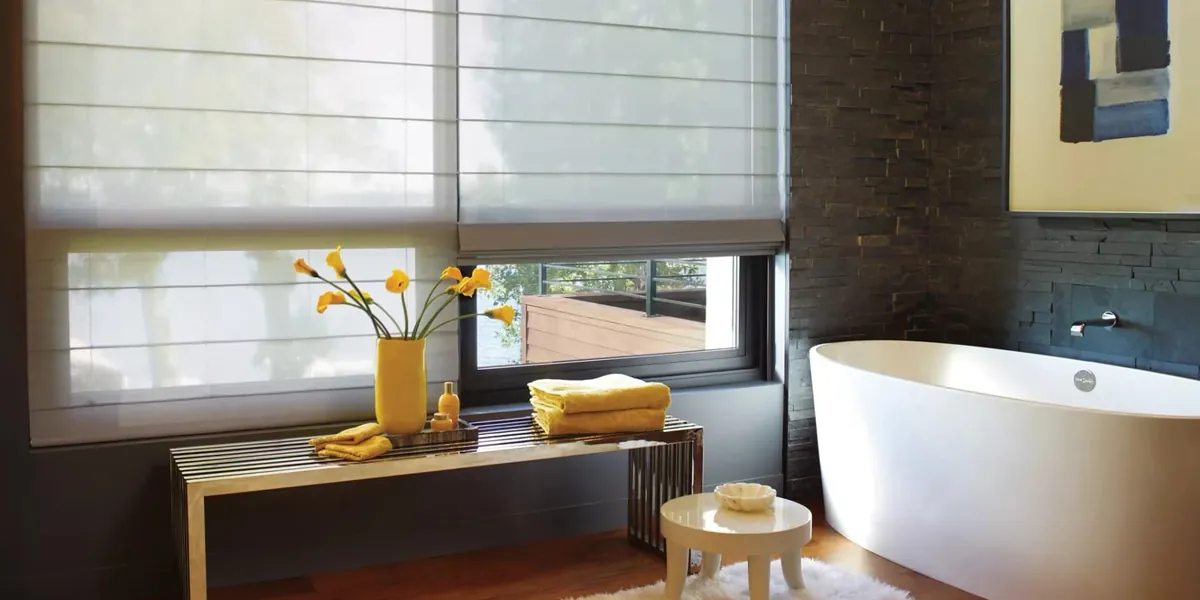
Kitchens, baths and the rooms you use every day
A roman shade is not only for a formal living room. In a kitchen, a flat fold in a washable-looking, lightly textured fabric keeps the window tidy over the sink and filters the light without making the room dim. Keeping it inside the frame means it stays clear of the faucet and the counter.
In a bathroom, privacy and light pull in opposite directions. A sheer or light-filtering fabric lets daylight in while blurring the view from outside, and a lined fabric gives full cover at night. We usually suggest a cordless lift in both rooms, so there is nothing hanging near water or a stove.
Home offices are another good fit. A shade that can be lowered halfway cuts glare on a screen while keeping the room bright, and a soft fold adds a little warmth to a room that is often full of hard surfaces.
Flat or folded: picking the look
Every roman shade we sell falls into one of two styles, and it helps to see them side by side before you choose.
A flat fold hangs as one smooth panel when lowered. Raised, it stacks into crisp, overlapping pleats. Because the fabric lies flat, a pattern stays easy to read, which is why we suggest it for prints, stripes and anything with a bold repeat. It sits well in a colonial dining room or a study.
A folded style keeps rounded loops of fabric down the full drop, even when the shade is fully lowered. It reads as softer and more traditional, and it suits plain or textured fabrics, where the loops do the decorating. In a Victorian bedroom or a front parlor it can look as if it has always been there.
Vignette sits slightly apart from both. Its fold is engineered to roll into the headrail, so the shade looks modern and uniform, and the back of the shade, the side the street sees, stays neat. It suits the open plans of the newer houses off Route 140 particularly well. The Vignette and Carole Fabrics pages go deeper on each line, and the main roman shades page covers the whole family.
There is no rule that a house has to pick one. A common plan in Franklin is a Carole folded style in the formal front rooms of an antique house, where the fabric is on show, and Vignette in a kitchen or a back family room that was added later and has larger, more modern windows. Keeping the fabric colors related ties the rooms together even when the folds differ. We lay the options out side by side at the consultation so you can decide room by room rather than all at once.
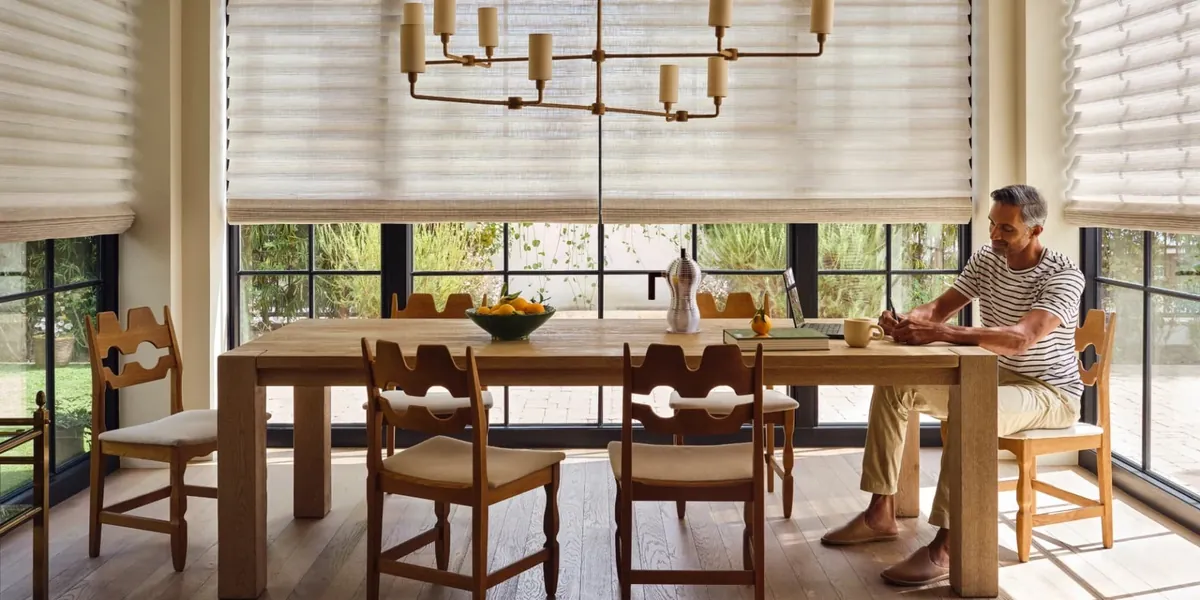
Light, fabric and the sunny side of the house
The fabric decides how much a roman shade lets through. A loose linen or a sheer lets the sun glow through the folds. A tighter weave filters more, and a lining stops most of the light altogether. For a south or west room that bakes in the afternoon, a lining also protects the face fabric from fading.
We bring fabric in all three weights, and we suggest you look at them at two times of day if you can: once in the morning and once later on, when the light is lower and warmer. A fabric that looks right in one light can look quite different in the other. Our guide to choosing fabric for a sunny room is worth a read before the visit.
Privacy close to Main Street
Many of the antique houses near the common stand only a few steps back from the sidewalk, and their front rooms look straight onto passing traffic. In those rooms privacy matters as much as looks. An unlined, light-filtering fabric gives daytime cover while the room stays bright, because the fabric glows rather than showing the room behind it. After dark, with lamps on, that same fabric can let shapes through, so a front room that is used in the evening usually wants a lining or a denser weave.
A useful middle course is to line only the street-facing shades and leave the side and back windows in an unlined fabric of the same color. From the sidewalk the house looks uniform, and the rooms at the back keep their daylight. On a Victorian with a front bay, each section of the bay gets its own shade, so you can lower the middle panel and leave the side panels up.
Roman shades with drapery panels
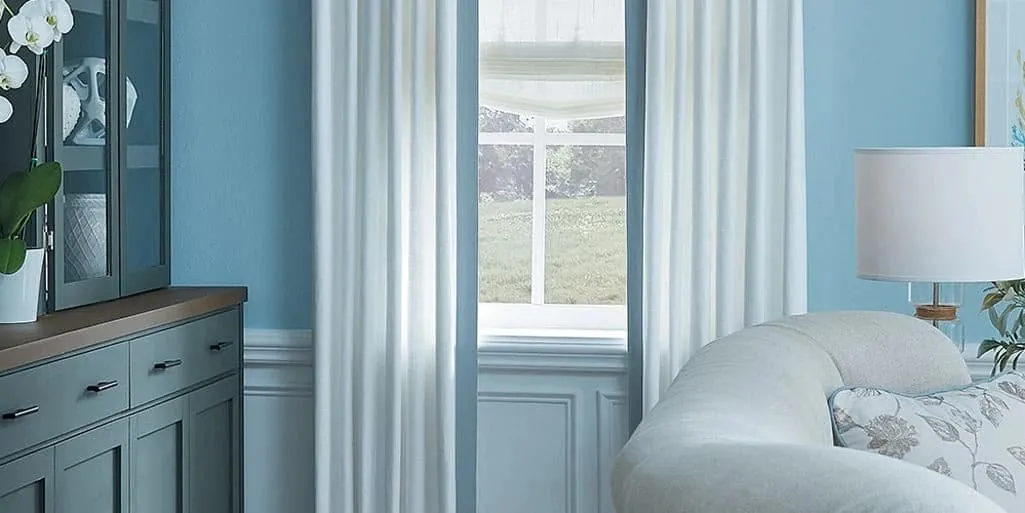
The tall windows in the older Franklin houses often look best with two layers: a roman shade inside the frame that does the work, and a pair of side panels that frame the window and add height to the room. The shade handles light and privacy; the panels are mostly there for the look and are rarely drawn. Carole Fabrics makes both, so the shade and the panels can share a fabric, or pair a plain shade with a patterned panel, as long as the colors are chosen together.
In the newer colonials off Route 140, layering works differently. A wide family room window or a slider often suits a single Vignette shade on its own, with nothing around it, because the room is already large and the glass is the feature. Where the room has a high ceiling, mounting the shade’s headrail above the window and letting it hang to the sill can make the window look taller than it is. Our interior design consultations can help you settle on a whole room, from the shade fabric to the panels and the hardware.
Looking after the fabric
A roman shade is fabric, so it asks for a little care. Dust it now and then with a soft brush or a vacuum on low with a brush attachment, working with the folds rather than against them. Raise the shade fully once in a while so the folds keep their shape. Small marks are best treated gently and early. Our guide to caring for fabric shades covers the details, and if a lift ever stops working smoothly on any shade you own, we are glad to take a look.
With a little care, roman shades in Franklin keep their folds and color for a long time, especially when the sunniest windows have a lining to protect the face fabric.
How a project runs when you start at our Franklin showroom
Living close to the showroom gives you two easy ways to begin, and many customers use both.
- Stop in at the Franklin showroom to see roman shades working and to narrow down a style.
- Request a consultation, and we arrive at your house with the sample books for the styles you liked.
- We hold fabrics up at your own windows, on the bright side and the shaded side, and talk about how you use each room.
- Every opening is measured, with notes on frame depth, sash hardware and how high the stack can sit.
- You get a free estimate, window by window, and take your time to decide.
- Once the shades arrive, our certified Hunter Douglas installers fit them, level each one and show you how the lift works.
You can read more on what happens at an in-home consultation and what happens on installation day.
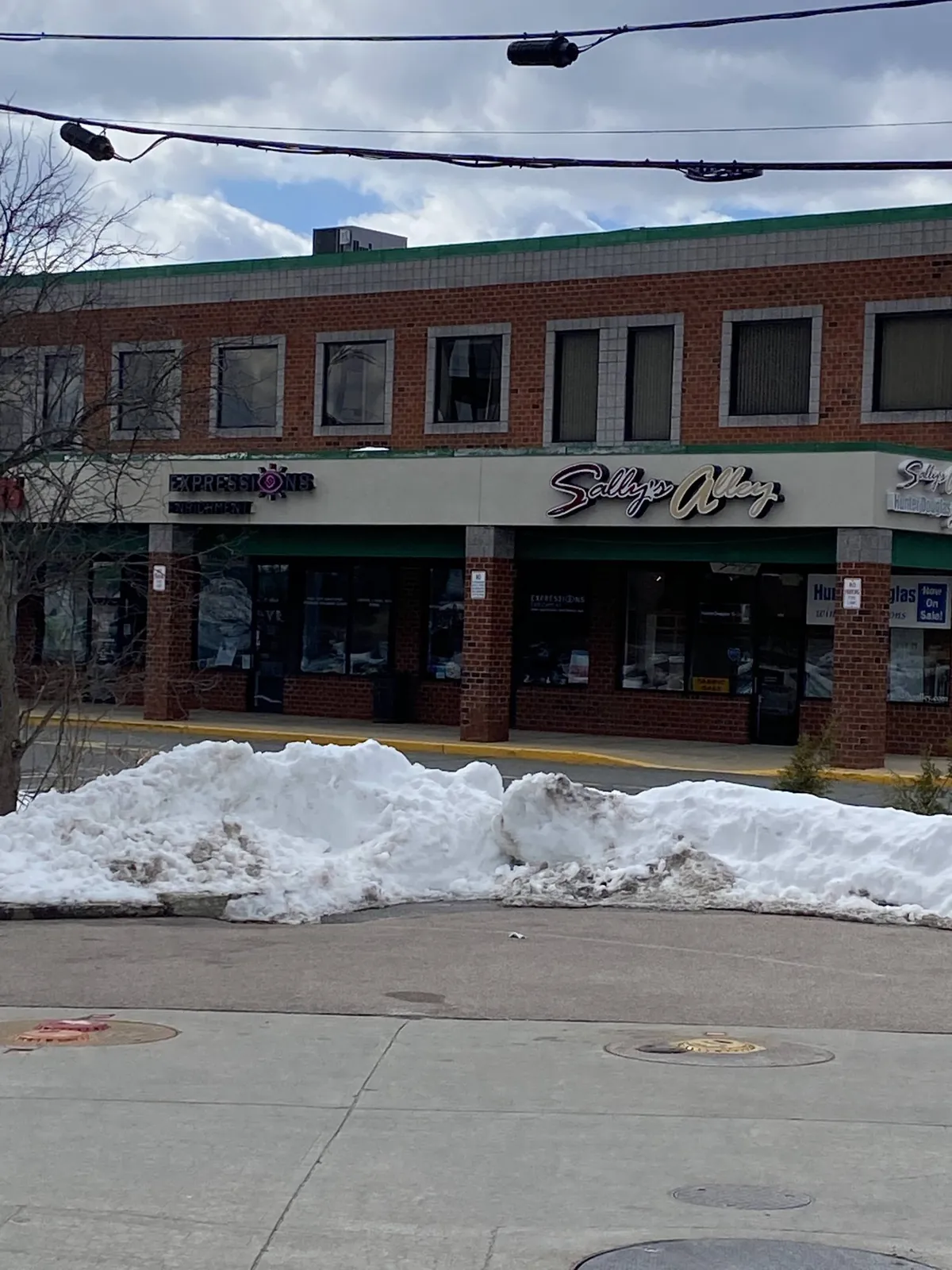
A Gallery dealer in your own town
Blinds & Designs is a Hunter Douglas Gallery dealer, and our Franklin showroom puts that range on your doorstep. For roman shades in Franklin that means the full Vignette and Carole Fabrics libraries, every fold style and lining, and PowerView for the windows nobody can reach.
The same company that measures your windows also fits them, and our installers are certified by Hunter Douglas. If a shade ever needs adjusting later, we look after blind and shade repairs too.
The showroom is a short drive from the common and from the subdivisions off Route 140. Come in and pull the shades up and down yourself, then let us bring the samples home. See everything we do locally on our Franklin page.
Questions from Franklin
Will a roman shade fit inside my antique window frame?
Often it will. The question is how deep the frame is once the sash weights and stops are accounted for. We measure the depth at several points. If an inside mount would be too tight, we recommend a slim outside mount just above the opening, which also lets the raised shade clear the glass.
How do I cover the window above my front door?
On a two-story foyer, a roman shade needs PowerView motorization, so it moves from a remote, the app or a schedule. We plan where the motor’s power comes from as part of the consultation.
Which fold suits a patterned fabric?
A flat fold. The fabric hangs as one smooth panel, so a stripe or a print stays easy to read. Folded styles suit plain and textured fabrics better.
Can I see roman shades before anyone comes to the house?
Yes. Our Franklin showroom has roman shades you can try. Most customers then book a consultation, because a fabric always looks different in your own light.
Is the estimate free?
Yes. After we measure, you get a free estimate for the shades you are considering, with no obligation to order.
Your next step
The quickest way to see what roman shades in Franklin, MA, will look like on your own windows is to hold the fabric up in your own rooms. Request a consultation and we will bring the Vignette and Carole Fabrics samples to you, measure every opening and give you a free estimate. You can also use the call button or call in at our Franklin showroom.