
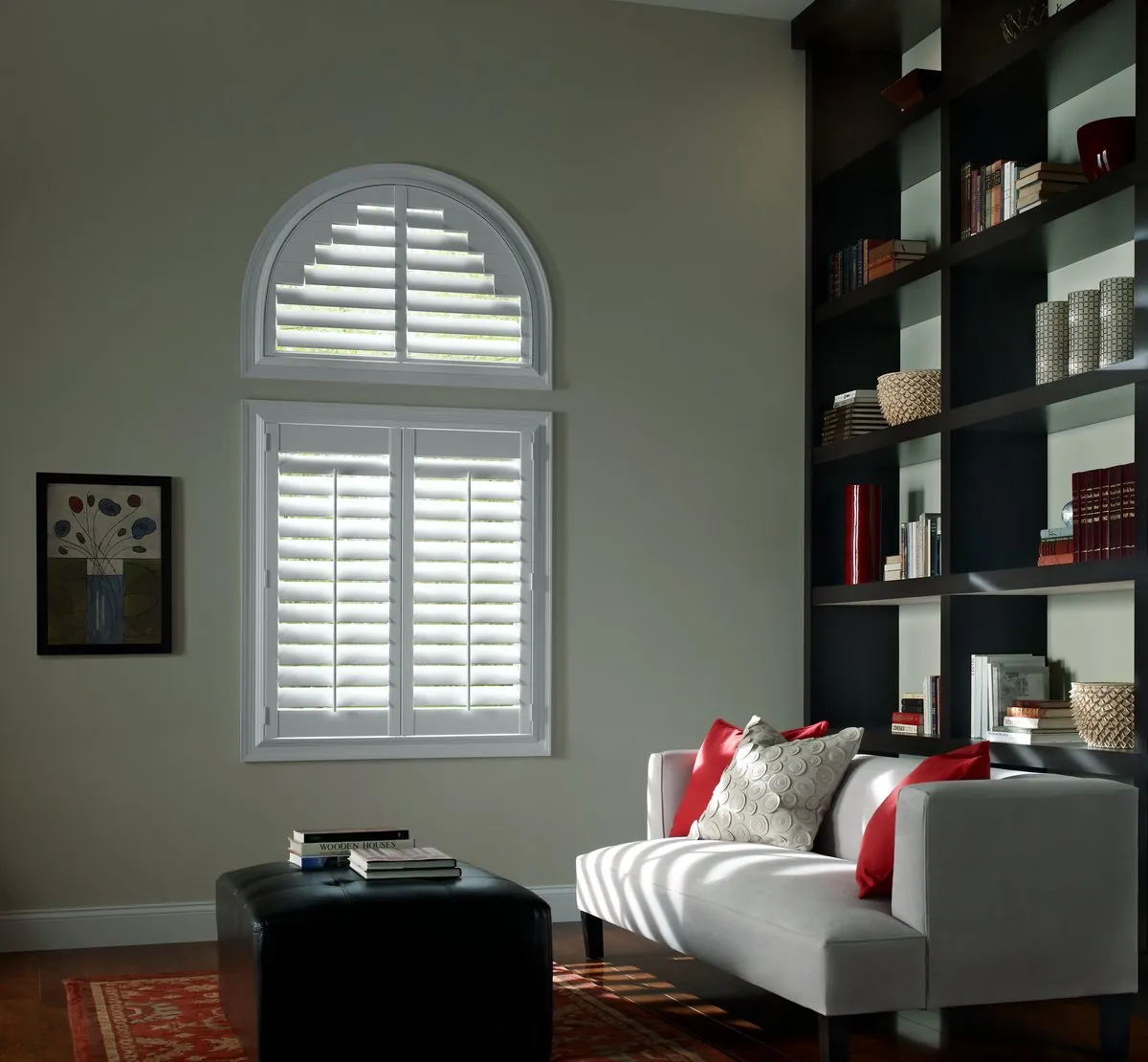
Old sash on Main Street, tall glass off Route 140
Our Franklin showroom sits in the same town as the houses on this page, so we know the local windows well. As a Hunter Douglas dealer in Franklin, MA, we spend a good part of every week moving between two very different kinds of house, sometimes on the same afternoon.
The first kind is the antique colonial or Victorian around the common and along Main Street. These houses have tall, narrow sash, set in casings that owners have often stripped and repainted by hand. The glass is slim, the proportions are elegant, and the frames rarely leave much room for hardware.
The second kind sits across the subdivisions off Route 140: big newer colonials with a two-story entry, a wall of glass over the front door and a stairwell window that nobody can reach without a long ladder. Those houses bring a different set of problems, mostly about height, heat and glare.
No single product line suits both. That is the reason a Gallery dealer is useful here. We can choose from every Hunter Douglas family, window by window, and our certified installers fit the result.
What a Hunter Douglas dealer in Franklin can fit
Every family below comes to your house as real samples. These are the ones that earn their place in Franklin rooms most often.
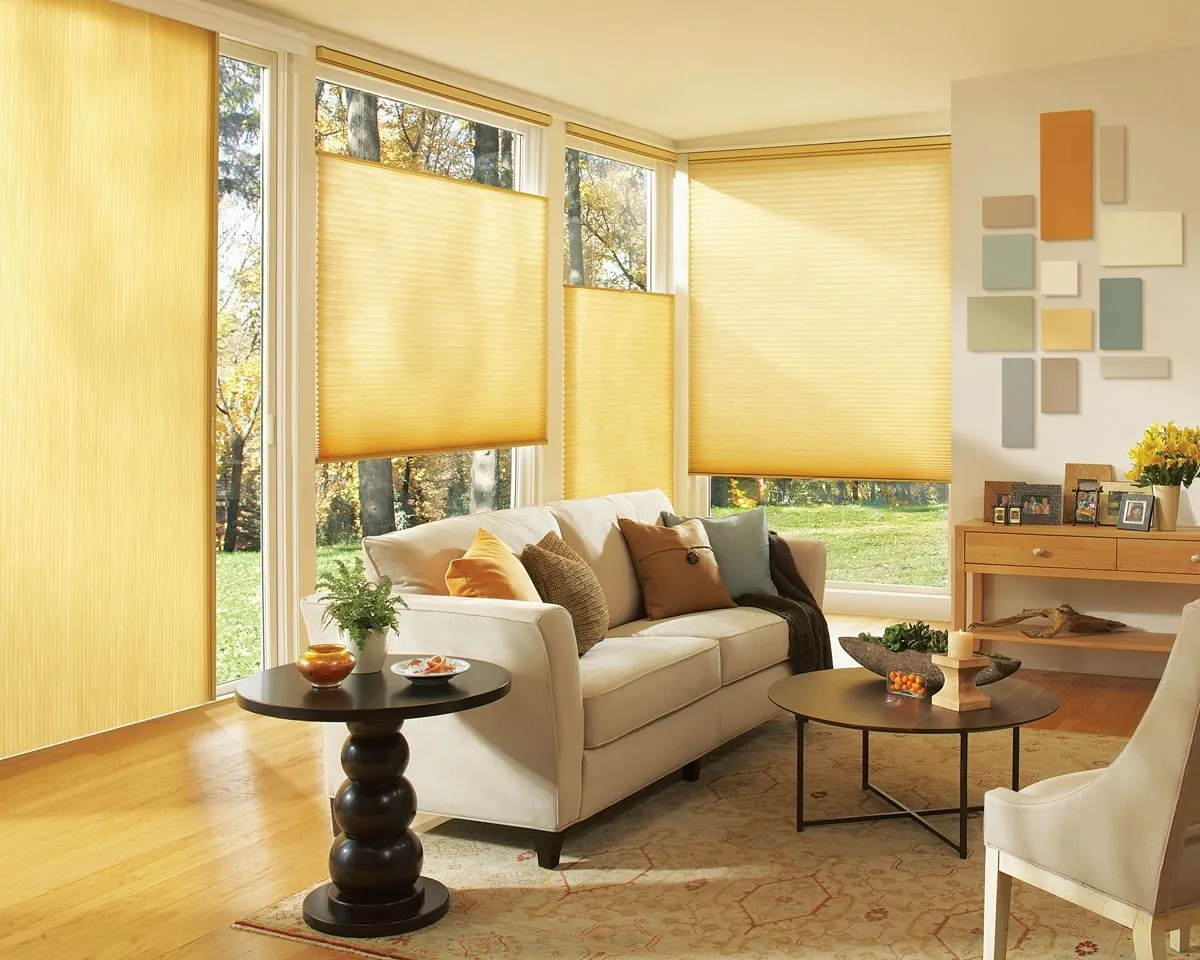
Honeycomb for cold rooms
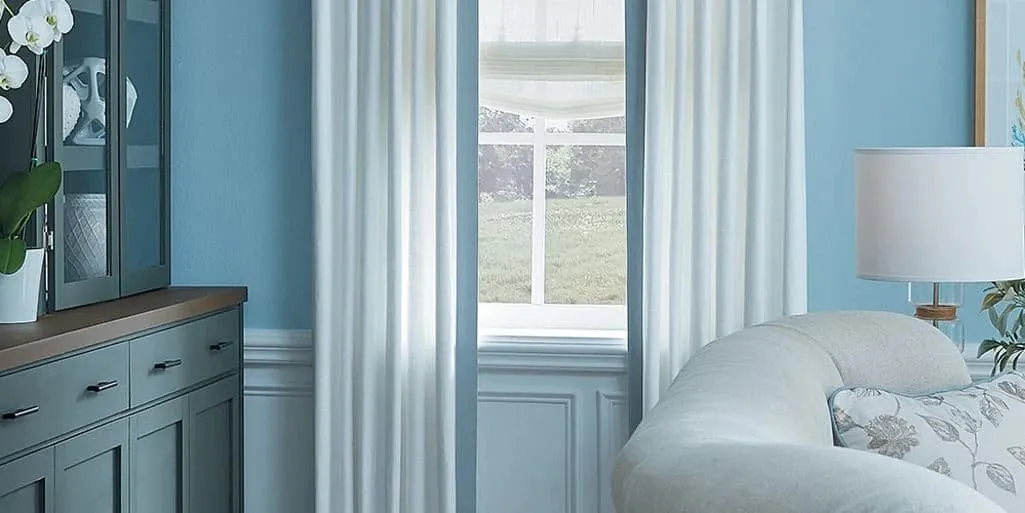
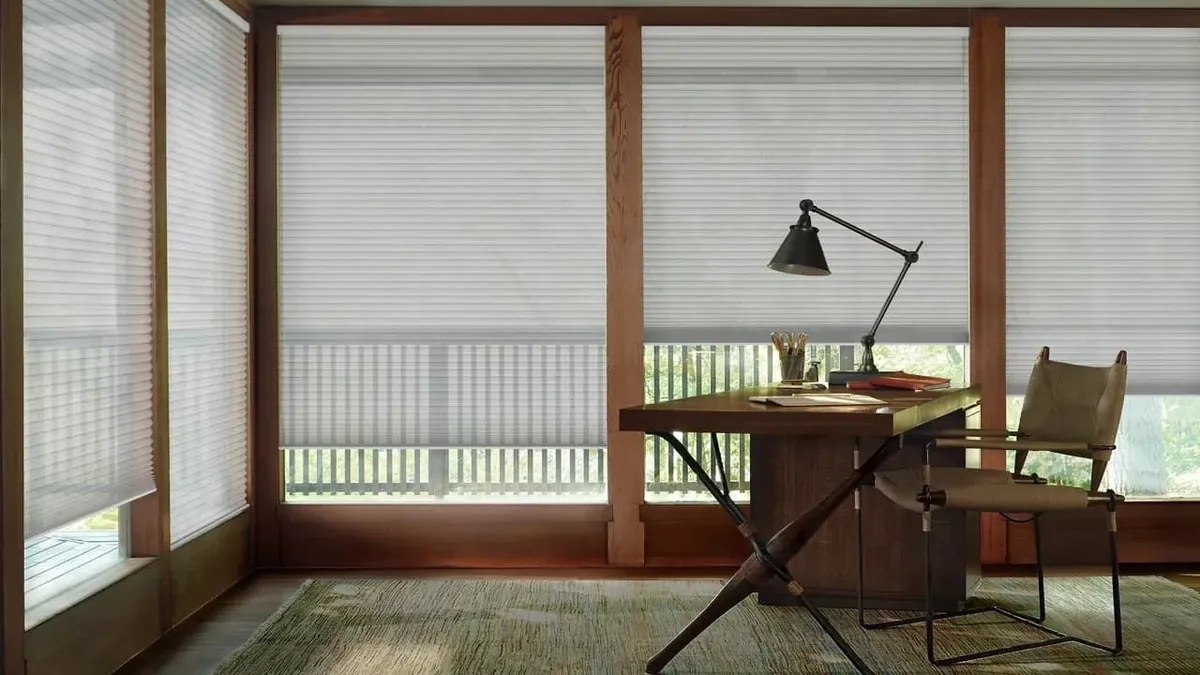
Duette and Applause cellular shades hold still air in their cells, which takes the chill off an old parlor window and calms a hot family room.
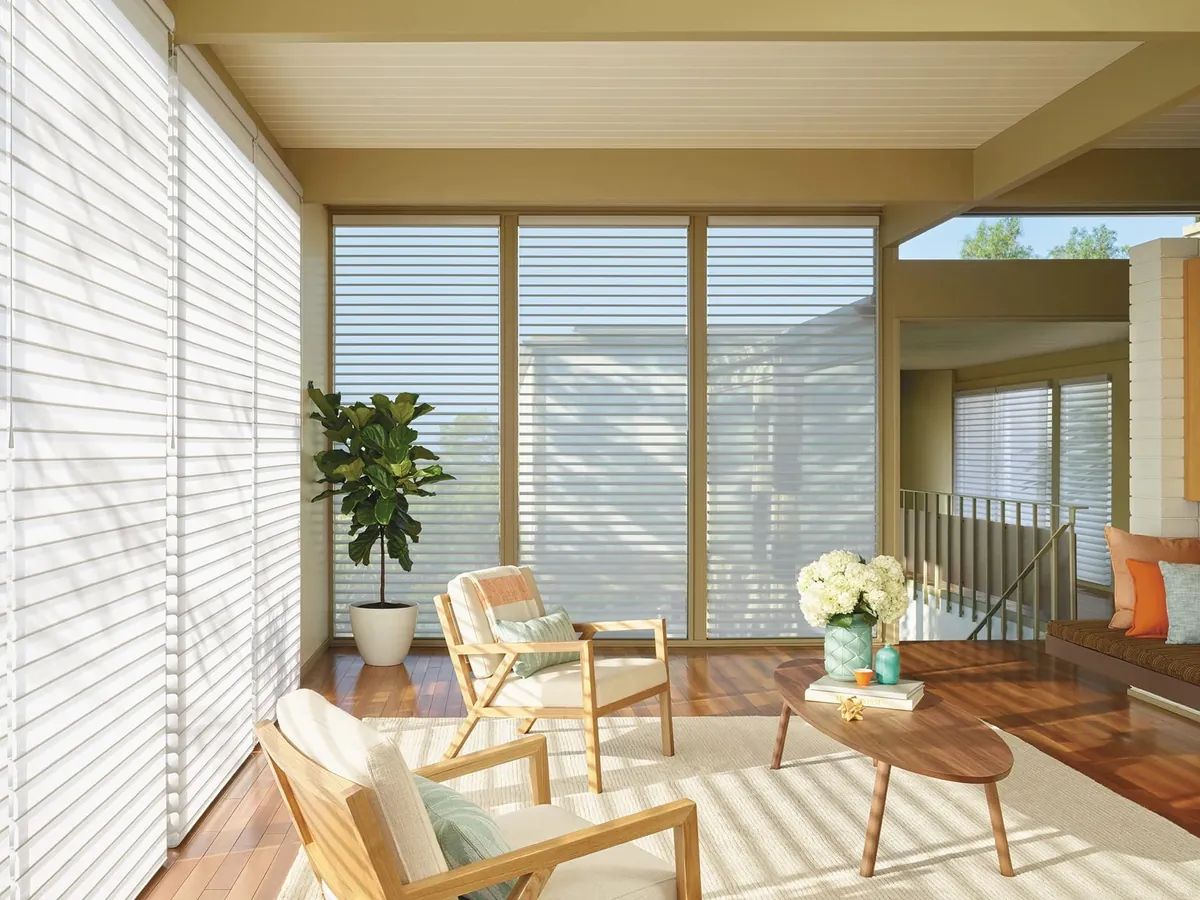
Sheers for the entry hall
Silhouette and Pirouette turn hard light into a soft glow, a kind answer to the two-story glass over a front door.
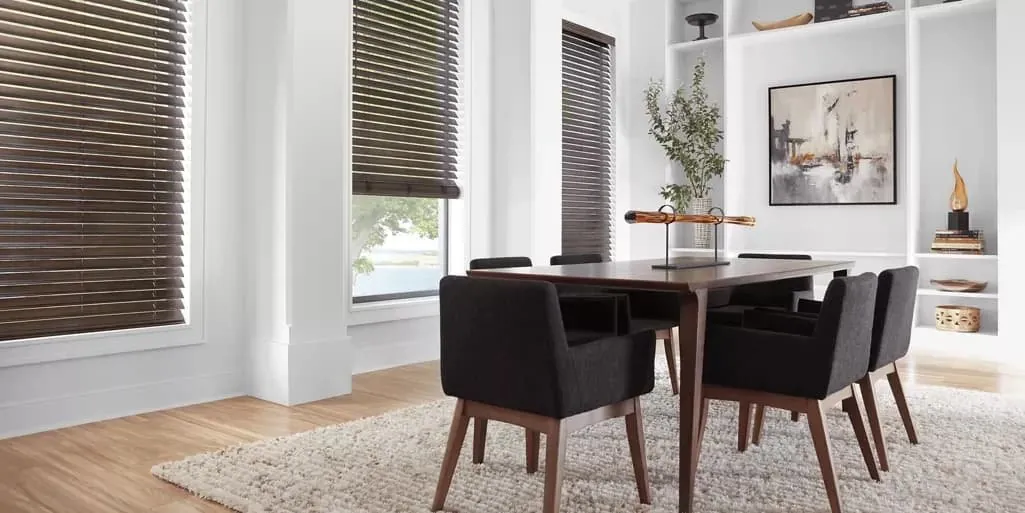
Wood blinds with a period look
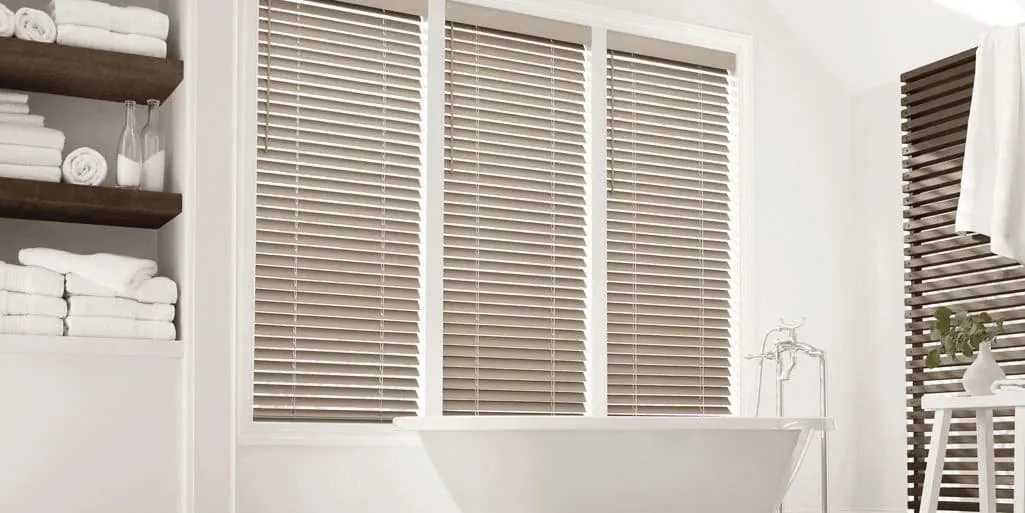
Parkland wood or EverWood faux wood in a slim slat suits a colonial dining room and tilts to steer the light.
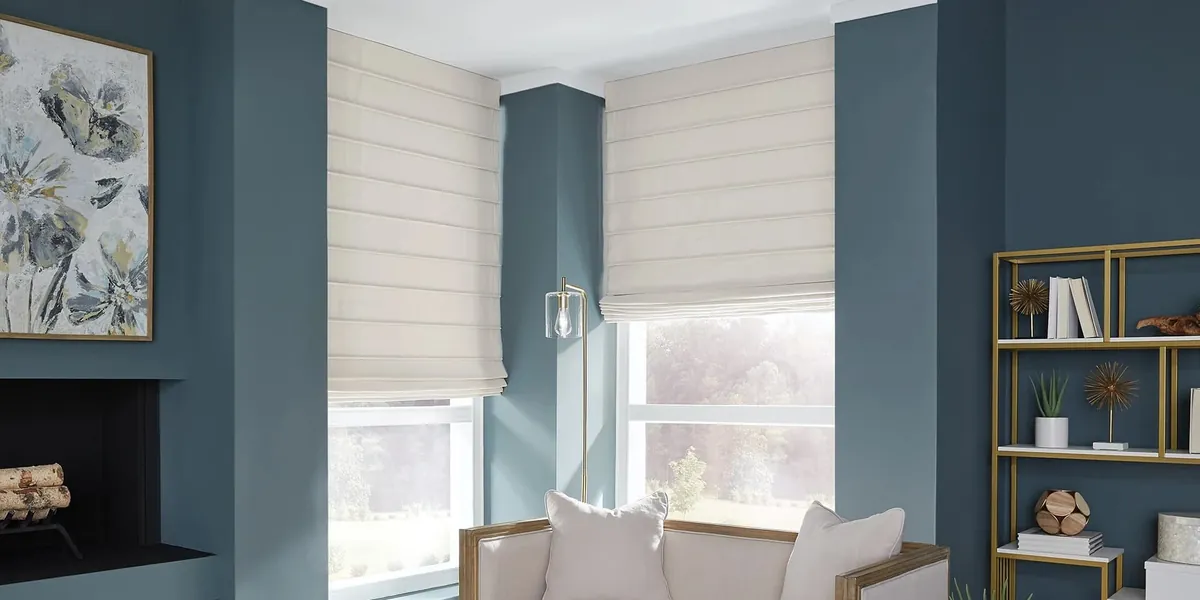
Roman folds for the front rooms
Vignette gives a Victorian bay the softness of fabric without the bulk of a full drapery treatment.
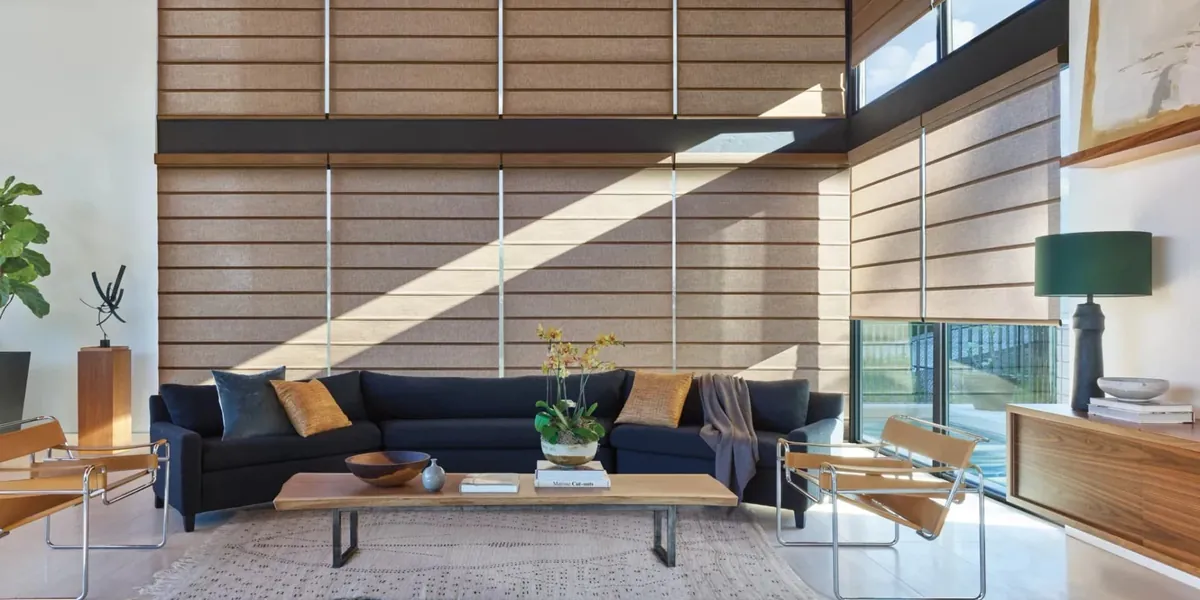
Banded shades for big walls
Designer Banded shades slide sheer and solid stripes past each other, a neat way to manage a tall family room wall.
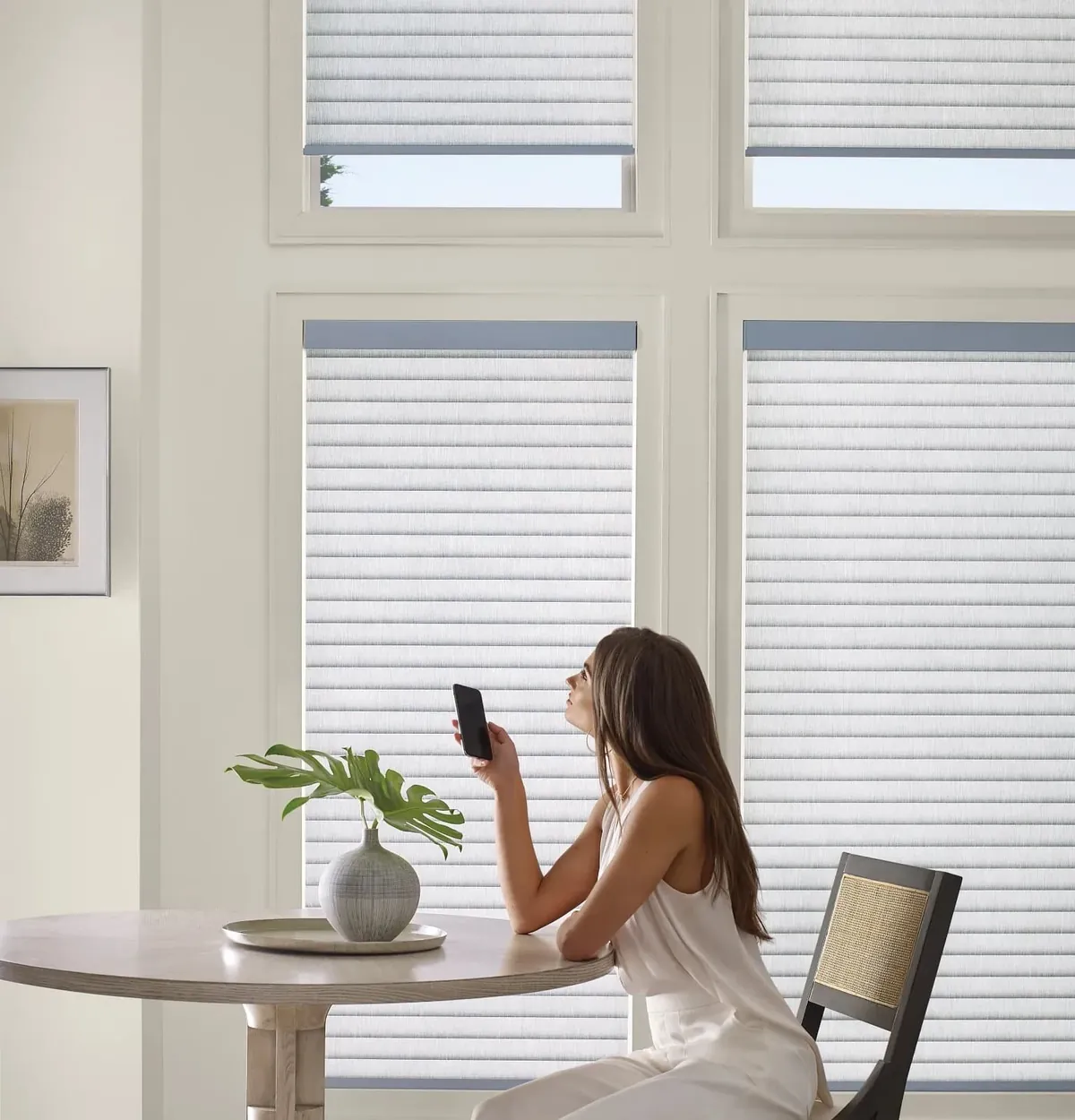
PowerView for the stairwell
The window above the landing raises and lowers from an app, a remote or a timer, so nobody climbs to reach it.
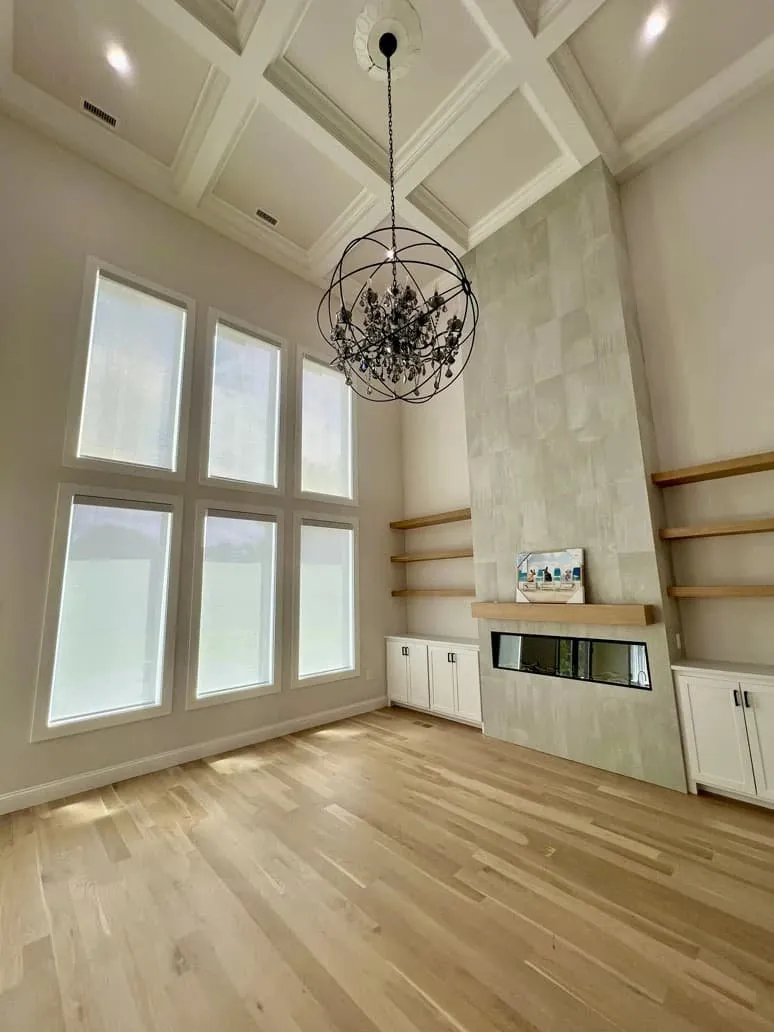
The stairwell window, Franklin’s hardest reach
Ask anyone who lives in a newer colonial off Route 140 which window they never touch and they will point at the stairwell. It sits halfway up a two-story wall, above the turn of the stairs, with no floor underneath it to stand on. In summer it throws a hot square of sun across the landing. In winter it lets the warmth from the upstairs hall slip away. And because no one can reach it, it usually has nothing on it at all.
There are two parts to solving it. The first is the right shade. A honeycomb shade does the most for comfort, because the cells slow heat moving in either direction. A sheer such as Silhouette is the choice when the window is more about the look of the hall and you want the light softened rather than cut. A roller shade in a light-filtering fabric is the slimmest option where the frame is shallow.
The second part is operation, and here PowerView does the work. A motor in the headrail moves the shade from a phone, a handheld remote or a wall switch, and a schedule can lower it before the afternoon sun arrives and raise it again in the morning. Many households end up adding the entry glass and the family room to the same schedule once they see how it runs.
Installing a shade over a stairwell takes the right equipment and some patience, and it is exactly the kind of job where certified Hunter Douglas installation matters. The brackets have to be set level on a wall you cannot walk up to, and the motor has to be paired and tested before we pack up.
Antique colonials and Victorians near the common
The older streets near the common have a different rhythm. Windows are tall and slim, often in pairs, and the trim around them is part of the character of the room. When we work in these houses, the first question is whether a product can sit inside the window opening, because an inside mount keeps that trim fully on show.
That depends on depth. An old double-hung sash has parting beads, stops, pulleys and sometimes the original weight pockets, all of which eat into the space a headrail needs. Frames that have moved over a century are also seldom square. So we measure each opening in several places before we suggest anything. When the depth is there, a honeycomb shade, a Vignette Roman or a narrow wood blind can tuck right inside. When it is not, we mount on the face of the casing, choosing a product slim enough to sit tidily against the woodwork.
Shutters are another good answer in these rooms. Heritance hardwood shutters can be painted to match original trim or stained to suit a dark-wood room, and a frame built to the opening looks as though it came with the house. Louvers can be sized to the window, smaller for narrow sash and larger where the panes are generous.
Two-story entry glass and the rooms beside it
Most of the larger houses off Route 140 have a front entry that rises the full height of the house, with a big window or a transom arrangement above the door. It is the first thing you see when you walk in, and it shapes the light in the whole front hall.
For that glass we usually look at three routes. Sheer shades soften the light while leaving a gentle view out. Honeycomb shades can be made in specialty shapes for an arch or an angled top, so even an unusual window gets a matching covering. And for anything too high to reach comfortably, PowerView motorization keeps it all easy to use.
The family room next door often has its own large panes and a slider to the deck. Here the job is usually glare on a television or a hot afternoon, and the choices widen: Designer Screen shades to cut glare while you still see the yard, banded shades for a modern room, or Luminette vertical sheers that glide across a slider and stack neatly to one side.
Matching each window to a Hunter Douglas line
Part of the value of a Gallery dealer is plain advice about which line suits which window. In a typical Franklin house, the conversation often goes like this.
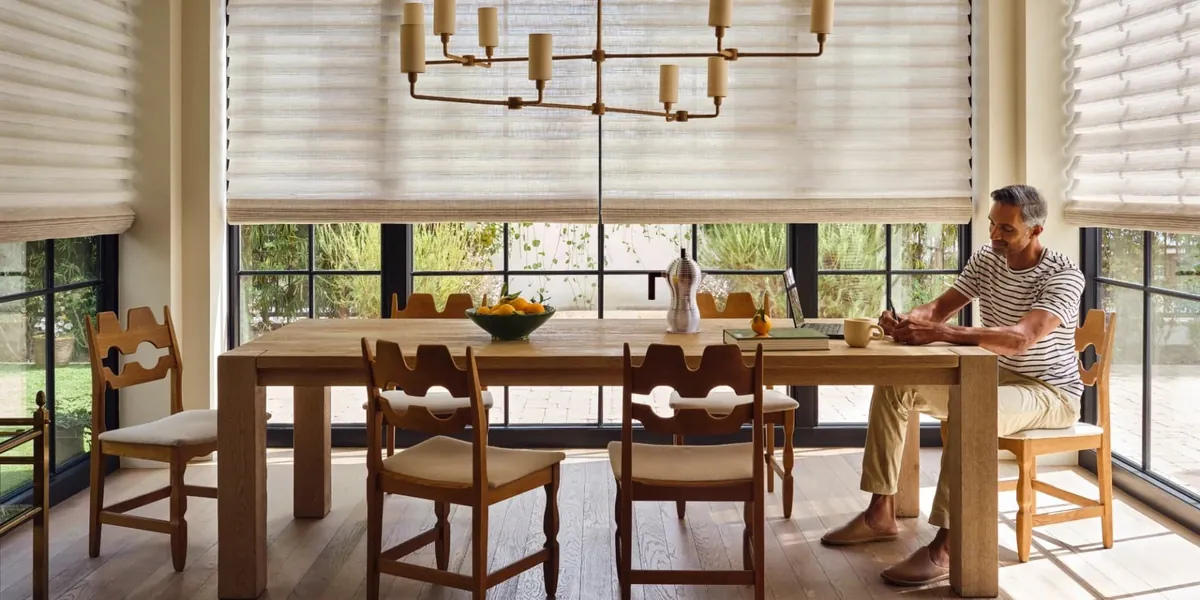
- Front parlor in an antique house: Duette honeycomb or Vignette Roman, inside mounted where the depth allows, so the trim stays visible.
- Colonial dining room: Parkland wood blinds or Heritance shutters, both of which suit painted woodwork and give you control over light at the table.
- Kitchen over a sink: a cordless or motorized shade, so you are not leaning across the counter to reach a cord.
- Bedrooms: room-darkening honeycomb or a blackout roller, often paired with a light-filtering option for the guest room.
- Bathrooms: Palm Beach polysatin shutters or a moisture-friendly faux wood blind, because both tolerate steam.
- Home office: a screen or light-filtering roller that keeps glare off the monitor and daylight in the room.
None of that is a fixed rule. Some of the best rooms we see mix two products, such as a shade for daily use with drapery from the custom drapery range framing it.
How a project runs, start to finish
Whether you are fitting one bedroom or every window in a new colonial, the steps are the same.
- You request a consultation, or press the call button to reach the Franklin showroom.
- We set a time to come to your house, and the van arrives loaded with samples, because we can bring the showroom to you.
- We walk the rooms together, talking about light, privacy, warmth and how each room is used through the day.
- You hold real fabrics, slats and louvers up against your own windows and trim.
- We measure every opening, checking depth and squareness where a frame is old.
- You receive a free estimate, with time to think it over.
- Hunter Douglas makes the order to our measurements, and our certified installers fit it, test it and show you how everything works.
If you want a broader eye on color and fabric for a room, ask about our interior design consultations at the same visit. Our page on what happens at an in-home consultation goes into the first visit in more detail.
Warmth, glare and privacy in one town
Franklin houses face three recurring problems, and each Hunter Douglas family deals with them a little differently.
Warmth. The thin glass in the antique houses and the big panes in the new ones both lose heat in winter. Honeycomb shades are the strongest choice for this because of the air held in their cells. Shutters and Roman shades help too, simply by putting a layer between the glass and the room.
Glare. West-facing family rooms in the subdivisions catch hard late sun. Screen fabrics cut glare while keeping the view, sheers diffuse it into an even glow, and banded shades let you set the balance by sliding the stripes.
Privacy. Older houses near the center often sit close to the sidewalk, so the front rooms need privacy by day as well as night. Top-down, bottom-up shades are the usual answer: lower the top for light and sky, keep the bottom covered from the street.
During the consultation we deal with these room by room rather than giving the whole house one product.
Inside a newer colonial, room by room
The houses across the Route 140 subdivisions tend to share a floor plan, and that makes it easier to think about them one room at a time.
The front living room usually has a pair of standard double-hung windows facing the street. Here a Hunter Douglas dealer in Franklin is often asked for something that looks finished from outside as well as in, and a honeycomb or Roman shade in a neutral fabric does that well, with matching headrails across the front of the house.
The kitchen tends to open to a breakfast area with a slider or a bank of windows to the back yard. Practical, wipeable choices win here: a faux wood blind over the sink, a vertical honeycomb or Luminette across the slider, and nothing that needs a cord.
Upstairs, the main bedroom is often the room with the most windows, sometimes with a small sitting area. Room-darkening honeycomb or a blackout roller keeps it dim, and a layer of drapery adds softness if you want it. Children’s rooms usually get cordless or motorized products for safety.
The bonus room over the garage is the odd one out. It often has angled ceilings, a dormer or a high gable window, and it can run hot in summer. Honeycomb shades in specialty shapes and PowerView for the high glass suit it well.
Living with the shades for years
A good window covering should still look right long after the install. With made-to-order Hunter Douglas products, much of that comes down to choices made at the start: the right fabric for a sunny window, a mount that suits the frame, and operation that matches how the room is used.
After the install, we are still close by. If a lift cord frays, a motor needs re-pairing or a shade you bought years ago stops working properly, we handle repairs on window coverings you already own. And if you later decide to add PowerView to the rest of the house, a Hunter Douglas dealer in Franklin with certified installers can extend what is already there.
Fabric choice is the other half of it. A window that takes full afternoon sun every day is gentler on lighter, neutral fabrics, and a bathroom or a kitchen over the sink is better served by materials that shrug off steam and splashes. We point those out while you are choosing, so the shade you love in the sample still looks the way you expected after many summers on a west wall.
Cordless and motorized operation
Most Hunter Douglas lines are now available cordless, and for most households that is the sensible default. With no dangling cord, there is nothing to tangle, nothing within reach of children or pets, and the window looks cleaner. You simply lift or lower the bottom rail by hand.
PowerView goes further. It suits the stairwell and entry glass already mentioned, but it also suits ordinary windows in a busy house: shades that close themselves at dusk, bedroom shades that stay down until a set hour, and scenes that move a whole room’s shades with one tap. We explain how the motors are powered and where any controls go, and our motorized blinds and shades in Franklin page covers it in more depth.
Visit the Franklin showroom
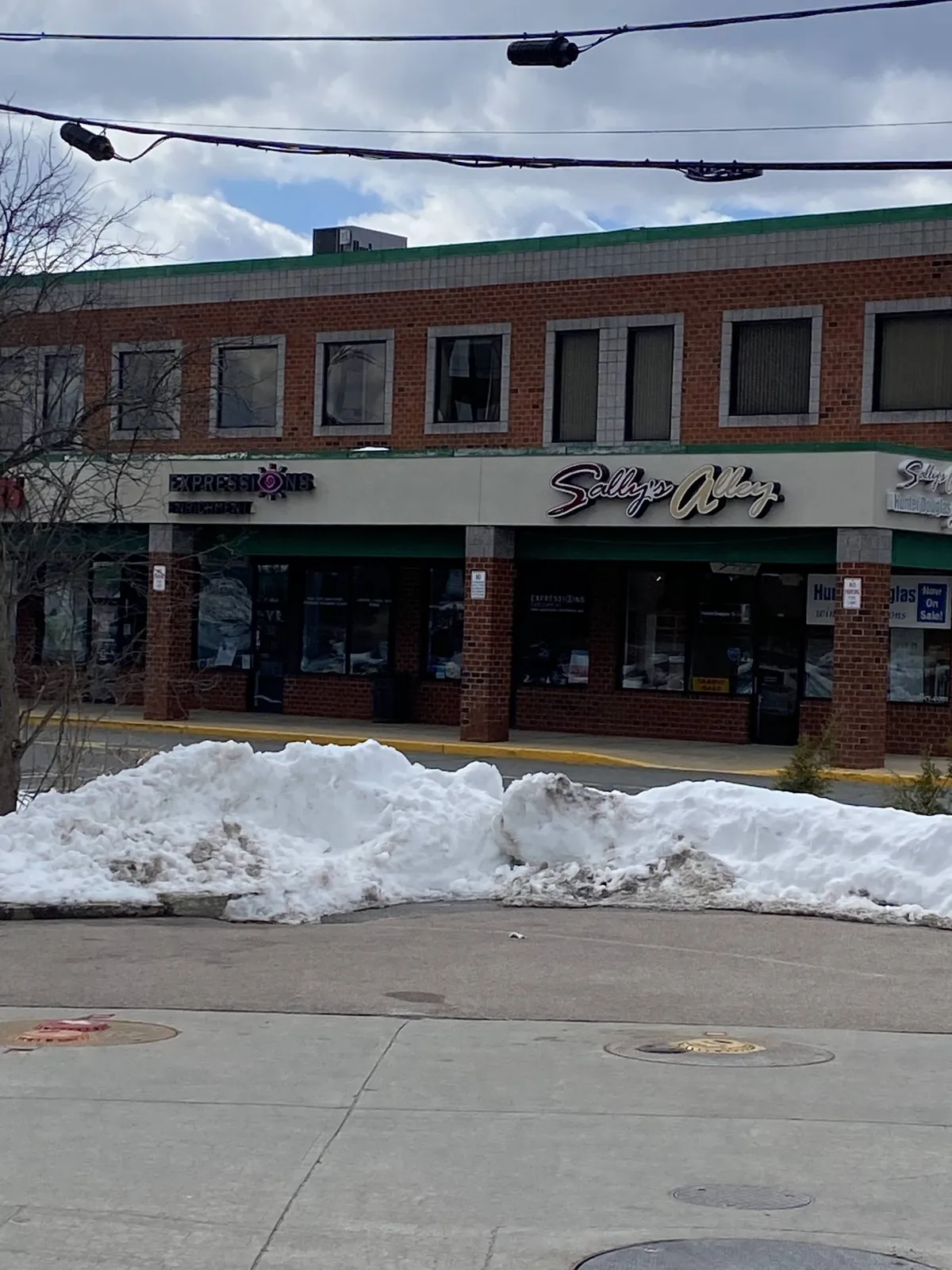
For many Franklin households the easiest first step is a short trip across town. The Franklin showroom is our location for this part of Massachusetts, and you are welcome to stop in and talk through a project before anyone measures a window.
From there, most projects move to your house, because color and light look different in every room. We bring the samples, measure, and give you a free estimate on the spot.
You can find the address and hours on the Franklin showroom page, and everything we offer in town is gathered on our Franklin page.

Gallery dealer status and certified installation
Blinds & Designs is a Hunter Douglas Gallery dealer. In practical terms that means you are not limited to the handful of lines a smaller outlet stocks. Honeycomb, sheer, roller, Roman, woven, vertical, wood and faux wood blinds, shutters and drapery are all available, along with PowerView motorization.
Installation is certified by Hunter Douglas. Our installers fit each product the way the maker intends, which matters on made-to-order products where a small error at the bracket shows every day.
We also look after what we fit. If something you already own needs attention, our blind and shade repair in Franklin is there for it. The broader picture of our dealer work is on our main Hunter Douglas page, and you can browse every line and color in the Hunter Douglas catalog before we visit.
Services across town
Choosing a Hunter Douglas dealer in Franklin is often the start of a whole-house project. When you know the product family you want, these pages go deeper for Franklin houses: cellular shades, custom blinds, roller shades, roman shades and plantation shutters.
Questions from Franklin
Can you fit the stairwell window in a two-story colonial?
Yes. It is one of the most common requests we get in the newer parts of town. We usually suggest a honeycomb or sheer shade with PowerView motorization, so it moves from an app, a remote or a schedule, and our certified installers fit it with the right equipment for the height.
Will a shade fit inside an antique sash frame?
Often it will. Old frames can be shallow and out of square, so we measure each one at several points. If the depth is there, the shade or blind tucks inside and the trim stays visible. If not, we mount it on the casing with a product slim enough to look tidy.
Which line works best on two-story entry glass?
Sheers soften the light while leaving some view, and honeycomb shades can be made for arched or angled tops. The right one depends on how much light you want in the hall and whether the window faces the afternoon sun.
Do I have to choose one product for the whole house?
No. Most houses mix families: shutters in a bathroom, honeycomb in bedrooms, a sheer in the entry, wood blinds in the dining room. We suggest what suits each room.
Is the estimate free?
Yes. After we measure, you get a free estimate for the products and installation you are considering.
Ready when you are
Start with Request a Consultation and we will bring the Hunter Douglas samples to your house, look at every window with you and leave a free estimate. Prefer to talk it through first? Use the call button to reach the Franklin showroom, or call in at the showroom itself.