
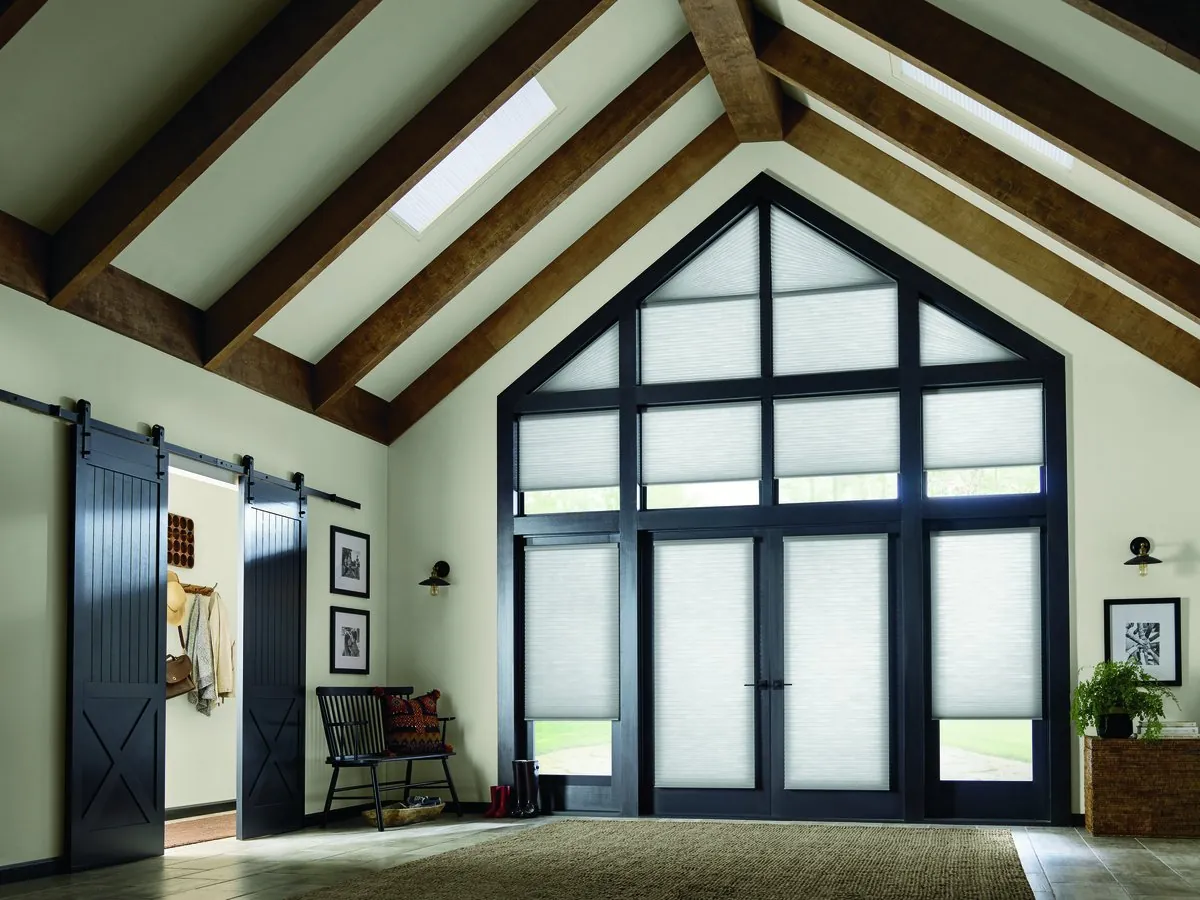
Tiny old windows, big lots and long driveways
Upton spreads out. Antique colonials and farmhouses sit well back from the road on large lots, newer colonials line the streets off Route 140, and the gaps between houses are wide. With so much distance, privacy from the road is rarely the first worry here. The windows themselves are, and in the oldest houses they are very small.
Those small original openings let in only so much daylight, so whatever covers them has to get completely out of the way when it is raised. A shade that hangs a few inches low, or stacks thickly at the top, takes a real share of a tiny window. Getting each one fully clear every morning, in a farmhouse with windows spread across many rooms, is exactly the job a motor does well. That is why motorized blinds in Upton, MA start with the size of the glass.
The newer colonials raise different questions: tall entry windows, stair landings and family rooms with wide runs of glass. PowerView handles both kinds of house, with handsets, the PowerView app and schedules running every shade from one place.
What we usually motorize in Upton
Much of the Hunter Douglas range can be ordered with PowerView, so each window gets the shade or blind that suits it and the motor comes with it. These three cover most Upton windows, old and new. The buttons open each product’s Upton page.
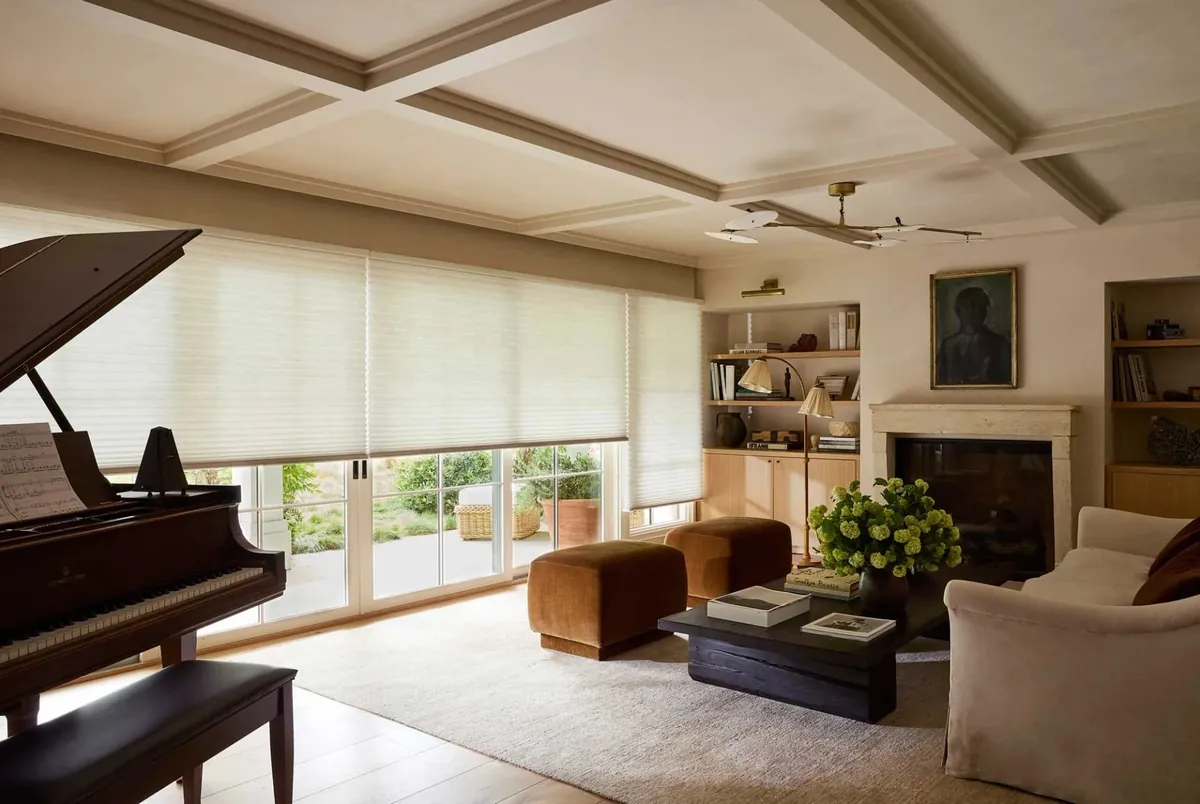
Cellular Shades in Upton
Honeycomb shades fold into a compact stack, so a raised shade leaves almost all of a small antique window open to the light.
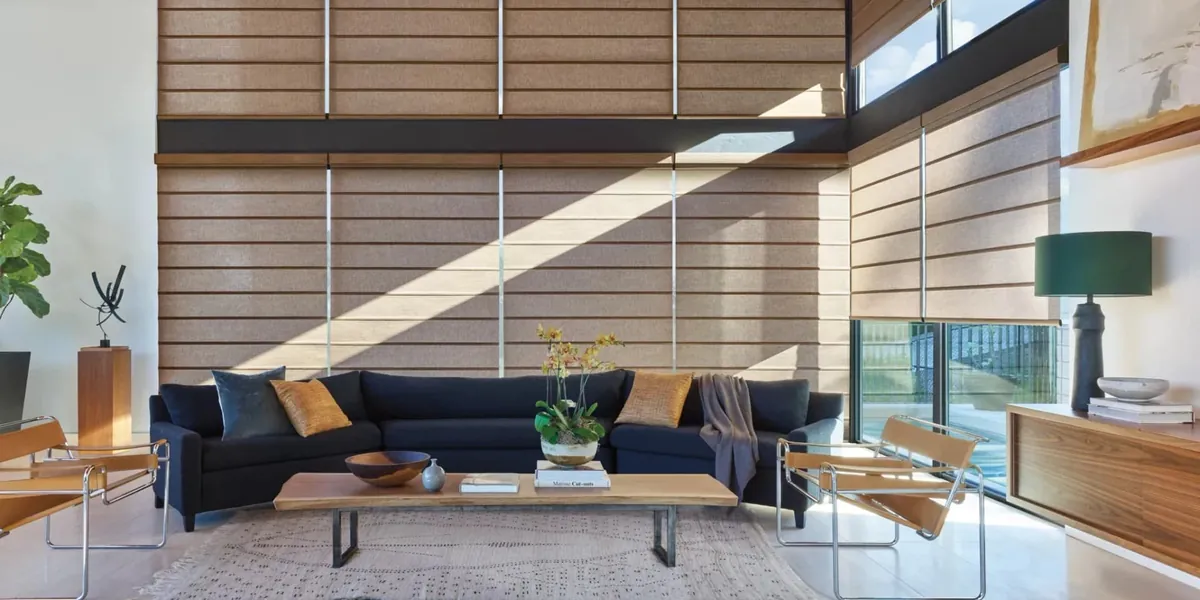
Roller Shades in Upton
Rollers wind up almost out of sight and suit the tall entry and family room glass of a newer colonial.
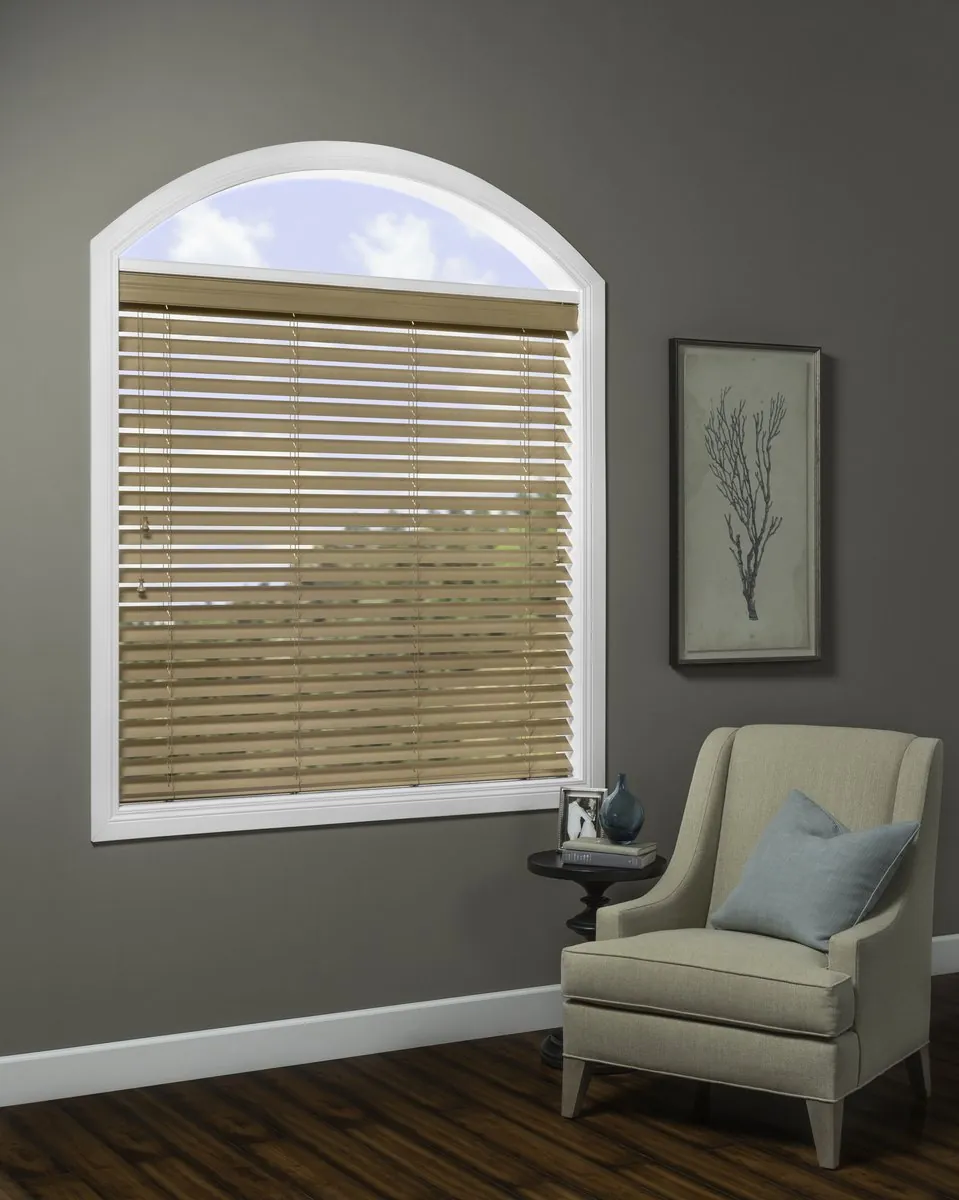
Custom Blinds in Upton
Wood slats sit naturally in an antique room, and tilting them on a motor adjusts the light without lifting the blind at all.
The smallest windows in town
The oldest houses in Upton were built with very small window openings, and many of them survive just as they were made. Inside, those rooms can be dim even on a bright day, and every inch of glass counts.
That changes how we choose a shade. On a small window, three things matter most.
- The stack. When a shade is raised, its fabric gathers at the top. A tight stack, such as a honeycomb or a roller, keeps the glass almost entirely clear.
- The headrail. In a deep antique frame, an inside mount tucks the headrail and motor out of sight within the reveal, so nothing hangs below the head of the opening.
- Getting it fully up. A manual shade on a tiny window tends to be raised most of the way and left. A motor takes it to the top every time.
We measure every small window separately. Openings in a house of this age vary from room to room and even between neighboring windows, so the width is taken at three heights and the height at three points across, with the frame depth noted for the mount.
Opening a dim house to the morning
In a farmhouse with small windows on every side, the way a room feels in the morning depends on how many shades have been opened. By hand, that is a tour of the house before breakfast, and most mornings it only happens in the kitchen.
A schedule does the tour for you. At a time you set, every shade on the ground floor rises fully, so the rooms get all the daylight their small windows can give. Bedrooms can follow later, on their own time. In the evening, a second schedule closes the house, and a handset in the hall lets you close it early on any night you like.
Because the windows are small and many, grouping matters. You might keep the front rooms in one group, the kitchen and back rooms in another and the bedrooms in a third, so each part of the house follows its own rhythm without you thinking about it. A guest room that sits empty most of the year can simply be left out of the morning group until someone comes to stay.
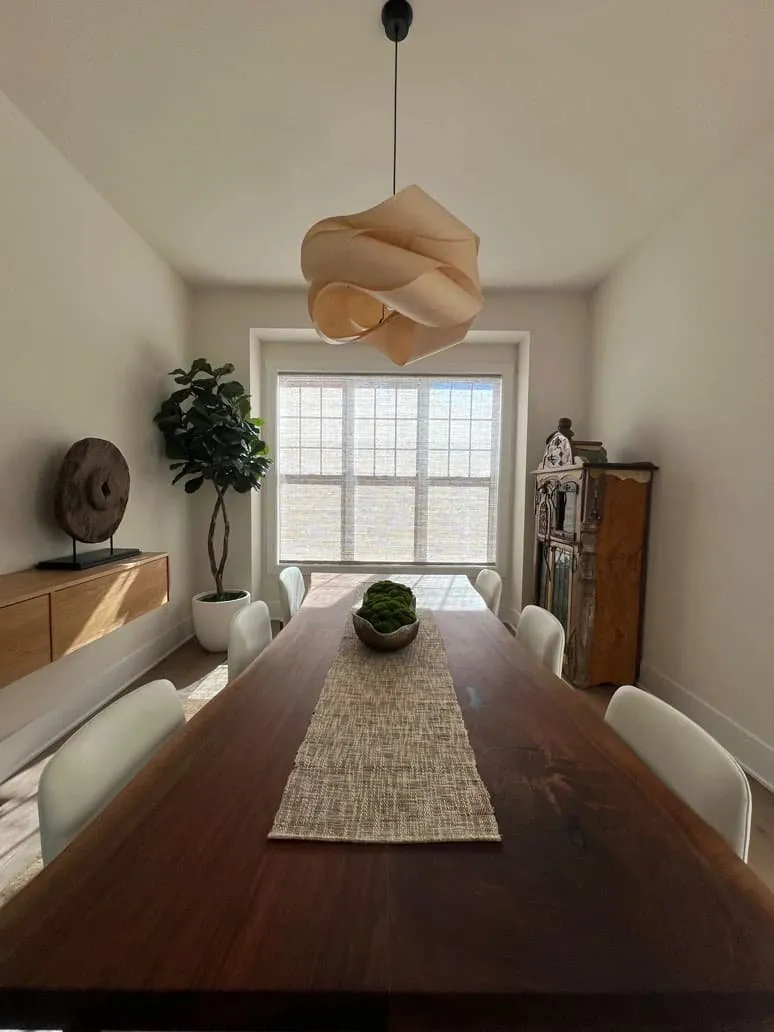
Newer colonials off Route 140
The colonials built off Route 140 have bigger, standard windows and more of them. Many have a two-story entry with a tall window above the door or on the stair landing, a family room at the back with a wide run of glass toward the yard, and bedrooms with matching windows along the second floor.
The entry window is usually the first one owners want on a motor, because it is simply too high to reach. A shade there can open and close with the rest of the ground floor from a handset or on a schedule. The family room wall is next: grouped together, every shade along it moves as one and stops level.
Standard sizes help. When the bedroom windows match, the bedroom shades can match too, and a single group closes the whole upper floor at night. Because frames in newer houses are shallower than antique ones, more of these windows take a mount on the casing, which we will point out as we measure.
Deep setbacks and the evening
Upton’s large lots and deep setbacks put houses a long way from the road. During the day that distance gives a lot of privacy. After dark, though, a lit room still shows from far off, and a farmhouse with windows on every side shows in every direction.
A closing schedule solves it without anyone walking the house. At the time you choose, every shade you have picked closes, front, side and back. As the evenings draw in or stretch out through the year, you move the time in the app in a few seconds. On nights when you want the house closed early, one press on a handset does it.
Handset, app or schedule
Every PowerView shade can be moved three ways, and Upton households tend to use all three.
A handset
Kept in the room, with simple buttons to raise, lower and stop a shade or a group. Visitors understand it at once, and no phone is needed.
The PowerView app
On a phone or tablet, reaching every shade in the house. This is where you set exact heights, build groups and write schedules. From the kitchen of a big farmhouse, you can check that the far bedrooms are closed.
Schedules
Written once in the app and then left to run. Opening the ground floor in the morning, closing the house in the evening, keeping a guest room closed while it is empty: once set, they happen on their own.
Our guide to how motorized shades are controlled explains each one, and the window covering automation page goes further into schedules and groups.
Planning motorized blinds in Upton, MA at home
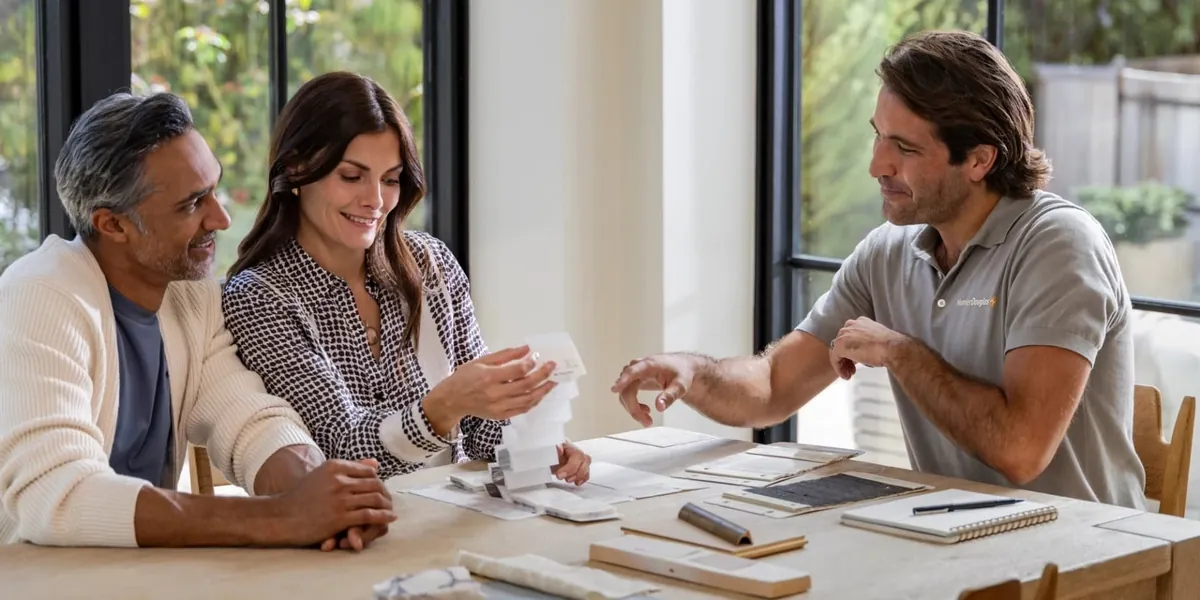
Small antique windows and tall colonial entries both have to be seen where they are, so most projects begin with a visit. Our vans carry samples, so the choice comes to your door.
- Request a consultation online or use the call button, and tell us whether the house is antique, newer or a mix.
- We start in the rooms you use most and look at how much daylight each window gives.
- Fabric samples are held up in the frames, so you can see how each one looks raised and lowered in your own light.
- We talk through groups and controls, and decide which windows should move together.
- Every opening is measured on its own, with notes on the depth of each frame.
- We work out how each motor is powered, window by window, during the visit.
- A free estimate follows for the shades and their installation.
- A certified Hunter Douglas installer fits each shade, sets where it stops, pairs it to handsets and the app, and sets the first schedules with you.
To read more about that first appointment, see our in-home consultations page.
Farmhouse rooms that grew over time
Many Upton farmhouses have been added to: an ell, a kitchen wing, a back bedroom over an old shed. Each addition brought its own windows, so one house can have very small original openings at the front and larger, later windows at the back.
A motorized system copes with that easily. Every window gets a shade sized to its own frame, inside or on the casing as the frame allows, and they all appear in one app. If you choose one fabric and color for the whole house, the old and new parts look as though they belong together, even though every shade is a different size.
The back rooms in an addition often face the open land behind the house. A woven shade or a light-filtering roller there keeps the outdoors in view while taking the edge off the light, and on its own schedule it can follow the sun independently of the front rooms.
Bedrooms under old rooflines
Upstairs in an antique colonial, bedrooms can sit under a low roof with small windows set near the floor or tucked into a gable. Those windows are often behind furniture and awkward to reach, which is why their shades so often stay in one place.
On a motor they join the other bedrooms. A handset by the door closes them all at bedtime, and a morning schedule opens them at the hour you choose. Room-darkening fabric cut to each small window keeps the bedroom dark while the shade is down, and with no cord hanging in the window, a child’s room is safer.
In the newer colonials, bedrooms are more regular, with matching windows that group simply. A whole upper floor can close with one press.
Kitchens in the old houses and the new
An antique Upton kitchen often has one small window over the sink and another on a side wall, both hard to reach across a counter or a stove. In a newer colonial, the kitchen usually opens to the family room, with a window over the sink and a sliding door or a run of glass beside the table. Either way, the kitchen is where shades move most often, and where reaching for them is most awkward.
Motorized blinds in Upton, MA make that simple. The kitchen shades can rise with the morning schedule as the first room of the day, and close in the evening with everything else. Blinds with tilting slats suit a kitchen well, since angling the slats lets light onto the counter while softening glare on the table. Honeycomb shades are the softer option, and in a small antique window their tight stack keeps the glass clear when raised.
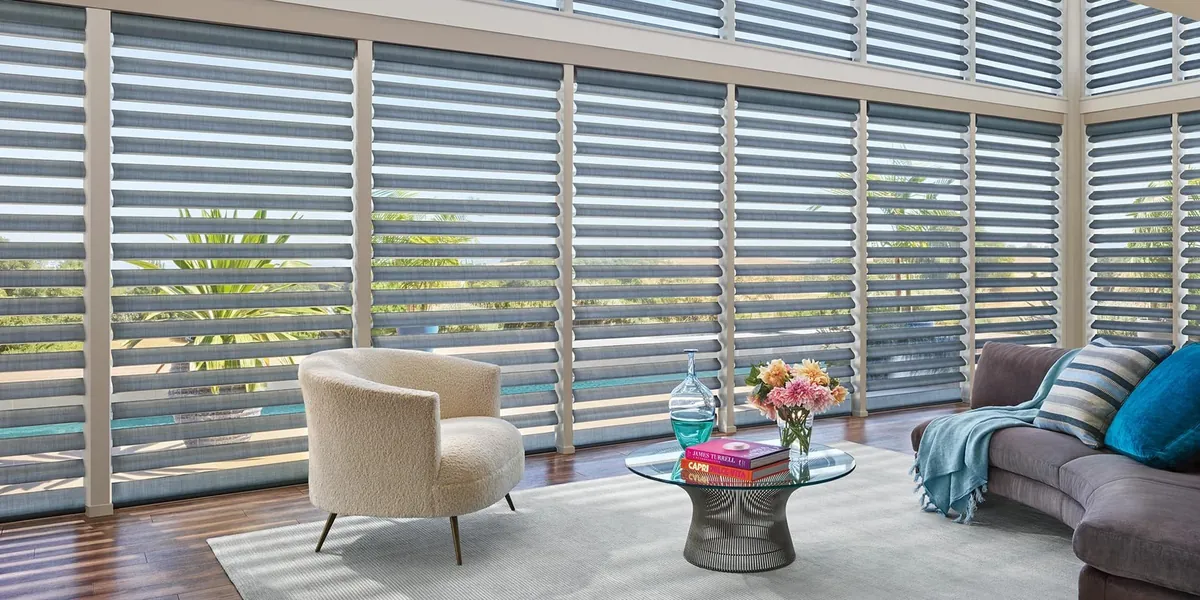
Sheer and soft options for the family room
The family room in a newer Upton colonial often has the largest run of windows in the house, facing a back yard with nothing close behind it. Here the aim is usually a soft, even light rather than privacy, and sheer shades with fabric vanes are a natural fit. They soften the light coming in while keeping the view of the yard.
Grouped on a motor, every sheer shade along the wall moves as one, and the whole run can sit at a chosen height through the day. We bring sheer samples with the honeycomb and roller options, so you can compare them against the same windows before deciding.
One part of the house at a time
A large farmhouse or a four-bedroom colonial has a lot of windows, and few owners do them all at once. A sensible start is often the darkest rooms in an antique house, so they get every bit of morning light, or the tall entry and stair windows in a newer one, since those cannot be reached at all. Any shade added later joins the same app and the same handsets and follows the schedules already in place, so the first rooms never need changing.
Taking motorized blinds in Upton, MA in stages also lets you live with a fabric through a season before choosing it for the rest of the house. Small antique windows in particular can surprise you, and seeing how a color behaves on them in winter and summer makes the next choice easier.
Choosing fabric and color
In a small antique window, fabric color has a big effect on the room. A pale fabric keeps the window reading as a source of light even when the shade is down; a dark one makes a small opening look smaller still. Light-filtering, room-darkening and sheer fabrics each behave differently, and seeing them in your own frames is the only reliable way to choose.
For the wider set of choices in town, our Upton window treatments page shows everything we offer, and roman shades in Upton covers folded fabric styles that suit a formal front room.
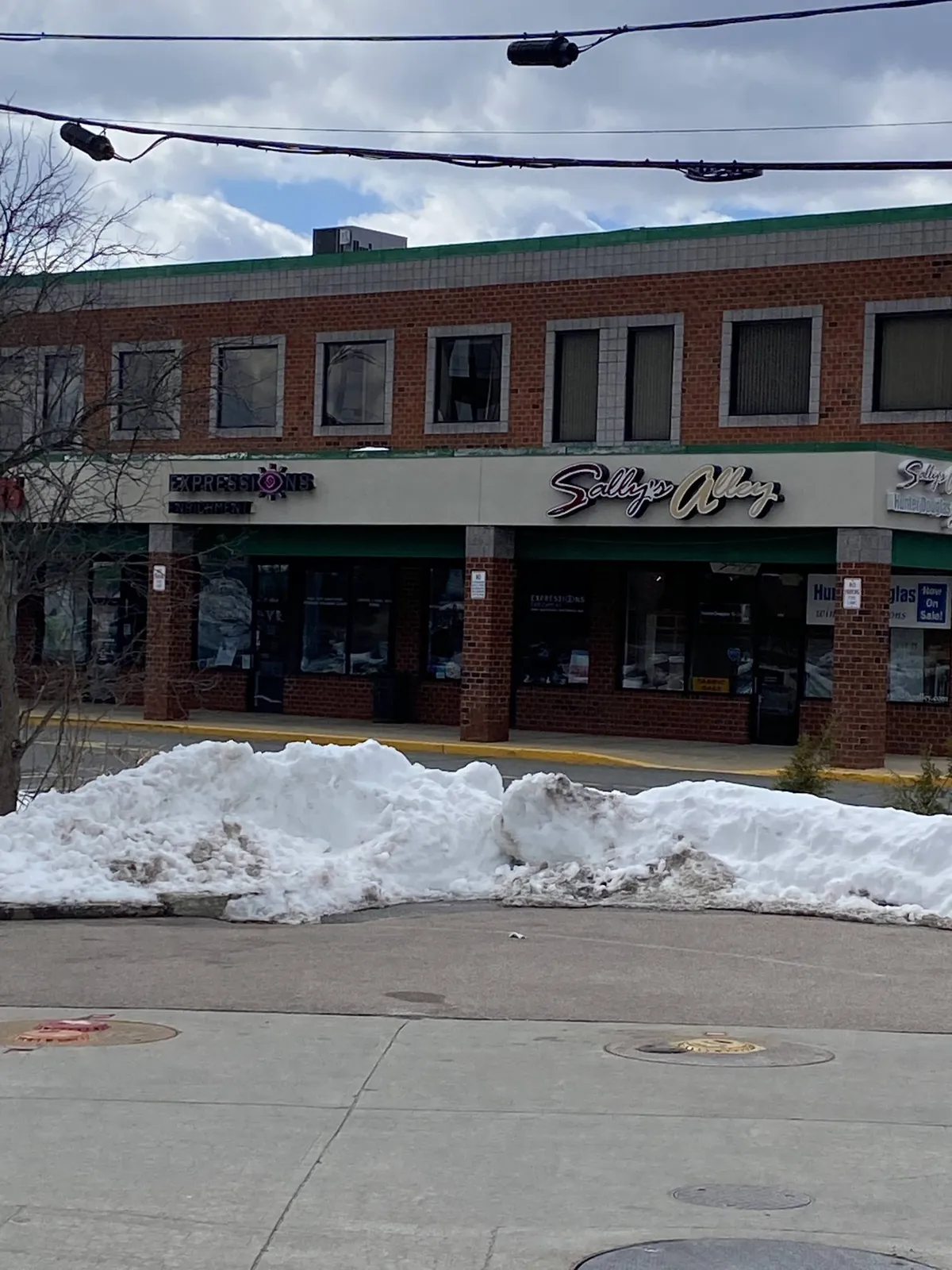
Franklin is the nearest showroom to Upton
The closest of our showrooms to Upton is Franklin. Come by if you would like, or ask for the sample van to visit the house instead.
Wherever you begin, measuring is done at your windows. The small, deep antique frames and the tall glass of a newer colonial both need checking one by one.
Gallery status, one system for old and new
Blinds & Designs is a Hunter Douglas Gallery dealer, and the installers who fit our shades are Hunter Douglas certified. For an Upton house that mixes very small antique windows with larger, later ones, it means every style you might want under one roof, with PowerView available across honeycomb, roller, roman, woven and sheer shades as well as blinds.
There is no charge for an estimate. Interior design consultations are there when you want help bringing old and new rooms together, and we repair blinds and shades if an existing one needs attention. See our Hunter Douglas dealer in Upton page and the full motorized blinds and shades range.
Questions from Upton
Our antique windows are tiny. Will a shade block what little light they let in?
Not if it is chosen well. Honeycomb and roller shades stack compactly, an inside mount hides the headrail in the frame, and a motor raises the shade fully every time.
Is a tall entry window too high to motorize?
No. High windows are the first many owners motorize, because they cannot be reached by hand. They can join the ground floor group.
Our farmhouse has windows of many different sizes. Is that a problem?
No. Each window gets a shade made to its own measurements, and they all run together in one app.
Can the house open itself in the morning?
Yes. A schedule raises chosen shades at a set time, so the rooms get their daylight before anyone comes downstairs.
What does the estimate cost?
It is free, and it covers the shades and the installation for the windows we measure.
Your next step
Start with the room that feels darkest, often a front room in an antique house, or with the entry window you can never reach. Mention it when you book, and we will bring samples to suit, measure each opening and show you how motorized blinds in Upton, MA open a small window fully on your own glass. If you have a question first, the call button reaches our Franklin showroom.