
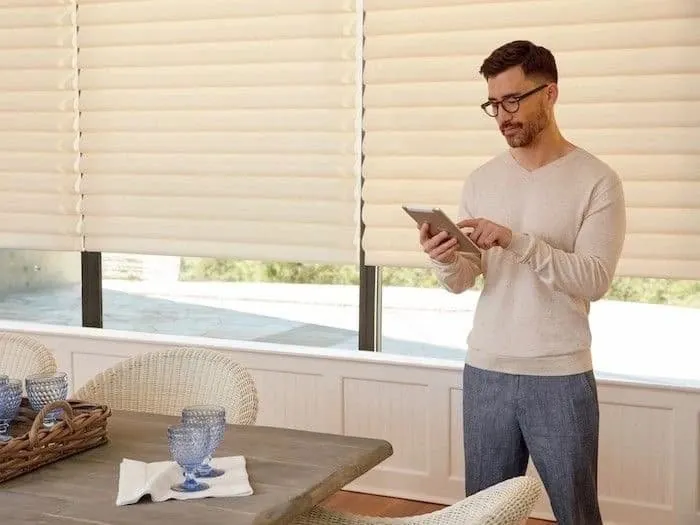
Small, deep windows in a close-set town center
The jewelry-era streets near the center of North Attleborough are tightly packed. Victorians and two-families stand shoulder to shoulder, many with tall sash in the front rooms and small, deep openings along the sides where one house almost touches the next. When we plan motorized blinds in North Attleborough, MA, for one of those houses, the first job is reading each opening: how deep the frame is, how close the neighbor’s wall sits, and how often the shade really needs to move.
Close-set houses change how a window gets used. A side window that looks straight into the house next door tends to stay covered all day, because nobody wants to lean across a radiator twice a day to adjust it. A tall front sash facing the sidewalk gets the opposite treatment, opened and closed more often than any other window in the house. A PowerView motor answers both. The side shade can rise for an hour of light and drop again on a schedule, and the front shade moves from a handset or the app without a reach to the top of the sash.
Farther out, the post-war ranches and newer colonials have roomier lots and more regular windows. There the motor is less about tight corners and more about running a whole floor of shades together.
Motorized blinds for North Attleborough windows, style by style
Hunter Douglas offers PowerView on many of its shades and blinds, so the motor follows the window rather than forcing one look on every room. These are the three we bring up most often for houses near the center and along the outer roads.
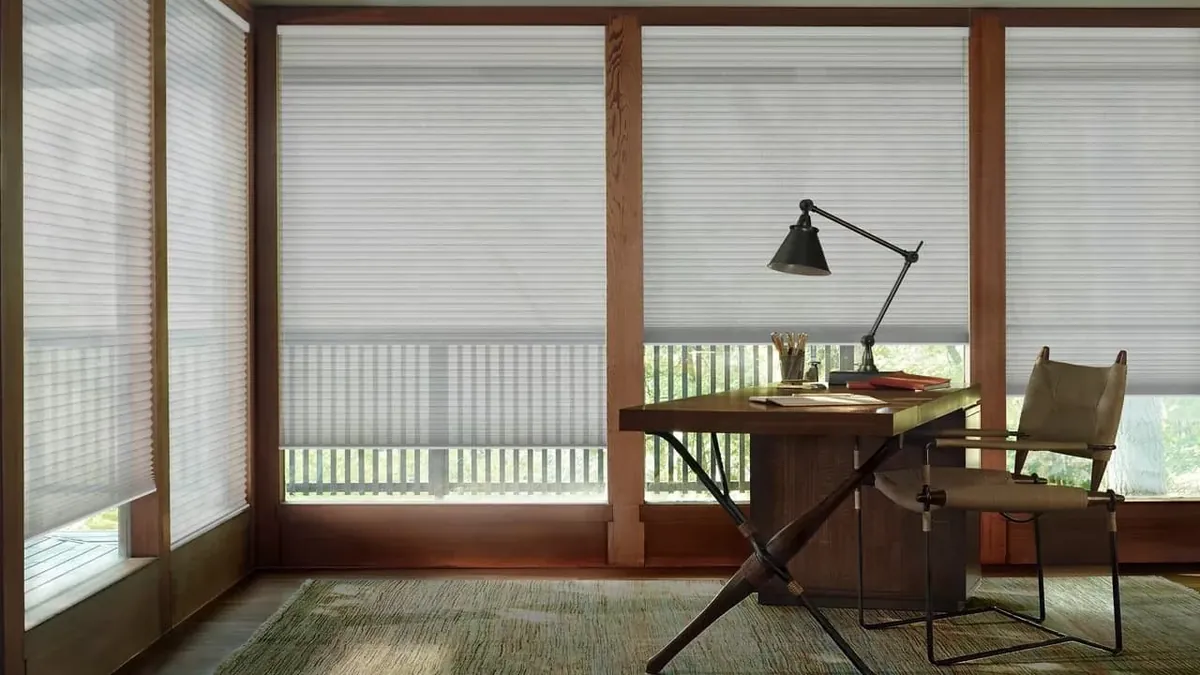
Cellular shades
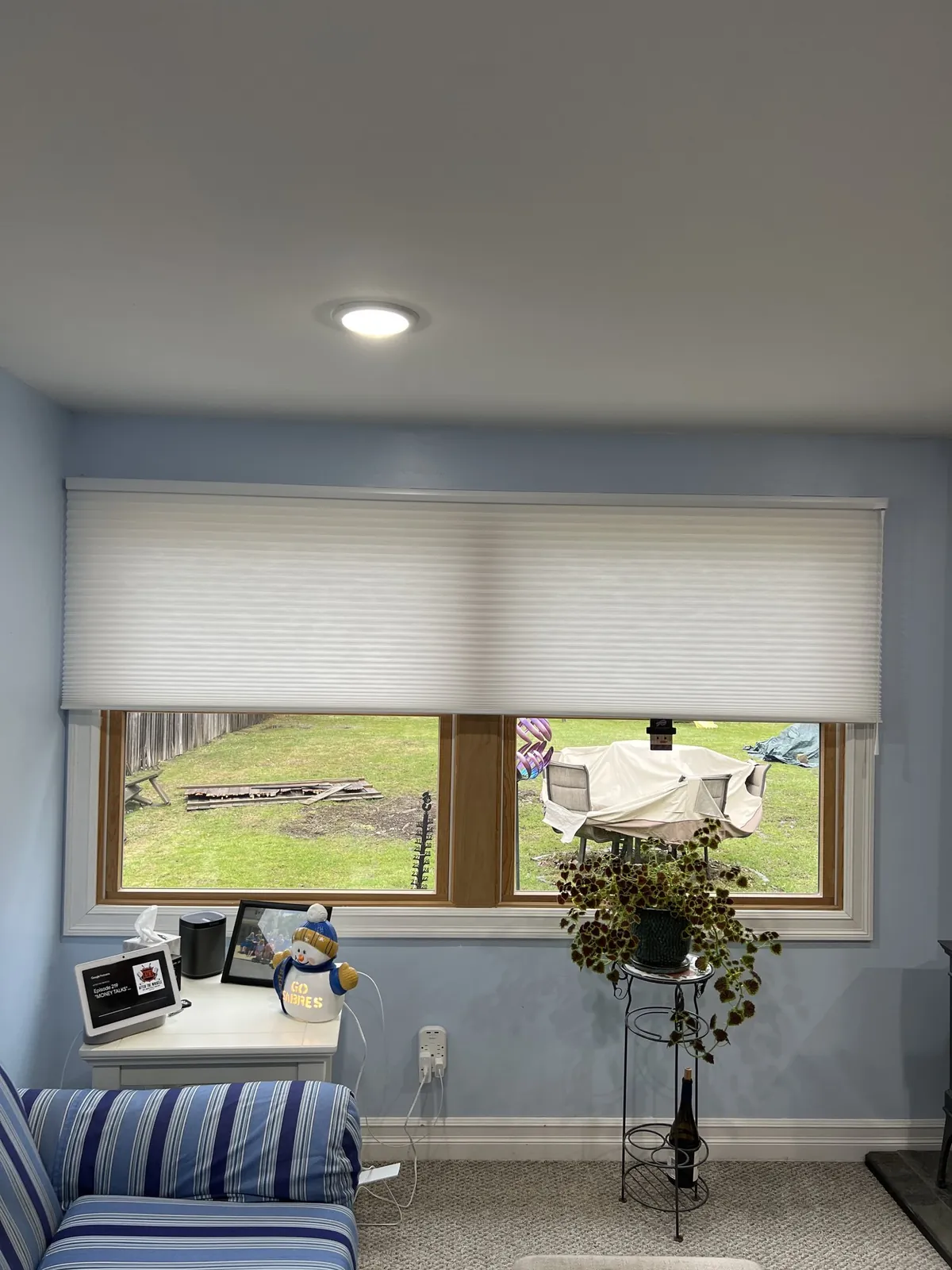
Duette and Applause honeycomb fabrics with a slim stack, a good match for the shallow frames in an older two-family.
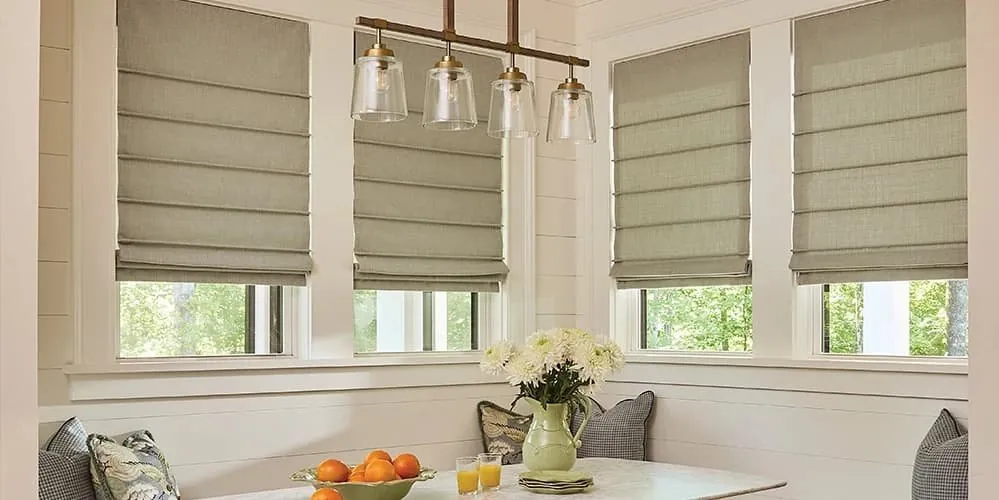
Roman shades
Soft folded fabric for a Victorian dining room or a front parlor, with the lift run by the motor.
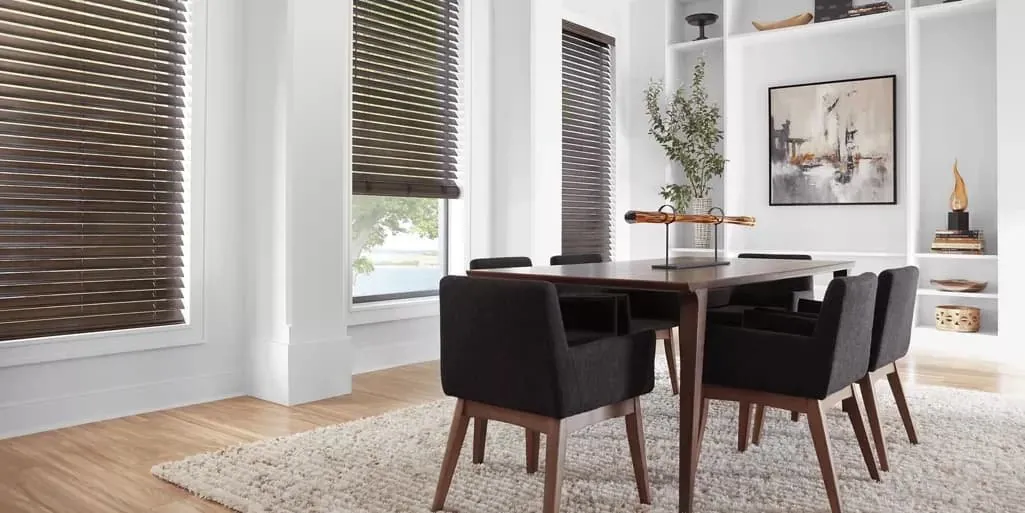
Wood blinds
Slats that tilt and lift on a schedule, so a side window can share light without sharing the view next door.
What a deep opening asks of a motorized shade
An old frame with a deep reveal looks like the easiest place in the world to tuck a shade. Often it is. The trouble comes when the depth is uneven, or when the sash, the stops and the old pulley housings leave less clear space at the top than at the bottom. A headrail needs a flat, clear seat, and a motorized headrail needs that seat to be dependable, because the shade will be traveling up and down every day without anyone guiding it.
So we measure depth at several points across the head of the frame, not just in the middle. We look at the stops for paint buildup, check whether the sash locks stand proud, and note anything that might brush the fabric on the way down. On a jewelry-era two-family, it is common to find one window in a row that has been replaced and sits shallower than its neighbors. That window may need a different mount, and we would rather catch it with a tape than find out on installation day.
When the frame allows it, an inside mount keeps the casing and trim fully visible, which matters on a Victorian where the woodwork is part of the house. When it does not, an outside mount on the casing is the honest choice. We explain both at the window and let you decide.
Two-families: one house, two households
A two-family near the center usually means two kitchens, two front rooms and two sets of windows stacked one above the other. Each household runs its own shades, and PowerView keeps them separate. The upstairs unit can have its own handsets and its own app setup, and the downstairs unit the same, so neither one is moving the other’s shades by accident.
If you live in one unit and rent out the other, that separation is useful. Your own floor can carry the schedules and groups you want, while the other floor gets simple handsets that anyone can use on day one. If you prefer, the rental floor can stay with manual shades for now and join the system later. New PowerView shades pair with the ones already installed, so nothing fitted early has to be replaced to grow the system.
Stairwells in these houses are often narrow, with a window at the landing that sits over the steps. That window is a natural candidate for a motor, because there is no comfortable place to stand while reaching it.
Tall front sash on the sidewalk side
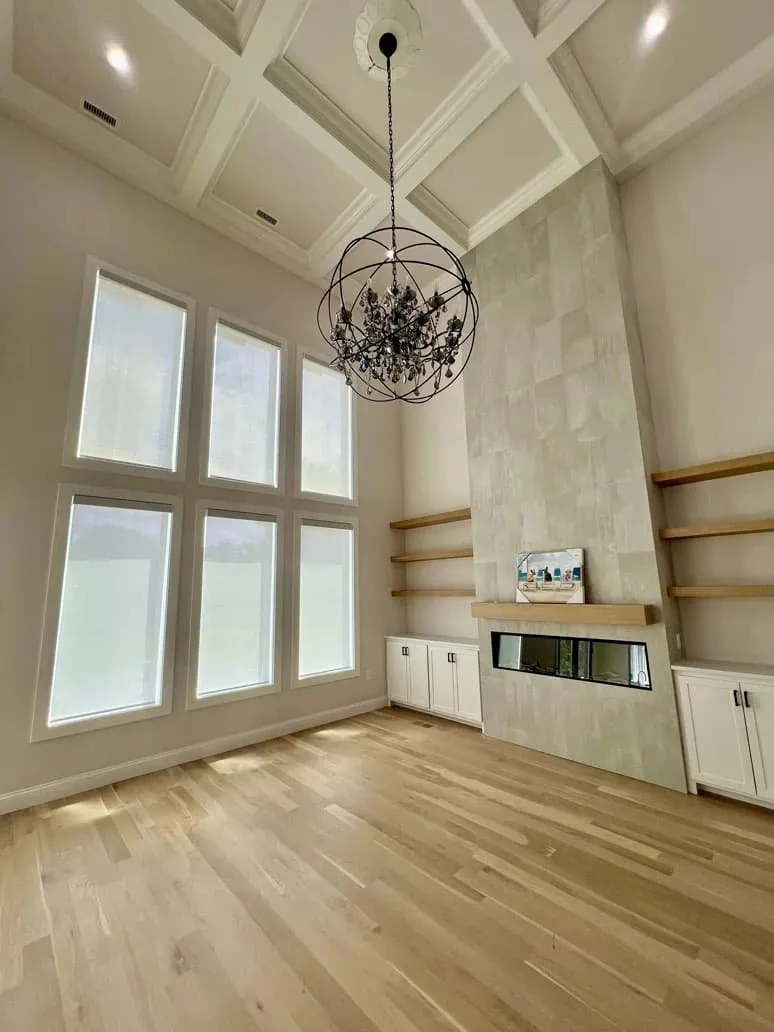
The front rooms of the Victorians near the center often have the tallest windows in the house, set close to the sidewalk. Those windows earn their keep in daylight and need privacy after dark, and they are a stretch to adjust by hand once the shade is fully raised.
A motorized shade travels the whole height of the sash at a press and stops wherever you want it. A favorite setting in a front parlor is a shade lowered just far enough to block the view from the sidewalk while the top of the window stays open to the sky.
Schedules do the repetitive work. You might set the front room to open at the hour you come downstairs and close at the hour you usually draw the shades in the evening. Once that is set, the front of the house keeps its routine whether you are home or not.
Side windows that face the house next door
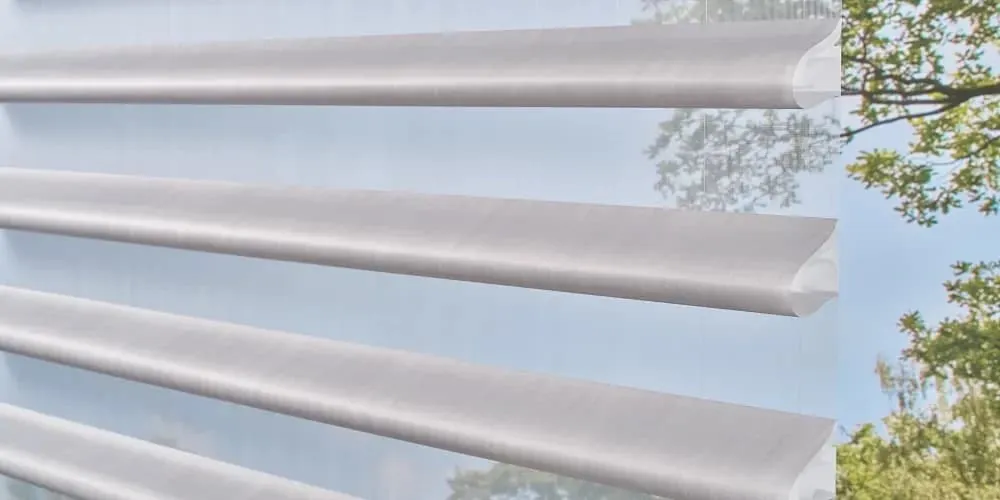
In a close-set neighborhood, side windows are the ones nobody quite knows what to do with. Leave them open and you see into a neighbor’s kitchen; close them and the room loses half its light. Blinds and sheer shades handle this well, because both can let light in while softening or blocking the view.
With wood blinds, the slats can tilt upward so daylight bounces off the ceiling while the line of sight from next door is cut. With sheer shades, the fabric vanes can be angled so the room stays bright and the view out turns soft. On a motor, either one can follow a schedule: tilted open through the middle of the day, closed early in the evening. That keeps a side window useful without anyone fussing with it.
For a house with several side windows down one wall, grouping helps. One press, or one scheduled moment, sets every slat on that side to the same angle.
Ranches and colonials on the outer roads
Away from the center, the housing loosens up. Post-war ranches have a living room picture window, a row of bedroom windows and often a slider at the back. Newer colonials add a second floor, a window over the front door and a family room open to the kitchen.
These windows are more regular, which makes motorized blinds in North Attleborough’s outer neighborhoods a tidy fit. Frames tend to be square and depths consistent, so inside mounts are straightforward. The reasons for a motor here are mostly about routine: a ranch with a long front where every shade should stop at one height, a colonial with a two-story foyer window that no one can reach, a family room that takes direct afternoon sun right when it is busiest.
Grouping does most of the work in a ranch. A single command can bring every front shade down together in the evening, and a morning schedule can lift the bedroom shades at the time you choose. In a colonial, the high windows over the entry or along the stair are usually first on the list.
Choosing between a handset, the app and a schedule
PowerView gives you three ways to move a shade, and most houses end up using all three in different rooms.
- A handset lives in the room and does the basics: raise, lower, stop. It is the easiest choice for guests, children and anyone who would rather not open an app.
- The PowerView app on your phone or tablet moves one shade or a whole group to any height, and it is where scenes are built, such as a “movie” setting for the family room or an “evening” setting for the front of the house.
- Schedules move shades at times you set, every day or on chosen days, so the house keeps its routine without reminders.
If you want to read more before the visit, our guide to how motorized shades are controlled walks through each option, and the window covering automation page goes further into schedules and scenes. How each motor is powered is something we plan with you at the visit, window by window.
Your consultation, step by step
Nothing about a deep Victorian frame or a two-family stairwell can be judged from a photo. That is why our consultations happen at the house, with a van full of samples parked outside. We can bring the showroom to you.
- Book through Request a Consultation, or use the call button to reach our Franklin showroom.
- We begin at the window that bothers you most, which in this town is often a side window facing next door or the tall front sash.
- Fabric and slat samples go up against your own glass, so you see how each one handles the light in that room.
- Together we decide which shades move as groups, which stay on their own, and which rooms get handsets, the app or schedules.
- Each opening is measured at several points for width, height and depth, and anything in the way is noted.
- You receive a free estimate covering the shades and their installation.
- Hunter Douglas makes each shade to the measurements we took.
- A Hunter Douglas certified installer fits them, pairs every shade with its controls and sets up your first groups and schedules with you.
If you like to know what installation looks like ahead of time, see what happens on installation day.
Bedrooms tucked under the eaves
Upstairs in the older houses near the center, bedrooms often sit under a sloping roof, with small windows set into dormers or gable ends. Those windows tend to be deep, sometimes awkward to reach past a bed or a dresser, and they catch early light in summer.
Room-darkening fabric made to the exact opening keeps the light out where it should, and a morning schedule lifts the shade at the hour you pick, later on the weekend if you like. In a dormer, where you may have to kneel on the bed to reach the window, a motor is less a luxury than plain common sense. We check dormer depths carefully, since the framing there varies from house to house.
Kitchens and back rooms in the two-families
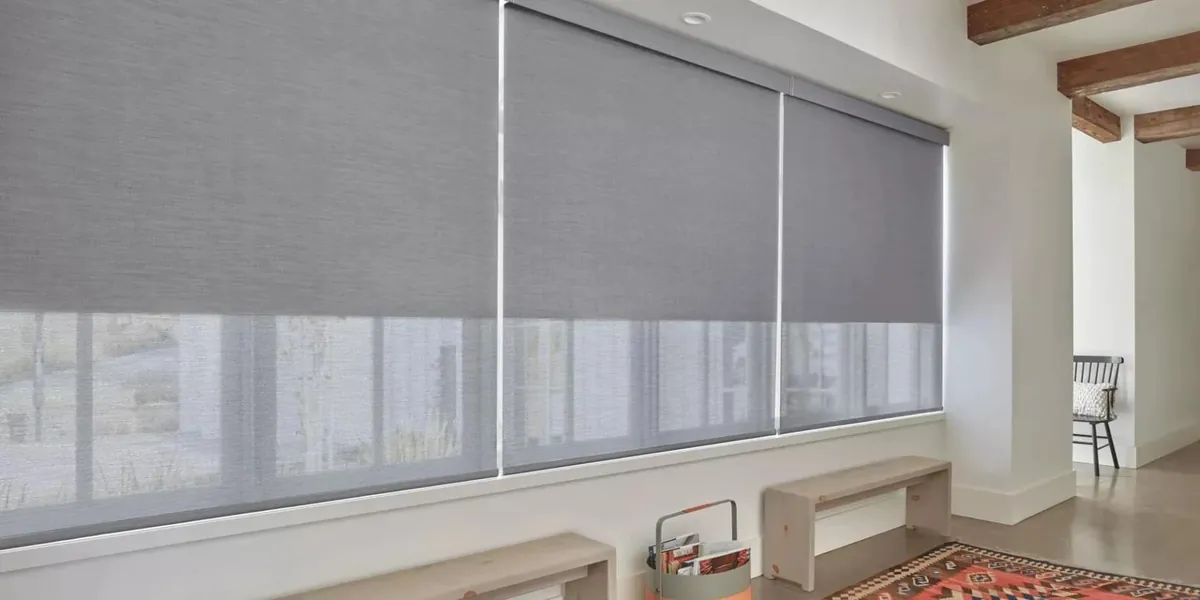
The back rooms of a two-family are usually the working rooms: a kitchen, a pantry, a small porch that has been closed in. Windows here sit above sinks and counters, which puts the shade just beyond comfortable reach. Roller shades and cellular shades both suit these spots, with a clean look and fabrics in light-filtering or room-darkening weights.
A motorized shade over the sink is one of the small changes that people notice every day. Raise it at breakfast, lower it in the evening, and never lean over a counter again. For an enclosed porch with windows on three sides, a group of roller shades keeps the room bright and moves together when the light shifts.
Foyers and family rooms in the newer colonials
The newer colonials on the outer roads bring a different set of windows. Many have a tall window over the front door or a stacked pair of windows lighting a two-story entry, and a family room at the back with a wide run of glass toward the yard. The entry glass is lovely from the street and impossible to reach from the floor. The family room glass takes the strongest light of the day just when the television is on and the kitchen is busy.
Motorized blinds for North Attleborough colonials like these usually start in those two places. The foyer shade can rise in the morning and lower in the evening on its own schedule, so it never needs a ladder. The family room shades can be grouped, lowered part way when the glare arrives, and raised again later, all from a phone or a handset on the coffee table. Screen and light-filtering fabrics keep the yard in view while cutting the brightness, and room-darkening fabric suits a family room that doubles as a place to watch movies.
Starting small and adding later
Plenty of projects begin with the two or three windows that cause the most trouble, a stair landing, a tall front sash, a sink window, and grow from there. PowerView shades added later pair with the system you already have, so the first shades never need to come out. That makes it easy to start with one floor of a two-family and add the other when the time is right.
Our motorized blinds and shades page covers the full range, and our North Attleborough page lists every service we offer in town, from cellular shades in North Attleborough to plantation shutters in North Attleborough.

What working with a Gallery dealer means here
Blinds & Designs is a Hunter Douglas Gallery dealer. For an older house with mixed openings, that means one place to plan honeycomb, roman, sheer and roller shades and blinds, all able to carry PowerView, and all measured and fitted by the same people.
Installation is done by Hunter Douglas certified installers. Estimates are free. Interior design consultations are available if you are rethinking a whole room rather than one window, and if a shade you already own needs attention, we offer blind and shade repairs too.
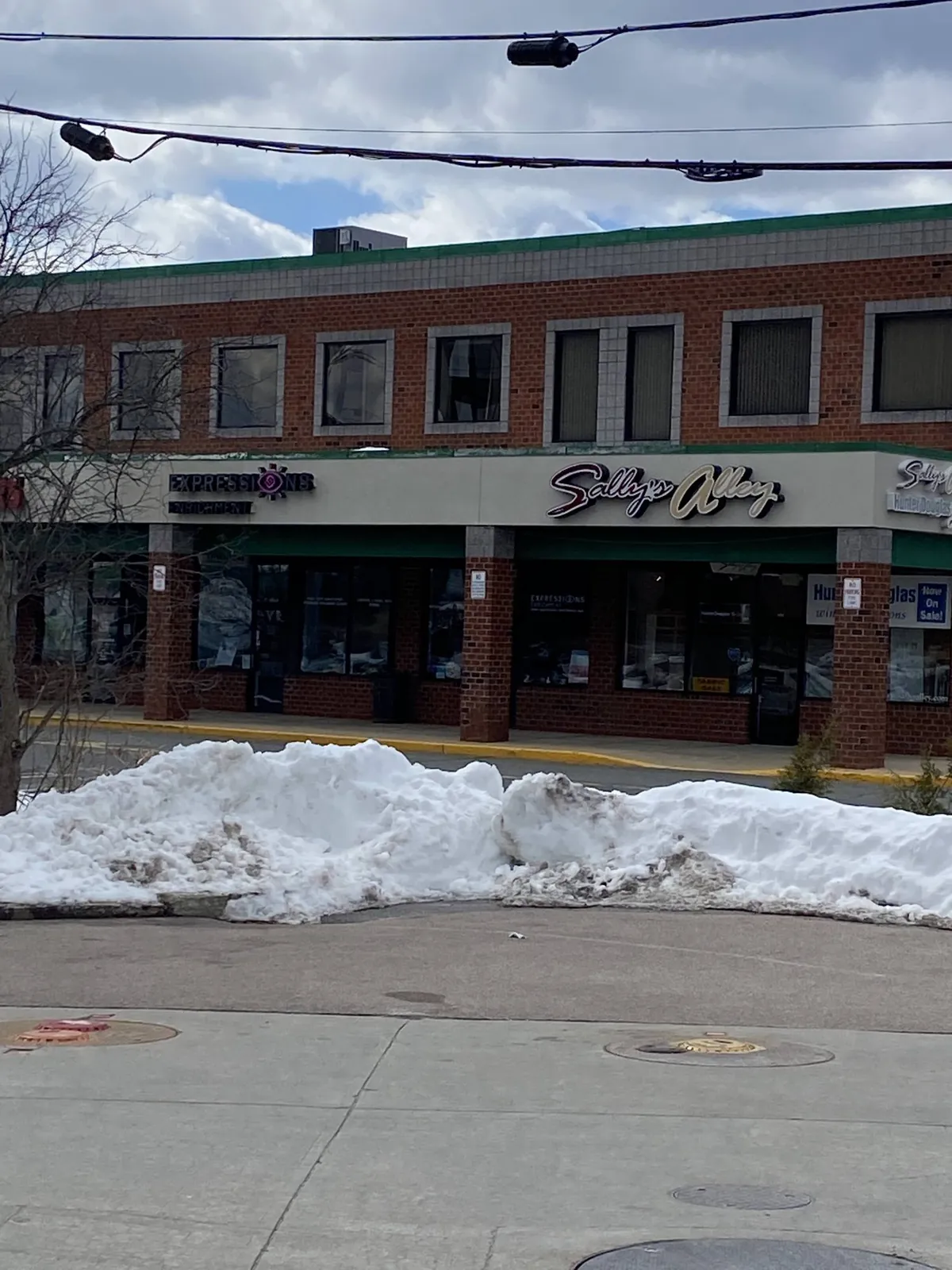
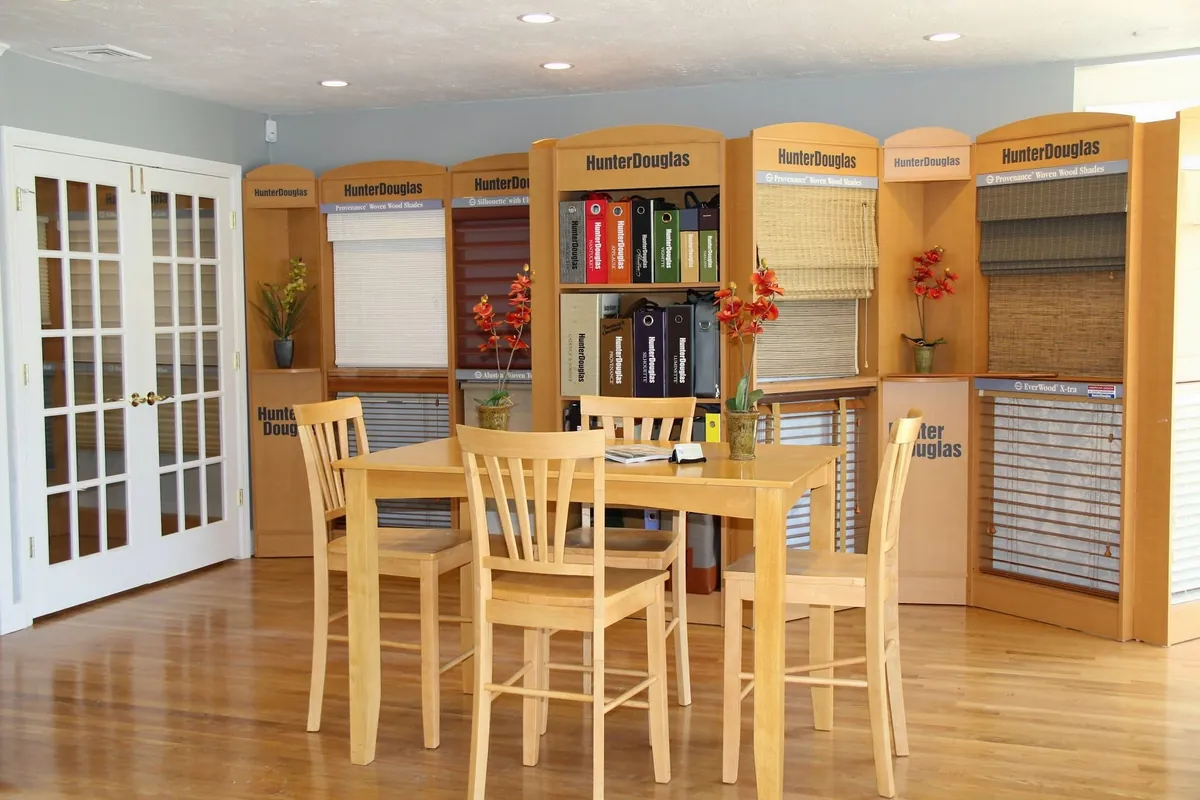
Franklin is the nearest showroom
From North Attleborough, our Franklin showroom is the closest one to drop into. If you would rather not make the trip, the sample van comes to you instead, and every window is measured at the house either way.
Questions from North Attleborough
Our side windows are very close to the house next door. What works best?
Blinds or sheer shades, usually. Both can let daylight in while cutting the view from next door, and on a motor they can follow a schedule so the angle changes through the day without you touching them.
Can each unit of a two-family control its own shades?
Yes. Each floor can have its own handsets and app setup, so the upstairs and downstairs households run their shades separately.
Will a motorized shade fit inside an old, deep frame?
Often it will. We measure the depth at several points and check for stops, locks and pulley housings. If an inside mount would be too tight, we will recommend mounting on the casing instead.
Do the ranches and newer colonials need anything different?
They are usually simpler, with square frames and consistent sizes. The planning there is more about which shades move together and which high windows, such as a foyer window, should go on a motor first.
Is there a charge for the estimate?
No. The estimate is free and is based on the measurements we take at your windows during the consultation.
Start with the window you avoid
Every house has one: the stair landing nobody can reach, the side window that never opens, the tall sash that stays half-down all year. Tell us about it when you request a consultation for motorized blinds in North Attleborough, and we will bring samples chosen for that opening, measure it properly and show you what a motor would change. Prefer to talk it through first? The call button reaches our Franklin showroom.