
Small windows, short sightlines
Two things come up again and again in houses around town. The first is distance: two-families and post-war capes sit on small lots, close enough that a kitchen window can look almost directly into the kitchen next door. The second is size: in the older stock, many original openings are small, so every inch of glass counts for daylight.
Those two facts pull in opposite directions. Covering a window for privacy takes light away, and a small window has little light to spare. Good window treatments in Whitman, MA, have to answer both at once, letting the sky in while keeping the neighbor’s view out, and taking up as little of the opening as possible when raised.
Near the center, Victorians add another layer, with taller sash, deeper trim and bays. We look at all of it in person, with samples held up to your own windows.
Every service with a page in Whitman
Each card below leads to the town page for one of the window treatments in Whitman, MA, that we offer.
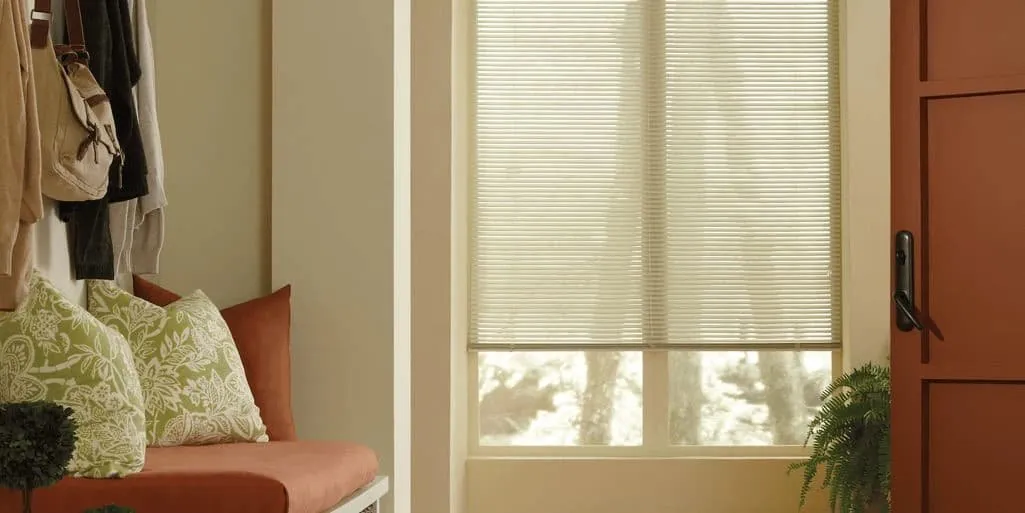
Custom Blinds in Whitman
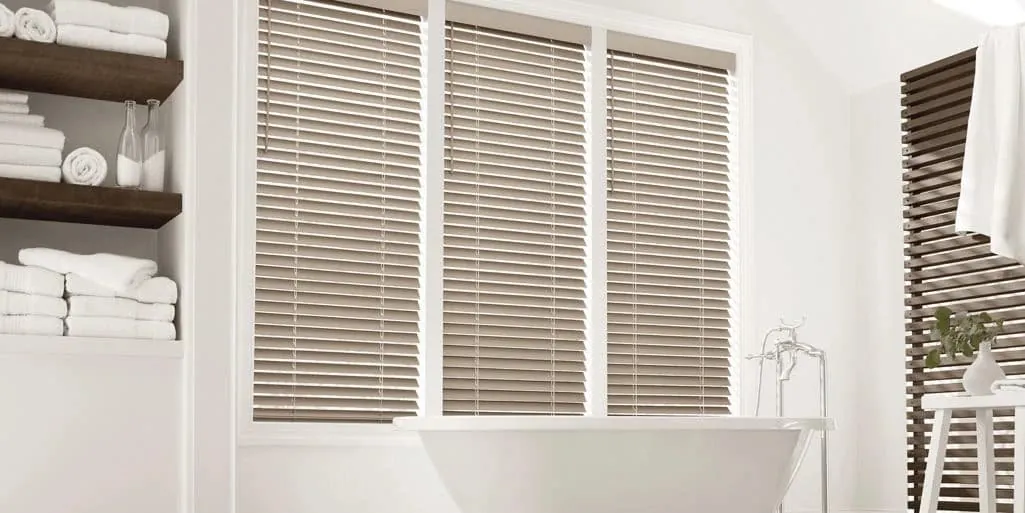
Wood, faux wood and metal horizontal blinds and vertical blinds. Narrow slats suit a small window and tilt to block a close view.
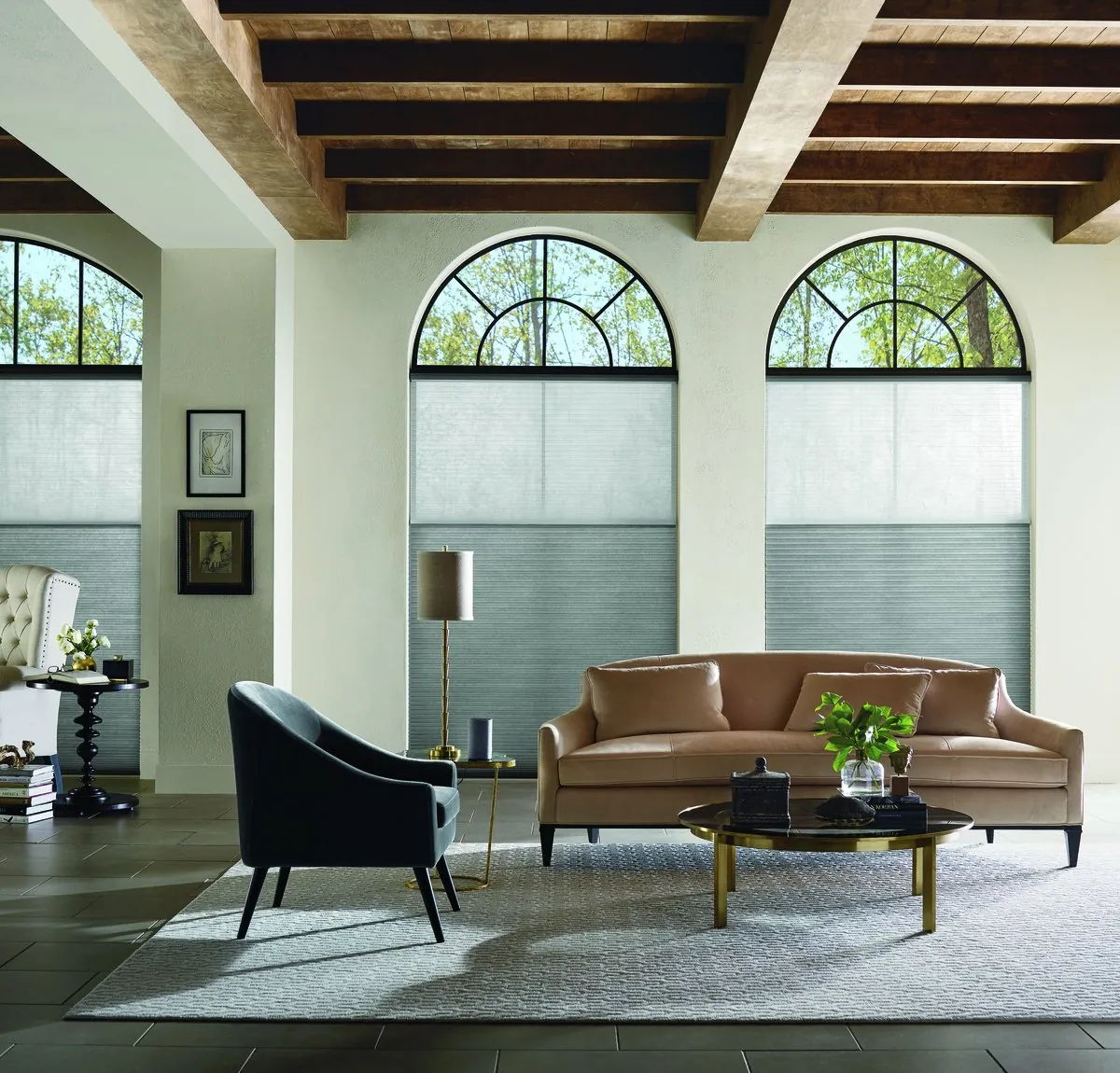
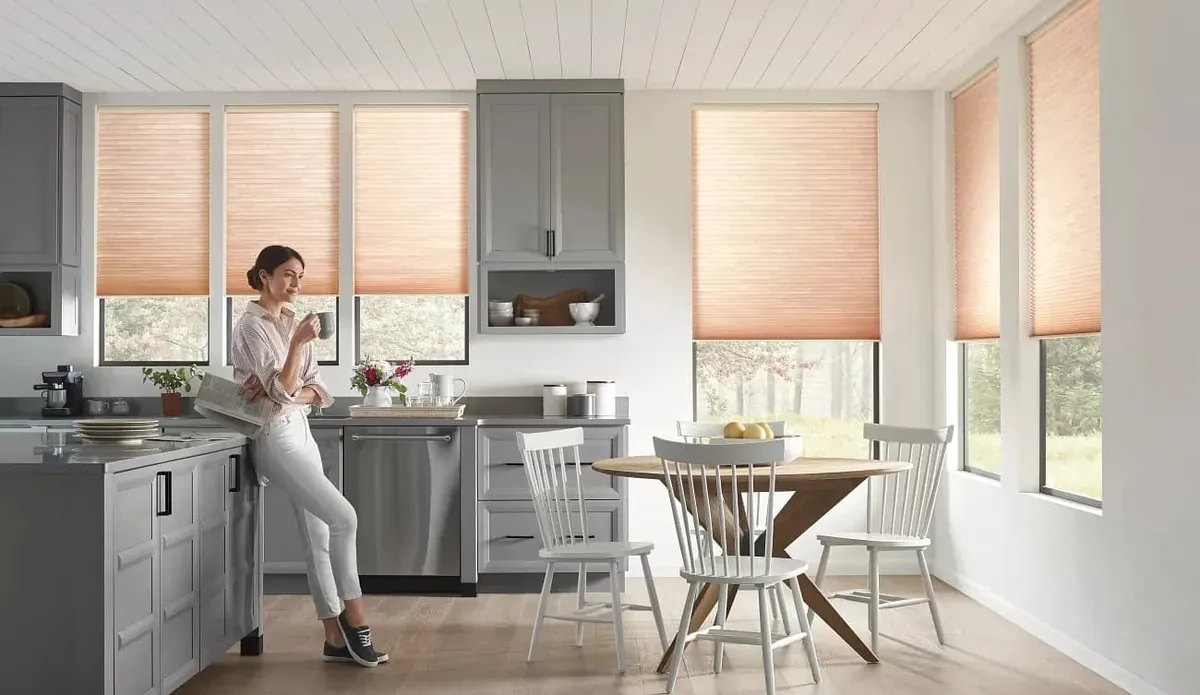
Cellular Shades in Whitman
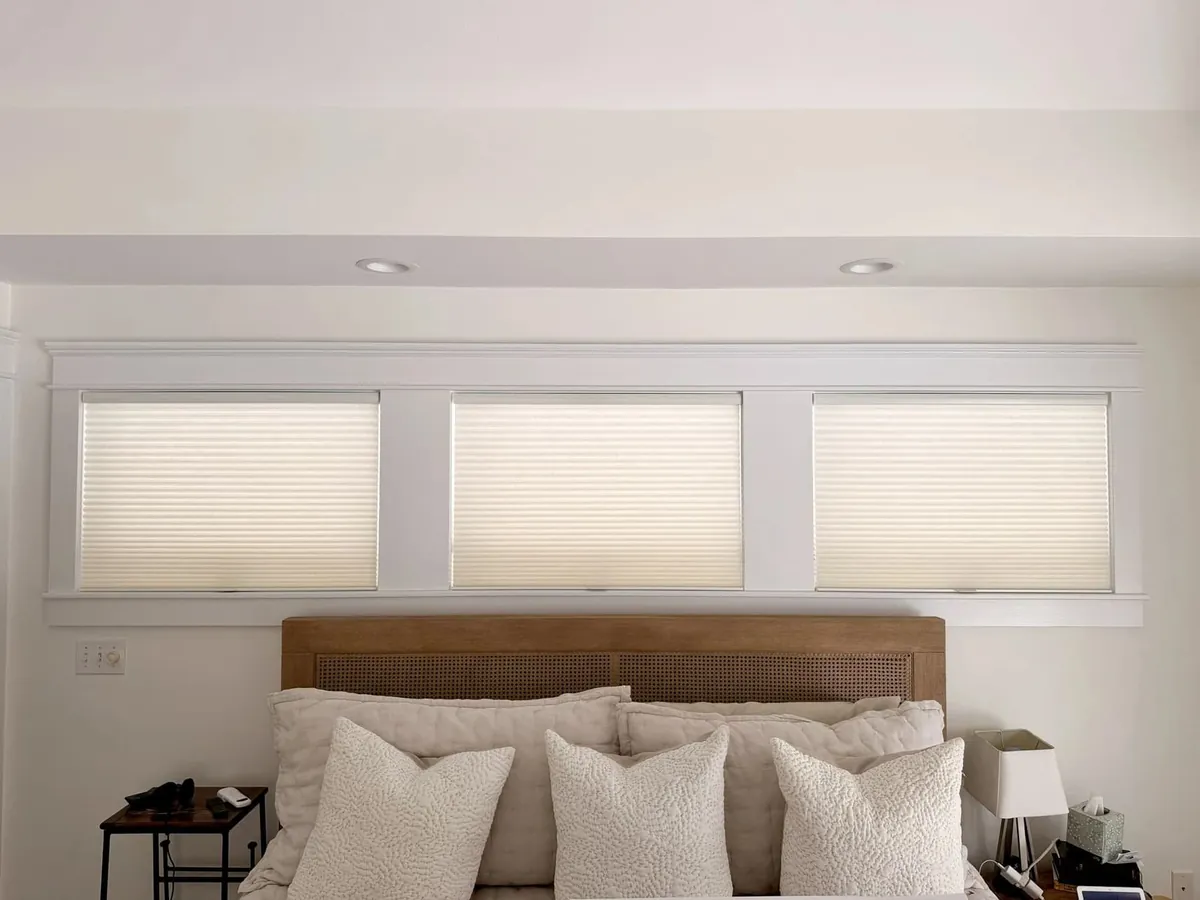
Duette and Applause honeycomb shades. They pleat up into a slim stack, so a small opening keeps nearly all its glass when open.
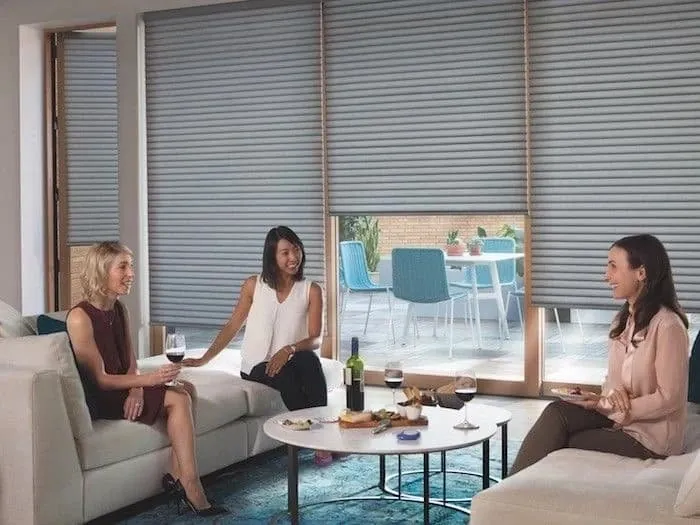
Roller Shades in Whitman
Designer Roller and Alustra shades that roll away almost completely, with a fabric openness matched to how much you want to see out.
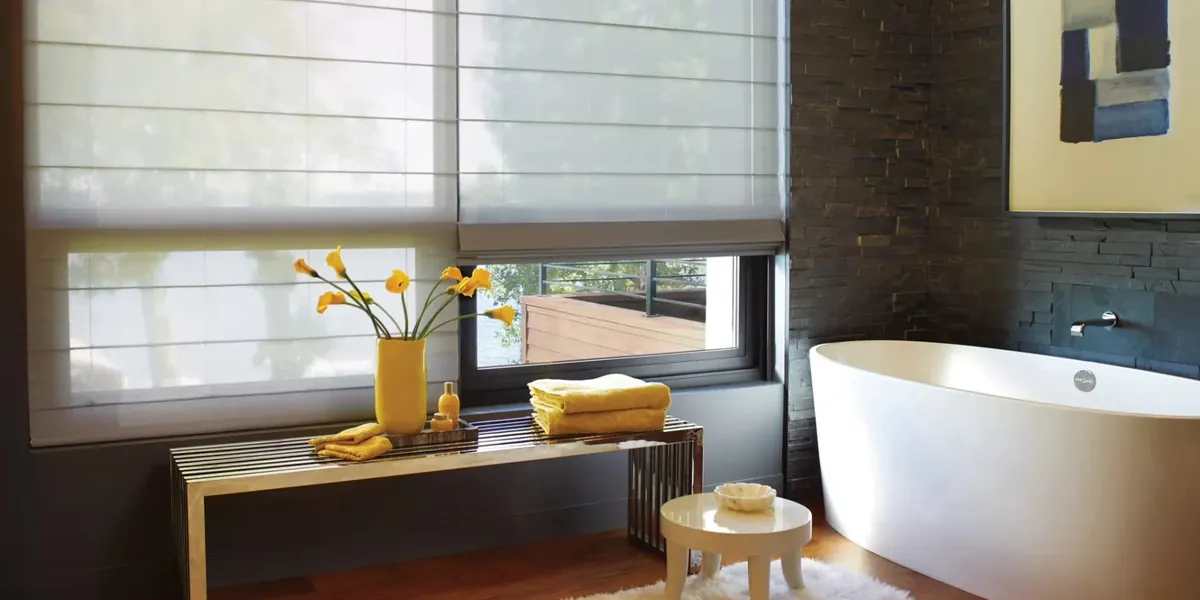
Roman Shades in Whitman
Vignette and Carole romans, flat or folded, when a room wants fabric and softness at the window.
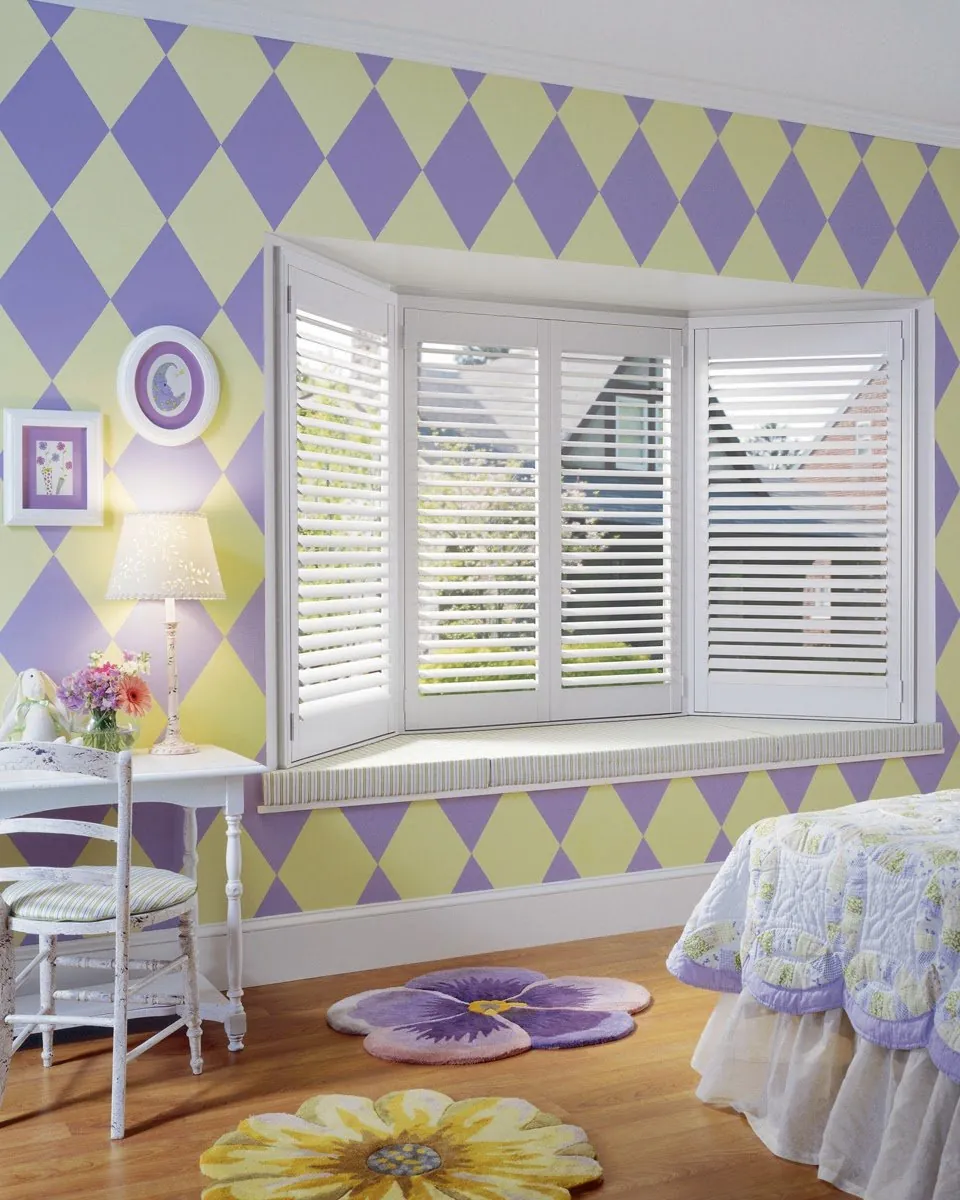
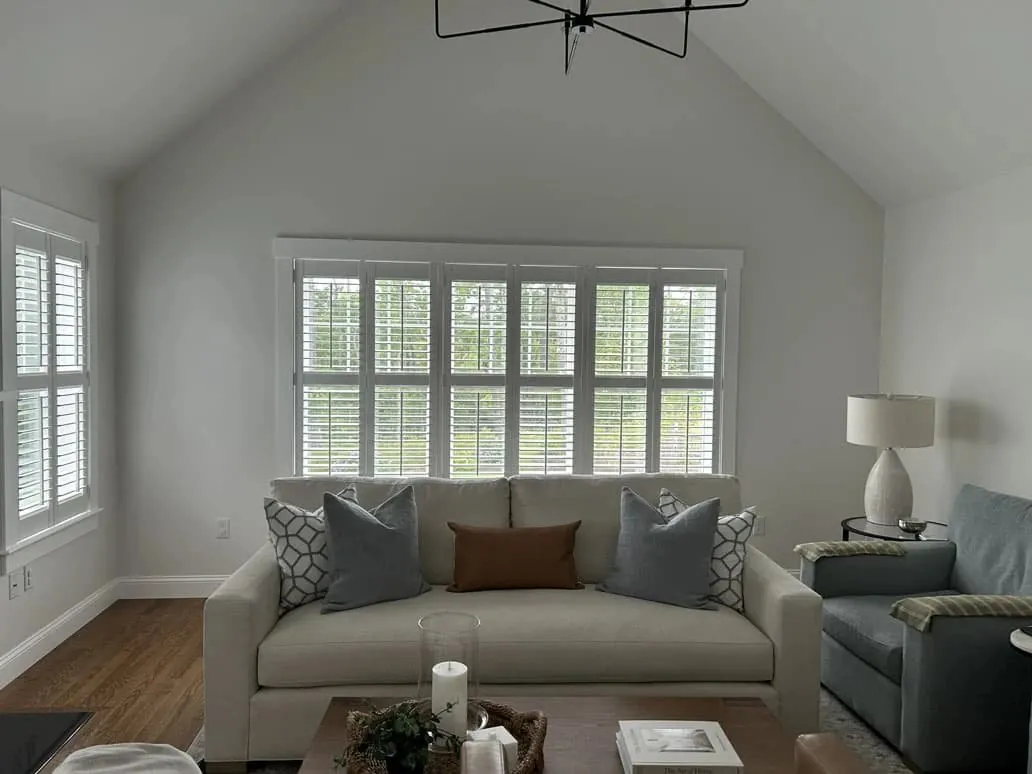
Plantation Shutters in Whitman
Palm Beach, NewStyle and Heritance shutters, with a louver size chosen so a small window does not look crowded.
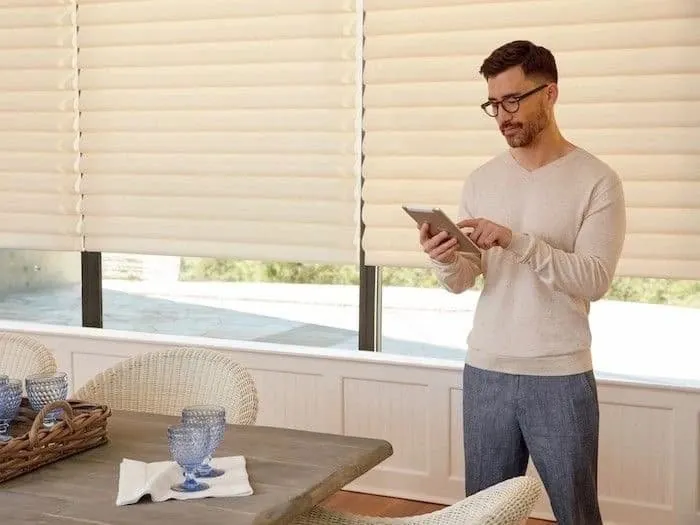
Motorized Blinds and Shades in Whitman
PowerView motorization with a remote, an app or a schedule, so shades can move through the day without anyone touching them.
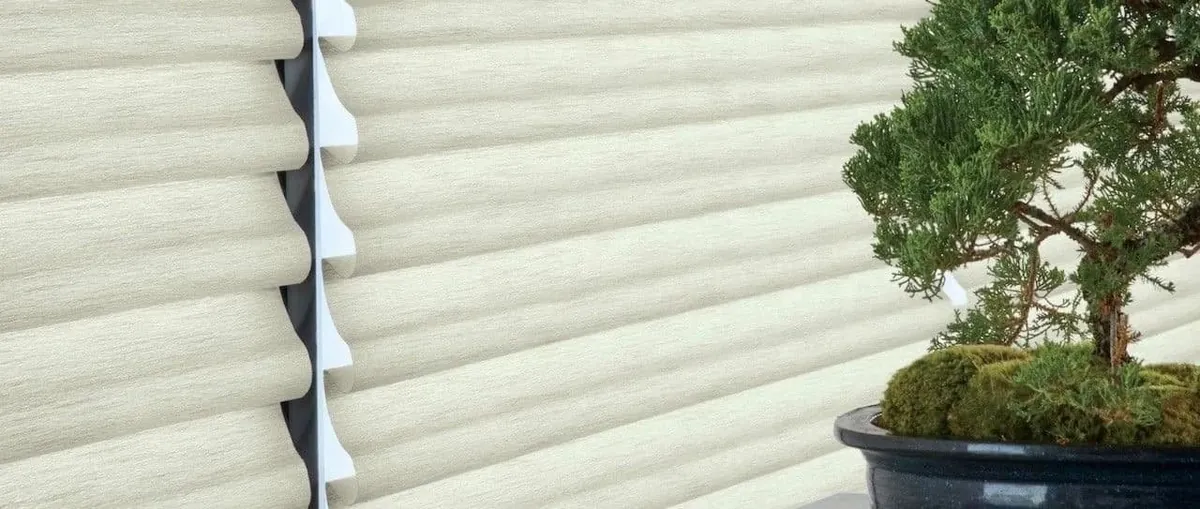
Hunter Douglas Dealer in Whitman
A Hunter Douglas Gallery dealer with the full Hunter Douglas range and certified Hunter Douglas installation.
Why a small opening changes the choice
On a big window, a shade that takes up a hand’s width of glass when raised hardly matters. On a small original opening, the same stack can block a real share of the daylight. So on the older houses, the first thing we look at is how much of the window each product leaves clear when it is fully open.
Honeycomb shades fold into a very compact stack, and roller shades wind onto a slim tube that can sit almost entirely above the glass. Both are strong choices for small windows. Blinds stack taller, because each slat takes up some room, though narrow slats help. Shutters stay in the window at all times, so on a small opening they work best with a slim frame and a louver size that suits the scale of the glass.
Mounting matters as much as the product. An inside mount keeps the trim on show but sits within the opening. An outside mount, fixed above and beside the frame, lets the shade clear the glass entirely when raised. On a very small window, that can make a noticeable difference to how bright the room feels.
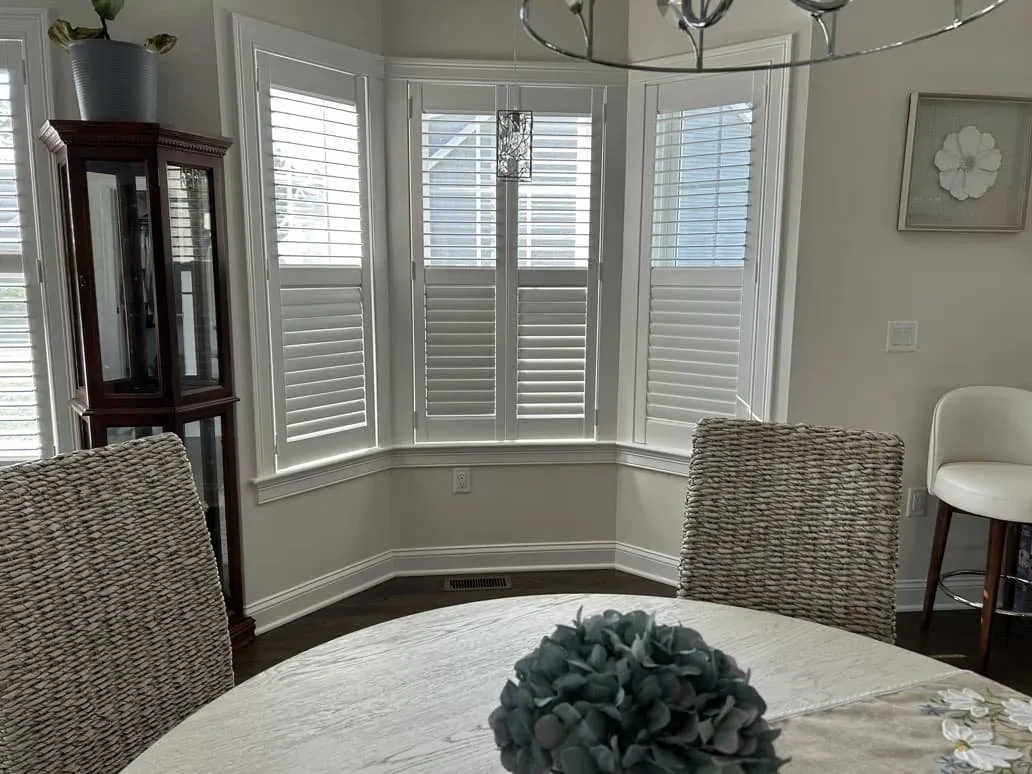
Short sightlines between houses
With little space between buildings, the question is not whether a neighbor can see in but from where. A window may face a neighbor’s kitchen at the same height, a stairway slightly above, or a driveway where people come and go below.
Each of those calls for something different:
- Facing a window at the same height: a light-filtering fabric that blurs the view both ways, or blinds tilted so the slats block the direct line.
- Overlooked from above: blinds tilted down rather than up, or a shade lowered further than usual.
- Overlooked from below: shutters with the louvers angled up, or blinds tilted upward, so the view from the driveway meets slats while sky still shows from inside.
- Close on every side: a room-darkening fabric in bedrooms, where privacy matters most and daylight least.
Because sightlines change from window to window, the same room can need different settings on its two walls. Shutters and blinds give that control without changing the product.
Two-families, upstairs and down
Whitman’s two-families usually put one apartment on each floor. The lower one sits closer to the street and the neighbors’ ground floors; the upper one looks over fences but faces the upper windows of the house next door.
Downstairs, privacy from the sidewalk and the driveway comes first, and shutters, blinds or opaque fabrics do the most work. Upstairs, light-filtering fabrics are often enough, since the overlooking is more side to side than up and down. If you own the house, a shared outward color on the street face keeps the building looking cared for, while each household chooses what it likes indoors.
Two-families also tend to have matching rooms on each floor. Once a product works in one kitchen, it is easy to repeat it in the other. We keep a note of what went into each unit, so a later order can match.
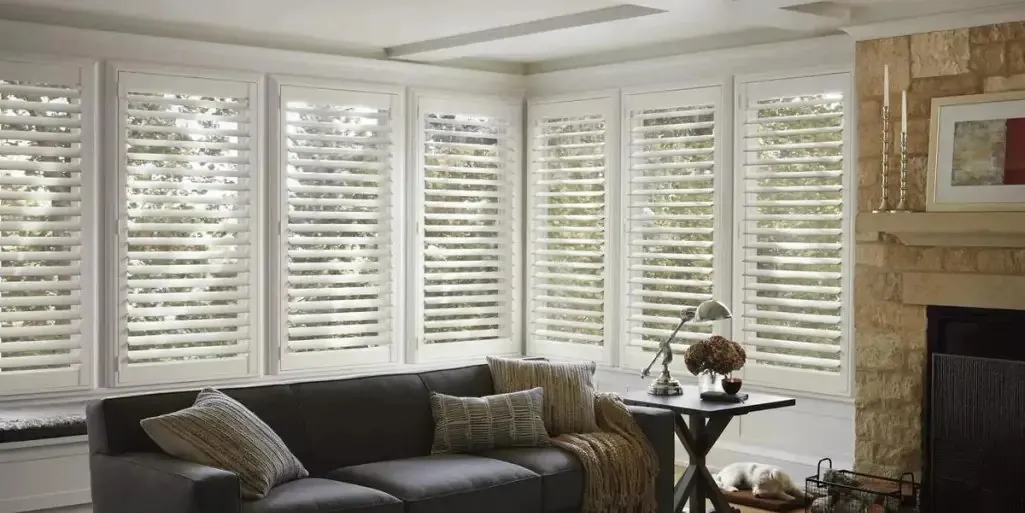
Making a little window look larger
Small windows can make a room feel smaller than it is. A few simple choices help:
- Mount above and wider than the frame so the raised shade clears all the glass and the window reads bigger.
- Choose a pale fabric close to the wall color, so the eye travels across the wall rather than stopping at the window.
- Keep the stack slim with a honeycomb or roller rather than a bulky fold.
- Use one product per room, so several small windows look like a set instead of a scatter.
None of this needs a special product, just care at the measuring stage. It is one of the reasons a visit to the house beats choosing from a picture.
Victorians near the center
The Victorians around the town center are built on a different scale from the capes and two-families nearby. Ceilings are higher, sash is taller and narrower, and the trim is wider. Some houses have bays on the front or side, with three faces of glass to cover.
Here, the opposite problem can arise: tall windows with plenty of light but high tops that are hard to reach. Shutters split into upper and lower panels give daylight at the top and privacy at the bottom. Roman shades soften a parlor and show off the casings when mounted inside. In a bay, each face gets its own covering so the whole bay works as a unit.
Capes on small lots
The post-war capes in town share their lots’ modest size with the two-families. Downstairs, a cape usually has a living room facing the street, a kitchen at the back and one or two side rooms. Upstairs, the bedrooms sit under the roof with dormer windows.
Dormers are a classic small opening. A honeycomb or roller shade mounted inside the dormer recess stays out of the way of the sloping ceiling and leaves almost all the glass clear when open. In the living room, the front window faces the street and sets the house’s look; shutters or a single shade across it keep things simple.
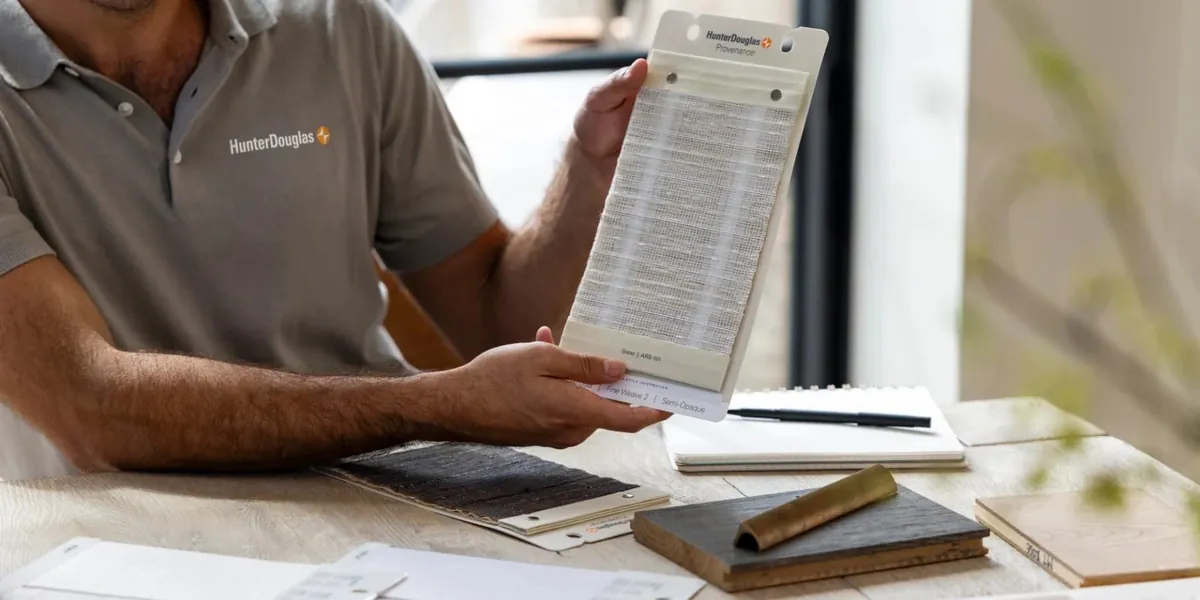
How an in-home consultation runs
Our shop-at-home service runs from Canton, and the vans carry samples, so we can bring the showroom to you. That suits small windows especially well, because the right choice often comes down to a slightly slimmer stack or a different mount.
- Ask for a visit through Request a Consultation, or use the call button.
- The consultant arrives with fabric books, slats, a corner of shutter and a PowerView remote.
- We stand at the hardest window first, often the one facing the house next door.
- We hold samples in place so you see the light and the view through each one.
- We measure inside and outside the frame, so you can compare both mounts.
- You keep a free estimate to think over.
There is more about the service on the Canton shop-at-home page, and what happens at an in-home consultation covers a visit from start to finish.
Evenings in a close-set house
Daylight privacy is only half the job. After dark, a lit room shows through a light-filtering fabric as a soft glow and sometimes as silhouettes, which matters more when the house next door is close.
In rooms you use at night, the bedrooms and a living room facing a neighbor, a room-darkening honeycomb or roller hides the room properly. Shutters closed tight do the same, and they look tidy from outside whether open or shut. In a kitchen used mostly by day, a lighter fabric is fine.
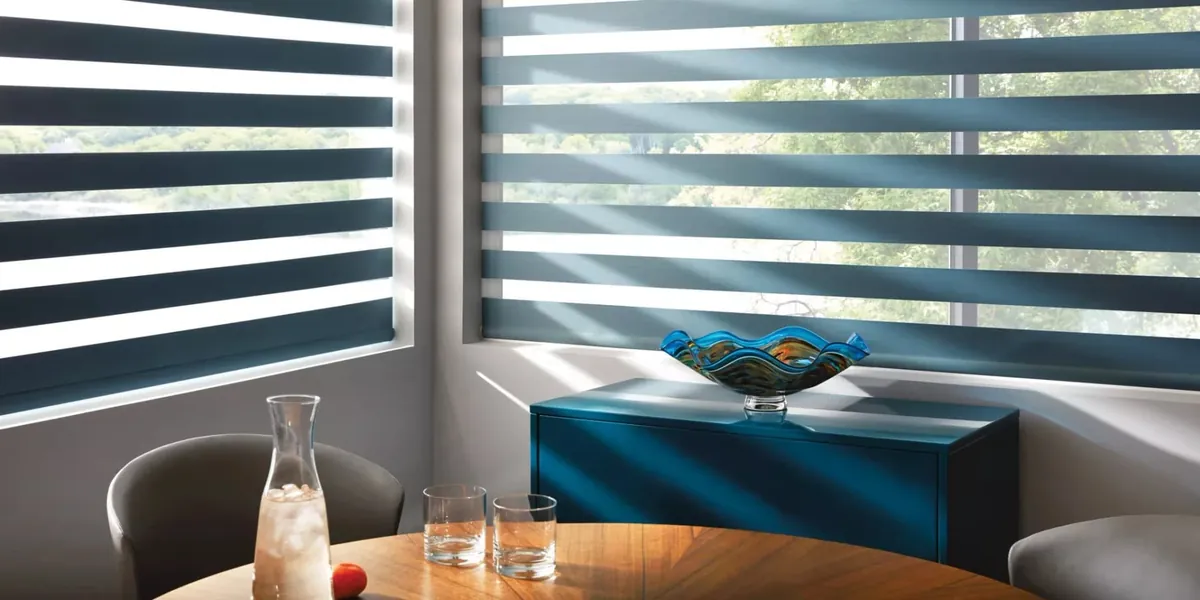
Banded and sheer options for small rooms
Sometimes neither a solid shade nor a blind feels right. Banded shades alternate sheer and solid stripes, so you can line up the solid bands for privacy or the sheer ones for light and a view, all without raising the shade. They sit neatly on small windows and look crisp in a kitchen or a dining nook.
Sheer shadings do something similar with soft fabric vanes between sheer layers. Open, they let in filtered daylight and a hazy view; closed, they give privacy. In a front room facing a close neighbor, either one can mean you rarely need to raise the shade at all.
Color and pattern in compact rooms
In a small room with one or two small windows, the covering is a large share of what you see on the wall. A shade in a color close to the wall lets it blend in, which keeps the room calm and makes it feel a touch larger. A bold color or a strong pattern pulls the eye to the window instead, which can be lovely in a single feature room, such as a dining nook or a child’s bedroom, but busy if repeated in every room of a compact house.
Pale fabrics also bounce light back into the room, which helps on a side window that only sees daylight reflected off the house next door. We bring a range of tones so you can hold a light one and a richer one at the same window and compare.
Mixed houses and additions
Plenty of older houses have had additions over the years: a family room at the back, a dormer enlarged, a porch closed in. That can leave one house with small original openings in the old part and larger modern windows in the new.
Keeping one color across the whole house ties the two parts together. The product can change, though, with honeycomb shades on the small old windows and a wider roller or shutters on the newer glass. We plan the whole house in one visit so everything fits together.
Kitchen and bath windows a few steps from the neighbors
On small lots, kitchens and bathrooms often end up on the side of the house, looking across a narrow strip of yard at the house next door. These windows tend to be among the smallest in the house, they sit over a sink or a tub, and they are used at every hour of the day.
Shutters that cover only the lower sash are a long-standing answer: the bottom of the window stays private, the top stays open to the sky, and the louvers can be turned for a little more air and light. Faux wood blinds give a similar effect and can be tilted so the slats block the line from next door. In a bathroom, a light-filtering honeycomb inside the small frame keeps the room bright and private together. Window treatments in Whitman, MA, for these rooms are mostly about choosing the right height of privacy for each window.
Front porches and entry windows
Many of the older houses and two-families have a front porch, with the living room or the downstairs apartment’s front windows looking out under its roof. The porch shades those windows from the high sun, but it also puts anyone climbing the steps within arm’s reach of the glass.
A light-filtering fabric is often enough by day, since the porch already softens the light. In the evening, something that closes fully, such as shutters or a room-darkening shade, stops a lit front room from showing to anyone at the door. The narrow window beside the front door, or in a small entry hall, is worth covering too, with a slim honeycomb shade or a small blind that matches the rooms nearby.
On a two-family with two front doors, keeping these small entry windows in the same color as the rest of the street face helps the house look like one building. When we plan window treatments in Whitman, MA, for a two-family, we look at the porch side as a whole, so both households’ front windows sit well together.
Automation for out-of-reach windows
PowerView motorization is useful wherever a window is hard to reach: behind a kitchen counter, over a tub, at the top of tall Victorian sash or on a stair landing. Shades can be grouped and run from a remote, an app or a schedule, so the bedrooms facing a neighbor close at dusk and open again in the morning by themselves. We plan how each motor is powered at the visit. See motorized blinds and shades in Whitman.
Putting existing coverings right
If the house came with blinds or shades that have stopped working, a repair might be the answer. Broken cords, slats that will not turn and shades that have dropped out of their brackets can often be fixed. We are glad to look at the coverings you already own. Read more on blind and shade repair.
Why choose a Gallery dealer
Blinds & Designs is a Hunter Douglas Gallery dealer. For a house of small original openings, a two-family with two sets of rooms or a Victorian with tall sash, the whole Hunter Douglas line is on the table: honeycomb, roller, banded, roman, sheer and woven shades, wood, faux wood and metal blinds, vertical blinds, shutters and PowerView.
Certified Hunter Douglas installers put up every order. Add free estimates, interior design consultations and repairs, and you have the full range of window treatments in Whitman, MA, that we can help with.
Questions from Whitman
My windows are small. Which coverings block the least light when open?
Honeycomb and roller shades, because they fold or roll into a slim stack. Mounting above and outside the frame lets the raised shade clear the glass entirely.
The house next door is very close. How do I keep privacy without losing daylight?
A light-filtering fabric blurs the view in both directions. Banded or sheer shades and tilting blinds also let you choose between view, light and privacy without raising anything.
Should both floors of my two-family have the same coverings?
They do not need to. Many owners keep one outward color on the street side and let each floor choose its own product and color inside.
Do shutters suit small windows?
Yes, with a slim frame and a louver size in scale with the glass. They are a good choice where privacy matters at different heights.
Is the estimate free?
Yes, estimates are free and there is no obligation.
Start with one window
Pick the smallest, darkest window in the house, or the one that looks straight into next door, and let that be where we begin. Request a consultation and we will bring samples, measure inside and outside the frame and leave a free estimate. If you would like to see the range in person as well, our nearest showroom is in Franklin, and the Franklin showroom page lists its address and hours. Nearby, we also have pages for Abington and East Bridgewater.
Our window treatments page lays out every shade, blind, shutter and drapery line we sell.