
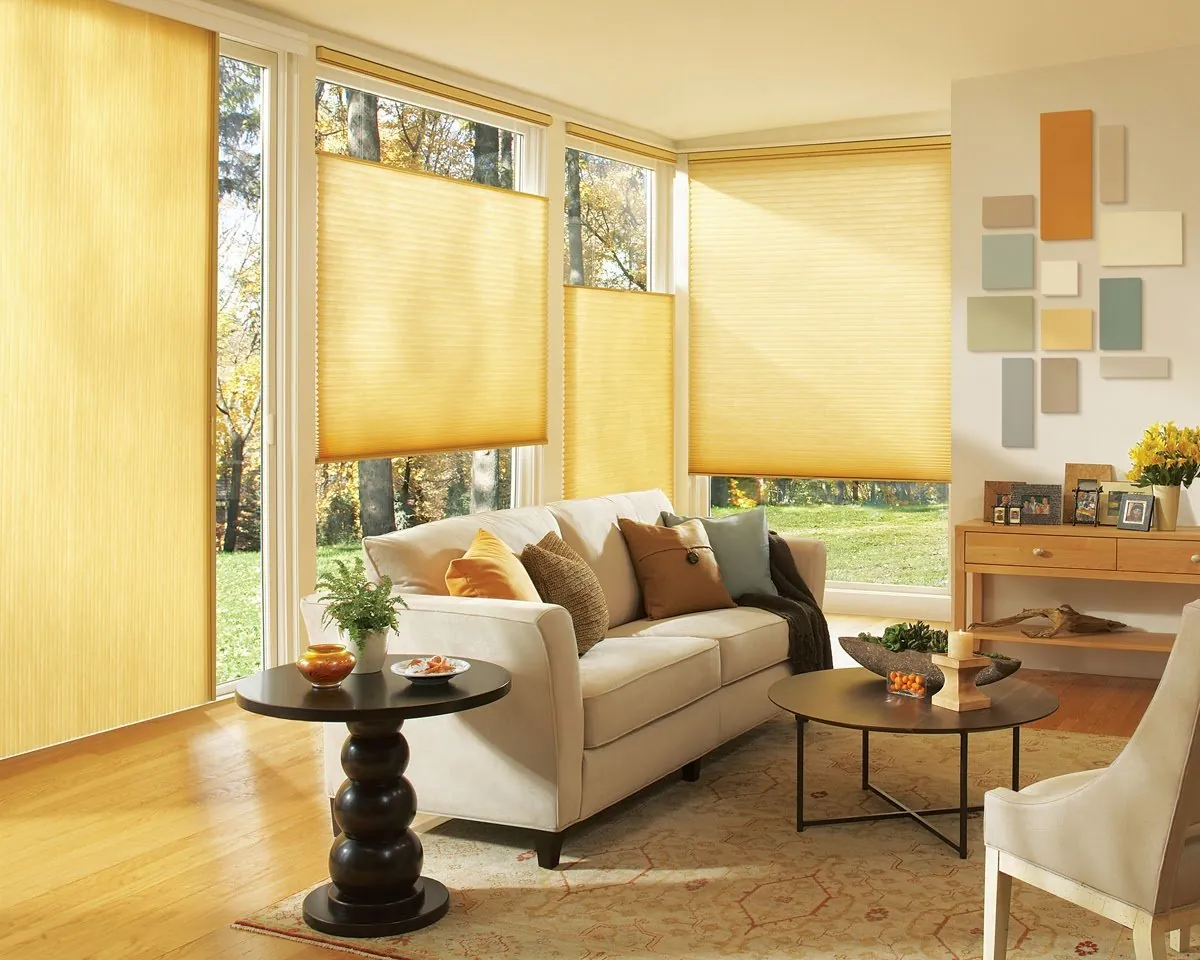
Houses under the trees
Westwood is a town of trees. Across most of it, post-war colonials and larger newer houses sit on wooded lots with generous setbacks, so the view from many windows is trunks and branches rather than the street or the house next door. The openings themselves are mostly standard modern sizes. What makes the town’s windows unusual is the light that comes through them: soft, green-tinted and constantly shifting as the canopy moves. Getting that light right, while keeping the rooms warm through a New England winter, is what we spend most of our time on when we fit cellular shades in Westwood, MA.
A honeycomb shade is well suited to both jobs. Its fabric is shaped into a row of hollow chambers, and when it is lowered those chambers hold air that stays still. Still air resists the flow of heat, so less warmth leaks out through the glass on a cold night and less of the summer sun’s heat comes in on the few windows the trees leave exposed.
The fabric does the rest. Light-filtering honeycomb diffuses daylight rather than stopping it, so a room that already gets filtered light from the trees can keep every bit of brightness while losing the sharp patches of sun that break through the leaves.
Cellular shades in Westwood, MA, for each part of the house
Six options we bring to nearly every Westwood consultation, from a center-hall colonial to a large newer house.
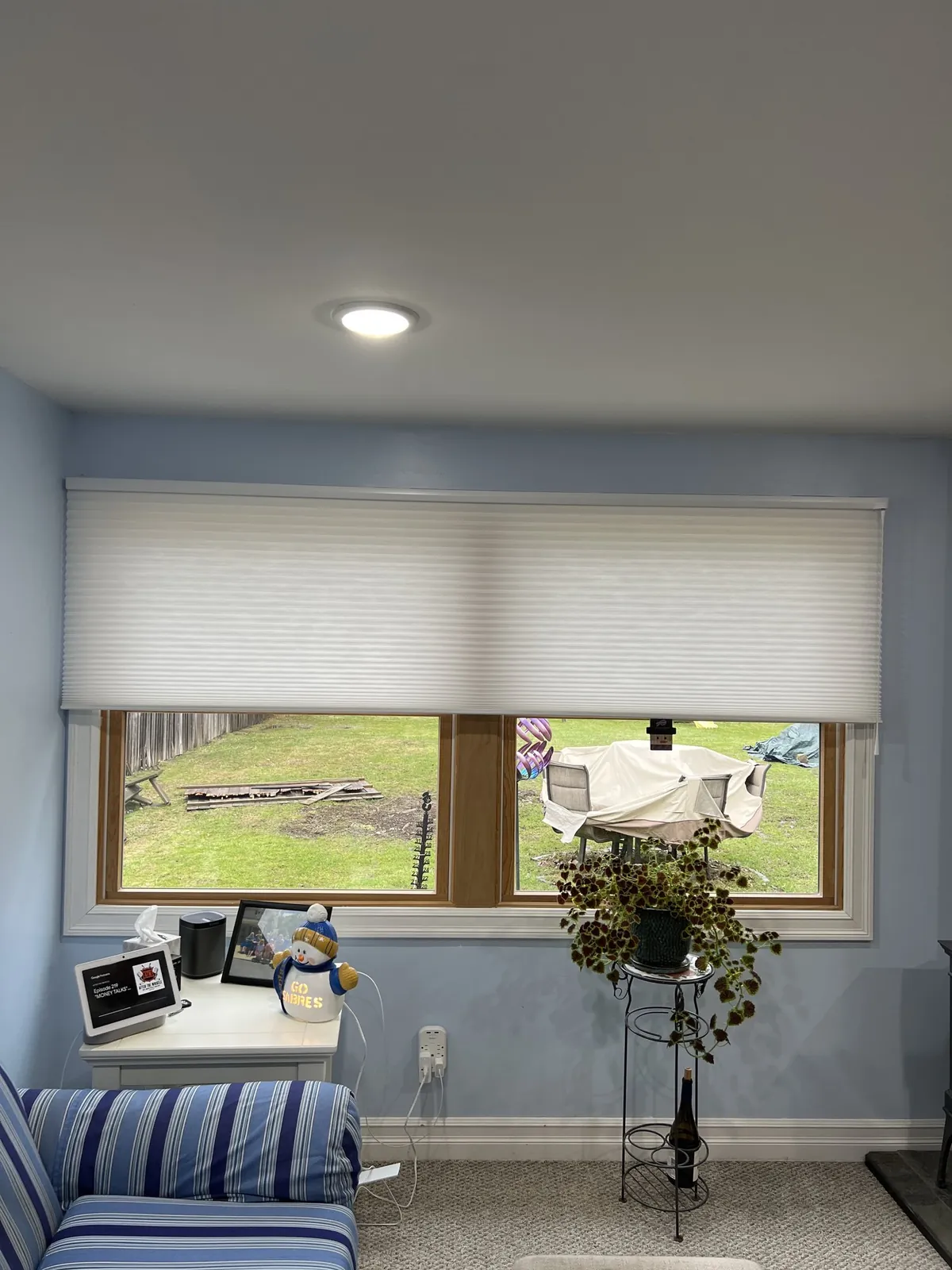
Pale light-filtering fabric
The first choice for rooms that face the trees: bright, soft light with the sun spots smoothed away.
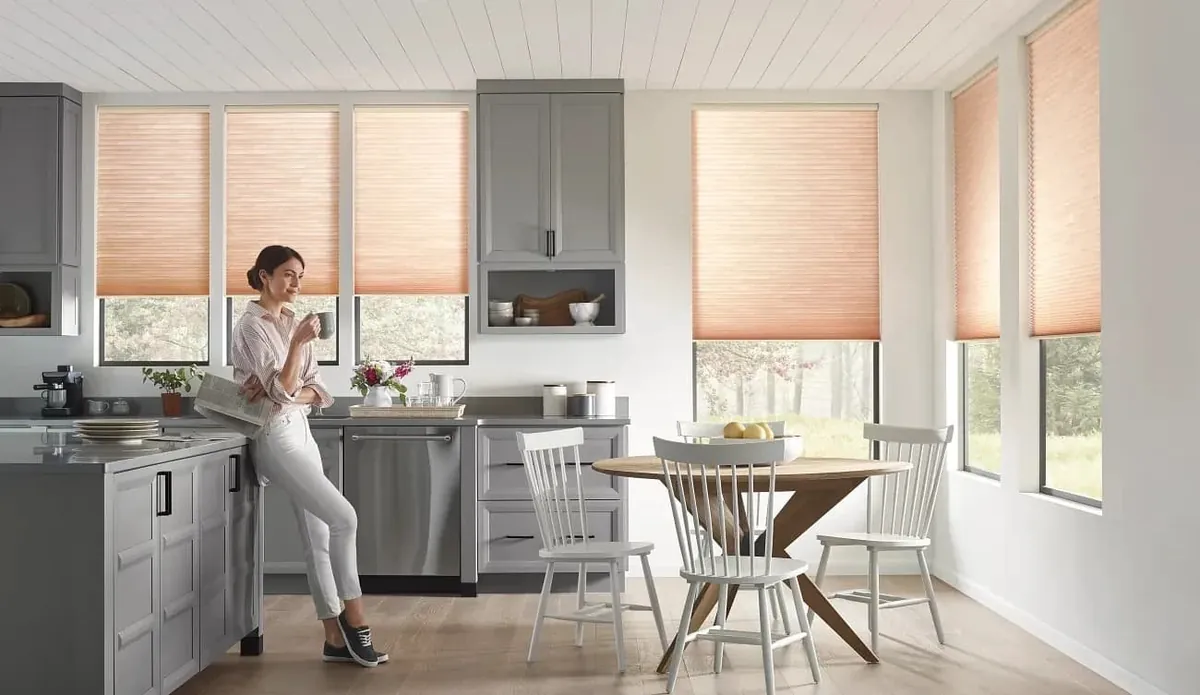
Kitchens and breakfast rooms
Cordless honeycomb over the sink and the breakfast table, easy to lift with one hand.
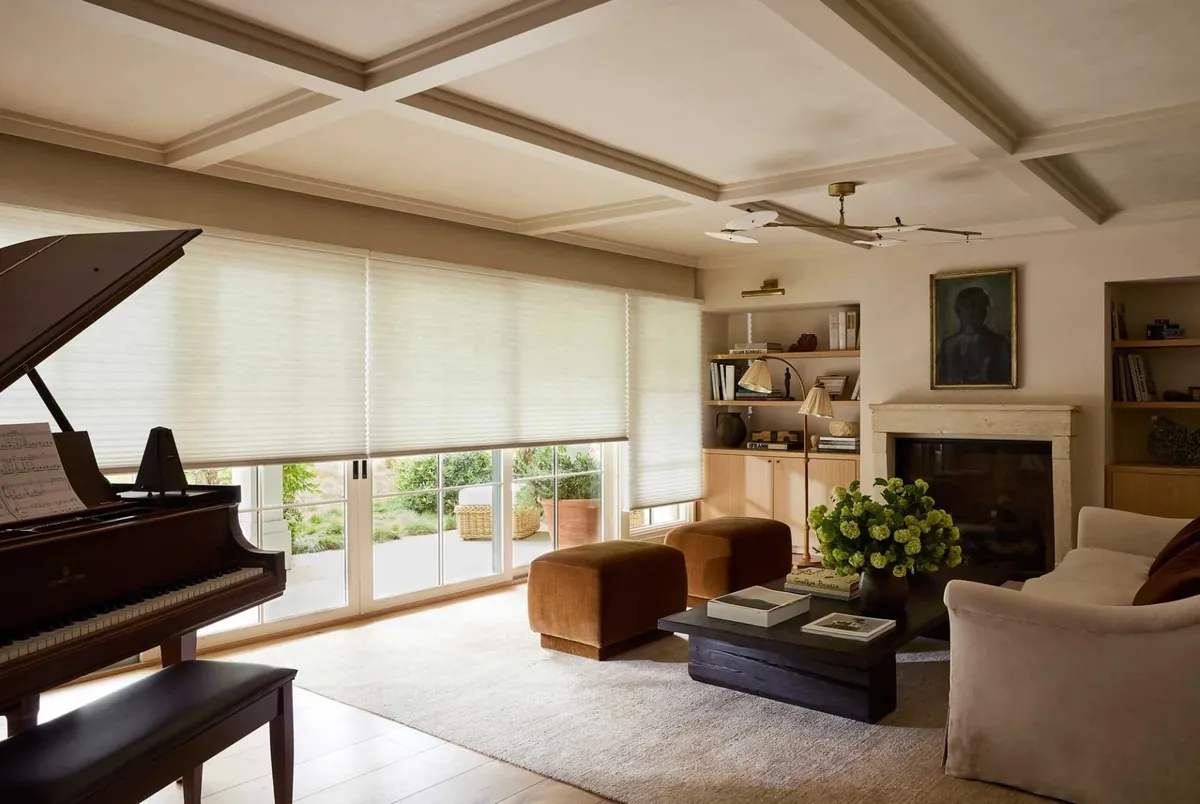
Family rooms with big glass
Wide windows and patio doors in the newer houses, covered in one fabric so the room reads as a whole.
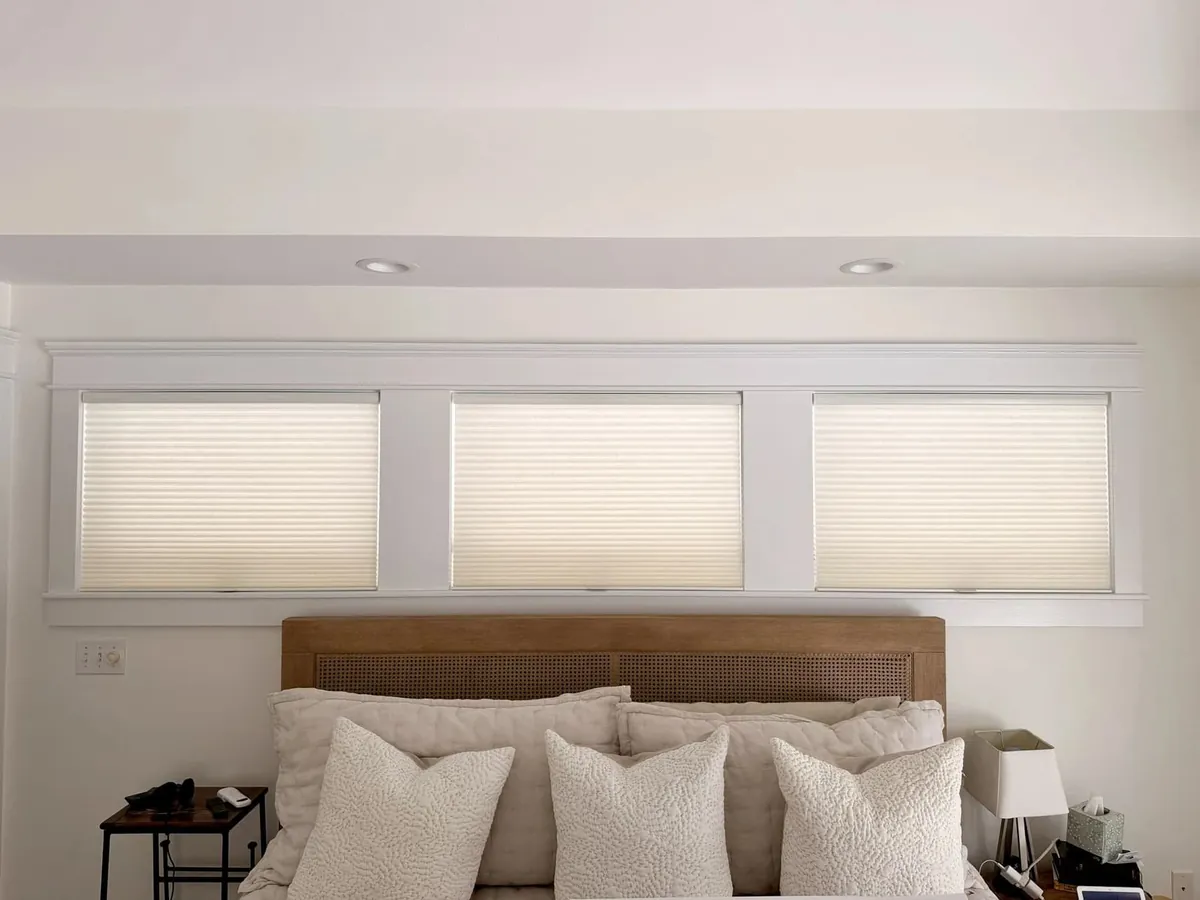
Bedrooms
Room-darkening honeycomb for the bedrooms, warm in winter and dark at dawn.
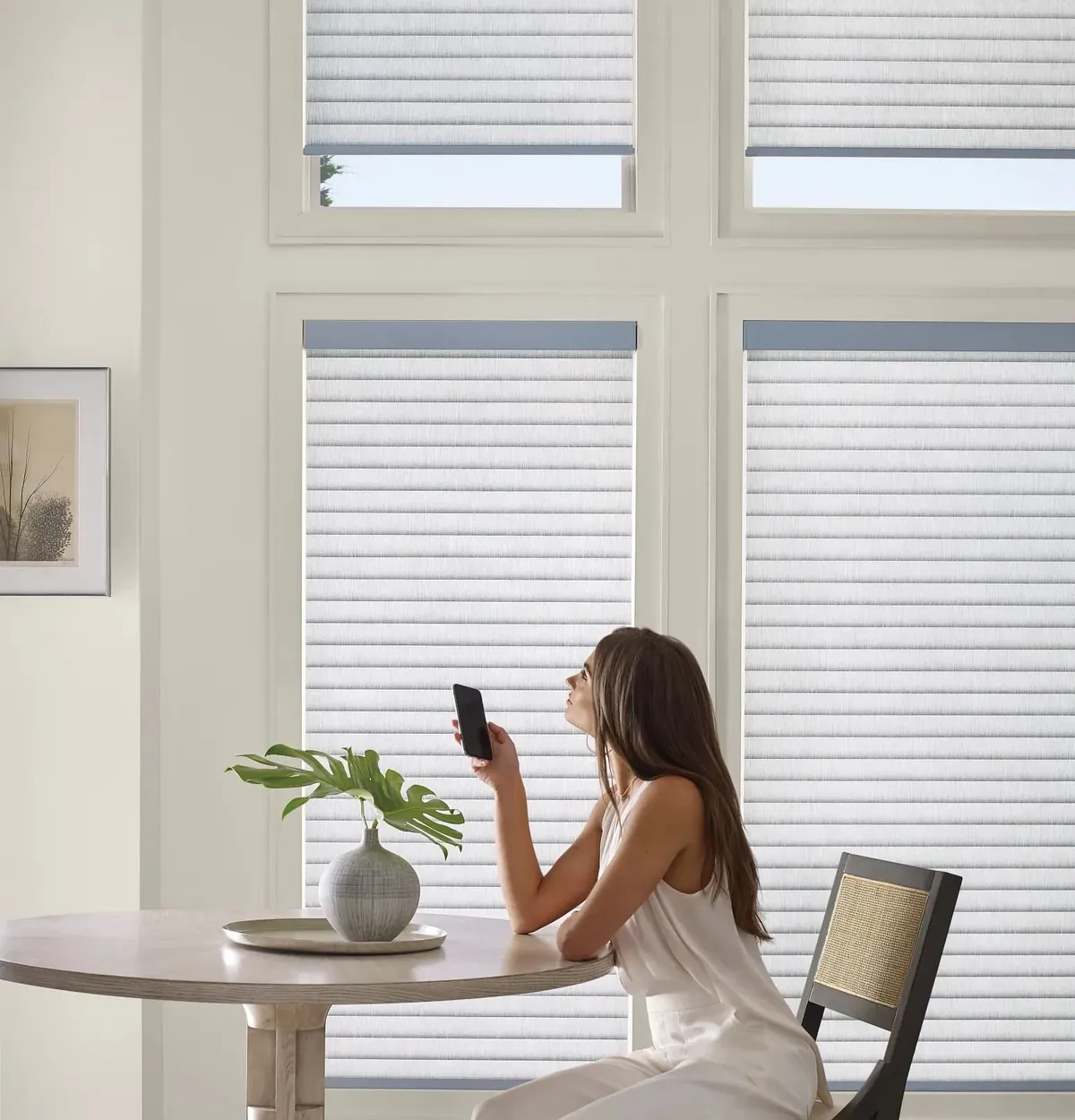
PowerView scenes
Group the shades in a large house so a whole floor opens or closes with one tap or on a schedule.
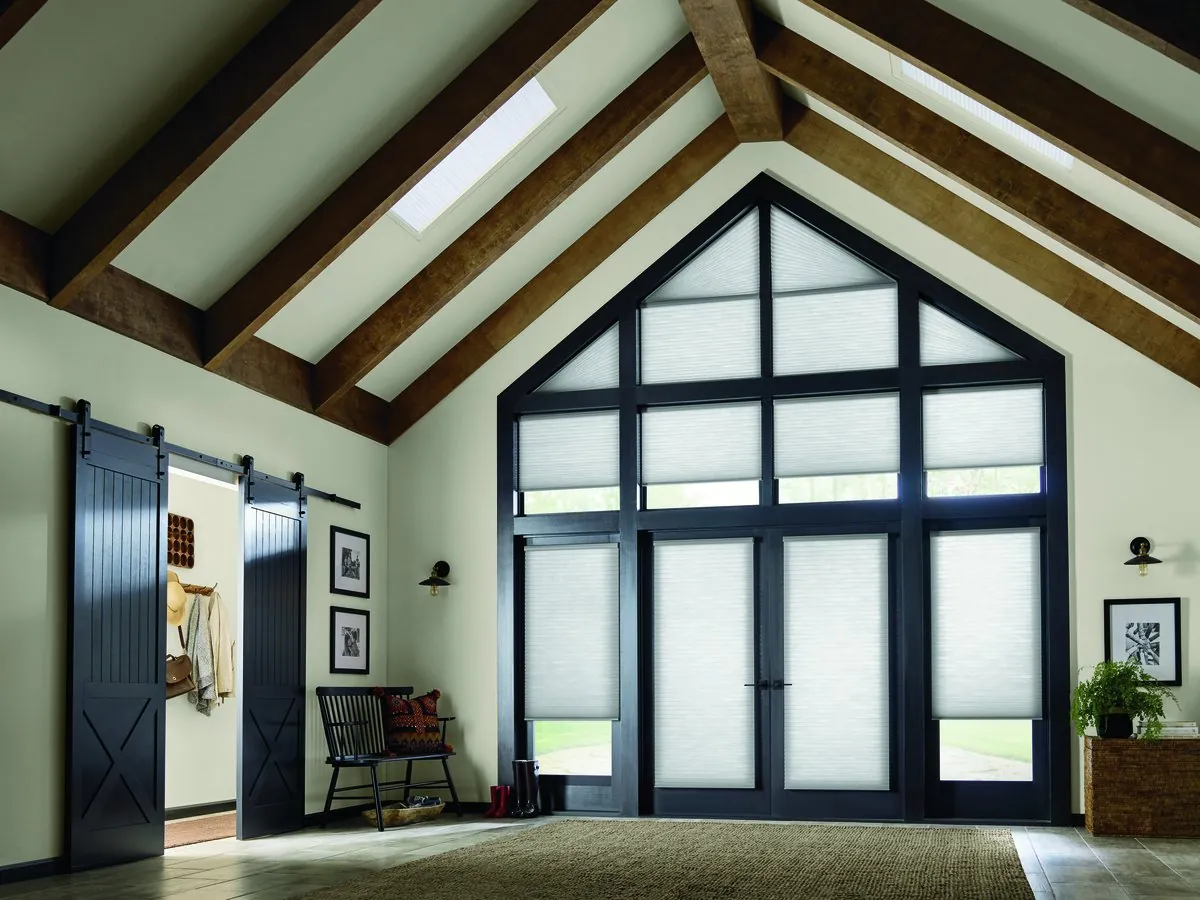
High and vaulted windows
Gable and clerestory glass in a newer house, each pane fitted with its own shade.

The samples come to your house
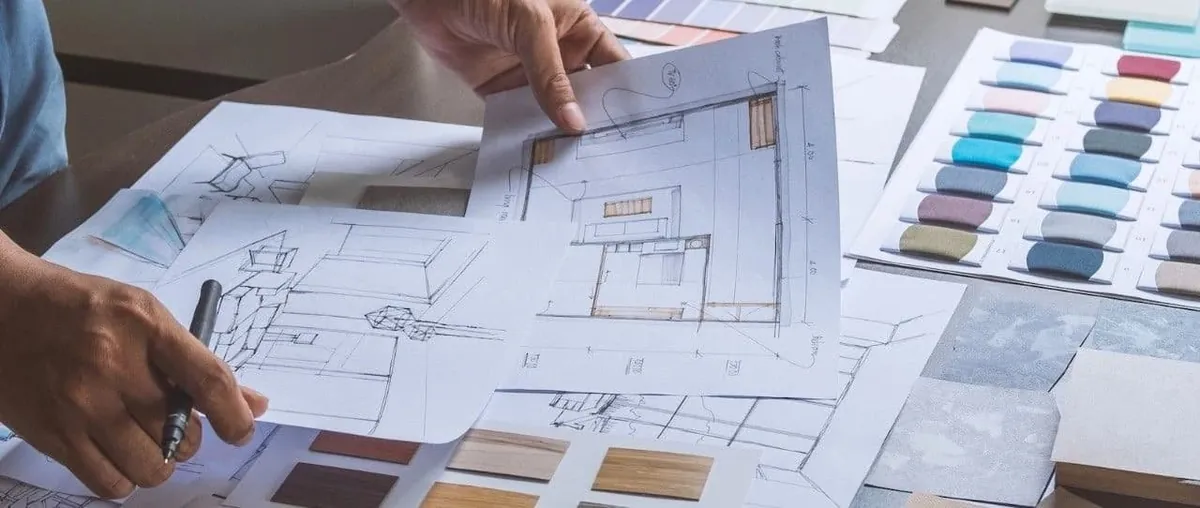
In Westwood we lead with an in-home consultation, and the trees are the main reason. Light that has passed through a canopy of leaves changes how fabric colors look. A cream that reads warm under a bright sky can look faintly green or gray in a shaded room, and a white can look dull. The only way to know is to see the fabric at your own window.
Our vans carry samples, so we can bring the showroom to you. We hold the honeycomb fabrics up at your windows, room by room, and you choose in the light you actually live with. Then we measure every window you want covered and leave you with a free estimate.
You can read more about how our in-home consultations work before we arrive.
Post-war colonials
Westwood’s post-war colonials are classic two-story houses: a center hall, living and dining rooms either side, a kitchen at the back, and three or four bedrooms upstairs with matching windows. The openings are standard sizes, and they repeat. That is ideal for honeycomb shades, because one decision about fabric and lift can carry through the whole house, and the measurements are quick to confirm.
Colonials of that era often have their original wood windows replaced, and the replacement frames can be shallow, with locks and tilt latches close to the front of the frame. We check each window. Where the headrail can sit inside the opening, the shade looks built in, and the trim stays visible. Where it cannot, we mount the shade just above the frame and make it a little wider than the opening, which also stops light leaking down the sides.
The bedrooms are often where the house is least comfortable. A colonial’s upstairs gets the warmth that rises from below in winter but can still feel cold near the windows, and the corner bedrooms with windows on two walls feel it most. A double-cell honeycomb, with a second row of cells behind the first, is worth considering for those rooms. In the living and dining rooms, a single-cell light-filtering fabric is usually enough, and it keeps those rooms bright.
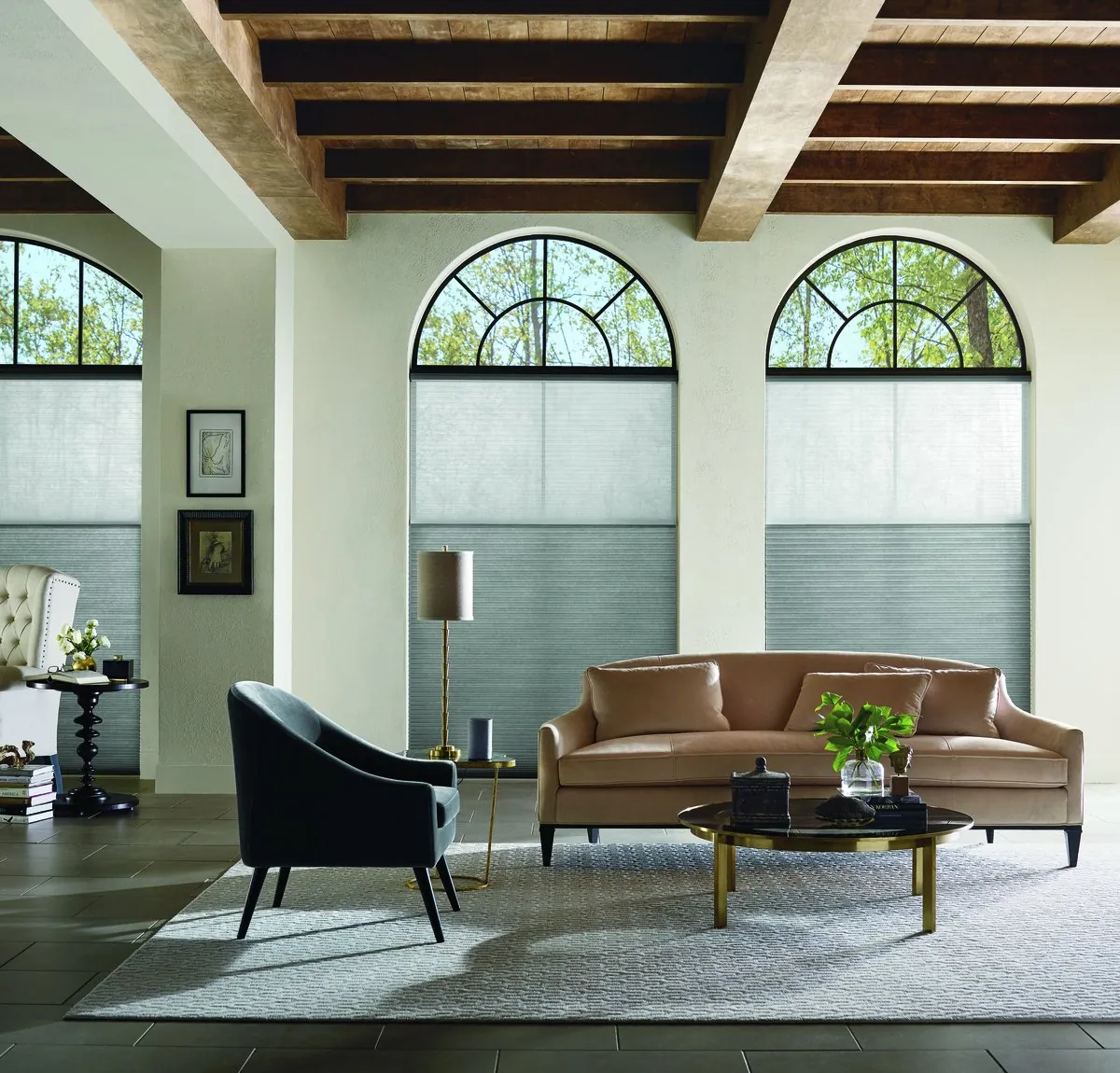
Larger newer houses
The larger newer houses in Westwood have more glass and more varied rooms: a family room open to the kitchen with a wall of windows or patio doors, a primary suite with a sitting area, a home office, sometimes a vaulted great room with windows high in the gable. The openings are still mostly standard, but there are many of them, and some are well out of reach.
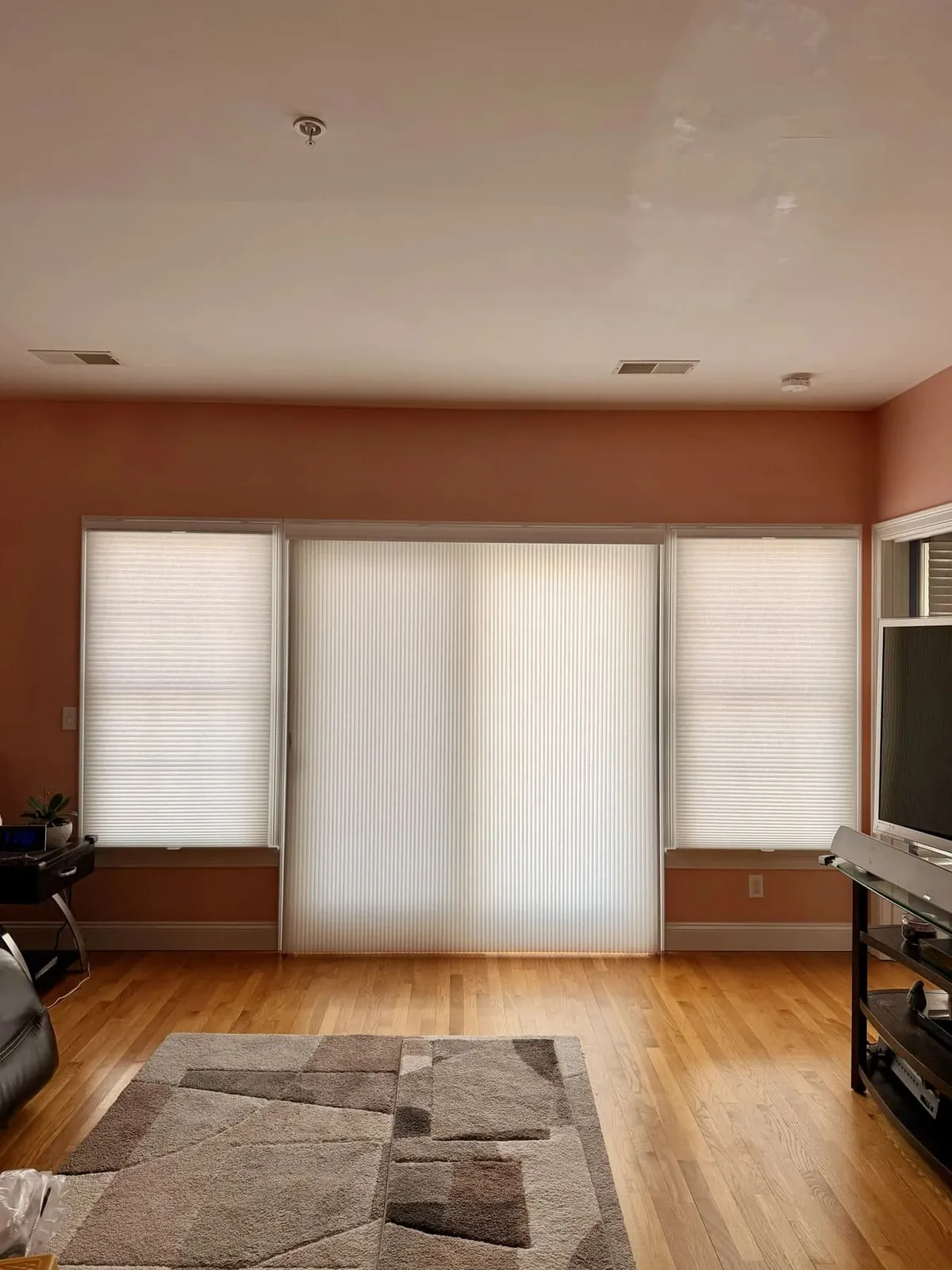
For the family room and kitchen, a single fabric across every window keeps the open space looking calm. Patio doors and sliders can take a vertical honeycomb shade that runs sideways on a track and folds against the frame, so the door stays easy to use. High windows in a gable or above a stair are best motorized, because a shade nobody can reach is a shade that never moves.
The size of these houses makes it worth thinking about the whole place at once. Planning cellular shades in Westwood for every room at a single visit lets you keep the look consistent and choose the right opacity for each space, even if you decide to order a floor at a time.
The formal rooms at the front of a colonial
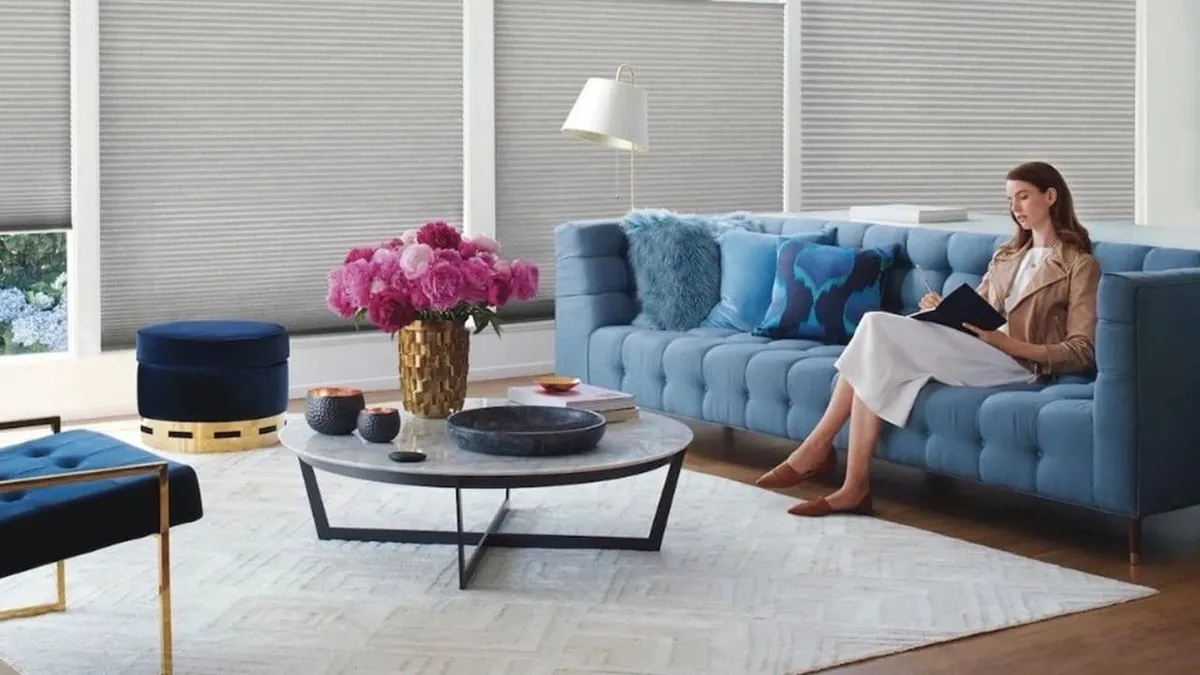
In a center-hall colonial, the living room and dining room either side of the front door are the rooms that set the tone of the house. They usually have pairs of matching windows facing the front lawn, and with a deep setback and trees along the road they are seldom overlooked. What they need from a shade is mostly comfort and a finished look.
A honeycomb shade mounted inside each window keeps the casings visible and gives the pair a tidy, matched appearance when raised to the same height. In the dining room, where you may sit right beside the glass on a winter evening, lowering the shades before dinner takes the chill off the table. Many customers choose a slightly richer fabric for these rooms than for the rest of the house, and Duette’s wider range of textures helps there. Cellular shades in Westwood’s formal rooms can also sit alongside drapery panels if you like a layered look, and we can plan both at the same visit.
Stairs, landings and the windows in between
Every house has windows that nobody thinks about until they need covering: the landing window halfway up the stairs, the narrow window beside the back door, the small window in a mudroom or a laundry room. In a larger Westwood house there can be several of them, and they are often odd sizes or awkward to reach.
Honeycomb shades are made to measure, so a narrow side window or a small square window gets a shade that fits it exactly, in the same fabric as the rooms around it. For a landing window above the stairs, PowerView lets you move the shade without a step ladder. Rounding off a whole-house order of cellular shades in Westwood, MA, with these in-between windows is what makes the house look finished inside.
Light under heavy tree cover
Most rooms in Westwood never see full sun for long. The trees filter it, and what reaches the window is a moving pattern of light and shade. That has two consequences for a window covering.
First, the room is often dimmer than it would be in the open, so the shade should give back as much light as possible. Pale light-filtering fabrics do that. They take the sharp edge off the bright patches that come through gaps in the leaves, spread the light evenly across the room and add very little shadow of their own. Darker fabrics, even beautiful ones, can make a shaded room feel heavy.
Second, the color of the light matters. Light that has come through green leaves has a cooler, greener cast, and that affects how a fabric looks. Warm neutrals usually hold up best, and it is one reason we always look at samples at your window rather than in a catalog.
When the leaves come down in autumn, the picture changes. Rooms that were shaded all summer suddenly get low winter sun, and on the south side of the house that sunshine is welcome warmth. Leaving those shades up through the bright part of the day and lowering them at dusk lets the house gain warmth by day and hold it through the night.
Home offices and screen glare
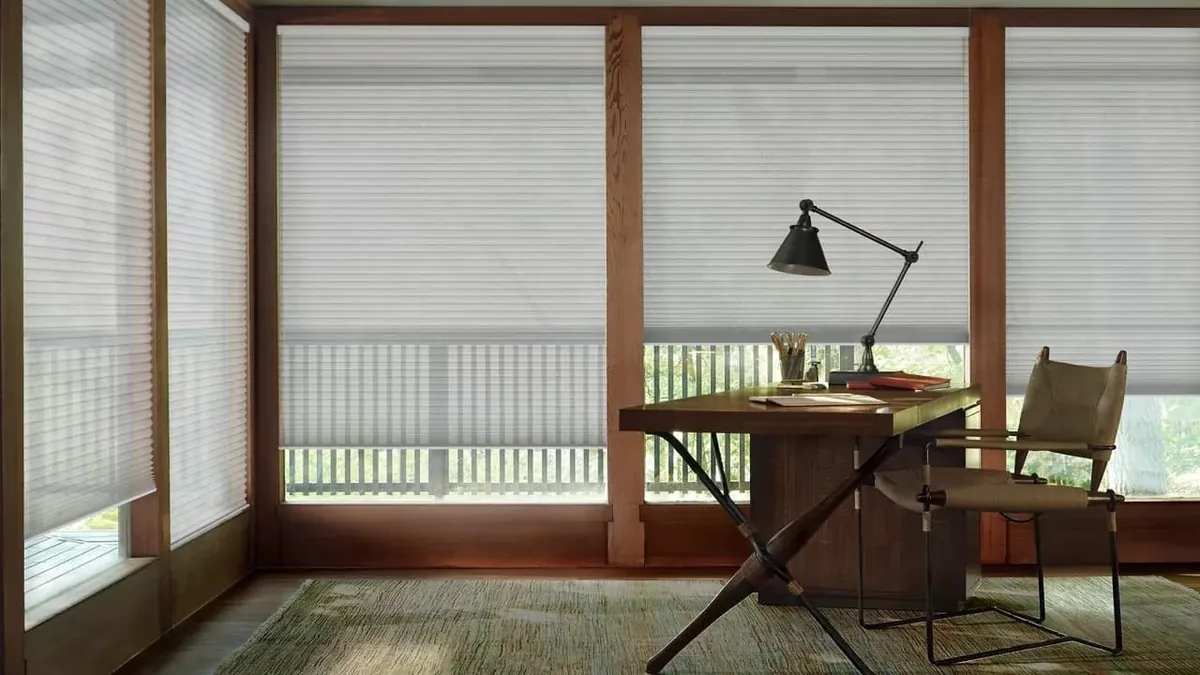
Plenty of Westwood houses now have a room used as an office, and the flickering light through trees is hard on a screen. A patch of sun that moves across the desk every few minutes is more distracting than steady light.
A light-filtering honeycomb shade smooths that out, turning the moving patches into an even glow. If the desk faces the window, a top-down, bottom-up shade can be lowered from the top just far enough to block the sun at screen height while the lower glass stays open to the trees. For an office used for video calls, a slightly heavier light-filtering fabric gives more even light on your face.
Choosing between Duette and Applause
Both lines come from Hunter Douglas, and both keep a room comfortable through the air held in their cells. The difference is breadth and fit.
Duette is the larger collection. It has more fabrics, textures and colors, larger sizes, specialty shapes for gable and angled glass and a vertical version for sliders and patio doors. In a larger newer Westwood house, those options often decide it. Applause has a palette of its own and suits the repeating standard windows of a colonial very well.
Many houses in town use both: Duette in the family room, on the patio doors and on any high glass; Applause through the bedrooms and the kitchen. Read more about each on the Duette honeycomb shades and Applause honeycomb shades pages, or see the full cellular shades range. Our guide to the best shades for sun and glare is useful for the brighter rooms.
Privacy on a wooded lot
With generous setbacks and trees between the house and the road, daytime privacy is rarely the main concern in Westwood. Many rooms can stay open all day with nothing in the way of the view.
Evenings are different. Once the lamps are on, a lit room can be seen from a long way through bare winter trees, and bedrooms and bathrooms want covering after dark wherever they are. A light-filtering honeycomb gives privacy at night if the fabric is dense enough, and a room-darkening fabric gives complete privacy. A top-down, bottom-up shade is still useful in bathrooms and on any window facing a neighbor’s house.
PowerView in a large house
In a large house with many windows, motorization is about more than reaching high glass. With PowerView, shades can be grouped into scenes, so all the shades on a floor, or in the family room, move together with one tap in the app or on a remote. Schedules can lower the bedroom shades at dusk and raise the living room shades in the morning, and the house follows the routine whether you are home or not.
You do not have to motorize every shade at once. Many households start with the hard-to-reach windows and the family room, and add more later. If you think you may want motors in future, mention it at the start so the shades you choose now will match. Our page on motorized blinds in Westwood explains more.
How the visit goes
- Book through Request a Consultation, or use the call button.
- Walk us round the rooms you want to start with, usually the family room, the bedrooms and any high windows.
- Look at each fabric at the window itself, in the filtered light of your own trees.
- Choose a mount and a lift for each window, including PowerView where it makes sense.
- We measure every window and check the depth of each frame.
- You receive a free estimate for the shades you choose, with time to think it over.
If you want help with color and fabric for a whole room, ask about our interior design consultations. Our page on what happens at an in-home consultation has more detail.
Installation day
When each window’s fabric, mount and lift is confirmed, the shades are made to the measurements taken in your house. Our certified Hunter Douglas installers then hang every shade, fix each bracket into solid framing, level the headrails, set up any PowerView scenes and schedules, and show you how everything works before they leave.
Why work with a Gallery dealer
Gallery dealer is a status Hunter Douglas awards to a limited group of its dealers, and Blinds & Designs holds it. On a large Westwood house that means the full honeycomb range is available to you, every Duette and Applause fabric, specialty shapes for gable glass, the vertical shade for patio doors and PowerView motorization.
The installers are Hunter Douglas certified. For other rooms we offer blinds, shutters, roller and roman shades and drapery, and for coverings you already have, blind and shade repair in Westwood. See all we do in town on our Westwood page, or consider plantation shutters in Westwood for a formal colonial dining room.
Questions from Westwood
Will cellular shades make my tree-shaded rooms darker?
Not with the right fabric. A pale light-filtering honeycomb diffuses the light rather than blocking it, and it smooths out the bright patches that come through the leaves. We bring samples so you can see it in your own rooms.
Why do fabric colors look different in my house?
Light that comes through leaves has a cooler, greener cast, which changes how colors read. Warm neutrals usually look best. Seeing samples at your window is the surest way to choose.
Do I need privacy shades with such a deep setback?
During the day, often not. At night, a lit room can be seen through bare winter trees, so bedrooms and bathrooms usually want a denser fabric or a room-darkening shade.
Can PowerView move all the shades on one floor together?
Yes. Shades can be grouped into scenes in the PowerView app, so a floor or a room opens or closes with one tap, from a remote or on a schedule.
Where is the nearest showroom?
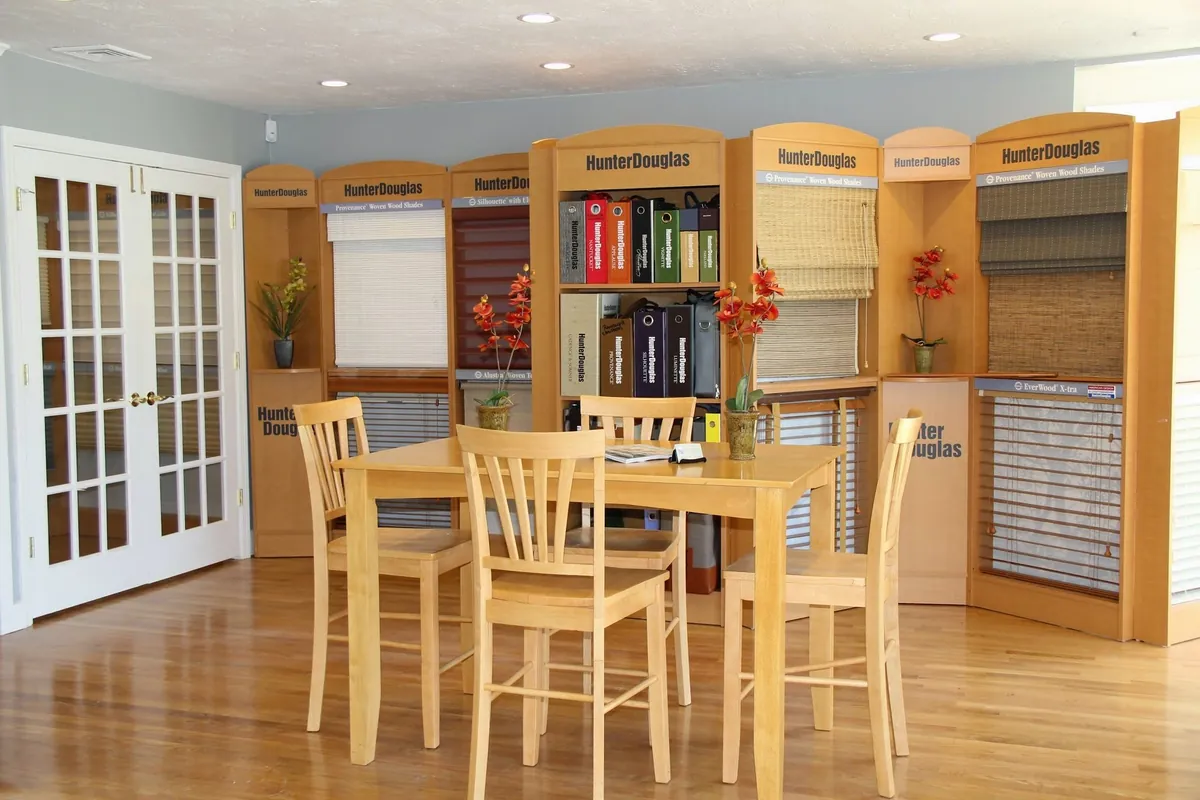
We come to you with samples, which is the best way to choose in Westwood’s light. The nearest showroom is our Franklin showroom.
Book your visit
Seeing honeycomb fabric in the filtered light of your own rooms is the clearest way to choose cellular shades for Westwood homes. Request a consultation and we will bring the samples to you, measure every window and give you a free estimate. If you have a question first, the call button is the quickest way to ask.