
Close neighbors and a busy street
Hyannis is the busiest place on the Cape, and its houses show it. Through the village the older houses stand close together on a tight grid of streets, many with a side window that looks straight at the house next door and a front window a few steps from the sidewalk. Near Main Street, older buildings have been turned into condominiums. Down in Hyannis Port the shingled summer houses spread out along the harbor and the shore. Planning window treatments in Hyannis, MA, means working out which of those houses you are in.
In the village, the first question is usually privacy, by day and especially after dark, when a lit room shows everything to the street. In the Port, the first question is the light off the water. Most houses have some of each.
We bring the samples to your house in the van, so you can see how each option looks from inside and how much it hides from outside, before you decide anything.
Window treatments in Hyannis, MA, by service
Each service has a Hyannis page of its own with more on the products, the options and where they fit.
Blinds for privacy and light
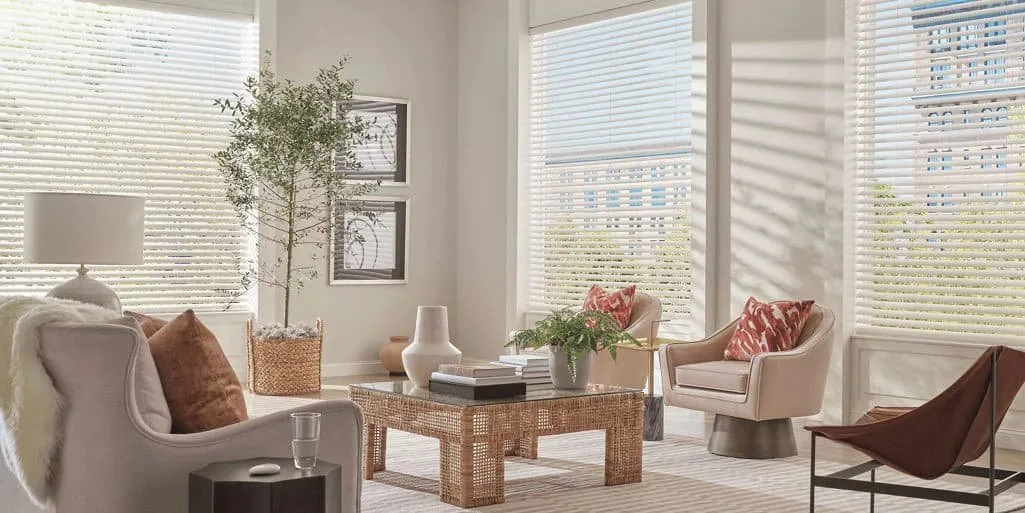
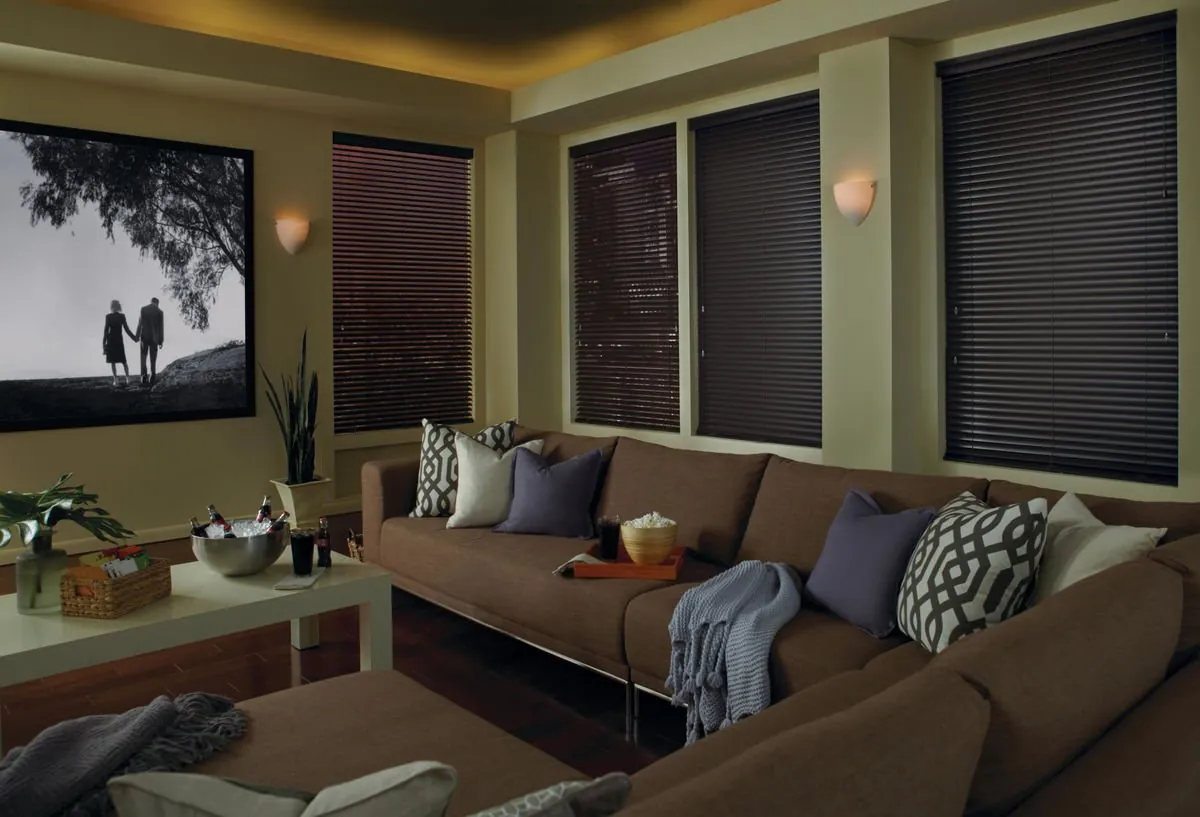
Wood, faux wood, metal and vertical blinds whose slats tilt to let light in while keeping a close neighbor’s view out.
Honeycomb shades
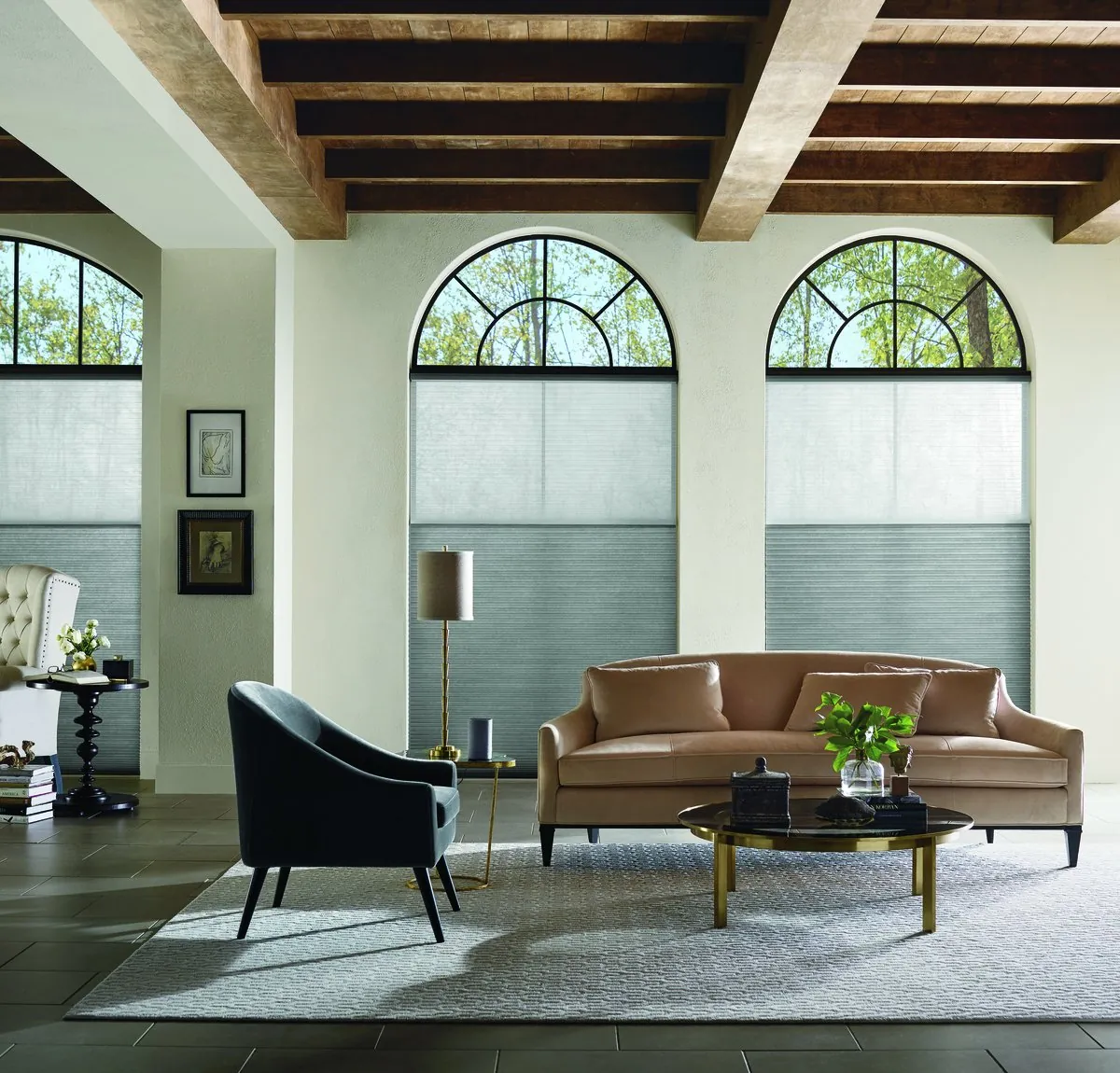
Duette and Applause, including top-down, bottom-up styles that let daylight in over the heads of passers-by on the sidewalk.
Roller and banded shades
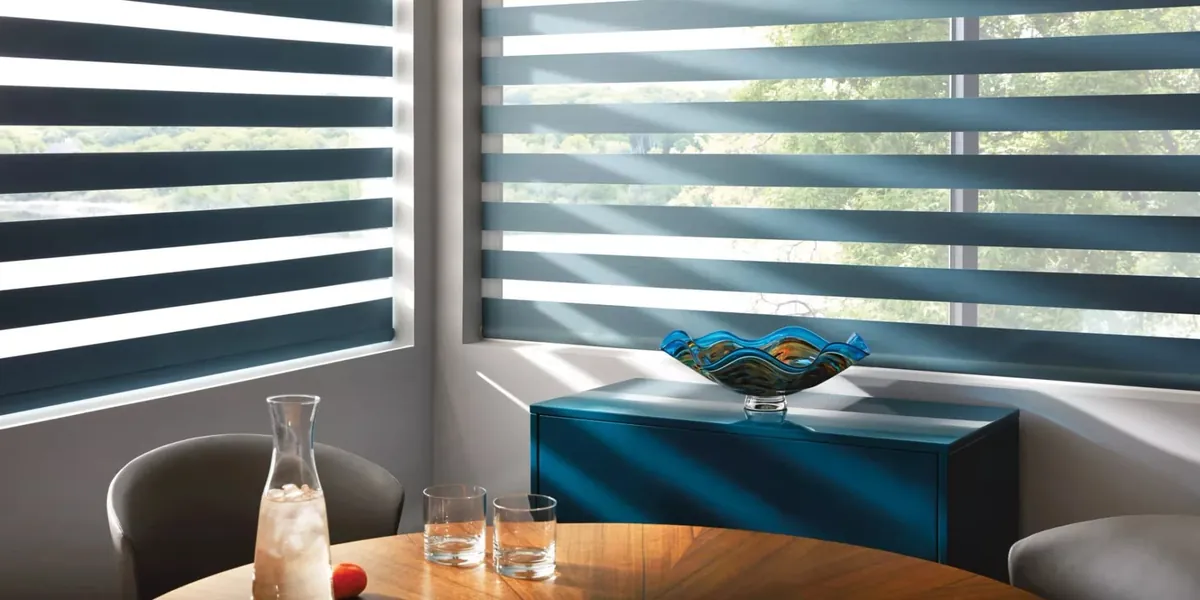
Designer and Alustra rollers, screens and banded fabrics, a crisp look for a condominium and a glare cutter on the harbor side.
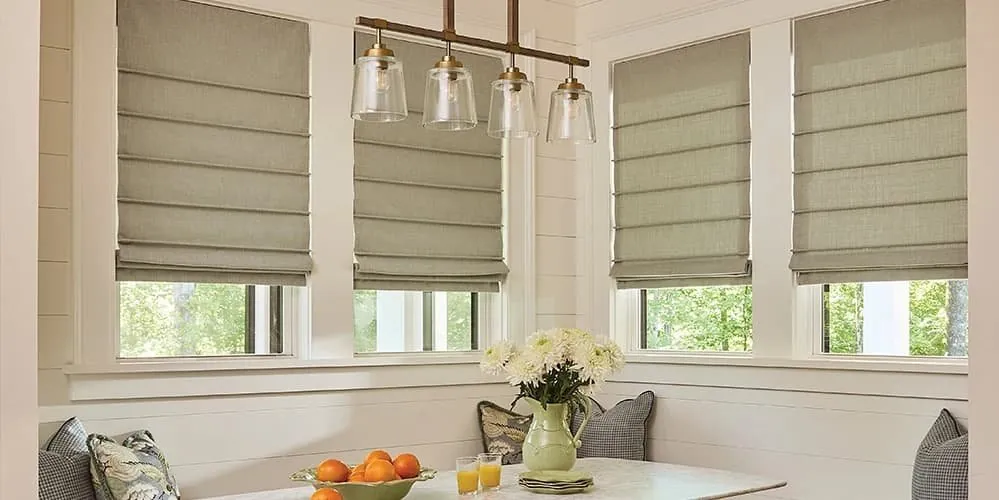
Roman shades
Vignette and Carole Fabrics romans, flat or folded, adding softness to a village kitchen or a summer house bedroom.
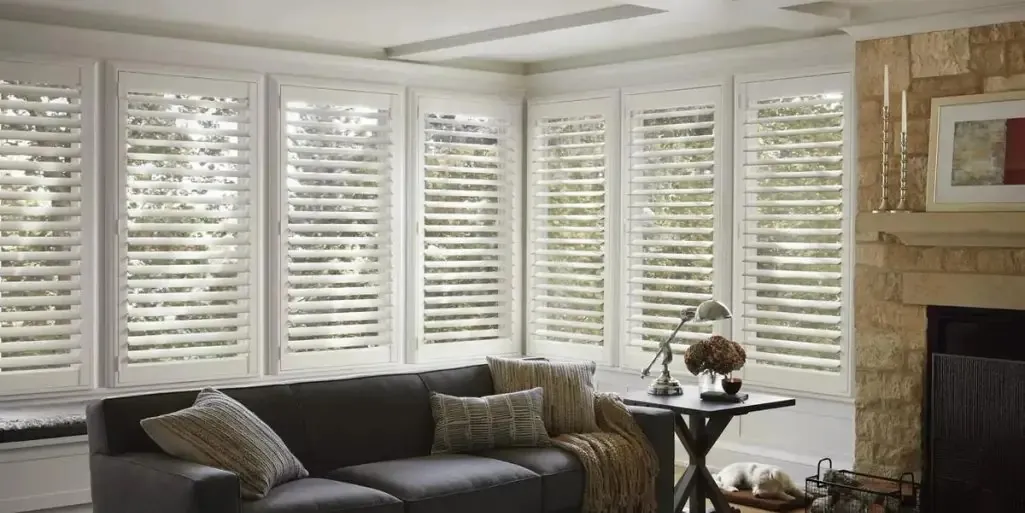
Plantation shutters
Palm Beach, NewStyle and Heritance shutters, a lasting way to screen a front window that sits close to the street.
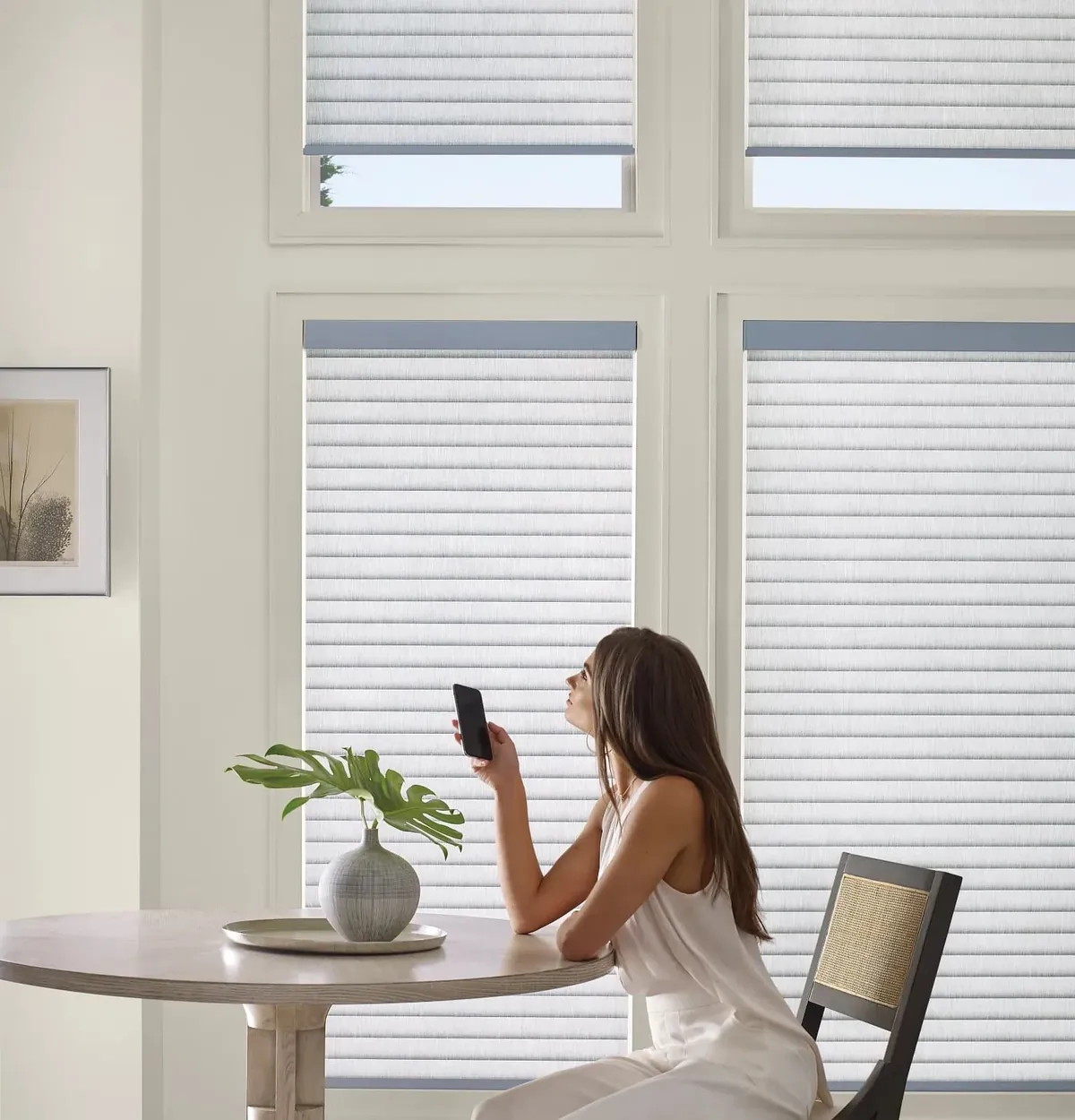
Motorized blinds and shades
PowerView shades that close at dusk on a schedule, so the front rooms are covered before the street can see in.
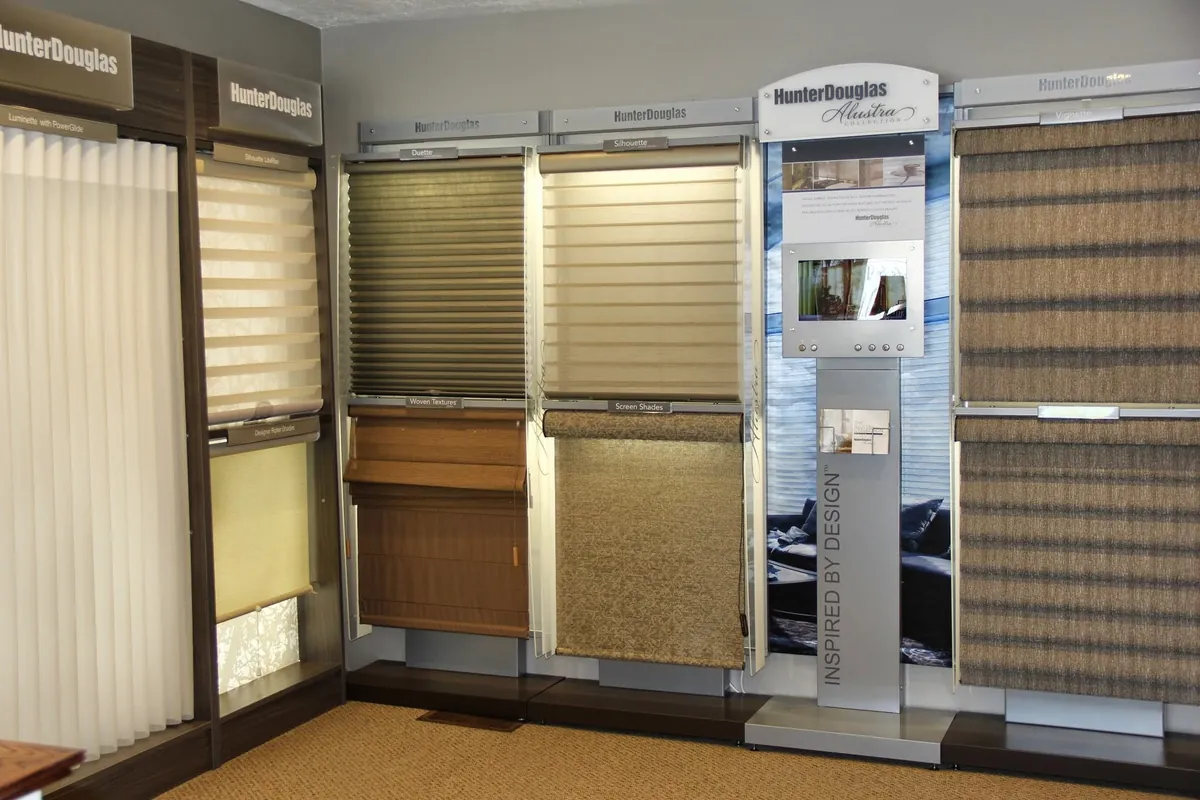
Hunter Douglas dealer
A Hunter Douglas Gallery dealer with certified installation, covering every product from a single village window to a whole house in the Port.
Custom drapery
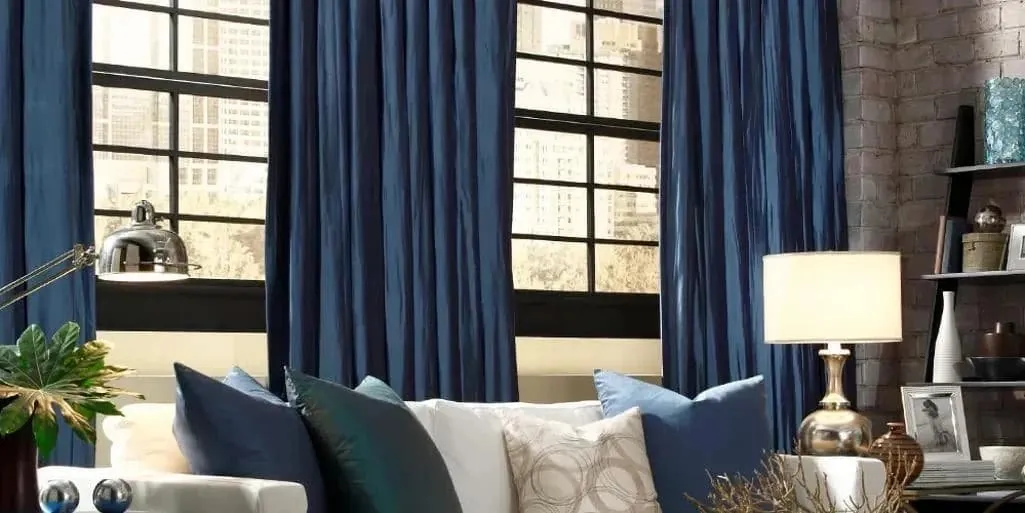
Hunter Douglas drapery for the tall windows of a converted building or the living room of a summer house.
Privacy on a tight village grid
On many Hyannis streets the houses are only a driveway apart, and the windows on the sides of one house look straight into the windows of the next. Front rooms sit close to the sidewalk, so anyone walking past is only a few steps from the glass. During the day that may not matter much. After dark, with the lights on inside, an uncovered window becomes a picture of the room.
There are several ways to keep a room private without living in the dark.
A top-down, bottom-up shade is one of the most useful. You lower it from the top to let in the sky and keep the lower part of the window covered, so daylight comes in over the heads of anyone outside. Honeycomb and roman shades are both made this way.
Blinds and shutters do the same with a tilt. Angle the slats or louvers upward and the light goes to the ceiling, while anyone looking in from the sidewalk sees only the slats. Shutters are especially good on a street-facing window because they look the same from outside whatever angle the louvers are at.
Sheer shades with soft fabric vanes give a gentler version. With the vanes open you see out clearly in the daytime and the room is softly screened from outside. At night, closing the vanes gives full privacy.

After dark on a lit street
A busy town has streetlights, car headlights and the glow of shops and restaurants late into the evening. Bedrooms that face the street pick up all of it. If you sleep on the street side, the question is less about privacy and more about keeping the room properly dark.
Room-darkening honeycomb shades and blackout rollers are the usual answer. Fitted closely inside the frame, they block most of the light, and side channels or an outside mount that overlaps the casing close the thin line of light that sneaks around the edges. Drapery drawn over the shade at night adds another layer, and it softens a room that might otherwise feel bare.
If you would rather not think about it, PowerView shades can close on a schedule at sunset and open at the hour you wake up. That means the front rooms are covered before anyone switches a lamp on, every evening, without anyone touching a cord.
Older houses through the village
The houses through the village are a mix of ages and styles: older capes and colonials, Victorians with tall windows and bays, and plain two-story houses from the town’s busier years. Many have been updated more than once, so a single house may have original sash in one room and replacement windows in the next.
Older windows bring the usual quirks. Openings may have settled out of square, the frame may be shallow because of old sash hardware, and the trim may be worth showing off. We measure each window at several points and check the depth before suggesting an inside or outside mount. A bay window, common on the Victorians, can take a shade in each section, set at matching heights so the bay looks like one piece when raised.
Front-room bays on a street-facing Victorian are a natural place for shutters: they suit the house, they look tidy from outside and they handle privacy by themselves. Upstairs, honeycomb shades in light-filtering or room-darkening fabric are a good all-round choice.
Condominiums near Main Street
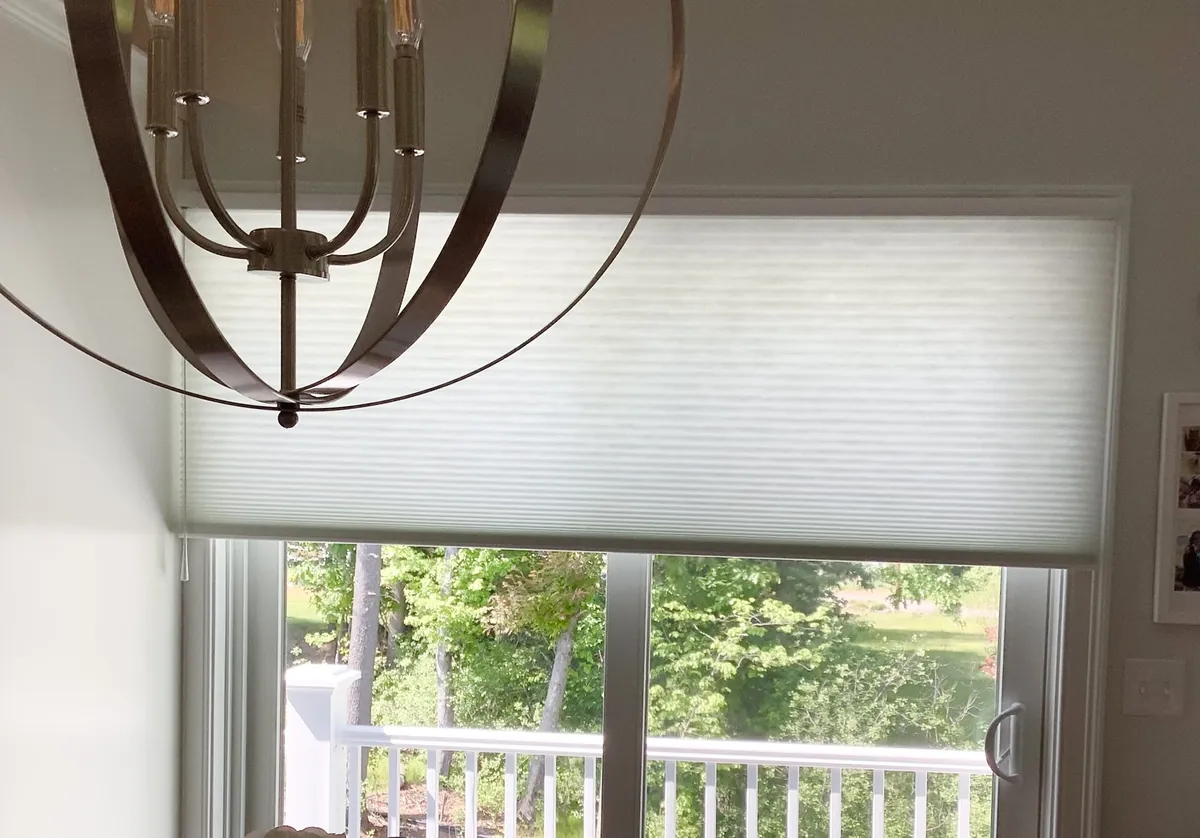
Several older buildings near Main Street have been converted into condominiums, and their windows can be quite unlike those in a house. A former commercial or institutional building may have very tall windows, wide openings or windows set in thick masonry. Others have new windows in an old shell. Either way, these units often have one wall of glass doing all the work for the room.
Tall windows in a converted building suit drapery well: floor-length panels hung high balance the height of the glass and soften a room with hard surfaces. Underneath, a roller or banded shade handles daily light and privacy. Banded shades are useful in a unit that faces another building, because you can line up the sheer bands for light and close them when you want privacy.
If your building has its own guidance on what shows from outside, bring it to the consultation. A white or neutral color facing the glass usually keeps every window in the building looking alike, while the room side can be whatever you like.
Side windows, stair landings and the narrow lot
On a narrow village lot, the side of the house is where the trouble collects. The stair landing window looks straight into the neighbor’s stair landing. The side entry door has a glass panel at eye level. A dining room window faces a driveway a few feet away, with the neighbor’s car pulling in every evening. These windows rarely get the attention the front ones do, and they are often the ones that bother people most.
Sheer and light-filtering fabrics are a good fit for windows like this, because you rarely want to look out of them, but you do want the daylight. A light-filtering honeycomb lowered all the way still fills the stairwell with soft light while hiding the view across. On a door with a glass panel, a slim shade or a shutter panel fitted to the door itself moves with the door. For a landing window you cannot easily reach, a motorized shade lowers from the hall with a remote.
The dining room facing the drive suits a shutter or a blind, which you can tilt shut at supper and open again in the morning. Thinking about window treatments in Hyannis this way, side by side as well as front to back, is often what finally makes a close-set house feel private.
Kitchens and baths in a village house
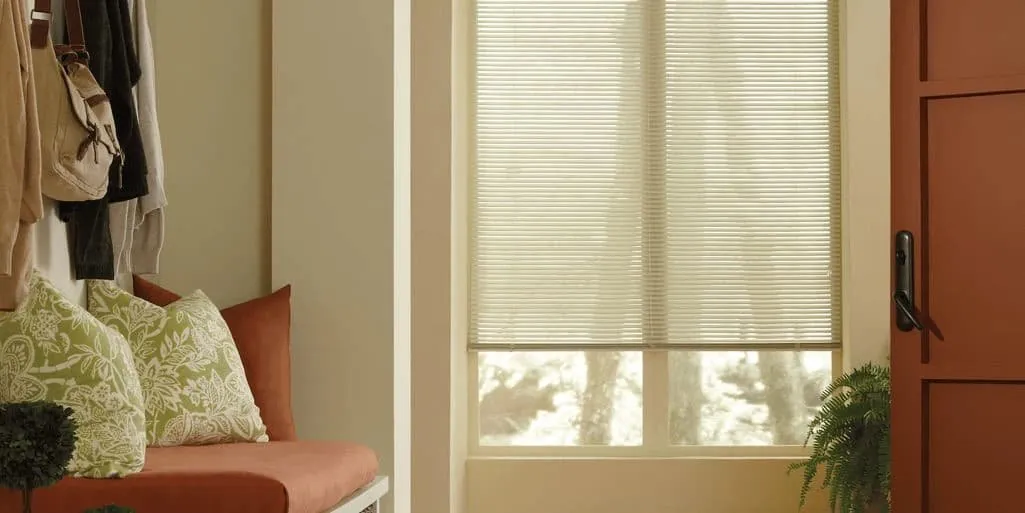
Kitchens in older village houses are often at the back, looking onto a small yard and the backs of other houses. Baths are frequently squeezed in under the roof or in a corner of the ground floor, with a single window beside the tub or over the sink. Both rooms want privacy without darkness, and both see steam.
A cafe shutter over the lower half of the kitchen window keeps the counter private and leaves the top open. Faux wood blinds wipe clean and handle humidity. In a bath, shutters with the louvers tilted up, or a top-down, bottom-up shade, let daylight in from the top while the lower window stays covered. These are small rooms, but they are used every day, and choosing window treatments in Hyannis that work in them is time well spent.
Hyannis Port and the harbor light
Toward the Port, the houses open up. Shingled summer houses sit on larger lots near the harbor and the shore, with wide porches, generous windows and rooms facing the water. Here the problem flips: privacy is easier, and the light is the challenge.
Light off the water arrives twice, once from the sky and once reflected up off the surface, and it tends to come in low. A solar screen roller is the usual first choice for a room with a harbor view, because it cuts the glare while you still see out. The openness of the weave decides the balance between view and comfort; we bring several so you can choose at the window. A top-down, bottom-up honeycomb, lowered just far enough to block the sun, is another good option, and it helps the room hold heat in the spring and autumn.
Summer houses also have their seasonal rhythm. If the house sits empty for part of the year, motorized shades on a schedule can keep strong sun off floors and furniture while the house still looks lived in.
Porches and the shingled summer house
The porches on the older summer houses in the Port are part of the house’s character. Some are open, others have been closed in with windows on three sides. A closed-in porch facing the water is often the brightest room in the house and the hardest to sit in on a summer afternoon.
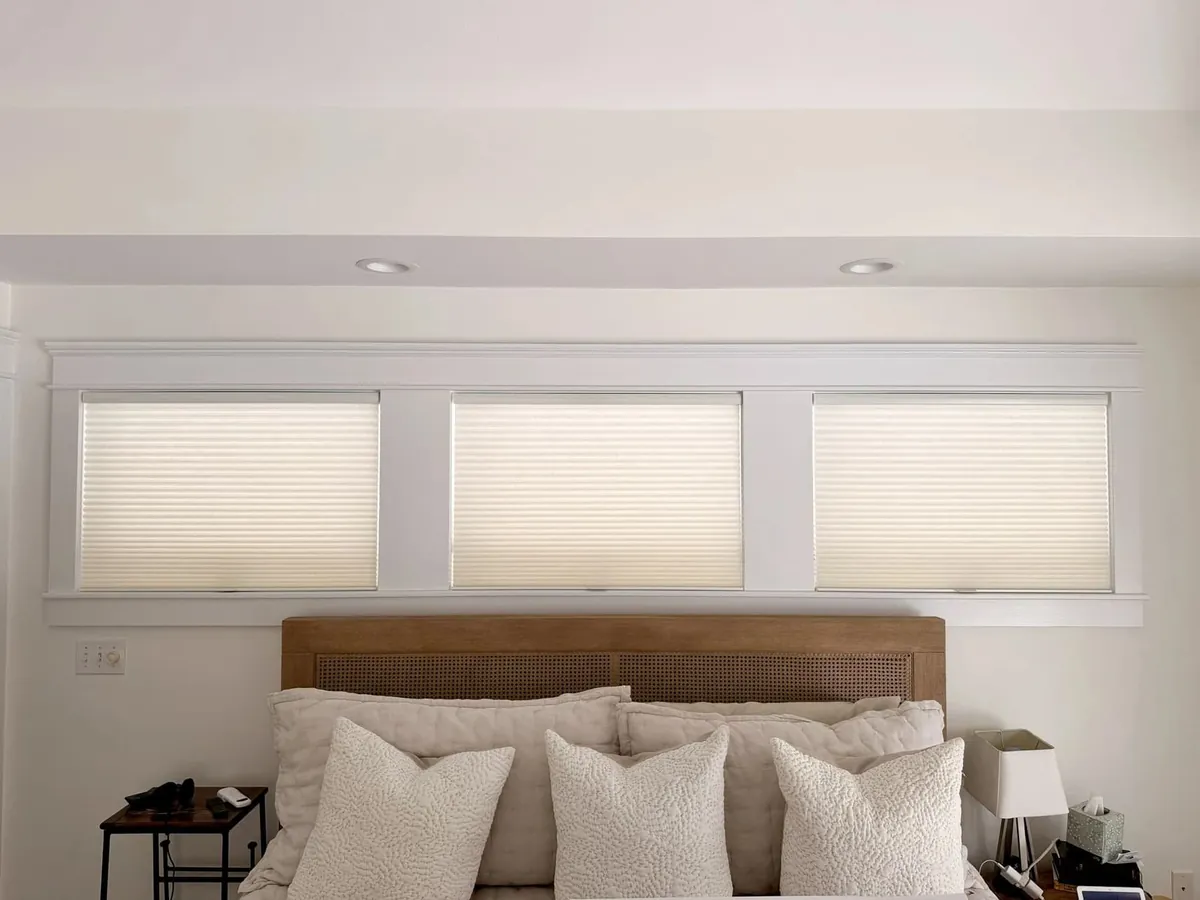
Screens or light-filtering rollers on each pane, mounted at matching heights, make a porch comfortable without blocking the view. Inside the house, these summer places often have bedrooms with dormers and low windows under the roof, where a slim honeycomb or roller shade that disappears when raised is the best fit. Bathrooms with a window next to the tub suit shutters or a top-down shade.
How the visit works
Seeing the samples against your own windows is the only real way to judge them, and in Hyannis that includes stepping outside to see how much each option hides. Here is how a consultation runs.
- Request a consultation through the form or with the call button, and choose a day.
- A consultant drives over with the van full of samples: shades, blinds, louvers and drapery fabrics.
- We go through the house with you, starting with the rooms where privacy or glare is the problem.
- You see the samples against your own windows, and if you like, from the sidewalk or the yard too.
- Every window is measured at several points, along with the frame depth and anything in the way.
- You receive a free estimate and take your time deciding.
For help pulling color and fabric together across several rooms, our interior design consultations are there. You can read more about what happens at an in-home consultation.
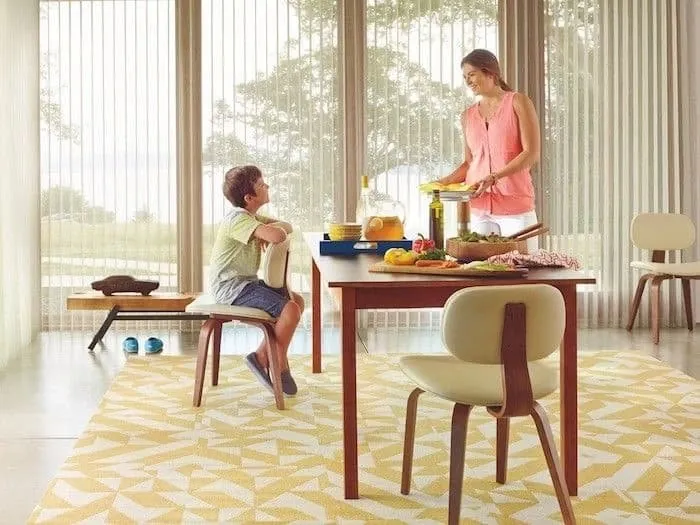
Fitting day
When everything arrives, our certified Hunter Douglas installers come to fit it. Each piece is mounted, levelled and tested before they move on, and you are shown how every shade, blind and shutter works. If you chose PowerView, the remote, the app and any schedules are set up with you, and we plan how each motor is powered at the earlier visit so there are no surprises on the day. For a fuller picture, see what happens on installation day.
Putting the house together
Very few Hyannis houses need the same product on every window. A village house might have shutters in the street-facing front rooms, room-darkening honeycomb in the bedrooms and faux wood blinds in the kitchen. A Port summer house might pair screens on the porch and the harbor side with roman shades in the dining room. A condominium might keep one product throughout for a calm, uniform look.
The color facing the glass and the head rail color are the two things worth keeping consistent, because they are what make a house look planned from outside. Choosing all your window treatments in Hyannis at once also means one free estimate and the freedom to add motorization later on the same app. Our window treatments overview shows the full range, and our motorized blinds and shades page explains PowerView.
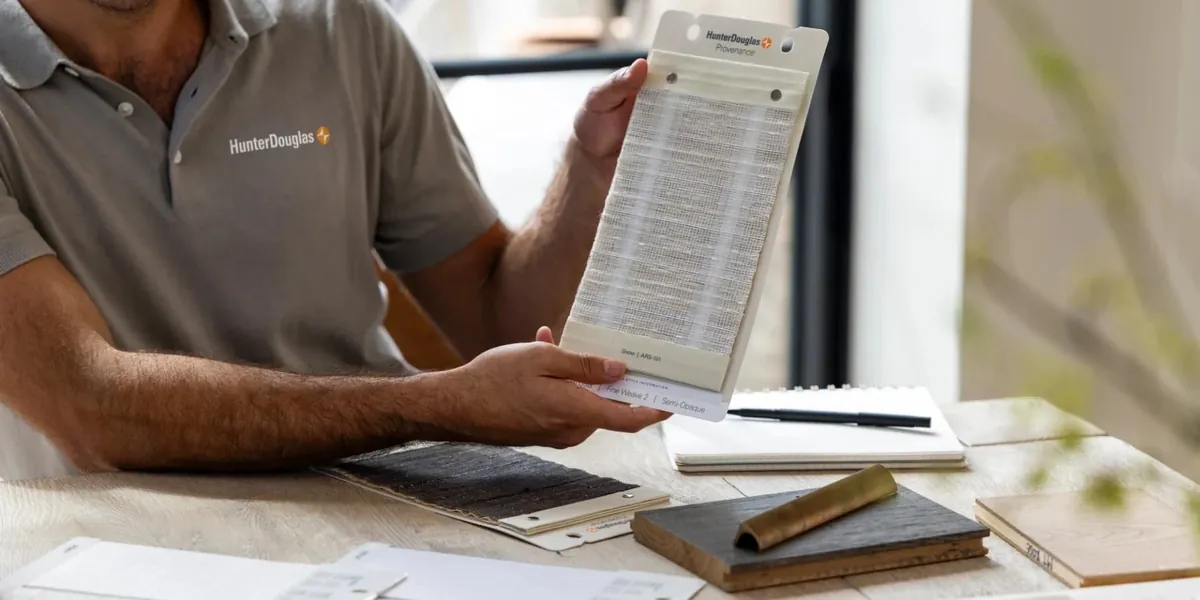
Why a Hunter Douglas Gallery dealer
Village privacy, harbor glare and the tall windows of a converted building each call for something different. Blinds & Designs is a Hunter Douglas Gallery dealer, so the whole range is open to you: shades, blinds, shutters, drapery and PowerView.
Our own Hunter Douglas certified installers do the fitting. We offer interior design consultations for color and fabric, and we are glad to repair a blind or shade you already own. The Hunter Douglas page has more about the brand.
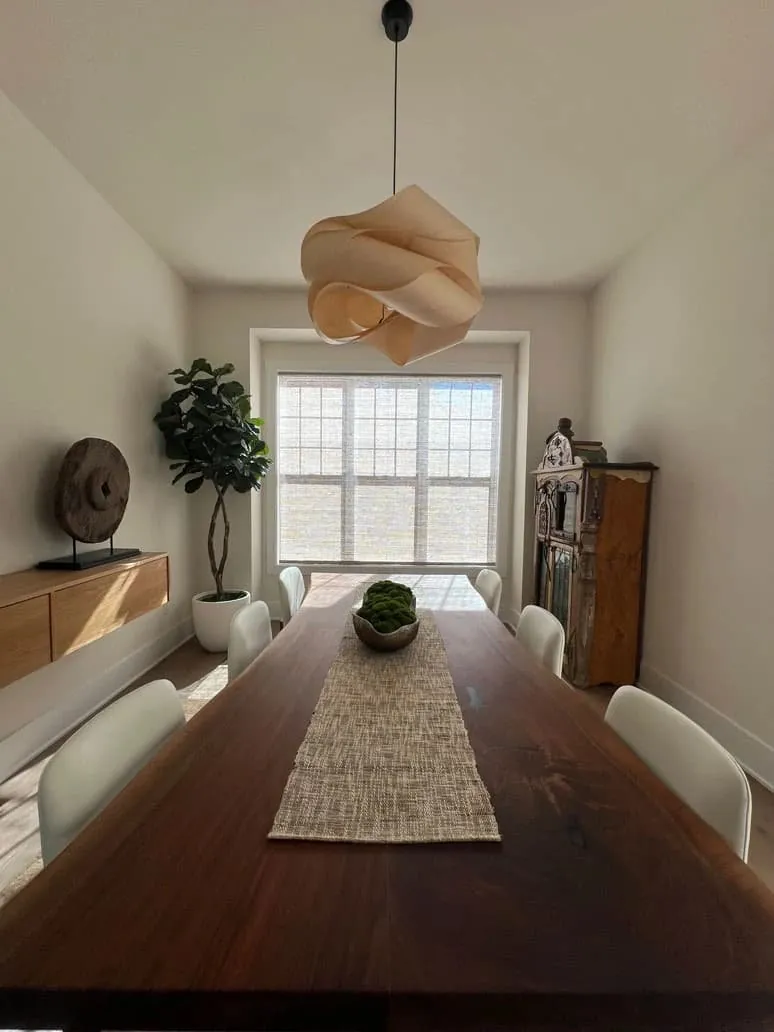
The Sagamore showroom is the nearest
Most Hyannis customers choose at home, because the samples travel to the house. If you would rather see the products first, our Sagamore showroom is the closest, up the Cape by the canal. The people there are the same ones who will measure and install.
Questions from Hyannis
Our house is very close to the neighbors. How do we keep light without being seen?
A top-down, bottom-up shade lets in the sky while covering the lower window. Blinds and shutters with the louvers tilted up send light to the ceiling while blocking the view in.
Streetlights shine into our bedroom. What will keep it dark?
A room-darkening honeycomb or blackout roller fitted closely in the frame, with side channels or an overlapping outside mount if needed. Drapery adds another layer.
Our condominium has very tall windows. What suits them?
Floor-length drapery hung high, often over a roller or banded shade for daily use. Motorized shades also make tall windows easy to work.
What cuts the glare in a Hyannis Port room facing the harbor?
A solar screen roller cuts glare while keeping the view. A top-down, bottom-up honeycomb blocks the low sun at the top of the window and leaves the rest open.
Can you measure and quote the whole house in one visit?
Yes. We look at every room, measure every window and give you one free estimate covering everything, even if each room ends up with a different product.
What to do next
Request a consultation and a consultant will bring the samples to the house, measure every window and leave a free estimate. Use the call button if you would like to talk first, or visit the Sagamore showroom.